Travel and Food

Design source

A Cultural History of Tobacco as Seen from the Tobacco and Salt Museum

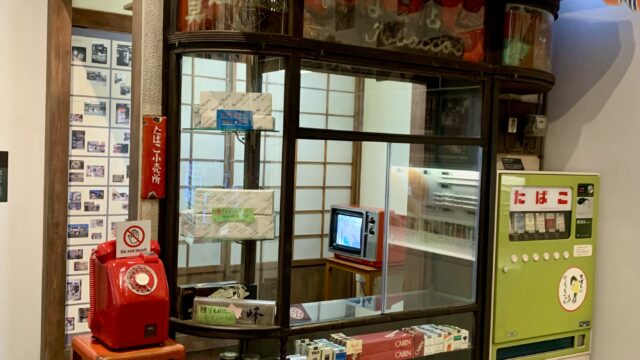
Starting from the Tobacco and Salt Museum in Sumida Ward, Tokyo, this tour traces the origins of tobacco, the Age of Discovery and slavery, Japan's monopoly system, advertising and packaging, cigars, and tobacco trays. It interprets world history and design history through a familiar luxury item.
Strolling around Tokyo

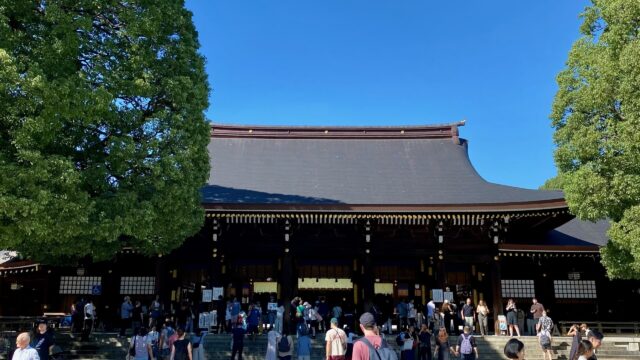
From Meiji Jingu Shrine to Harajuku—a century-old forest and the town that has sprung up on its outskirts.

We will receive prayers at Meiji Jingu Shrine and experience Kagura dance, sacred sake, and votive offerings. We will walk through the Meiji Jingu Garden, visiting the Kakun-tei pavilion, Kiyomasa's well, irises, and the 100-year-old artificial forest, and consider its relationship to Harajuku, which has developed outside of it.
Travelogue of Japan

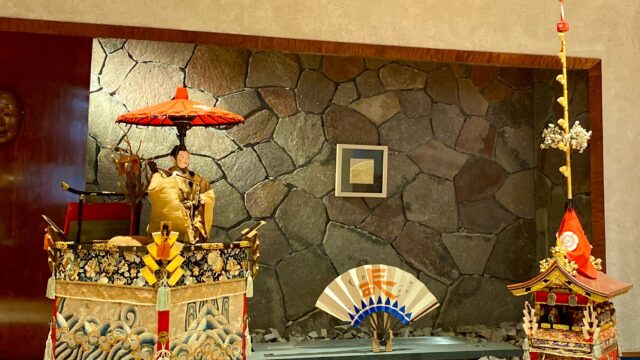
Reading the Gion Festival through the lens of the tea ceremony: Kyoto as seen at the Yasaka Shrine's tea offering ceremony and Ichiriki-tei.

At the Gion Festival, we witnessed the tea ceremony performed by the head of the Omotesenke school at Yasaka Shrine. We experienced the floats, the tea ceremony rooms, and the Ichiriki-tei tea ceremony firsthand, and explored the connections within Kyoto culture through the tea ceremony, from Rokkakudo Temple, to the plays "Hana Ikusa" and "Kanadehon Chushingura," to the geisha districts and chimaki (rice dumplings wrapped in bamboo leaves).
Cuisine and Food Culture

I encountered ptarmigan twice on Mount Kiso-Komagatake—in Senjojiki Cirque and in the Central Alps.

I've climbed Mount Kiso-Komagatake twice, and encountered ptarmigan both times. I'll share my experiences and photos, from the glacial topography of Senjojiki Cirque, the seasonal changes in ptarmigan feathers, conservation activities in the Central Alps, to Nogaike Pond, Komagai Pond, Kozenji Temple, and even Komagane's famous katsudon (pork cutlet rice bowl).
Ceramics and artwork

From "viewing" national treasures to "creating" them: Learning from Nonomura Ninsei and Ogata Kenzan about the design of polychrome tea bowls.

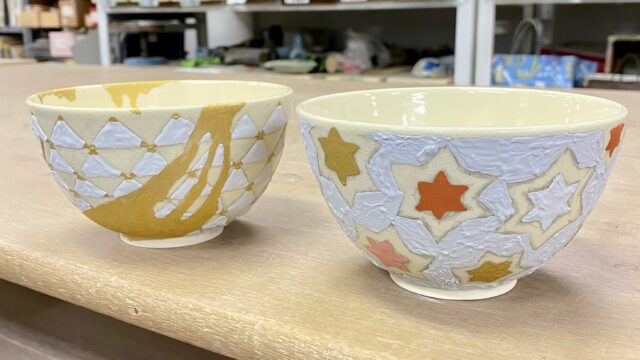
This book compares Nonomura Ninsei's national treasure, the "Polychrome Pheasant Incense Burner," which I saw in Kanazawa, with works by Ninsei and Ogata Kenzan that I saw at the Nezu Museum. It analyzes the polychrome enamel, form, patterns, and negative space of Kyoto ware, and introduces how this was applied to the actual production of polychrome tea bowls, along with photographs of the production process.
Cuisine and Food Culture

Thoughts at Ippodo Tea Shop in Teramachi, Kyoto

I visited Ippodo Tea Shop in Teramachi during the Gion Festival in Kyoto. Using Miyako Watanabe's "The Taste of Tea" as a guide, I will consider how the "taste of tea" is created in relation to matcha, thick and thin tea, tea ceremony practice, the seasons, and the tools used.
Design source

A photographic exploration of La Maison Champs Élysées, the Parisian hotel designed by Margiela.

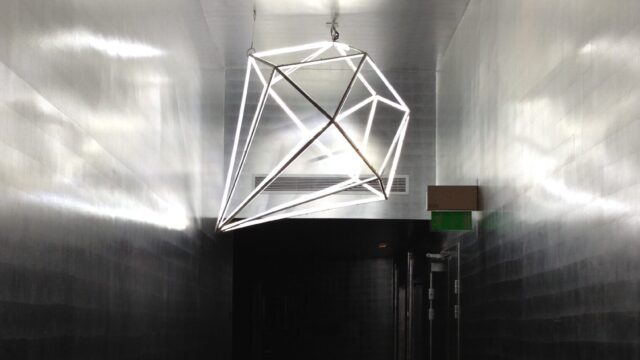
La Maison Champs-Élysées, a Parisian hotel whose interior was designed by Maison Martin Margiela. Based on photographs taken during an actual stay, we will decipher Margiela's design philosophy, which is also reflected in his clothing, through the white chairs, trompe-l'oeil, reproductions, lighting, and the expressions of the floors and walls.
Design source

Reading Yohji Yamamoto's "Making Clothes"—Thinking about Yohji Yamamoto through "Volume and Drape"

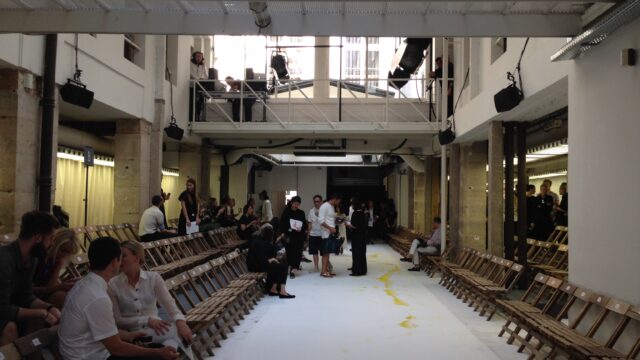
Using Yohji Yamamoto's "Making Clothes" as a starting point, this article examines the "volume" and "drape" found in Yohji Yamamoto's clothing. Drawing on clothes actually seen at the 2014 Paris Men's Collection and items from the author's own collection, the article explores the relationship between the body and clothing.
Cuisine and Food Culture

Walking through Morioka—Kenji Miyazawa, Kohara-sha Publishing House, folk art, cafes, and food culture

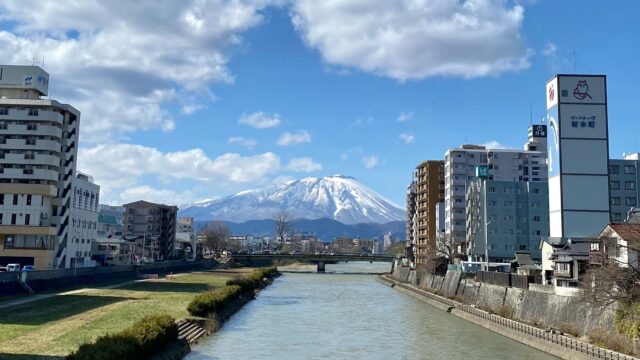
Kenji Miyazawa, Kohara-sha publishing house, folk art, café culture, Morioka Reimen (cold noodles), Jajamen (noodles with garlic), Fukuda Bread. While walking through the streets of Morioka, we will explore how past cultures are being passed down to present-day life.
Art and Ceramics

NIGO® and Han-dei-ko: Collecting, Creating, and Inheriting

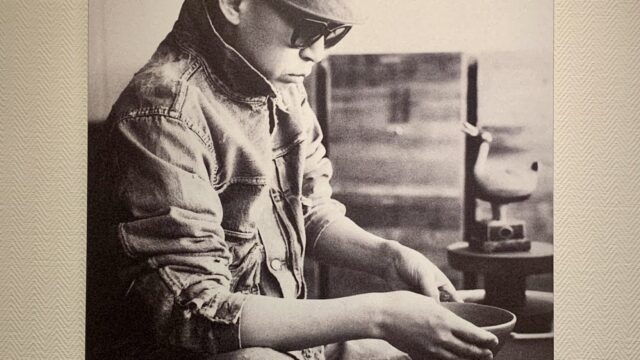
I visited the "NIGO® and Handeishi" exhibition held at the Ishimizu Museum in Tsu City, Mie Prefecture. Through the tea bowls of Kawakita Handeishi collected by NIGO® and 25 bowls he created himself, I reflected on collecting, pottery making, the freedom to break away from form, and the inheritance of culture.