Film and History

Art and Ceramics

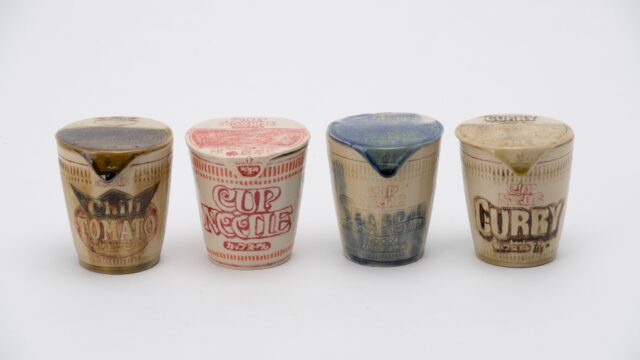
Making Cup Noodles from Clay: A Half-Century Perspective from Design, Advertising, and Ceramics

This project involves creating a ceramic version of Cup Noodles, a familiar treat in the mountains. It traces the process from package design, the 1970 Osaka World Expo, past commercials, and the trial and error involved in soft glaze and firing, ultimately documenting the process until it achieved third place in the visitor popularity poll at the Japan Ceramic Art Club Exhibition.
Cuisine and Food Culture

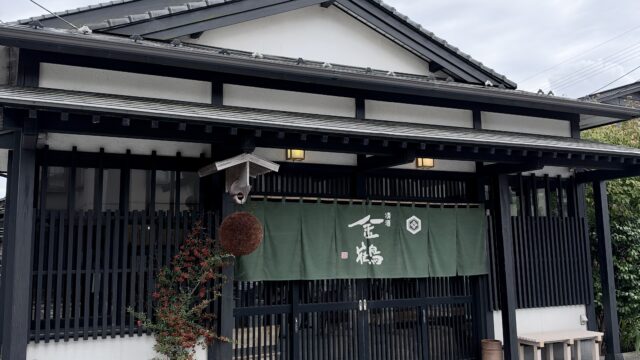
Reading the Sake Culture of Sado and Niigata through "Kintsura" - Water, Rice, Crested Ibis, "Kura" (warehouse), and Hokuetsu Seppu (Snow Chronicles of Northern Japan)

When considering Sado Island, a region in Niigata Prefecture whose history is linked to sake, one's attention inevitably turns to "gold." In the previous article, we walked through the Sado Gold Mine, tracing the history of how the gold and silver extracted from underground supported the shogunate's rule, gave rise to the city of Aikawa, and led to modern industries and even Mumyoi pottery. And...
Travelogue of Japan

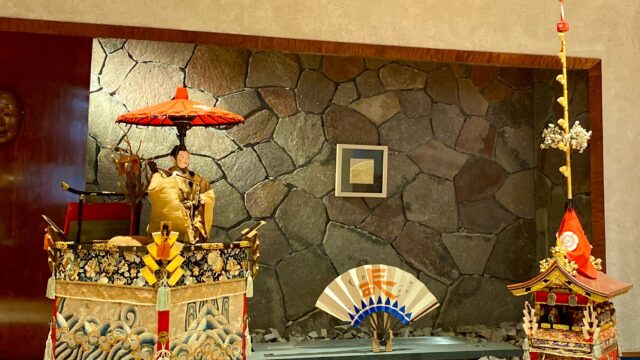
Reading the Gion Festival through the lens of the tea ceremony: Kyoto as seen at the Yasaka Shrine's tea offering ceremony and Ichiriki-tei.

At the Gion Festival, we witnessed the tea ceremony performed by the head of the Omotesenke school at Yasaka Shrine. We experienced the floats, the tea ceremony rooms, and the Ichiriki-tei tea ceremony firsthand, and explored the connections within Kyoto culture through the tea ceremony, from Rokkakudo Temple, to the plays "Hana Ikusa" and "Kanadehon Chushingura," to the geisha districts and chimaki (rice dumplings wrapped in bamboo leaves).
Design source

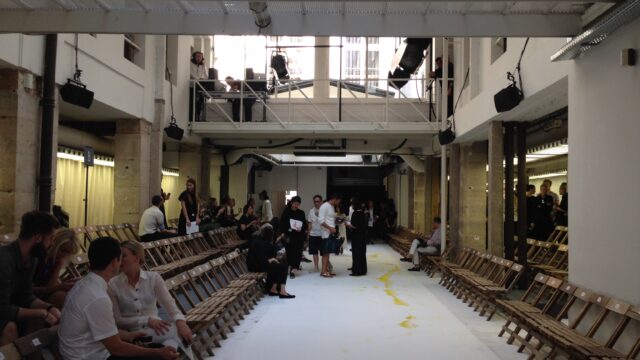
Reading Yohji Yamamoto's "Making Clothes"—Thinking about Yohji Yamamoto through "Volume and Drape"

Using Yohji Yamamoto's "Making Clothes" as a starting point, this article examines the "volume" and "drape" found in Yohji Yamamoto's clothing. Drawing on clothes actually seen at the 2014 Paris Men's Collection and items from the author's own collection, the article explores the relationship between the body and clothing.
Travel and Food

The National Treasure Tea Room "Joan" - A world of two-and-a-half tatami mat rooms left behind by Oda Urakusai

We visited the national treasure tea room "Joan," which was relocated to Yurakuen Garden in Inuyama, Aichi Prefecture. We will introduce this two-and-a-half-mat tea room, left behind by Oda Urakusai, the younger brother of Oda Nobunaga, discussing its architecture, the tea ceremony, our experience at Yurakuen Garden, and even referencing the film "Sen no Rikyu: Honkakubo Ibun."
Art and Ceramics

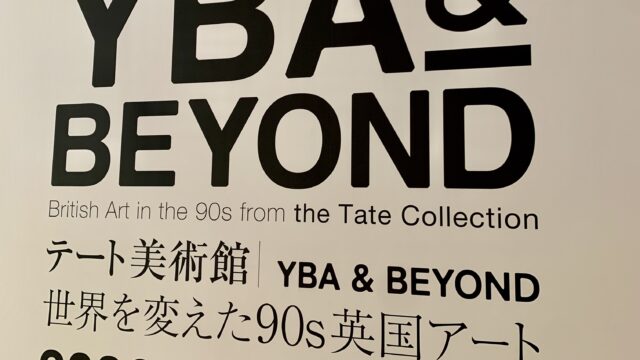
Why did YBA originate in 1990s Britain?

This exhibition at the Kyoto City Kyocera Museum of Art, "YBA & BEYOND: 90s British Art That Changed the World," explores the works of Damien Hirst, Grayson Perry, and others, as well as films such as "Trainspotting" and "Brassed Off!". It examines 1990s Britain across art, music, fashion, class, and urban culture.
American History Through Movies

Reading "The Champion's Strength Training" will change the way you see "Terminator."

This book introduces Arnold Schwarzenegger's "The Champion's Workout" from an NSCA-CPT perspective. It analyzes everything from progressive overload and the principles of physical training to the physical portrayal in "Terminator" and movie costumes such as M-65s and leather jackets.
Design source

Reading "Roots" through clothing

This book offers a historical analysis of the 1977 classic drama "Roots" from the perspective of clothing history. It explores the history of clothing and freedom in 18th and 19th-century America, from rationed clothing under slavery, Osnaburg, social stratification on plantations, cotton and the ready-made clothing industry, to post-emancipation attire, using actual historical documents.
Design source

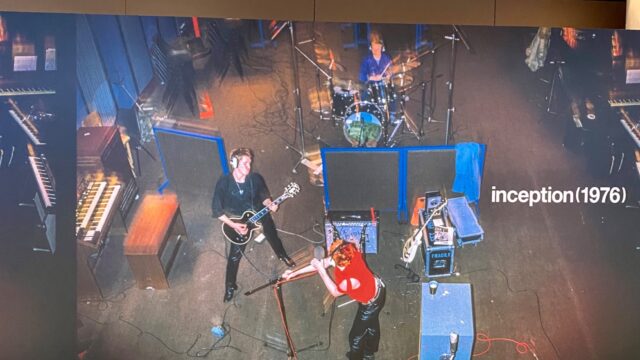
The "blueprint for destruction" of punk as seen in "Inception (1976)"“

This is a review of "inception (1976)," held at Omotesando Hills. Drawing on materials from Seditionaries, Sex Pistols, Vivienne Westwood, and Malcolm McLaren, we explore how 1970s punk transformed clothing, music, and graphics.