アクセサリー

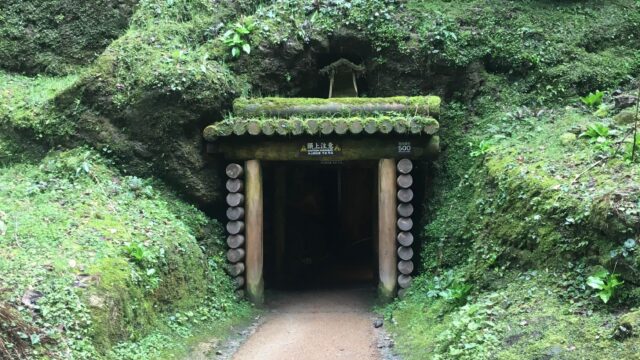
銀の山から、神の浜へ——石見・出雲、素材が意味に変わる旅

石見銀山の龍源寺間歩から温泉津温泉、登り窯、石見神楽、出雲大社へ。2019年の島根旅行を、陶芸やアクセサリー制作を始めた現在の視点から読み直し、銀・土・紙・砂・米が文化へ変わる過程をたどります。
Design source

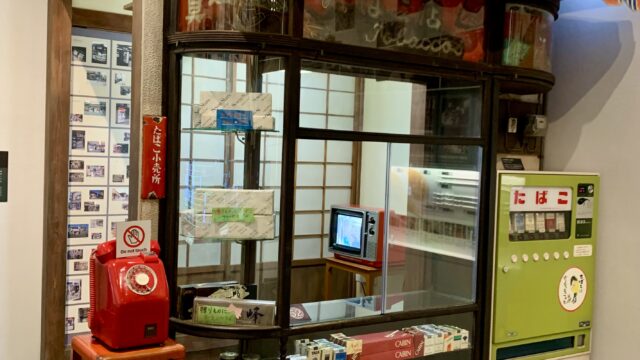
A Cultural History of Tobacco as Seen from the Tobacco and Salt Museum

Starting from the Tobacco and Salt Museum in Sumida Ward, Tokyo, this tour traces the origins of tobacco, the Age of Discovery and slavery, Japan's monopoly system, advertising and packaging, cigars, and tobacco trays. It interprets world history and design history through a familiar luxury item.
Strolling around Tokyo

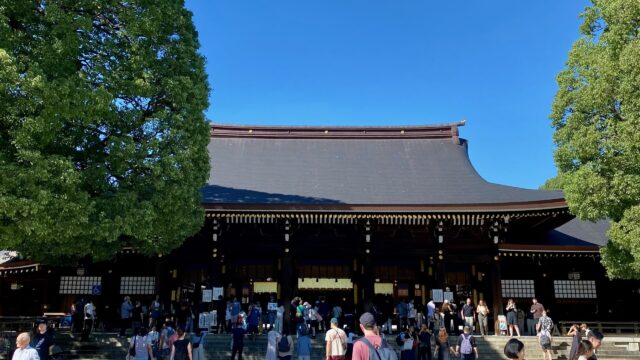
From Meiji Jingu Shrine to Harajuku—a century-old forest and the town that has sprung up on its outskirts.

We will receive prayers at Meiji Jingu Shrine and experience Kagura dance, sacred sake, and votive offerings. We will walk through the Meiji Jingu Garden, visiting the Kakun-tei pavilion, Kiyomasa's well, irises, and the 100-year-old artificial forest, and consider its relationship to Harajuku, which has developed outside of it.
Travelogue of Japan

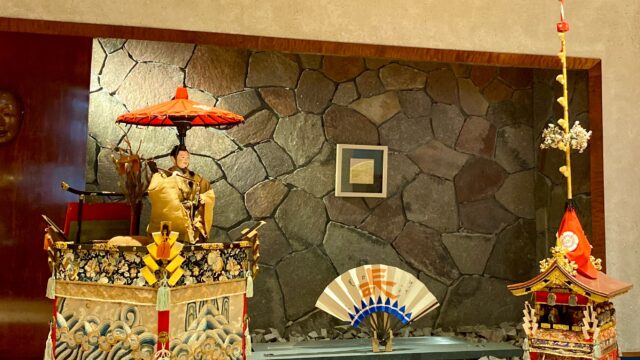
Reading the Gion Festival through the lens of the tea ceremony: Kyoto as seen at the Yasaka Shrine's tea offering ceremony and Ichiriki-tei.

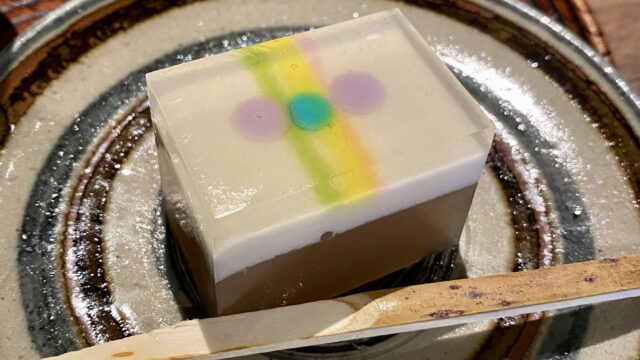
At the Gion Festival, we witnessed the tea ceremony performed by the head of the Omotesenke school at Yasaka Shrine. We experienced the floats, the tea ceremony rooms, and the Ichiriki-tei tea ceremony firsthand, and explored the connections within Kyoto culture through the tea ceremony, from Rokkakudo Temple, to the plays "Hana Ikusa" and "Kanadehon Chushingura," to the geisha districts and chimaki (rice dumplings wrapped in bamboo leaves).
Cuisine and Food Culture

I encountered ptarmigan twice on Mount Kiso-Komagatake—in Senjojiki Cirque and in the Central Alps.

I've climbed Mount Kiso-Komagatake twice, and encountered ptarmigan both times. I'll share my experiences and photos, from the glacial topography of Senjojiki Cirque, the seasonal changes in ptarmigan feathers, conservation activities in the Central Alps, to Nogaike Pond, Komagai Pond, Kozenji Temple, and even Komagane's famous katsudon (pork cutlet rice bowl).
Ceramics and artwork

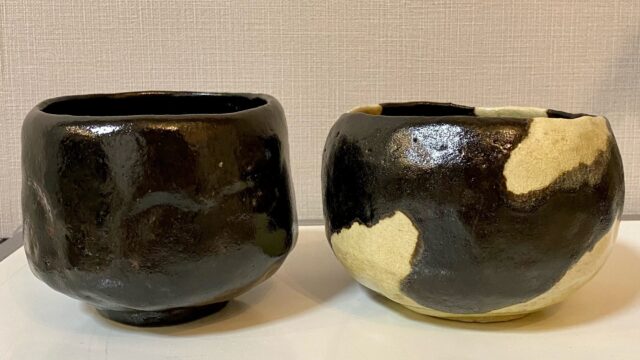
What is a Black Raku Tea Bowl? — Reflecting on "Black" Tea Bowls through Sen no Rikyu, Chojiro, the Raku Museum, and My Own Works

What is a black Raku tea bowl? Based on the origins of Raku tea bowls by Sen no Rikyu and Chojiro, the techniques of hand-molding and carving, the actual pieces seen at the Raku Museum, and the experience of actually making a black Raku tea bowl, this book explains the form and the allure of "black" in an easy-to-understand way for beginners.
Ceramics and artwork

From "viewing" national treasures to "creating" them: Learning from Nonomura Ninsei and Ogata Kenzan about the design of polychrome tea bowls.

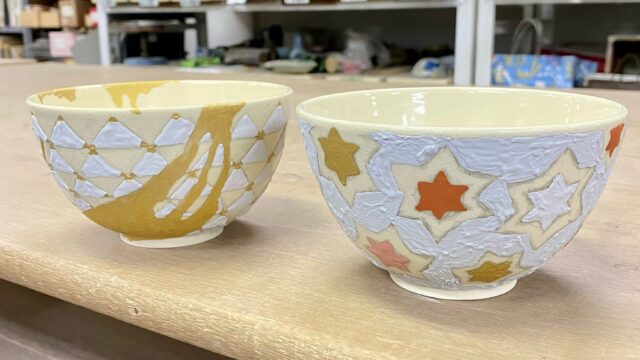
This book compares Nonomura Ninsei's national treasure, the "Polychrome Pheasant Incense Burner," which I saw in Kanazawa, with works by Ninsei and Ogata Kenzan that I saw at the Nezu Museum. It analyzes the polychrome enamel, form, patterns, and negative space of Kyoto ware, and introduces how this was applied to the actual production of polychrome tea bowls, along with photographs of the production process.
Cuisine and Food Culture

Thoughts at Ippodo Tea Shop in Teramachi, Kyoto

I visited Ippodo Tea Shop in Teramachi during the Gion Festival in Kyoto. Using Miyako Watanabe's "The Taste of Tea" as a guide, I will consider how the "taste of tea" is created in relation to matcha, thick and thin tea, tea ceremony practice, the seasons, and the tools used.
Design source

A photographic exploration of La Maison Champs Élysées, the Parisian hotel designed by Margiela.

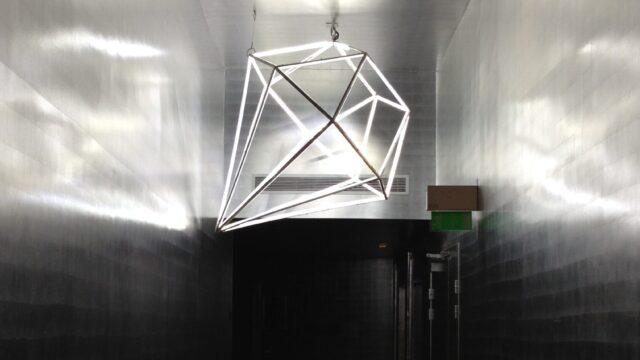
La Maison Champs-Élysées, a Parisian hotel whose interior was designed by Maison Martin Margiela. Based on photographs taken during an actual stay, we will decipher Margiela's design philosophy, which is also reflected in his clothing, through the white chairs, trompe-l'oeil, reproductions, lighting, and the expressions of the floors and walls.
Art and Ceramics

Why is Princeton University a "tiger"?

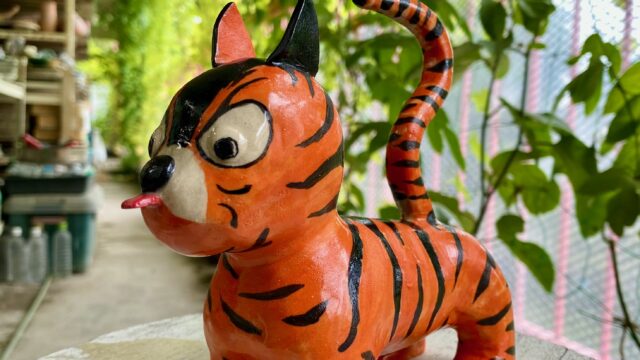
Why is the tiger the symbol of Princeton University? Tracing its relationship with the Ivy League, college sports, mascot culture, Take Ivy, Reunion Jacket, and Penn State, this presentation introduces the background and production process of reinterpreting the Princeton Tiger as a ceramic artwork.