- Reinterpreting Shimane in 2019 from the perspective of the "creators" in 2026.
- Iwami Silver Mine is not just a "silver mine"
- Yunotsu Onsen - A hot spring town remaining in the silver port
Reinterpreting Shimane in 2019 from the perspective of the "creators" in 2026.
I have plans to visit the Sado Gold Mine, a World Heritage Site, in the near future, and it suddenly reminded me of my trip to the Iwami Silver Mine and Yunotsu Onsen in 2019.
I stayed in Yunotsu for two nights, soaking in the Motoyu and Yakushiyu hot springs, relaxing in a retro cafe while visiting a huge climbing kiln, and watching Iwami Kagura in the evening. From there, I extended my trip to Iwami Ginzan Silver Mine, Adachi Museum of Art, and Izumo Taisha Shrine.
Now that I'm studying the tea ceremony and practicing pottery, I've become more conscious of the local materials and culture when I travel. This time, I'd like to revisit my travels from 2019 and reflect on "the culture of towns created by silver."
Iwami Silver Mine is not just a "silver mine"
The official name of the Iwami Ginzan Silver Mine as a World Heritage Site is "Iwami Ginzan Silver Mine Site and its Cultural Landscape." The important part is the phrase "cultural landscape" in the latter half of the name.
The World Heritage site consists not only of the mine itself, but also of the mining town, traces of smelting, the roads used to transport silver and other goods, and the port towns that shipped the silver out to sea—all preserved as a single system. UNESCO also appreciates the fact that the entire relationship from mining to transportation and shipping has been preserved as a whole, and the silver from Iwami in the 16th and early 17th centuries was involved in trade with East Asia and Europe.
When visiting the Iwami Silver Mine, perhaps what we should consider is not how much silver was extracted, but rather how humans used this land in relation to the silver.
Ryugenji Mine – The Meaning of Mining Silver
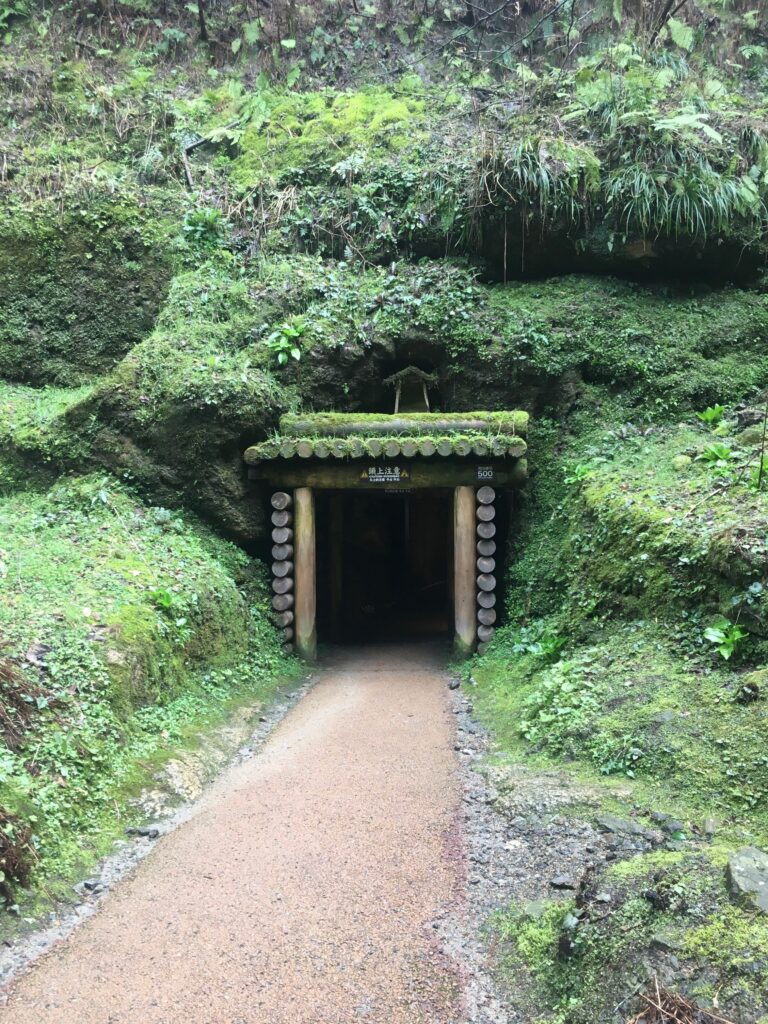
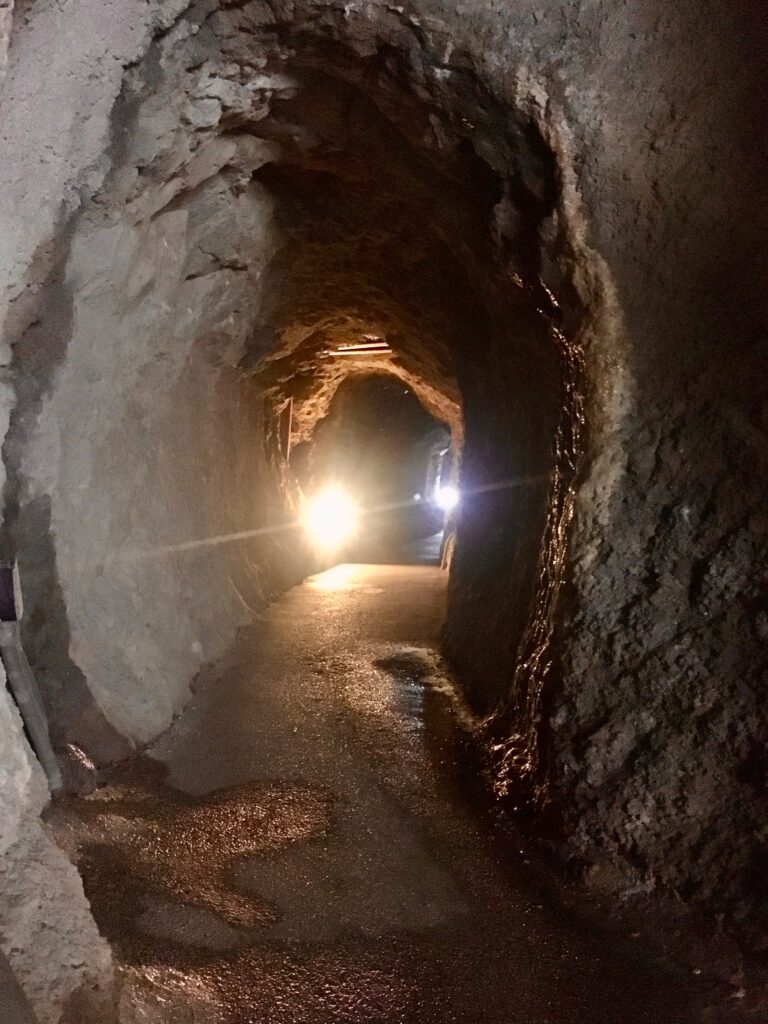
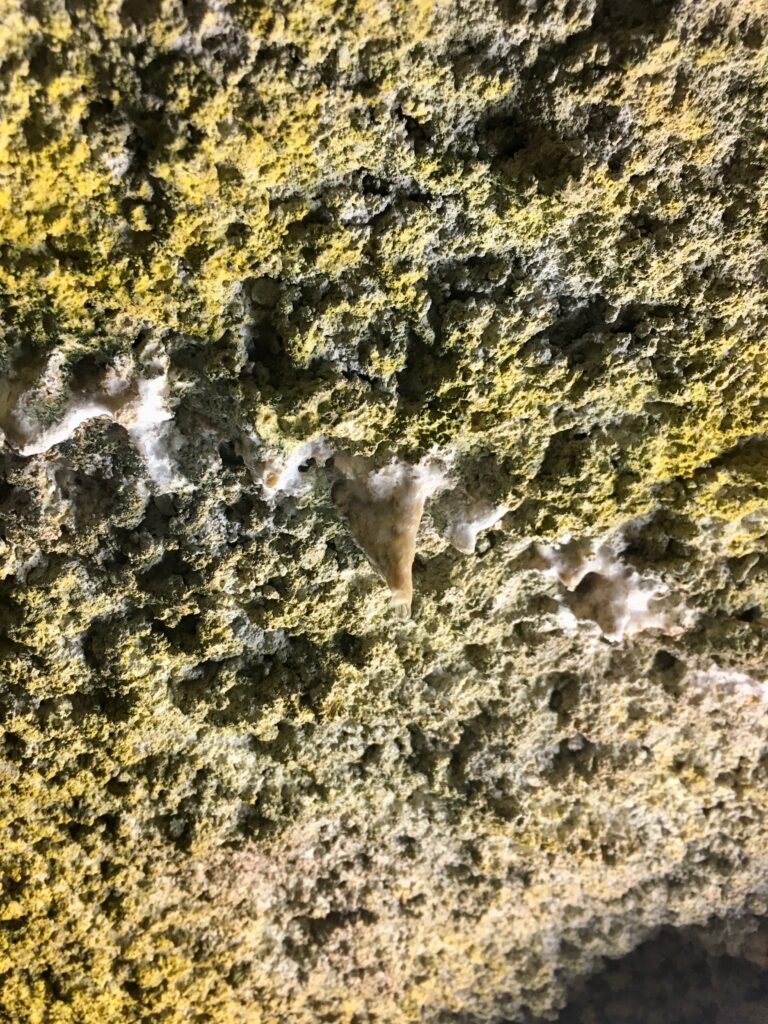
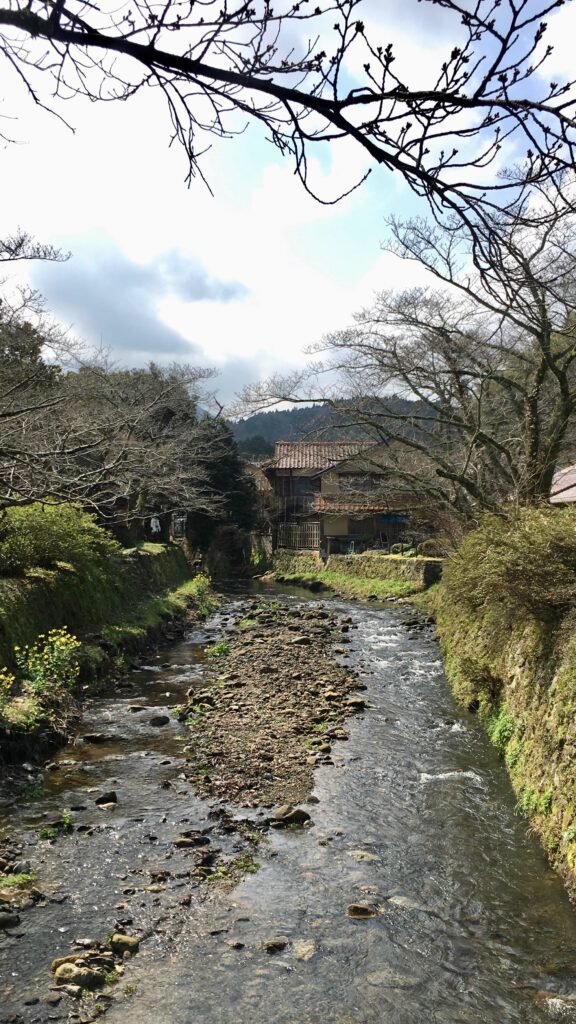
As you walk along the quiet mountain path, traces of mining appear here and there. Stepping into the mine shafts, you can feel the immense amount of labor that was poured into this place.
The process of producing silver begins with manually extracting the ore from deep within the mountains. It then involves transporting it, crushing and sorting it, and smelting it before it finally becomes silver. Behind every finished piece of craftwork or currency lies a vast accumulation of labor and skill.
Silver production doesn't end in the mountains—the port town of Yunotsu
The mined silver was transported via Yunotsu, a town facing the Sea of Japan.
It is known that Yunotsu flourished as a port for trade on the Sea of Japan even before the Iwami Silver Mine was fully developed. The development of the silver mine in the 16th century added to its importance as a port for shipping silver. The Iwami Silver Mine World Heritage Center also interprets Yunotsu from the perspectives of both medieval trade on the Sea of Japan and the silver mine.
Yunotsu Onsen - A hot spring town remaining in the silver port
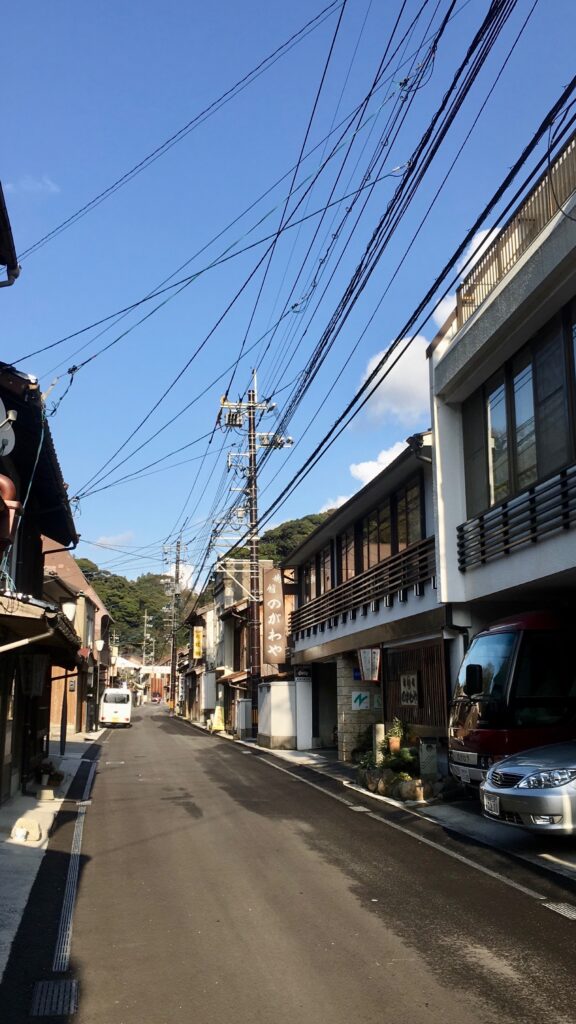
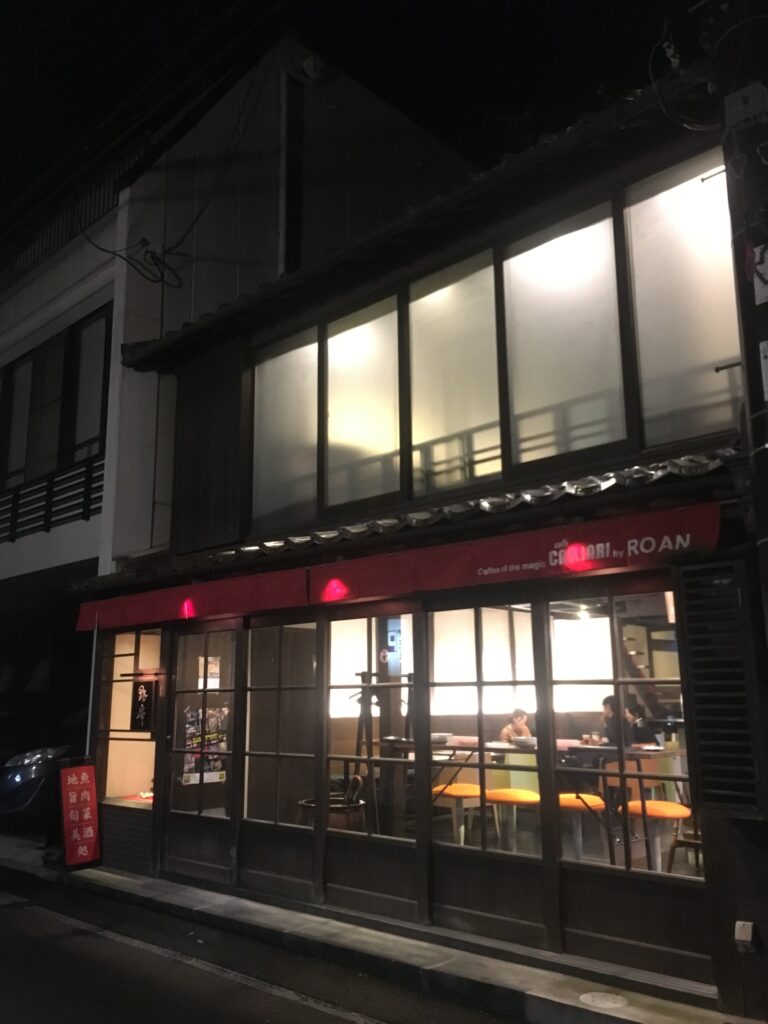
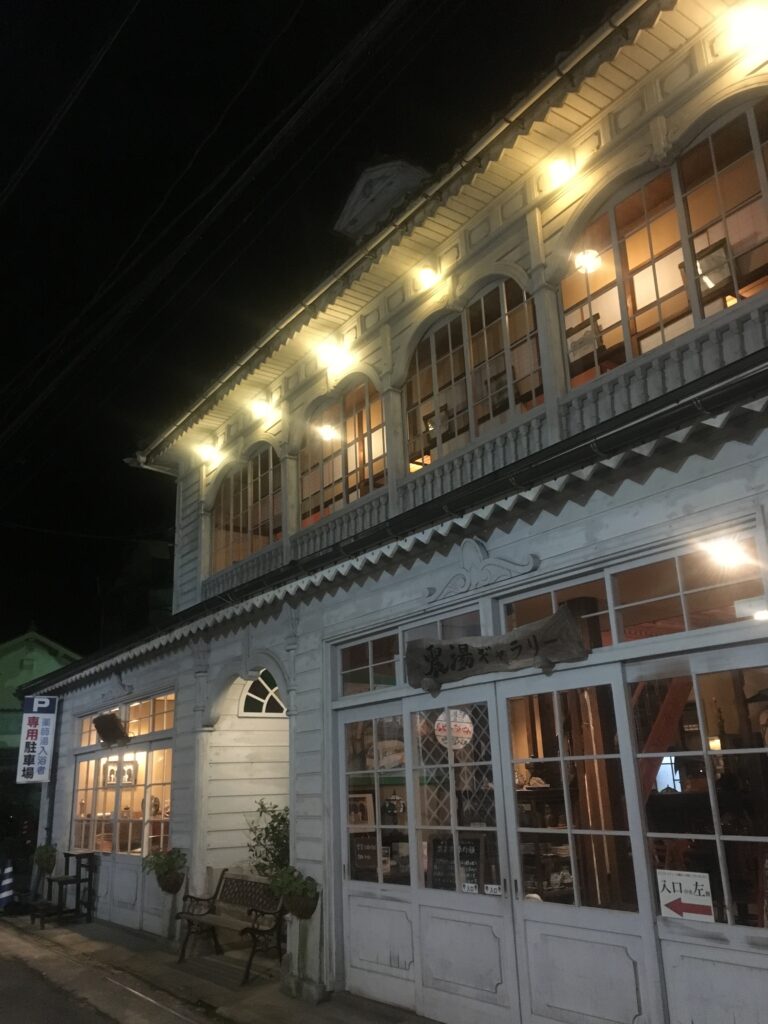
In Yunotsu,Nogawaya RyokanI stayed at "[Name of Inn]" for two nights. The inn's bath also uses hot spring water from Yunotsu, but because it's some distance from the source, the temperature is milder, and I remember from my notes at the time that it was just the right temperature for a relaxing soak.
A story I heard at this inn has stayed with me ever since. According to the owner, in recent years, there have been young people who have fallen in love with Iwami Kagura and moved to Yunotsu. At the time, I just thought, "Can Kagura really move people that much?", but that night I ended up watching Kagura myself.
Yakushi-yu - Western-style architecture appearing amidst a wooden townscape
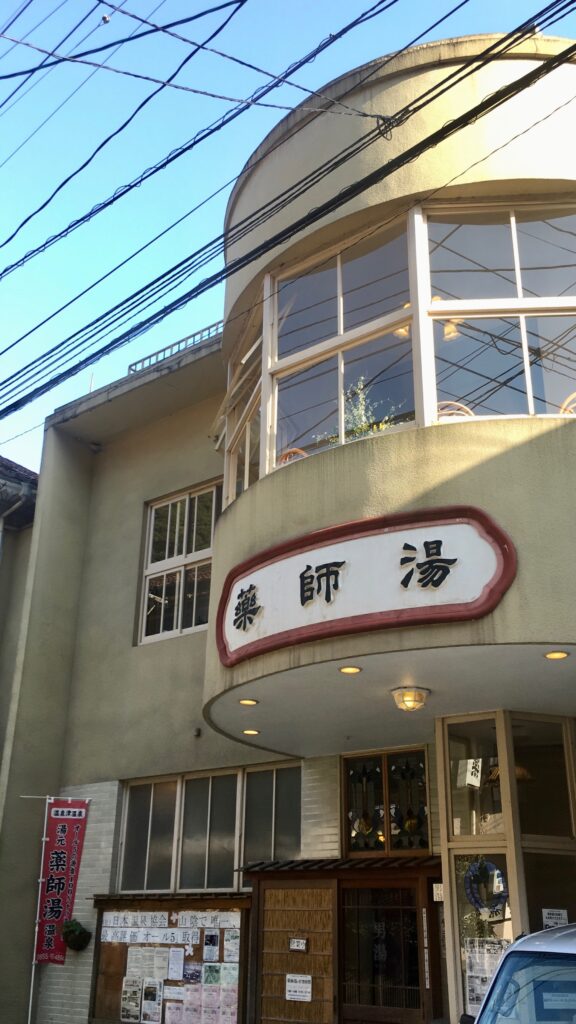
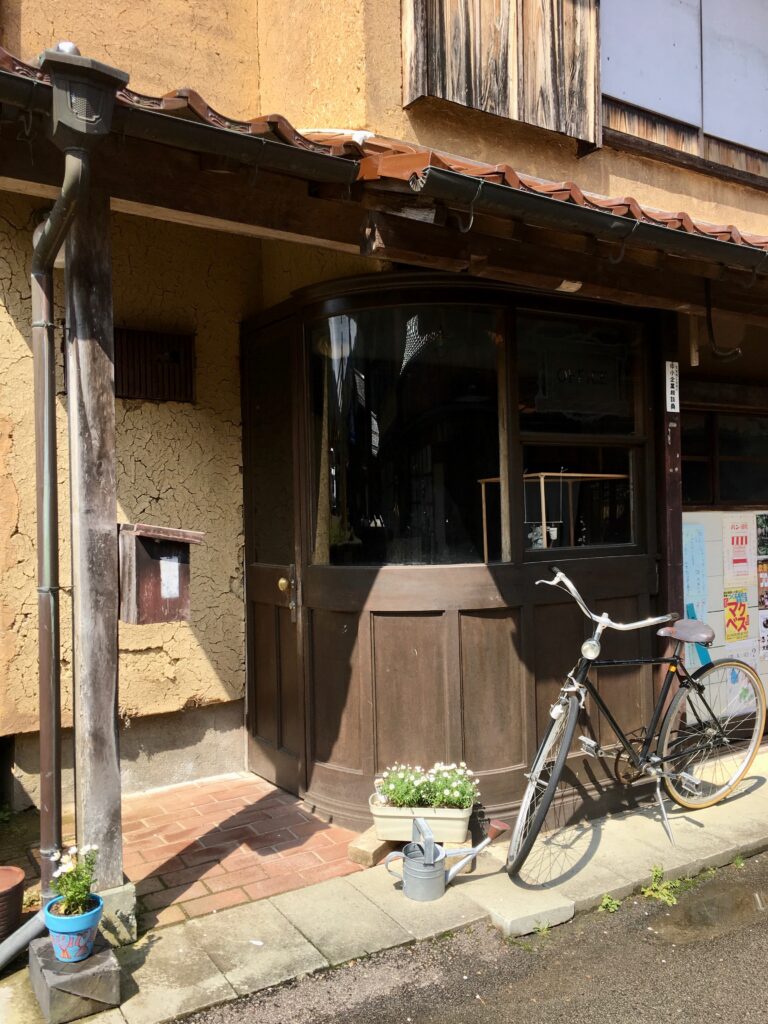
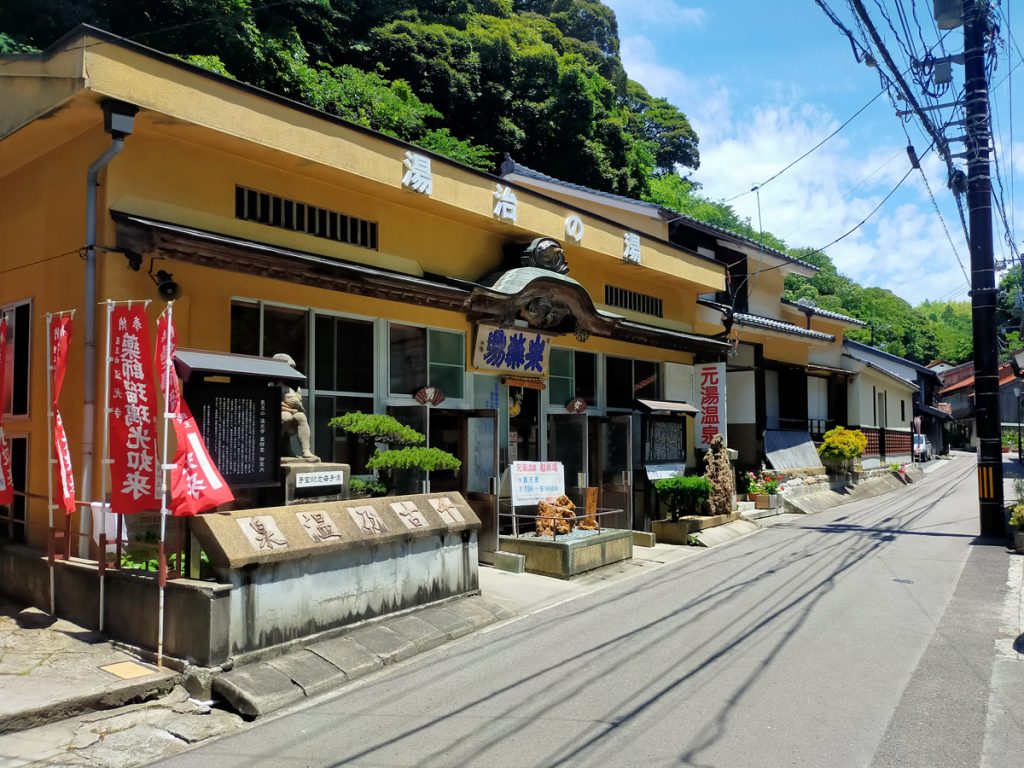
In this hot spring town, where old houses line both sides of narrow streets, there are two representative public bathhouses. One of them is the one that retains the atmosphere of Taisho Romanticism.Yakushi-yu"Amidst a row of wooden houses, a rounded, Western-style facade suddenly appears."
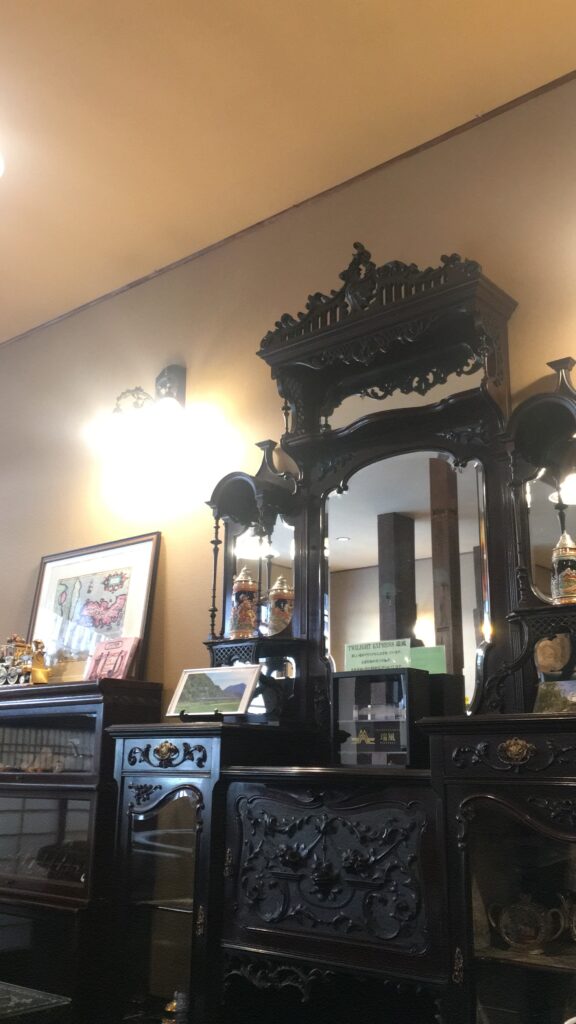
Next door is a cafe that uses the former Yakushi-yu building.Shinto Cafe KurajoThere is a cafe area that was formerly the men's changing room, and the adjacent gallery was apparently the women's bath. The stained glass and decorations remain intact, creating a space where you can experience the history of the hot spring facility itself.
Original hot spring - water too hot to enter
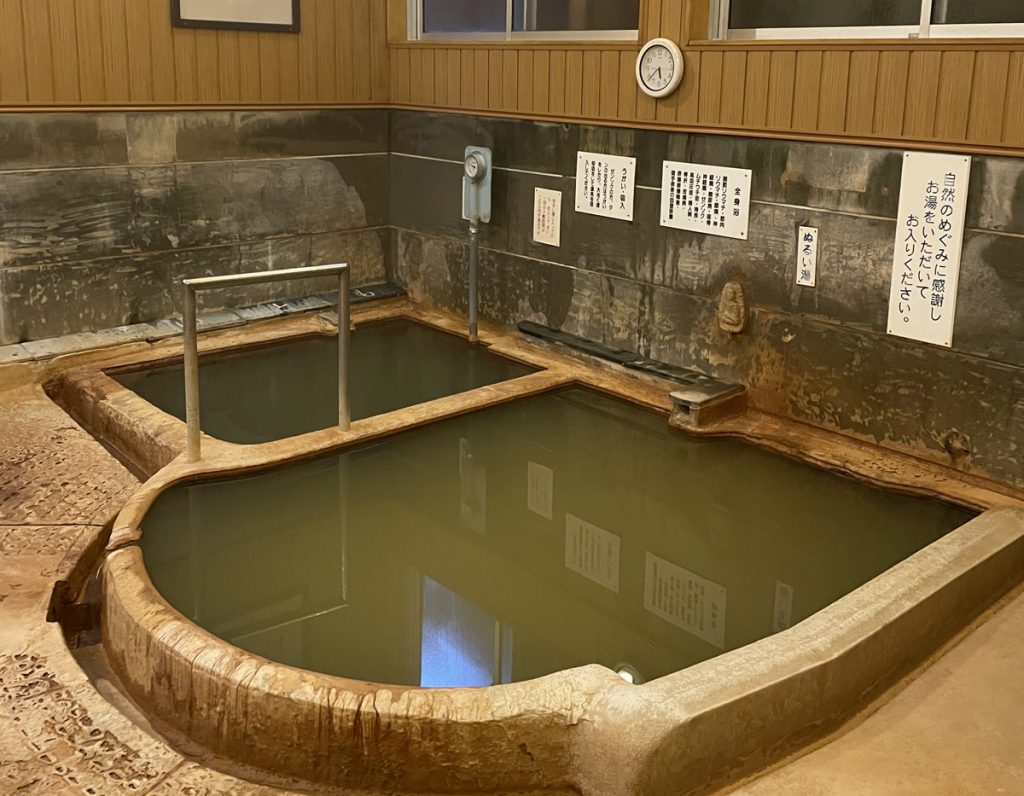
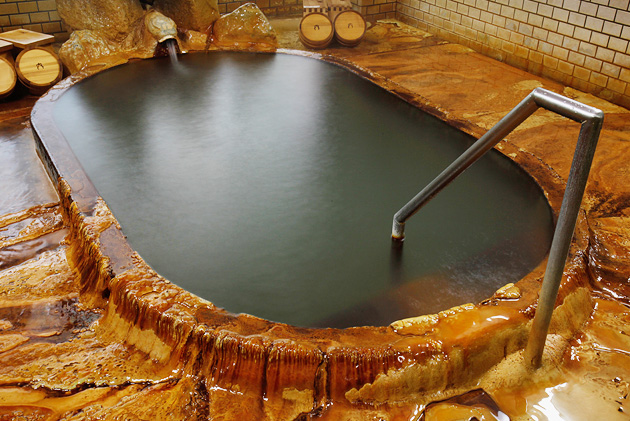
The hot springs at Yunotsu Onsen are very concentrated in minerals, and above all, they are extremely hot. Even the coolest bath was over 43 degrees Celsius, and I couldn't stay in for even a minute until my body adjusted.
A local told me that "the best way to enjoy the hot springs is to go first thing in the morning." Apparently, the water is cleaner and has a higher concentration of minerals then. I also noted that the mineral deposits from the hot springs had formed unique patterns in the washing area. If I were a potter now, I think I would have observed those deposits in much more detail.
Another industry born from the earth—Yunotsu pottery
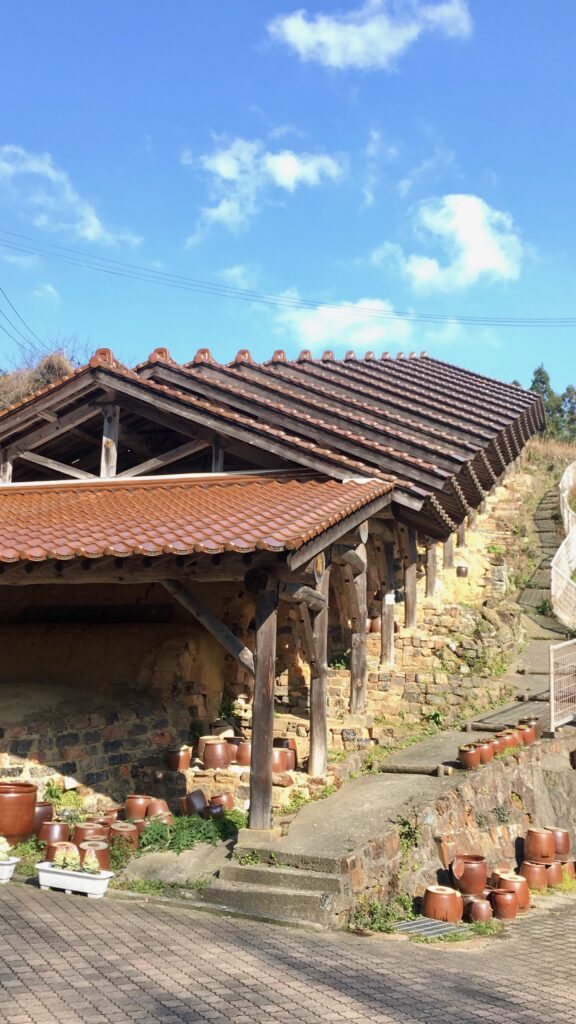
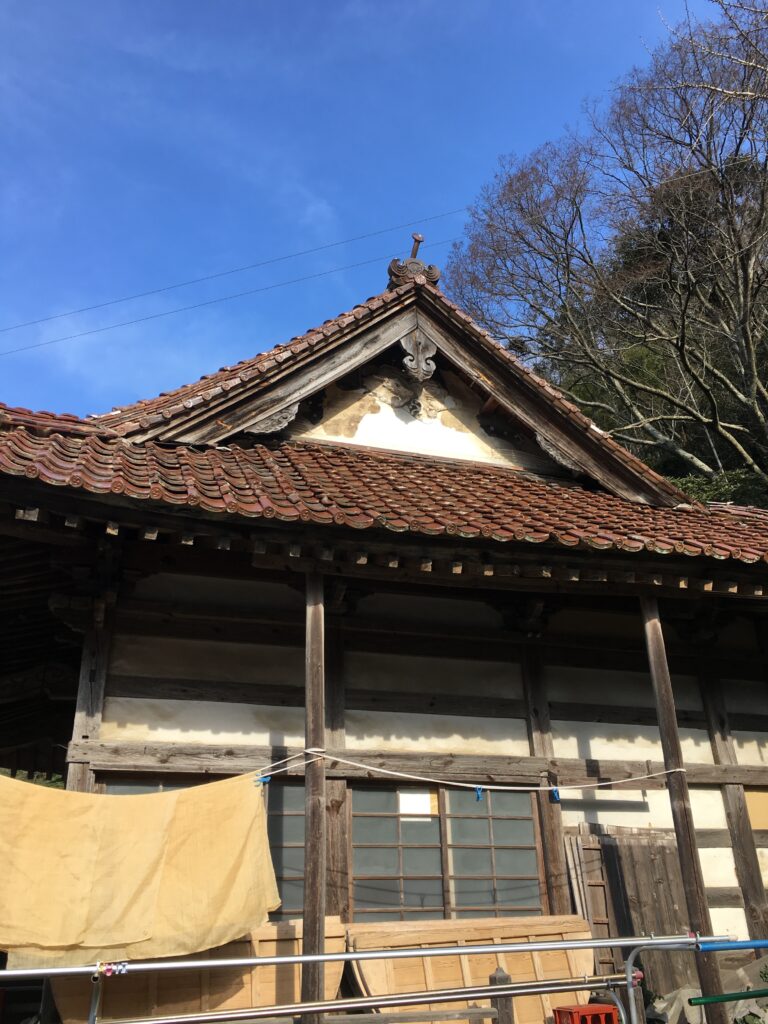
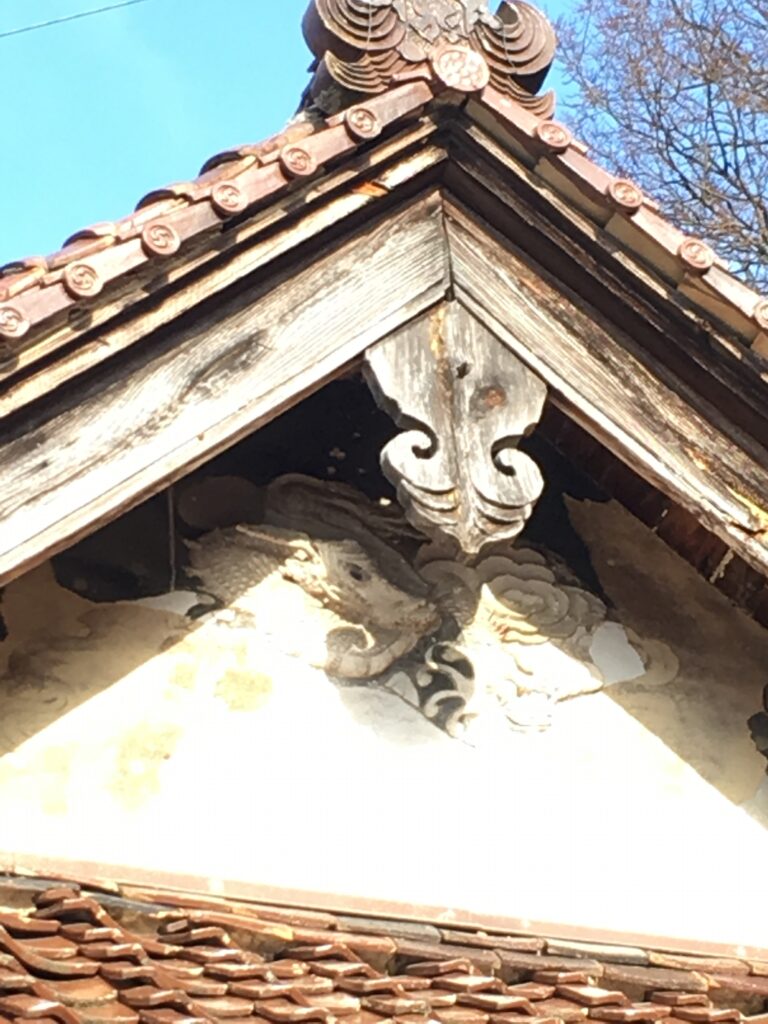
Located near the hot spring townYunotsu Pottery VillageTwo massive climbing kilns remain there, one approximately 30 meters long and the other approximately 20 meters long.
Located near the port, the area was surrounded by high-quality clay and glaze raw materials, as well as wood for firing kilns, and the slopes were suitable for building climbing kilns. In Yunotsu, large water jars called "hando" and everyday utensils such as mortars were actively produced.
After the war, as lifestyles changed and the demand for large water jars declined, Tsunezo Arao, who had studied under Kanjiro Kawai, moved to Yunotsu in 1969 and opened the Tsubaki Kiln. It is said that pottery making in the style of Kanjiro Kawai is still carried on at kilns in Yunotsu today.
Iwami Kagura – Paper and cloth become gods
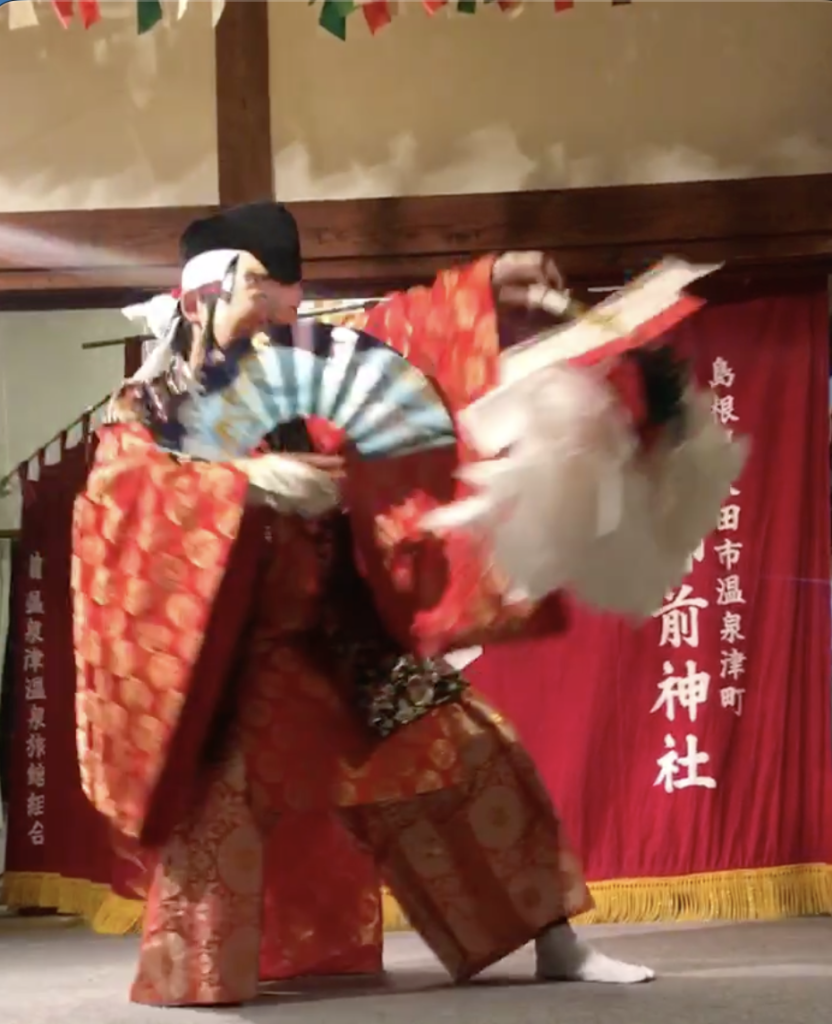
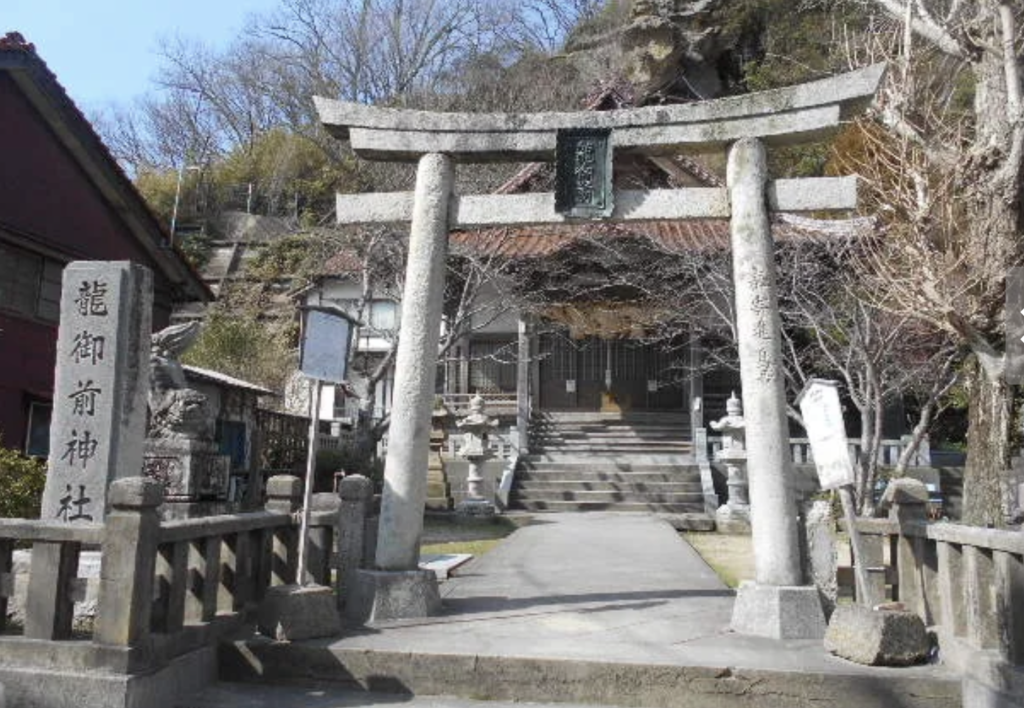
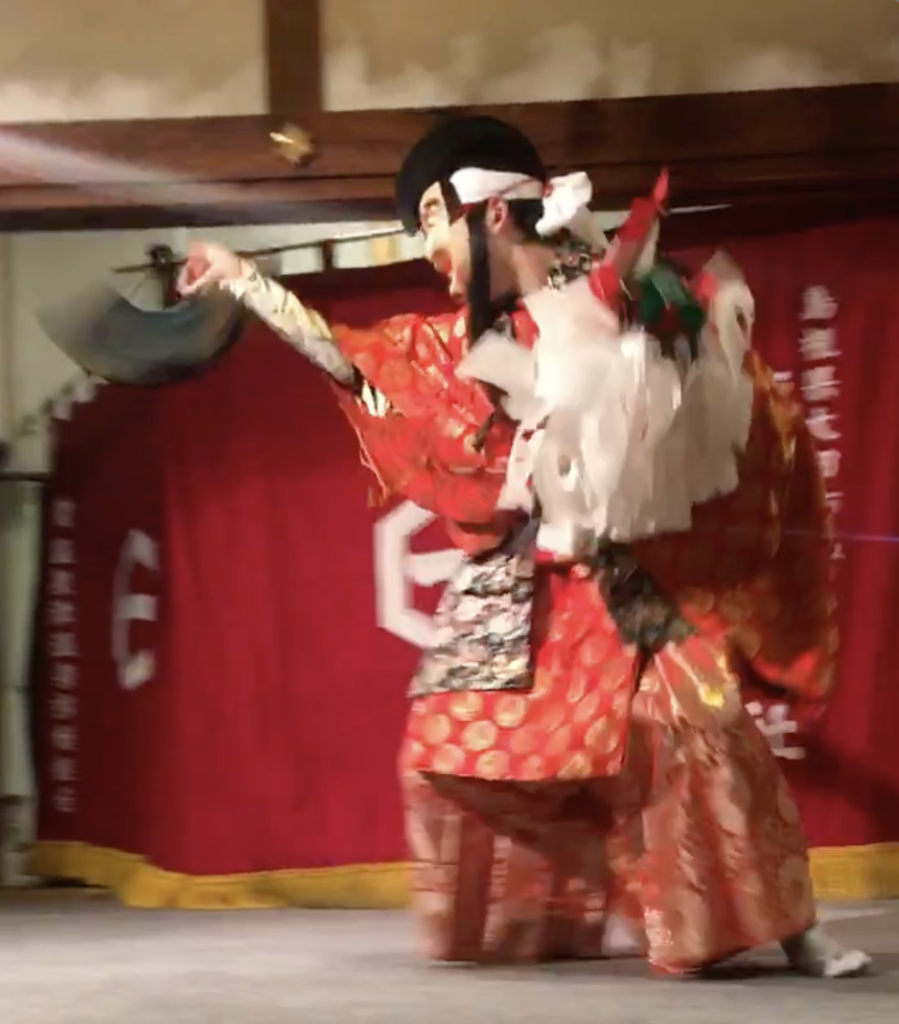
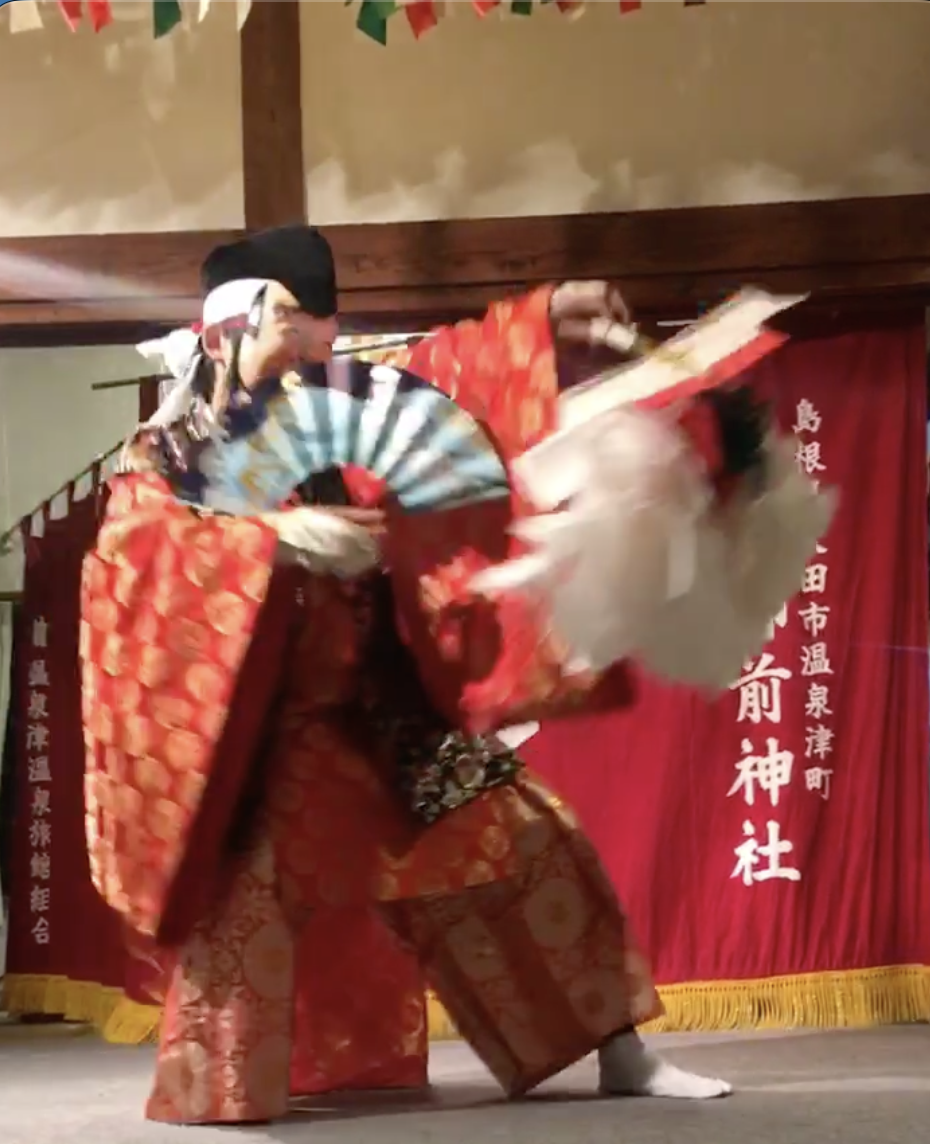
That night,Ryugomae ShrineI watched Iwami Kagura there. The stage on the temple grounds can accommodate about 50 people.
When you think of Iwami Kagura, the performance of "Orochi," in which a giant snake moves around the stage, is the first thing that comes to mind. With its gorgeous costumes, intense music, and brightly colored masks, it's a visually captivating art form that draws in even first-time viewers. The performers that day were local high school students, and I remember being really impressed by their movements, which were so precise and controlled from head to toe.
Masks made from washi paper
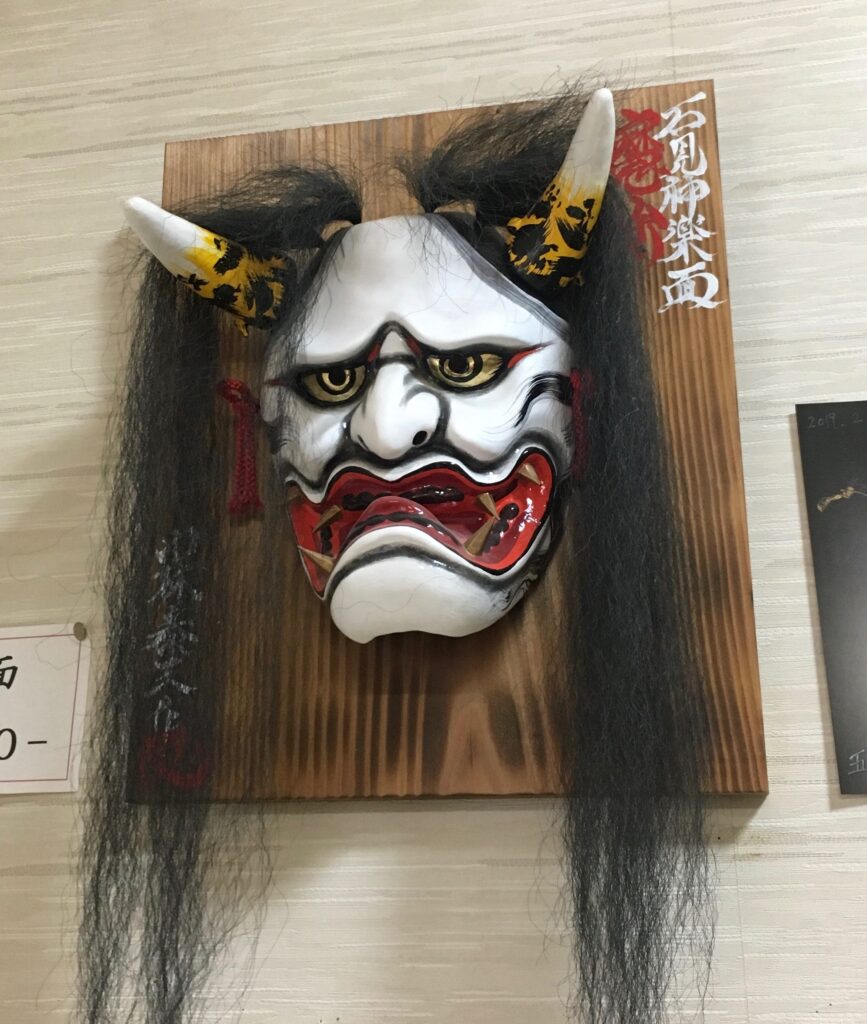

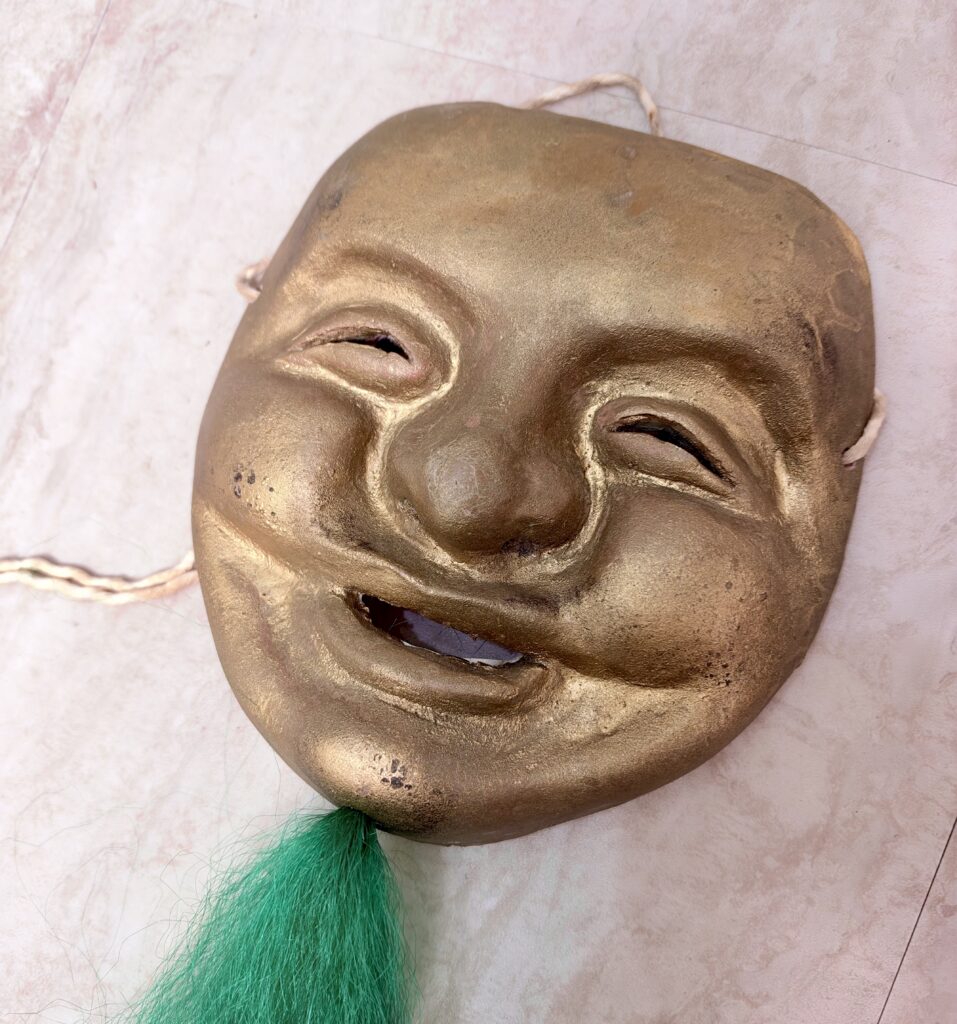
Washi (Japanese paper) is used in the masks of Iwami Kagura. A mold is made from clay, and layers of washi are pasted onto it to form the mask, which is then reinforced with persimmon tannin and other materials. Compared to wood carvings, it is lighter and more resistant to sweat. Sekishu washi from the Iwami region is also deeply involved in the snake body of the "Orochi" (Great Serpent) mask.
After the Kagura performance, we looked for the maker and took one of the masks.Yunotsu Pottery VillageI purchased it from [store name]. I wanted to incorporate the striking way the colors were applied into my future designs.
White, black, red, gold. Extremely exaggerated eyes, mouths, fangs, and horns. Kagura masks do not attempt to replicate realistic human faces. Rather, they amplify emotions and personalities to the extreme through color and form.
After that, I moved on to the actual production. I kept the masks I had brought back close at hand and created the masks while referring to the way the colors were layered and how the eye area was emphasized.
When you try making it while looking at the real thing, you realize that its impact isn't simply due to the flashy colors. It's the accumulation of decisions about what to exaggerate and what to omit that creates that distinctive face.
A costume that is only complete when it is performed.
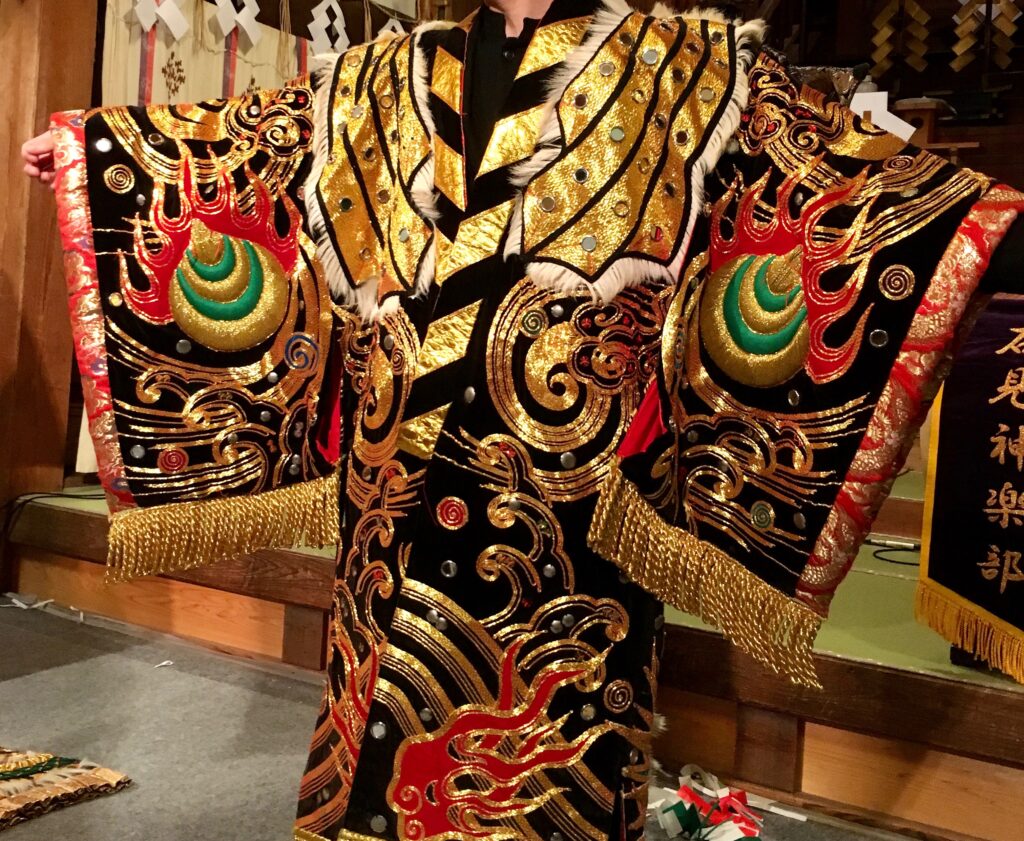
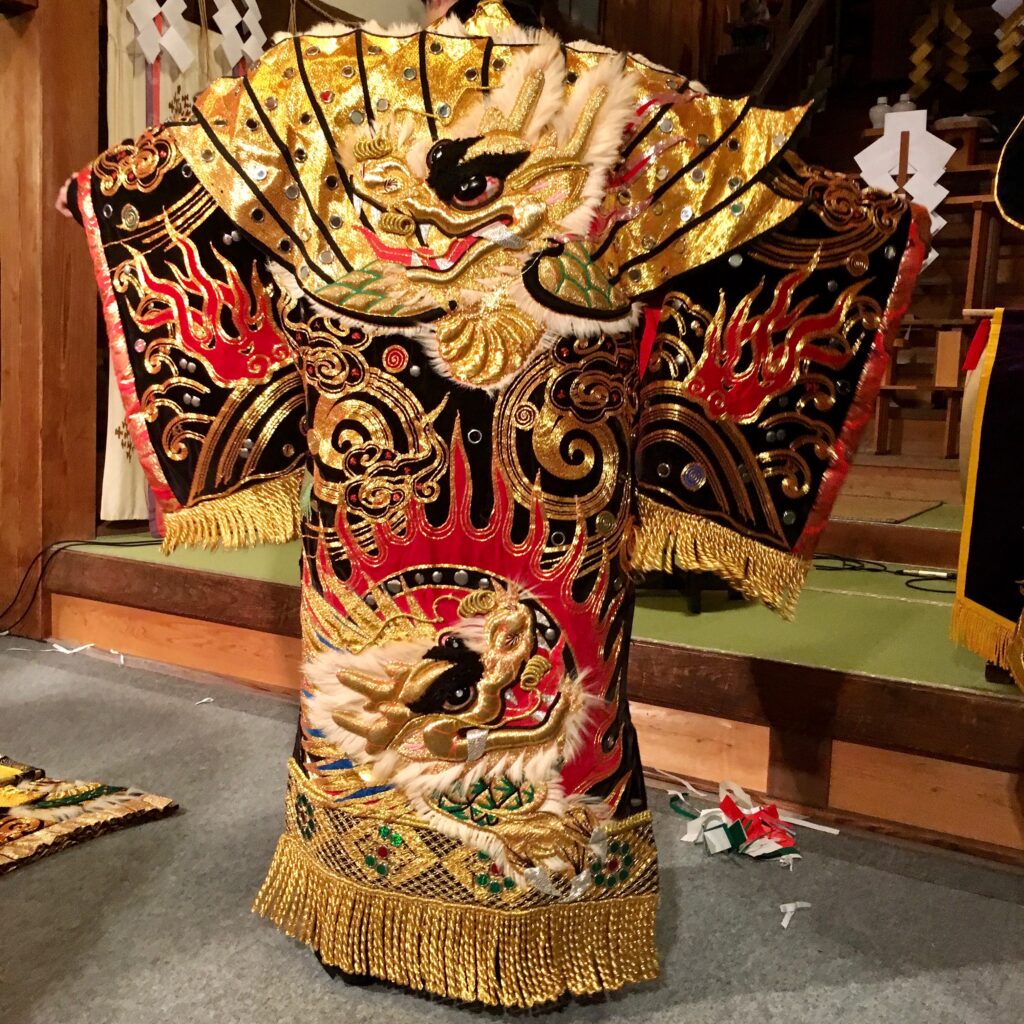
Another thing that caught my eye was the costumes. They featured gold, red, black, and green backgrounds adorned with dragon, flame, and wave patterns, as well as mirror-like decorations. I heard that the costumes, which made extensive use of gold thread, were very expensive and weighed tens of kilograms.
Wearing it, they dance vigorously for long periods. As their bodies move, the fabric moves, the sleeves spread, and the embroidery sways, reflecting the light. I felt that the costumes of Iwami Kagura are garments that are only truly complete when they are danced in.
Adachi Museum of Art – "The garden is also a painting"
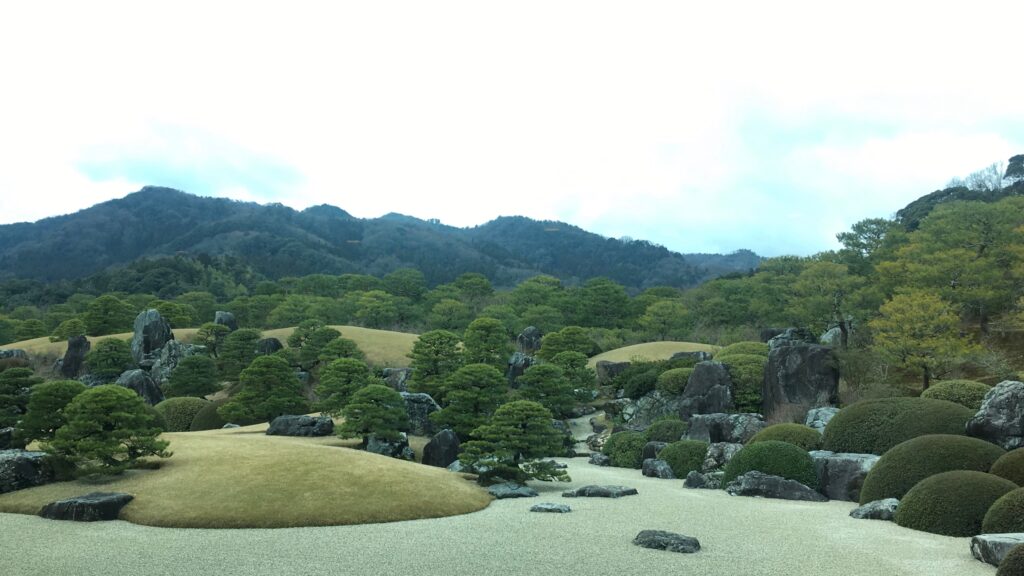
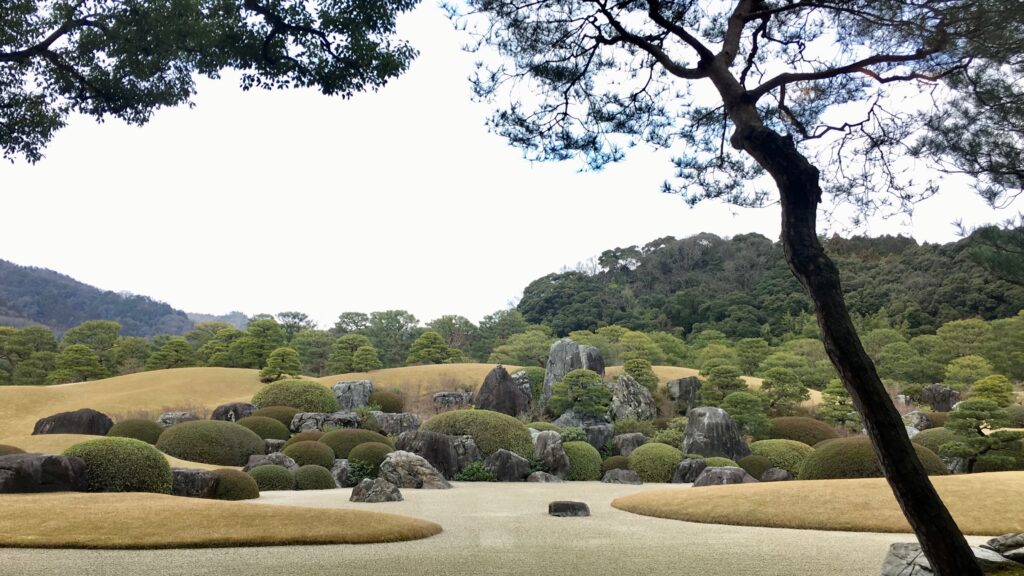
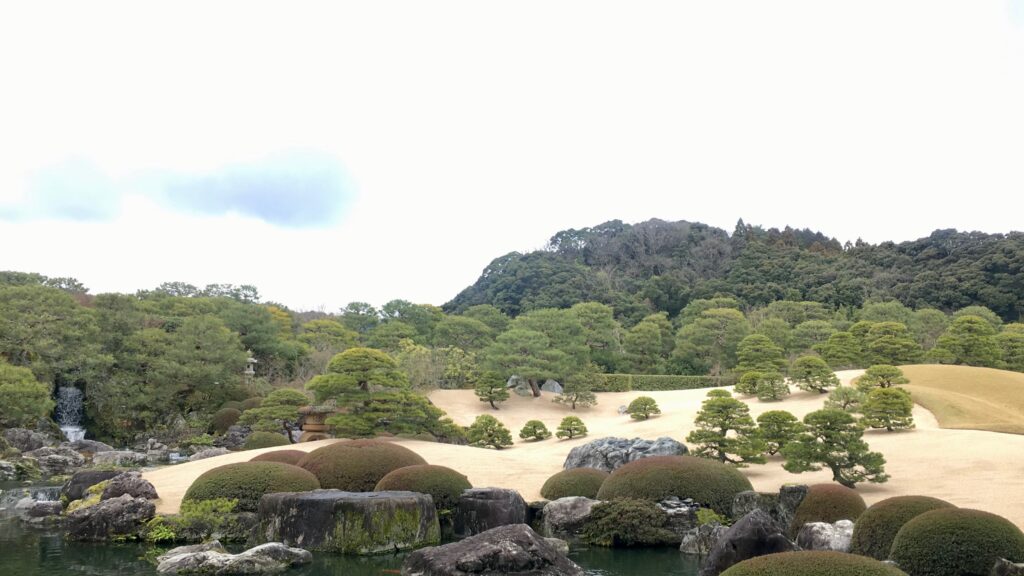
During the journey,Adachi Museum of ArtI also stopped by [location name]. Looking back at the photos I have left, most of them are of the garden, and now I regret not taking pictures of Kitaoji Rosanjin's works as well.
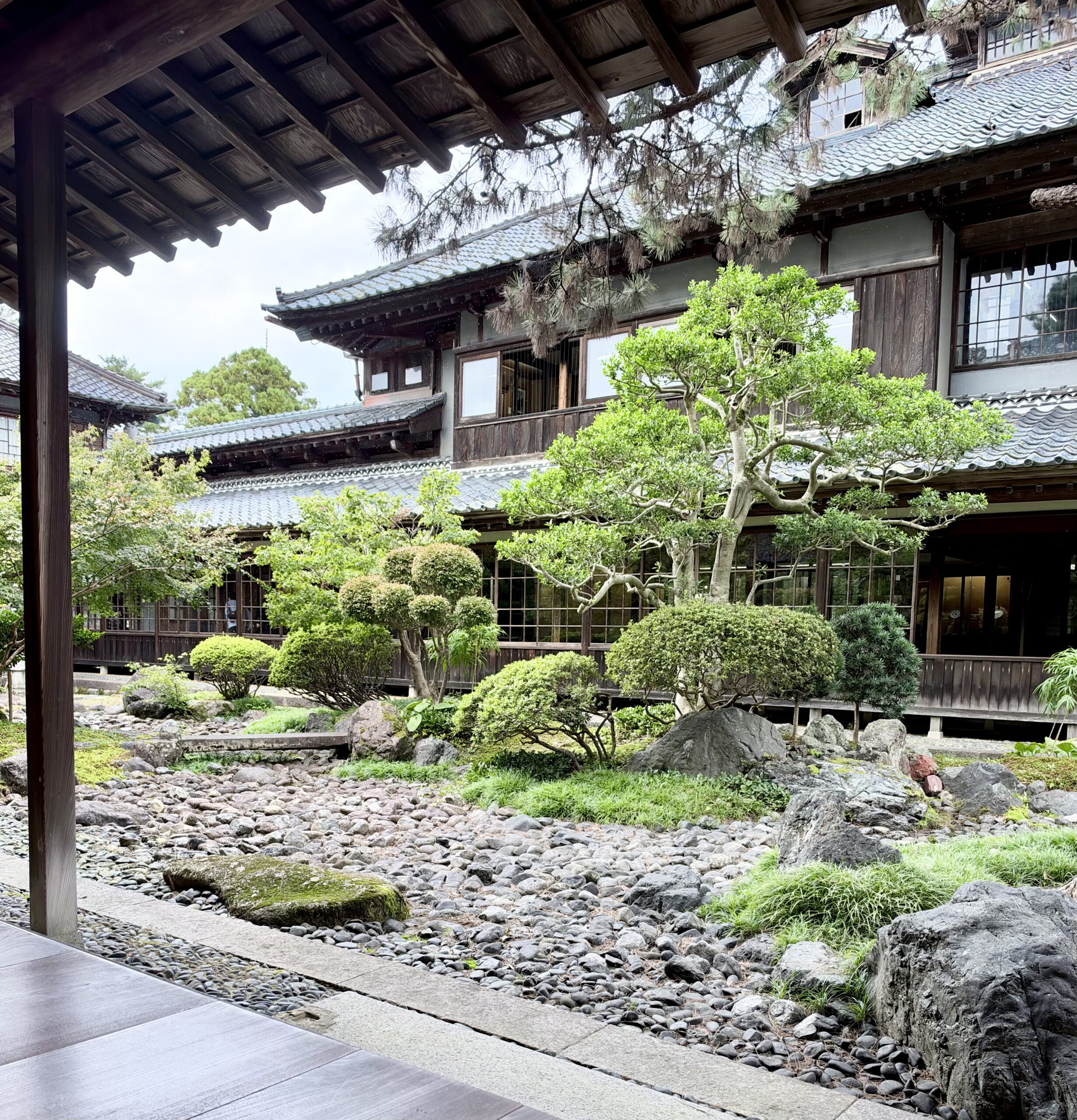
The Adachi Museum of Art is known for its collection of modern Japanese paintings, primarily by Yokoyama Taikan, but it also houses a large number of ceramic works by Rosanjin, and currently has a Rosanjin Museum. Its founder, Adachi Zenko, apparently believed that "a garden is also a painting." Perhaps, in a sense, I was simply following that philosophy, given that I was constantly photographing gardens at the time.
Izumo Grand Shrine – Another cultural sphere separate from Iwami
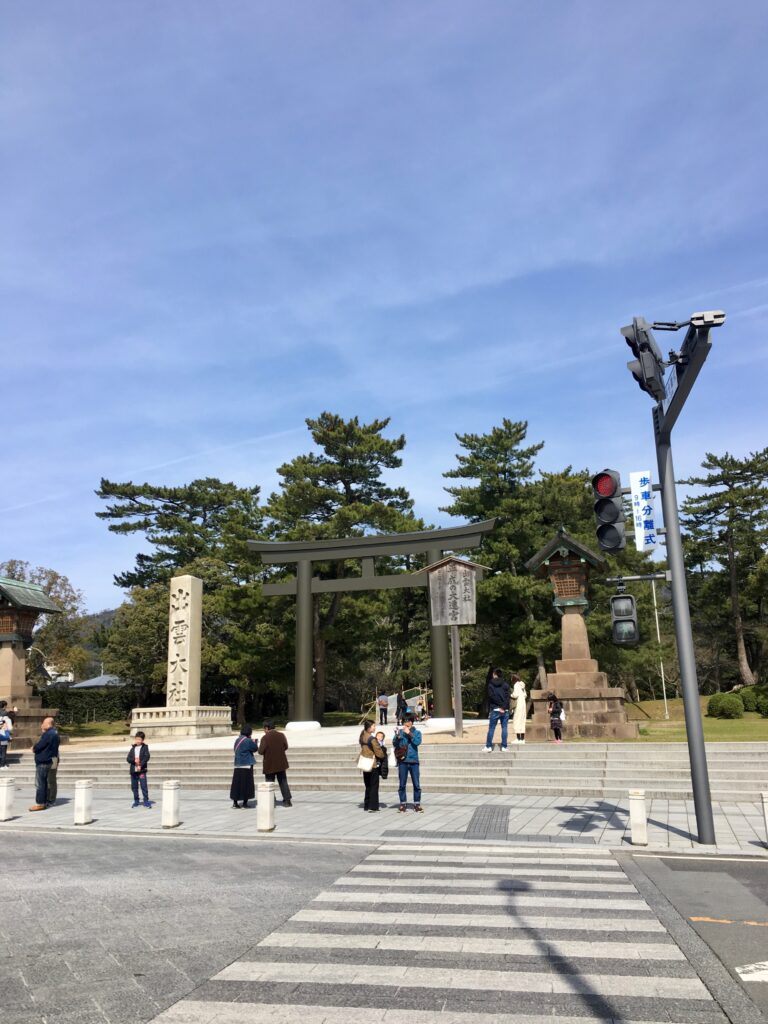
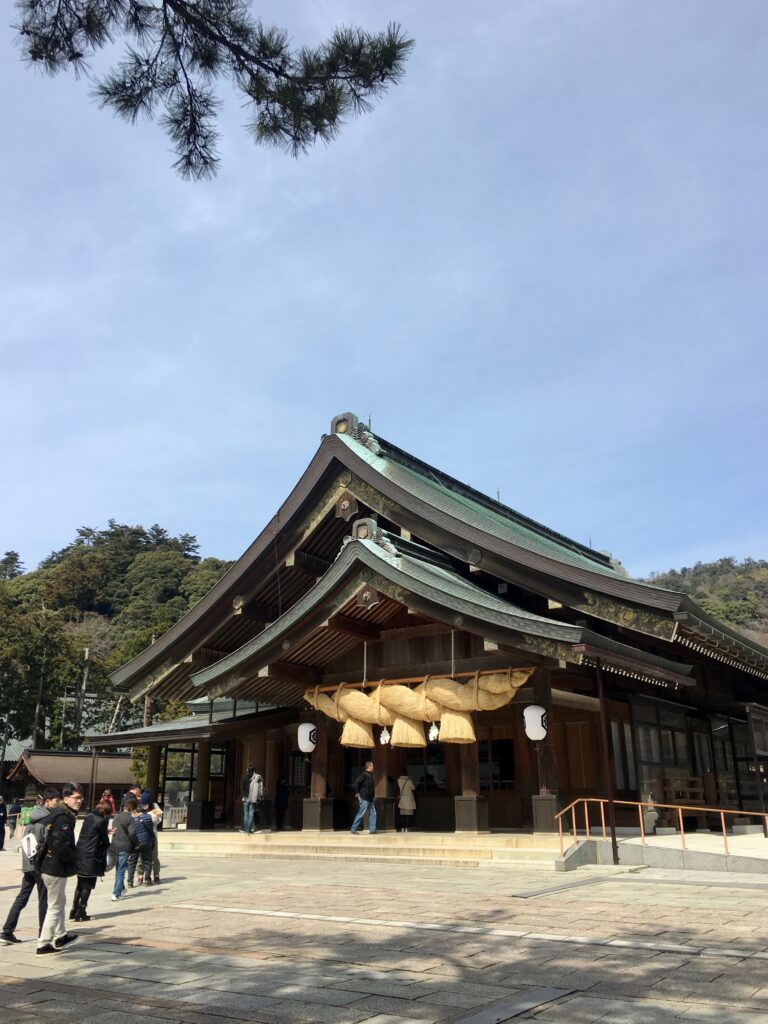
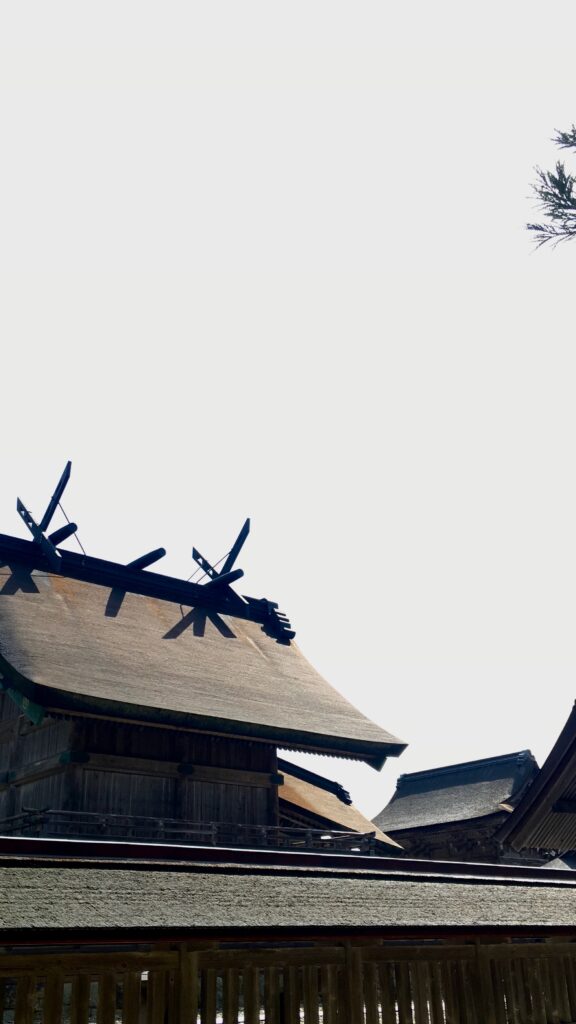
Moving from Iwami to Izumo, the atmosphere changes dramatically, even though it's still within Shimane Prefecture. What I witnessed at the Iwami Silver Mine was the relationship between humans and underground resources: extracting silver from the mountains, processing it, and transporting it to ports via roads. At Izumo Taisha Shrine, however, you encounter mythology and faith.
The enshrined deity is Ōkuninushi-no-Ōkami. He is the god of nation-building and the transfer of the land, as told in the Kojiki and Nihon Shoki. The tradition that he came to preside over the invisible world of "divine rituals" after the transfer of the land remains at the core of the rituals at Izumo Taisha Shrine even today. Building the country, transferring the country, separating the visible world from the invisible world—there is a grand narrative there that attempts to explain the origins of Japan.
The sand of Inasa Beach—from the sea to the shrine, from the shrine to daily life
While researching Izumo Taisha Shrine again, what caught my attention once more was the "sand."
The custom involves taking sand from Inasa Beach, bringing it to the Suga Shrine located north of the main shrine, and offering it beneath the floor. In return, one takes some of the sacred sand that has been there for some time. This is a custom officially recommended by Izumo Taisha Shrine, and the sand brought back is used as a protective amulet or to purify land and fields.
Sand from the beach is carried by human hands to the shrine, offered before the gods, and then taken back home. From the sea to the shrine, and from the shrine to daily life. Ordinary sand takes on meaning through movement and rituals.
The beach where the gods come
Inasa Beach is also a place where gods are welcomed. In the tenth month of the lunar calendar, known as "Kamiari-zuki," it is said that gods from all over Japan gather in Izumo. The ritual to welcome these gods takes place at Inasa Beach, and even today, after welcoming the gods, a procession led by the dragon-serpent god proceeds to Izumo Taisha Shrine.
Inasa Beach lies at the boundary between sea and land, between humans and gods, between myth and the present. In Iwami, silver was transported from the mountains to the sea. In Izumo, the gods come from the sea. It's interesting how, even within the same Shimane prefecture, the direction of movement of things and beings is reversed.
Rice becomes sake—Wang Lu and Zhang Jing
Another thing I don't want to forget about Shimane is sake. Two that particularly stand out are "Ouroku" and "Takeyoshi," both from Higashiizumo-cho, Matsue City.Ouroku BreweryThis is a type of alcoholic beverage.
Ouroku Sake Brewery is located in Ibiya, Higashiizumo Town, and has been brewing sake for over 170 years since the late Edo period. Its original name was "Kojiya" (Koji maker). The business began when they started making koji (rice malt) to make use of the rice delivered in the autumn, and even today, a small number of brewers produce sake on a scale of about 600 koku (approximately 1,000 liters) per year. Here too, the main ingredient is something that comes from the land. It's rice, not silver.
Height and diameter—from a single tank prepared by one person
"Takemichi" is a junmai ginjo sake named after the sixth-generation owner, Takemichi Ishihara. It has a rice polishing ratio of 55%, and both the koji rice and the main rice used are Yamada Nishiki rice from the Kamiito district of Higashiizumo town.
It all began in 1995. The sixth generation owner, in his first year at the brewery, brewed a small tank of sake all by himself. In a brewery that has been passed down through generations, a young brewer starts with a small tank of sake, and that eventually becomes a brand bearing his name. The brewery positions "Takeyoshi" as a sake that embodies the essence of Ouroku, bringing out the wildness of rice grown in Shang-Ito.
Sake brewing that does not produce a uniform taste
I am also drawn to Ouroku Sake Brewery's philosophy. They produce unfiltered sake, minimize pasteurization, and store the entire volume in bottles. They do not blend different brewing methods to achieve a uniform taste, stick to limited production, and require strict low-temperature management not only from the brewery but also from their retailers.
I find the idea of "not blending" particularly interesting. Instead of trying to make the taste the same every year, they preserve the differences between each tank. Instead of making it uniform like an industrial product, they don't erase the differences that the rice and the brewing process had that year. Knowing this background changes how you perceive a single cup of sake, rather than just saying "it was delicious."
If you're going to Izumo next time—Takenoya Ryokan
The next time I visit Izumo, there's a place I'd like to stay at. It's located in front of the main gate of Izumo Taisha Shrine.Takenoya Ryokan"is.
Founded in 1877, the current wooden main building was constructed in 1929 and originally began as lodging for pilgrims visiting Izumo Taisha Shrine. It is also known as the family home of singer Mariya Takeuchi.
If possible, I would like to stay in the special room "Soga no Ma" in the main building. It is a room that has been used by many prominent figures, including members of the Imperial family, and its name resonates with the Soga Shrine of Izumo Taisha. To collect sand from Inasa Beach, visit the Soga Shrine, stay at Takenoya, and drink Shimane sake—I think that is not simply about staying in a nice inn, but about immersing oneself in the culture of visiting Izumo Taisha that has existed since the Meiji era.
From the silver of Iwami to the golden of Sado
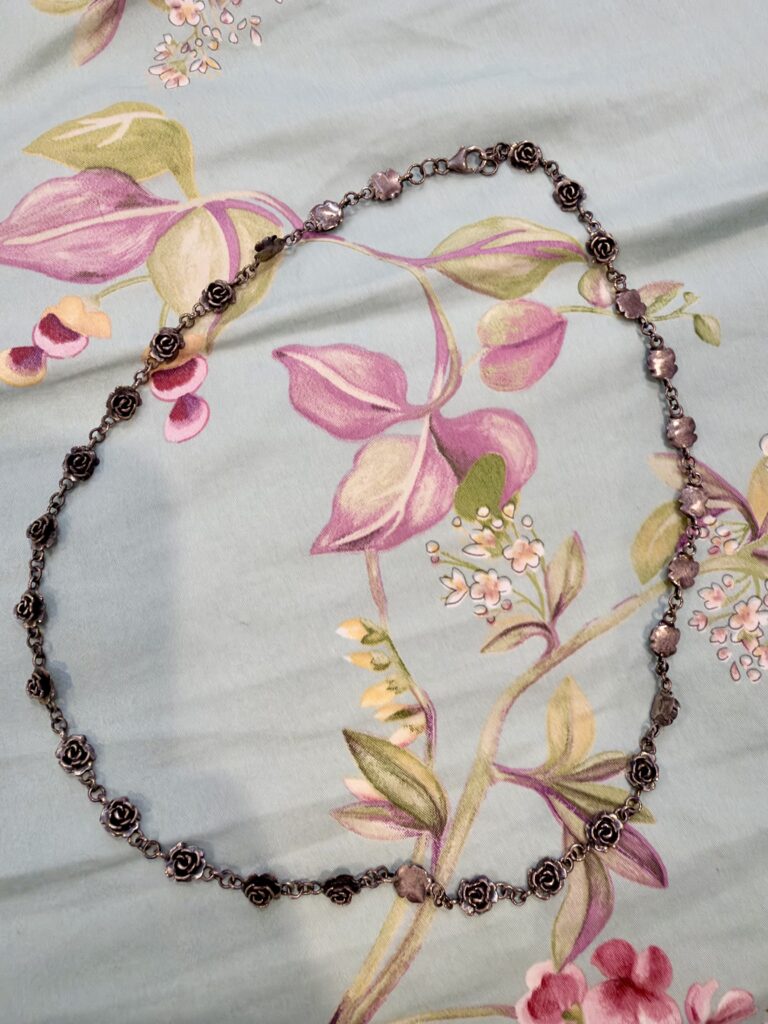
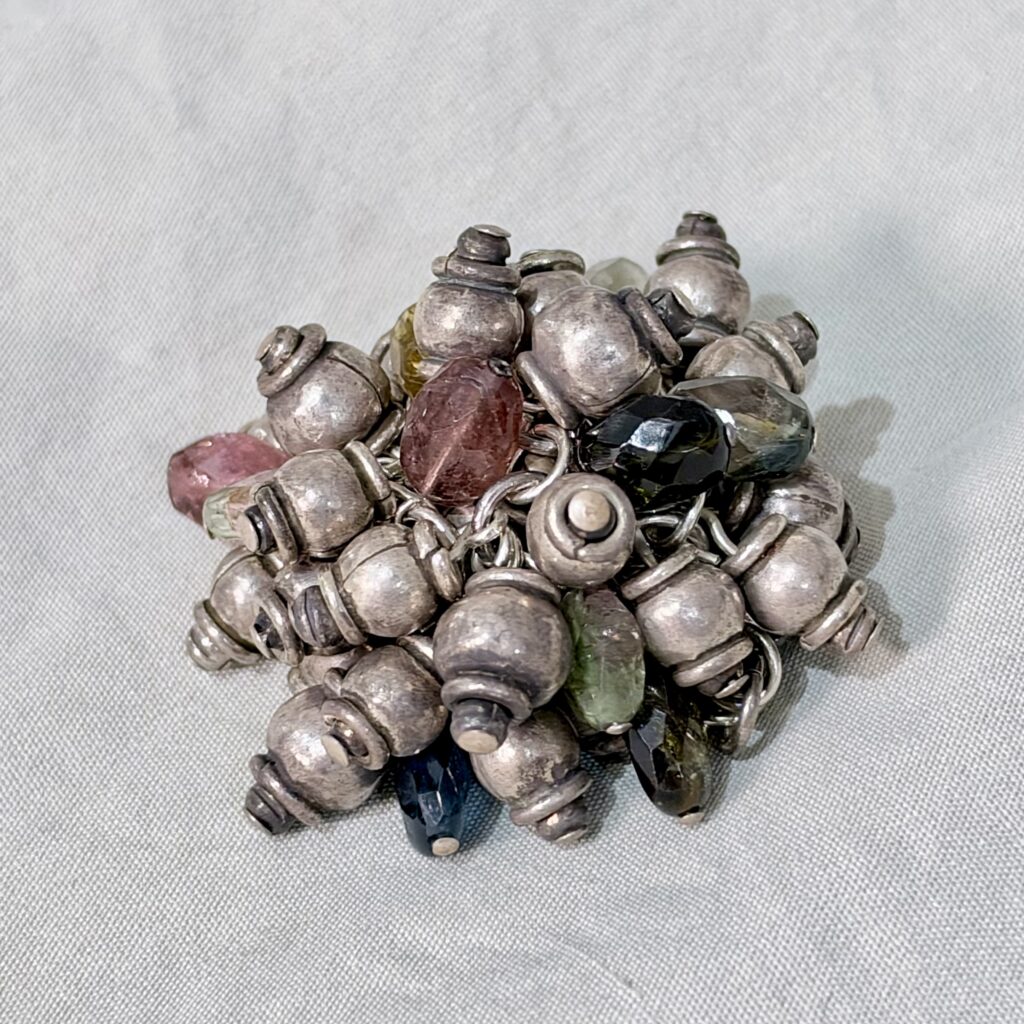
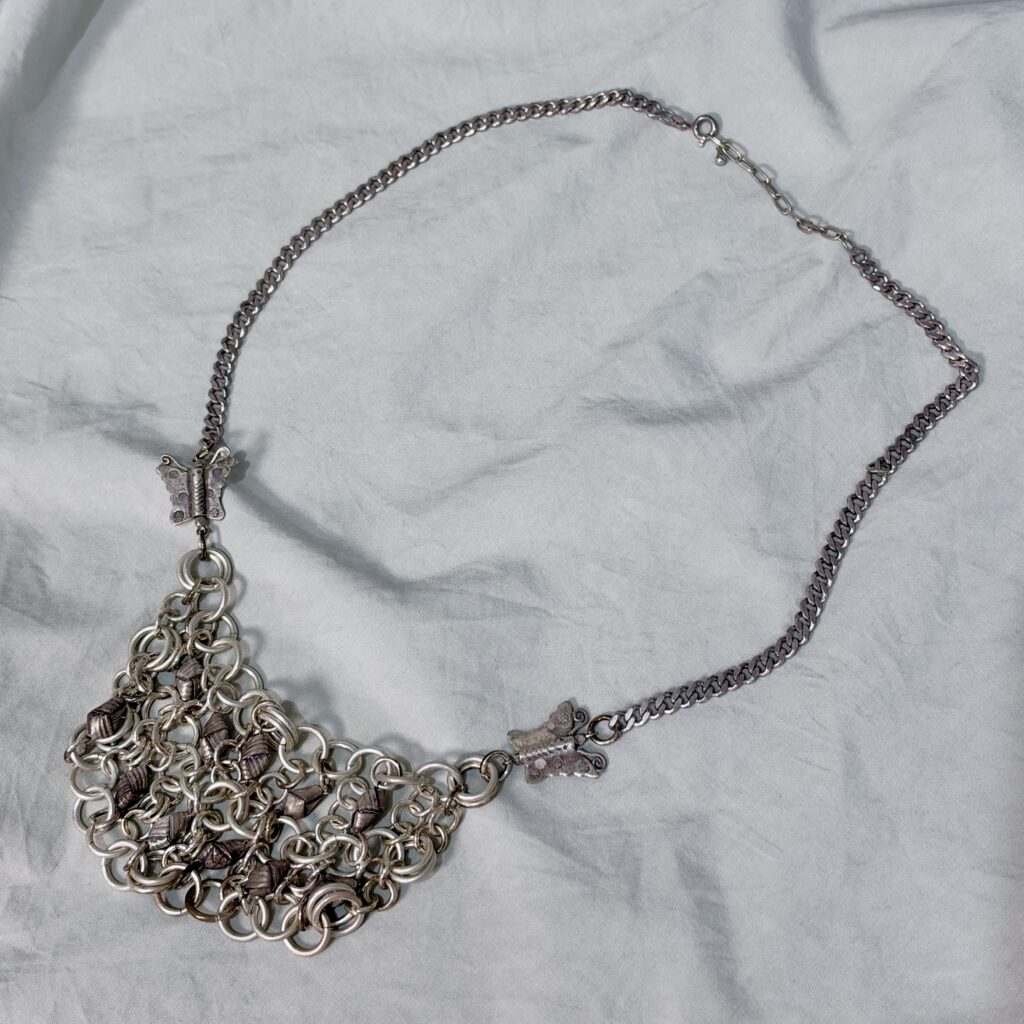
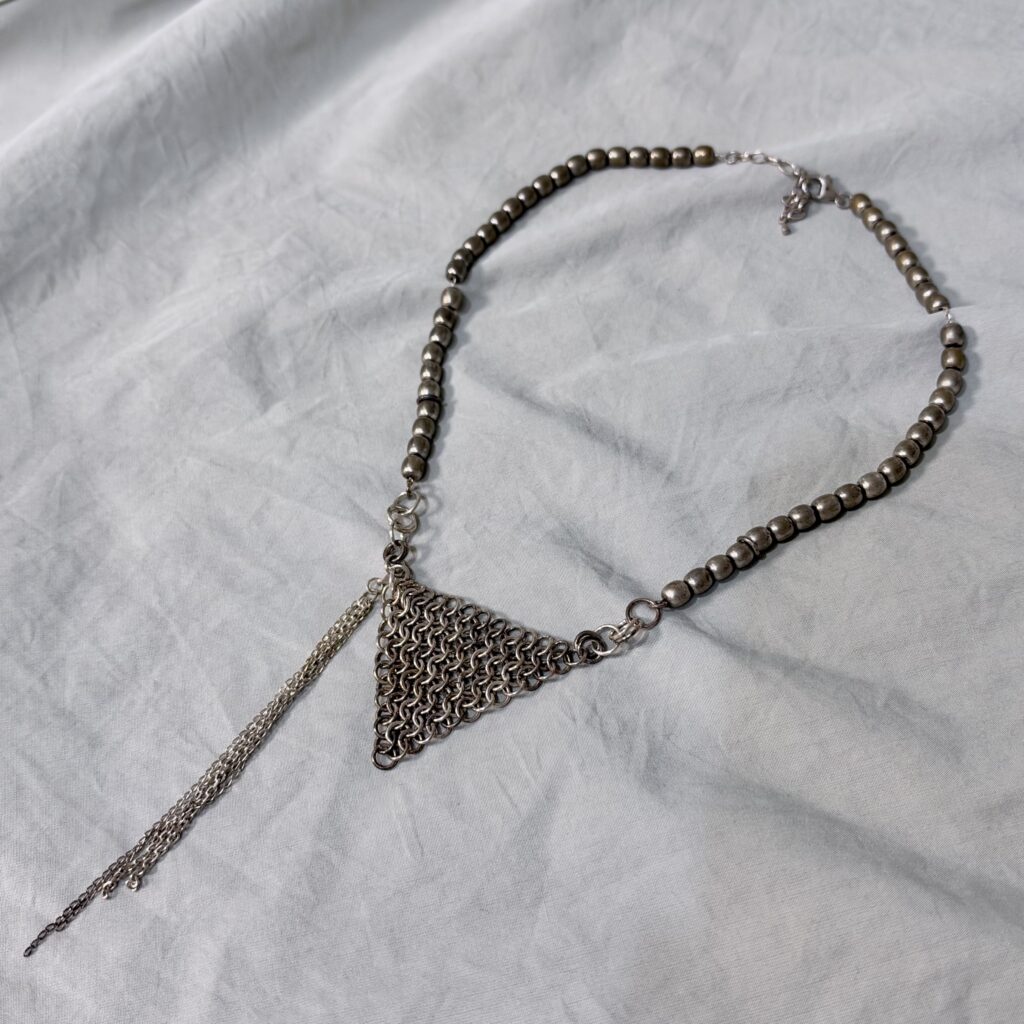
I bought a silver necklace at the Iwami Silver Mine. I don't think it was made from silver from Iwami. Nevertheless, the fact that I brought home a piece of silver jewelry on the day I walked through the mountains where silver was mined is a little amusing in retrospect.
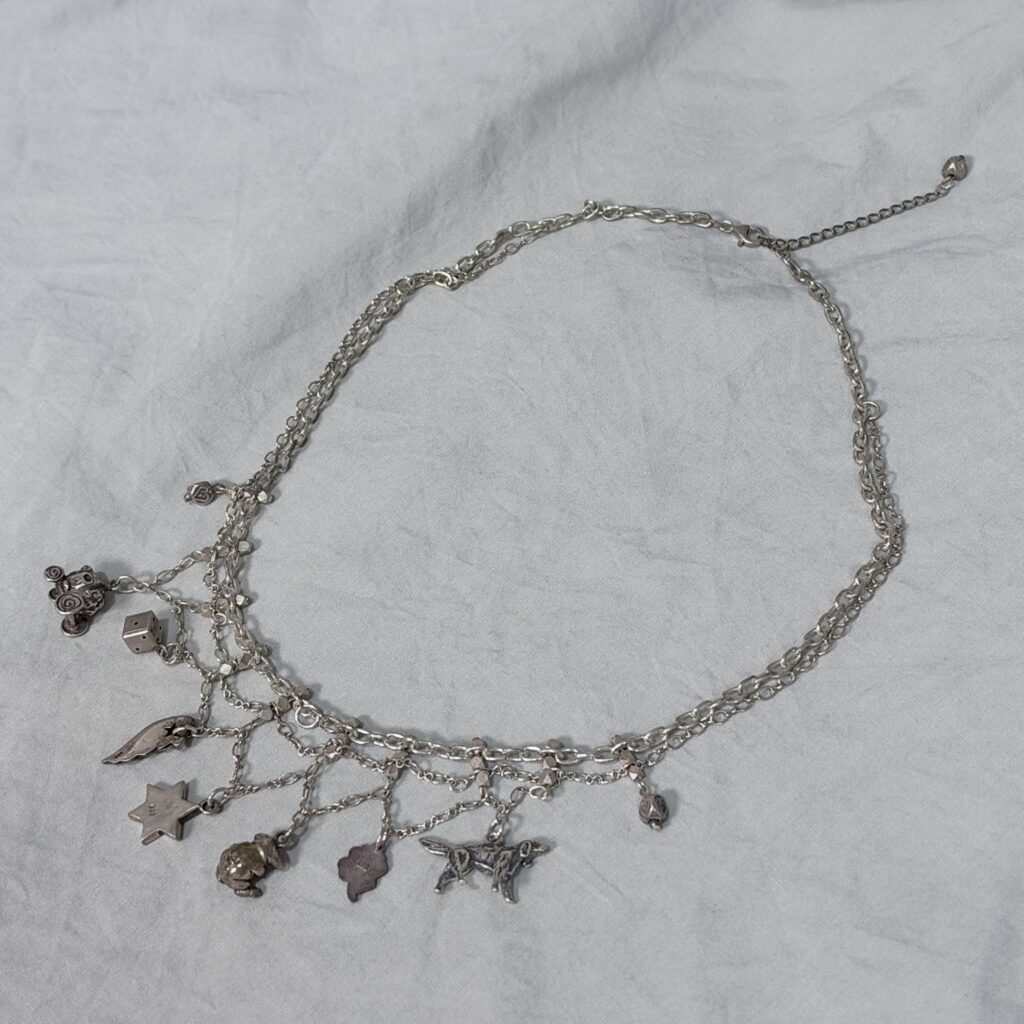
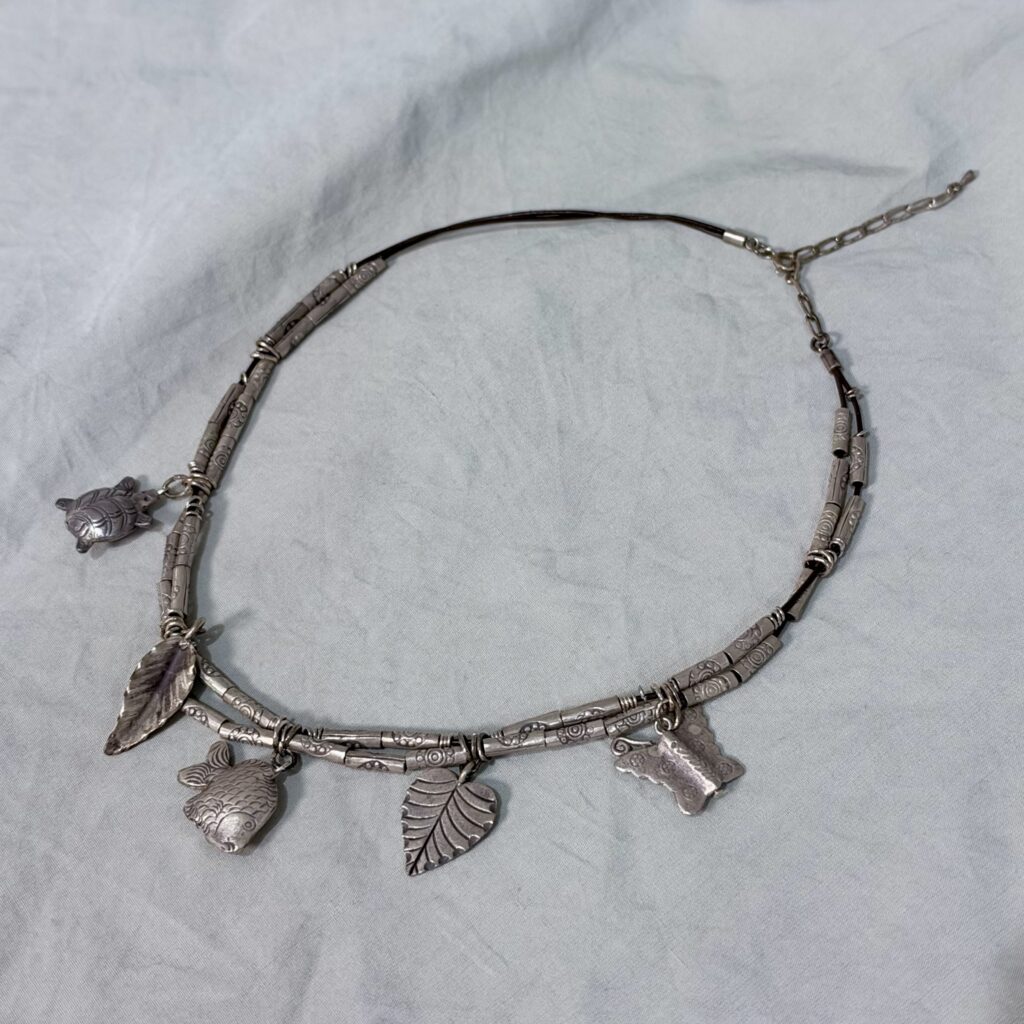
After that, I started making accessories myself, and so far I have created about five pieces using silver. The rock faces I saw at Ryugenji-mabu and the silver plates and wires on my desk are, of course, not directly connected. Nevertheless, having seen both the starting point of the material and the finished product, I no longer view silver as merely a "color" or a "luxury material."
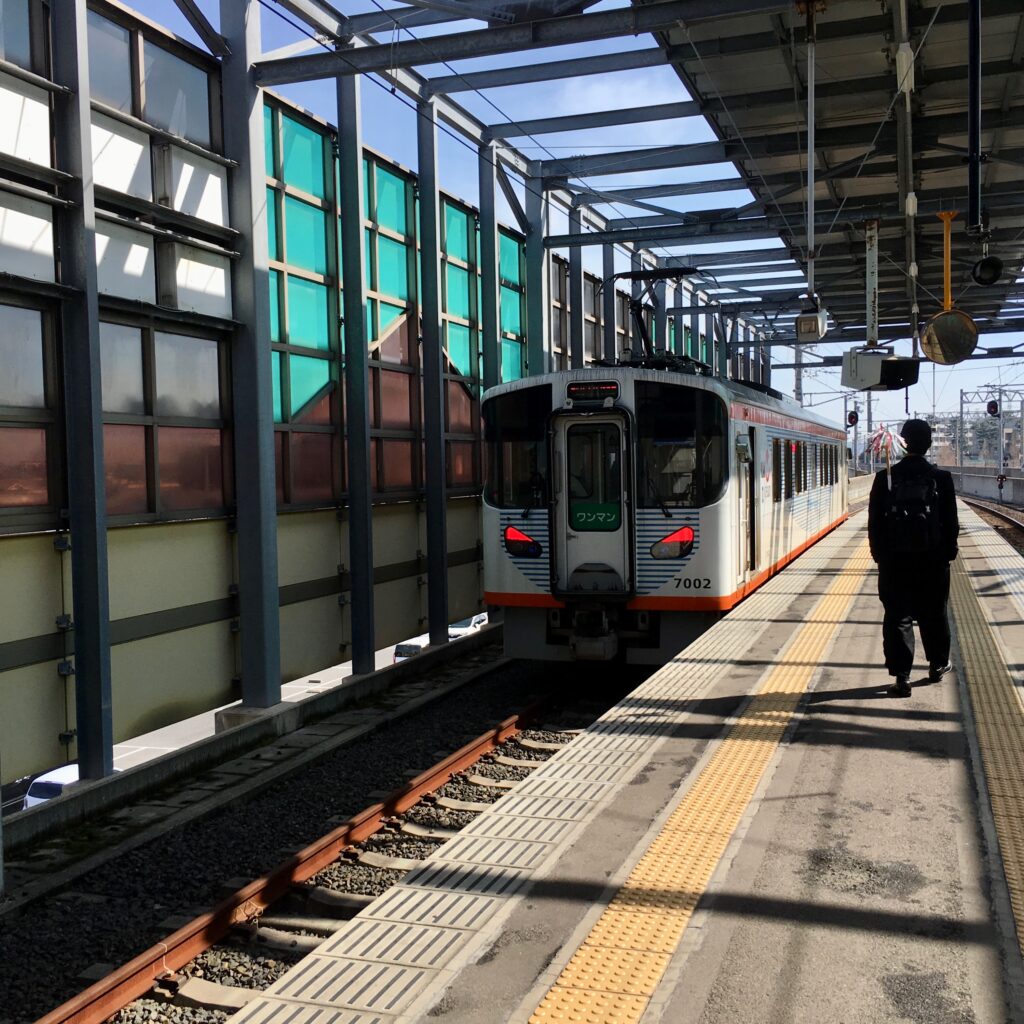
In 2019, I walked from Iwami Ginzan to Yunotsu. And in 2026, I will head from Niigata to Sado. Iwami is known for silver, and Sado for gold and silver. Both are mining heritage sites, but looking back at Iwami, I realized that a mine is not just the hole itself, but a "way of using the land" that includes the roads, ports, hot springs, pottery, festivals, and even sake that spread out from it. In Sado, I would like to walk through the towns built by gold with that perspective in mind.
comment