- From a single leaf traveling the world to becoming a craft in Japan
- Tobacco wasn't always a "product" from the beginning.
- 1492 – Tobacco crosses the Atlantic Ocean
- When something becomes a luxury item, world history begins to unfold.
- The tobacco that was brought to Japan was not used as is.
- You can't smoke with just a pipe—that's why a "culture of tools" was born.
- In the Meiji era, the main focus shifted from pipes to paper.
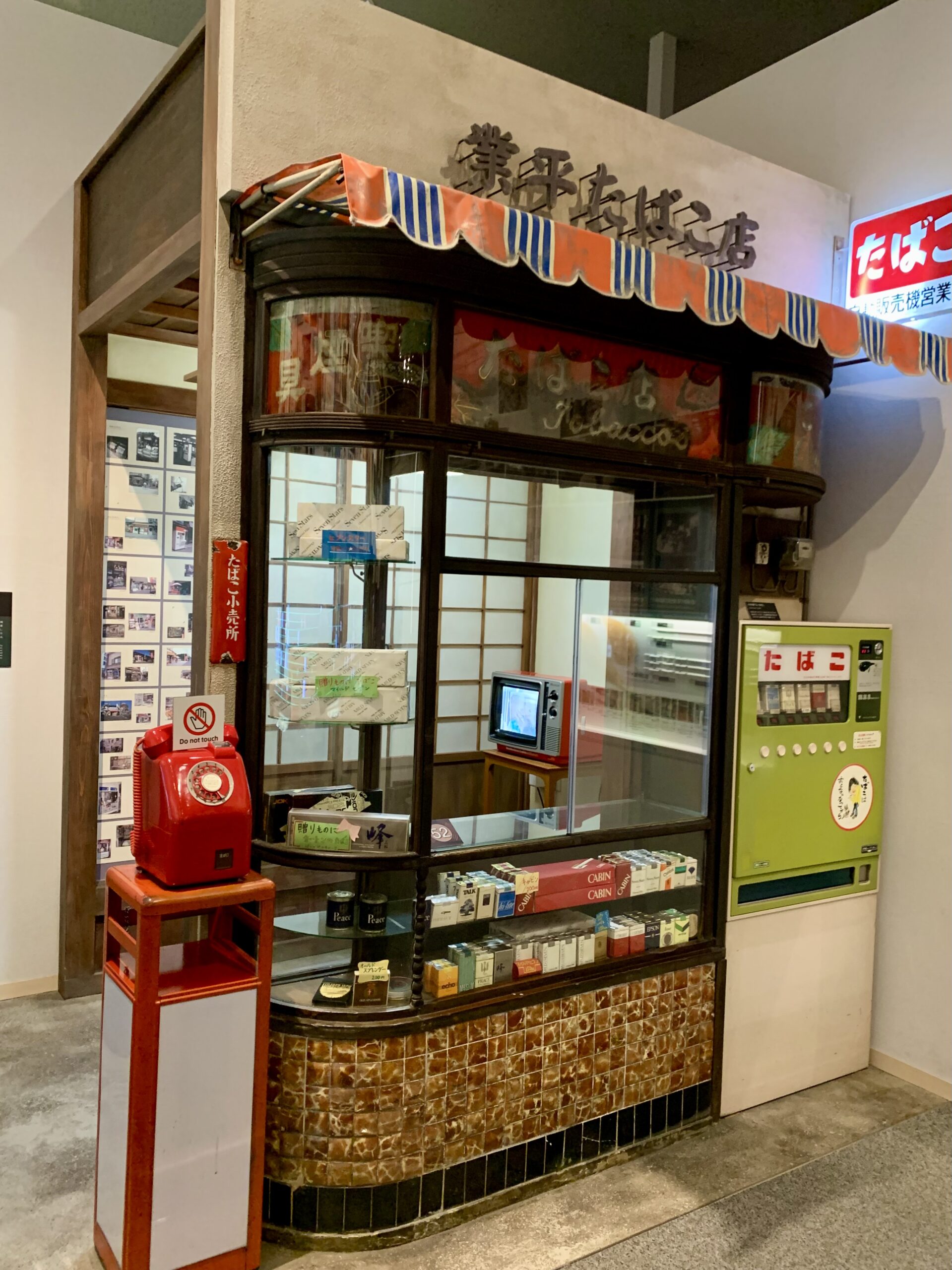
- Matches, vending machines, tobacco shops—tobacco has become a part of the "cityscape."
- And the box itself becomes an advertisement.
- Tobacco can be the starting point for understanding the connections between world history.
- Leaving behind things that burn and disappear.
From a single leaf traveling the world to becoming a craft in Japan
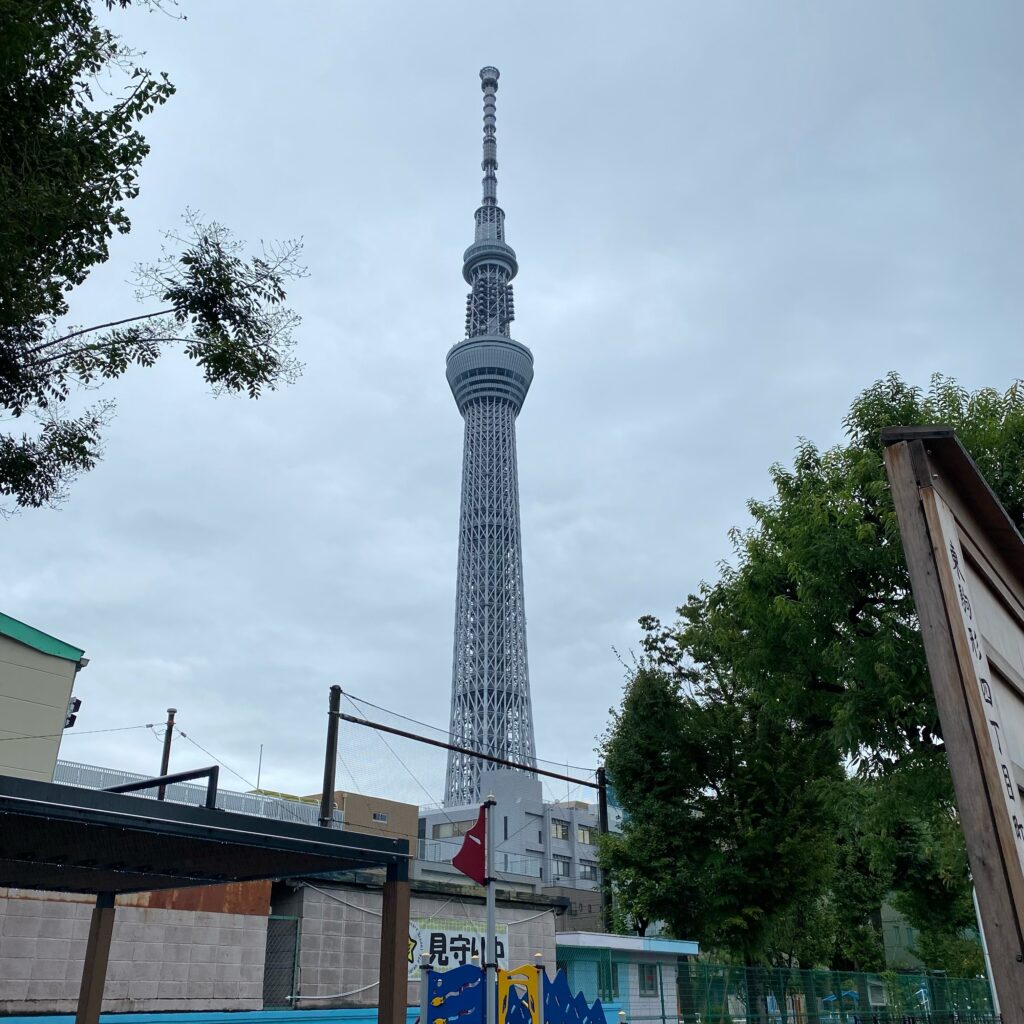
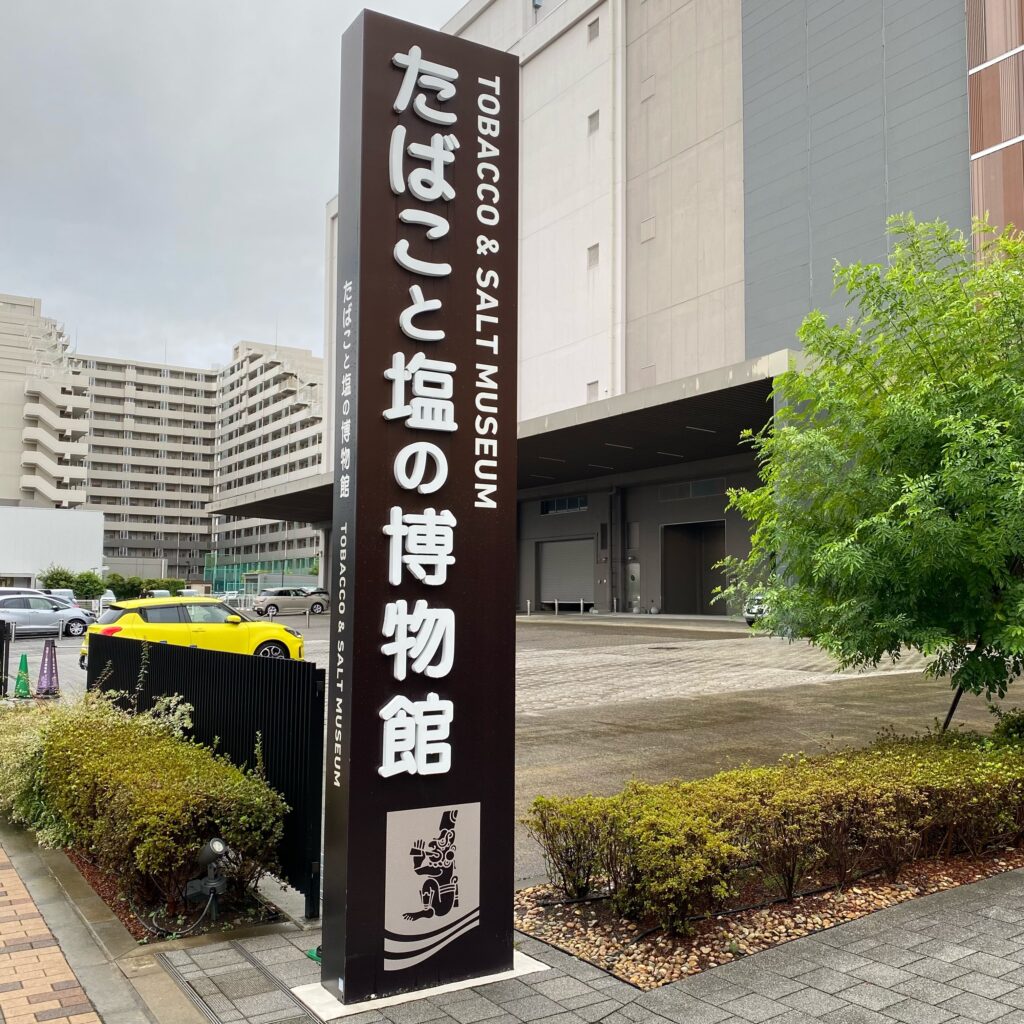
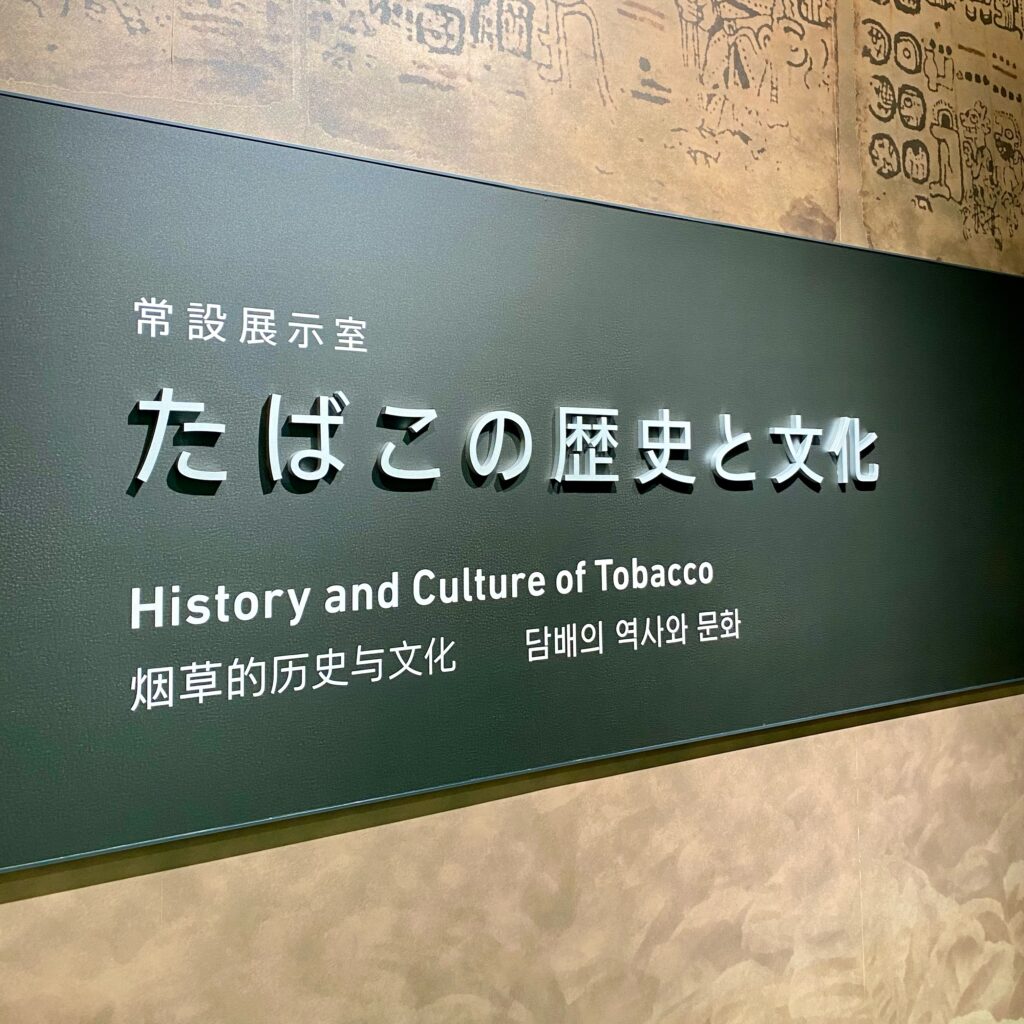
When people think of tobacco these days, they usually think of it as something to smoke and then associate it with health problems. However, walking through the Tobacco and Salt Museum, you realize that this alone hardly explains the history of this plant.
Tobacco was originally a plant that grew in the Americas.
It crossed the Atlantic, became a global commodity, fueled colonial economies, and when it reached Japan, it gave rise to pipes and tobacco trays, eventually transforming into cigarettes, matches, packaging, advertising, and vending machines. So many tools, industries, designs, and customs have been born from a single leaf.
This time, we'll be visiting the "Tobacco and Salt MuseumWhat I wanted to consider while visiting was why humans have created such a vast culture surrounding tobacco.
CurrentTobacco and Salt MuseumThe museum relocated to Yokokawa in Sumida Ward in 2015, but it originally opened in 1978 on Koen-dori in Shibuya.
Tracing the history of the collection further back, we can find that in 1932, the Monopoly Bureau of the Ministry of Finance began systematically collecting historical materials such as ukiyo-e prints and smoking paraphernalia.
There was already a sense of concern that "if things continue like this, the tools that convey the smoking culture that has existed since the Edo period will be lost." This was because, while cigarettes were becoming widespread, the pipes, tobacco pouches, and tobacco trays that had been used until then were beginning to disappear from people's lives.
Tobacco wasn't always a "product" from the beginning.
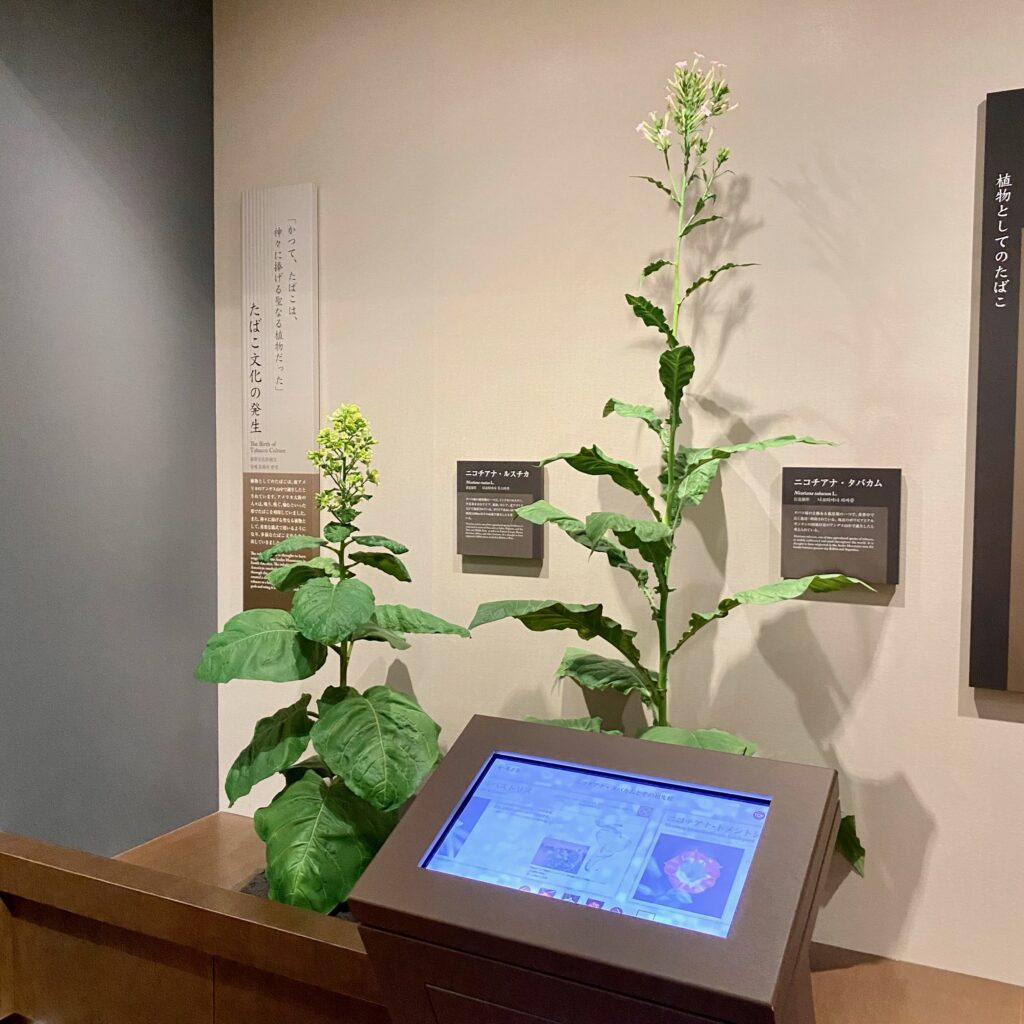
First, it's important to understand the very basic fact that tobacco is the name of a plant.
The most widely cultivated tobacco plant in the world today is a species of tobacco called Nicotiana tabacum. Its origin is thought to be in the Andes Mountains of South America, near the border between present-day Bolivia and Argentina.
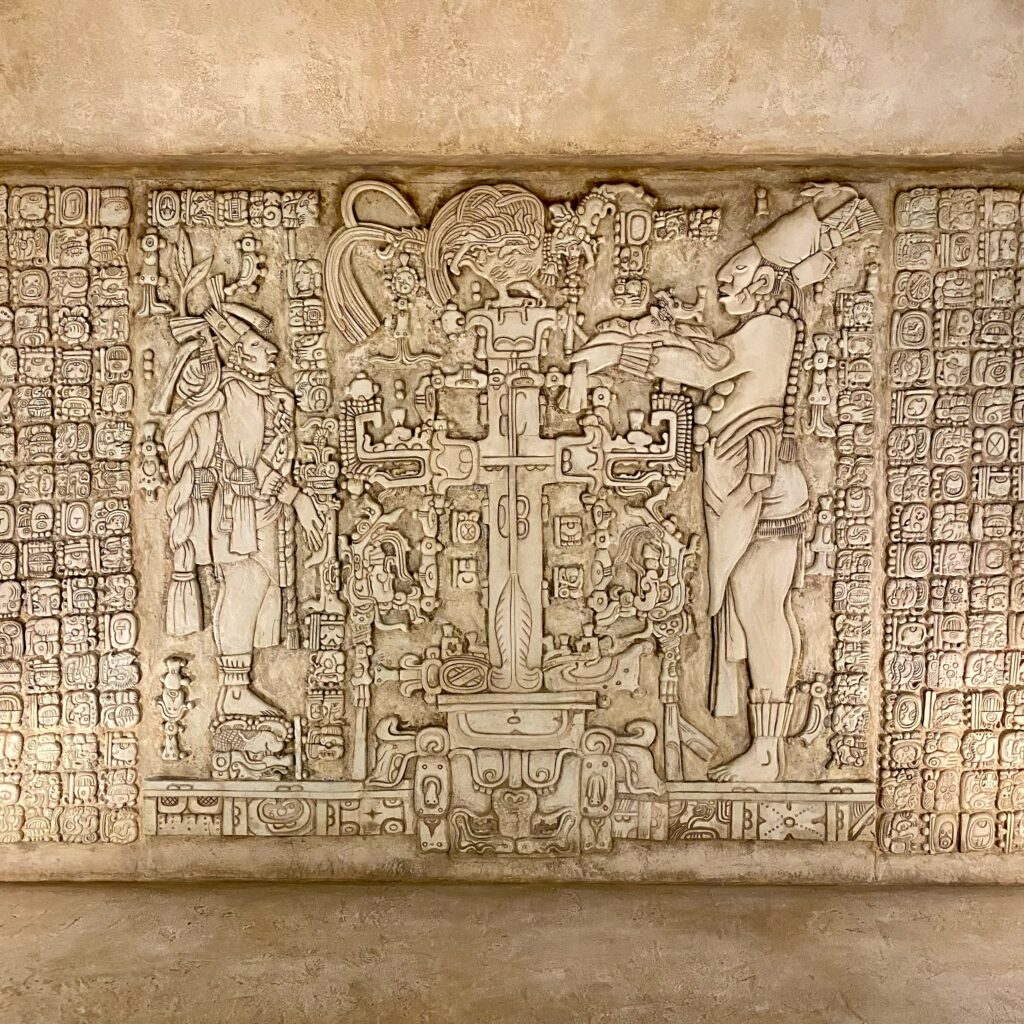
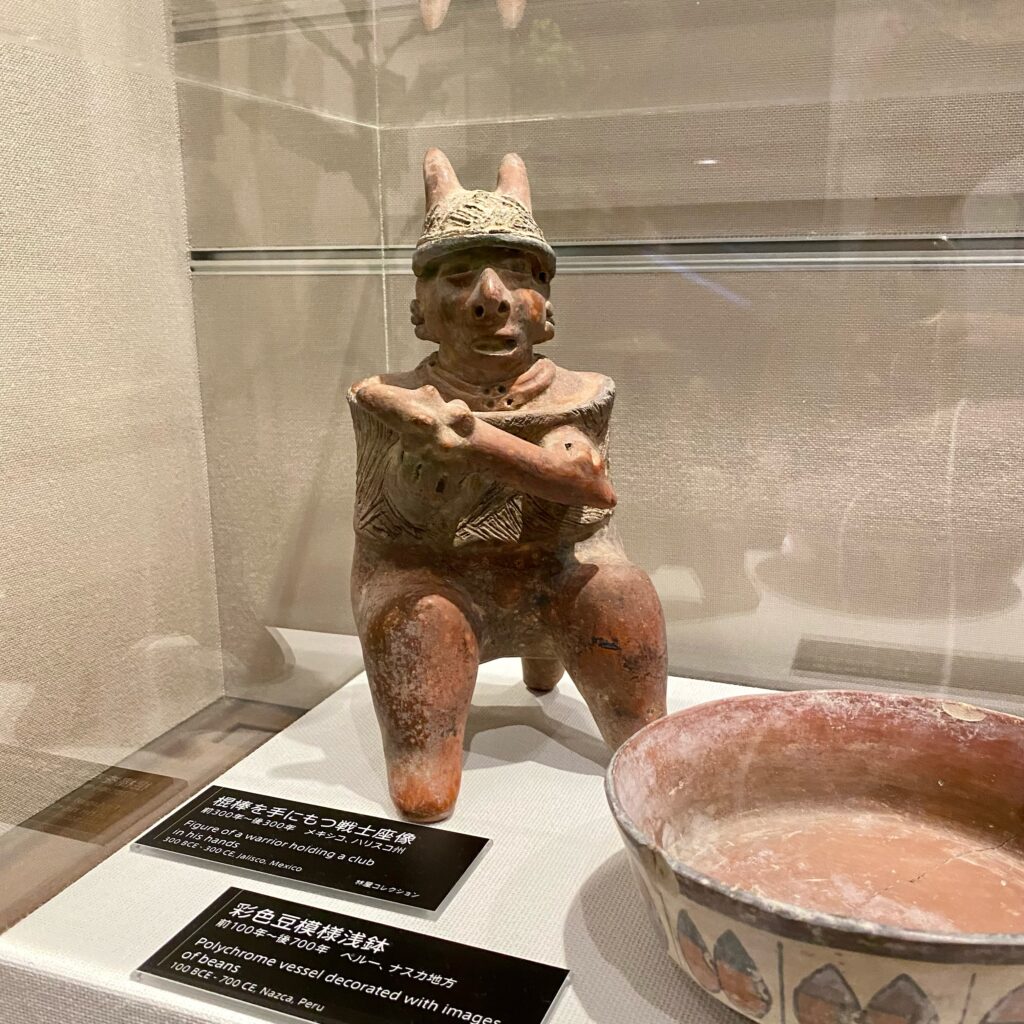
Furthermore, tobacco was used in the Americas long before Europeans arrived. And its uses weren't limited to simply rolling it in paper and smoking it. People also smoked, chewed, and smelled the leaves.
There were various methods depending on the region, and in ancient Mesoamerica, tobacco was used in offerings and rituals to the gods. It is said that the smoke itself was sometimes understood as a link between earthly humans and heavenly gods.
This is something we tend to forget when we look at cigarettes in modern times. Because we now view cigarettes as a finished "product," we tend to think of them as having always come in a box, with a price tag, and sold in stores.
However, the order of cultural development is reversed. There is a plant, then humans give it meaning, develop uses for it, and only then does it become a commodity. Looking at the history of tobacco is also about seeing how humans transform natural objects into cultural elements.
1492 – Tobacco crosses the Atlantic Ocean
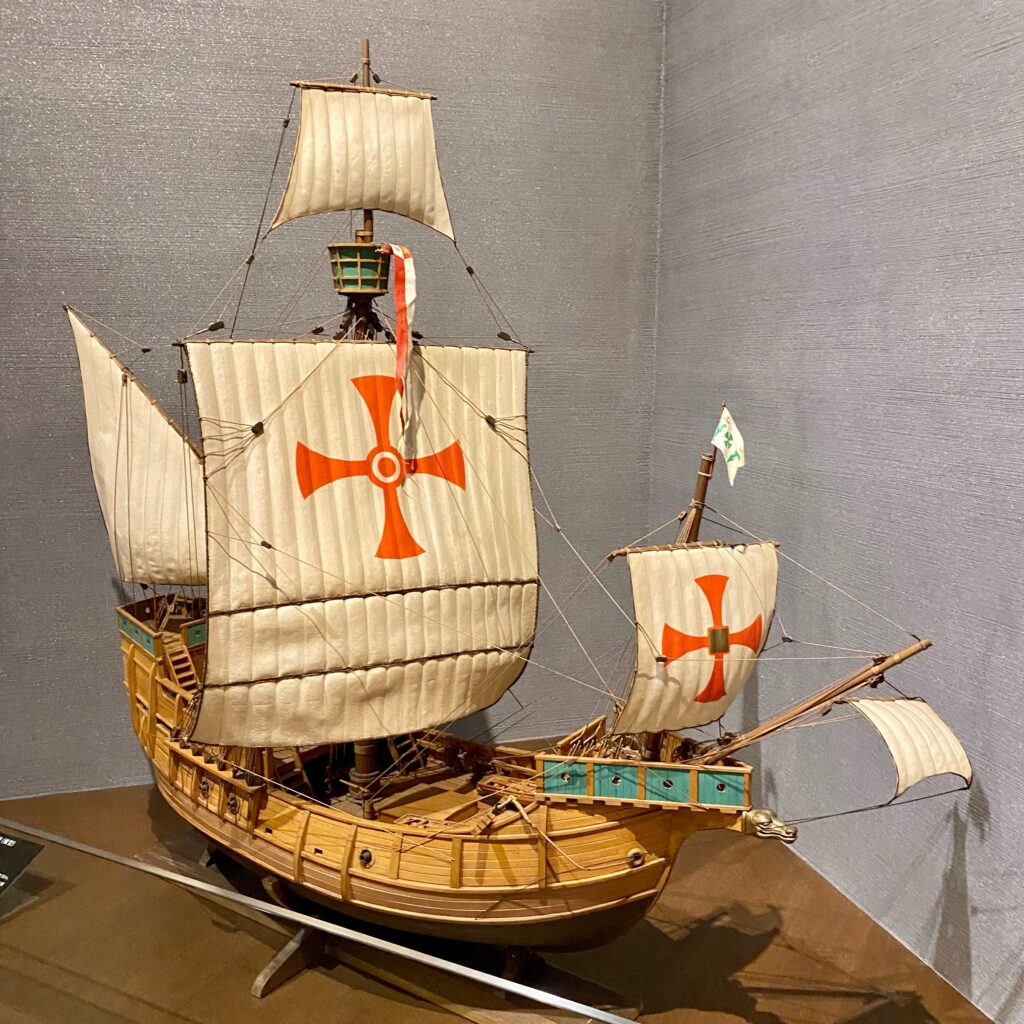
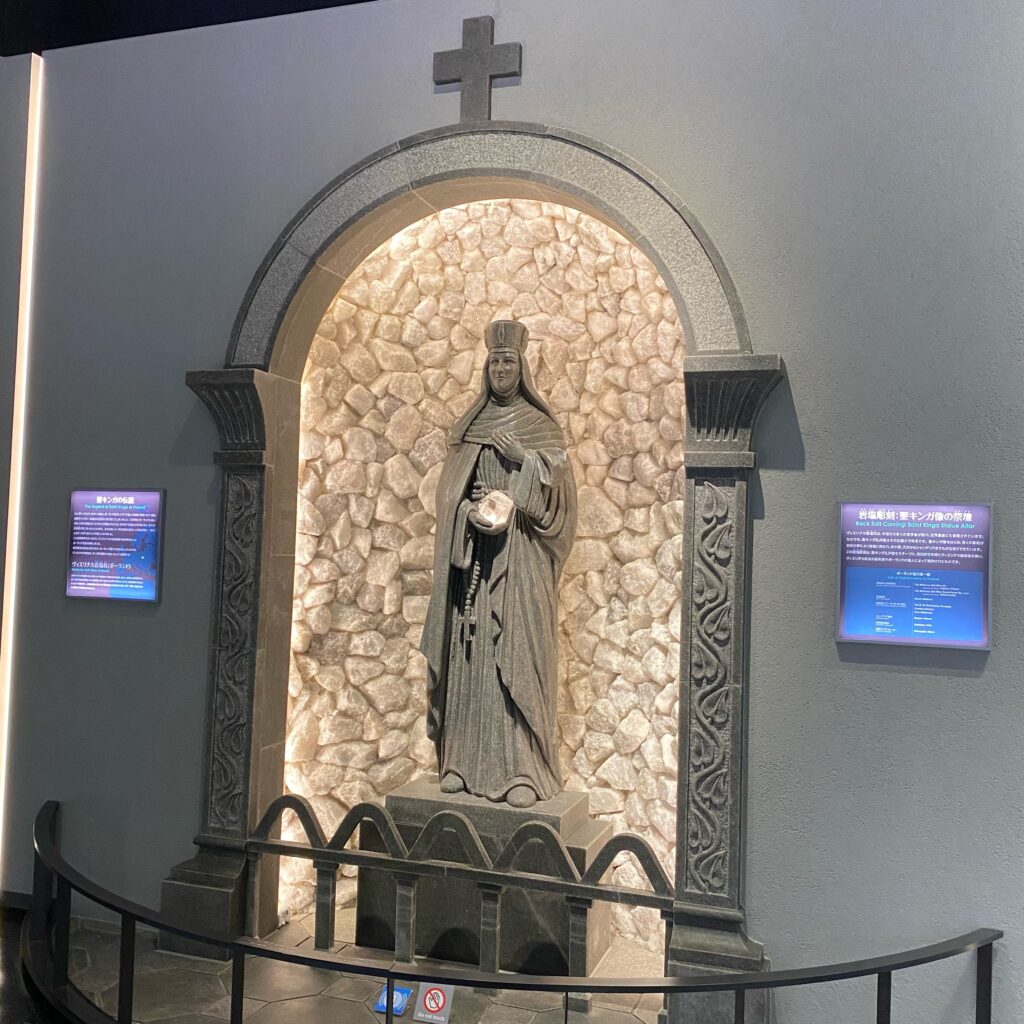
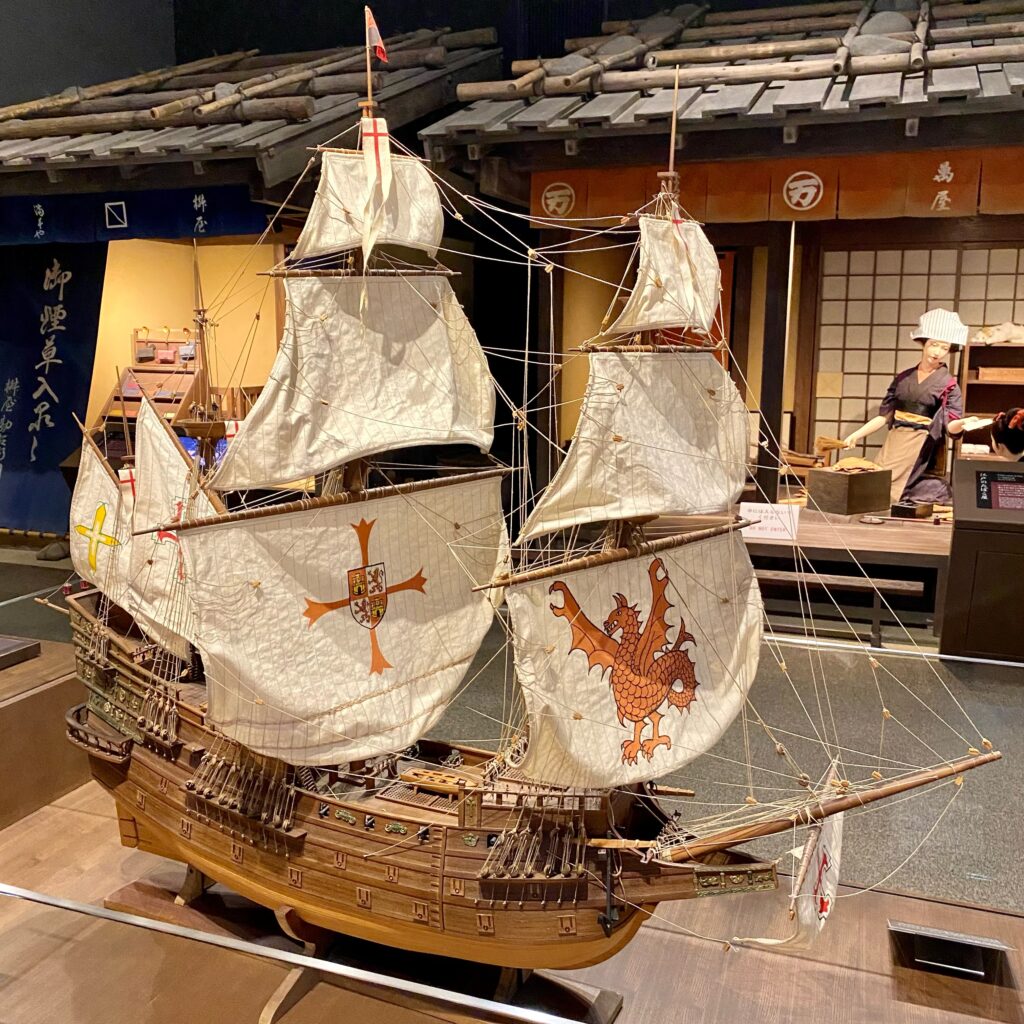
The history of the West Indies changed dramatically at the end of the 15th century. In 1492, Columbus and his crew reached the West Indies.
It is said that the earliest contact between Europeans and tobacco was when local people gave them dried tobacco leaves along with fruits and other items. Later, with the movement of people and goods during the Age of Discovery, tobacco made its way to Europe.
During the same period, corn and potatoes were transported from the New World to Europe, while wheat, rice, cattle, and horses were carried in the opposite direction. Tobacco was also part of this global movement of plants, animals, and humans.
In other words, rather than looking at the history of tobacco in isolation, it might be easier to understand if we consider that "the Age of Discovery changed the very arrangement of food and plants around the world."
Many crops that we now take for granted as belonging to a particular country have crossed national borders throughout history. Tobacco was one such example.
When something becomes a luxury item, world history begins to unfold.
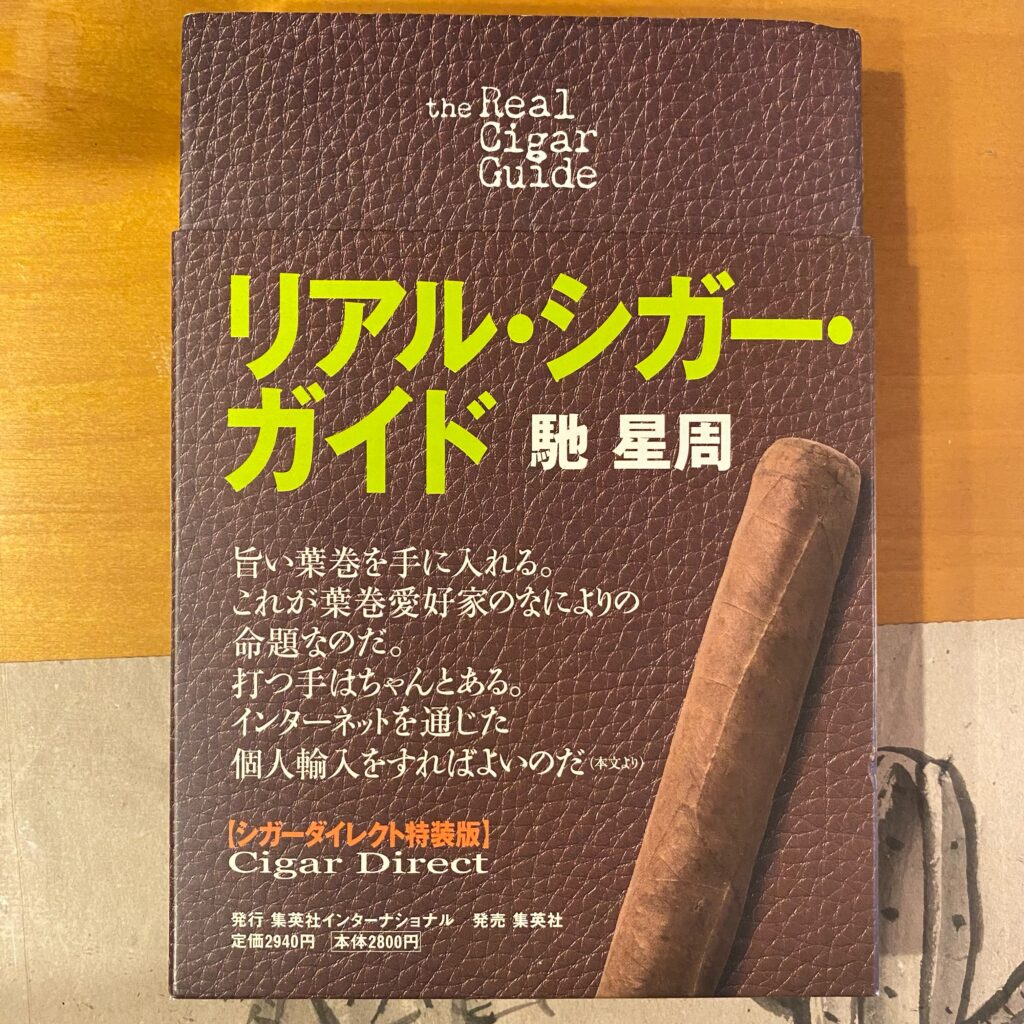
Tobacco, when introduced to Europe, was initially used for medicinal or ornamental purposes, but gradually spread as a luxury item.
"Luxury goods" are things that are not absolutely necessary for survival, but are consumed for the enjoyment of their taste, aroma, sensation, or the time itself.
The same can be said for tea, coffee, and alcohol. And from here, tobacco...Profit-generating productsIt will change to this.
In the early 17th century, Jamestown, part of the Virginia colony established by the British in North America, did not yield sufficient profits from gold and other resources as initially expected.
That's where John Rolfe's tobacco cultivation became crucial.
Cultivation experiments conducted around 1612 proved successful, and tobacco became an important export to Britain. The U.S. National Park Service also recognized tobacco as a cash crop that the Virginia Company had been eagerly awaiting.
Up to this point, it looks like a "success story." However, the fact that a product sells in large quantities also means that someone has to produce it in large quantities.
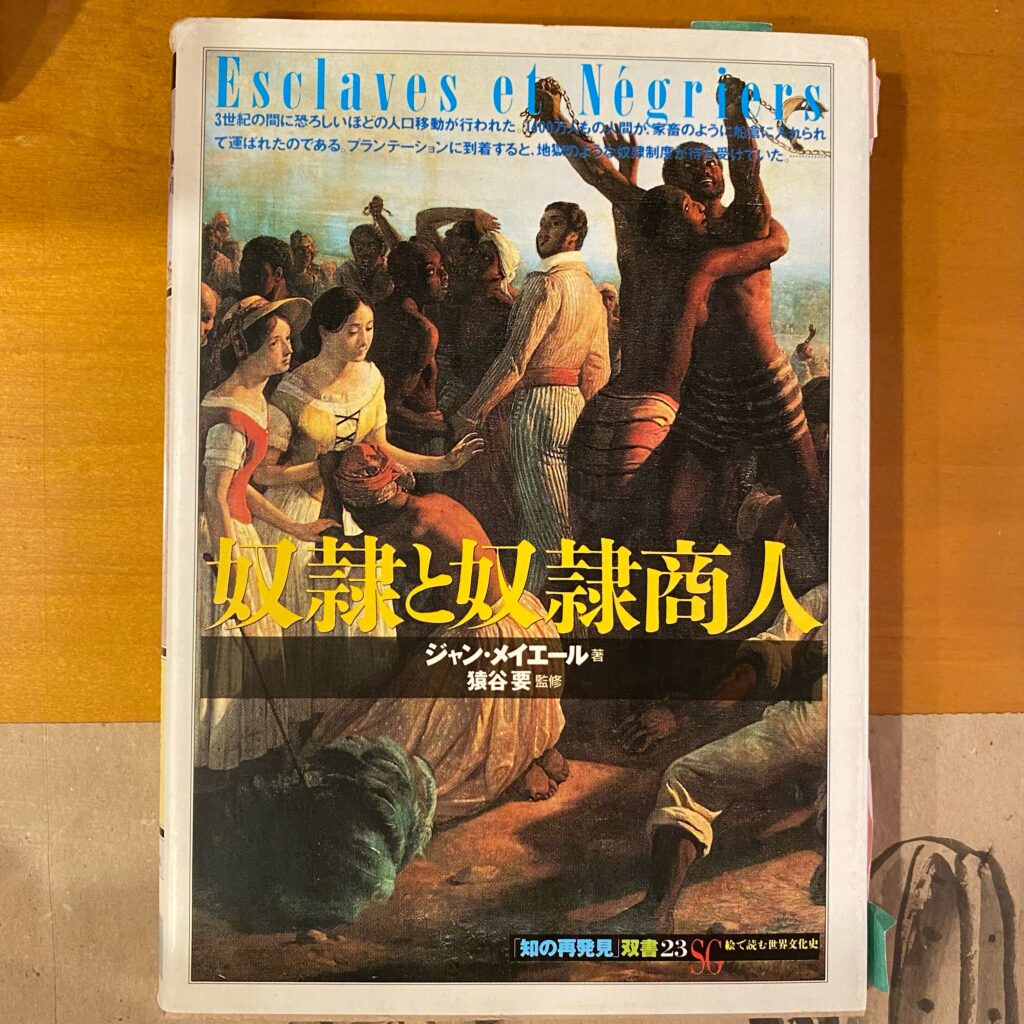
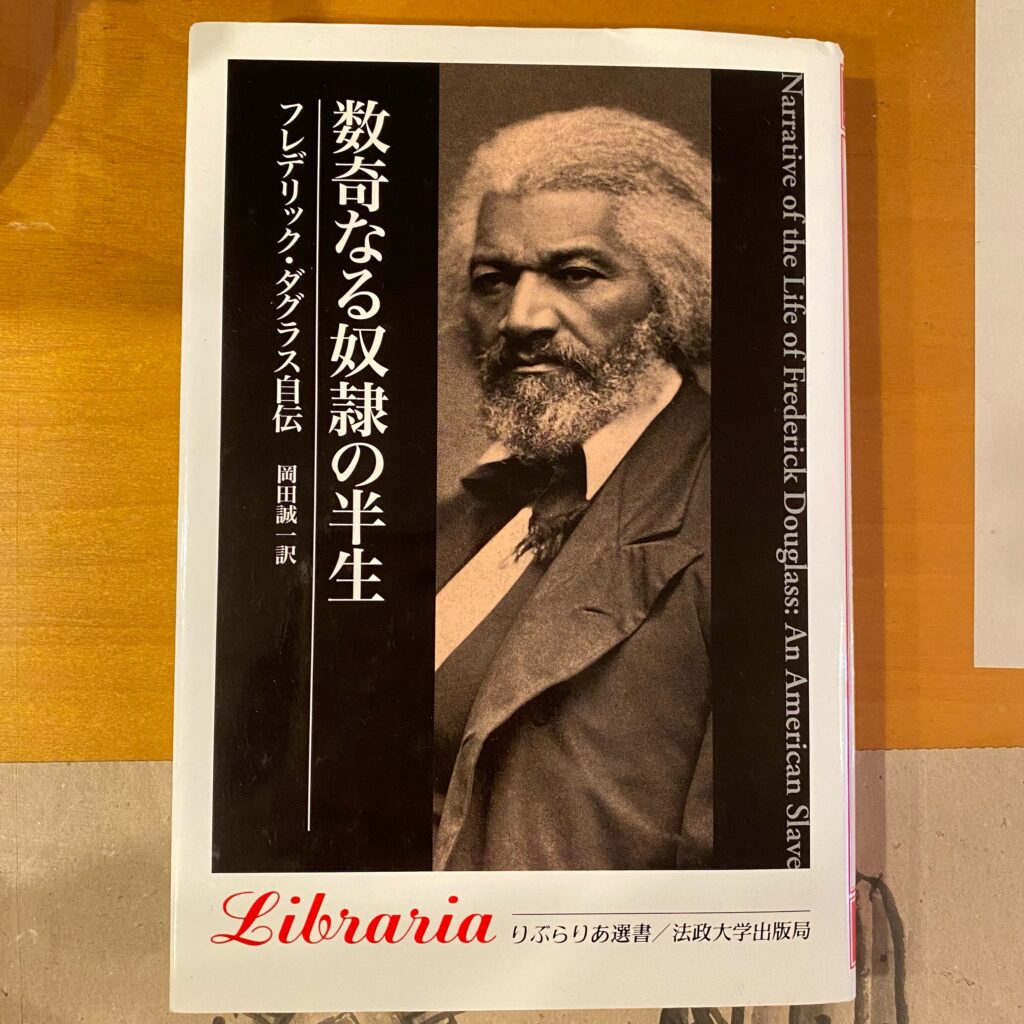
Tobacco cultivation required a large workforce. Initially, indentured servants from Europe were used, and later, people forcibly brought from Africa and their descendants became an important labor force. The arrival of Africans in Virginia is recorded in 1619, and subsequently, with changes in the legal system, a system of lifelong slavery based on race was established.
I'd like to explore this topic in more detail in a separate article, covering the slave trade, plantations, and the Virginia economy.
The important point is that simply looking at a beautiful product doesn't allow you to see the entire world that made that product possible.
The front of the package displays the brand name. However, behind it lie the land, labor, trade, nation, and institutions.
This perspective can be applied not only to cigarettes, but also to coffee, cotton, sugar, and any other product.
The tobacco that was brought to Japan was not used as is.
So, what happened in Japan?
Tobacco is believed to have been introduced to Japan at the end of the 16th century. By the Keicho era, people smoking were already being depicted in paintings, and by the 17th century, it had spread quite rapidly into Japanese society.
On the other hand, the shogunate frequently issued prohibitions. Initially, tobacco was used as a symbol of people known as "kabuki-mono," and there was a growing trend among farmers to cultivate tobacco, which was more easily converted into cash, rather than rice or other crops.
However, the ban could not stop the spread of the culture. By the Genroku period, the ban had become meaningless, and tobacco had become established as a luxury item for ordinary people.
What's interesting is that the culture introduced from overseas wasn't simply copied in Japan. In Japan, a culture developed of finely chopping tobacco leaves and packing them into a kiseru (Japanese pipe) for smoking.
While some shredded tobacco today is as thin as 0.1 millimeters, the underlying processing technology developed during the Edo period.
Taking a culture introduced from abroad and remaking it using the local techniques and aesthetics—this is where tobacco connects to the history of Japanese crafts.
You can't smoke with just a pipe—that's why a "culture of tools" was born.
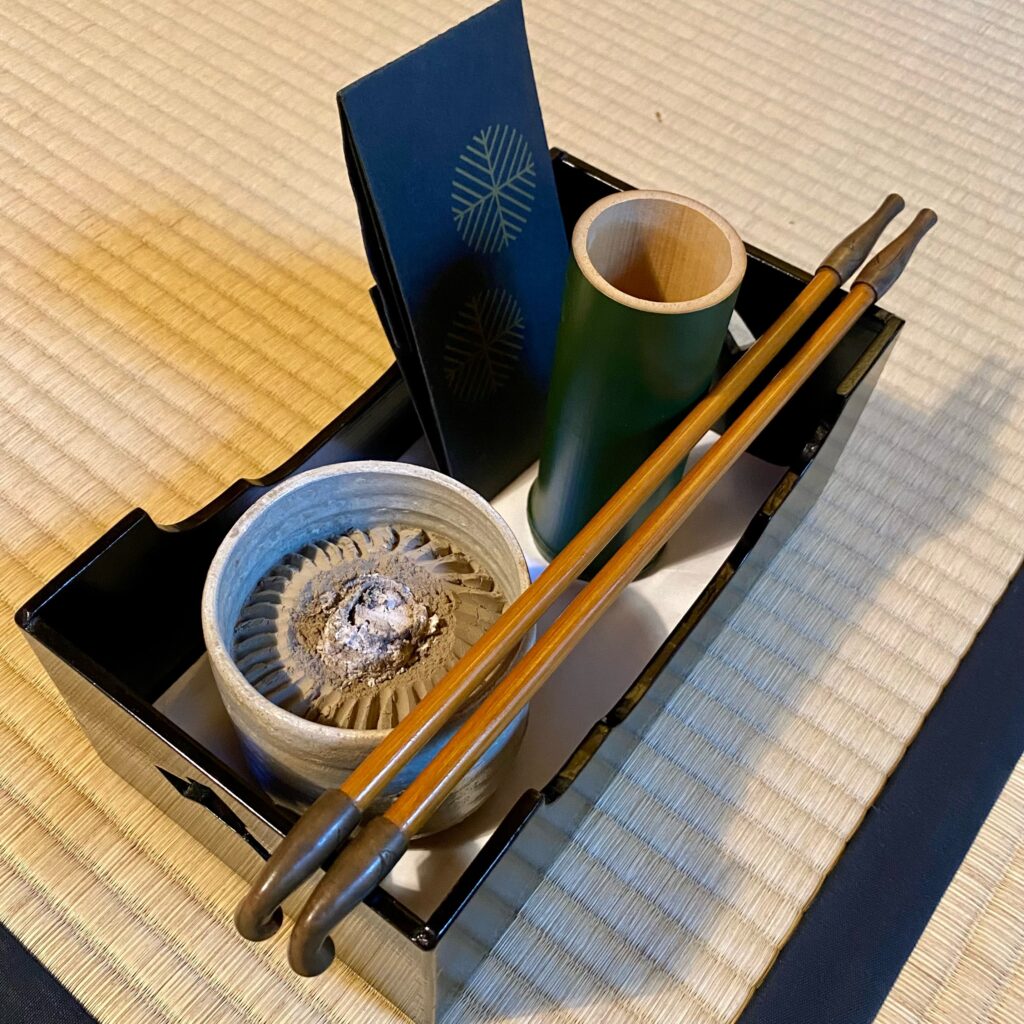
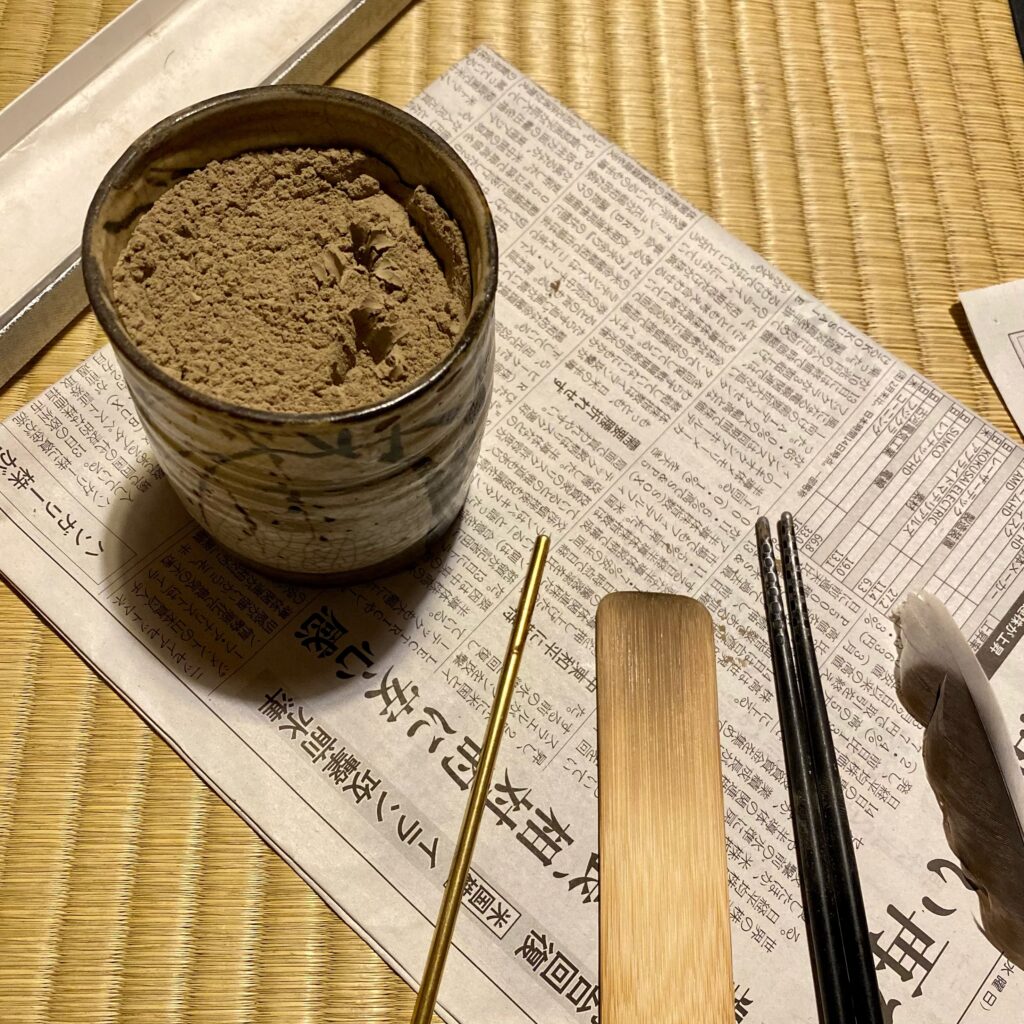
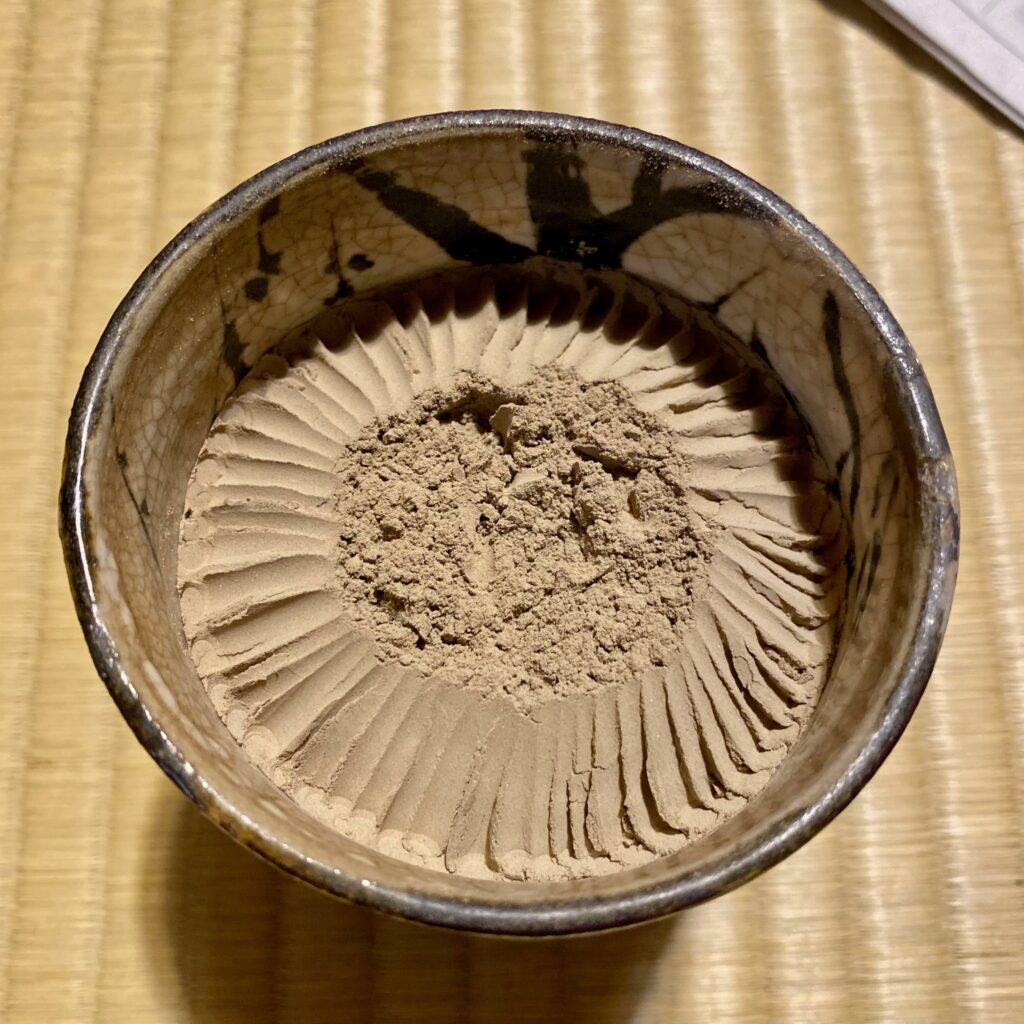
To smoke tobacco using a kiseru (Japanese pipe), simply possessing the pipe is not enough.
You need shredded tobacco. You need a light. You need a place to flick the ashes. Then you need tools to store, carry, and present these things to guests. That's how tobacco pouches and tobacco trays came to be developed.
Tobacco pouches eventually evolved beyond mere storage bags into accessories worn from the waist or peeking out from the collar of a kimono. Museums also describe them as "fashion items" of the time.
The tobacco tray is similar. It combined the tools for lighting the tobacco, removing the ashes, and storing the shredded tobacco into one unit, and was used in everyday life.
Furthermore, they are also placed in places where guests are received, and some are made incorporating highly skilled craftsmanship in woodworking, lacquerware, and metalwork. There is a theory that the tobacco tray originated from the "incense tray" used in the art of incense appreciation.
If we focus on the tools surrounding the act of smoking rather than the act of smoking itself, tobacco culture can also be considered a history of crafts.
When studying the tea ceremony, one prepares a tobacco tray during practice. I arranged the ash in the firebox of the tobacco tray. I stirred the ash all around with a metal rod to incorporate plenty of air, then piled it up high in the center and pressed it down to create beautiful radial or concentric ridges at equal intervals. Then I placed the charcoal to start the fire in the center and prepared to welcome the guest.
In modern life, the use of kiseru (Japanese pipes) is rarely seen anymore. Nevertheless, their form and the manner of using them remain in other cultures as "furnishings for receiving guests." Perhaps culture is not just about perfectly preserving the ways of use of the past.
In the Meiji era, the main focus shifted from pipes to paper.
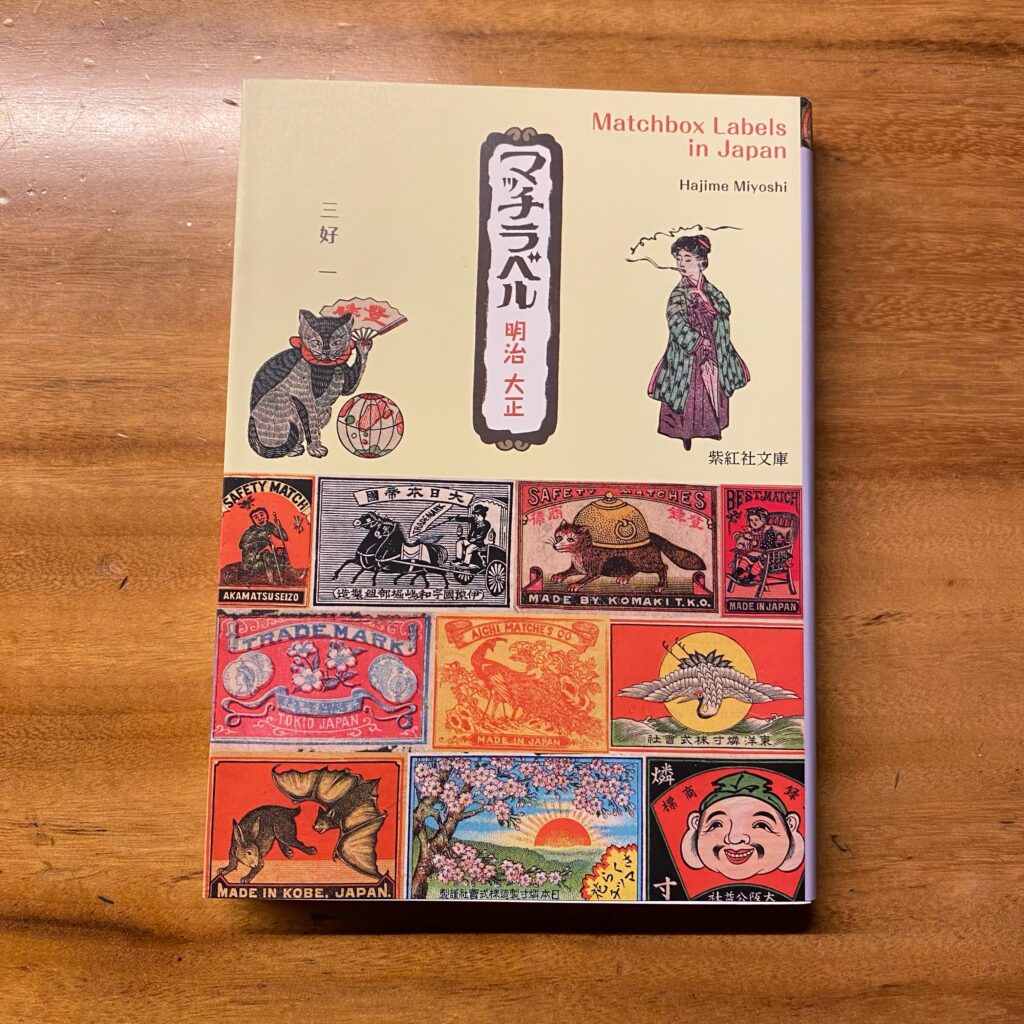
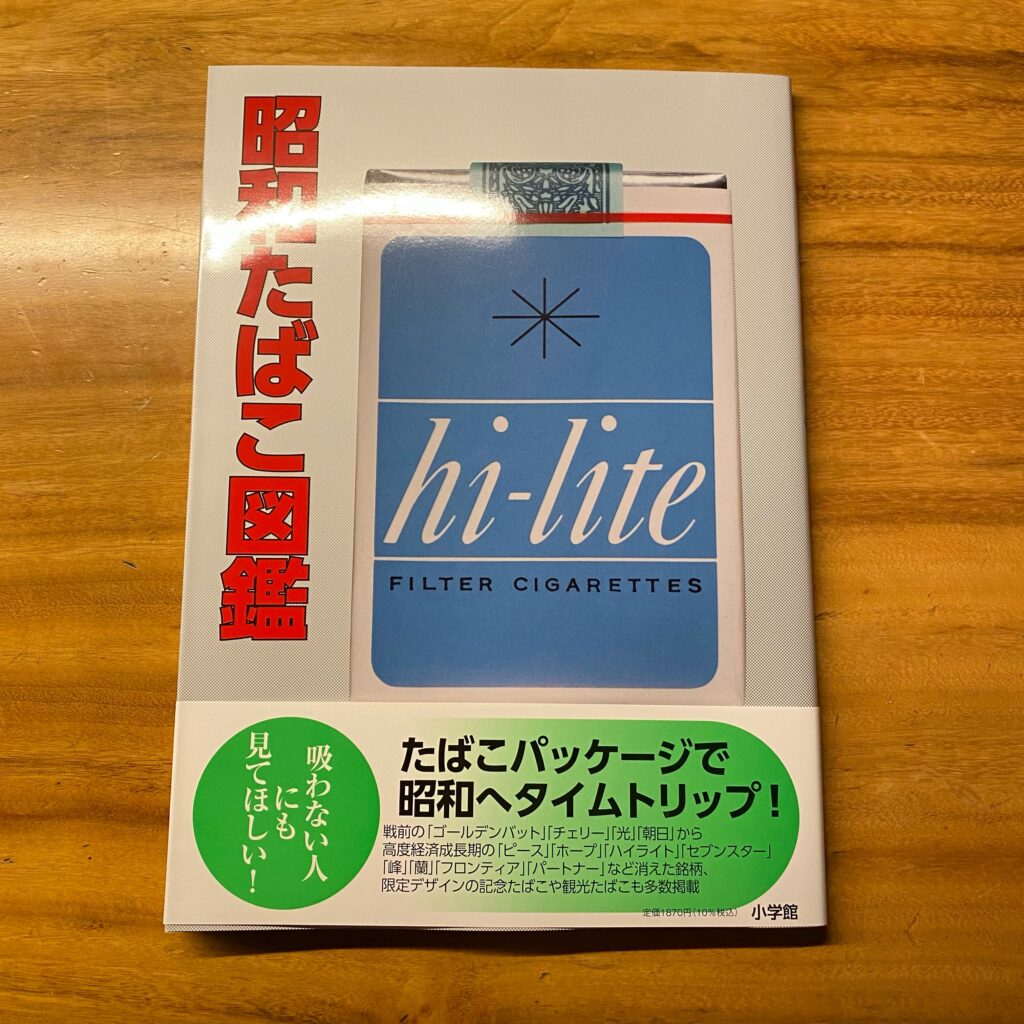
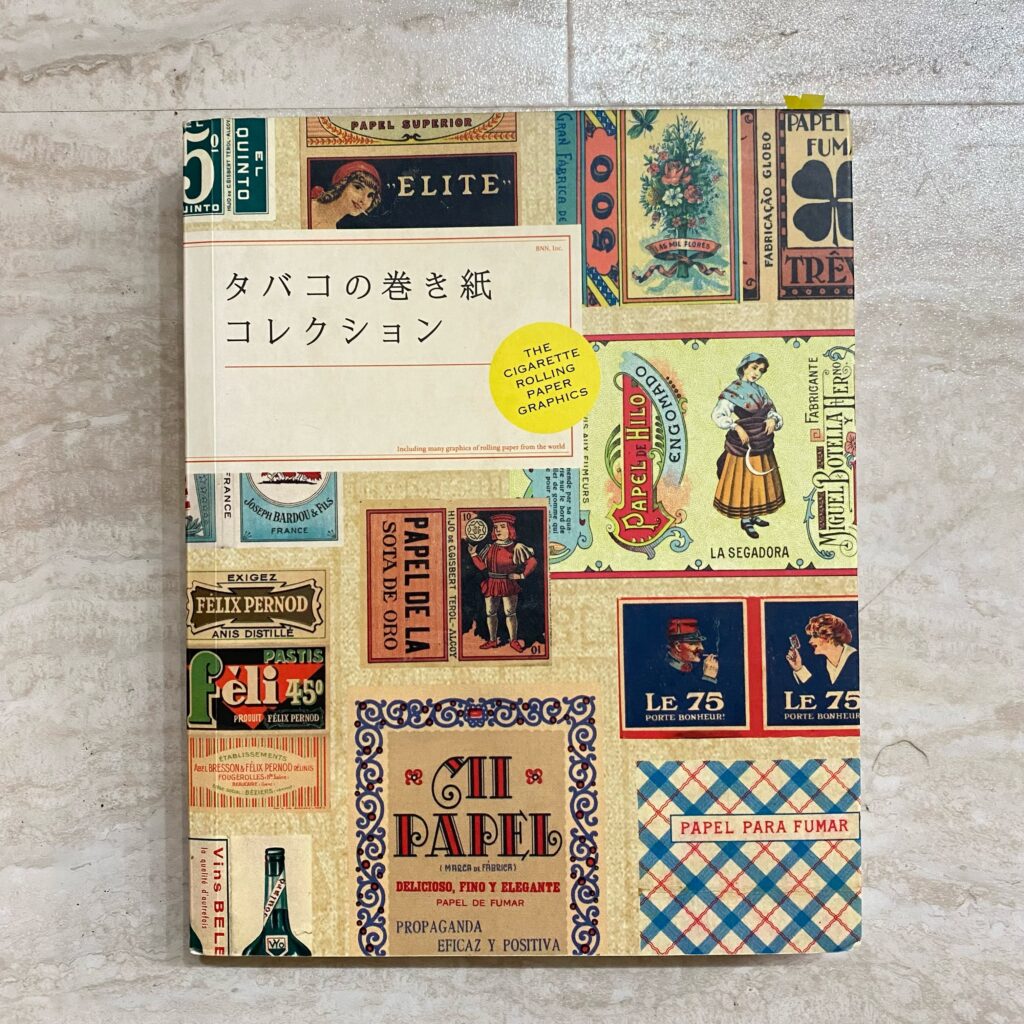
During the Meiji era, a major change occurred in Japanese tobacco culture: the introduction of cigarettes.
In the latter half of the 19th century, cigarette production began in earnest in Europe and America, and they were also imported into Japan. According to the museum, for the Japanese people at the time, cigarettes were not just a new product, but also a symbol of "stylish" Western customs.
And apparently, the beautiful printing and packaging of the imported goods themselves surprised people. This is what I found particularly interesting this time.
During the Edo period, smokers' aesthetic sensibilities were reflected in their pipes, tobacco pouches, netsuke (miniature sculptures), and tobacco trays. However, with cigarettes, the product itself is wrapped in paper from the start.
Then, the box itself becomes a design that catches the owner's eye and is seen by others. It could be seen that some of the decorative elements that were incorporated into pipes and tobacco pouches shifted to packaging, logos, typography, and colors in modern times.
This hypothesis is,A Picture Book of Tobacco from the Showa Era"or"Cigarette rolling paper collectionI'd like to use this in another article.
Packed into a few-centimeter-square sheet of paper were images of people, animals, national flags, landscapes, exoticism, and typography; the history of tobacco began here.History of Graphic DesignIt will also change in that way.
Matches, vending machines, tobacco shops—tobacco has become a part of the "cityscape."
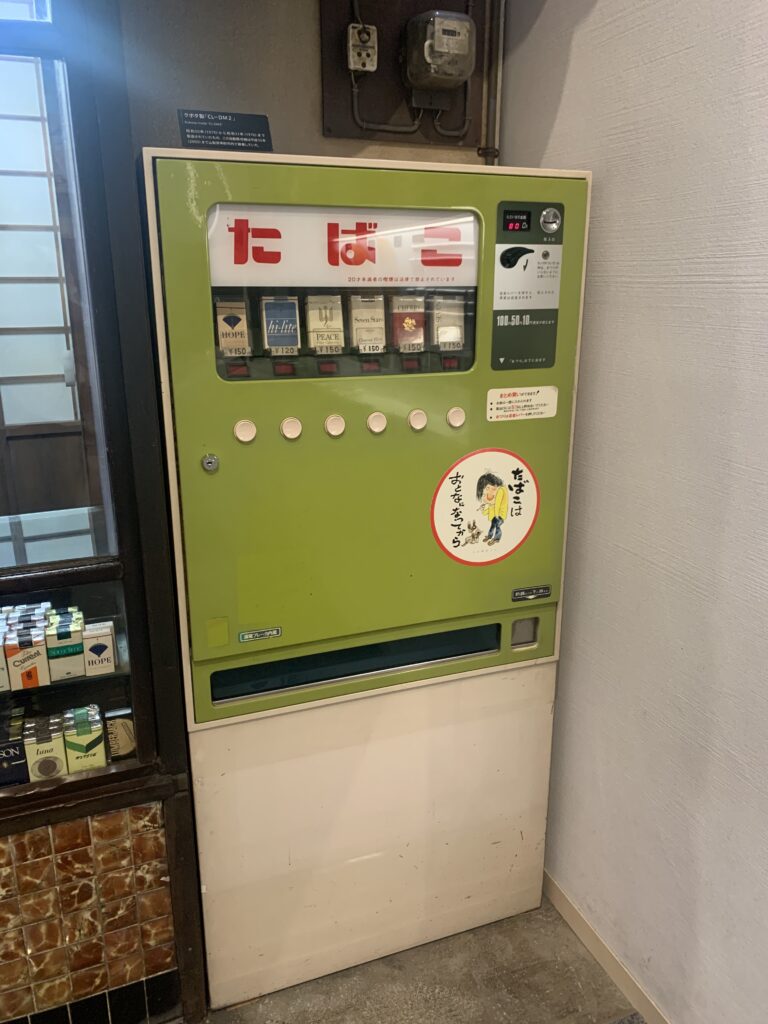
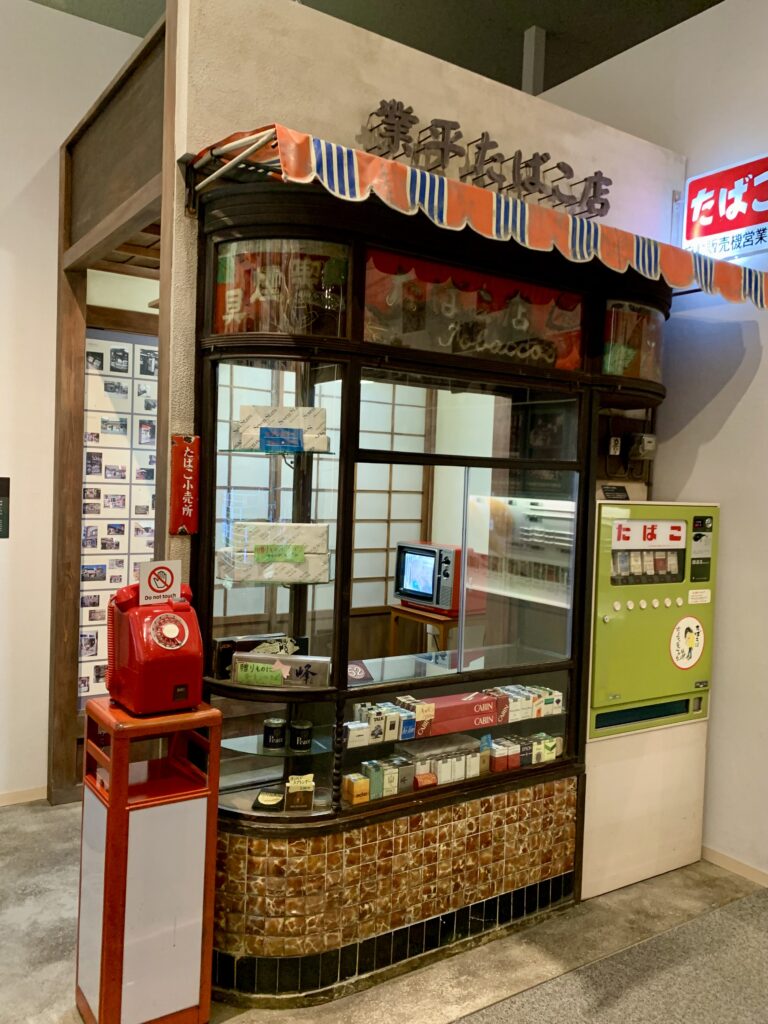
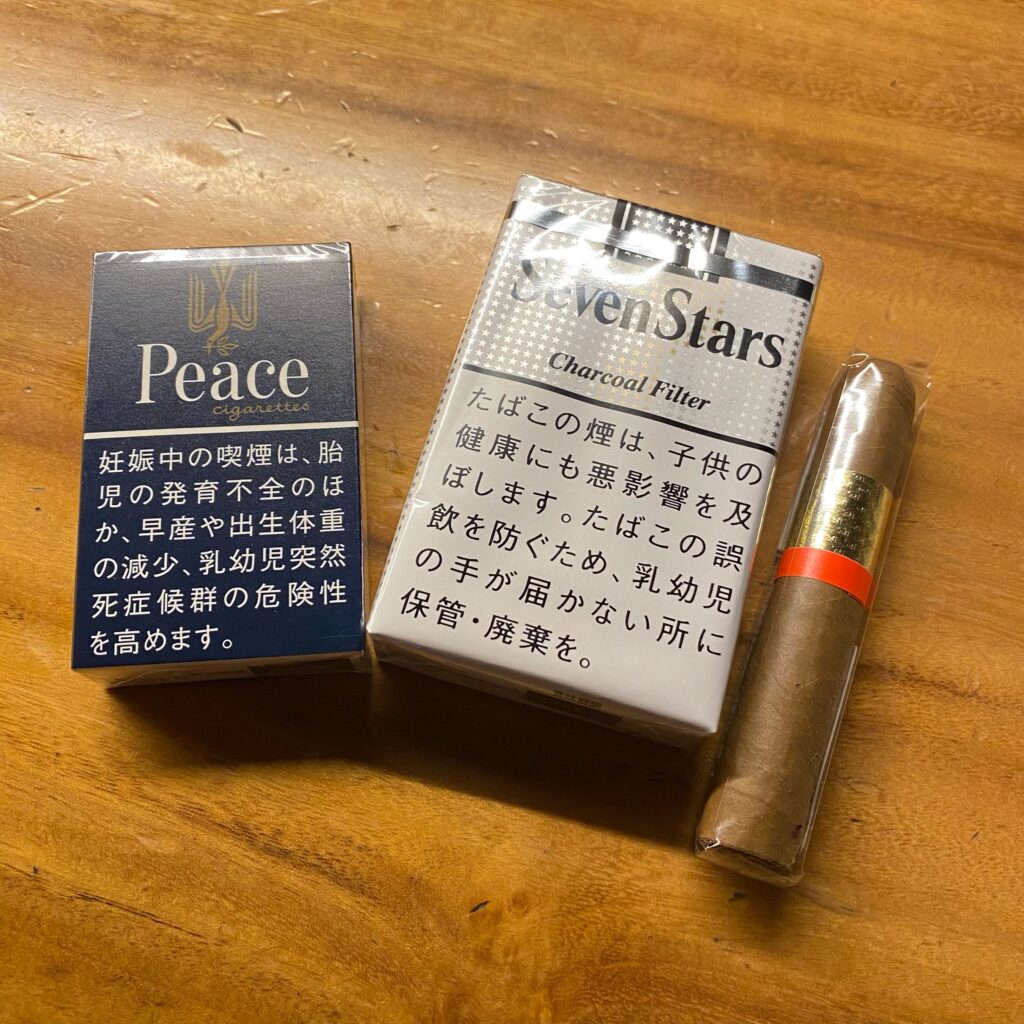
Another interesting aspect of the exhibition was the depiction of the cityscape created around the products.
As we moved from the Meiji era to the Showa era, tobacco became associated with store display cases, signs, matches, advertisements, vending machines, and more.
In Japan, the Tobacco Monopoly Law of 1904 established a manufacturing monopoly, placing the entire process from the purchase of tobacco leaves to manufacturing and sales under government control. This system was subsequently passed down to the Monopoly Bureau of the Ministry of Finance and then to the Japan Tobacco and Salt Public Corporation, and the monopoly era continued until 1985.
Looking at these shops and vending machines today, they exude a strong sense of "Showa era" (1926-1989). However, for the people of that time, this wasn't retro design; it was simply everyday life.
When we see old signs, boxes, or vending machines, we often find ourselves appreciating them, even saying things like, "Old designs are cool."
Looking at cultural history is a little different from "nostalgia for old things."
Why did it take that shape?
Why were there so many of them scattered throughout the city?
How did people view it?
Re-examining what was considered "normal" by people in the past is also a research area I consider important.
And the box itself becomes an advertisement.
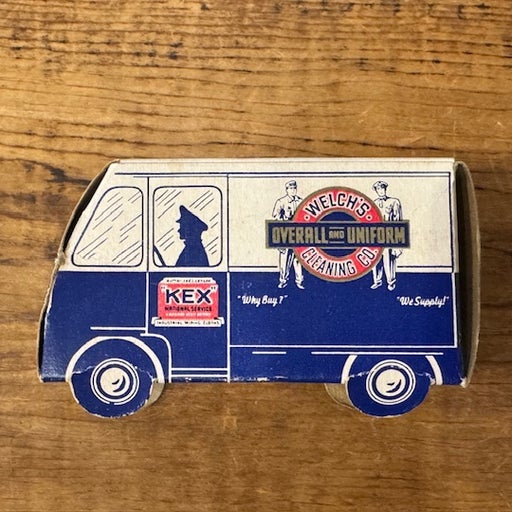
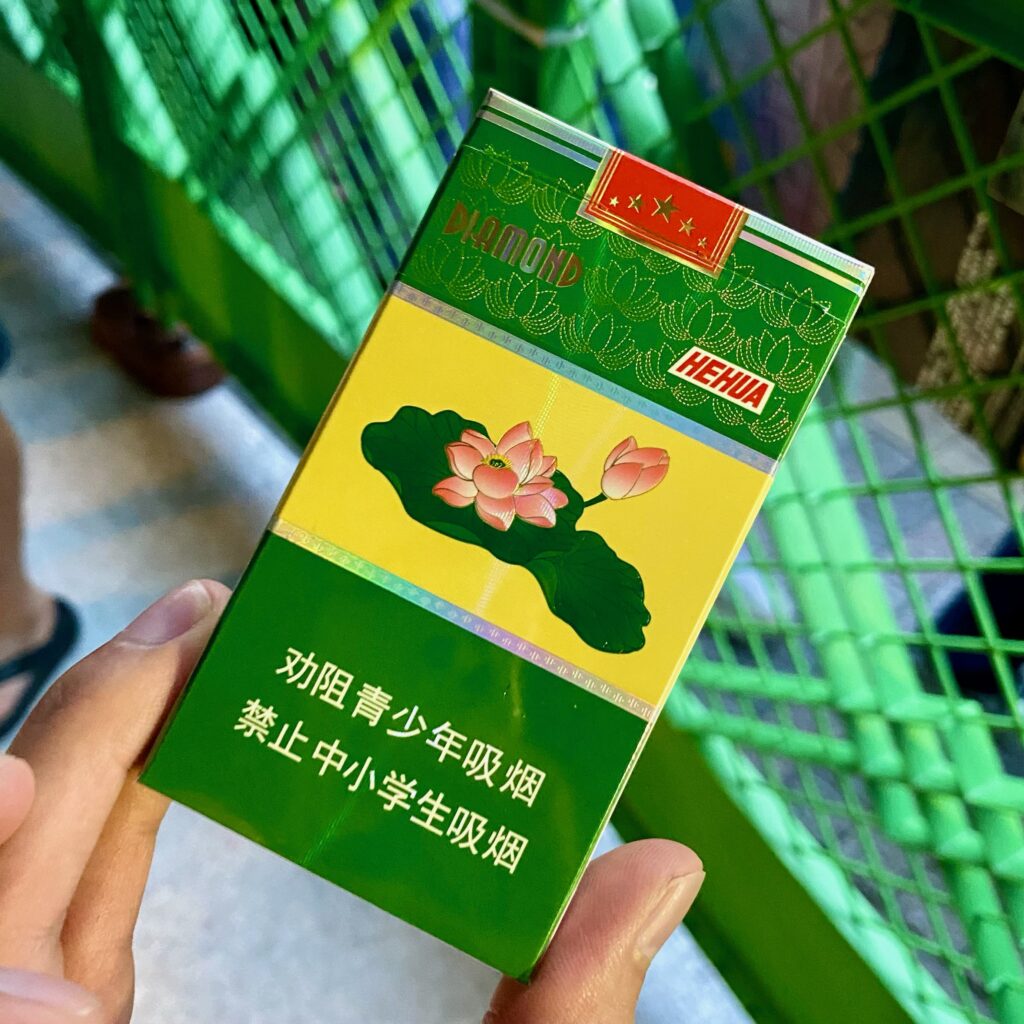
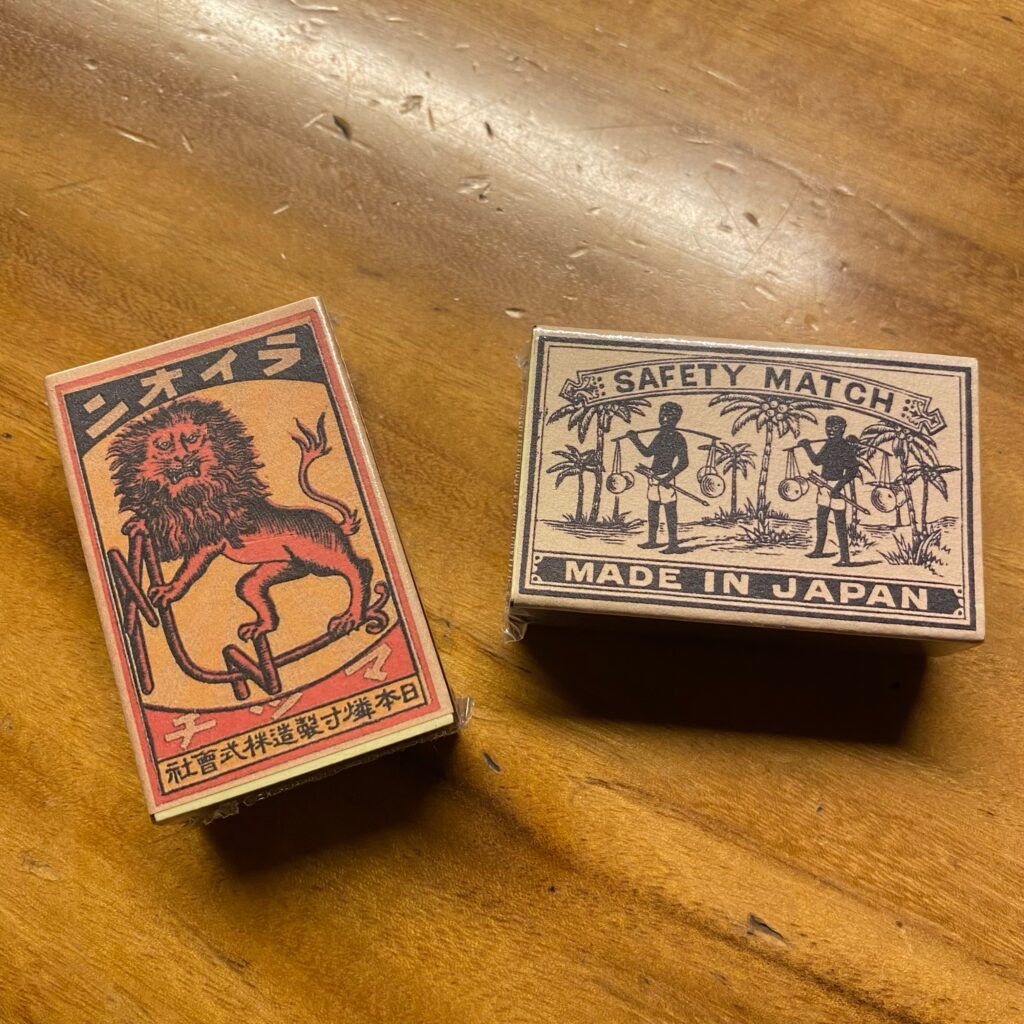
In the era of cigarettes, the box ceased to be merely a container; by combining the brand name, color, font, and images, it became possible to create an image of "what kind of person smokes this product."
Then, in the 20th century, the tobacco industry expanded its advertising and marketing efforts on a massive scale. Beyond the taste of the product itself, the product began to associate people with aspirations such as freedom, success, maturity, rebellion, masculinity, femininity, and camaraderie. At this point, looking at a cigarette pack becomes a way of reading advertising history and consumer society.
On the other hand, current packaging prominently displays health warnings.
What was once a space brands freely used for packaging—nowadays, health information is embedded within it. Companies talk about their brands, and governments talk about health risks. Consumers consider both when choosing a product.
Even from just one box, we can see the changing values of the times.
Tobacco can be the starting point for understanding the connections between world history.
This single article alone connects a wide range of topics, from the plants of the Andes in South America, to ancient Mesoamerican rituals, the Age of Discovery, the Virginia colony, the Atlantic world, Edo culture in Japan, the tea ceremony, the Westernization of the Meiji era, modern industry, graphic design, and urban landscapes of the Showa era.
I think this is what makes studying cultural history so interesting.
What started as a single theme, "tobacco," has somehow traversed world history, craft history, design history, and economic history.
When you look at things in depth, the boundaries between specialized fields break down surprisingly easily. And there are still many things I haven't been able to write about yet.
How were tobacco cultivation and slavery linked?
Why did tobacco trays and pipes become such sophisticated works of art?
Why was such excellent graphic design used on a cigarette package just a few centimeters in size? What kind of society does this strange ashtray, made in Japan and exported to America, reflect?
Why are cigars and cigarettes, both considered "tobacco," so different in their culture?
These topics will be explored in more detail in separate articles at some point.
Leaving behind things that burn and disappear.
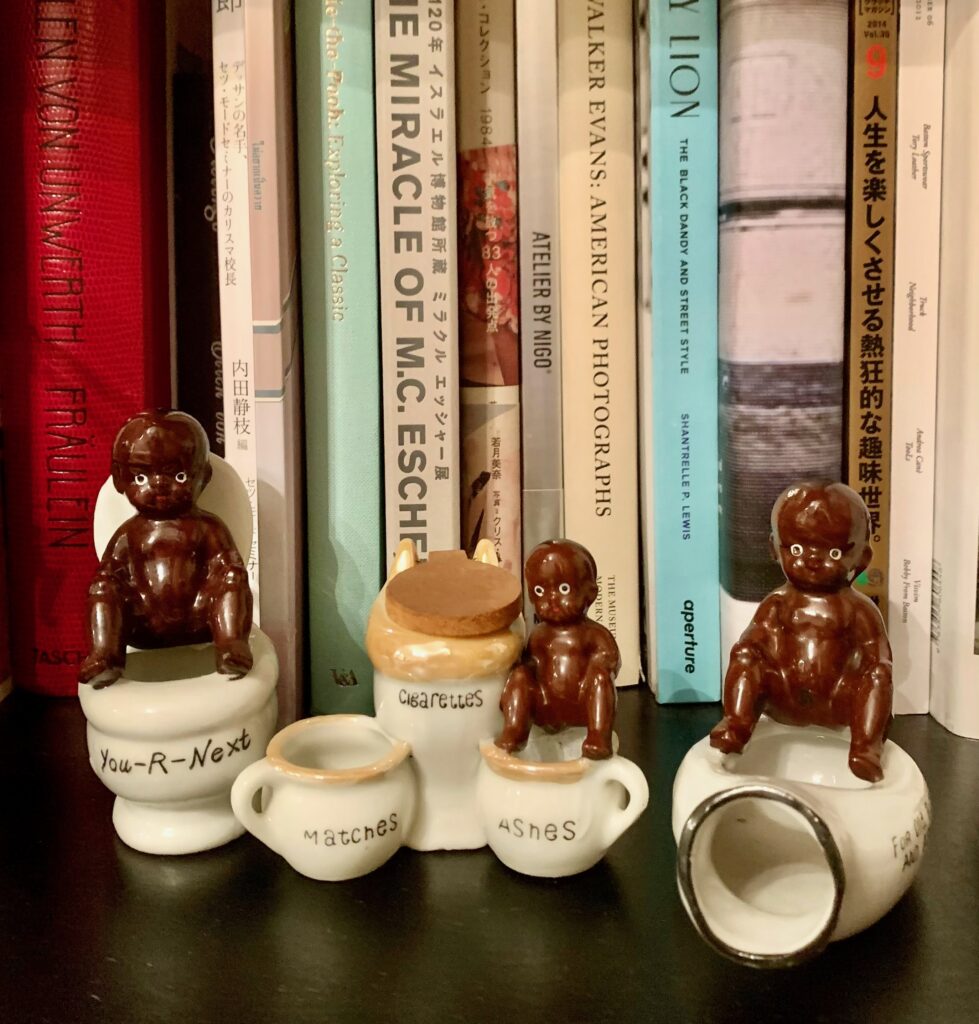
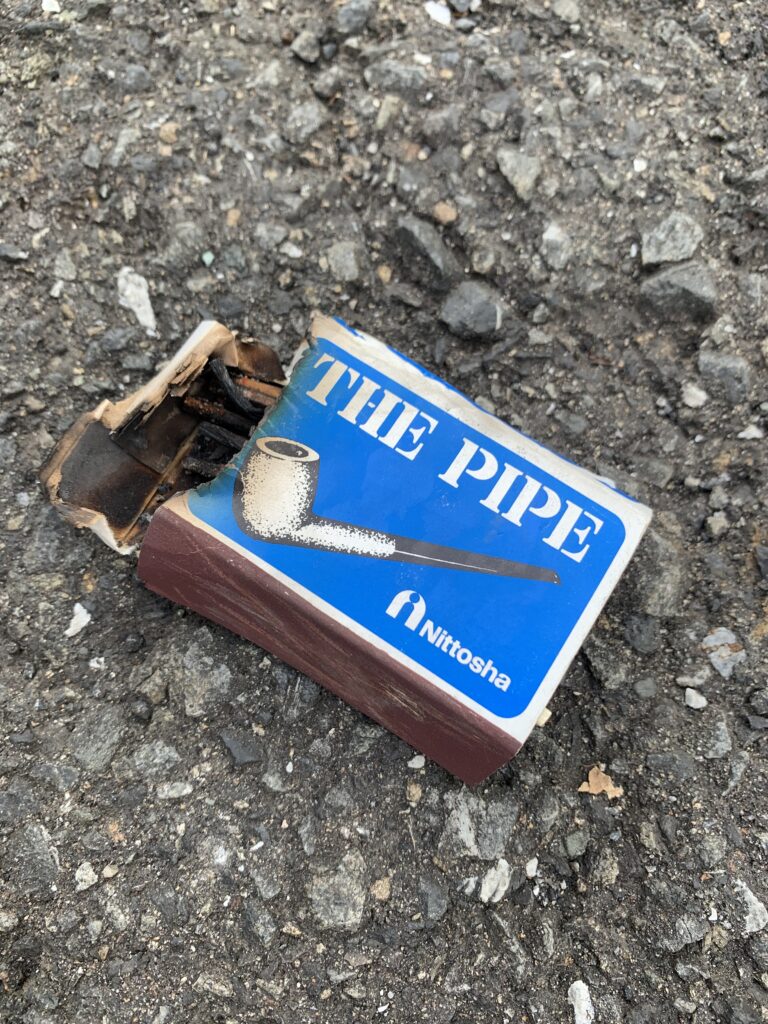
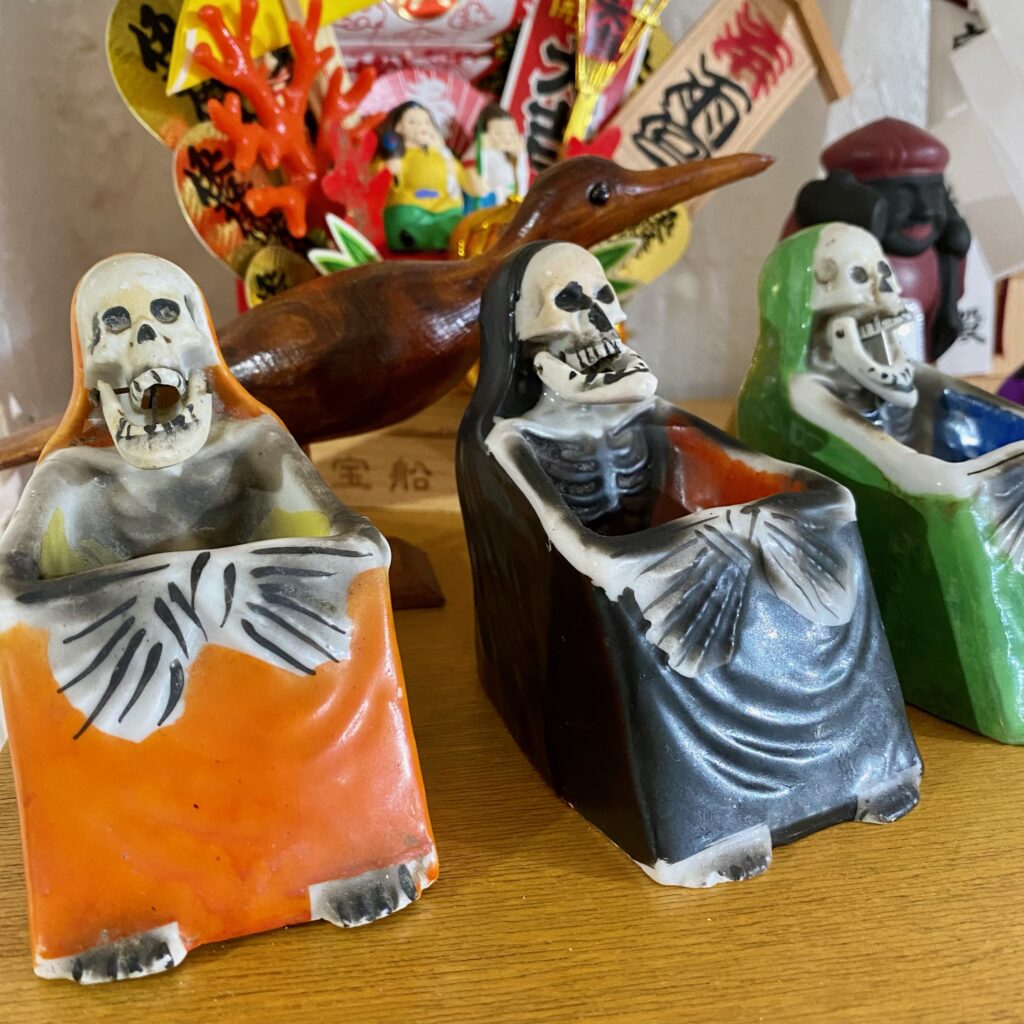
My interest in history wasn't the only reason I started researching this topic. The initial impetus was research for my own creative project.
Cigarettes, matches, boxes, ashtrays, lighters. Many things related to cigarettes disappear after use. Cigarettes turn to ash, matches burn out, and boxes are thrown away. Advertisements are constantly being replaced, and vending machines on street corners will eventually be removed. That's why, in later generations, these items become historical documents that tell the story of everyday life at the time. The items displayed in museums weren't created as historical documents from the beginning; they were originally everyday items that someone used.
Those are the kinds of things I work with in my creations. A burnt matchbox I picked up on the side of the road. A Japanese-made skull ashtray that was exported to America. I remade the broken jaw out of semi-porcelain clay, and even turned the cardboard box the ashtray arrived in from eBay into pottery.
I couldn't really explain to myself why I was doing this. But as I researched the cultural history of tobacco, I feel like I've finally been able to put it into words. It's not just carefully preserved objects that convey the lives of people. Even in things that are used, burned, broken, and discarded, the technology, design, values, and desires of their time are imprinted.
だから、消えていく物を拾い、調べ、ときには別の素材に置き換えてみる。燃えて消えるはずの物を、窯の火で焼いて残す。
たばこと塩の博物館を歩きながら見えてきたのは、たばこの歴史だけではありませんでした。ありふれた日用品ひとつからでも、その時代の世界が見えてくる。そう実感した一日でした。

comment