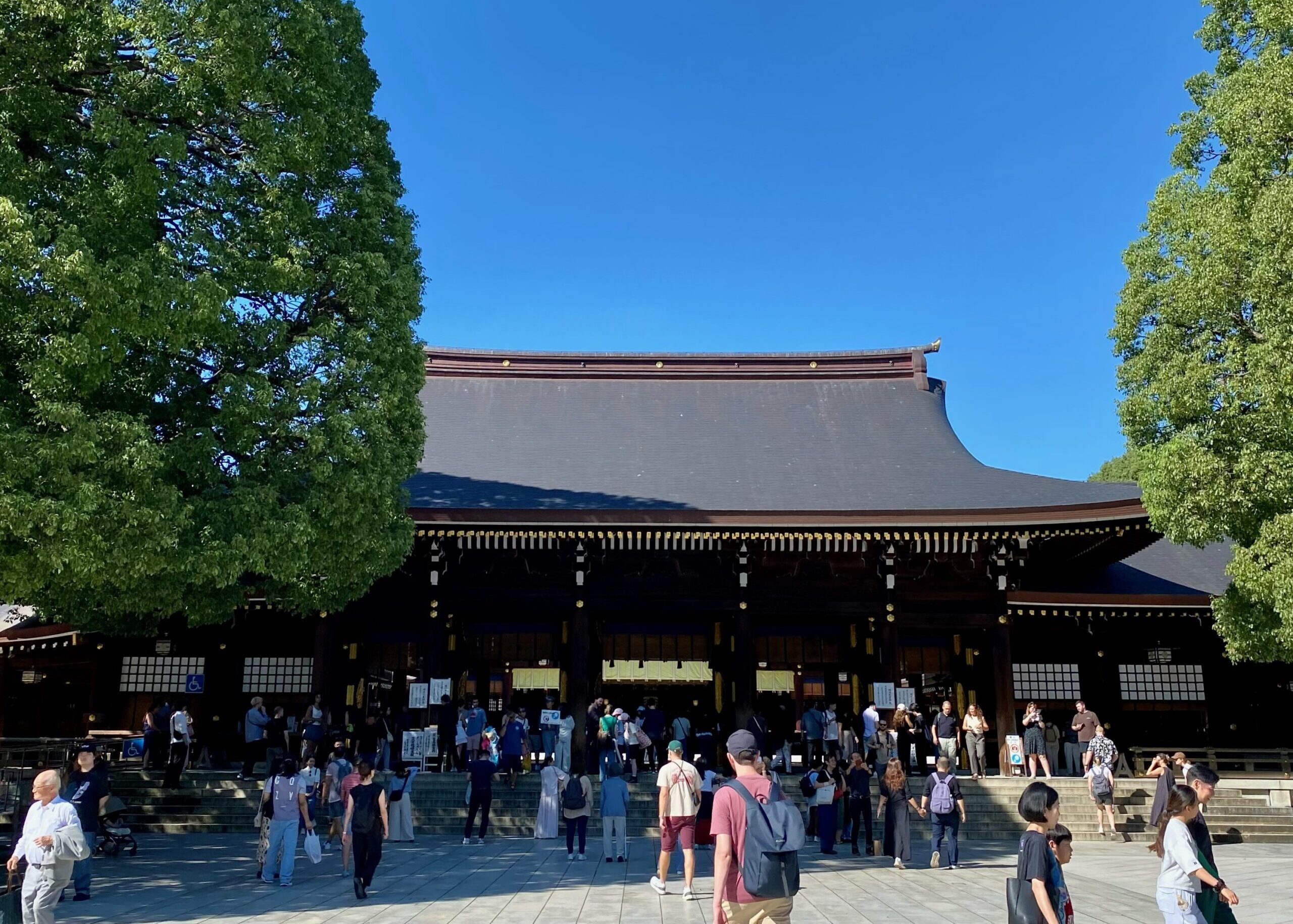
- Receive prayers at Meiji Jingu Shrine
- First of all, what kind of place is Meiji Jingu Shrine?
- The "Forest of 100 Years from Now" extends all the way to the platform of Harajuku Station.
- A sake barrel wrapped in straw and a wine barrel facing each other.
- To the prayer service
- Another 20th Century Outside the Torii Gate
Receive prayers at Meiji Jingu Shrine
On October 1st, I visited Meiji Jingu Shrine.
I often take walks around Meiji Jingu Shrine whenever I have the time. In early summer, I strolled through the gardens and saw the irises, the South Pond, the Kakun-tei Pavilion, and the Kiyomasa Well, all of which were in full bloom.
This time, I returned the amulet I had received previously and received a prayer ceremony again. I wrote about the prayer ceremony at Meiji Jingu Shrine once before on this blog two years ago, and at that time it was right around the time I started renting the office space for Coop Olympia.
This time, I'd like to shift our perspective a bit and consider what kind of place Meiji Jingu Shrine really is.
First of all, what kind of place is Meiji Jingu Shrine?
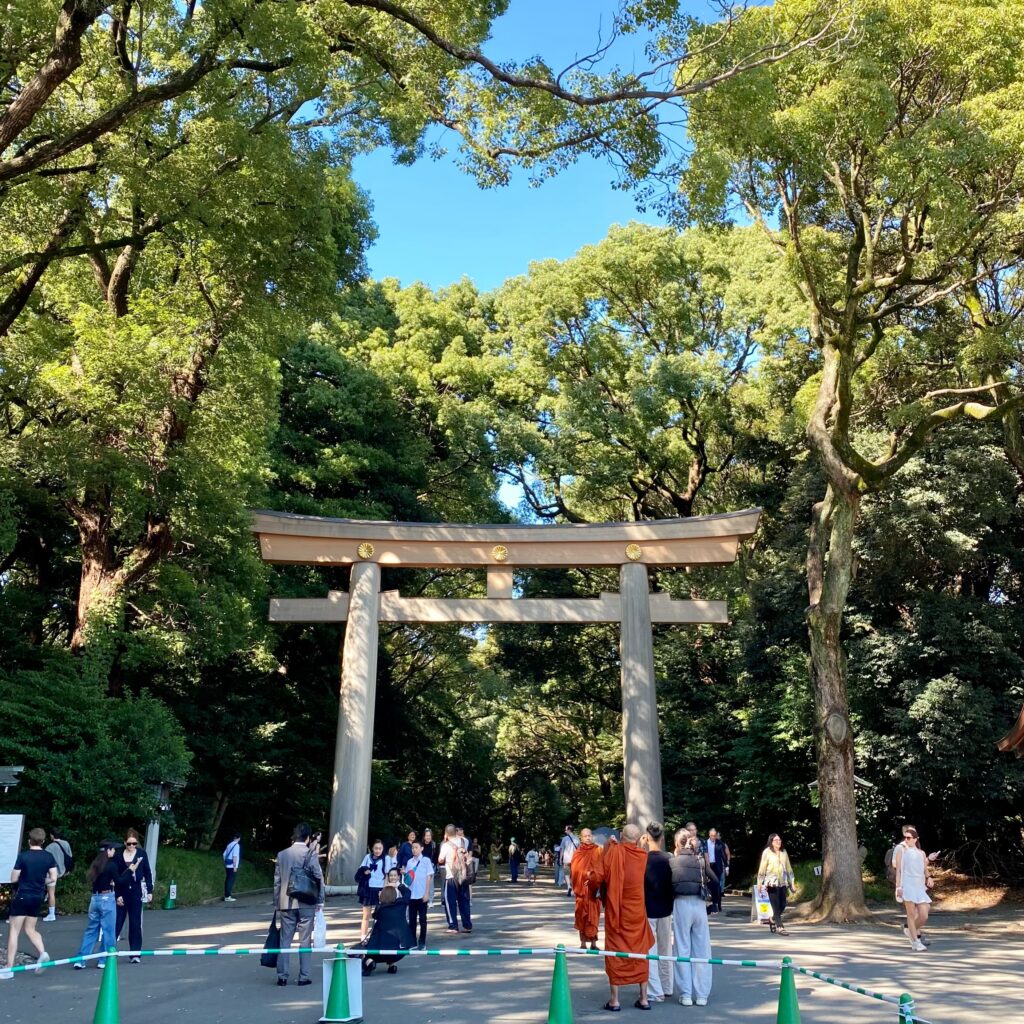
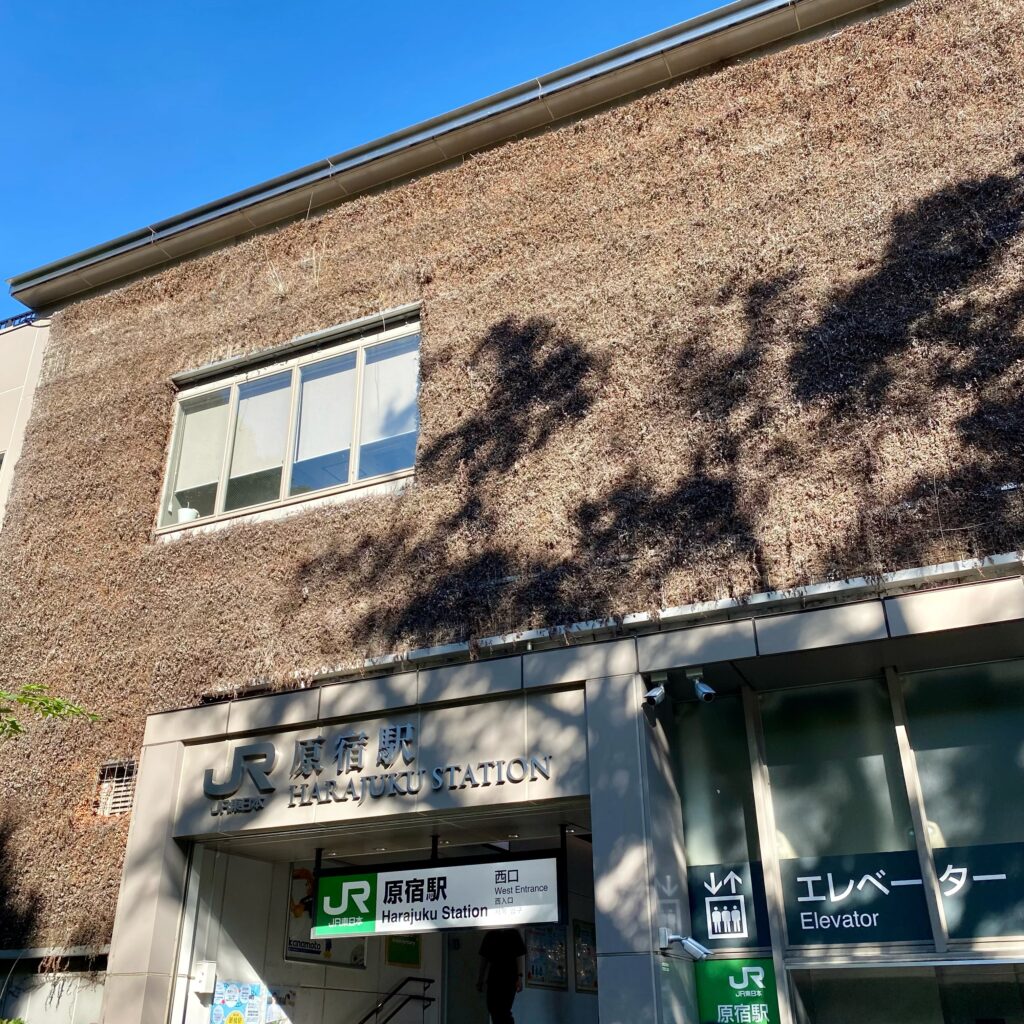
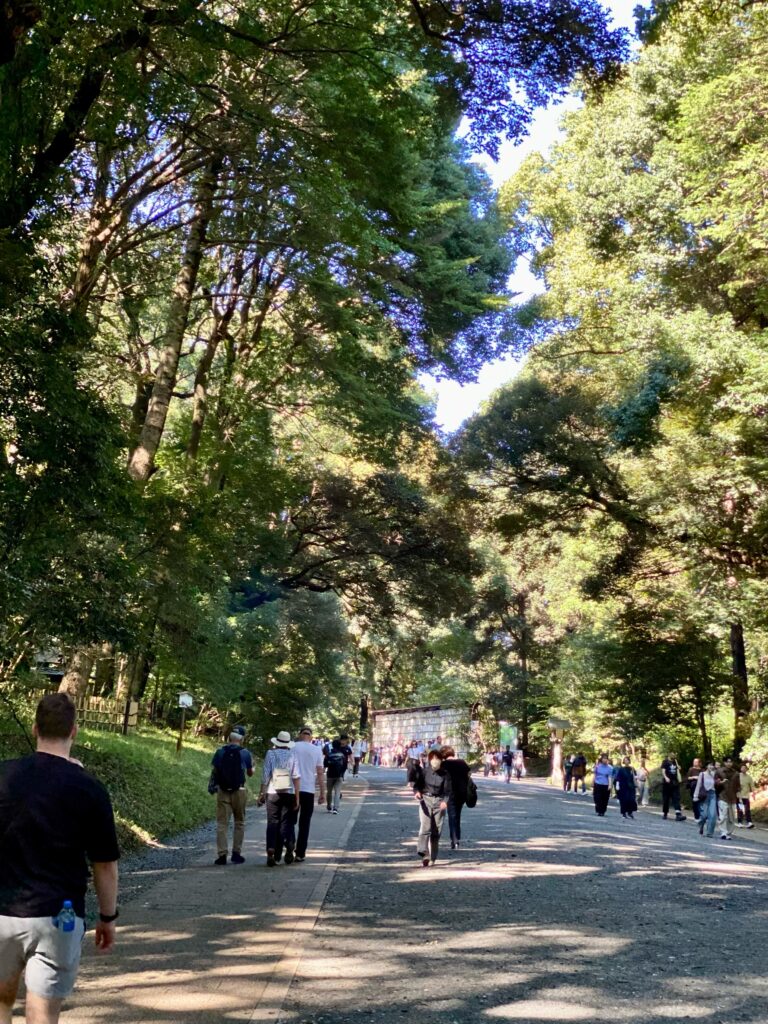
As you exit Harajuku Station, a huge torii gate and a deep forest will appear immediately to your left.
Meiji Jingu Shrine was founded in 1920. The forest we see every day is made up of approximately 100,000 trees donated from all over Japan. In other words, it is a forest planned by humans in the 20th century, and it is also a landscape that people 100 years ago tried to leave for the "future of Tokyo."
Meiji Jingu Gyoen is older than Meiji Jingu Shrine.
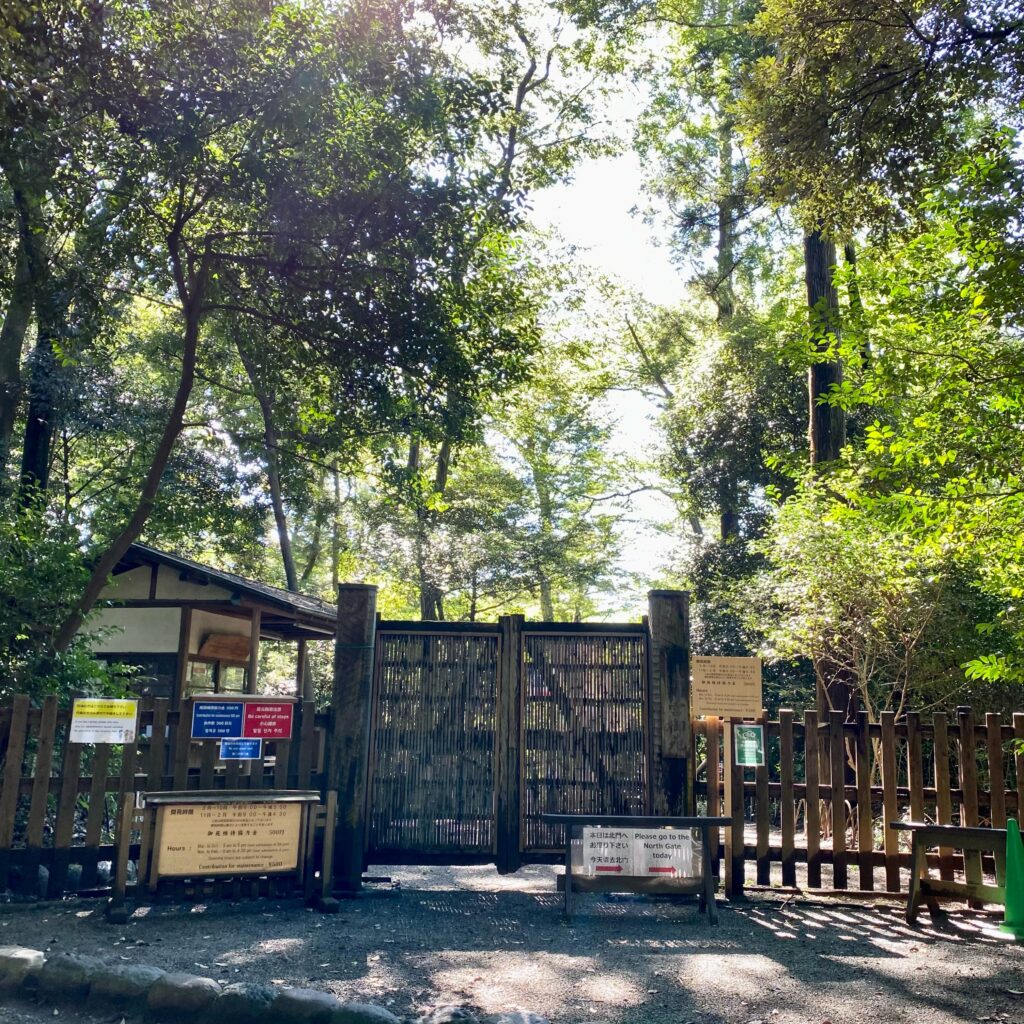
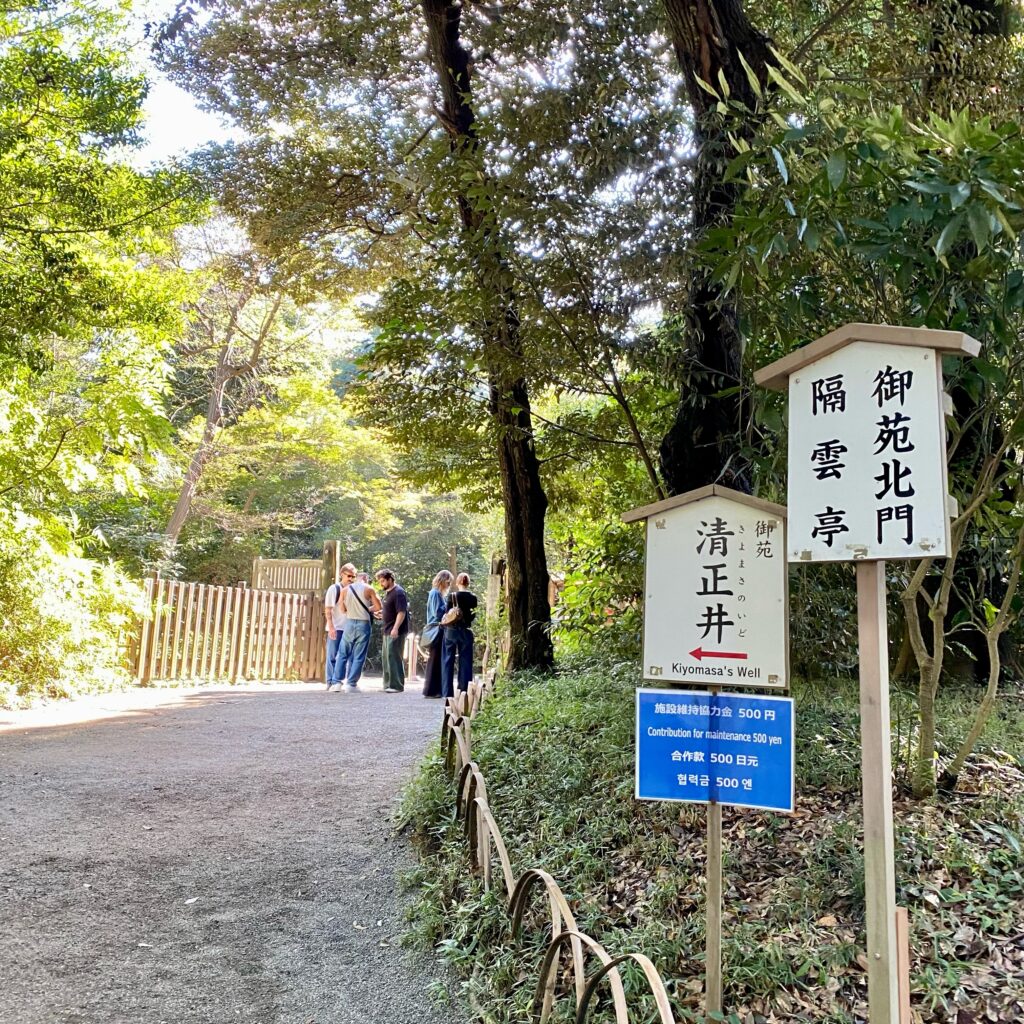
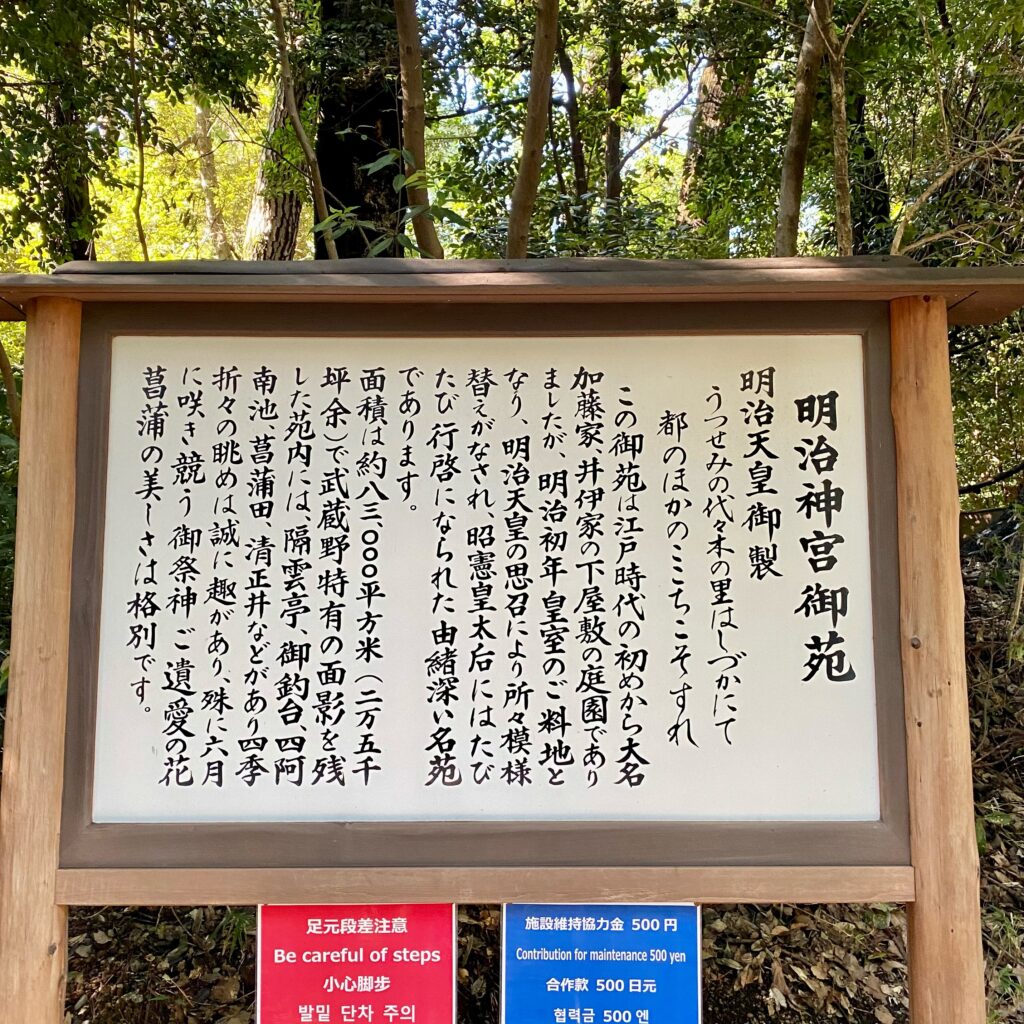
Within Meiji Jingu Shrine, one of my favorite places has always been the Meiji Jingu Gyoen (Imperial Garden).
My last visit was in early summer, when the irises were in full bloom. In the iris field surrounded by forest, purple to pale wisteria-colored flowers bloomed, and beyond them were the South Pond, the Kakun-tei Pavilion, and the Kiyomasa Well. This time, I entered from the north entrance.
Although it now blends seamlessly into the Meiji Jingu Shrine, making it appear as if the garden was created at the same time as the shrine's construction, this garden actually has a longer history than the Meiji Jingu Shrine itself.
During the Edo period, this area was home to the Kato family's secondary residence, and later to the Ii family, the lords of the Hikone domain. After the Meiji Restoration, it came to be known as the "Minami Toshima Imperial Estate" of the Imperial Family.
In other words, there was a garden first, and then Meiji Jingu Shrine was built on this land.
A garden prepared for Empress Dowager Shoken
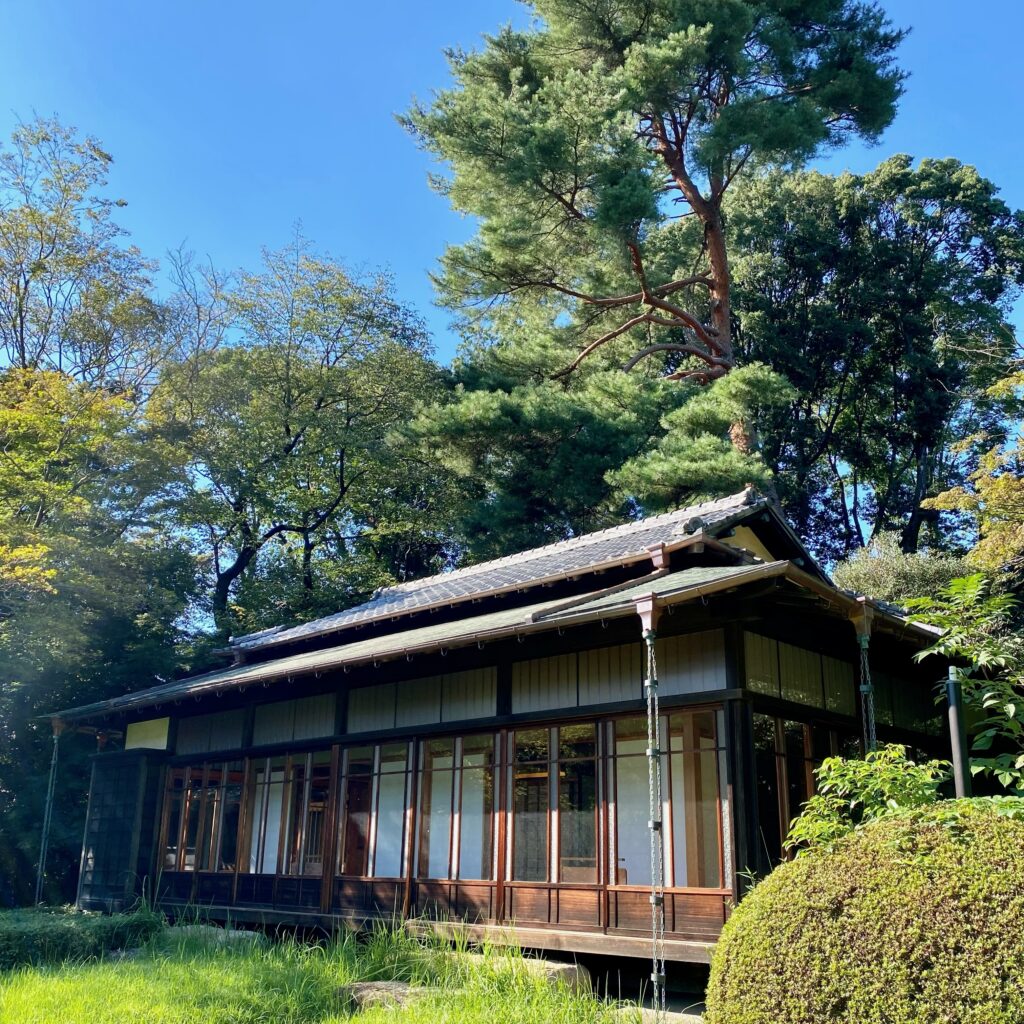
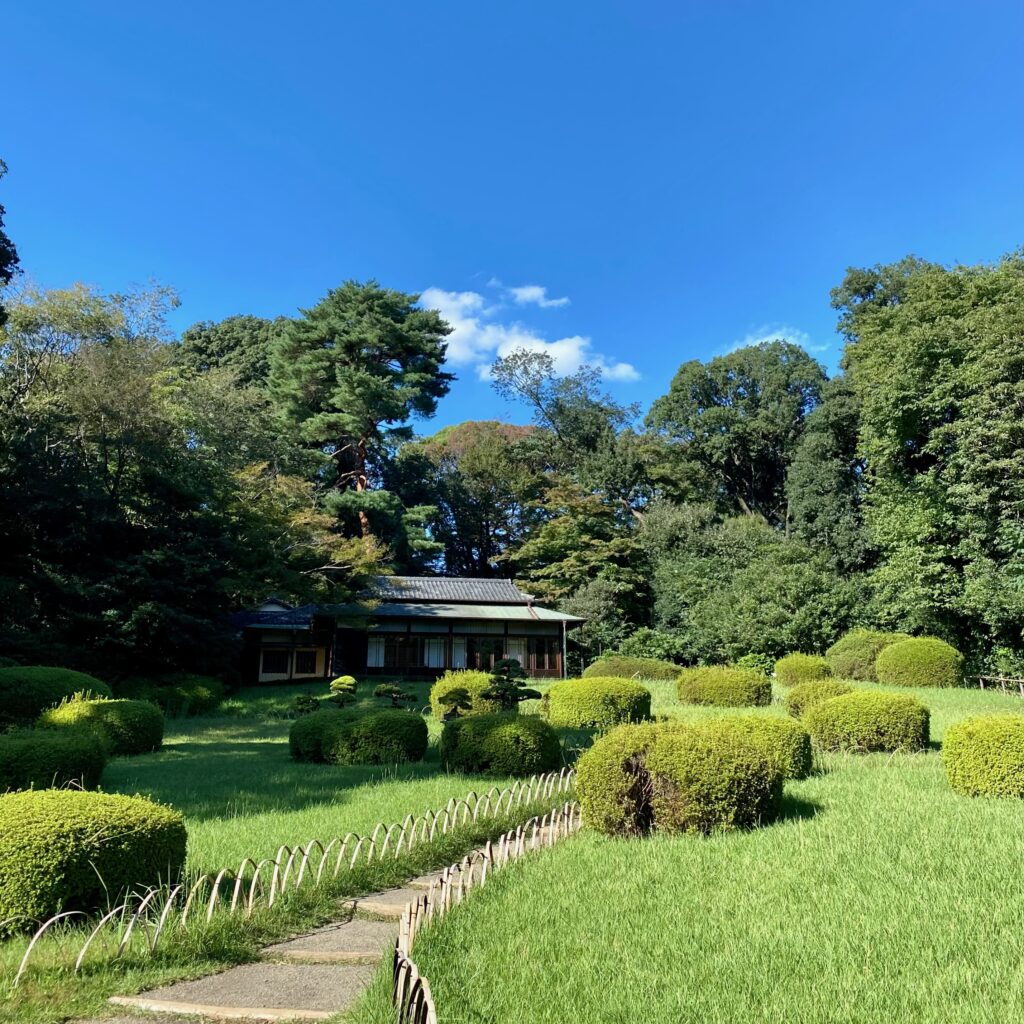
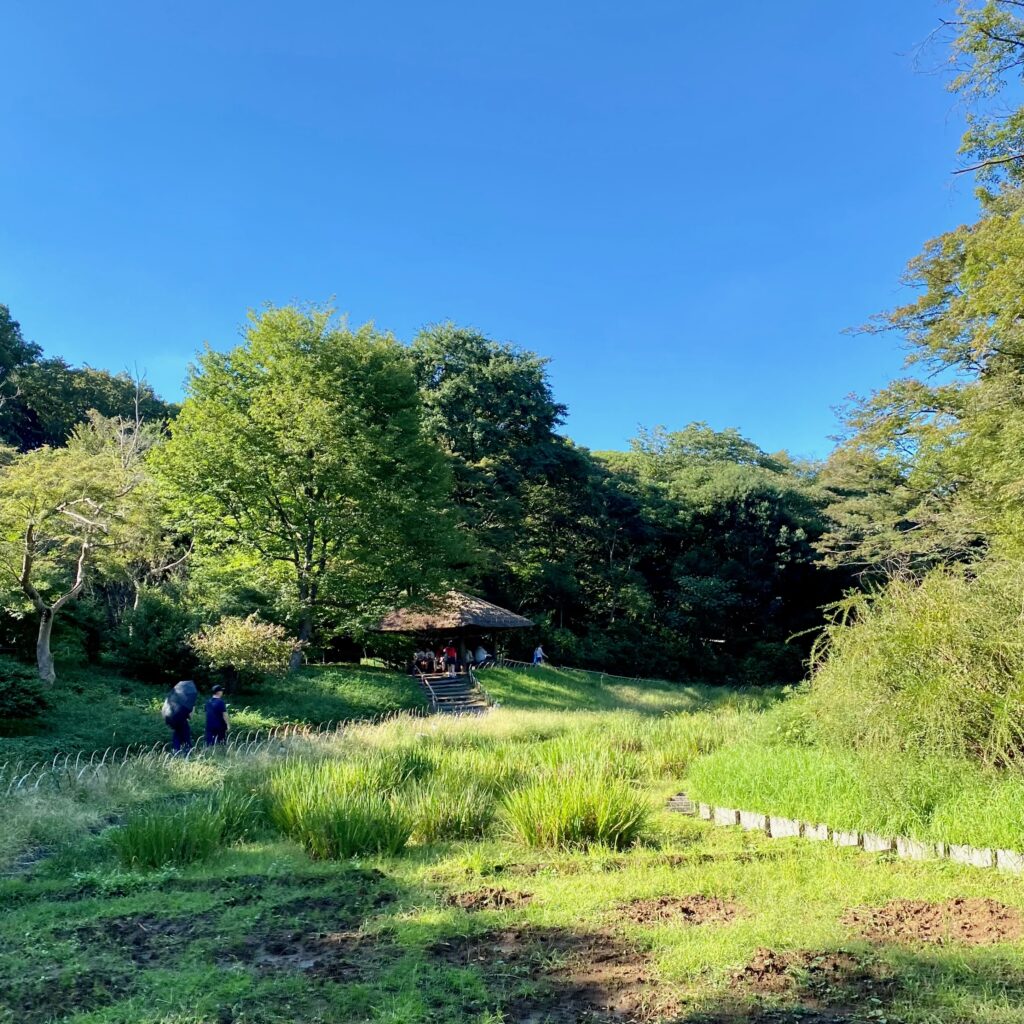
During the Meiji era, this garden became a place deeply connected to Emperor Meiji and Empress Shoken.
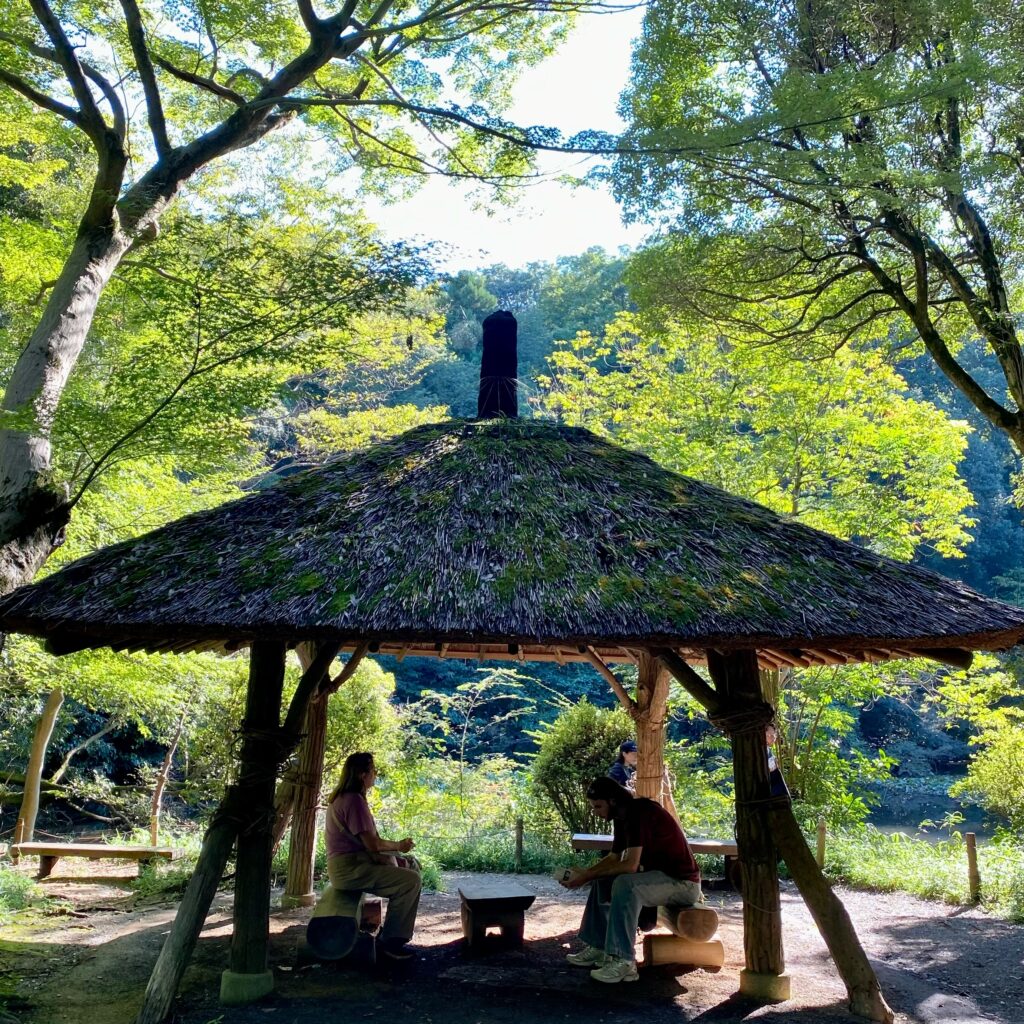
From the area around the current Kakun-tei pavilion, one can look down on the South Pond, revealing that the Imperial Garden is not simply a place where plants are gathered, but is designed as a space for strolling through nature. According to Meiji Jingu Shrine, it was developed as a walking garden around 1893 at the behest of Emperor Meiji, so that Empress Shoken, who was not in very good health, could take walks.
Kakun-tei was built in 1900 by Emperor Meiji as a resting place for Empress Shoken. The original building was destroyed by fire during the war, and the current building was rebuilt in 1958.
Unlike typical Japanese gardens that make extensive use of rocks and heavily trimmed trees, this garden is characterized by its use of the existing terrain, gently sloping paths, and simple buildings.
Irises seen in early summer, and an iris field in October.
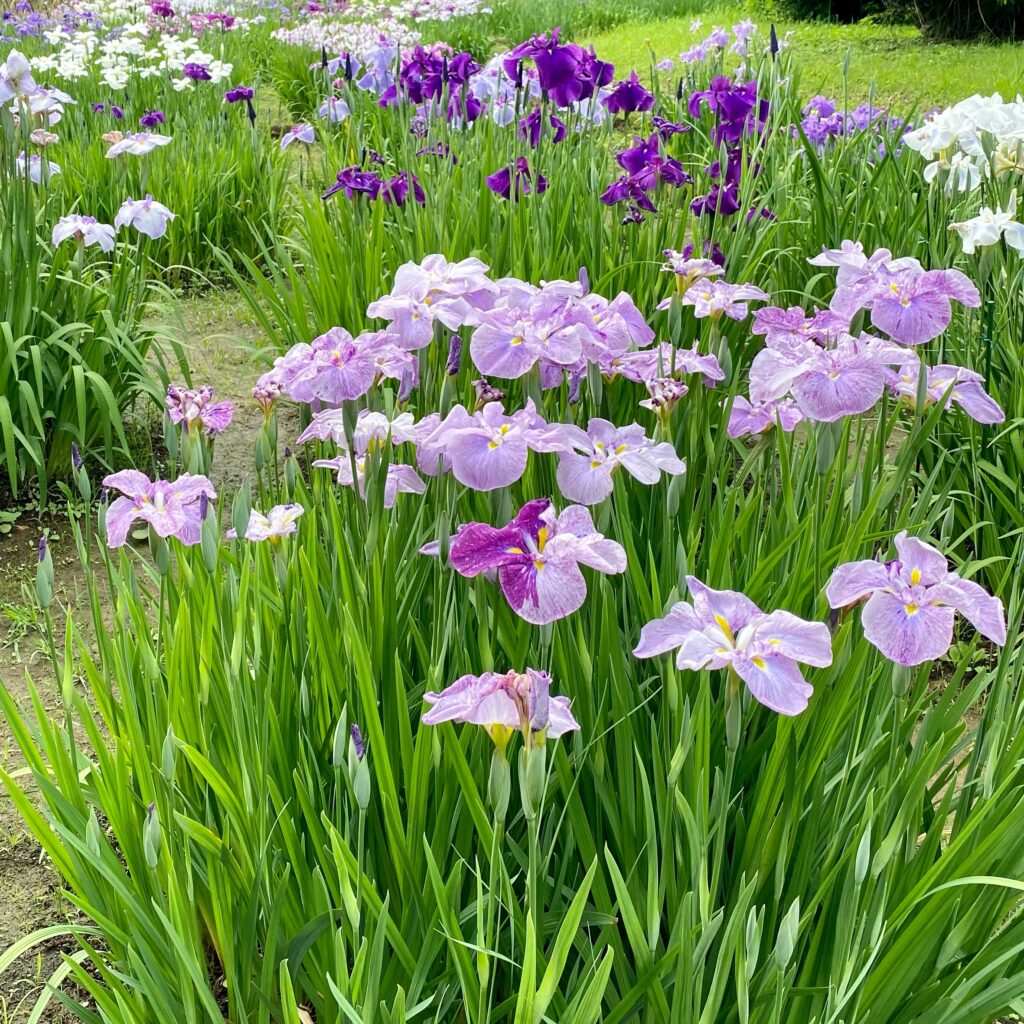
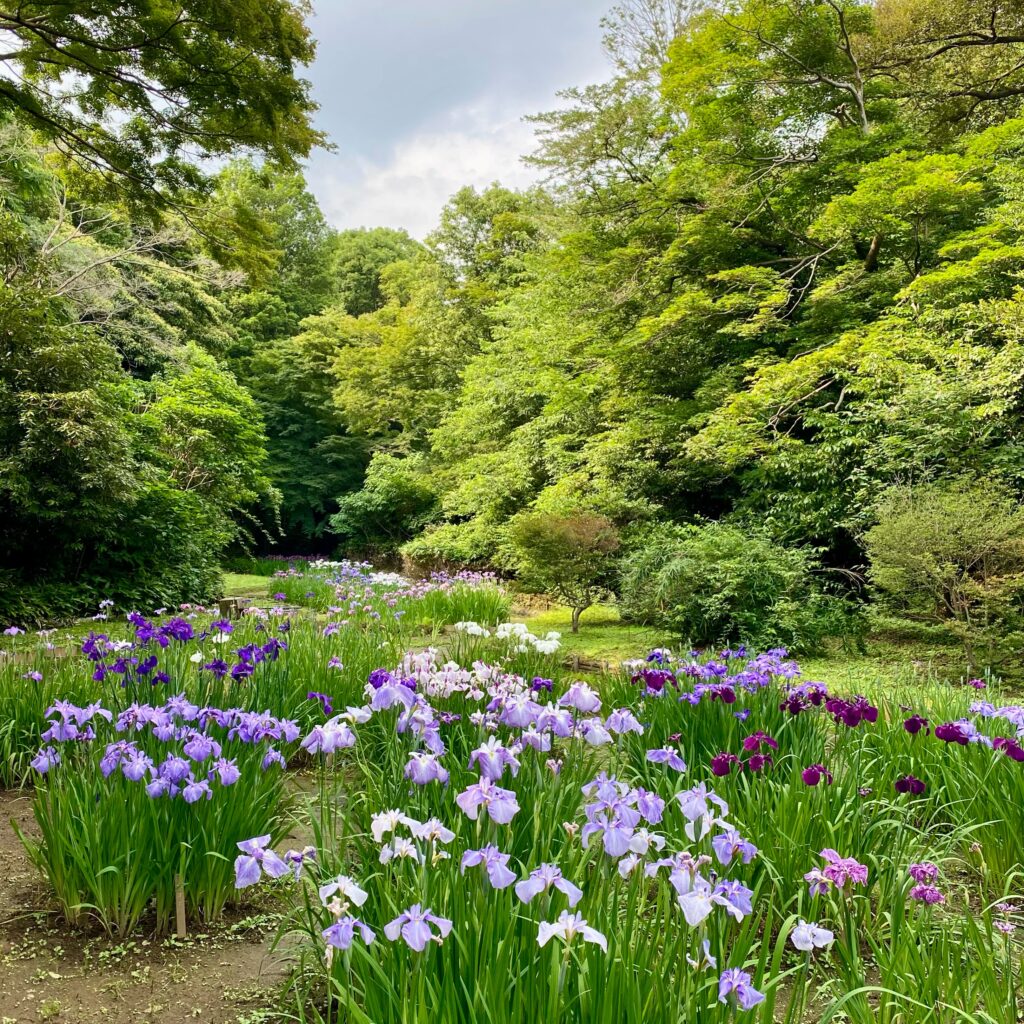
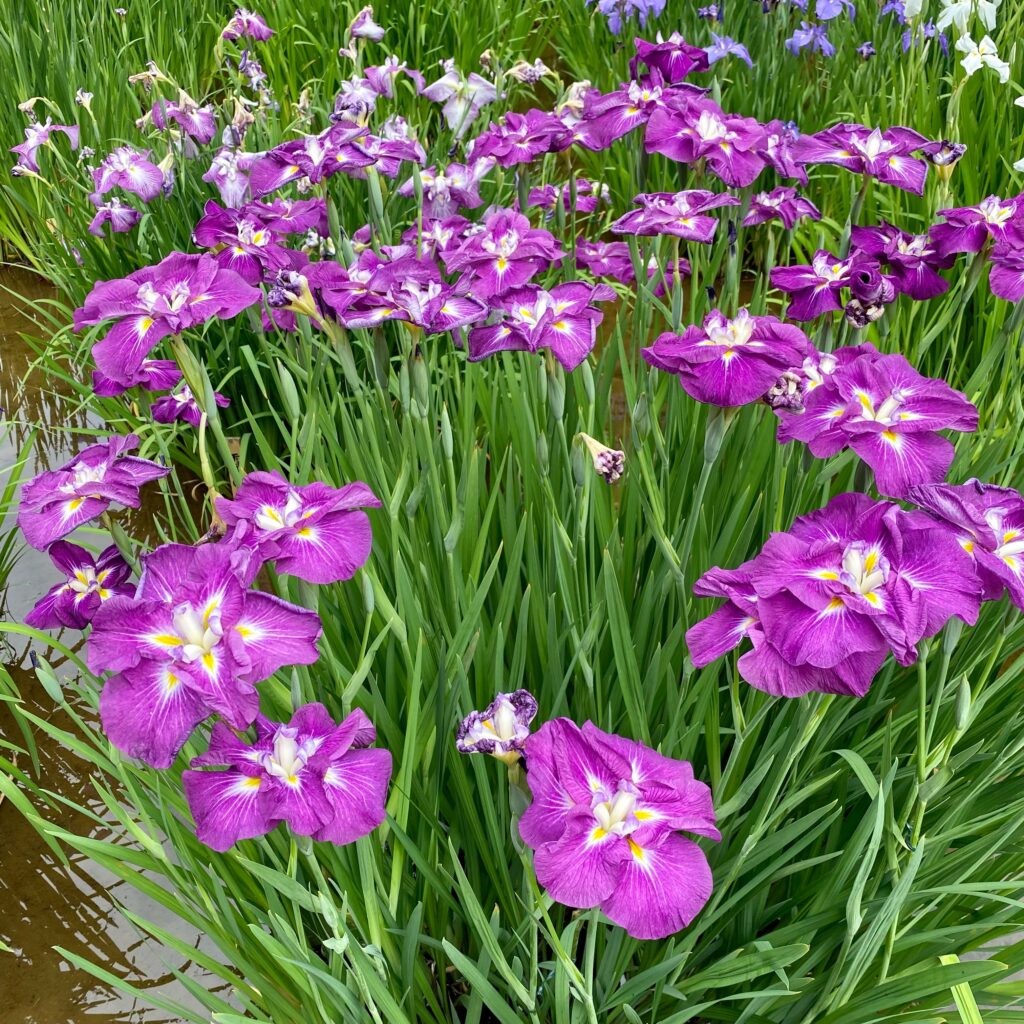
In early summer, the most eye-catching feature of the Imperial Garden is undoubtedly the irises. The planting of irises by Emperor Meiji for Empress Shoken during the Meiji era is the origin of the iris fields that continue to this day.
Currently, the Imperial Garden cultivates approximately 150 varieties and 1,500 irises, which bloom in purple, white, and pale wisteria colors. This time, being October, the summer vibrancy had faded, but the low grasslands, gazebos, and the outlines of the surrounding forest were clearly visible.
It will likely be very crowded next month as the leaves change color.
From Kiyomasa's Well to the South Pond—Reading the Imperial Garden Through Water
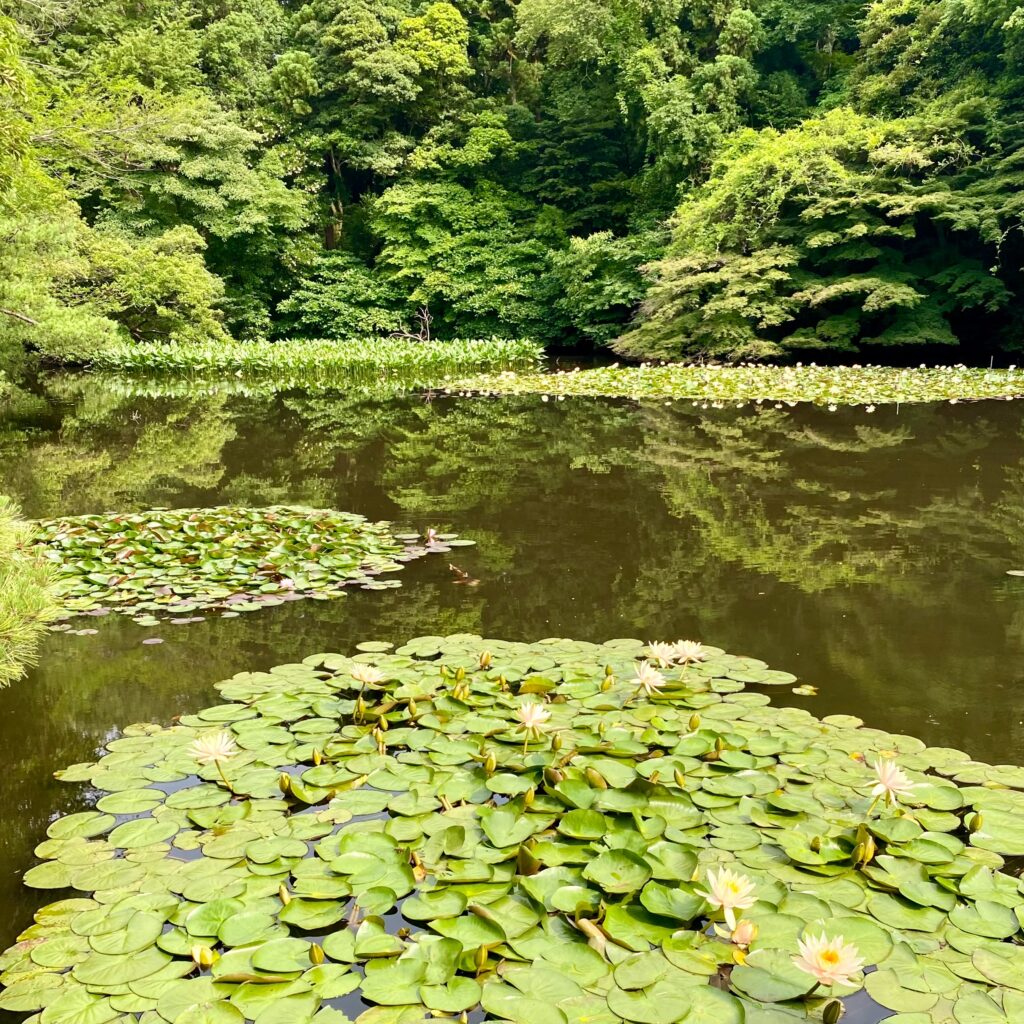
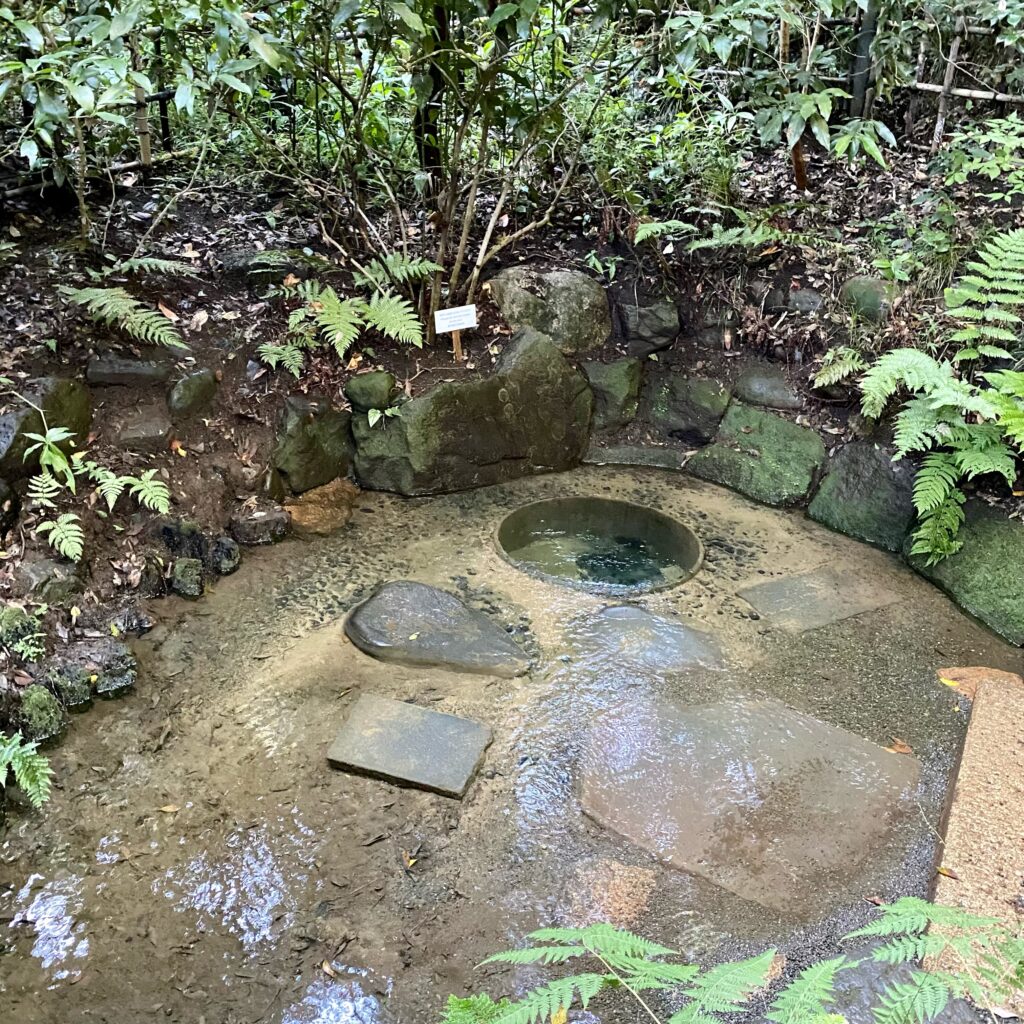
Deep within the Imperial Garden is Kiyomasa's Well. This well is said to have been dug by Kato Kiyomasa, who possessed extraordinary talent in architectural techniques. Even today, an average of about 60 liters of water gushes out of it every minute, and the water temperature remains around 15 degrees Celsius throughout the year.
The water from the well flows into Nanchi Pond. In early summer, water lilies bloom on the surface of the water.
The "Forest of 100 Years from Now" extends all the way to the platform of Harajuku Station.
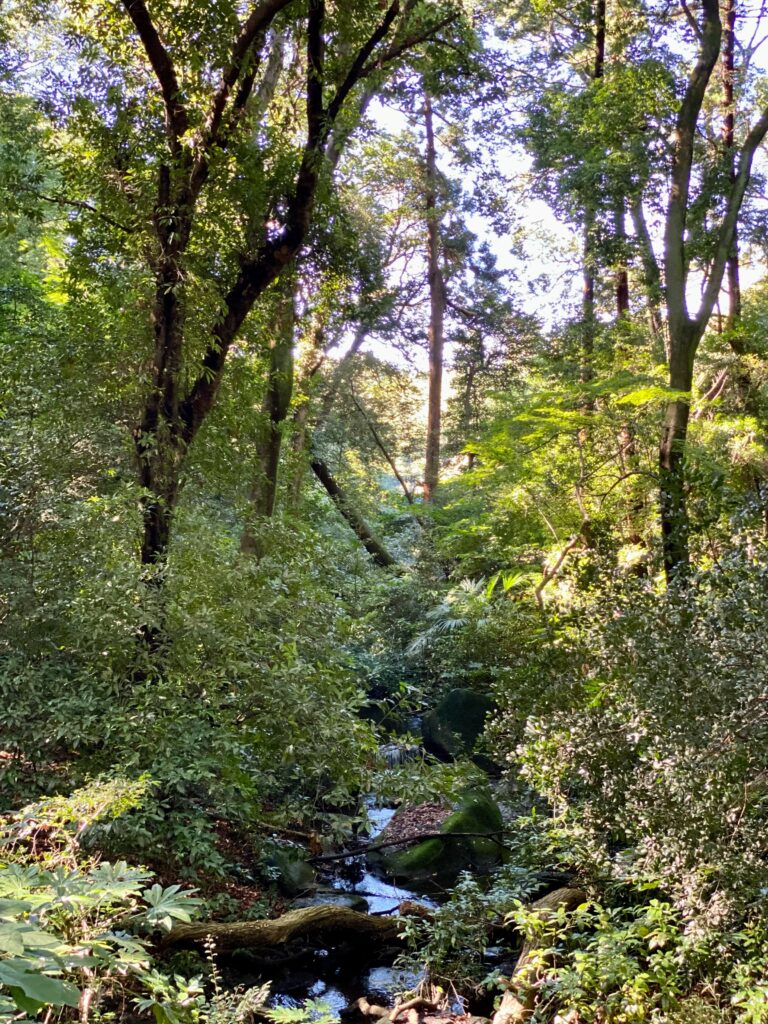
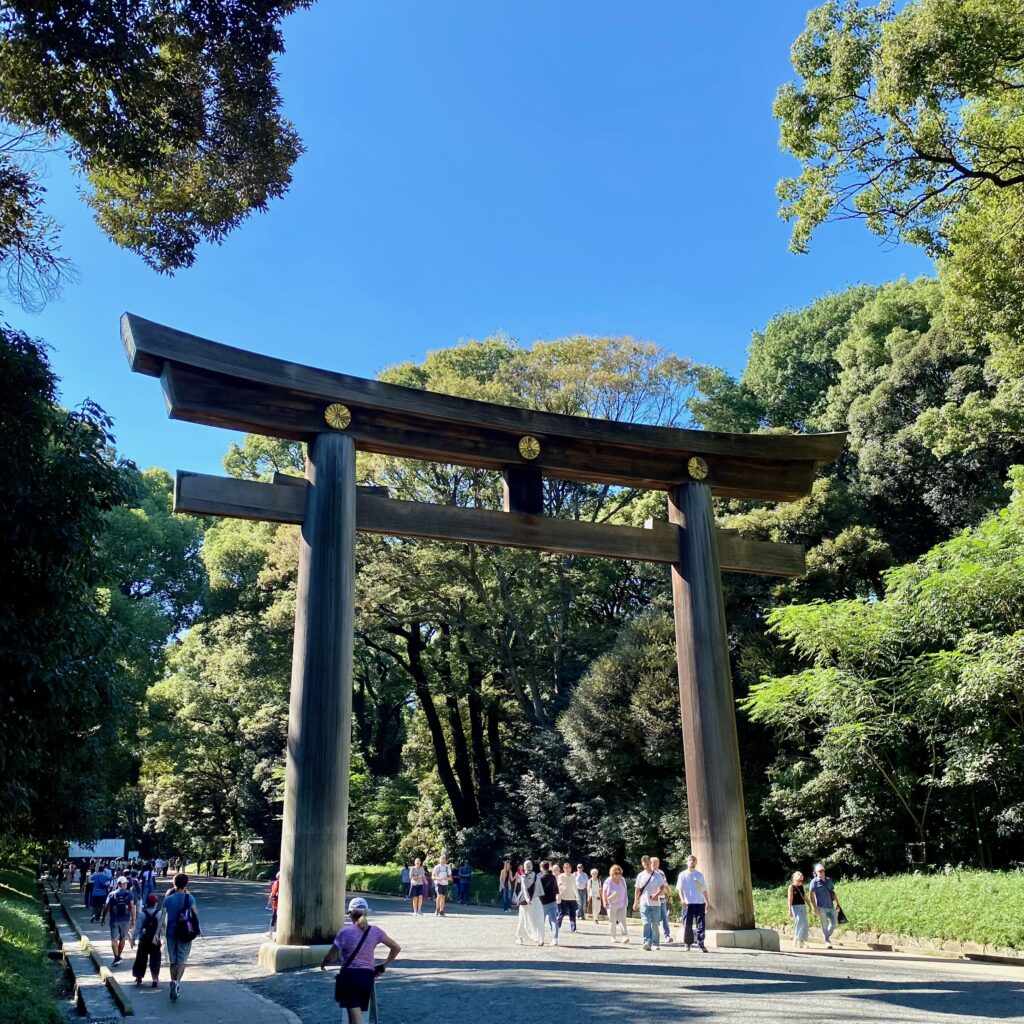
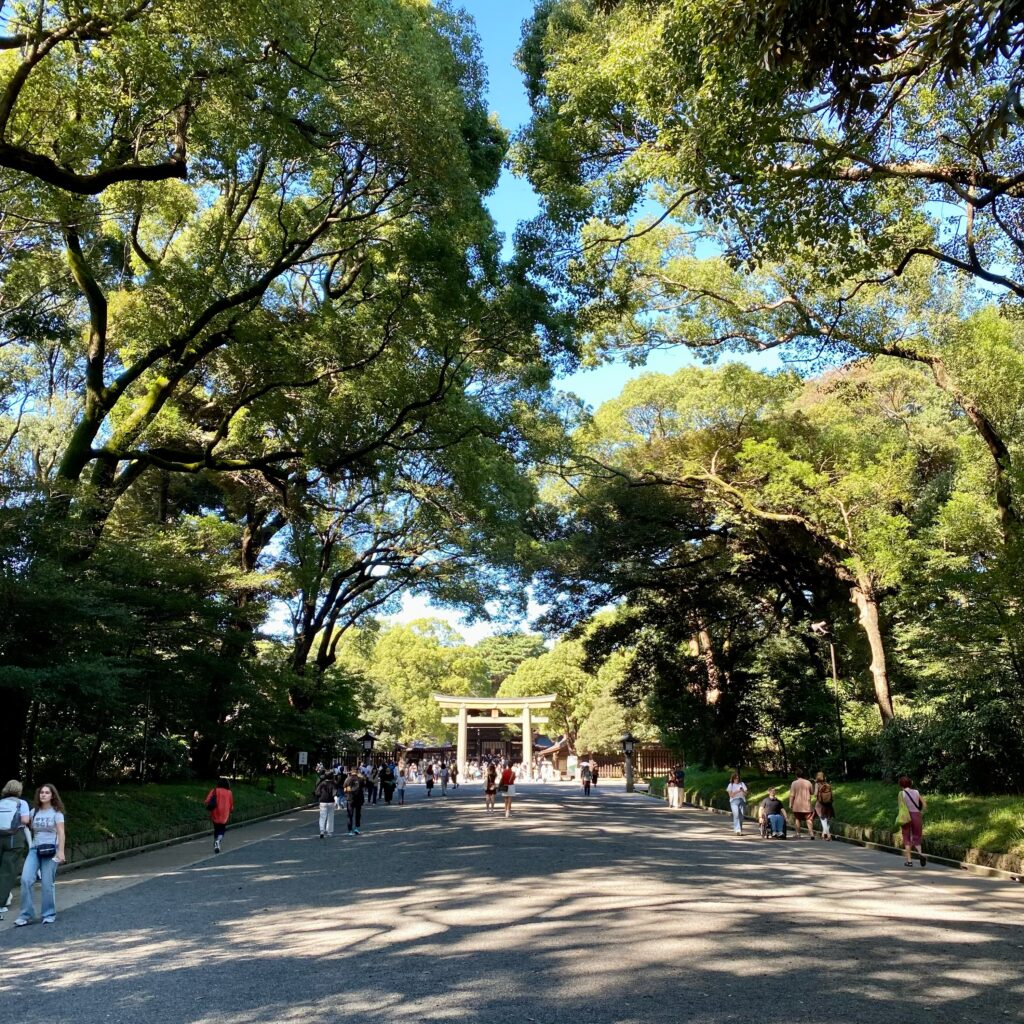
After Emperor Meiji passed away in 1912 and Empress Shoken in 1914, the construction of Meiji Jingu Shrine, dedicated to the two of them, began.
It's hard to imagine when you look at the dense forests we see today, but apparently, the forests weren't like they are now. So, foresters and landscape architects didn't just plant a large number of trees to create a landscape, but instead devised a system where the forest itself would regenerate autonomously over many years.
They apparently designed the forest to be completed in the future by arranging trees gathered from all over the country, so that the vegetation would gradually change from fast-growing trees to evergreen broad-leaved trees suited to the land.
Meiji Jingu Shrine was founded in 1920. More than 100 years later, we can now experience the results of that plan in a somewhat unexpected place.
Little friends appearing on the platform at Harajuku Station
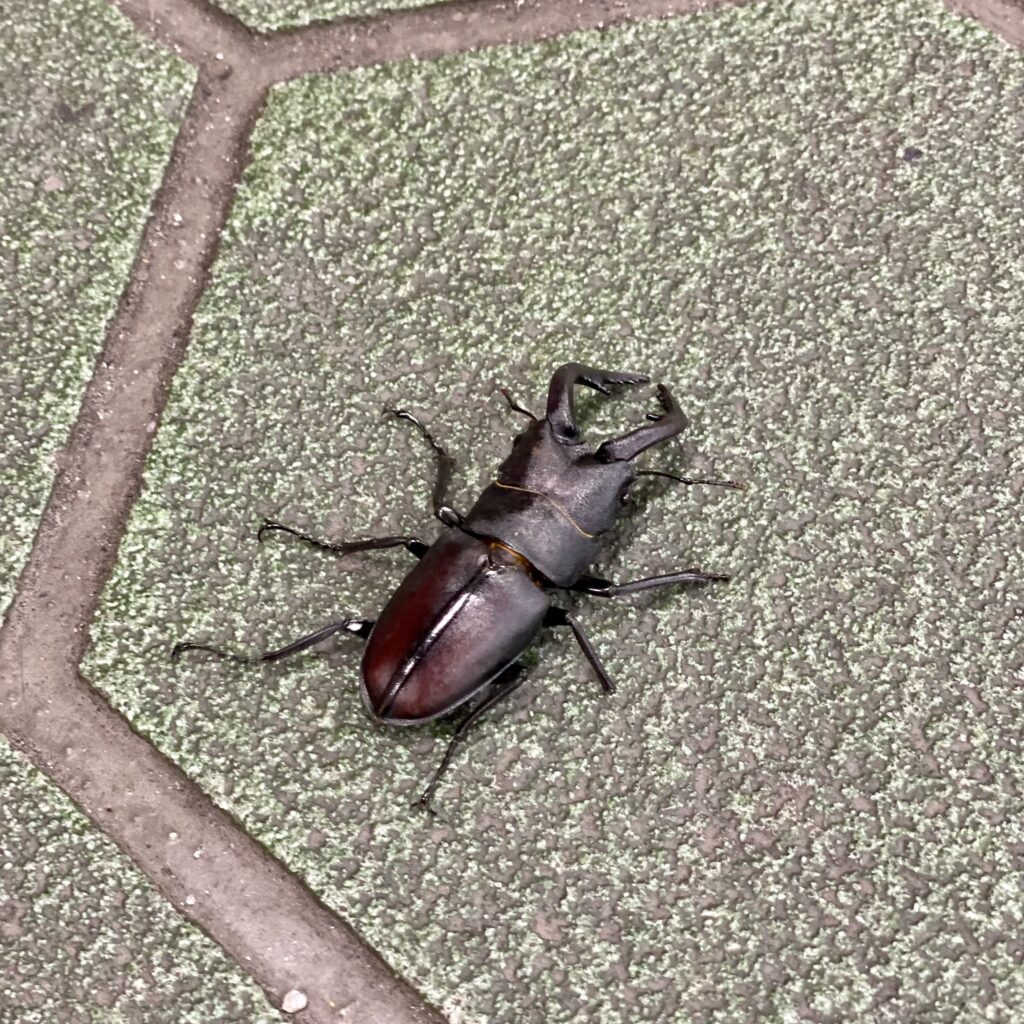
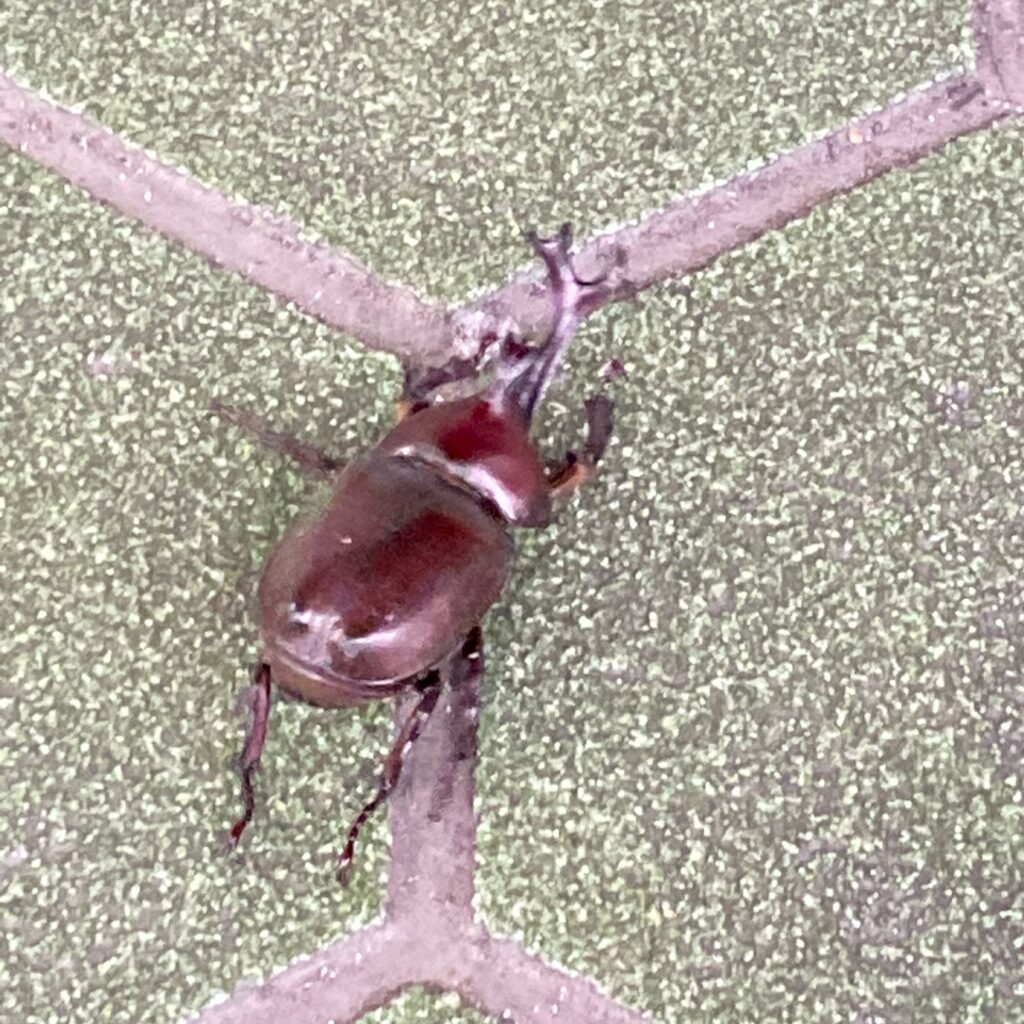
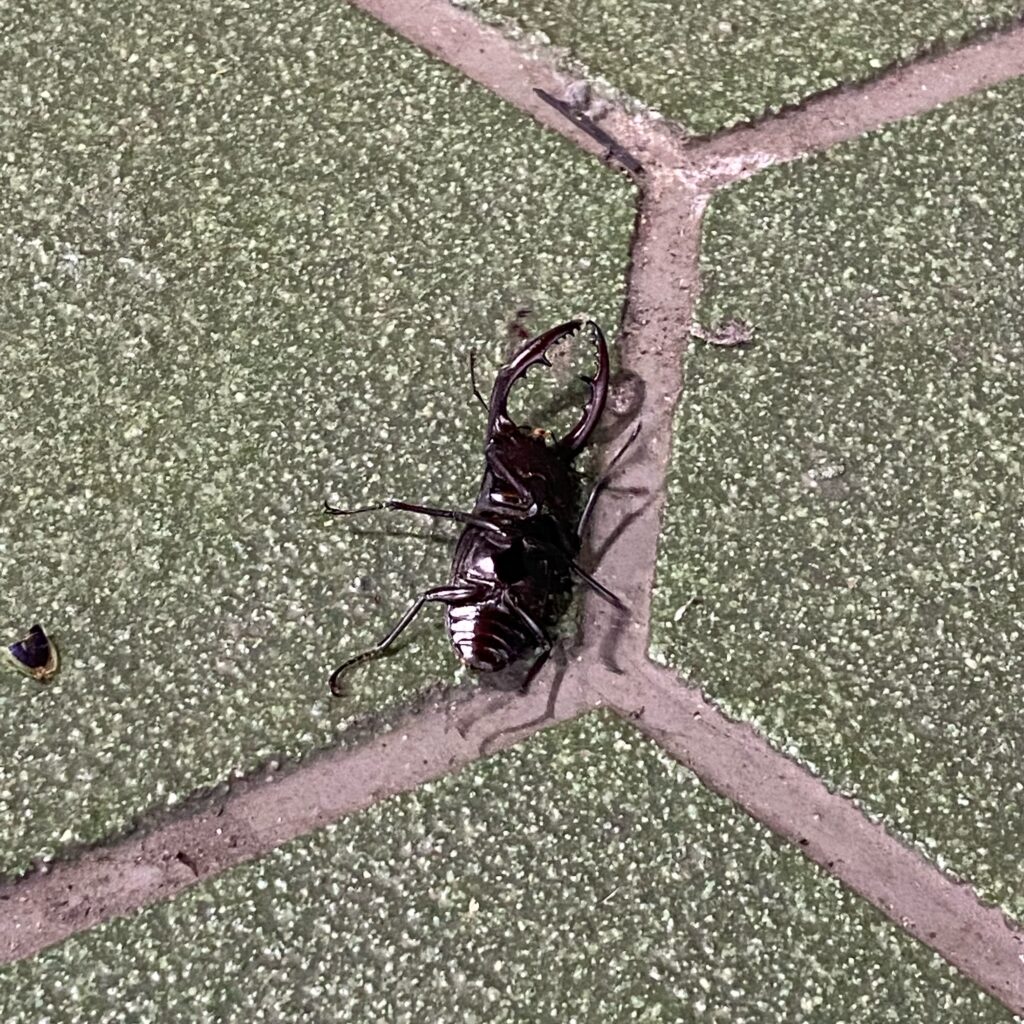
When I'm working at the office in Harajuku, sometimes the work continues until morning. As I head to Harajuku Station to catch the first train, and walk along the still uncrowded platform, I occasionally spot stag beetles or rhinoceros beetles at my feet.
I once found a stag beetle with impressive mandibles. When I first saw it, I was surprised by how odd it was to see it in Harajuku Station. For a moment, I thought it was some other black object and walked away from it.
Takeshita Street and Omotesando are right there. Stag beetles and rhinoceros beetles can be seen walking around in a train station in a city filled with world-renowned brand stores and tourists. But if you think about it, the Meiji Jingu Shrine forest is right behind the train tracks.
Humans imagine what it will be like 100 years from now and prepare the conditions, and then trees grow, wither, the next generation is born, and living creatures move in, showing that the forest itself has been accumulating time.
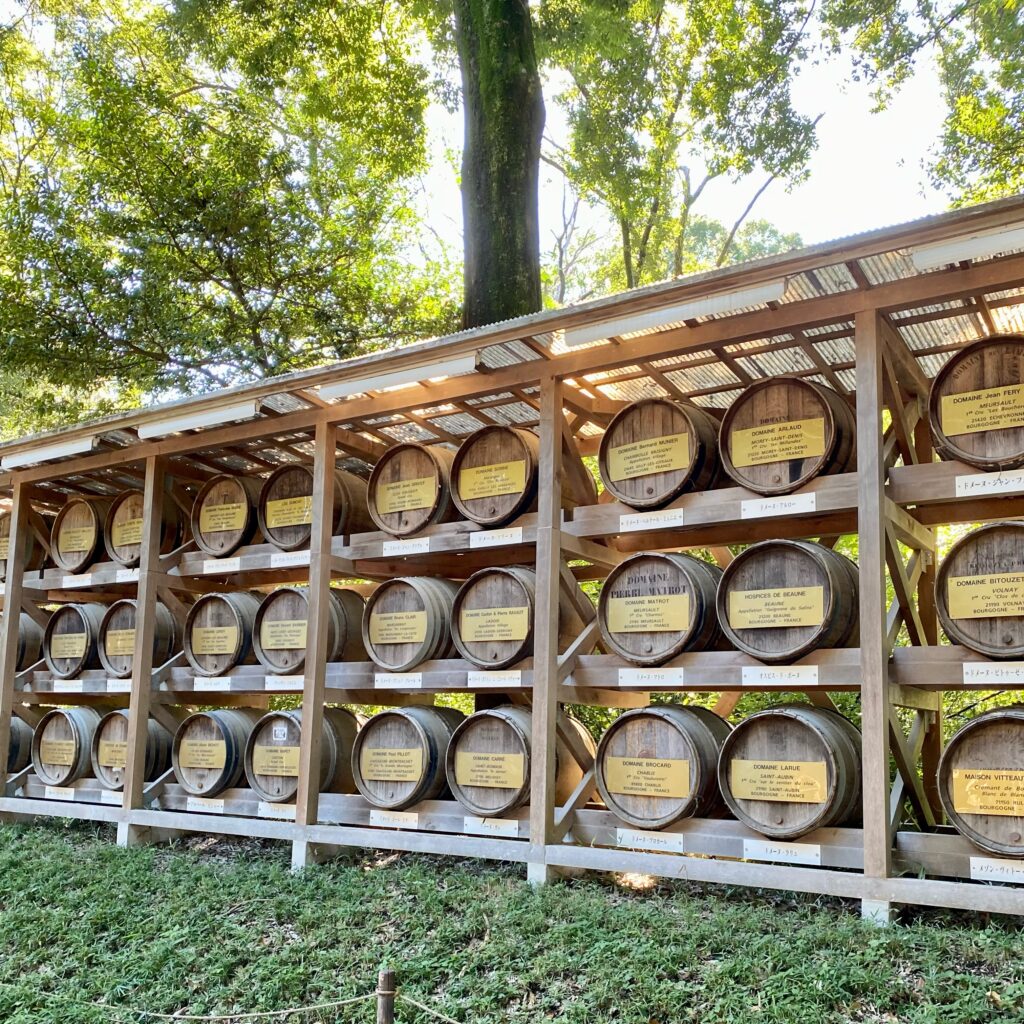
A sake barrel wrapped in straw and a wine barrel facing each other.
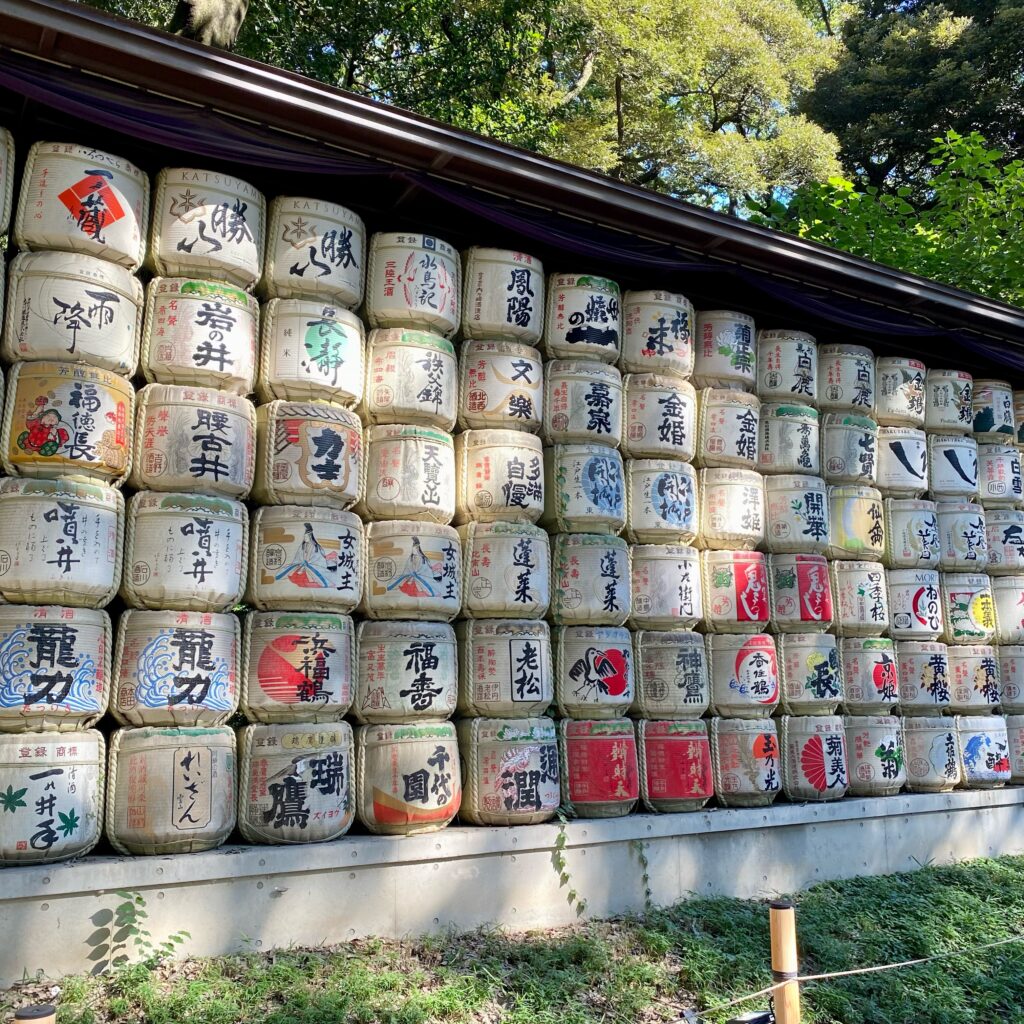
Walking along the approach to Meiji Jingu Shrine, you'll come across an interesting sight: numerous sake barrels dedicated to the shrine. The sight of various sake brands from all over Japan lined up is very Japanese, rather than just a shrine, and it was a particularly popular photo spot for foreigners.
Across from it, a row of wine barrels is lined up. Apparently, because Emperor Meiji actively embraced Western culture and was fond of wine, wine barrels from the Burgundy region began to be offered as a tribute. The first tribute was in 2006.
Sake and wine. In a space dedicated to traditional rituals, "Japanese" and "Western" styles, reminiscent of the Meiji era itself, face off against each other.
To the prayer service
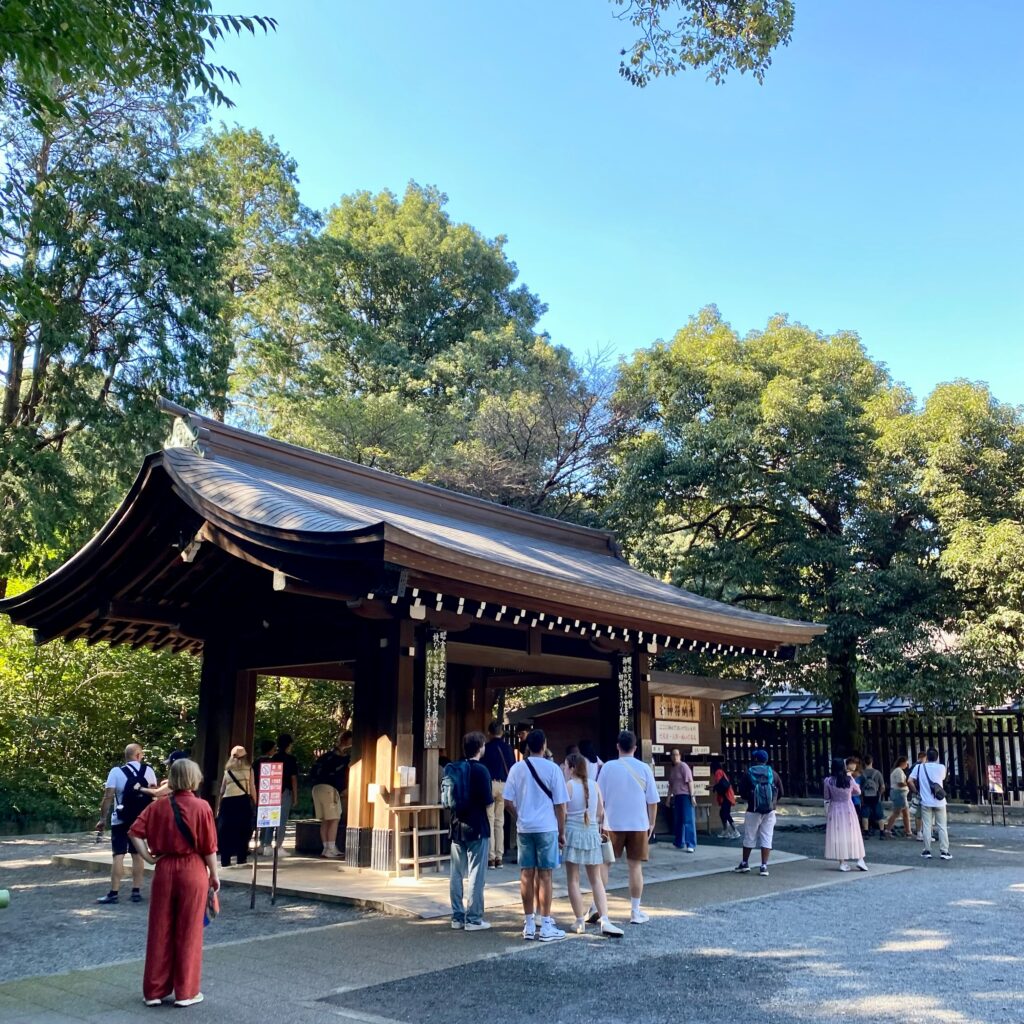
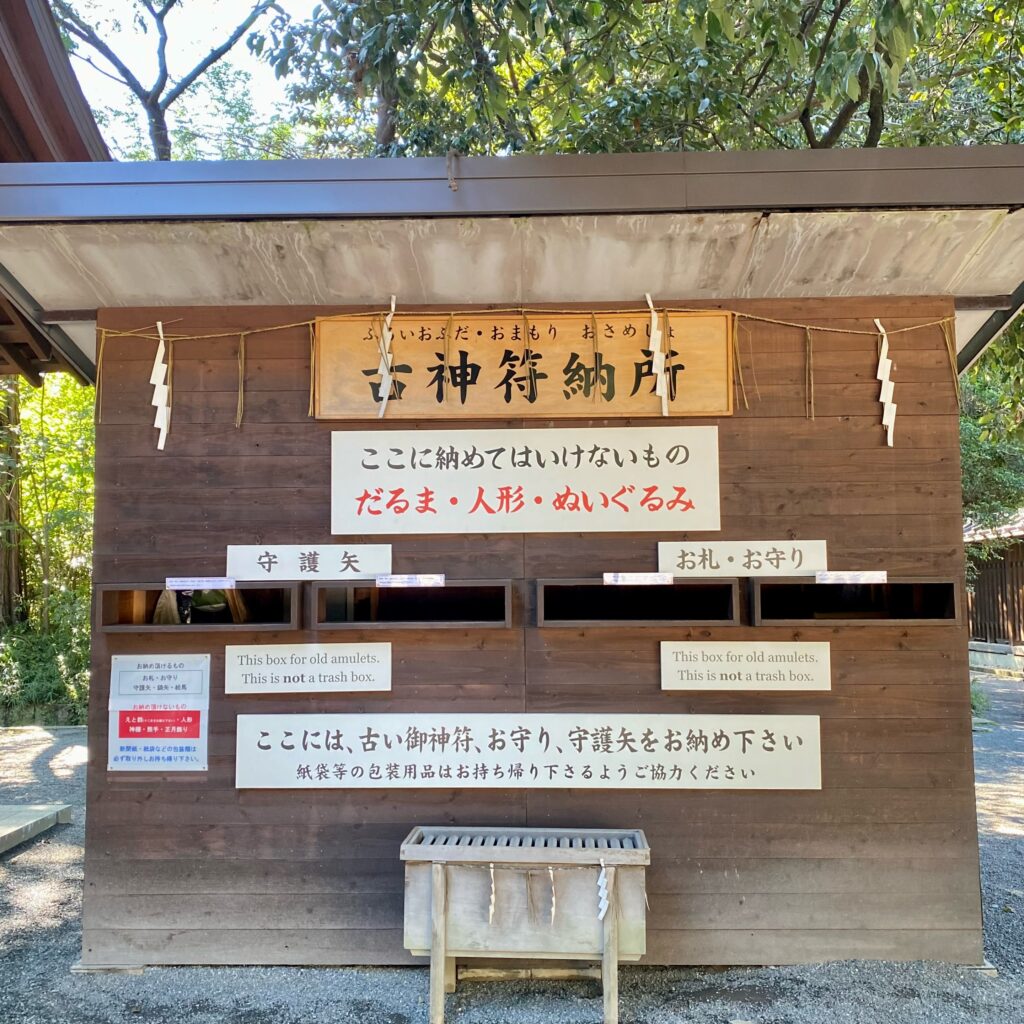
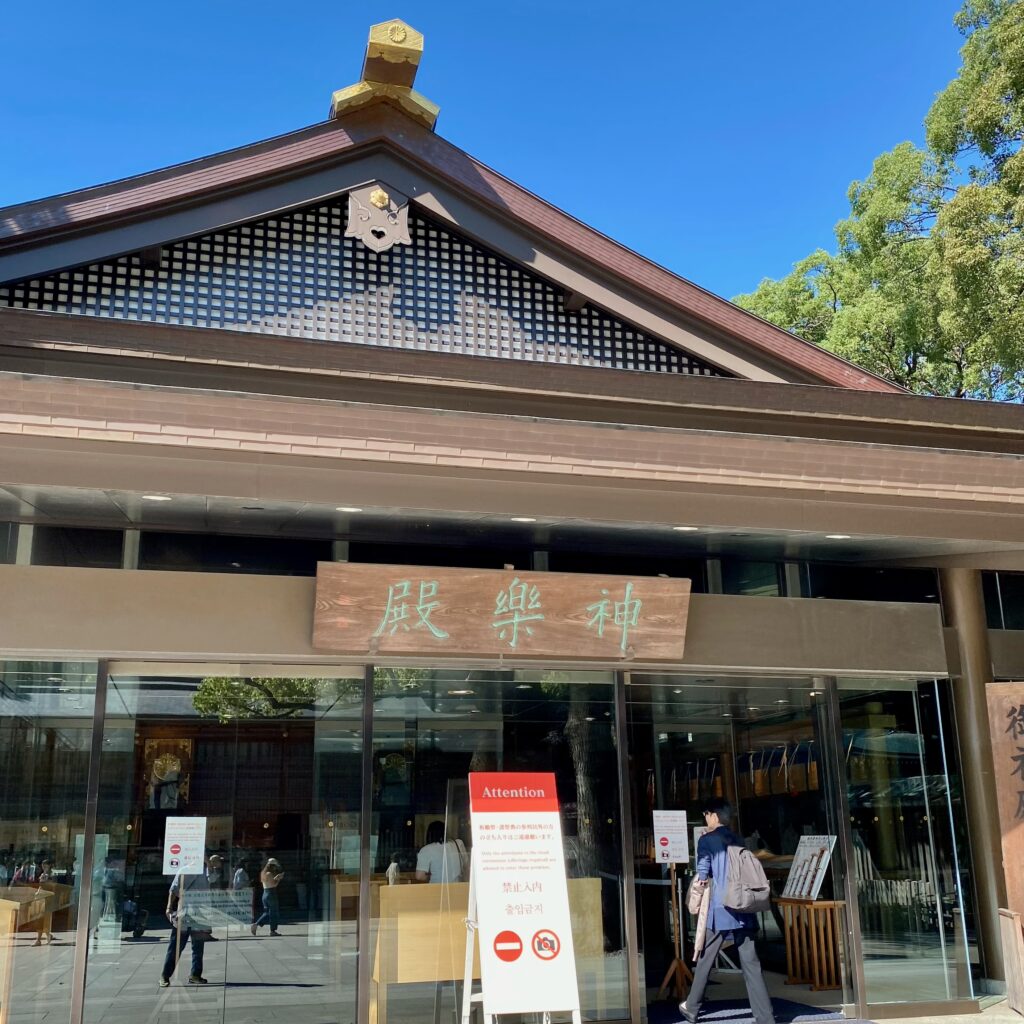
After purifying ourselves at the water basin, we return the old amulets we received previously to the old amulet collection point and head to the Kagura Hall. In the Kagura Hall, a large drum is beaten, a purification ritual is performed, and Shinto priests recite prayers.
Afterward, the shrine maiden performs the "Yamato-mai" dance, holding seasonal flowers. Interestingly, this Yamato-mai is not a dance that has been passed down directly from ancient times; according to Meiji Jingu Shrine, it is a unique dance created specifically for those receiving prayers at the Kagura-den (sacred dance hall).
"Connecting" your own prayers—Prayer offerings
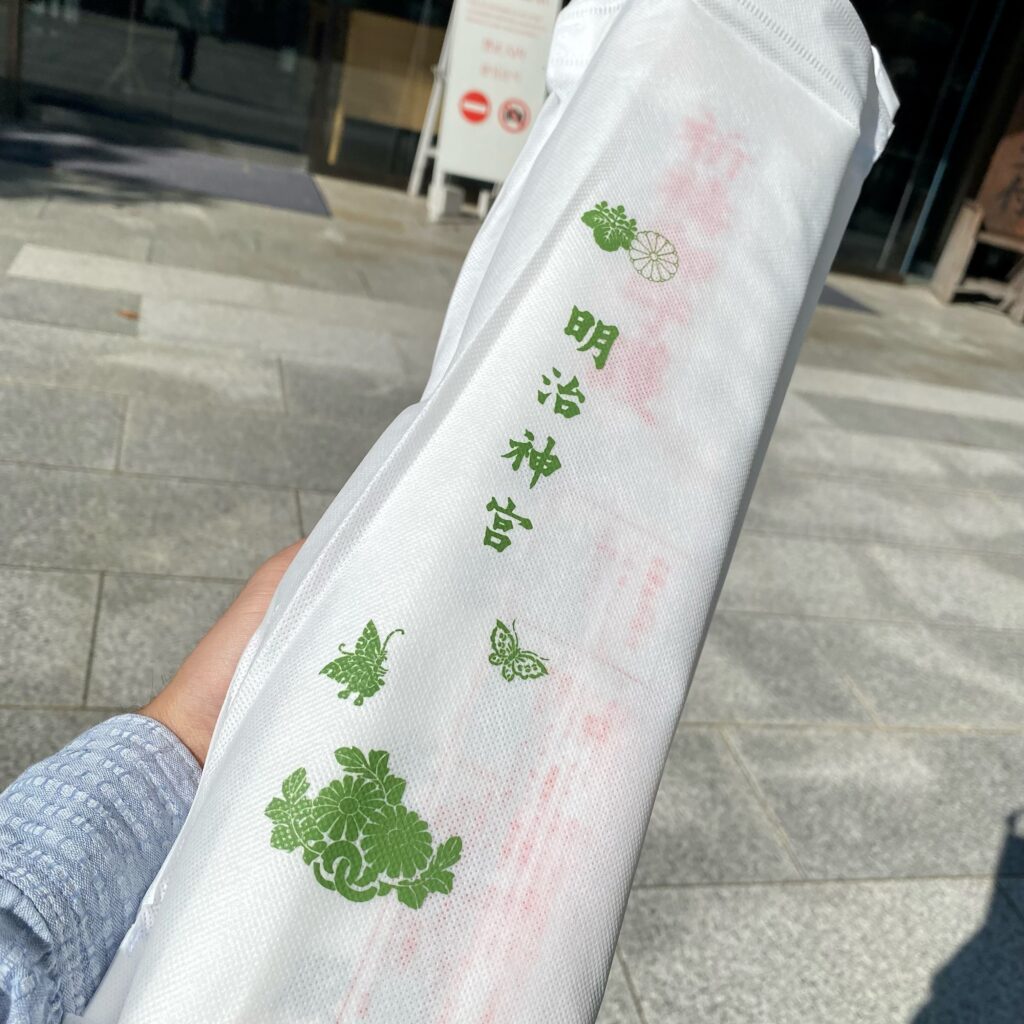
During the prayer ceremony, each person holds a sacred wand and prays while the Shinto prayer is recited. After the bowing is complete, one takes a sip of sacred sake and takes the wand home. Then, the wand is tied to the "prayer amulet," or talisman, that was given to the person with a string called a "binding cord."
The explanation on the back of the paper bag containing the gohei (ritual paper streamers) also mentions the word "musubu" (to tie/connect). The name of the three creation gods that appear in the Kojiki (Records of Ancient Matters) also contains the word "musuhi," and it seems that the meaning of giving birth to something, making it grow, and forming relationships has been associated with this word.
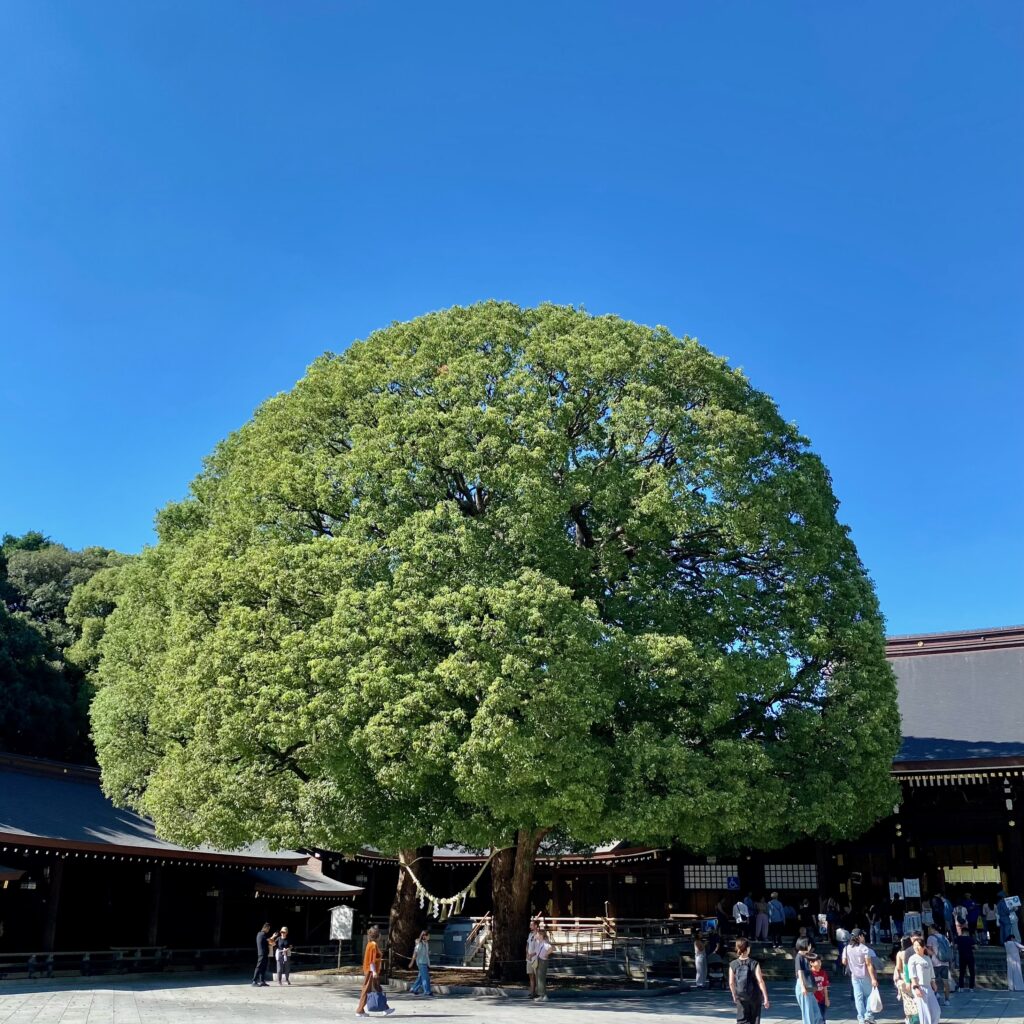
In front of the shrine stands the "Married Couple Camphor Trees." Two camphor trees stand side by side, bound together by a sacred rope. After seeing them, when you read the instructions to "tie" the prayer wand to the amulet with your own hands, you realize that the word "tie" is truly embodied in the scene.
Another 20th Century Outside the Torii Gate
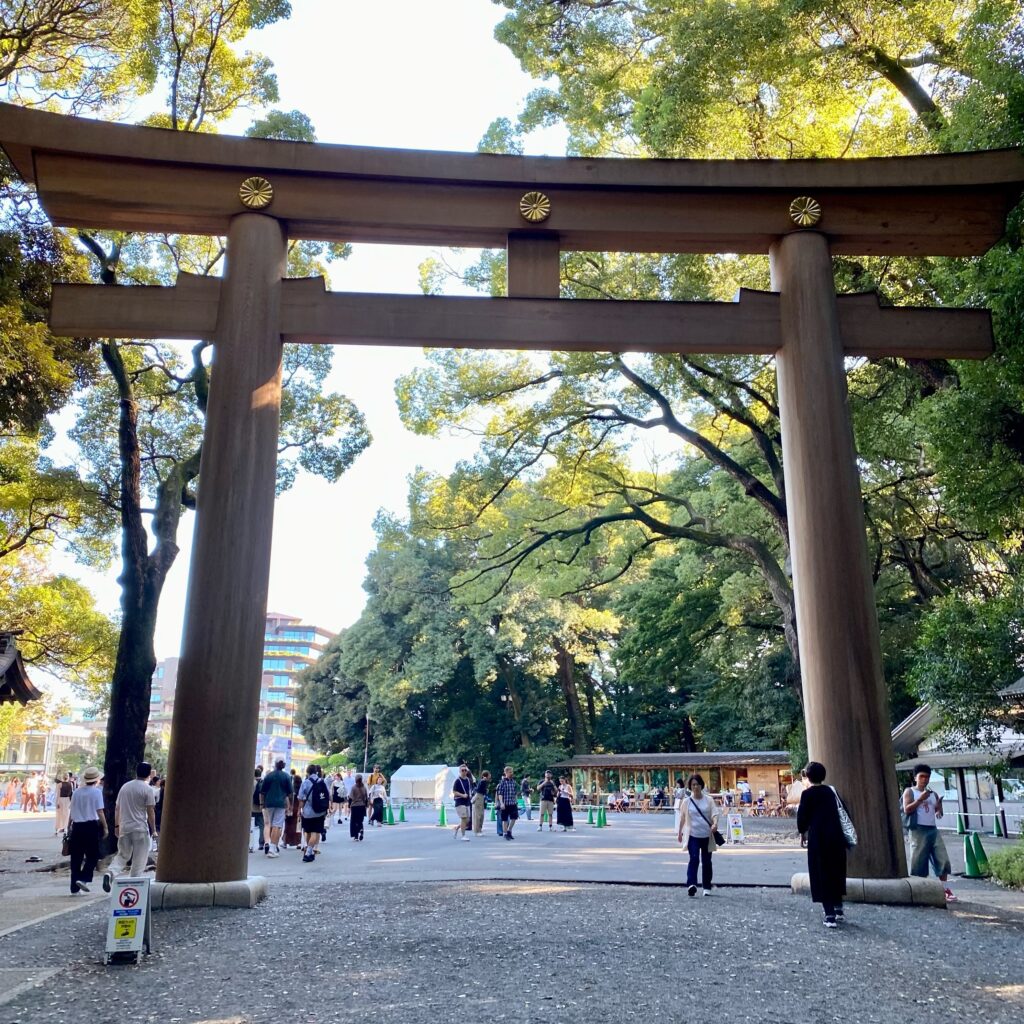
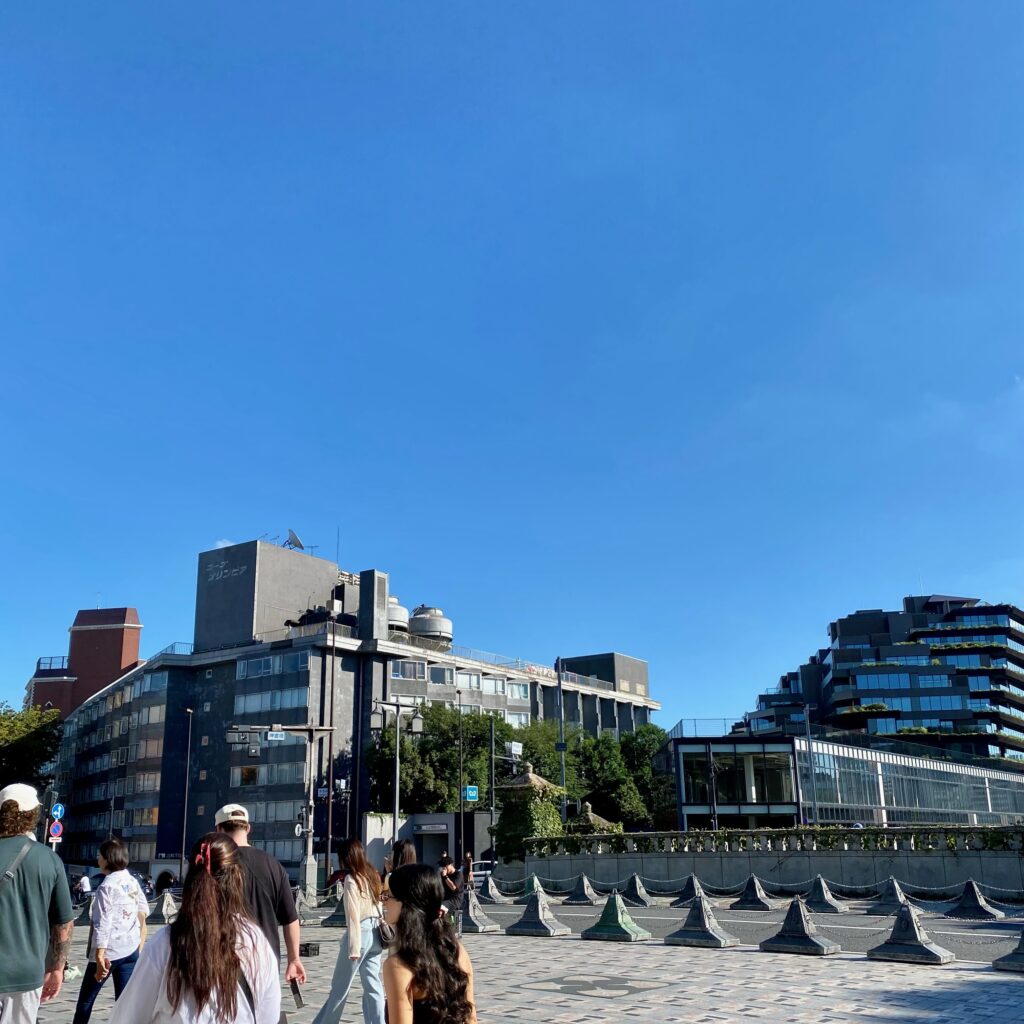
Returning to Harajuku Station from the Meiji Jingu Shrine grounds, the scenery changes dramatically. There, you'll find Harajuku, a district built in the postwar era, brimming with architecture, fashion, photography, music, and youth culture.
In particular, Coop Olympia, located right next to Harajuku Station, was completed in 1965. It was completed just 45 years after the founding of Meiji Jingu Shrine and one year after the Tokyo Olympics.
Meiji Jingu Shrine in 1920 and Coop Olympia in 1965.
The shrines built by modern Japan, the forests envisioned for the next 100 years, and the rapidly changing urban life of postwar Tokyo after the Tokyo Olympics—these two elements are almost side-by-side, separated only by Harajuku Station.
And now I use Coop Olympia as my workspace. I can return my amulet at Meiji Jingu Shrine, and after walking a few minutes from the torii gate, I can return to my workspace.
I'd like to explore the post-war Harajuku that emerged just outside the Meiji Jingu Shrine grounds, following the 1964 Tokyo Olympics and the completion of Coop Olympia the following year, on another occasion.
comment