Takashi Amemiya

Art and Ceramics

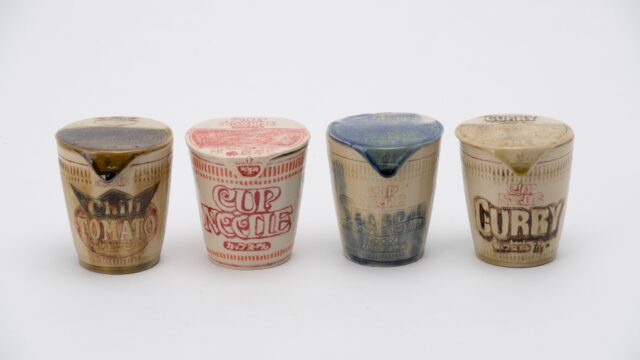
Making Cup Noodles from Clay: A Half-Century Perspective from Design, Advertising, and Ceramics

This project involves creating a ceramic version of Cup Noodles, a familiar treat in the mountains. It traces the process from package design, the 1970 Osaka World Expo, past commercials, and the trial and error involved in soft glaze and firing, ultimately documenting the process until it achieved third place in the visitor popularity poll at the Japan Ceramic Art Club Exhibition.
Ceramics and artwork

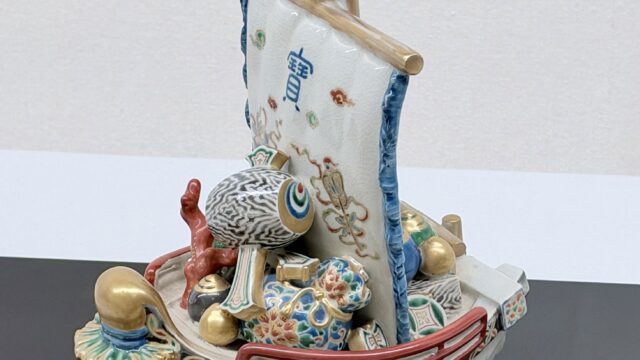
Wealth eventually becomes culture—a look at Niigata's collection and knowledge as seen through the works of Aizu Yaichi at the Atsui Museum.

I visited the Yaichi Kusube exhibition at the Atsui Museum in Niigata, and traced the history of art history, including photographs and rubbings of Buddhist statues from Nara and art history research at the Aizu Yaichi Memorial Museum. From the Niigata branch of the Northern Culture Museum to Tonkatsu Taro's tarekatsu-don, I walked the history of how Niigata's wealth transformed into collecting, research, and culture.
Cuisine and Food Culture

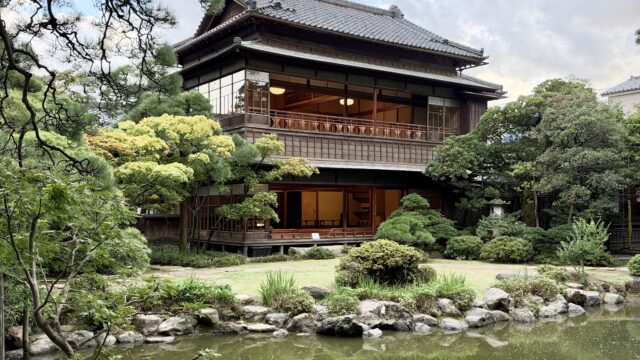
The wealth of Niigata created by its port—reading the gardens and architecture of a commercial city from the former Saito family villa and the Sand Dune Museum.

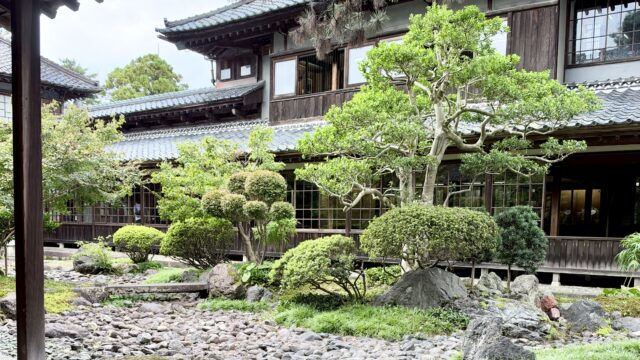
Visiting the former Saito family villa and the Sakyu-kan in Niigata City, we trace the history of how Niigata's wealth, which flourished as a port town, was transformed into the mansions, gardens, architecture, and arts and culture of wealthy merchants. This is a cultural history of Niigata, interpreted through the lens of Kitamae ships, Niigata Port, and the modern commercial city culture.
Cuisine and Food Culture

Reading the Sake Culture of Sado and Niigata through "Kintsura" - Water, Rice, Crested Ibis, "Kura" (warehouse), and Hokuetsu Seppu (Snow Chronicles of Northern Japan)

When considering Sado Island, a region in Niigata Prefecture whose history is linked to sake, one's attention inevitably turns to "gold." In the previous article, we walked through the Sado Gold Mine, tracing the history of how the gold and silver extracted from underground supported the shogunate's rule, gave rise to the city of Aikawa, and led to modern industries and even Mumyoi pottery. And...
Travel and Food

Tokyo Grand Tea Ceremony 2026 - Walking through the Edo-Tokyo Open Air Architectural Museum, the Takahashi Korekiyo Residence, and the Architecture of Musashino

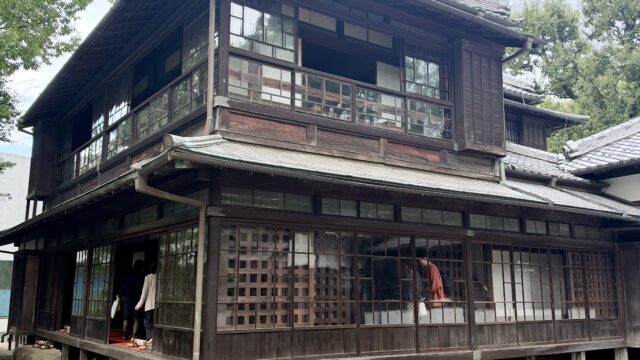
On October 25, 2026, I attended the "Tokyo Grand Tea Ceremony 2026" held at the Edo-Tokyo Open Air Architectural Museum. This is a record of my day walking from the tea ceremony room at the former residence of Takahashi Korekiyo, through the relocated buildings within the museum grounds, to the Kagiya tea house, the Musashino landscape, and finally to the Hakenomori Art Museum.
Tea ceremony

Tokyo Daijingu Shrine Tea Ceremony 2026 - Omotesenke Tea Ceremony and Ise/Meiji Era Tea Ceremony

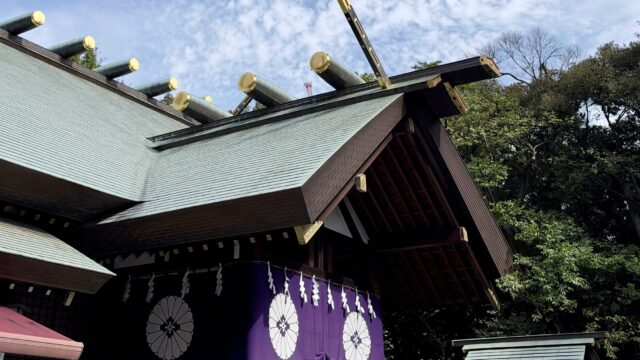
The Omotesenke school of tea ceremony offered tea to Ise Grand Shrine, the Meiji Restoration, and tea utensils from the Isuzu River at Tokyo Daijingu Shrine on the day of the ceremony. The shrine's roof and chrysanthemum crest banners are visible under the blue sky. Attendees await their seats in the main tea ceremony area and secondary seating areas. Many people in kimonos were seen at the venue. This was the Omotesenke school of tea ceremony, officiated by the head of the school, held at Tokyo Daijingu Shrine on October 23, 2026...
Ceramics and artwork

Sado Gold Mine – A 400-Year History Tracing From World Heritage Sites and Homeless People to Modernization and Mumyoi Pottery

Visit the gold mines of Sado Island, which became a World Cultural Heritage site in 2024. We will tour the Sado Magistrate's Office, the Sōdayū Mine, Dōyū no Warito, and the Kitazawa Flotation Plant, tracing the approximately 400 years of history and culture born from the gold mines, from the labor of vagrants to Zeami, literature and film, Mumyōi pottery, and the town of Aikawa.
Cuisine and Food Culture

Furumachi and Nabechaya: The culture of hospitality created by the port city of Niigata

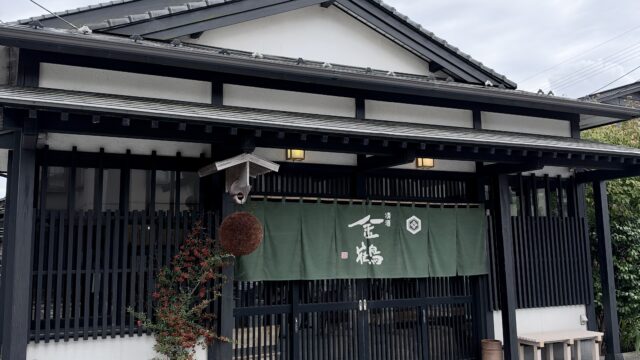
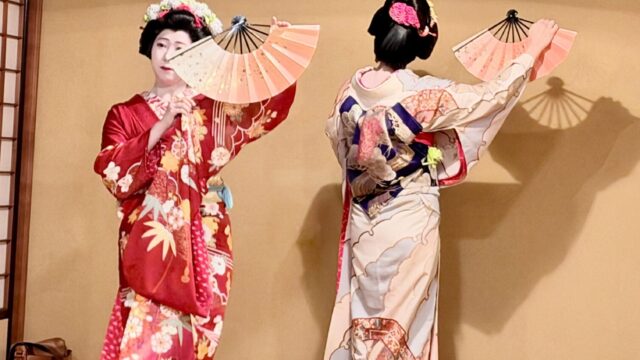
Walk through Niigata's Furumachi district and experience the dance of Furumachi geisha and cuisine at the long-established restaurant "Nabechaya." From the history of Niigata, a port town that prospered from Kitamae ships, to its geisha district, restaurant culture, and the background that fostered the Furumachi geisha, we will explore its history.
Travelogue of Japan

Why did "wealthy farmers" emerge in Niigata? | Reading about the wealth and culture of Echigo from the Ito family at the Northern Culture Museum

Visit the Northern Culture Museum in Niigata and trace the history of the Ito family, one of the most prominent wealthy farming families in Echigo. From the rice and land of the Echigo Plain, to the large landowning system, magnificent mansions and gardens, tea rooms, ceramics and crafts, we will explore, with local photographs, why "wealthy farmers" emerged in Niigata.
accessories

From the Silver Mountains to the Gods' Shore—A Journey Through Iwami and Izumo Where Materials Transform into Meaning

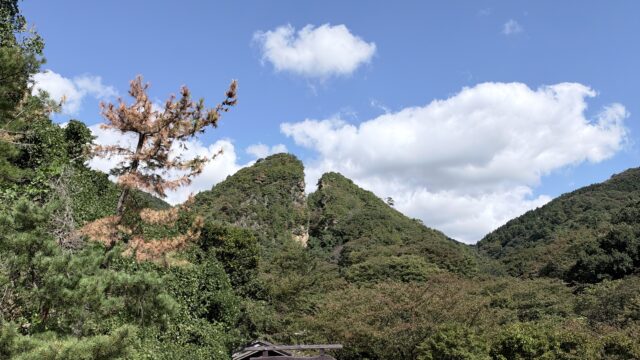
From the Ryugenji mine shaft of the Iwami Silver Mine to Yunotsu Onsen, climbing kilns, Iwami Kagura dance, and Izumo Taisha Shrine, I re-examine my 2019 trip to Shimane from my current perspective as I've started pottery and accessory making, tracing the process by which silver, clay, paper, sand, and rice transformed into culture.