Art and Ceramics

アクセサリー

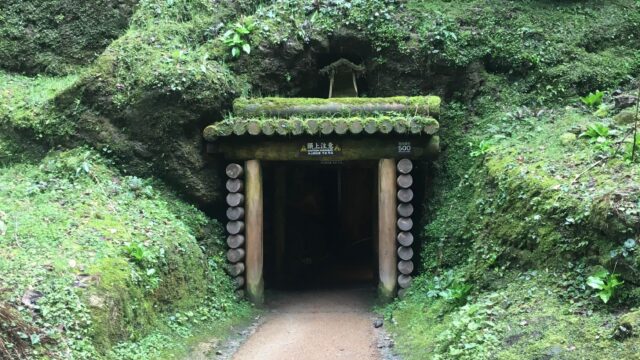
銀の山から、神の浜へ——石見・出雲、素材が意味に変わる旅

石見銀山の龍源寺間歩から温泉津温泉、登り窯、石見神楽、出雲大社へ。2019年の島根旅行を、陶芸やアクセサリー制作を始めた現在の視点から読み直し、銀・土・紙・砂・米が文化へ変わる過程をたどります。
Travelogue of Japan

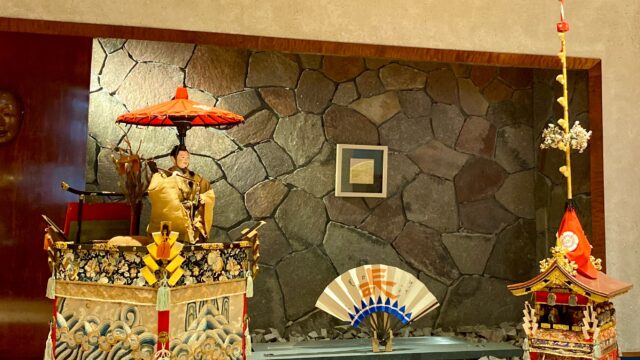
Reading the Gion Festival through the lens of the tea ceremony: Kyoto as seen at the Yasaka Shrine's tea offering ceremony and Ichiriki-tei.

At the Gion Festival, we witnessed the tea ceremony performed by the head of the Omotesenke school at Yasaka Shrine. We experienced the floats, the tea ceremony rooms, and the Ichiriki-tei tea ceremony firsthand, and explored the connections within Kyoto culture through the tea ceremony, from Rokkakudo Temple, to the plays "Hana Ikusa" and "Kanadehon Chushingura," to the geisha districts and chimaki (rice dumplings wrapped in bamboo leaves).
Ceramics and artwork

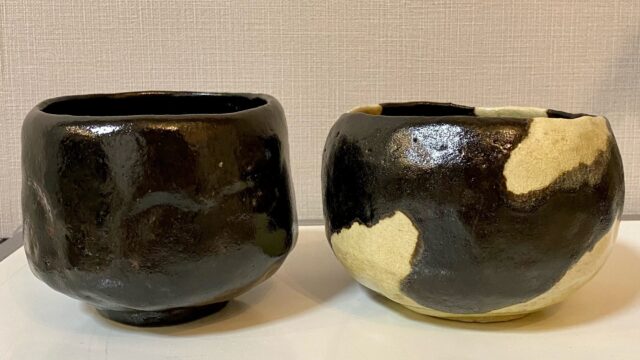
What is a Black Raku Tea Bowl? — Reflecting on "Black" Tea Bowls through Sen no Rikyu, Chojiro, the Raku Museum, and My Own Works

What is a black Raku tea bowl? Based on the origins of Raku tea bowls by Sen no Rikyu and Chojiro, the techniques of hand-molding and carving, the actual pieces seen at the Raku Museum, and the experience of actually making a black Raku tea bowl, this book explains the form and the allure of "black" in an easy-to-understand way for beginners.
Ceramics and artwork

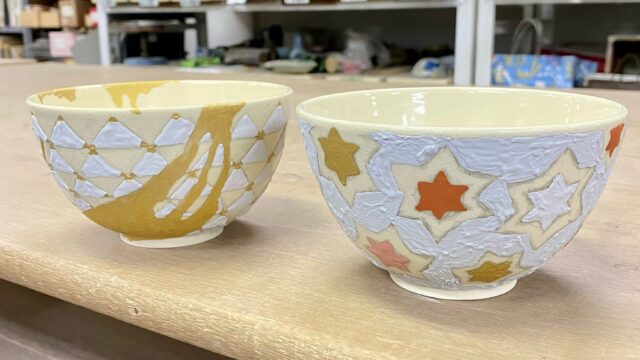
From "viewing" national treasures to "creating" them: Learning from Nonomura Ninsei and Ogata Kenzan about the design of polychrome tea bowls.

This book compares Nonomura Ninsei's national treasure, the "Polychrome Pheasant Incense Burner," which I saw in Kanazawa, with works by Ninsei and Ogata Kenzan that I saw at the Nezu Museum. It analyzes the polychrome enamel, form, patterns, and negative space of Kyoto ware, and introduces how this was applied to the actual production of polychrome tea bowls, along with photographs of the production process.
Cuisine and Food Culture

Thoughts at Ippodo Tea Shop in Teramachi, Kyoto

I visited Ippodo Tea Shop in Teramachi during the Gion Festival in Kyoto. Using Miyako Watanabe's "The Taste of Tea" as a guide, I will consider how the "taste of tea" is created in relation to matcha, thick and thin tea, tea ceremony practice, the seasons, and the tools used.
Art and Ceramics

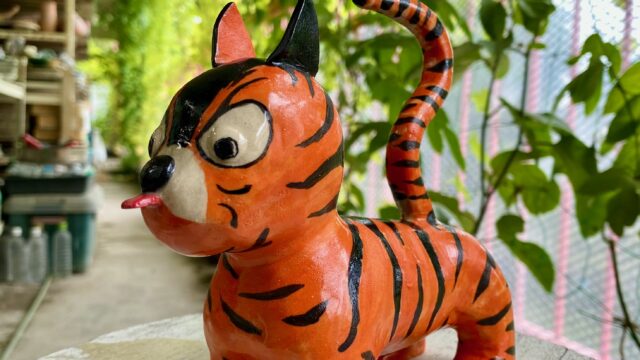
Why is Princeton University a "tiger"?

Why is the tiger the symbol of Princeton University? Tracing its relationship with the Ivy League, college sports, mascot culture, Take Ivy, Reunion Jacket, and Penn State, this presentation introduces the background and production process of reinterpreting the Princeton Tiger as a ceramic artwork.
Art and Ceramics

NIGO® and Han-dei-ko: Collecting, Creating, and Inheriting

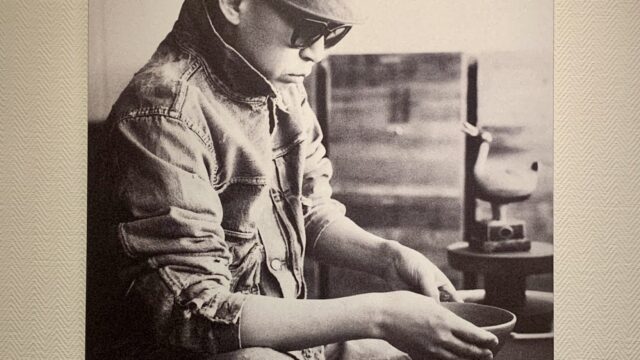
I visited the "NIGO® and Handeishi" exhibition held at the Ishimizu Museum in Tsu City, Mie Prefecture. Through the tea bowls of Kawakita Handeishi collected by NIGO® and 25 bowls he created himself, I reflected on collecting, pottery making, the freedom to break away from form, and the inheritance of culture.
Travel and Food

The National Treasure Tea Room "Joan" - A world of two-and-a-half tatami mat rooms left behind by Oda Urakusai

We visited the national treasure tea room "Joan," which was relocated to Yurakuen Garden in Inuyama, Aichi Prefecture. We will introduce this two-and-a-half-mat tea room, left behind by Oda Urakusai, the younger brother of Oda Nobunaga, discussing its architecture, the tea ceremony, our experience at Yurakuen Garden, and even referencing the film "Sen no Rikyu: Honkakubo Ibun."
Cuisine and Food Culture

Walking through Kawagoe—from the memories of the Tokugawa shogunate to a merchant town and modern architecture.

From Kitain Temple to the traditional storehouse-lined streets, the Toki no Kane (Time Bell), the Yamazaki Museum of Art, and the former Yamazaki family villa, this is a record of a walk through Kawagoe, the "Little Edo," tracing its history related to the Tokugawa family, its architecture spanning from the Edo period to the modern era, and its long-established food culture.
Art and Ceramics

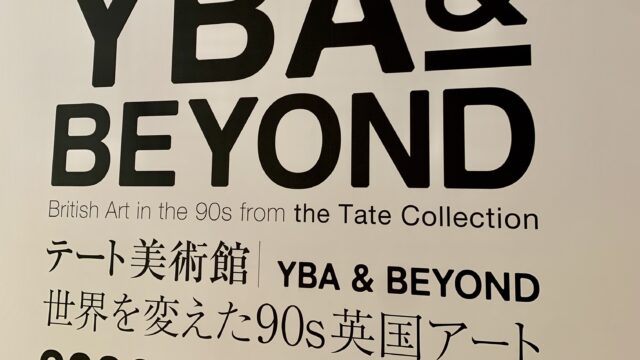
Why did YBA originate in 1990s Britain?

This exhibition at the Kyoto City Kyocera Museum of Art, "YBA & BEYOND: 90s British Art That Changed the World," explores the works of Damien Hirst, Grayson Perry, and others, as well as films such as "Trainspotting" and "Brassed Off!". It examines 1990s Britain across art, music, fashion, class, and urban culture.