- You can't understand it just by looking. Understanding the form of a Raku tea bowl through hand-molding and carving.
- Raku tea bowls were a new type of pottery called "Imayaki" (modern ware).
- Why are Raku tea bowls not made using a potter's wheel?
- Why black?
- Black Raku ware is not just a black tea bowl.
- Because it's only black, you can see the shape.
- The "black" in Kuro-raku ware is different from the black of paint.
- I'm going to visit the Raku Museum.
- I'm going to try making my own black raku ware.
- Raku tea bowl making as seen in the movie "Usotsuki Hyakuman"
- The next bowl became more important than the finished product.
You can't understand it just by looking. Understanding the form of a Raku tea bowl through hand-molding and carving.
It has almost no ornamentation and is almost entirely black in color. Yet, when discussing the history of Japanese tea bowls, it is impossible to avoid mentioning this vessel.
That's a black Raku tea bowl.
I myself continue to practice pottery while studying the tea ceremony, and I have actually made tea bowls in various styles such as black Raku, red Raku, Shino, Oribe, and Mishima.
This time, I researched the history of black Raku ware, visited the Raku Museum in Kyoto, and even made two bowls myself. When you make them with your own hands, what you had previously seen as simply "black tea bowls" looks completely different.
What exactly is a Raku tea bowl?
Why don't you use a potter's wheel?
Why black?
And even though they are all black tea bowls, why do each one look so different?
This time, I'd like to explore the appeal of black Raku tea bowls by following the production process.
Raku tea bowls were a new type of pottery called "Imayaki" (modern ware).
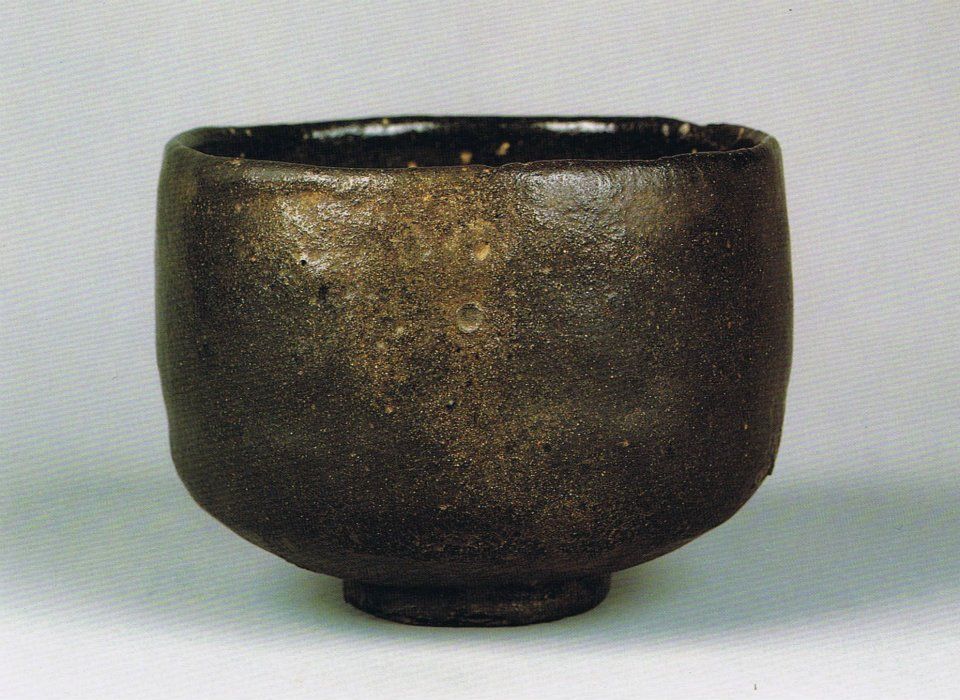
Important Cultural Property Momoyama Period
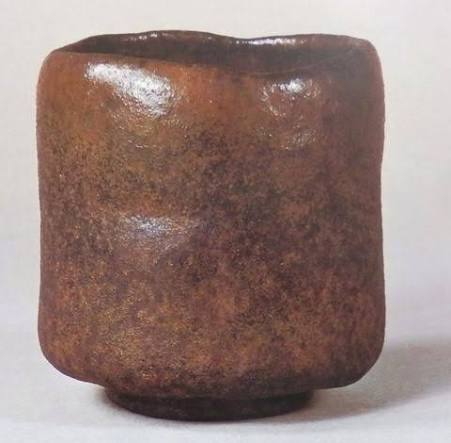
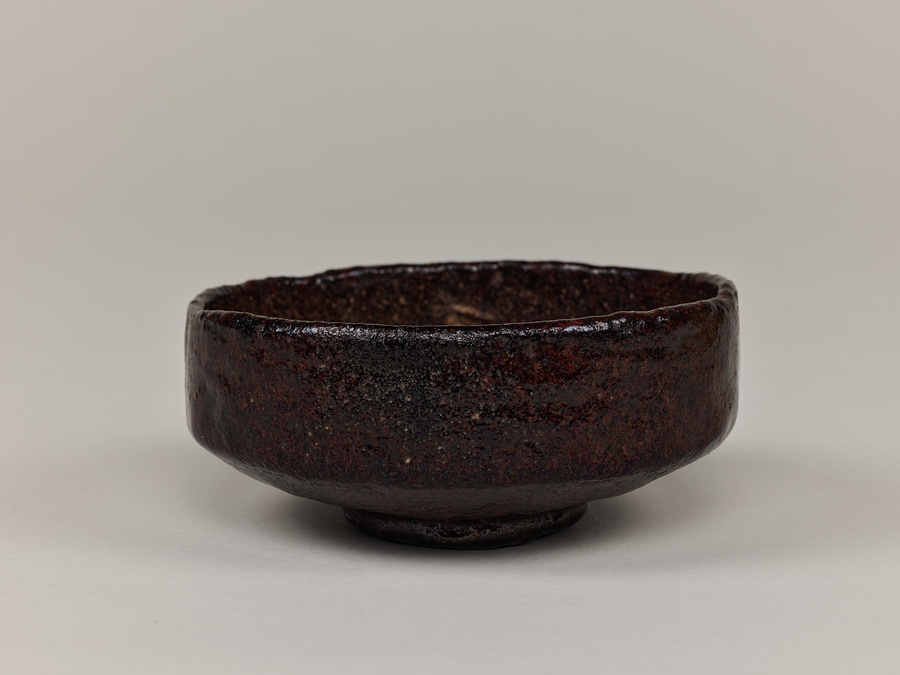
Raku ware originated in the 16th century during the Momoyama period. It is said to have begun when the first generation Chojiro created tea bowls while being influenced by the wabi-cha philosophy of Sen no Rikyu.
While it is now considered a prime example of traditional tea ceremony utensils, what's interesting is that when it was first created, it didn't even have the name "Raku ware." According to official records of the Raku family, early Raku tea bowls were called "Imayaki tea bowls."
In other words, "newly created pottery." The Raku Museum also expresses this in English as "Art now."
While it appears classical from today's perspective, to people in the 16th century, it was rather an unfamiliar and avant-garde vessel. Up until then, Japan had a variety of tea bowls, including Chinese ceramics, vessels imported from the Korean Peninsula, and pottery fired in places like Seto.
In this context, the tea bowls created by Rikyu and Chojiro stripped away ornamentation, focusing their attention on the vessel itself as a object that fits comfortably in the hand.
Regarding Chojiro's representative black Raku tea bowl, "Daikoku," the Agency for Cultural Affairs explains that it is handmade using red clay mixed with sand, and has a simple shape with a slightly tapered rim and a rounded base.
Instead of showcasing splendor, it's about showcasing the form itself. This is where the appeal of Kuro Raku ware begins.
The name "Raku" also has an origin. This tea bowl was called "Ima-yaki" as well as "Juraku-yaki." Later, it is said that Toyotomi Hideyoshi bestowed upon the tea bowl a gold seal bearing the character "Raku," taken from the name of his residence, "Jurakudai," and began to stamp the tea bowls with this seal. From there, the name of the pottery changed to "Raku-yaki (Raku tea bowl)."
Eventually, the name "Raku," which had become established as the name of the pottery, was adopted by the family of potters as their family name. This is the origin of the "Raku family" that continues to this day.
Why are Raku tea bowls not made using a potter's wheel?
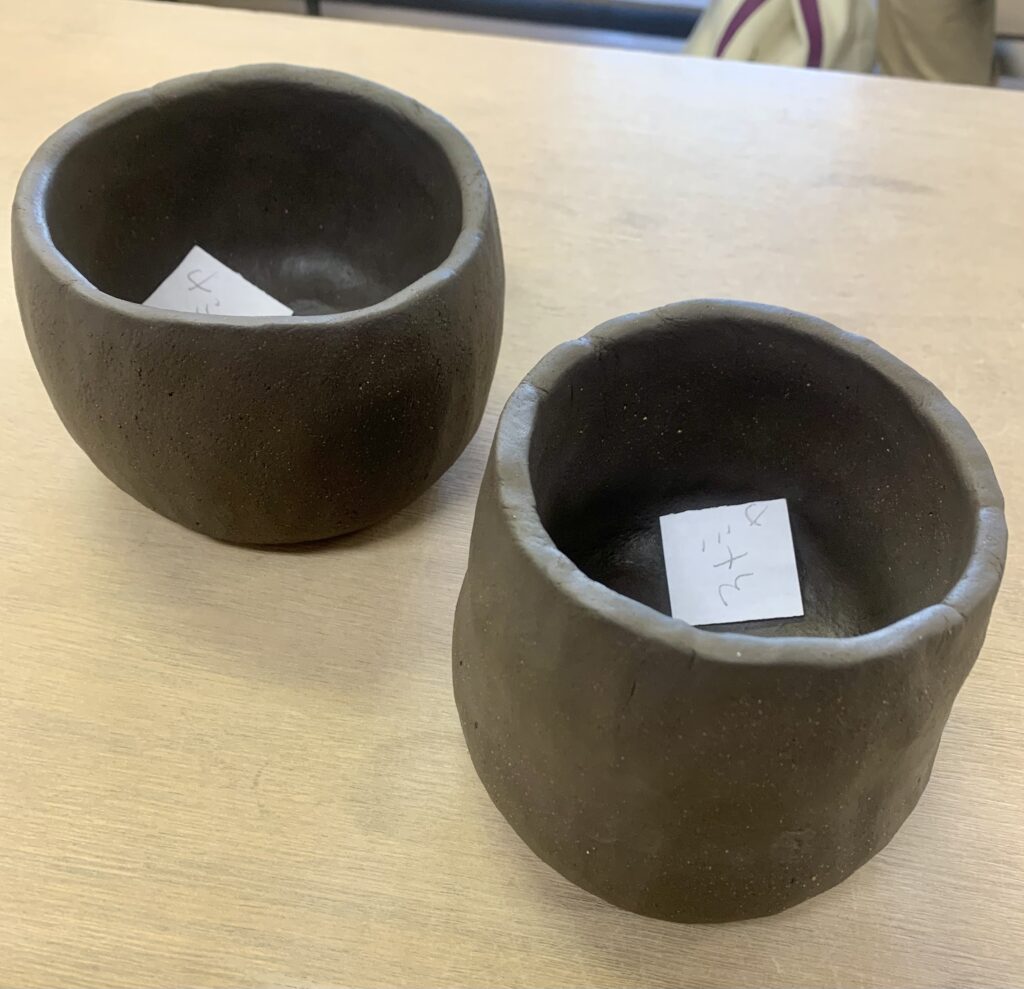
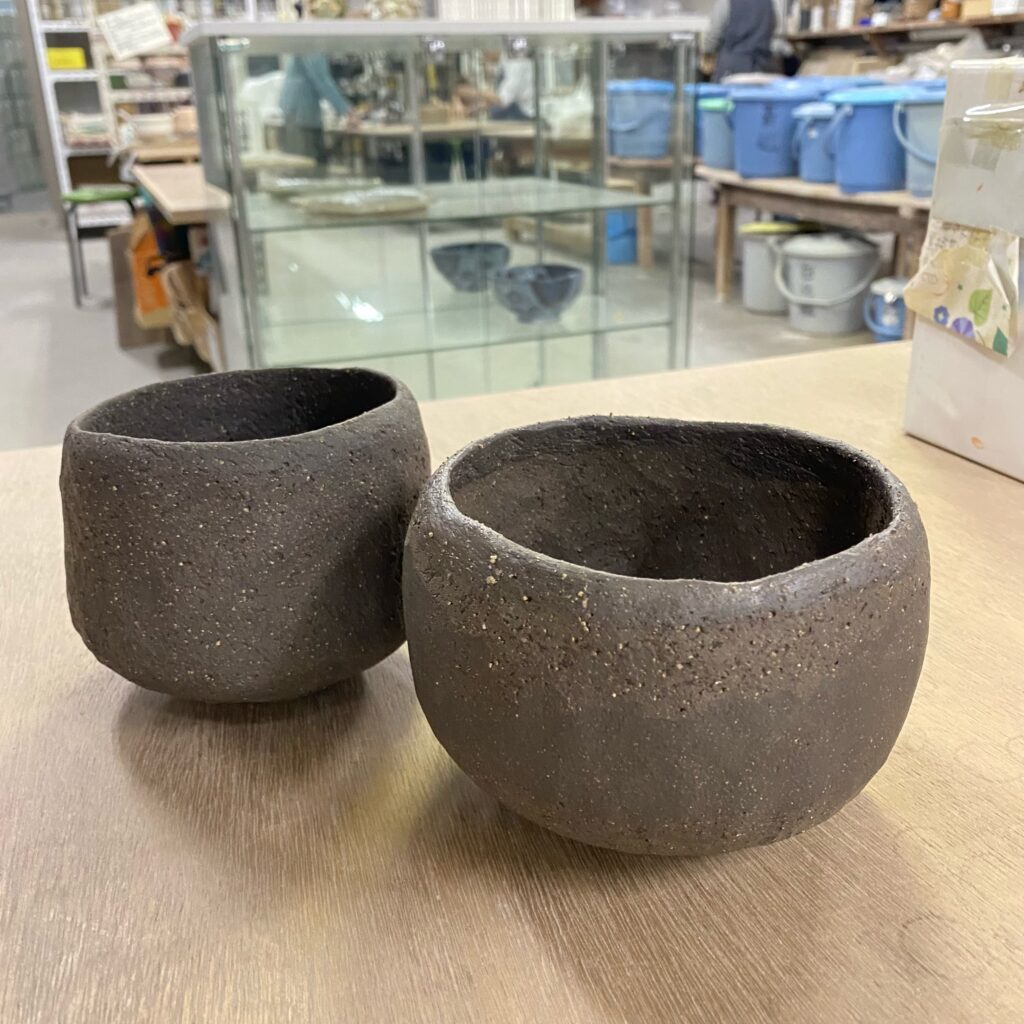
When people think of pottery, the first thing that comes to mind is probably the potter's wheel. You place your hand in the center of the rotating clay and use your fingers to build it up. However, traditional Raku tea bowls are not made using a potter's wheel.
The tea bowls made by Chojiro that remain as cultural artifacts were also shaped by hand-molding and then refined by shaping with a spatula.
My creation for this piece also began with a flat, hamburger-like lump of clay. I compacted the clay to create the base, and then gradually raised the sides using my fingers. Rather than "creating the vessel by rotating it," I focused on finding the bowl within the lump of clay.
On a potter's wheel, centrifugal force acts, creating a force that tends towards a circular shape. However, when kneading by hand, even a slight press will cause a slight indentation. The thickness changes, and the rim can easily become distorted. In other words, the movements of the human hand are directly reflected in the shape.
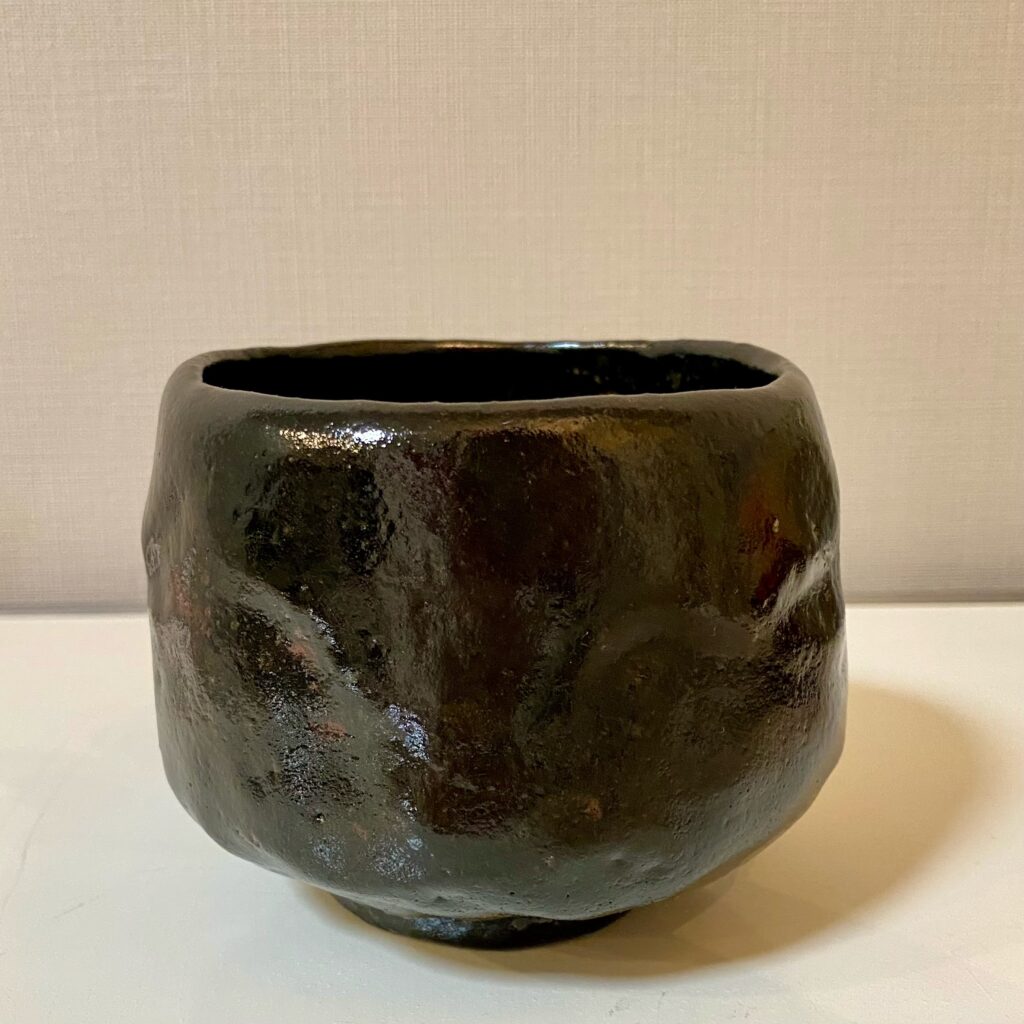
Black Raku tea bowls often have a slight indentation in the body, created by finger marks. This shape provides a good grip and feels comfortable in the hand. Furthermore, these subtle constrictions and undulations create variations in the pooling and dripping of the glossy black glaze, giving the bowl character. These distinctive shaping features can sometimes be the origin of the bowl's name.
In other words, "not using a potter's wheel" is not simply a matter of preserving an old, primitive method of pottery making. If we consider it as a deliberate departure from the force of uniformity, the uneven form of Raku tea bowls can be seen as intentional.
Why black?
The wabi-cha style that Rikyu aimed for was a departure from tea ceremonies that featured ornate Chinese utensils, and instead sought to find depth in simplicity. Black can be said to be the purest form of this philosophy expressed in a tea vessel.
The green of the thick matcha tea brewed in a black tea bowl stands out as if floating in the darkness. It's not the bowl that steals the show, but the tea and the actions of the person drinking it that are highlighted. I believe the "black" of black Raku ware isn't a color to add something, but rather a color to subtract something unnecessary.
Chojiro made Raku tea bowls in red and black, but it is said that Rikyu particularly favored the black ones.
What I found interesting about making my own black raku ware was how the form itself came to the forefront, rather than the decorations, because it was entirely black.
Without any painted decoration, the vibrancy of the colors is subdued. As a result, the lines of the rim, the bulge of the body, the thickness of the glaze, the reflection of light, and the unevenness of the clay surface become more prominent.
Even with my own tea bowls, once the black glaze is applied after firing, the weaknesses in the outline, the thickness of the rim, and the weight of the body—things I hadn't noticed during shaping—become much more apparent.
Turning it black doesn't mean it's finished. In fact, the blackening process reveals any immaturity in its shape.
Black Raku ware is not just a black tea bowl.
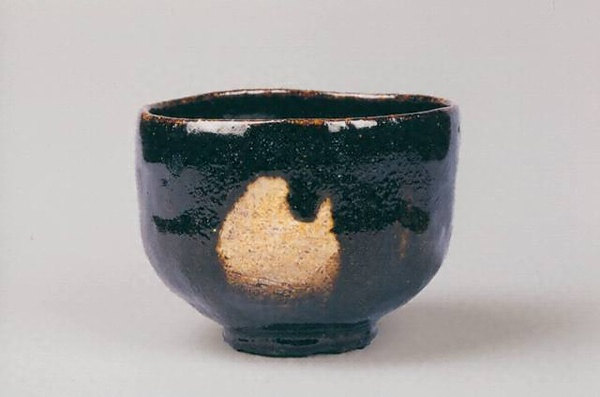
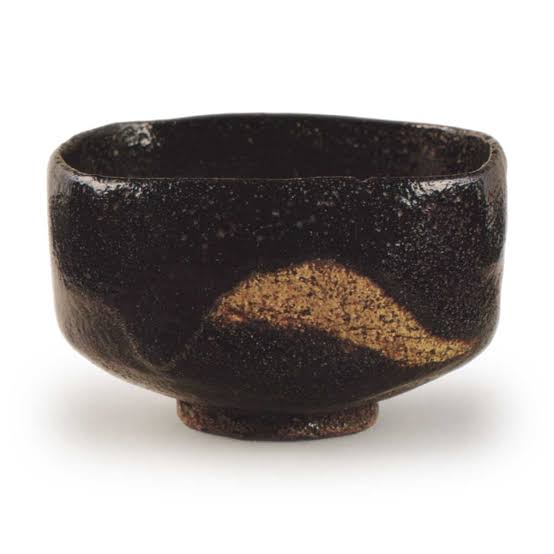
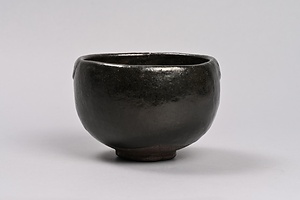
From the first generation Chojiro to successive generations of the Raku family, there are a variety of black Raku tea bowls. Even though they are all called black Raku, they are not all the same shape.
Some are rounded or nearly cylindrical. Others have inwardly curved rims or bulging bodies. Some are low and flat, while others are greatly distorted. Some are completely glazed, while others leave the clay visible. Some have brown or red hues peeking through the black.
With the second generation, Jōkei, works began to appear in which the shape of the vessels was greatly transformed into a shoe shape, and the Raku Museum points out the commonality with the Oribe tea bowls made by Furuta Oribe at that time. Furthermore, with the third generation, Dōnyū, decorative expressions different from those of Chōjirō emerged, such as combining black glaze, white glaze, and transparent glaze.
In other words, the "tradition of Raku tea bowls" is not about continuously copying a single perfect form for 450 years, but rather about each generation infusing their own sensibilities into the bowls while inheriting the fundamental ideas and techniques. This is something I strongly felt when I visited the Raku Museum.
Because it's only black, you can see the shape.
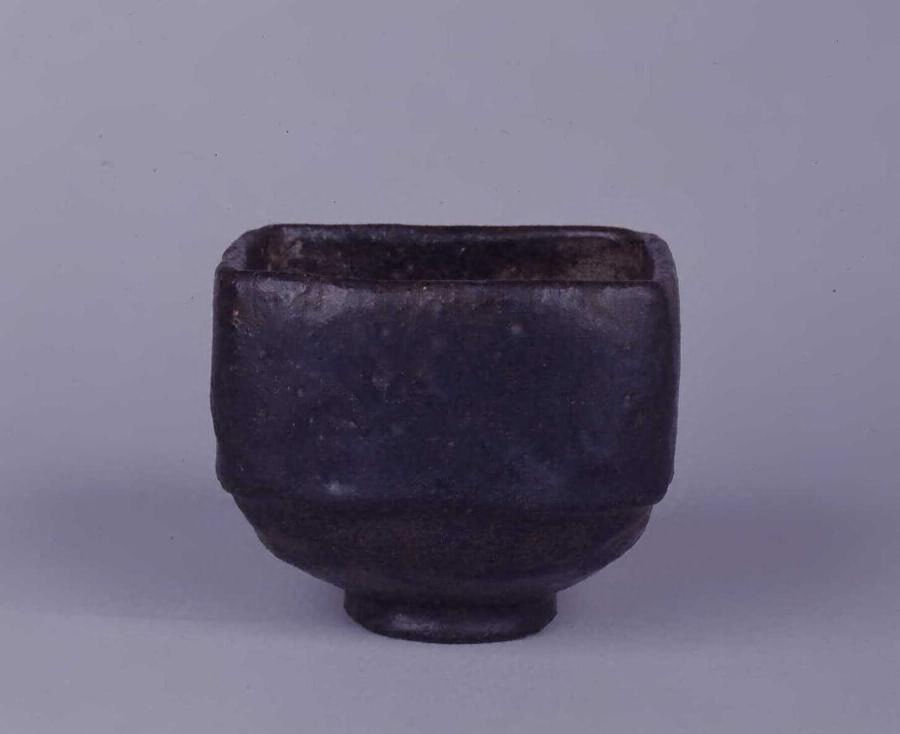
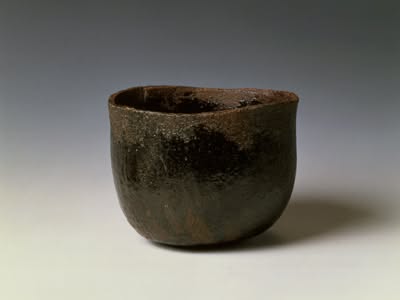
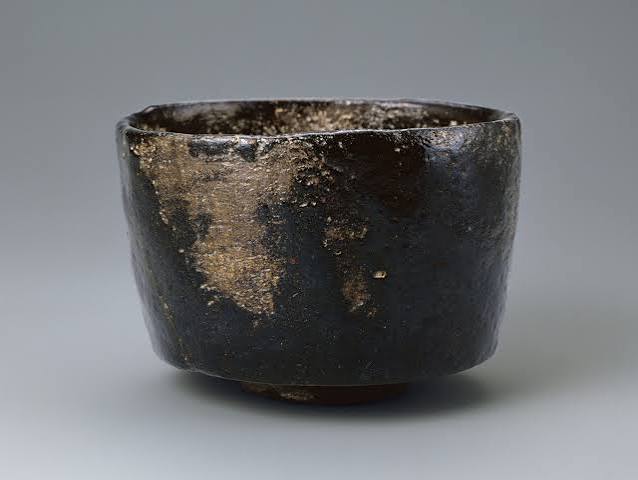
There's something strange about looking at black Raku ware. Even though the colors are reduced, there seems to be more to focus on.
There are many things to appreciate about a tea bowl. The rim, the body, the base, the inside, the tea reservoir, the spatula marks, the thickness of the glaze, the texture of the clay, the sheen of the black, the citrus-like texture, and the browns and dull reds that appear within the black.
For example, Chojiro's important cultural property, "Mukikuri" (peeled chestnut), has a unique shape with a square body, and gentle irregularities remain on the inside. It even retains the marks of the iron tongs used when it was removed from the kiln.
By reducing the information conveyed by color, other information becomes visible. I believe this is one of the fascinating aspects of viewing black raku ware.
The "black" in Kuro-raku ware is different from the black of paint.
Traditionally, Kamogawa stone from Kyoto has been used as the material for producing the black color in black raku ware. Some modern black glazes also use Kamogawa stone powder as a basic material. Black raku ware requires a higher temperature than typical low-fired raku glazes, and is mainly fired at high temperatures of around 1000 to 1200°C.
Another distinctive feature is the "pull-out" firing method. Instead of waiting for the kiln to cool after firing, the tea bowls, still hot with melted glaze, are removed from the kiln with tongs and rapidly cooled. While pottery is generally associated with "putting the pieces in the kiln and waiting until the next day," this method is quite different from that common practice. For this project, the bright red tea bowls were cooled by placing them in water.
This rapid heating and cooling process prevents the clay from firing completely, resulting in a light and soft texture, and giving the glaze a unique, moist appearance. For this reason, coarse clay and body materials that can withstand rapid temperature changes are used.
The Raku family has an important tradition regarding the soil they use. They don't use the soil they collect from around the Jurakudai Palace ruins in Kyoto immediately, but let it age for many years before using it. Moreover, they use the soil that their ancestors had ageed, and leave the soil they collect themselves for their children and grandchildren. In this way, the soil is passed down from generation to generation over a period of about 100 years.
I'm going to visit the Raku Museum.
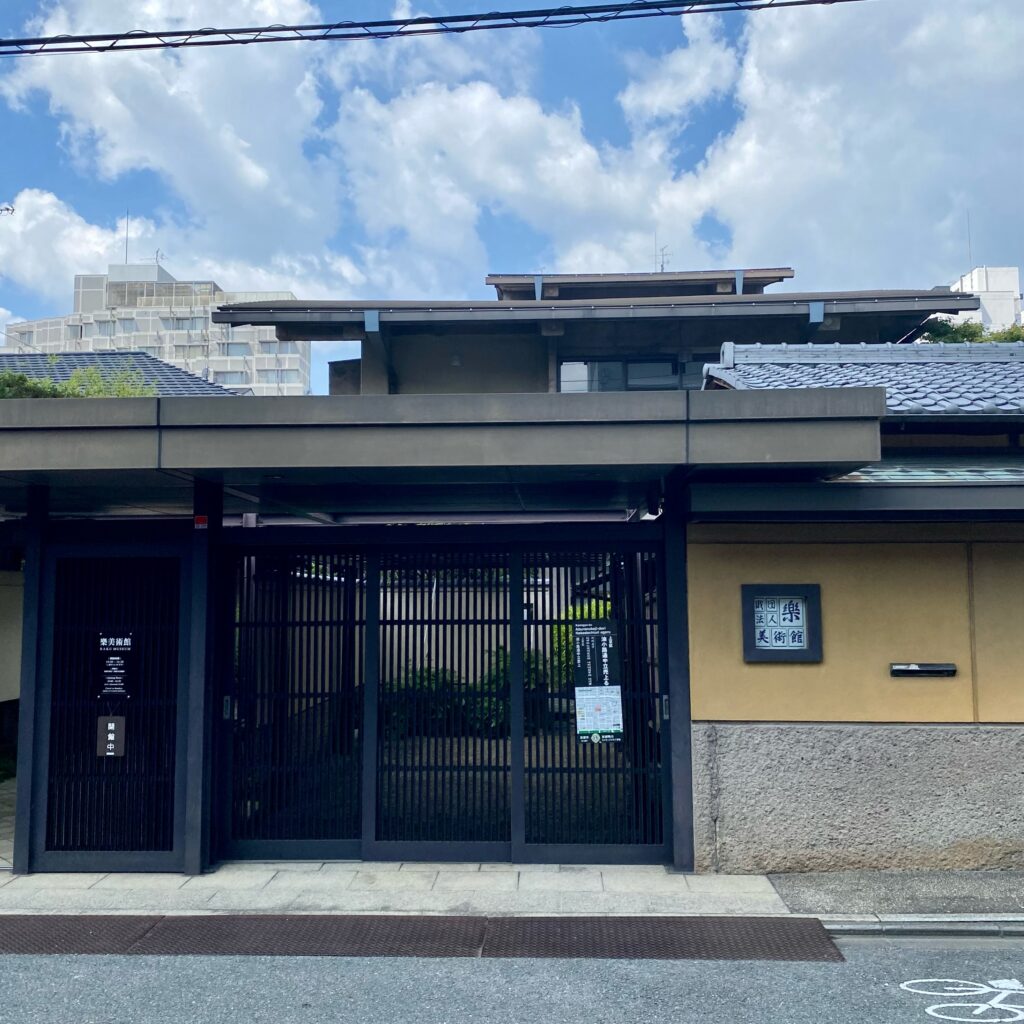
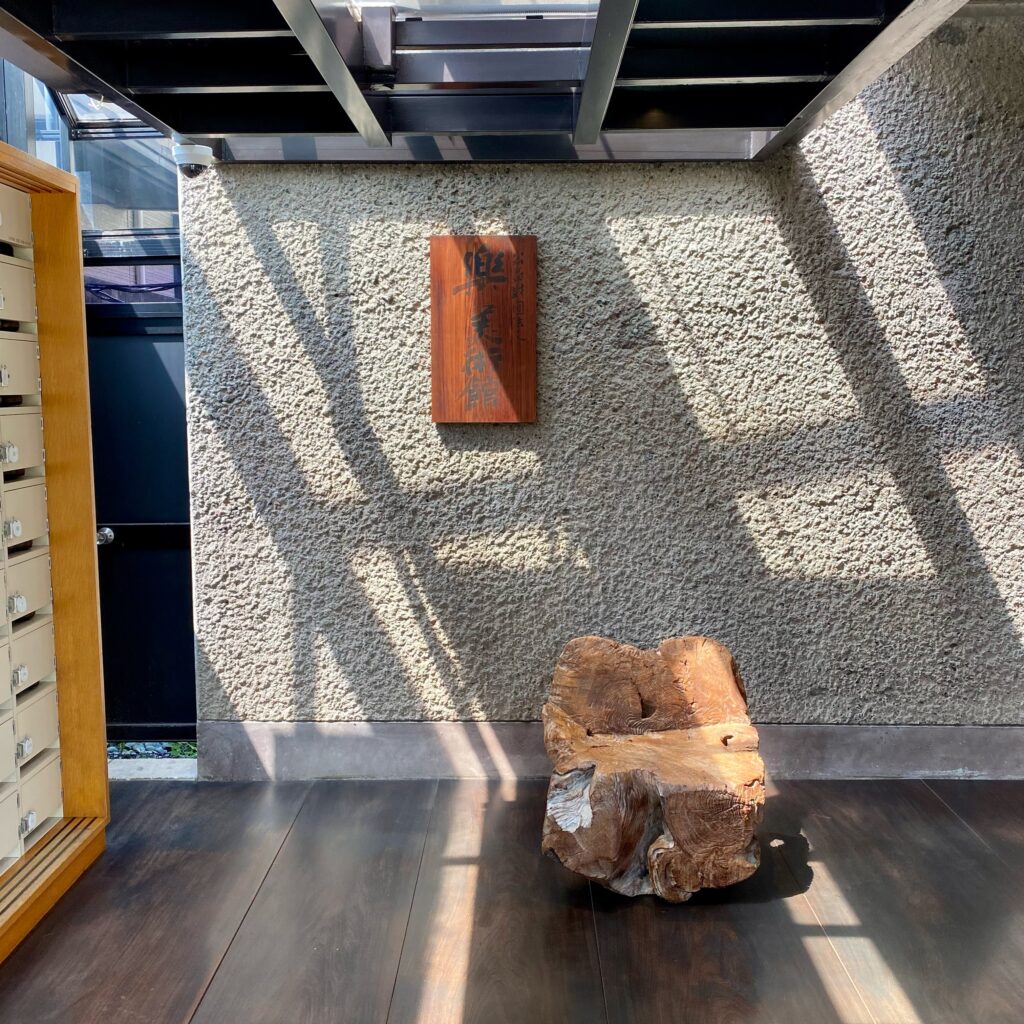
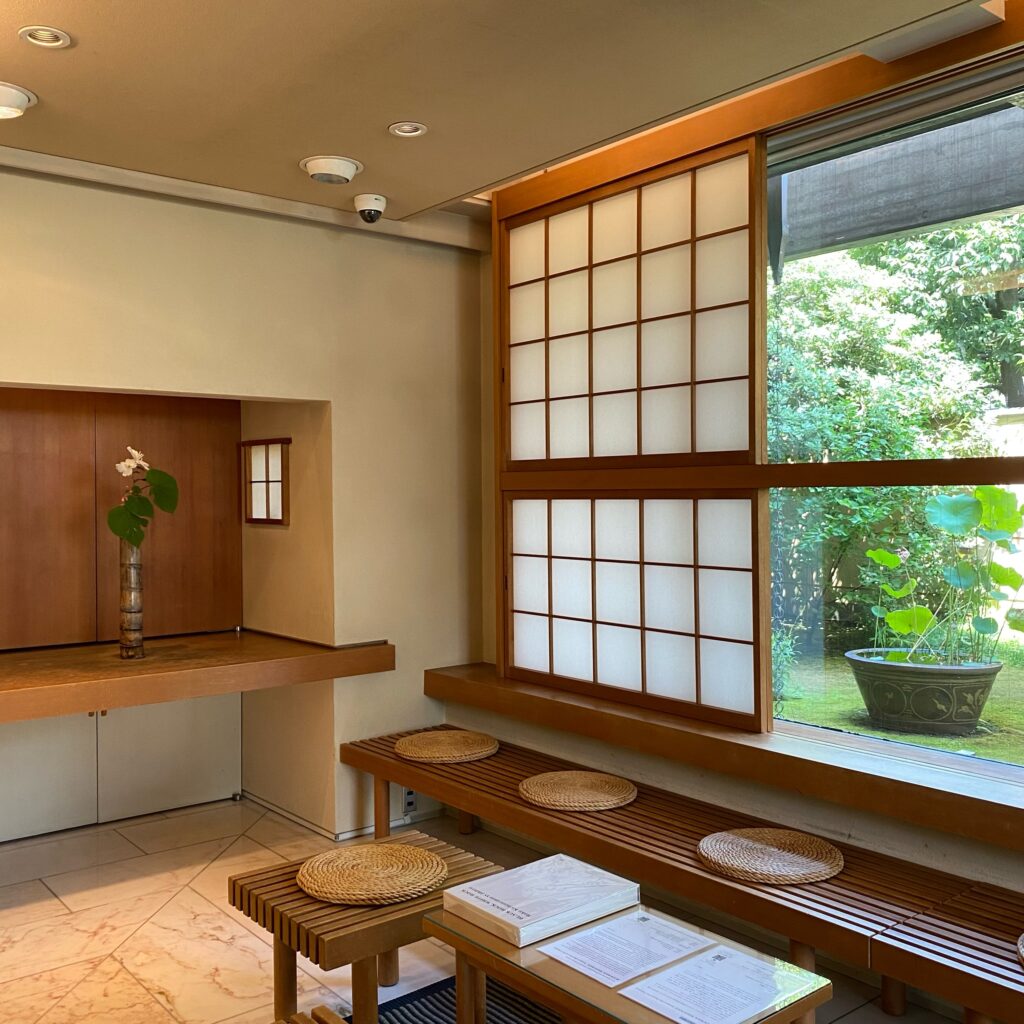
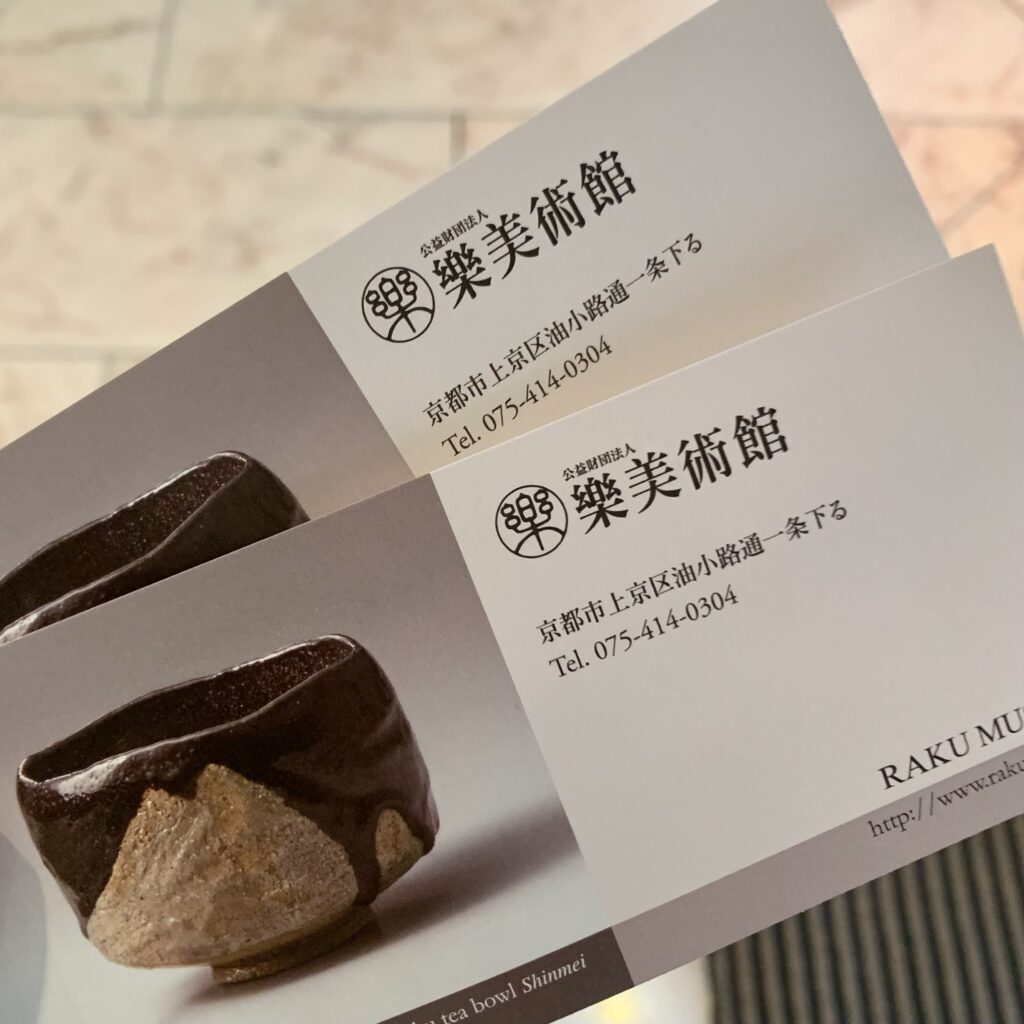
I also visited the Raku Museum in Kyoto. The Raku family has kept the kiln fire burning in the same location in Kyoto since the Momoyama period. The current Raku Museum is adjacent to the Raku family's former residence and houses and displays works from throughout history.
What surprised me was how my perspective on the same tea bowl changed after I made one myself. Before, I might have just thought, "It's black," "It's misshapen," or "It looks cool."
However, once you start making one, many questions arise, such as, "How was this opening made?", "How much was removed here?", "Why was clay left only in this part?", "How does this foot support the entire vessel?", and "Is this glaze boundary intentional, or is it a result of firing?".
The act of viewing artwork had shifted from appreciation to observation.
I'm going to try making my own black raku ware.
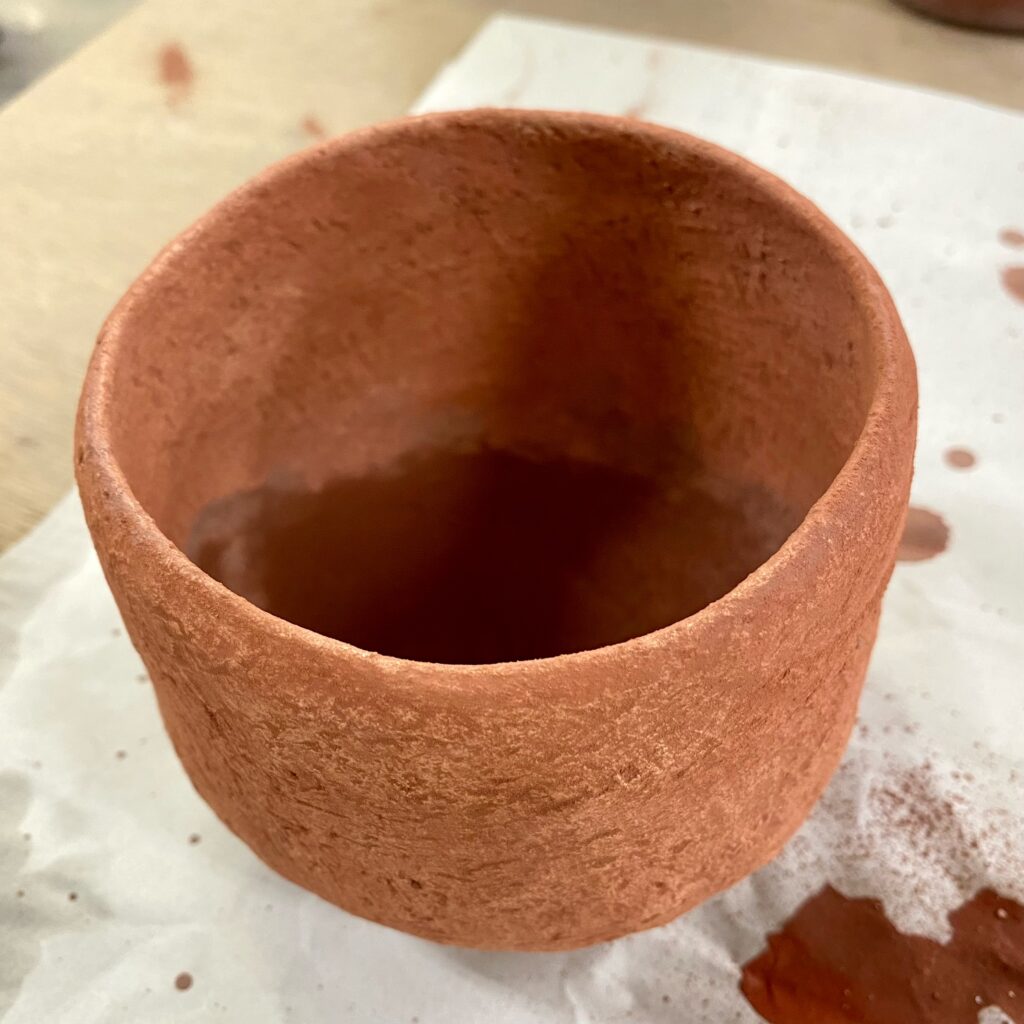
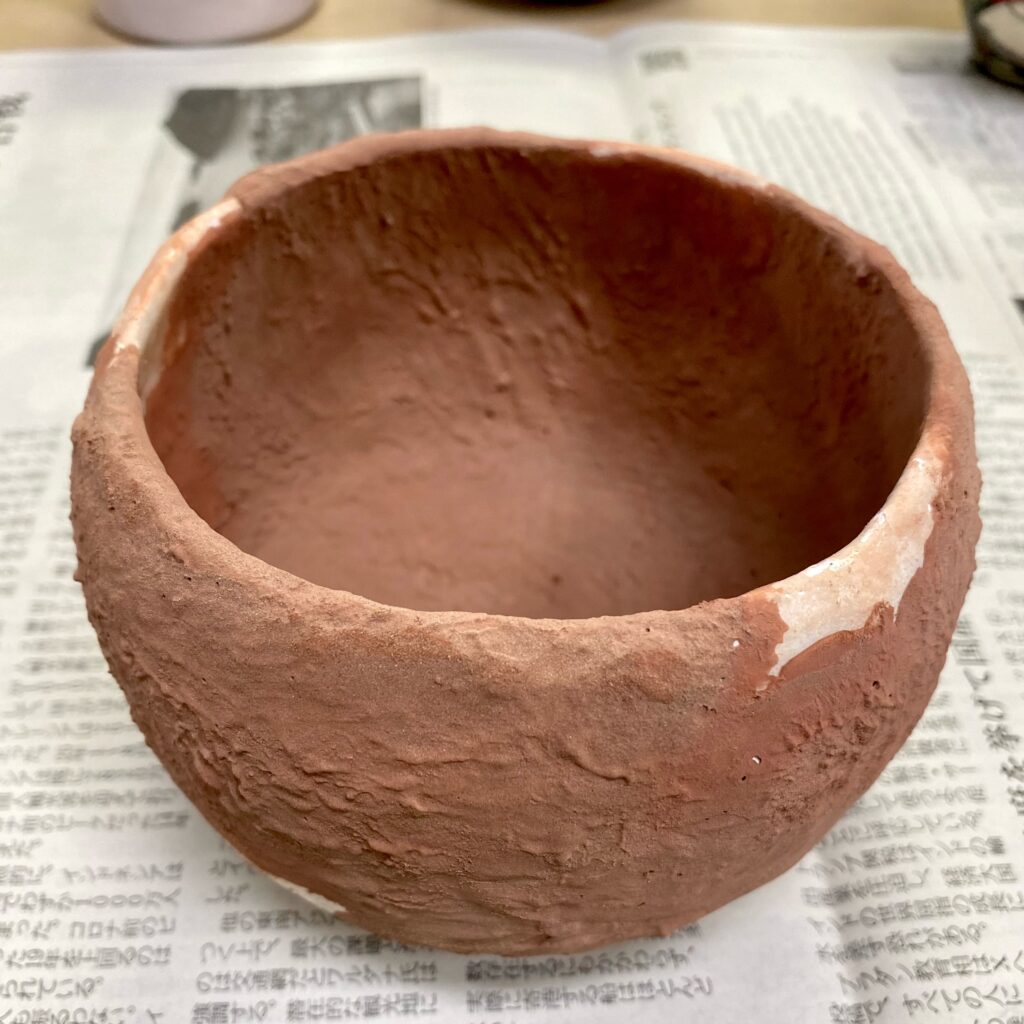
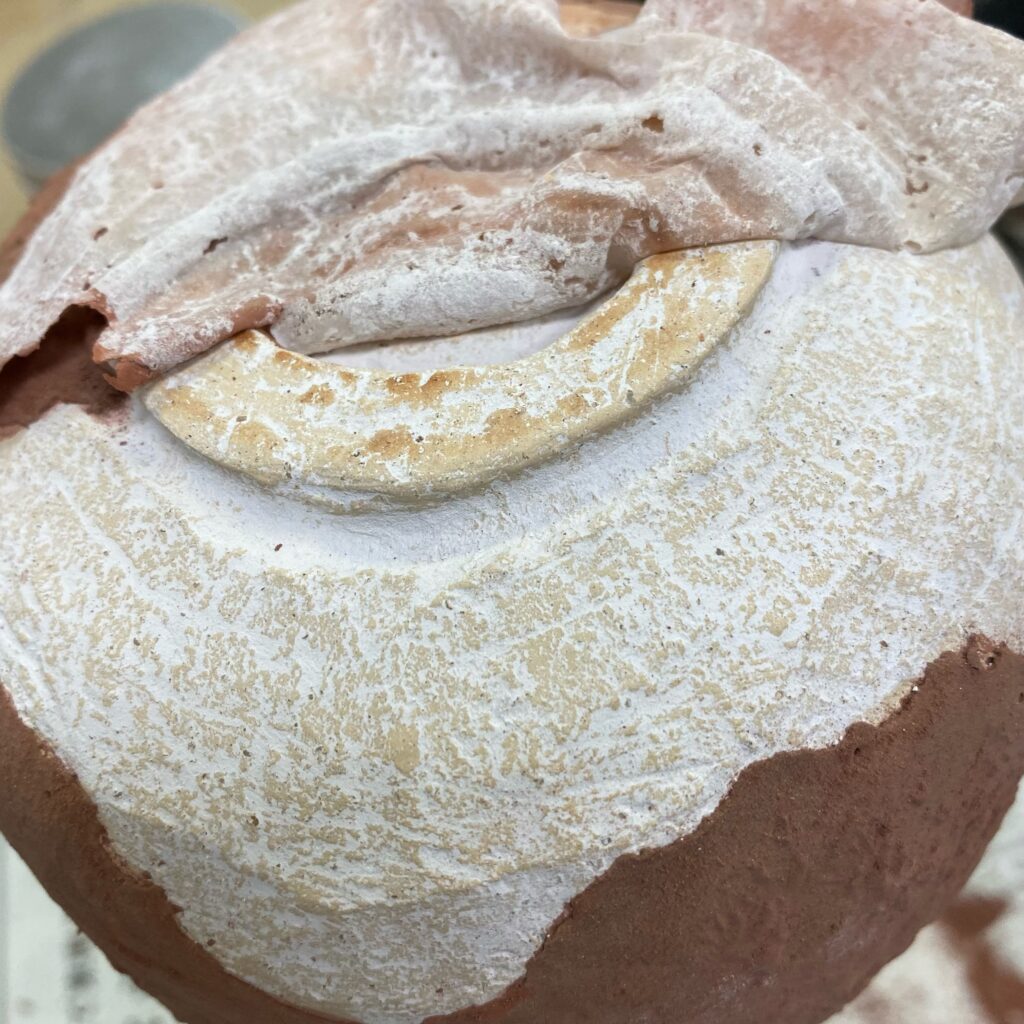
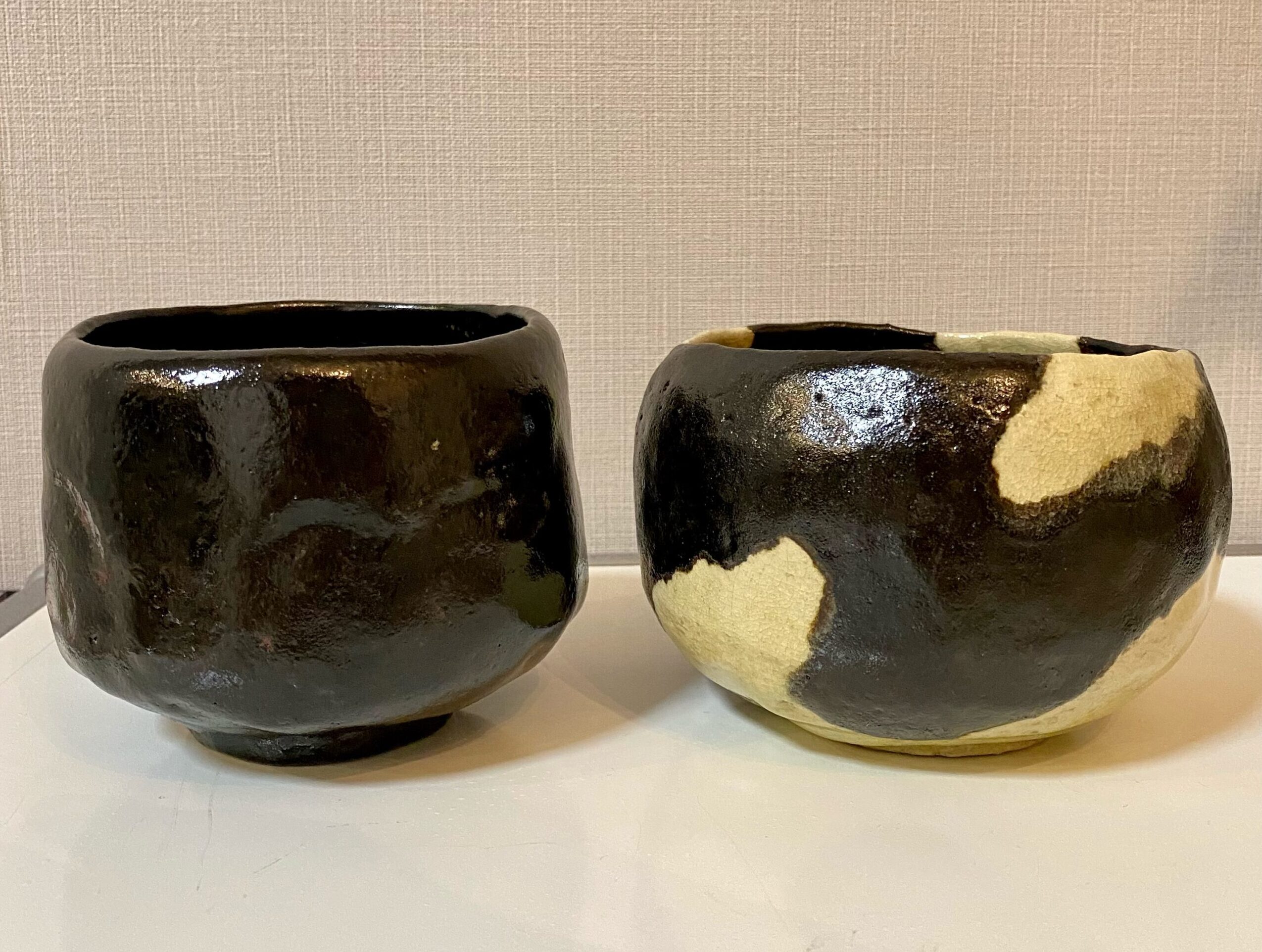
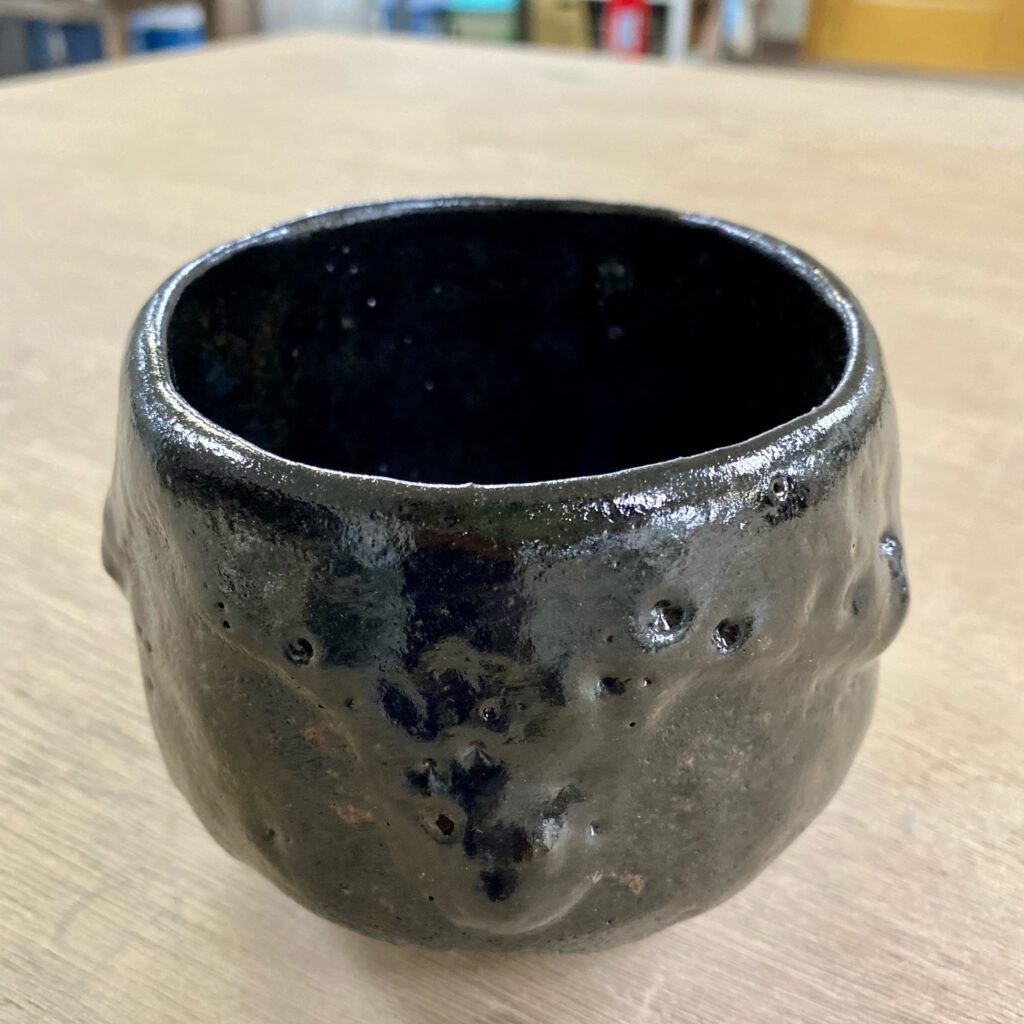
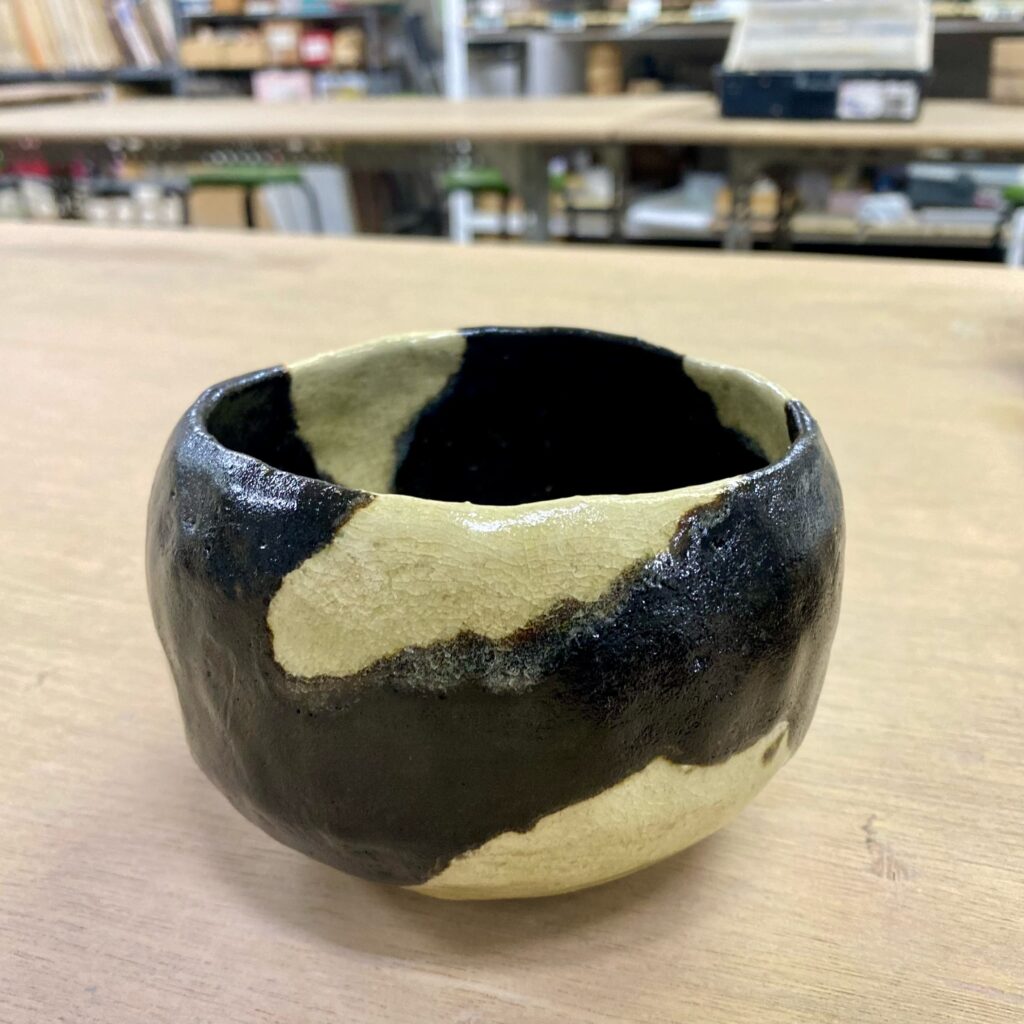
This time, I made two bowls myself. Although both were themed around "black raku" ware, I didn't make them exactly the same.
One of the pieces is a tea bowl that primarily uses black glaze to showcase the inherent beauty of black itself. I made it using "Kashin," a piece by the fourth generation Ichinyu, as a model. After firing, I applied vermilion paint to bring out a reddish tint, and then applied the glaze stroke by stroke. To give the glaze thickness from the rim to the body, I applied a curtain glaze.
Another piece is a tea bowl that leaves the base material exposed, revealing the boundary between the black and the clay. It is based on "Yachiyo" by the 13th generation Seinyu. To make it waterproof, latex is first applied, and then the black glaze is applied stroke by stroke. Then, yellow paint is applied to the areas where the latex has been removed.
The difficult part is "not over-smoothing" when shaping the raw clay. You naturally want to make it symmetrical. You want to fix any distortions. You want to make the surface smooth. You want to make the height of the rim even. If you're not careful, you'll gradually become obsessive about perfectionism.
In the case of Raku tea bowls, if you were to correct all of them, the meaning of making them by hand would be lost. Of course, it's not okay for them to be simply rough. Is it distorted because "it couldn't be made properly"? Or is it a "distortion that was left after understanding the form"? I always keep this difference in mind when I approach pottery making.
Raku tea bowl making as seen in the movie "Usotsuki Hyakuman"
There is another interesting starting point for thinking about Kuro Raku. The 2018 film 'A pack of lies"is.
The story is set in Sakai, Osaka, the birthplace of Sen no Rikyu. A secondhand dealer played by Kiichi Nakai and a ceramic artist played by Kuranosuke Sasaki become embroiled in a commotion surrounding "Sen no Rikyu's legendary tea ceremony utensils."
What's interesting is that the ceramic artist studies Rikyu's tea utensils and tries to create something "similar" with his own hands. The aforementioned hand-molding, rapid heating in the raku kiln, and rapid cooling by drawing out the pottery are all depicted on screen. Sasaki Kuranosuke's movements and handling of the fire tongs are masterful, and it is said that he practiced pottery before filming.
It's a story about making fakes, yet the manufacturing process is exactly the same as that of genuine Raku ware. It's a luxuriously ironic creation.
At the heart of the story is the question, "What is authenticity?" The two characters aim not merely to copy old pottery, but to create something "better than the original." After actually trying to make black Raku ware, watching this film makes the premise much more interesting than before.
Furthermore, the second installment of the seriesA Pack of Lies: Kyoto RoyalIn this installment, the subject matter shifts to the legendary tea utensils of Furuta Oribe. From black Raku ware to Oribe ware, from Sen no Rikyu to Furuta Oribe, this series will be enjoyable for history buffs as well.
The next bowl became more important than the finished product.
When I first started pottery, I would judge whether a tea bowl turned out well or not simply by looking at it after it was fired. However, after making black Raku ware and seeing the works of successive generations at the Raku Museum, my perspective has changed a little.
I started to specifically identify the weaknesses in my own tea bowls.
For example, how much should the body of the bowl be bulged, and how much should the waist be trimmed? How much variation should be added to the rim, or should it be made into a five-mountain shape? When you think about these things, it's not over once you've made one bowl.
Just as the Raku family has continued to make tea bowls from Chojiro to the current 16th generation Raku Kichizaemon, I myself will use the material from the previous tea bowl to create the next one.
Looking at it now, there are many things I'd like to fix in the first black Raku ware I made. In fact, when I applied the glaze too thickly, bubbles appeared. I had to trim off the excess thickness and then apply the glaze again to finish it.
I believe that this process of trial and error, and the realization of what was "missing," were all things I gained through the creative process.

comment