From Inuyama to Ishimizu Museum, and then to Ise Grand Shrine.
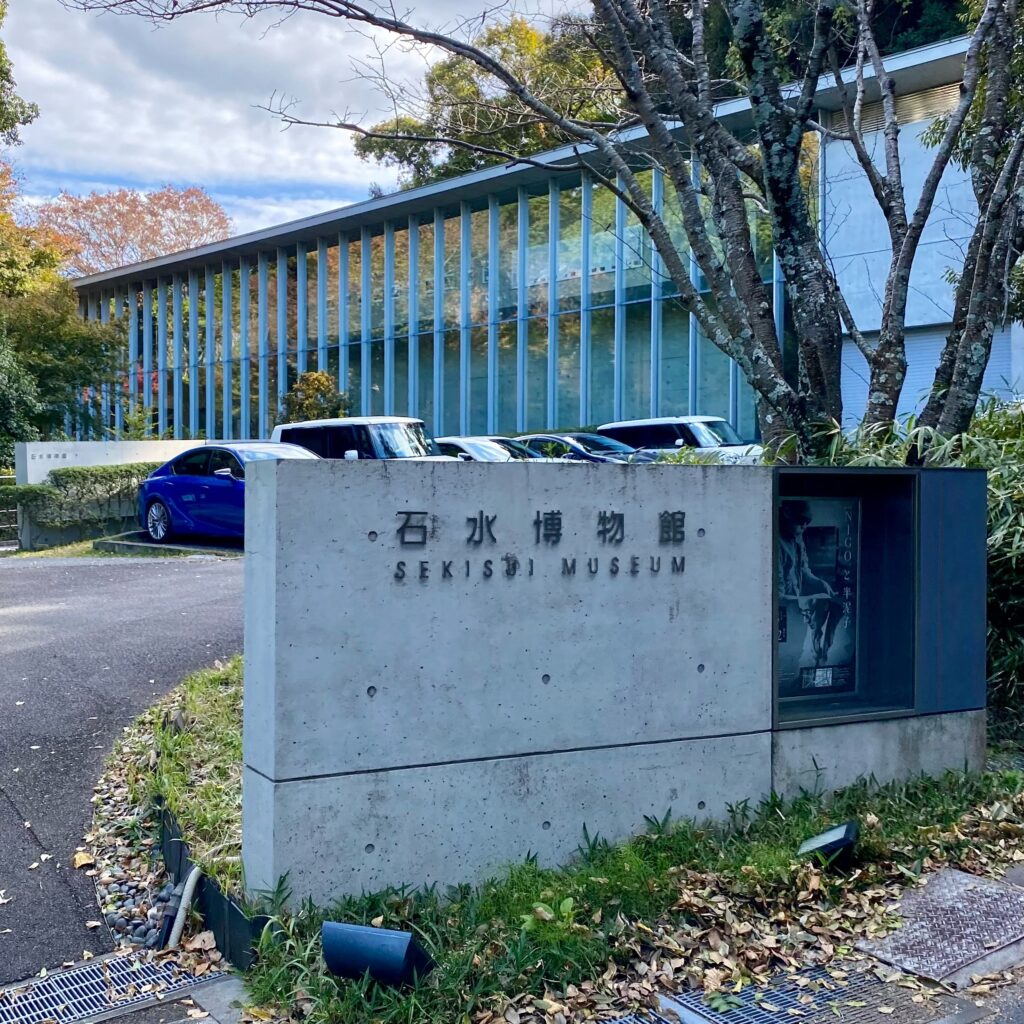
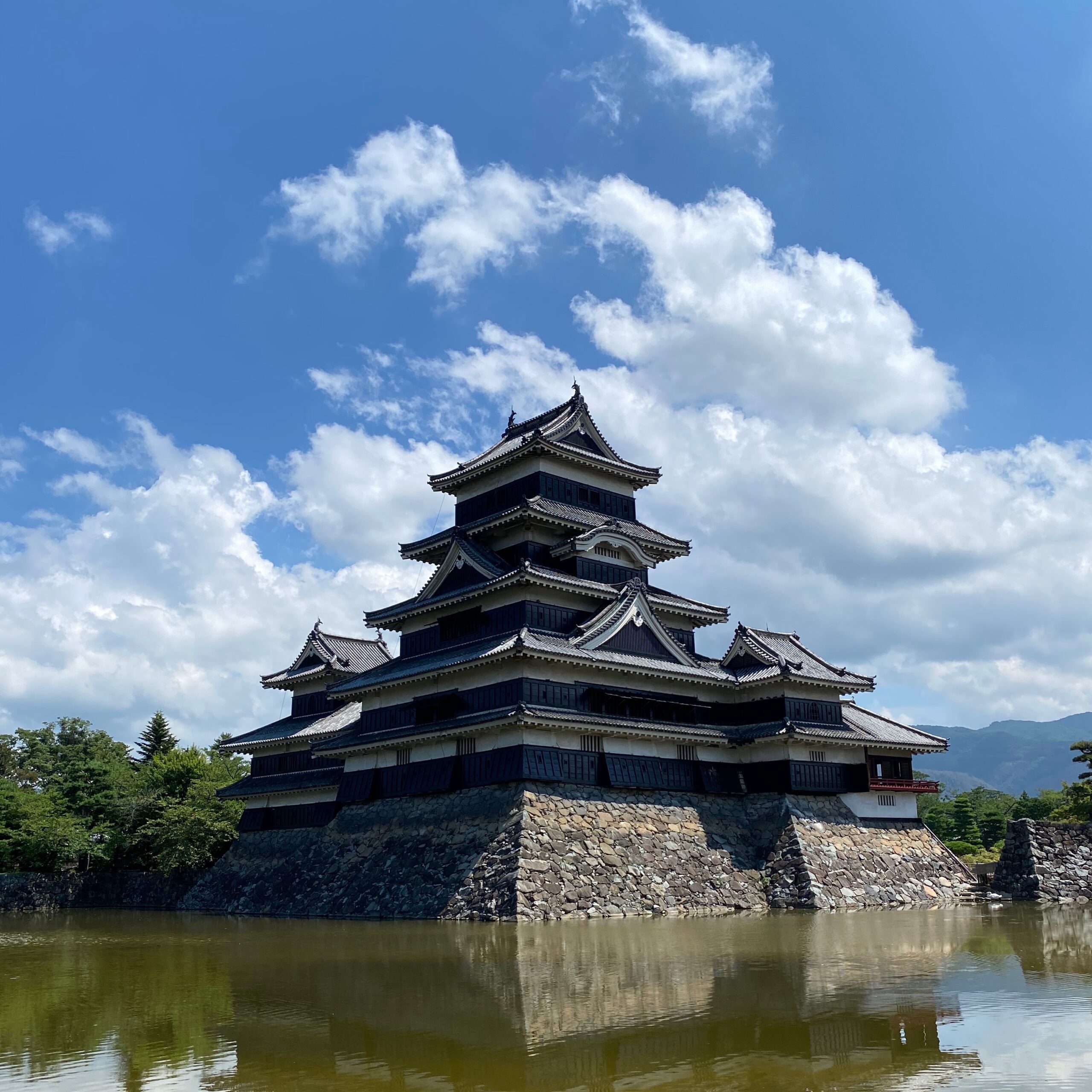
The day before, I participated in a tea ceremony in Inuyama and entered the national treasure tea room "Joan." The next morning, I visited Inuyama Castle, and then headed straight to the Ishimizu Museum in Tsu City, Mie Prefecture.
The event being held there was "NIGO® and Han-deiko".
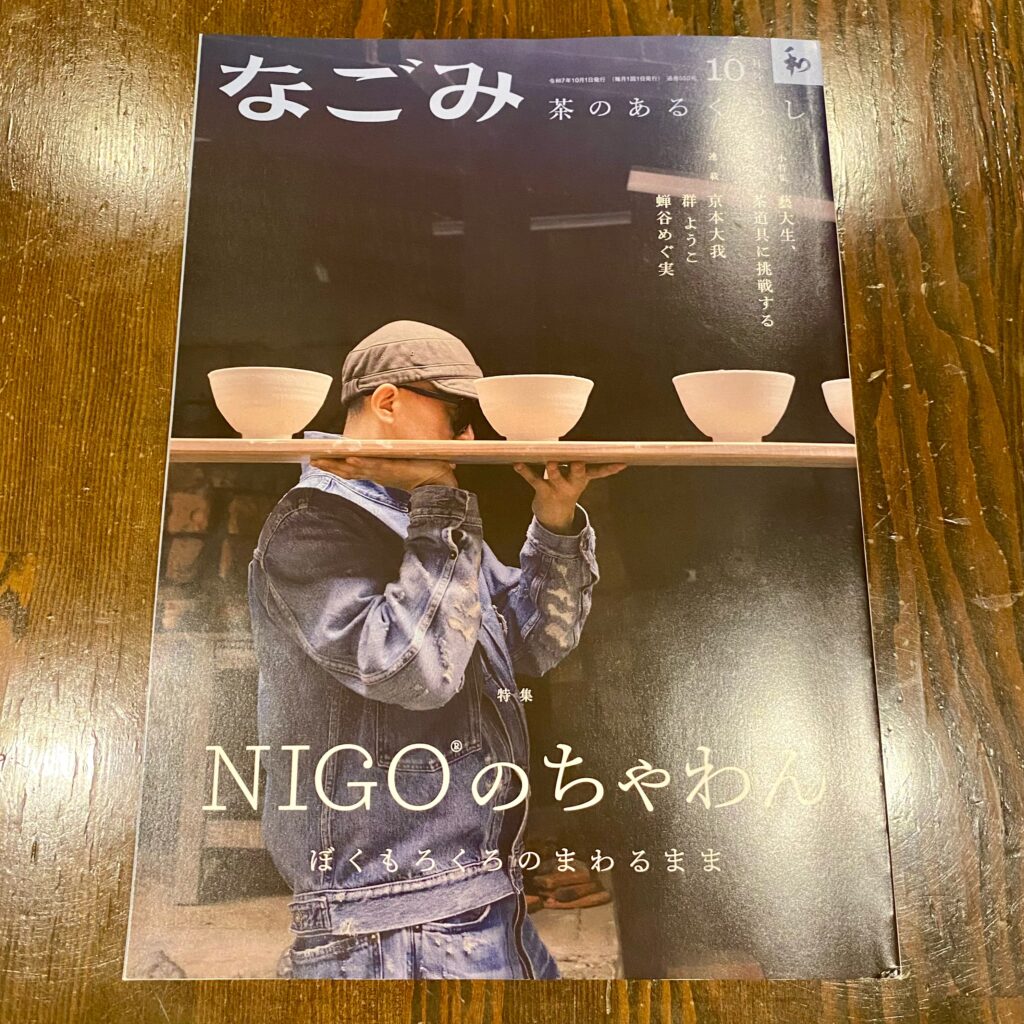
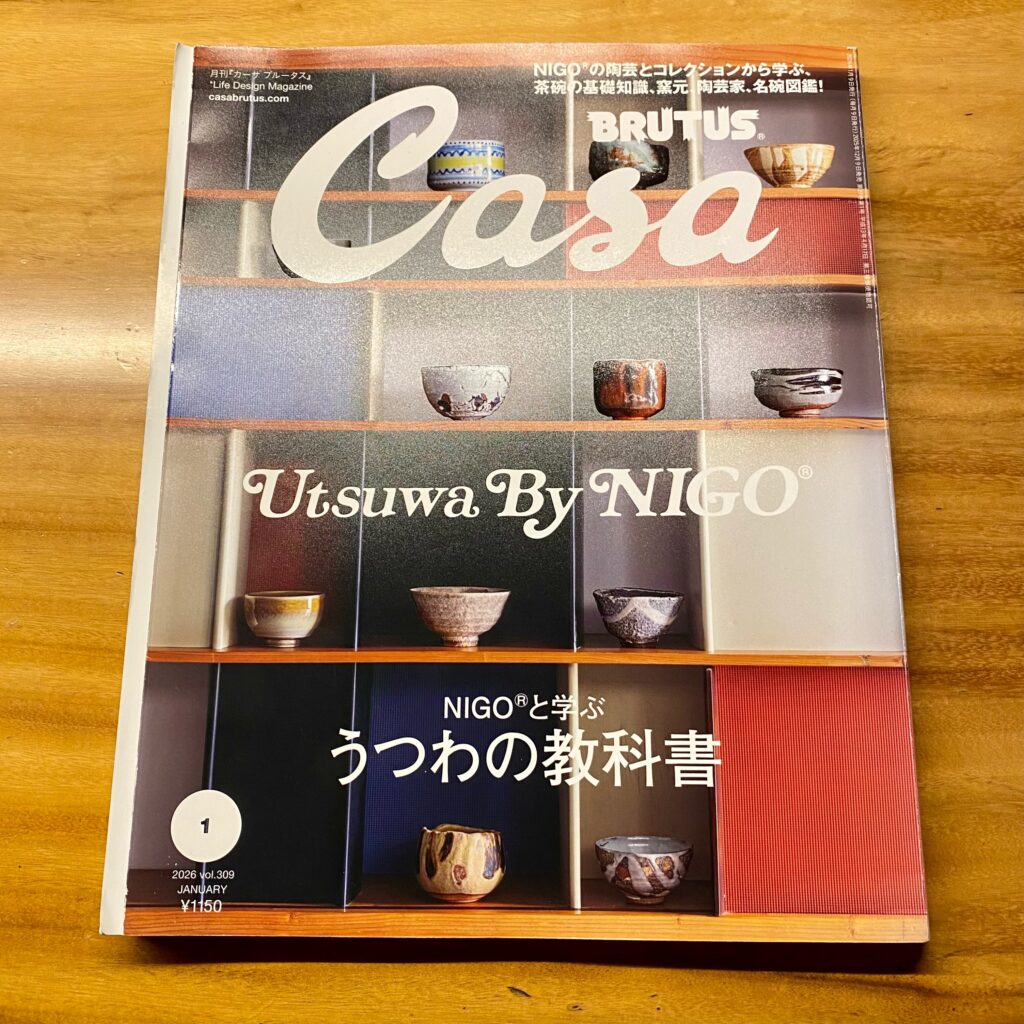
One of the reasons I became aware of this exhibition in the first place was the October 2025 issue of Tankosha's "Nagomi" magazine, which I received from my tea ceremony teacher.
The cover reads "NIGO®'s Teacup: I too will be on the potter's wheel."
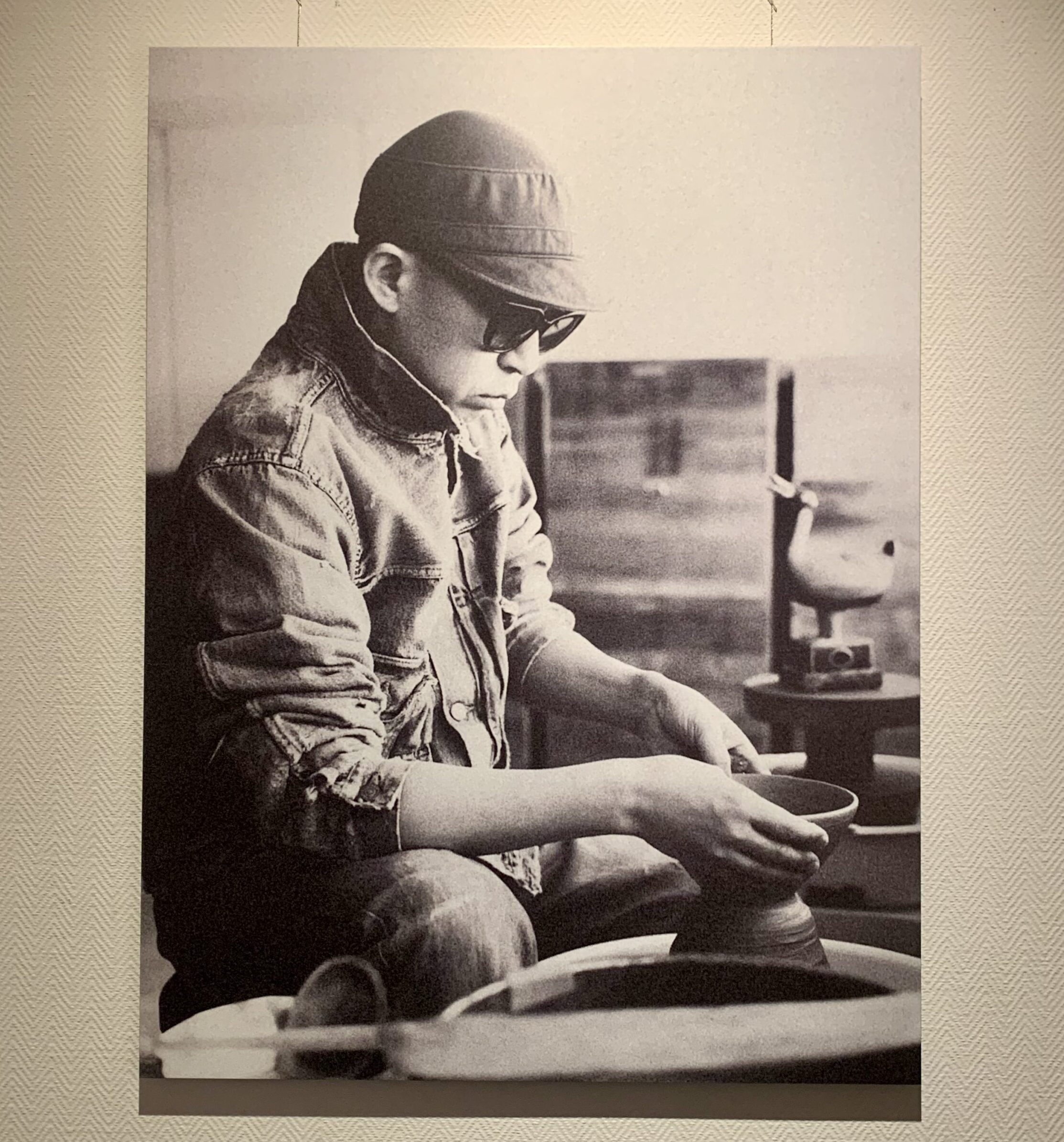
NIGO®, who founded A BATHING APE® and currently works on HUMAN MADE, and also serves as the artistic director of KENZO, is a well-known figure in the fashion world. However, for the past decade or so, he has been seriously pursuing the tea ceremony and pottery making.
"Nagomi" featured 25 bowls created by NIGO® and 55 works by Kawakita Handeiko that he had collected himself.
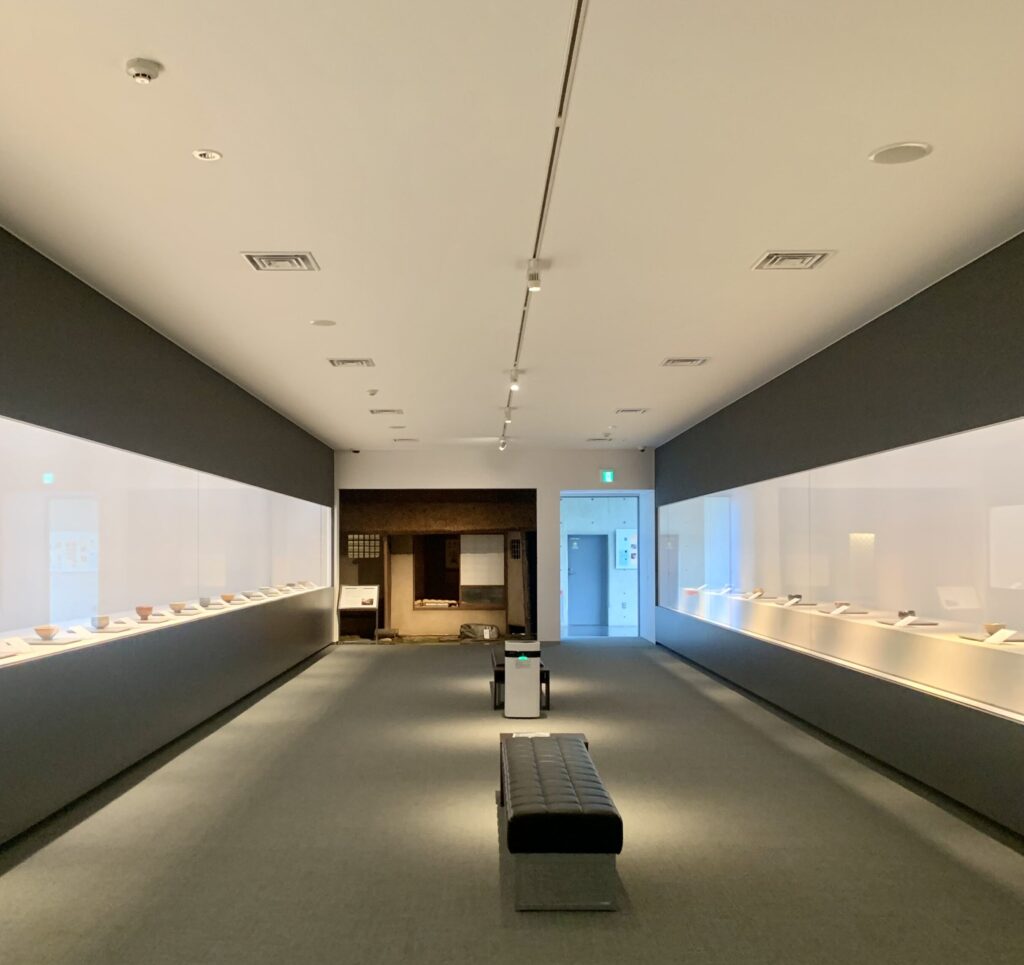
And the actual works were all displayed together in one place at the special exhibition "NIGO® and Han-deishi" at the Ishimizu Museum in Tsu City, Mie Prefecture.
To the Ishimizu Museum, the home base of Han-dei.
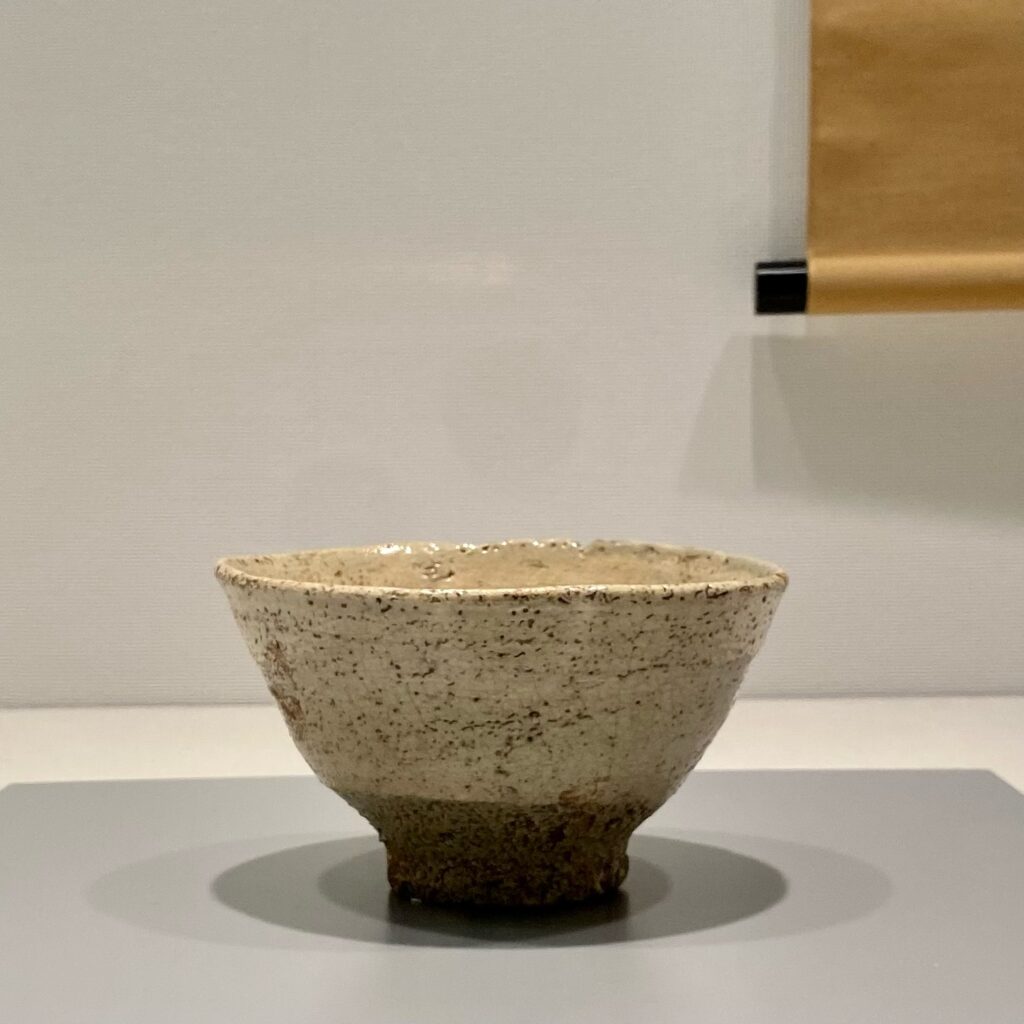
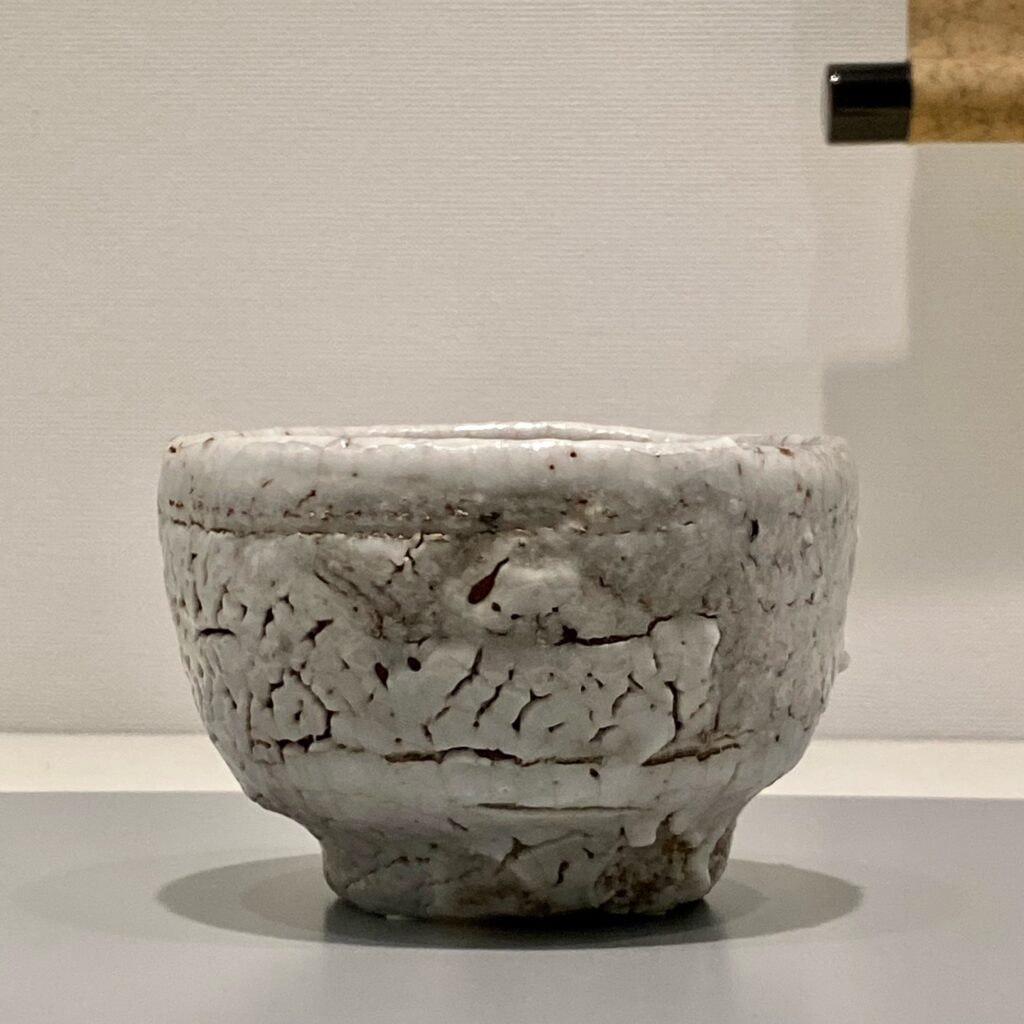
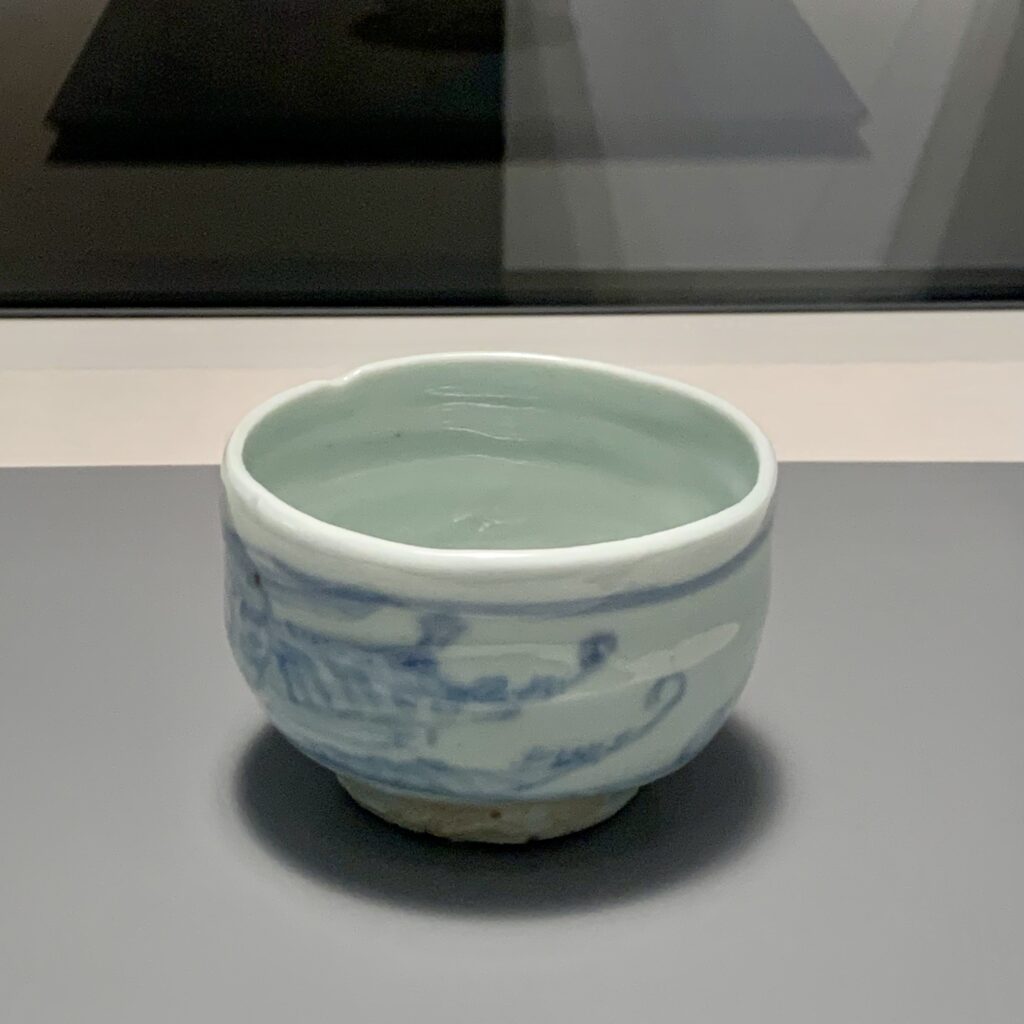
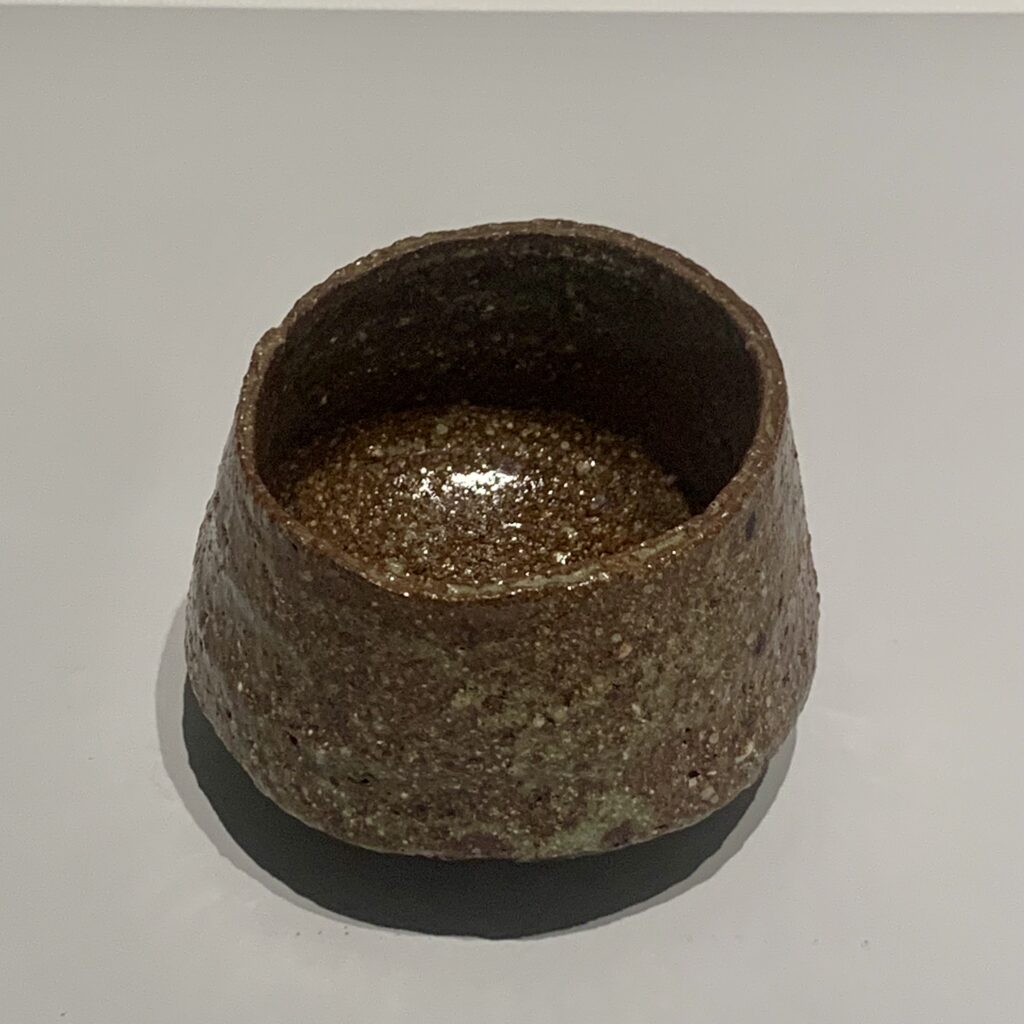
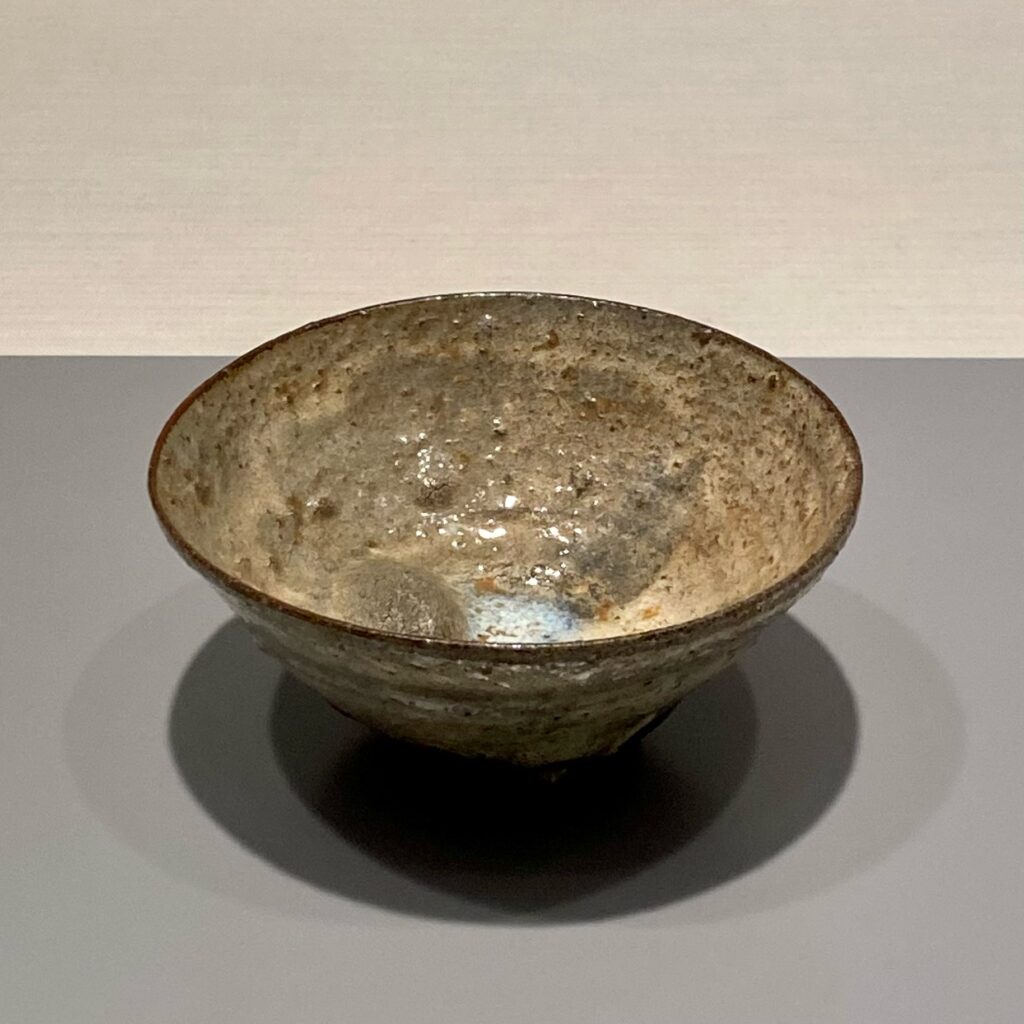
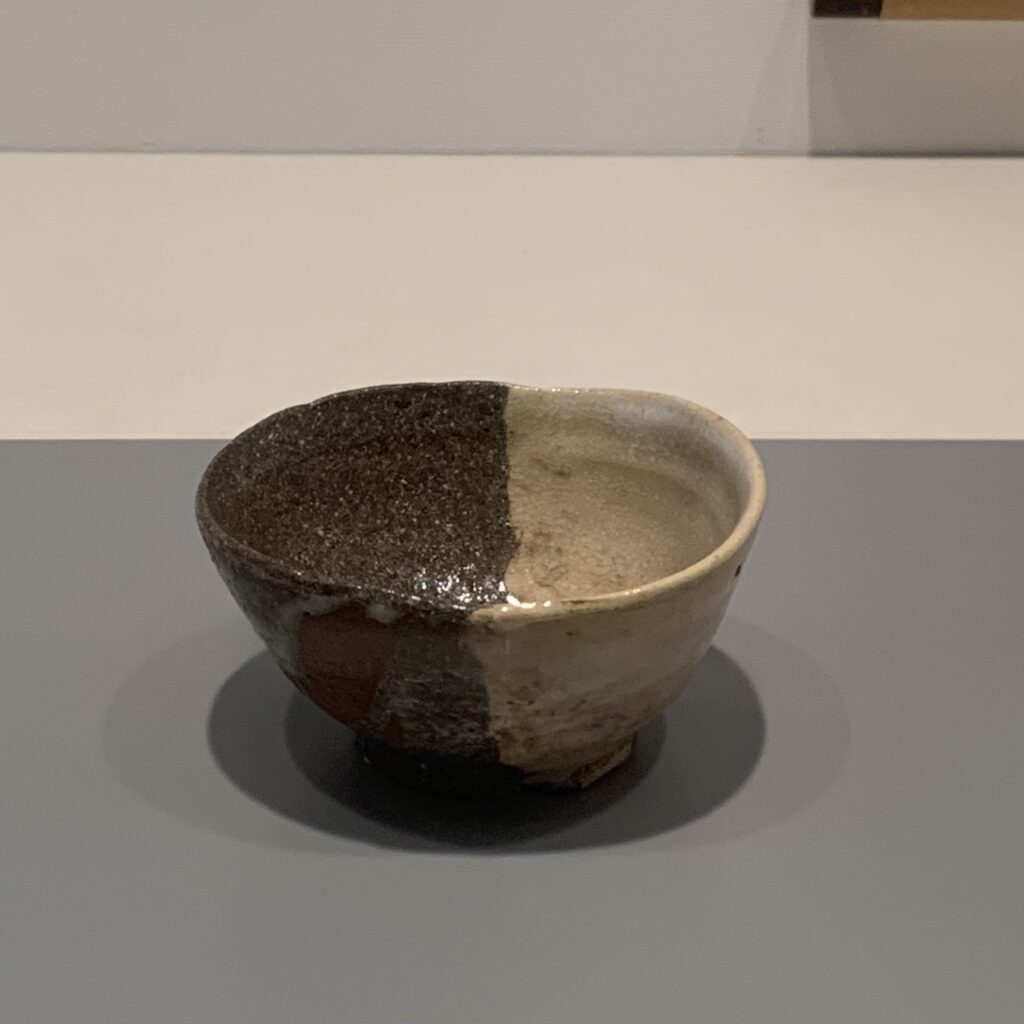
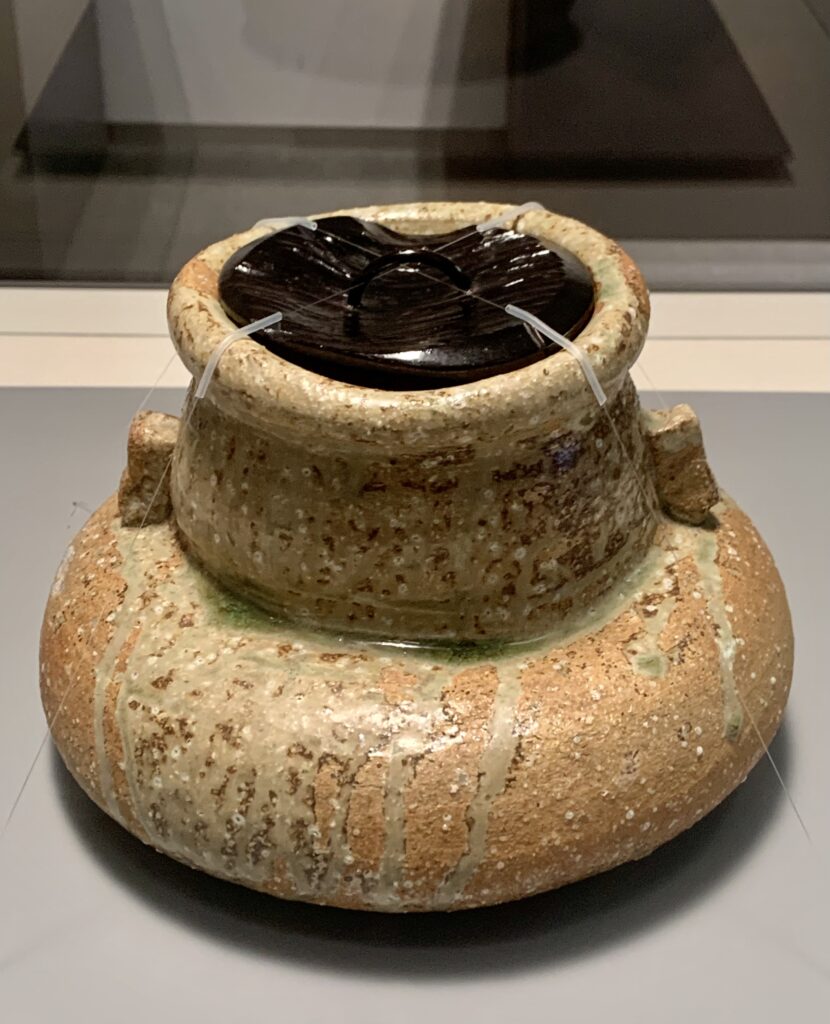
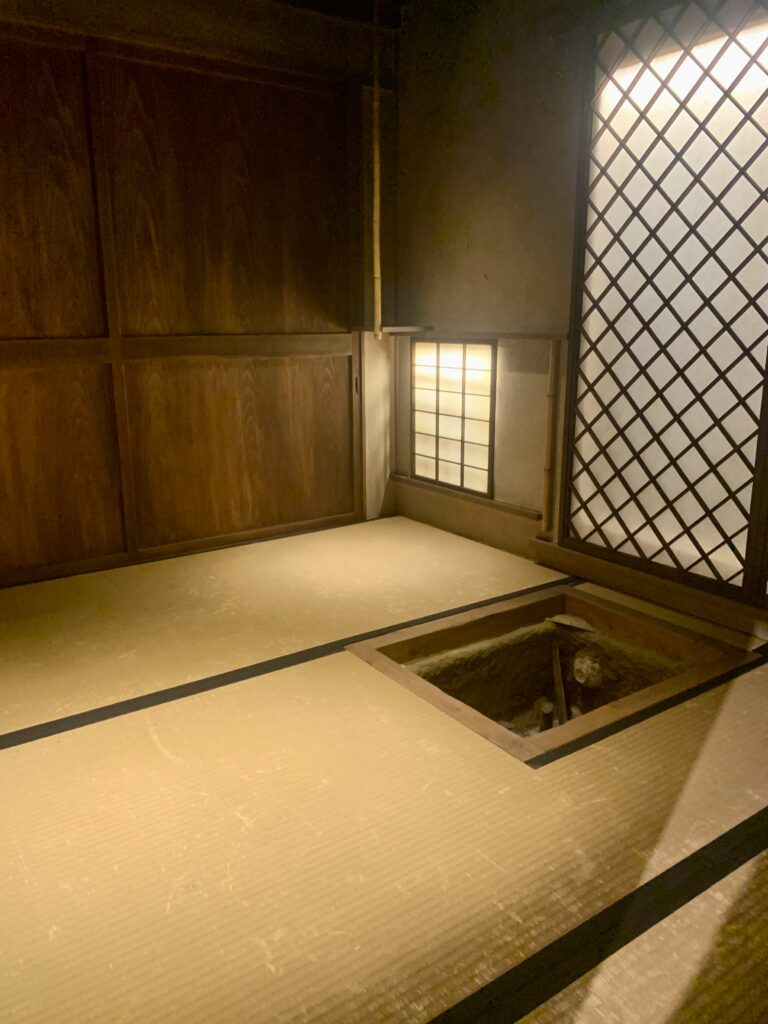
The Ishimizu Museum is a museum that originated from the "Ishimizu Kaikan," which was established in 1930 by ceramic artist Kawakita Handeishi. The current building stands on Mount Chitose, which is associated with Handeishi, and houses tea ceremony utensils passed down through the Kawakita family, Japanese paintings, Western paintings, old books, ukiyo-e prints, historical documents, and works by Handeishi himself.
Kawakita Handeiko was born in 1878.
He was a businessman who served as president of Hyakugo Bank, among other positions, while also engaging in a wide range of creative activities including pottery, calligraphy, haiku, and photography.
He wasn't someone who made a living solely from pottery, and his works possess a unique freedom. Tsu City also describes Handeishi as having a "free and generous style that is not bound by convention."
Apparently, the tea bowls by NIGO® that were on display weren't always in this free style. When he first started making pottery, he made tea bowls that were faithful to the basics, with even the base beautifully finished.
However, when you look at Han-deishi's works, even though he is very skilled at using the potter's wheel, there are also bold pieces where the base is carved off in one swift motion.The freedom of someone who knows the form to deviate from it.This can be seen.
NIGO® later said that he was drawn to Han-dei's "free creation, based on a thorough understanding of the forms."
Clothes can be duplicated, but teacups cannot be made into identical ones.
There was something in NIGO®'s talk that particularly struck me.
With clothing, you can create one sample and mass-produce the same item. However, that's not the case with pottery. The clay, glaze, fire, and kiln conditions all play a role. Even if you try to make them the same way, the finished product will differ.
NIGO® himself has said that learning the techniques of pottery doesn't necessarily guarantee a good result, and that the interesting part is that ultimately, you have to leave it to nature.
I think this is a big difference from many fashion designers. Design is usually about controlling "how to complete" the work. However, in pottery, you have to let go of that control midway through. Fire, ash, and other elements intervene in what humans have created.
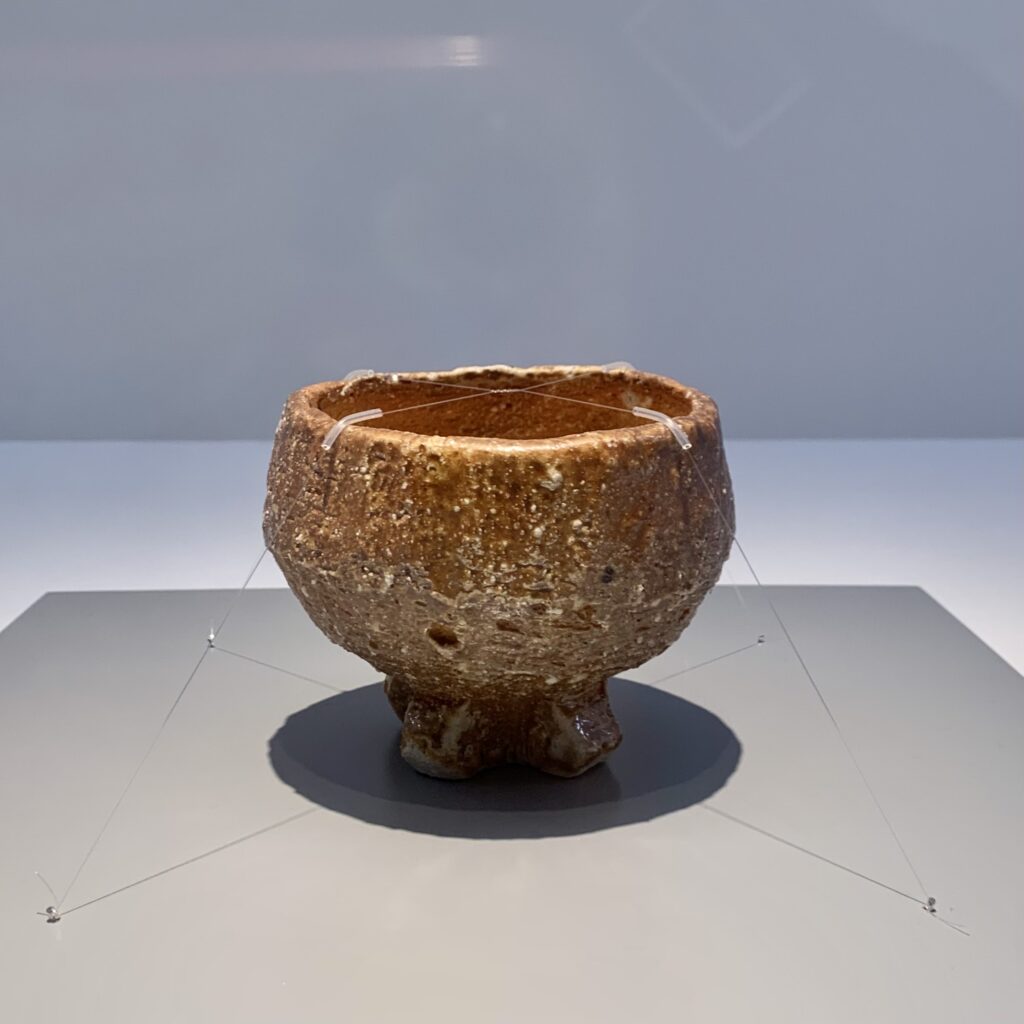
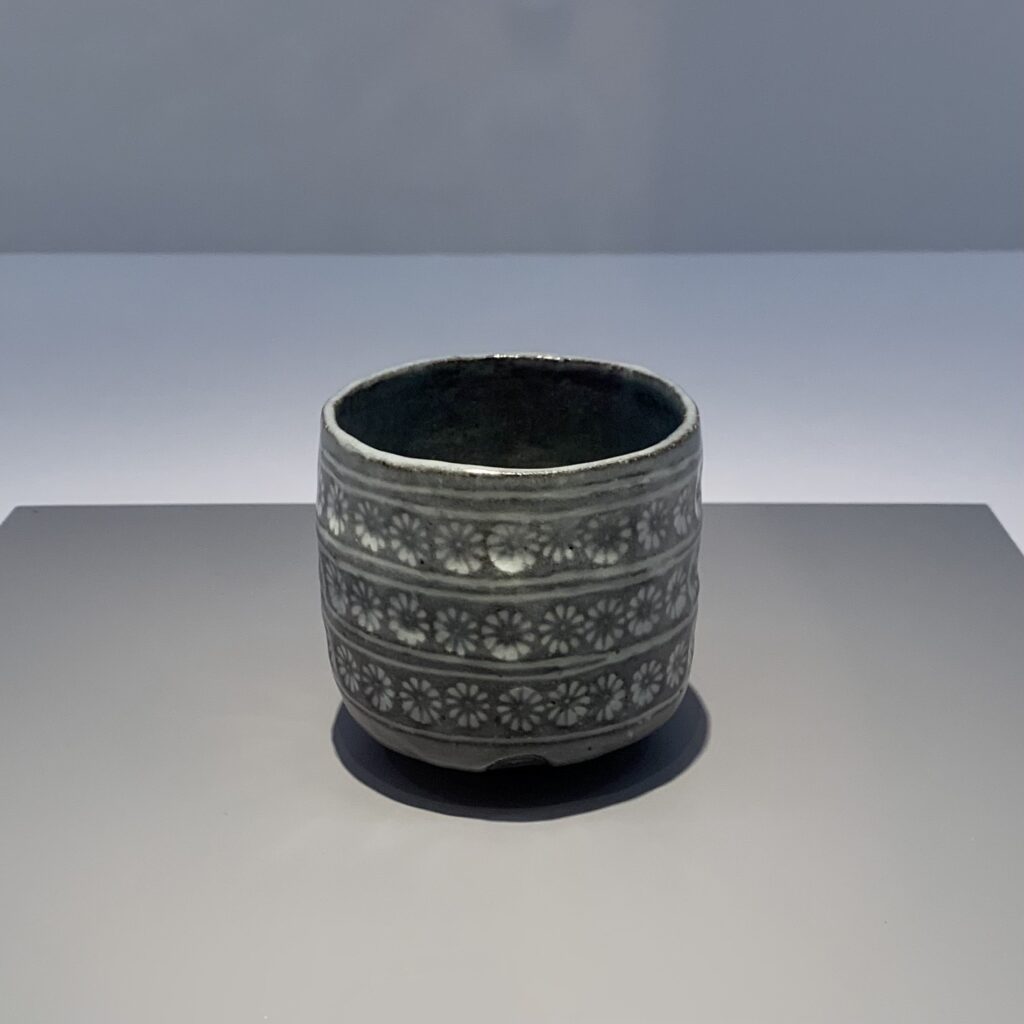
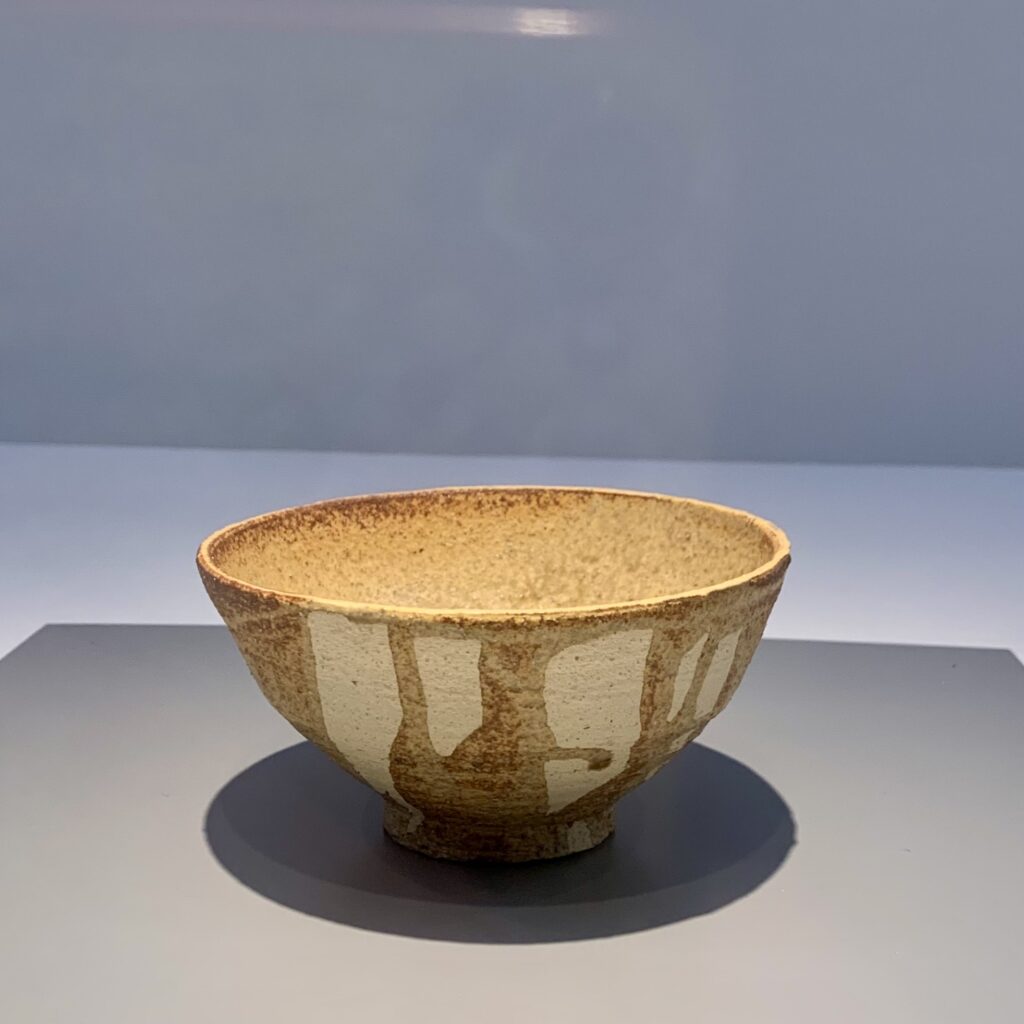
Looking closely at the tea bowls on display, you can see that each one has a different expression due to the flow of the glaze, the roughness of the clay, the distortions, the cracks, and the color changes caused by firing.
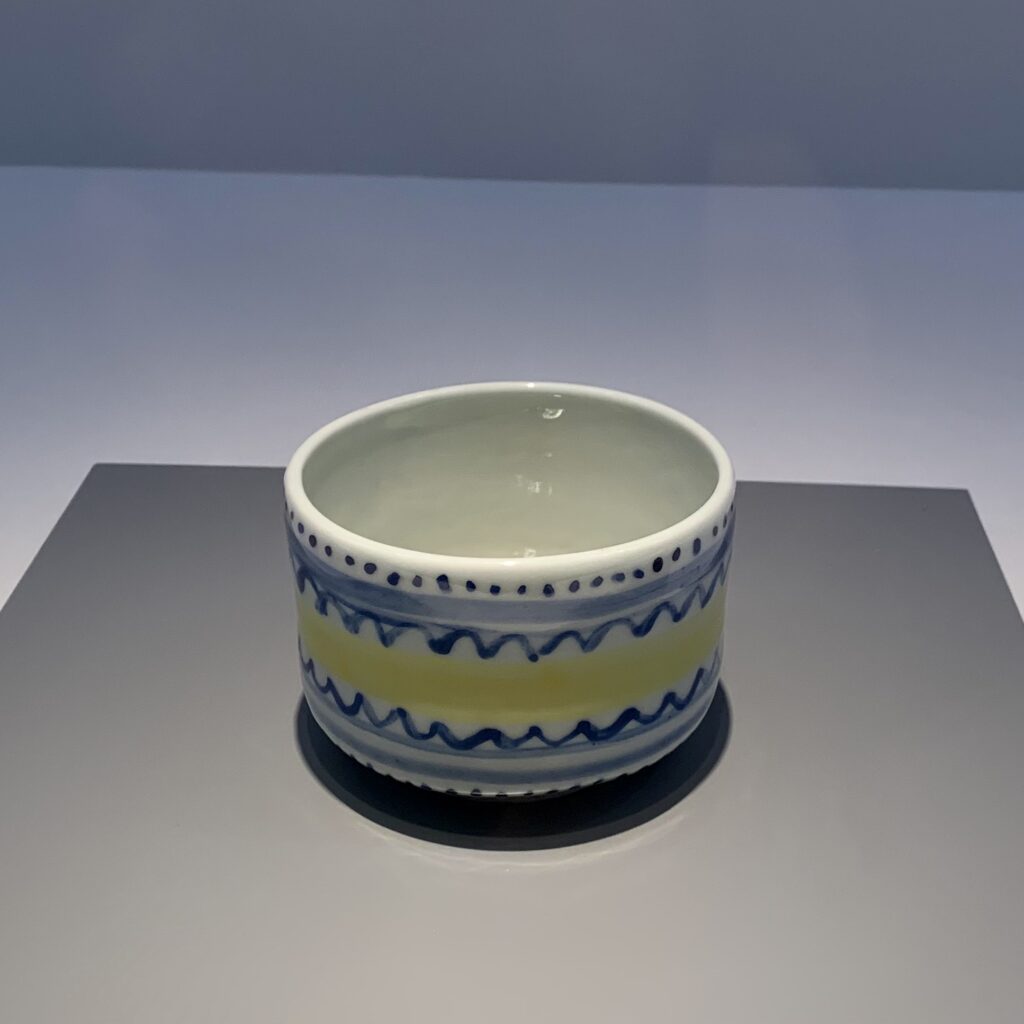
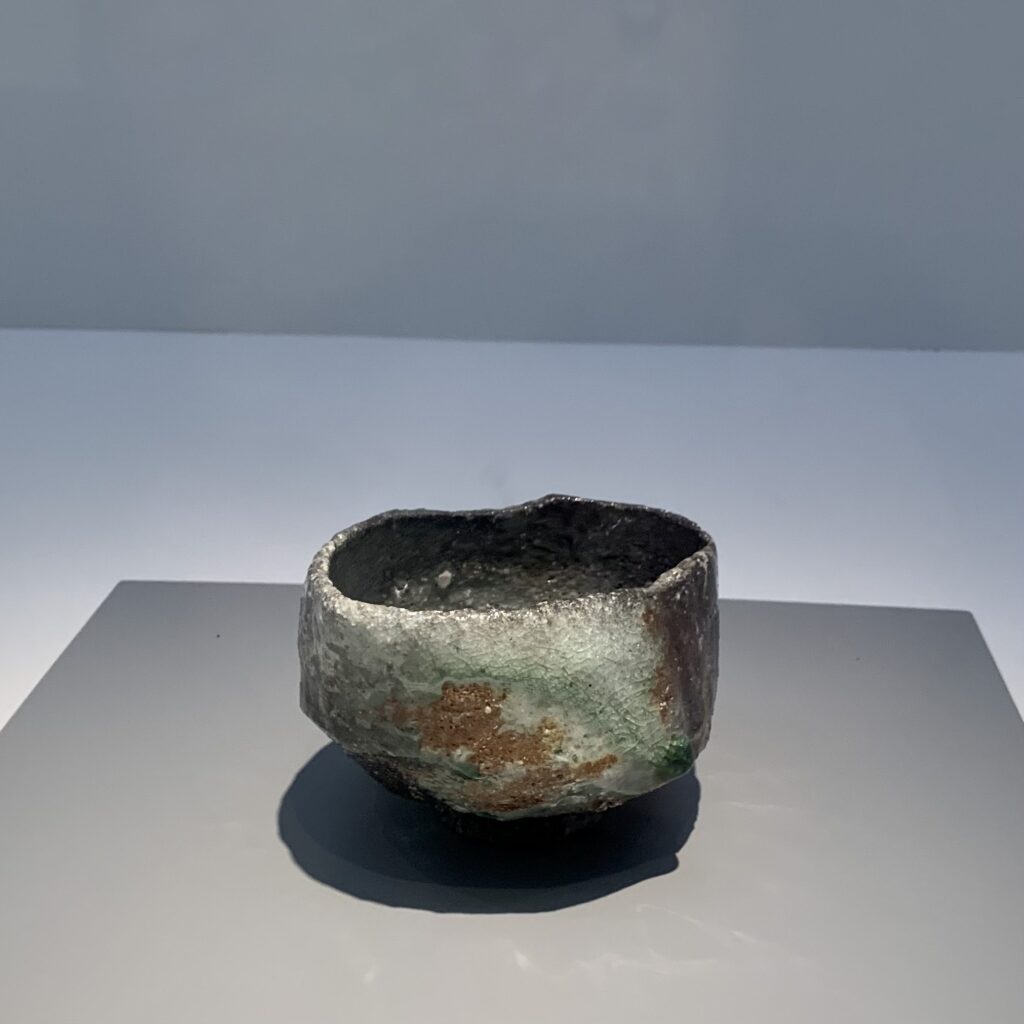
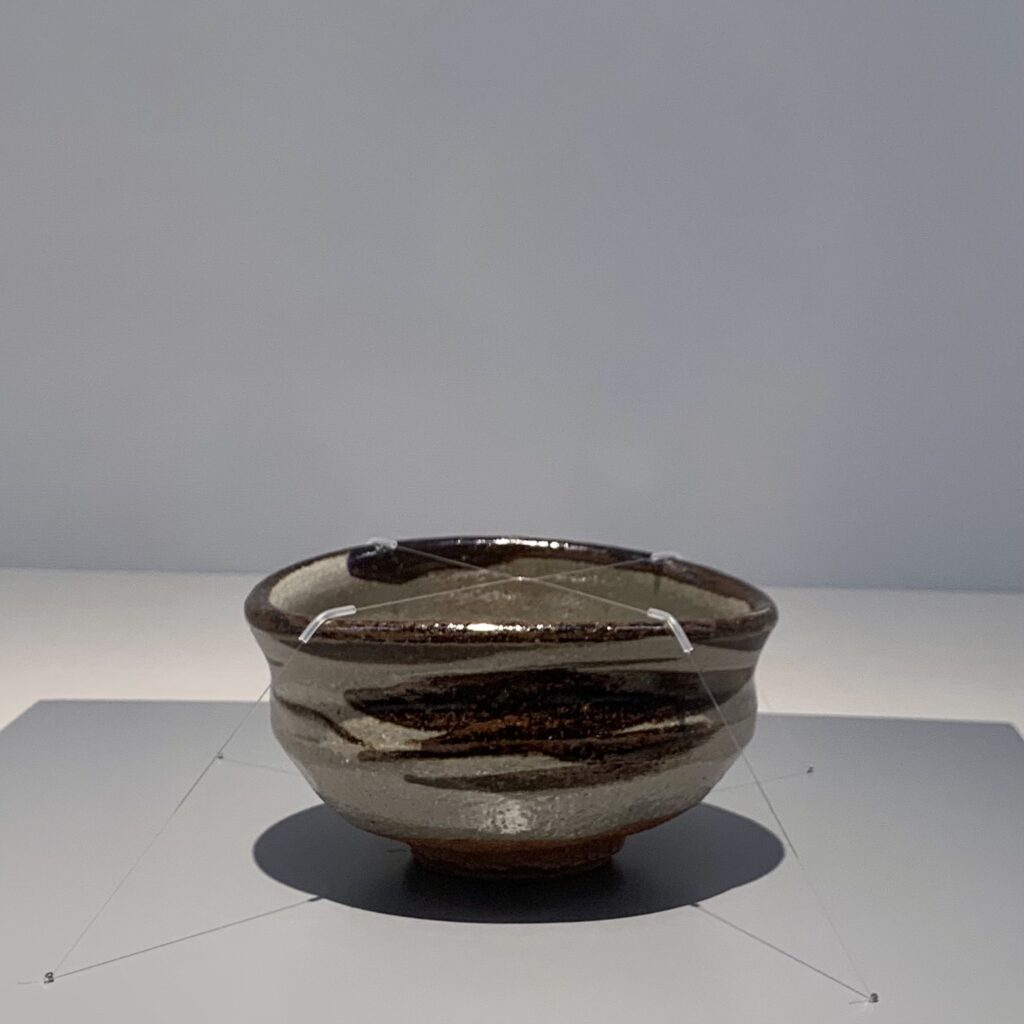
Are "collectors" and "creators" really two different people?
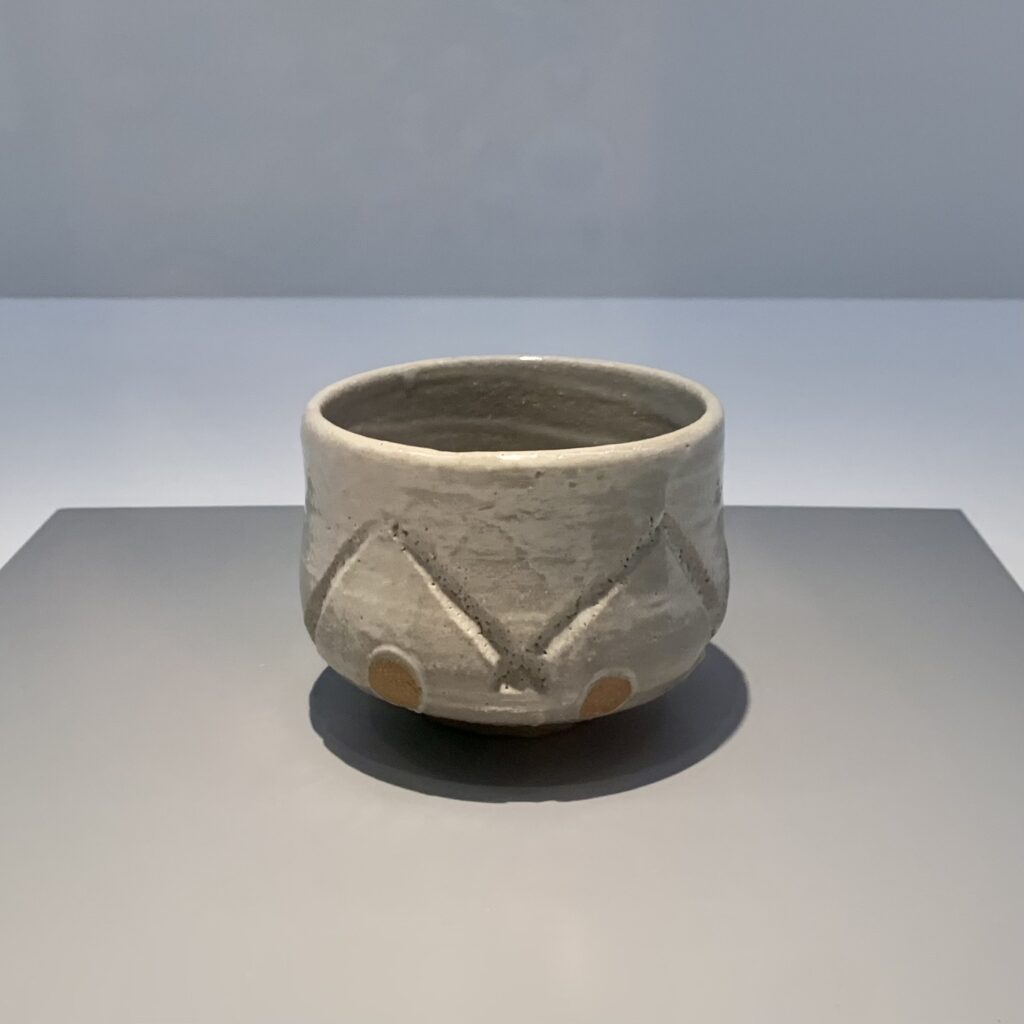
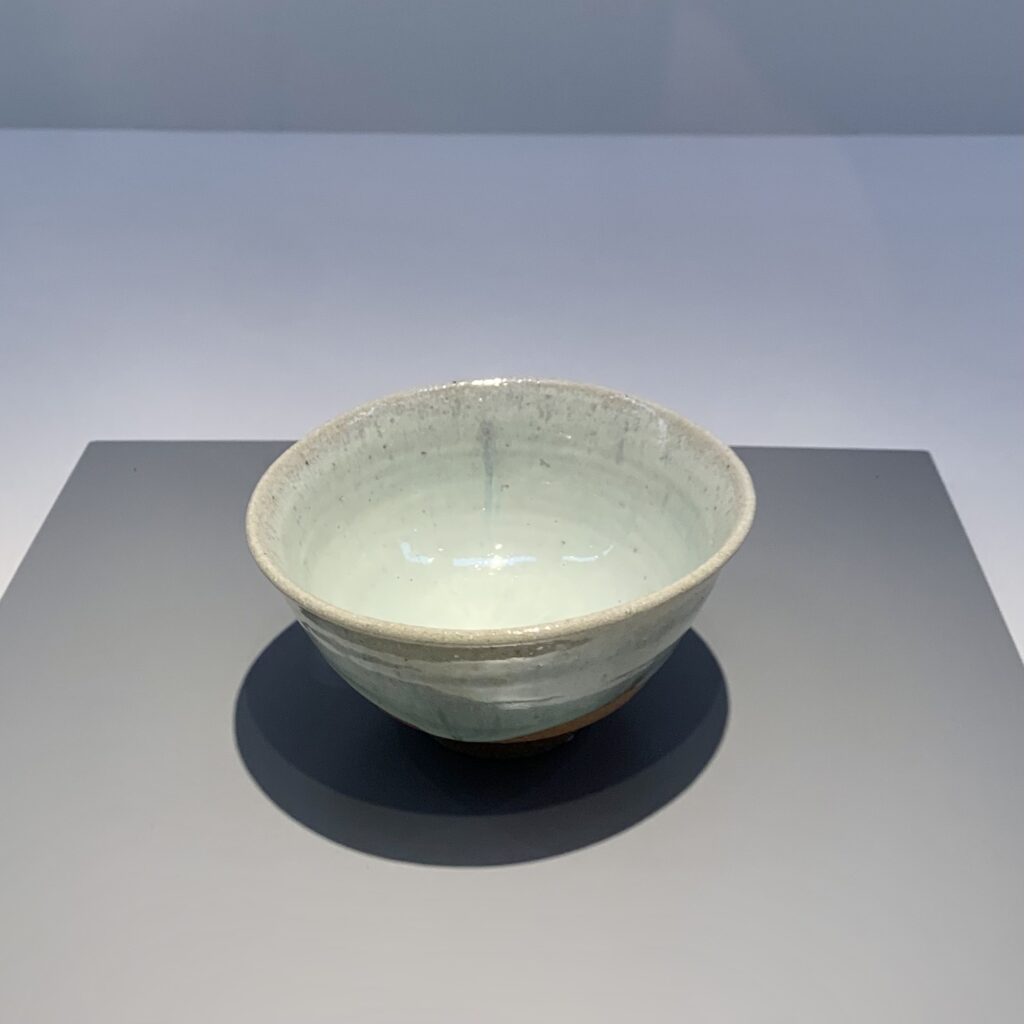
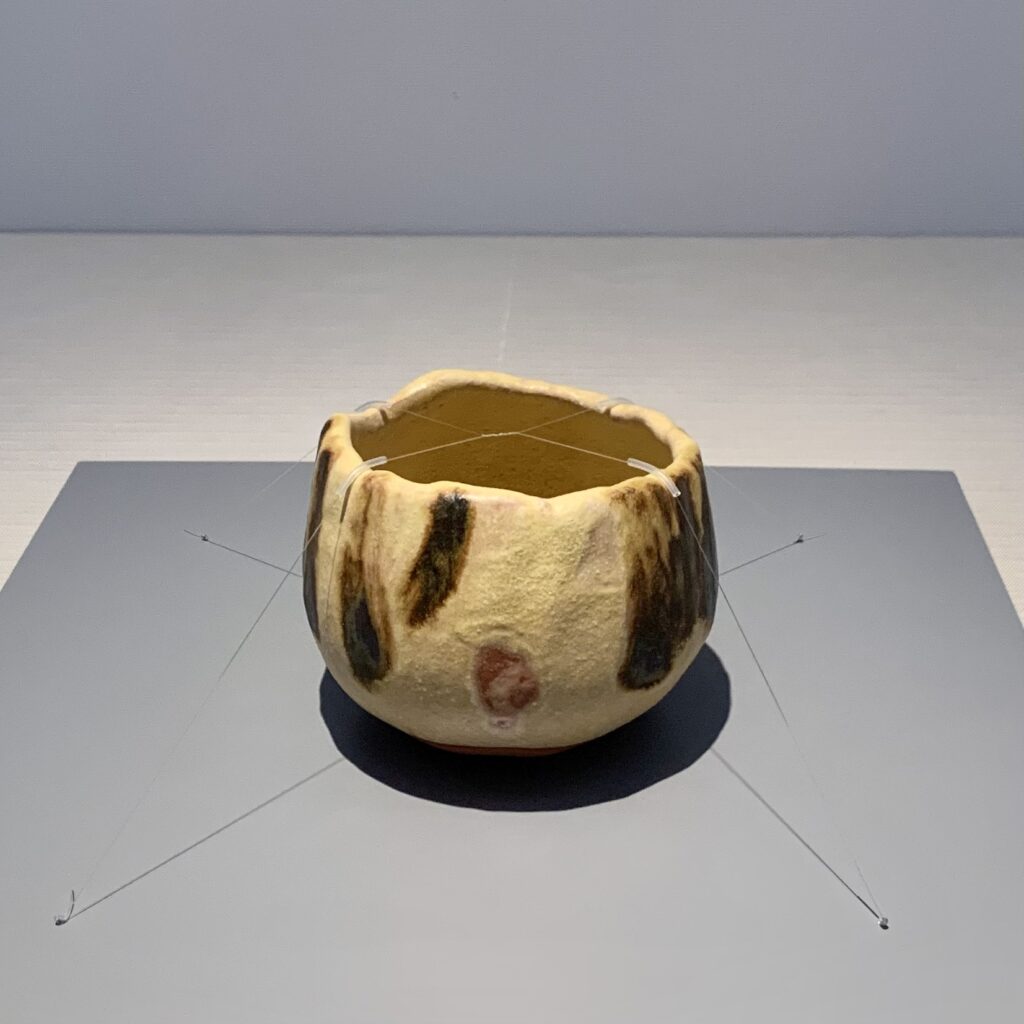
What interested me most this time was that NIGO® not only admires Han-deishi as an "favorite artist," but also continues to collect his works.
Considering NIGO®'s creative process, the idea of creating something oneself while looking at collected pieces is not limited to ceramics.
Vintage clothing, toys, furniture, music, art.
I gather various cultures and not only preserve them as they are, but I also transform them into different forms within my own designs.
Recent interviews have also pointed out that NIGO®'s creative process is deeply intertwined with the act of "collecting."
Therefore, while viewing this exhibition, I came to think that collecting might not just be about owning things, but also about accumulating "criteria for viewing" within oneself.
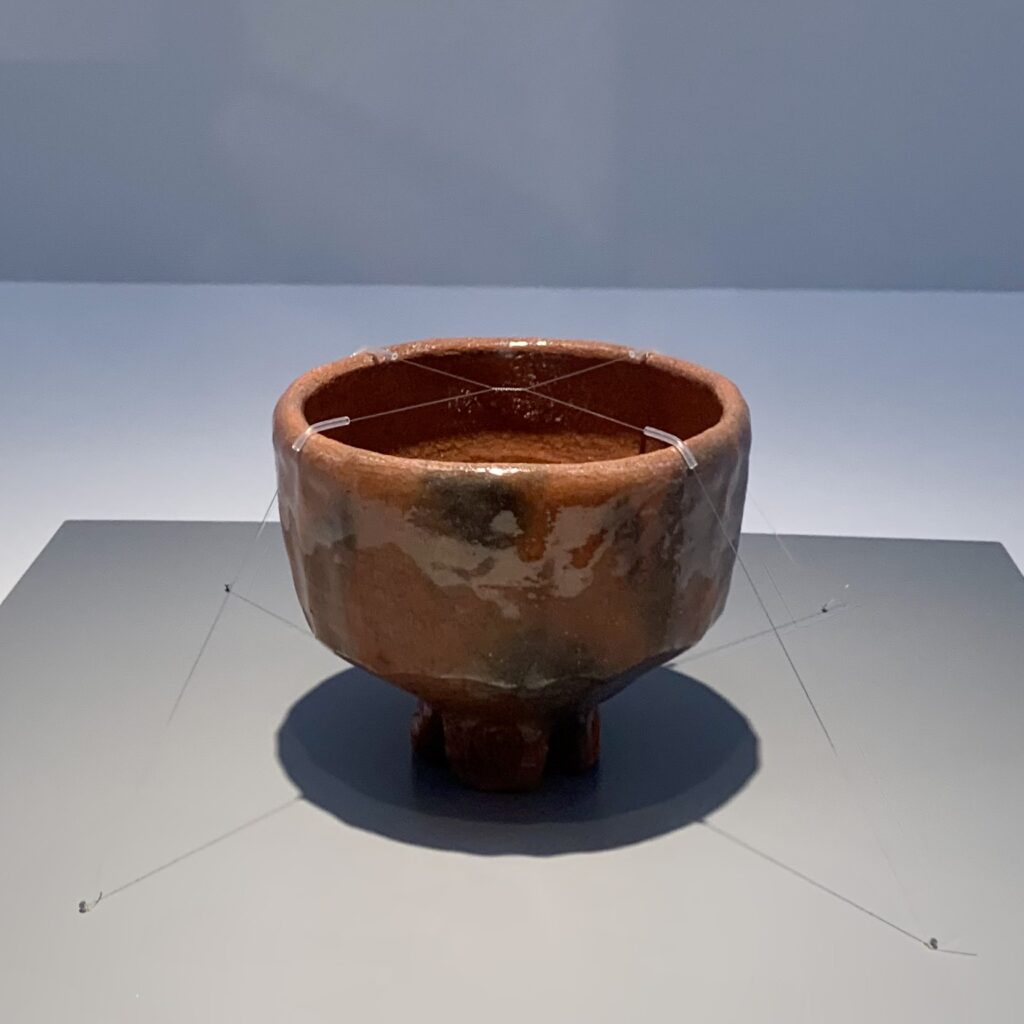
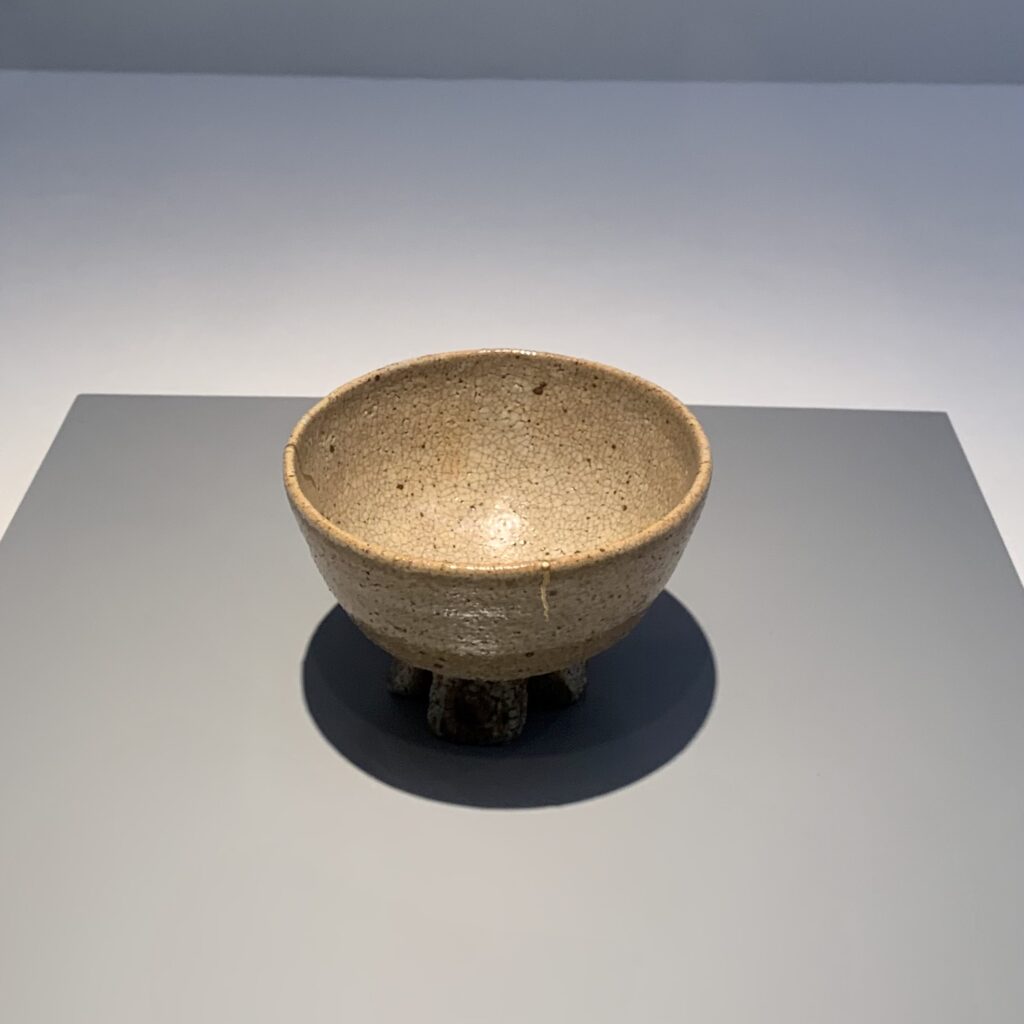
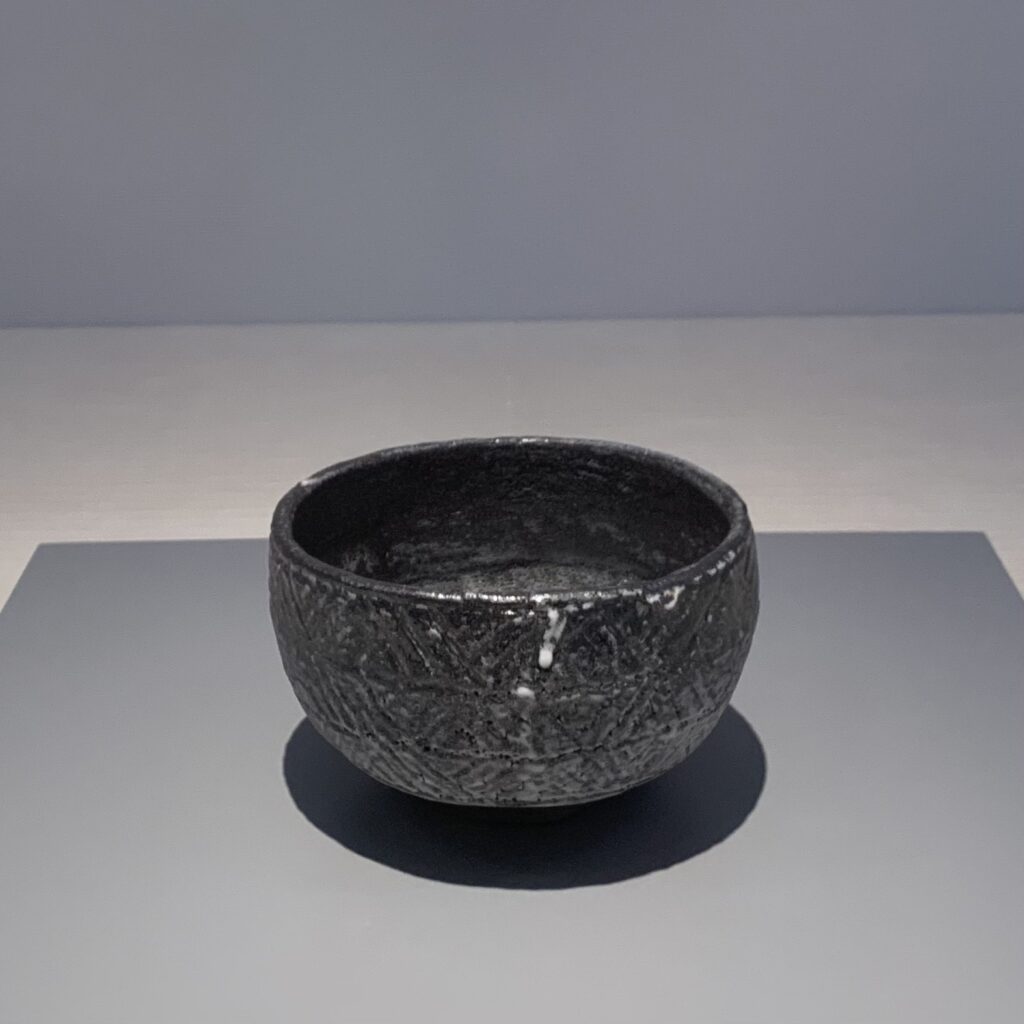
Han-dei and Ura-Harajuku
Han-deiko and NIGO® also share some surprising similarities.
Han-deishi formed the "Karahine-kai" group with other ceramic artists such as Toyozo Arakawa, Toyo Kaneshige, and Kyuwa Miwa. This was a group where creators who would later become leading figures in modern and contemporary ceramics interacted with each other in close proximity.
NIGO® said that when he saw this relationship, he felt it had a certain "Ura-Harajuku" vibe to it.
This phrase resonates deeply with me, having frequented Ura-Harajuku. In Harajuku from the late 1990s to the early 2000s, clothing wasn't the only thing that existed in Harajuku.
Fashion, hip hop, sneakers, graphics, magazines, toys, shops.
Each element blended together in very close proximity, forming a single culture. I still have some items from that era in my possession today.
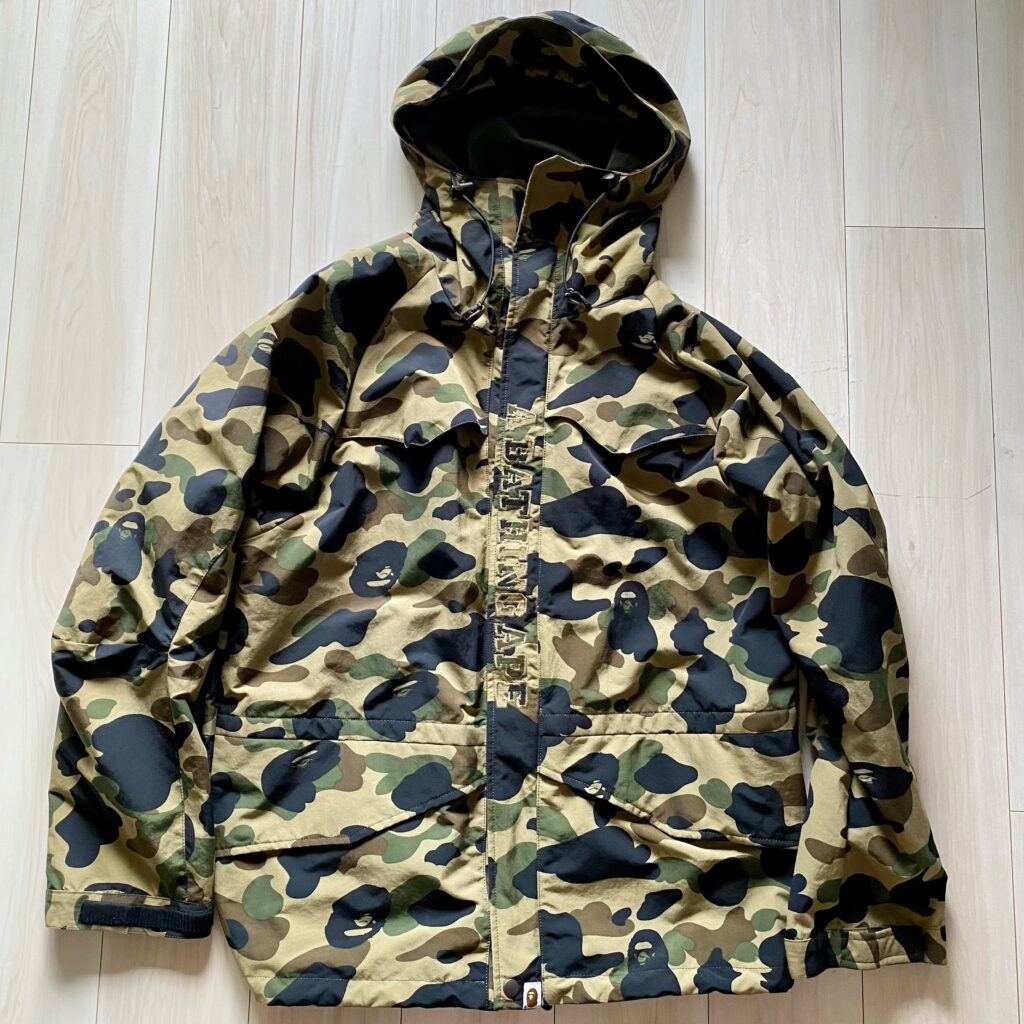
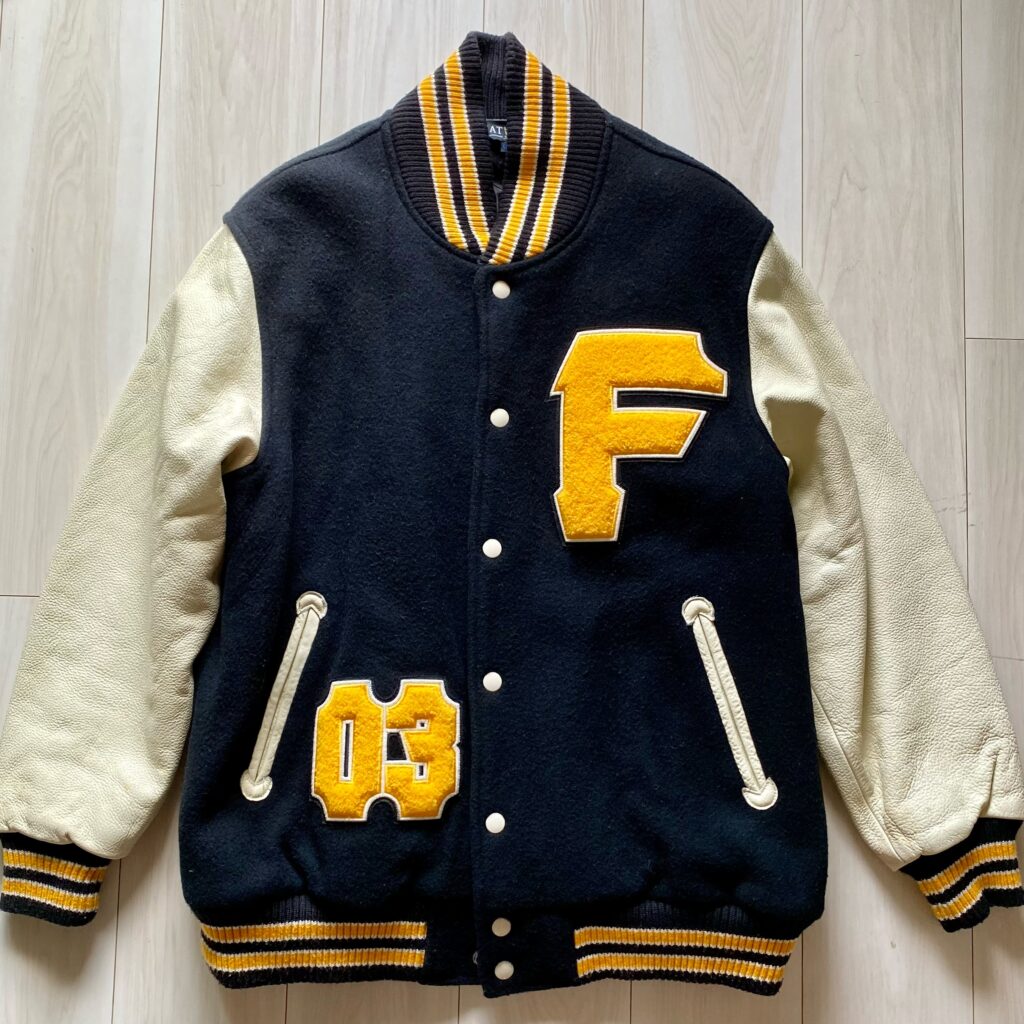
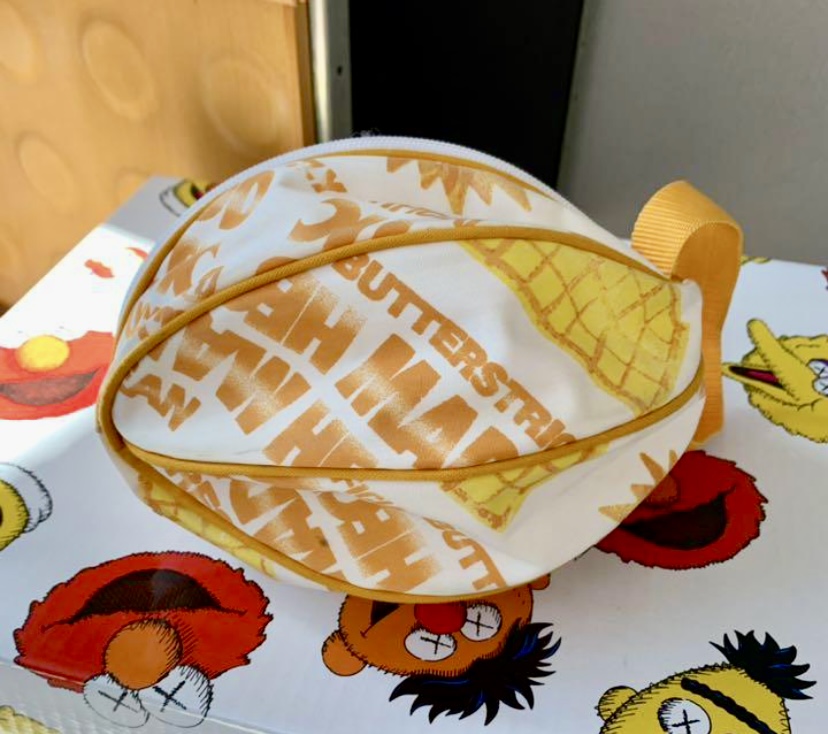
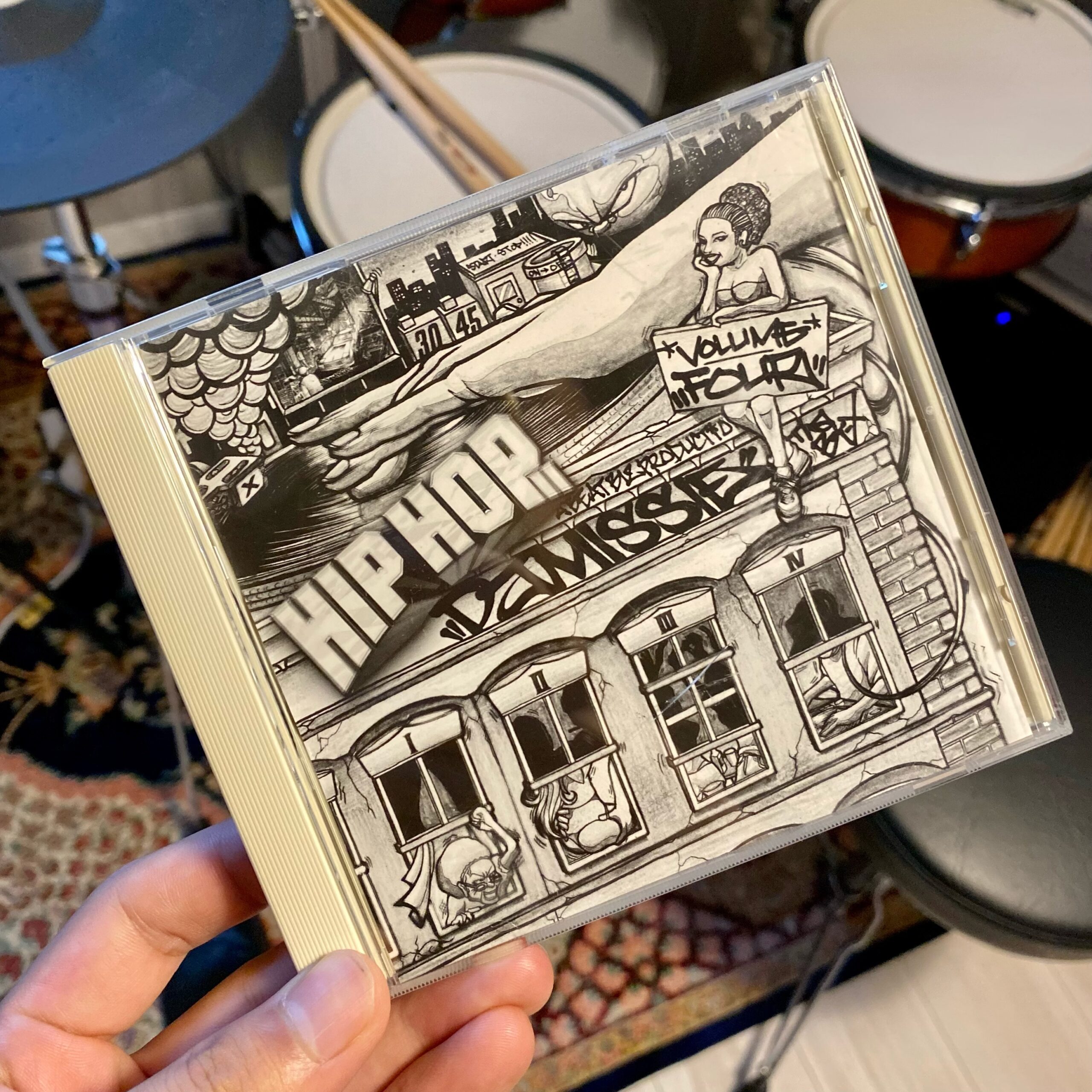
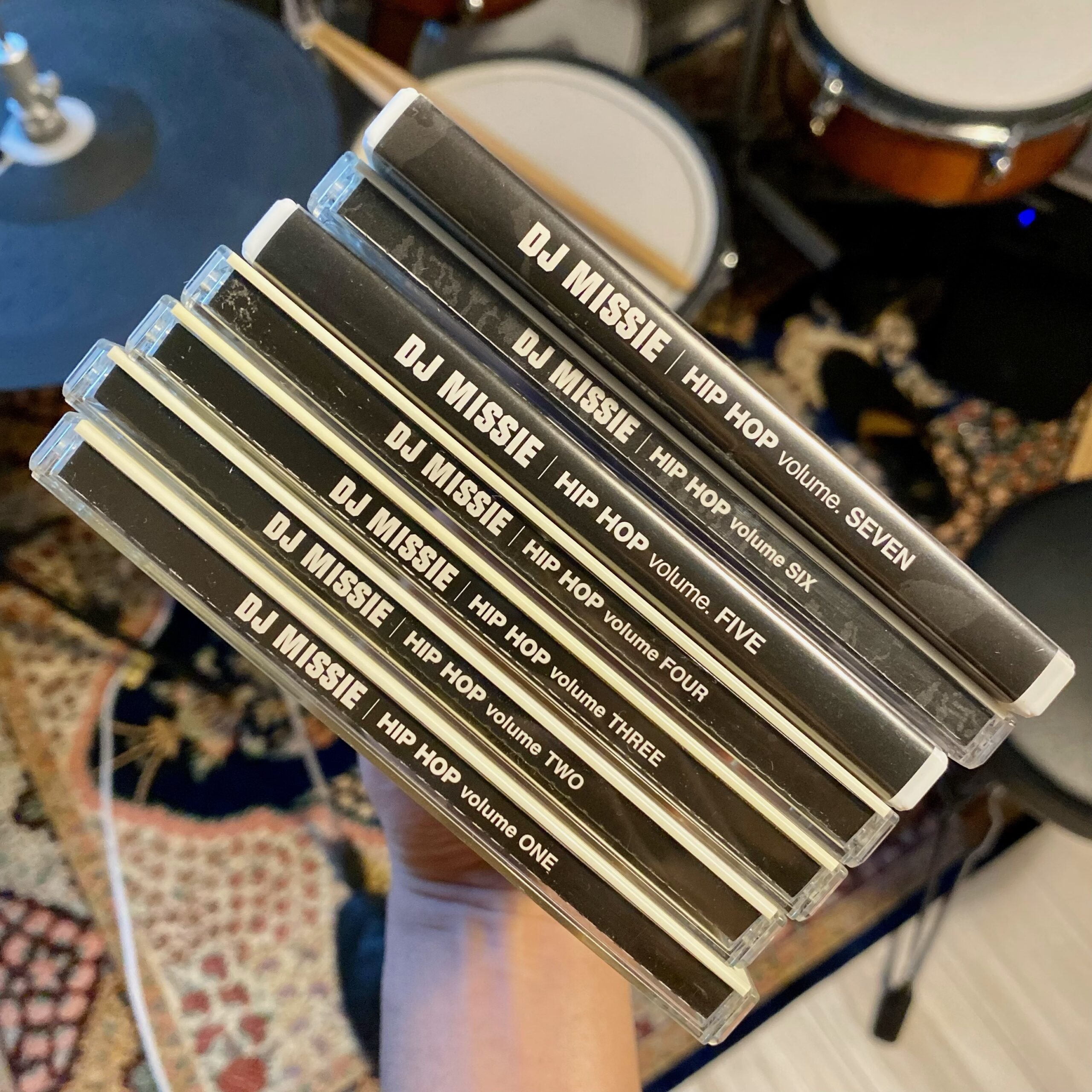
A camouflage jacket from A BATHING APE®, a varsity jacket from FAT, and the 'HIP HOP' series by DJ MISSIE, which I bought at realmad HECTIC.
Looking back now, what's interesting is,I discovered music at the same time I went shopping for clothes.is.
At the time, I wasn't consciously thinking of it as "crossing cultures." I was simply looking at clothes I thought were cool, listening to music, reading magazines, and visiting stores.
However, looking at them side by side more than 20 years later, it becomes clear that Ura-Harajuku was not merely a place for fashion trends, but a place that created new value by editing together different cultures.
The "Karahine-kai" was a group of ceramic artists who gathered around Han-deishi and inspired each other.
Then, about half a century later, Ura-Harajuku was born in a small area of Harajuku, where young designers, musicians, shops, and graphic designers gathered.
They belong to different eras and genres. Nevertheless, I think I can somewhat understand why NIGO® drew parallels between the two, given that new cultures are born when people and things interact at close range.
To Ise Grand Shrine
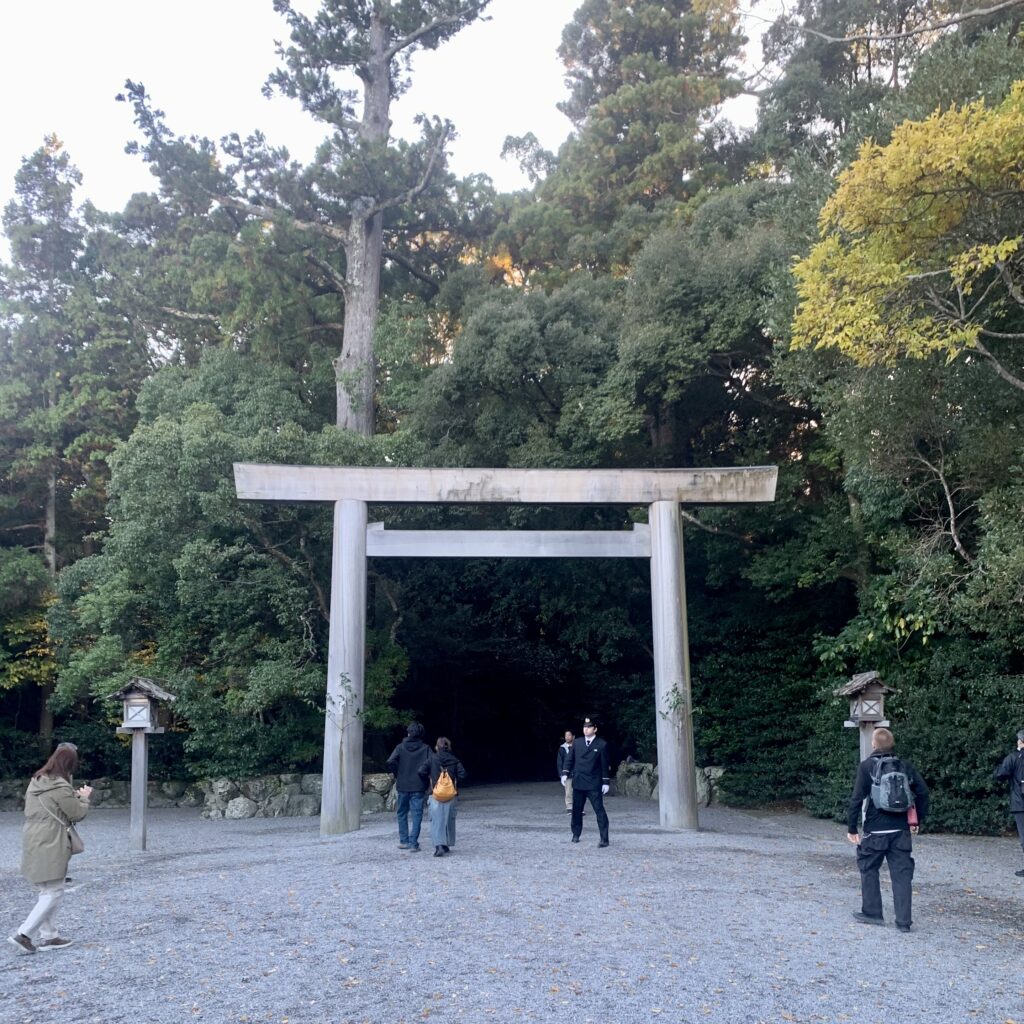
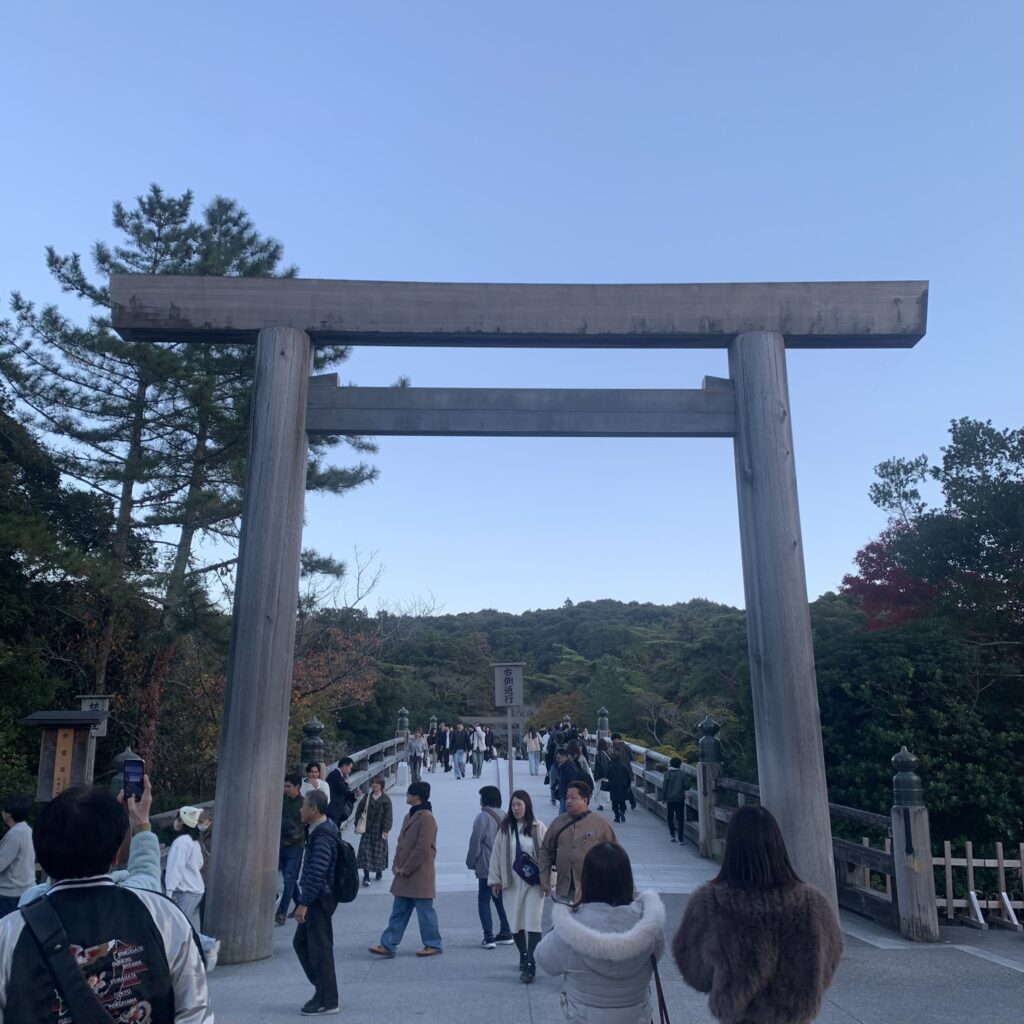
After leaving the Ishimizu Museum, since I had come all the way to Mie Prefecture, I also stopped by Ise Grand Shrine.
At Ise Grand Shrine, the Shikinen Sengu (periodic rebuilding of the shrine buildings and sacred treasures) takes place every 20 years, ensuring that the rituals are passed down while the shrine buildings and sacred treasures are renewed. Rather than simply preserving the old structures as they are, the process of rebuilding ensures that the techniques and ideas are passed on to the next generation.
I felt a connection with NIGO®, who, instead of simply imitating Han-dei's tea bowls, collects, observes, learns from, and creates his own tea bowls.
This trip, which began when I received a copy of the book "Nagomi" from my tea ceremony teacher, evolved from a journey to admire tea bowls into a journey to reflect on the meaning of inheriting things.
comment