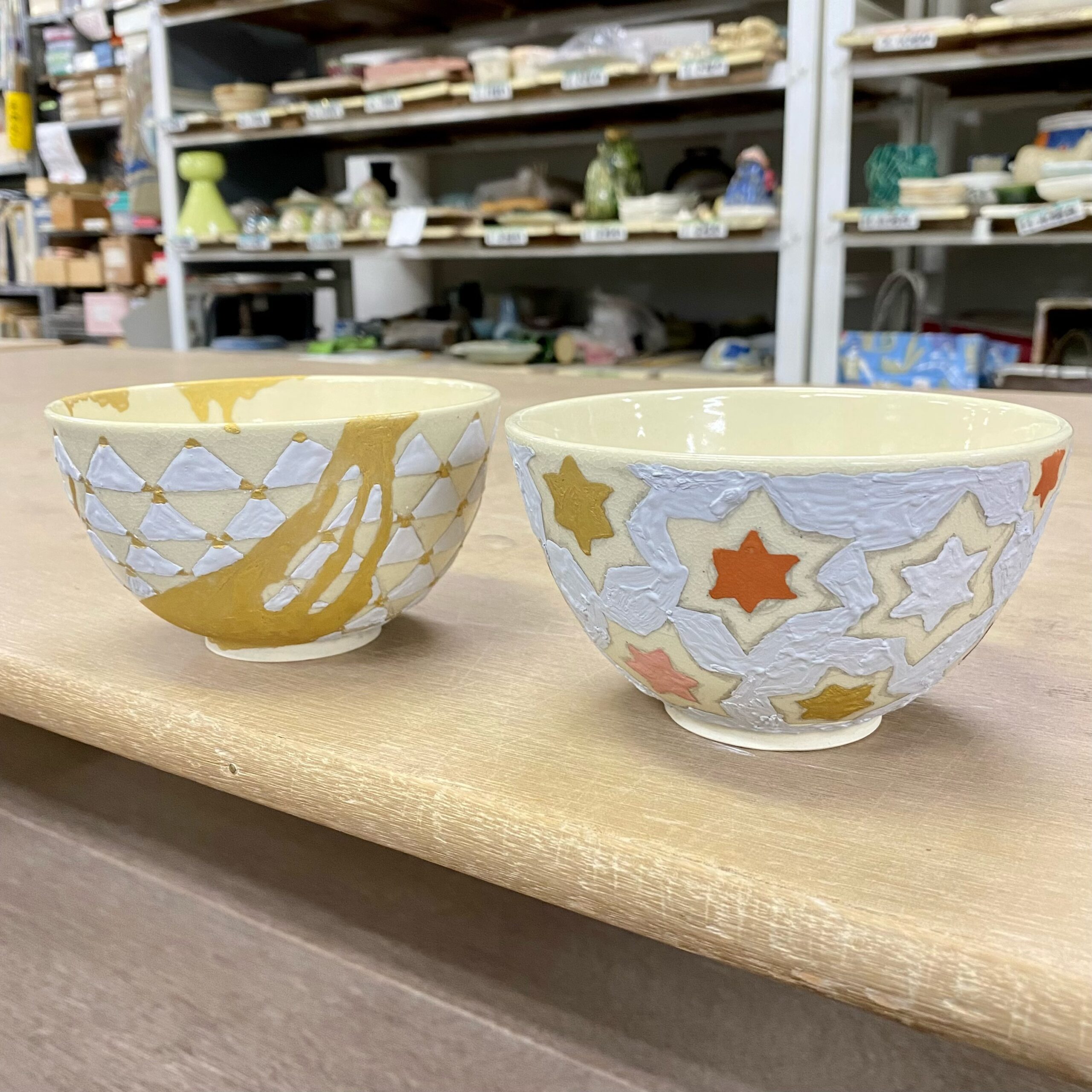
- I saw masterpieces in Kanazawa and at the Nezu Museum, and then I translated their "form, color, pattern, and negative space" into my own two bowls.
- Kanazawa: A city of tea ceremony and crafts
- Who was Nonomura Jinsei?
- National Treasure "Polychrome Pheasant Incense Burner" - If you only look at the colors, you can't see half of it.
- Why is Ninsei's national treasure located in Kanazawa?
- Kanazawa's culture continues even outside the museum.
- Another Ninsei – "Rust-glazed Tea Bowl with Narcissus Design"
- From Ninsei to Kenzan: How did the "painting" style of Kyoto ware change?
- From viewer to creator
I saw masterpieces in Kanazawa and at the Nezu Museum, and then I translated their "form, color, pattern, and negative space" into my own two bowls.
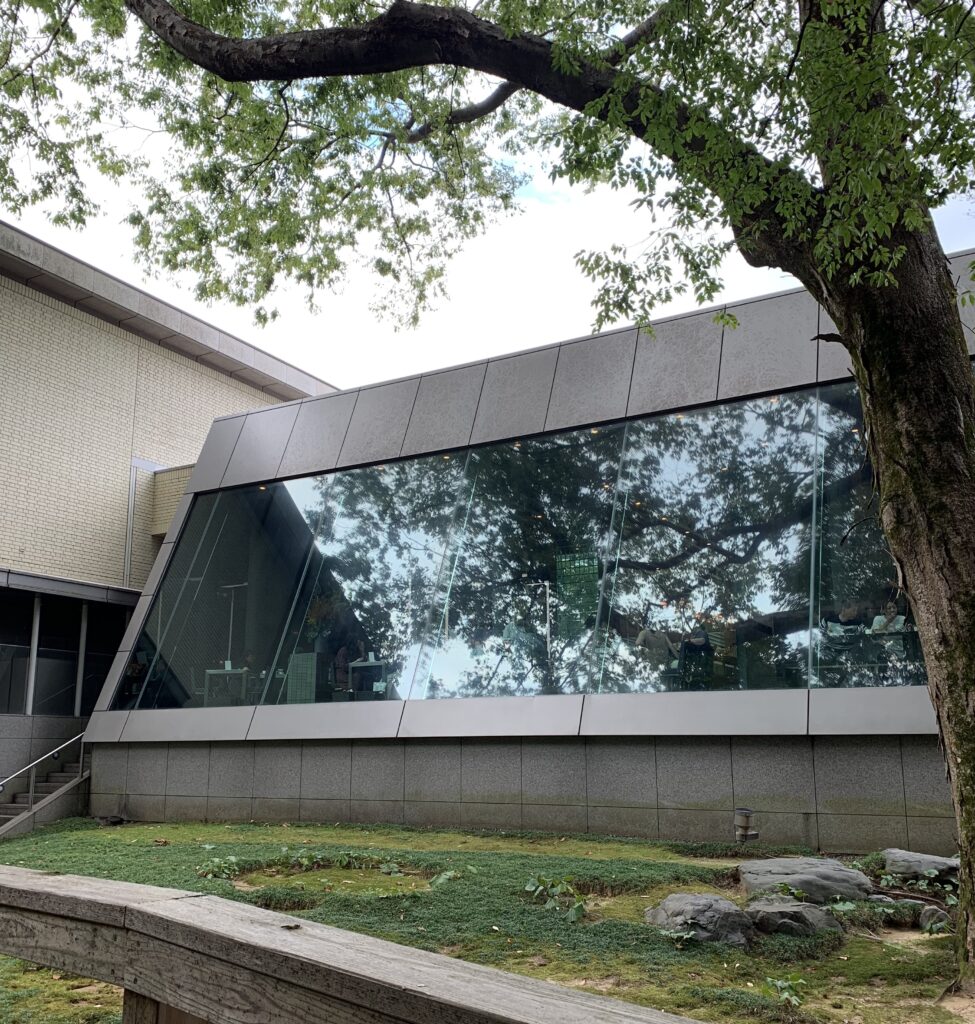
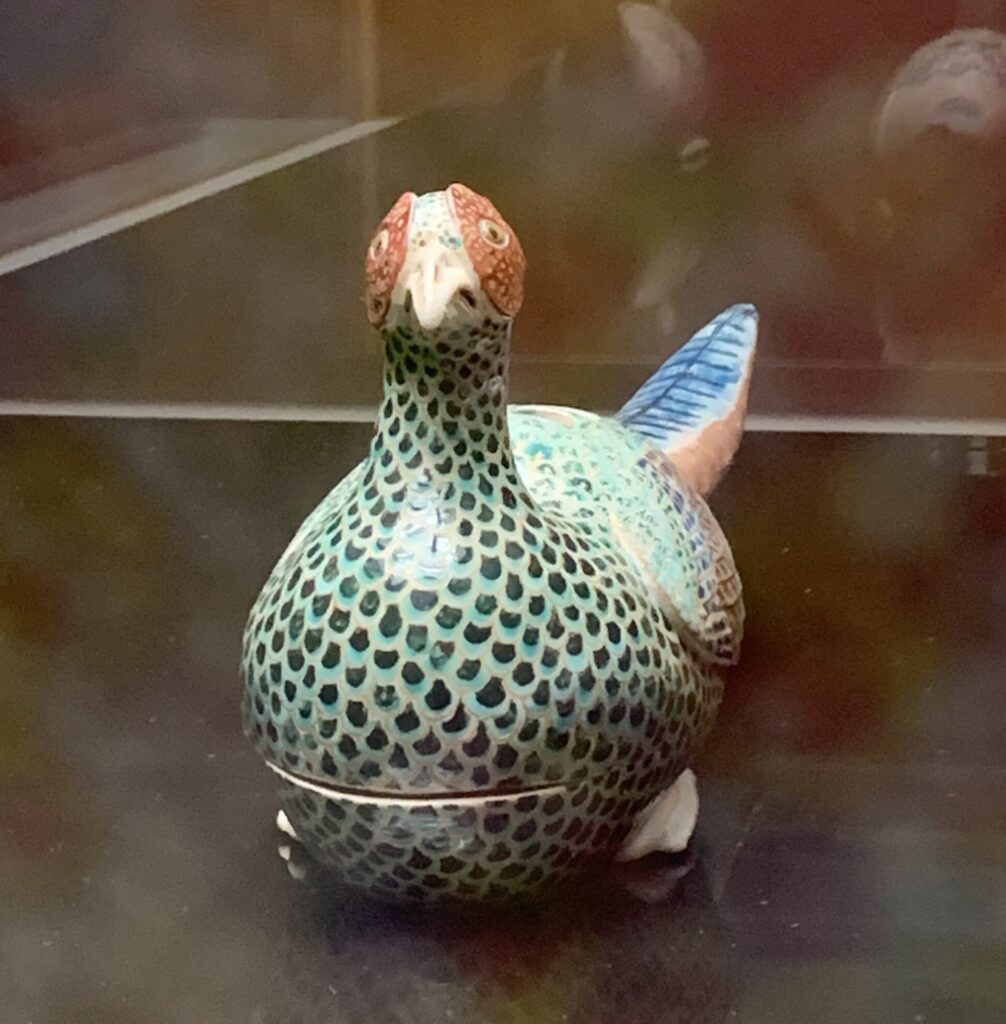
When I visited Kanazawa some time ago, I saw Nonomura Ninsei's national treasure, "Polychrome Pheasant Incense Burner," at the Ishikawa Prefectural Museum of Art. It has left a strong impression on me ever since.
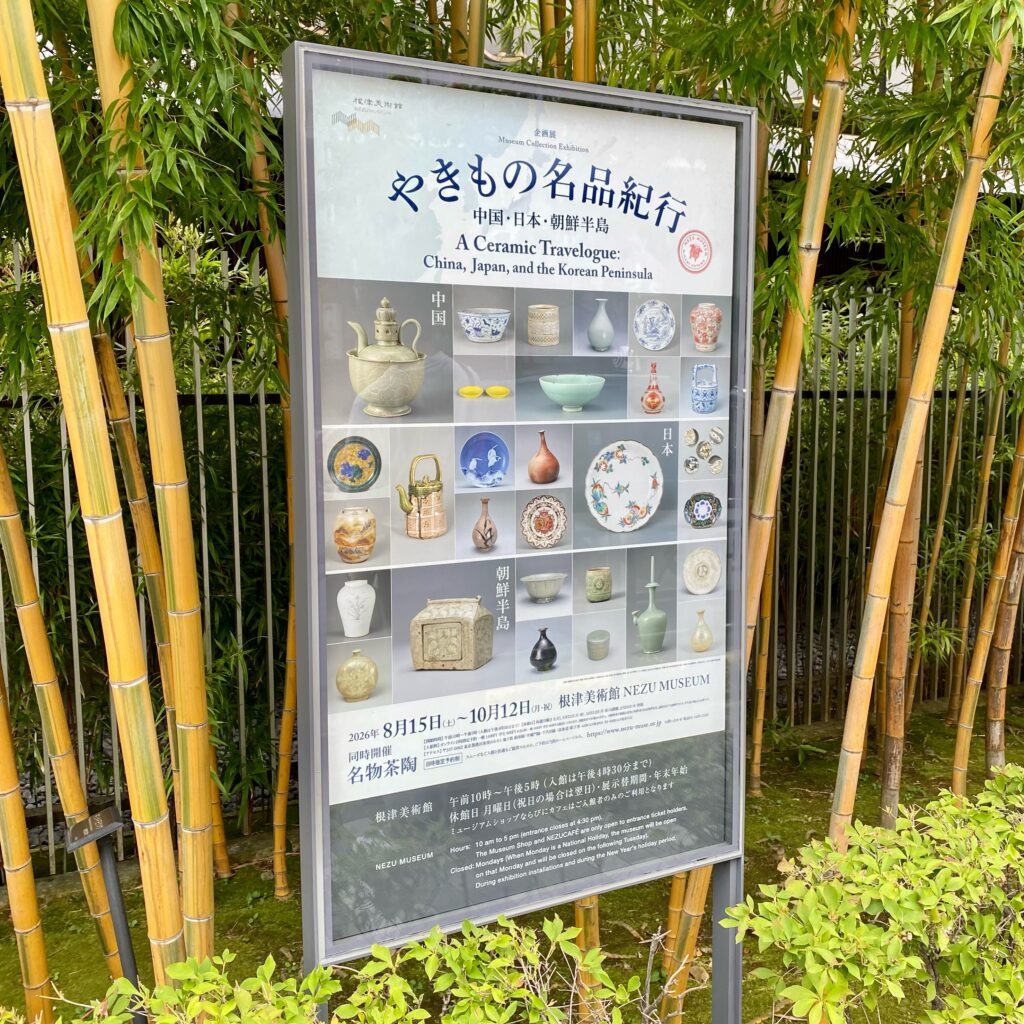
Later, while researching Ninsei through books, I was fortunate enough to have the opportunity to see works by Ninsei and Ogata Kenzan in person at the Nezu Museum in Tokyo.
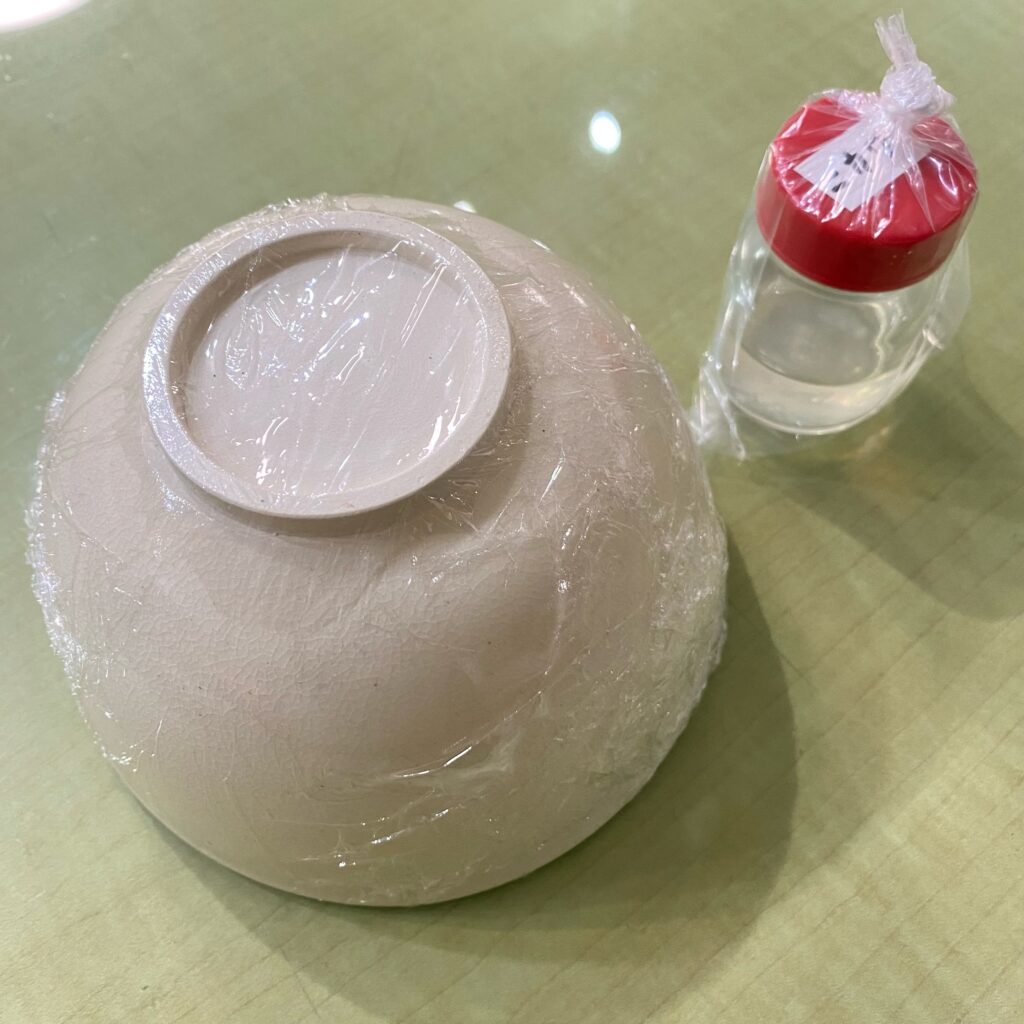
And now, in my hands, I have the pieces that I will be painting.のThere is a white teacup.
This time, starting with the national treasures I saw in Kanazawa, I would like to consider who Nonomura Ninsei was, what was innovative about his overglaze enamel work, what can be seen when comparing him to Ogata Kenzan, and what hints can be found for my own tea bowl making.
Kanazawa: A city of tea ceremony and crafts
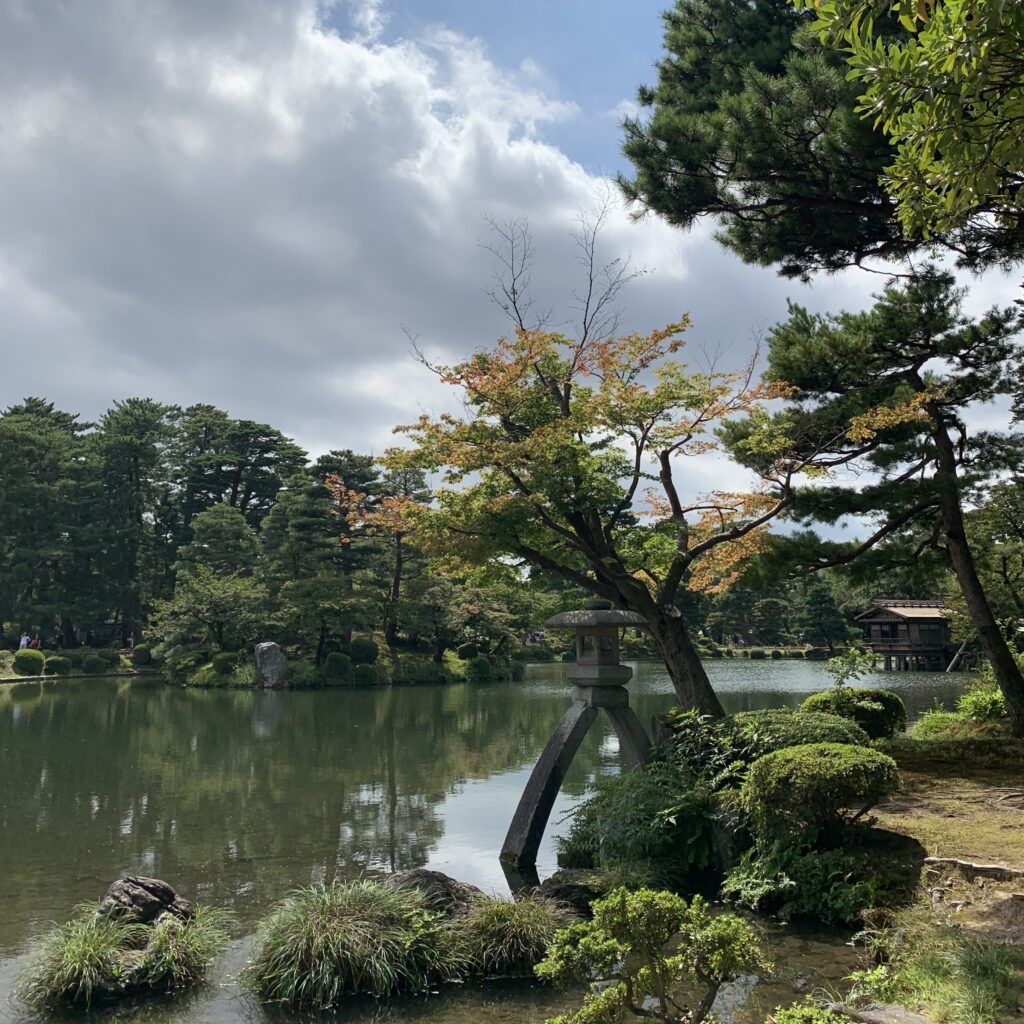
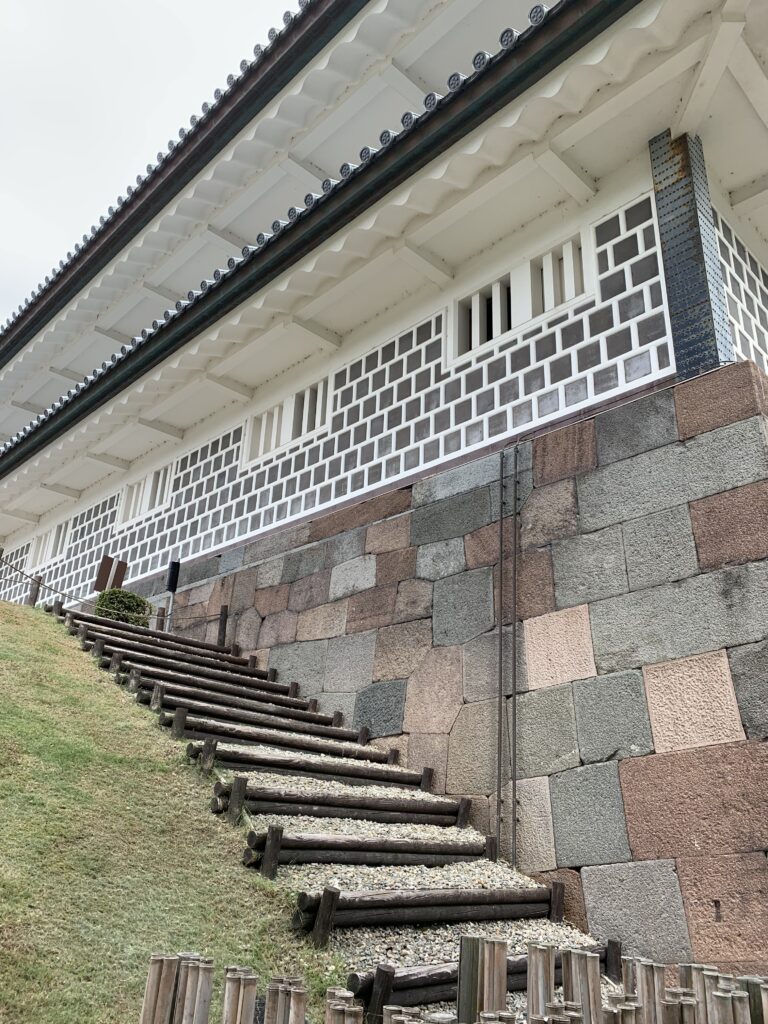
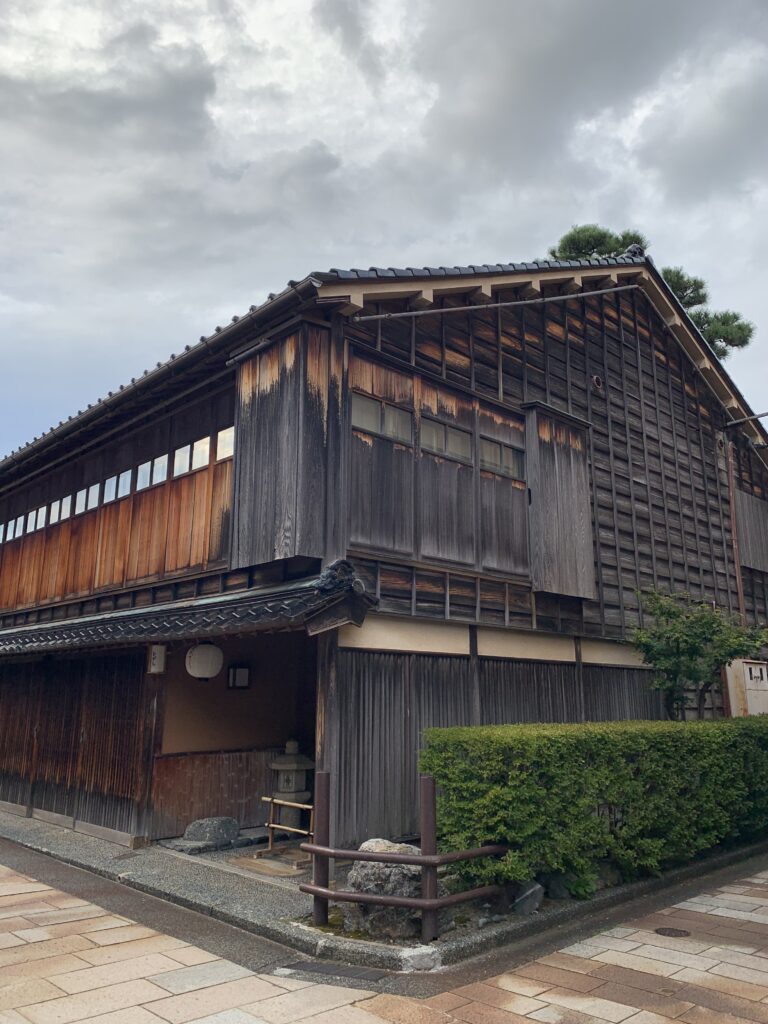
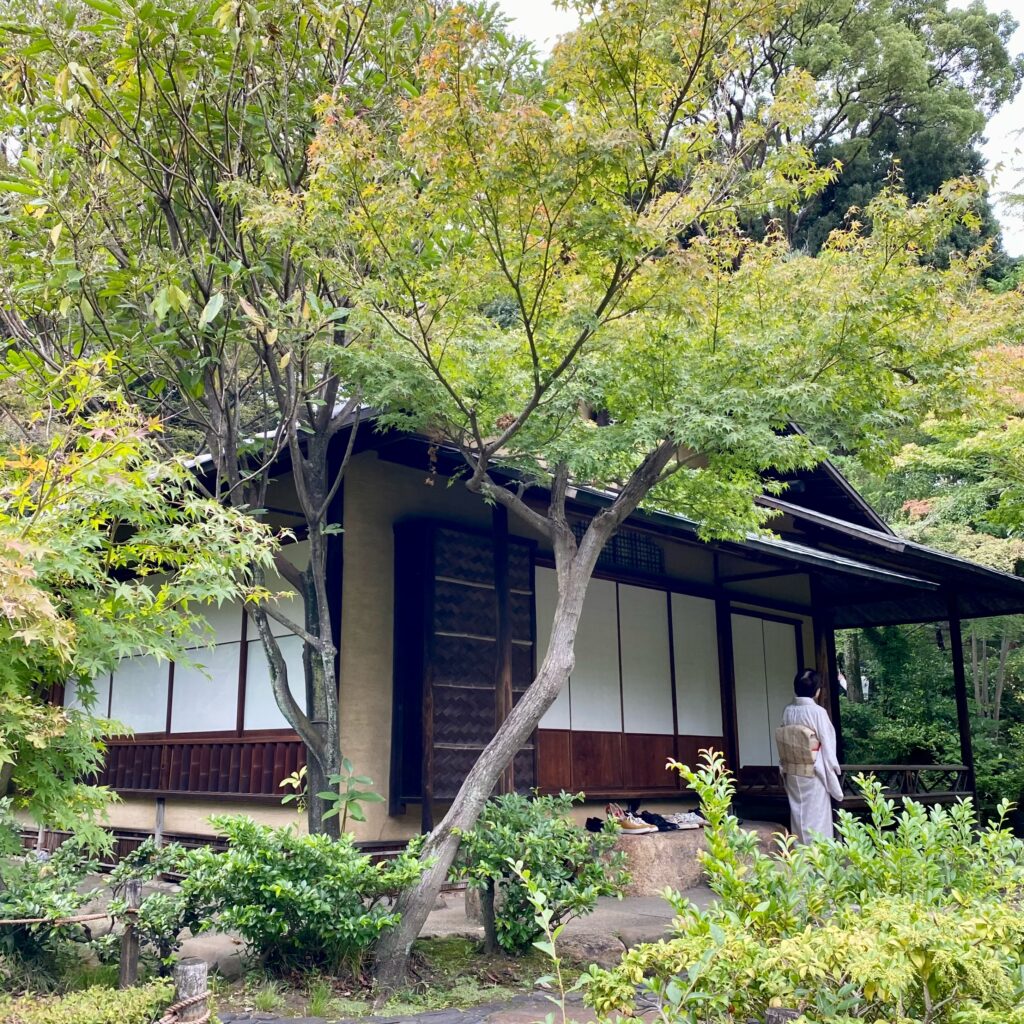
Walking through Kenrokuen Garden, you'll find the pond, waterways, stones, trees, and tea houses all arranged as a cohesive landscape. At Kanazawa Castle, the massive stone walls, gates, and architecture itself tell the story of the Kaga Domain. Surrounding it all, you'll find a rich cultural heritage encompassing tea ceremony, Noh theater, lacquerware, textiles, and ceramics.
The Kaga Maeda family had a deep connection with the tea ceremony. The founder of the domain, Maeda Toshiie, and his successor, Toshinaga, received instruction in the tea ceremony from Sen no Rikyu, and his successor, Toshitsune, interacted with Kobori Enshu, Kanamori Sowa, and Sen no Sotan. Later, Sensō Sōshitsu, the fourth son of Sōtan, also served the Kaga domain. The Ishikawa Prefectural Museum of Art also positions this history as the background to Ishikawa becoming an important center of tea ceremony culture.
AlsoAt the same time, the Maeda family invited artisans from Kyoto and other places to protect and nurture crafts. The reason why Kanazawa is now called a "city of crafts" is not simply because old techniques have been preserved, but because of its history of powerful figures collecting culture, inviting people, having them create things, and creating a system to pass it on to the next generation.
In Kanazawa, I had the opportunity to see the works of Kyoto potter Nonomura Ninsei.
Who was Nonomura Jinsei?
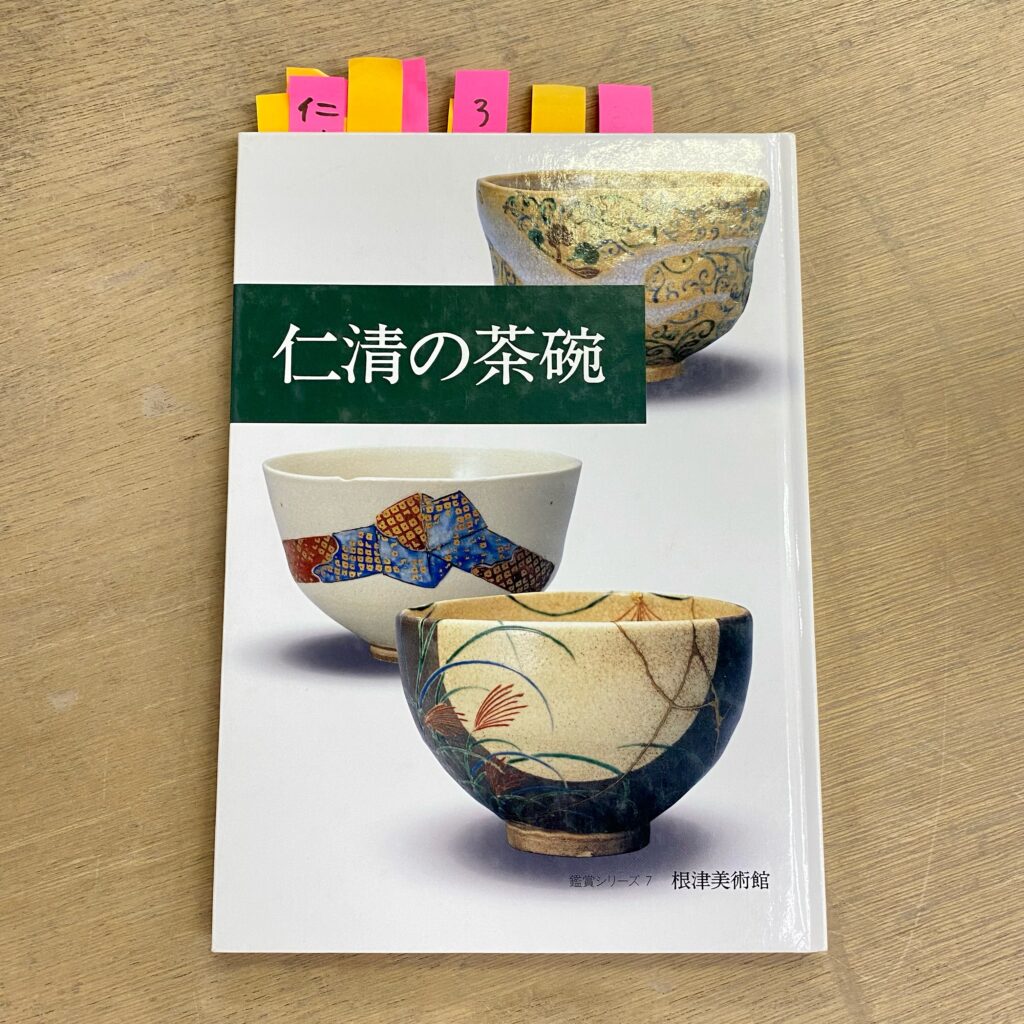
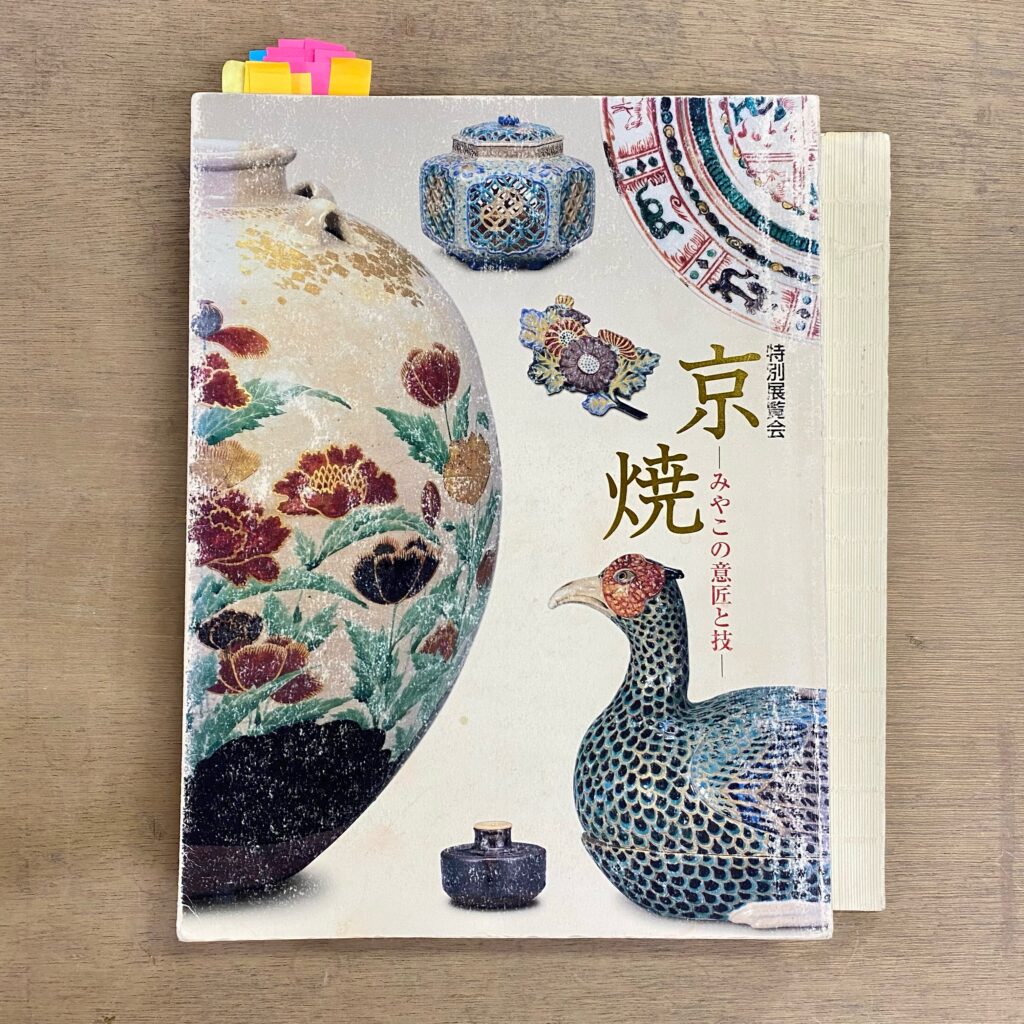
Nonomura Ninsei was a potter who opened the Omuro kiln in front of the gate of Ninna-ji Temple in Kyoto in the 17th century.
His real name was Seiemon. It is said that he adopted the name "Ninsei" from the "Nin" of Ninna-ji Temple and the "Sei" of Seiemon. He learned pottery wheel techniques in Seto, and at the Omuro kiln, he produced highly pictorial enamel pottery using a variety of colors including red, navy blue, green, purple, and black, as well as gold and silver accents.
The key figure here is the tea master Kanamori Sowa. Sowa was involved with the court culture centered around Emperor Go-Mizunoo and cultivated an elegant style of tea. Through his relationship with Sowa, Ninsei began to create splendid and refined vessels that differed from traditional tea ceramics.
In other words, Ninsei's pottery embodies the interplay of the potter's skill, the tea master's aesthetic sensibilities, court culture, and its use in the tea ceremony. The pottery is not merely the isolated expression of a single artist, but rather a product of the cultural network of its time.
National Treasure "Polychrome Pheasant Incense Burner" - If you only look at the colors, you can't see half of it.
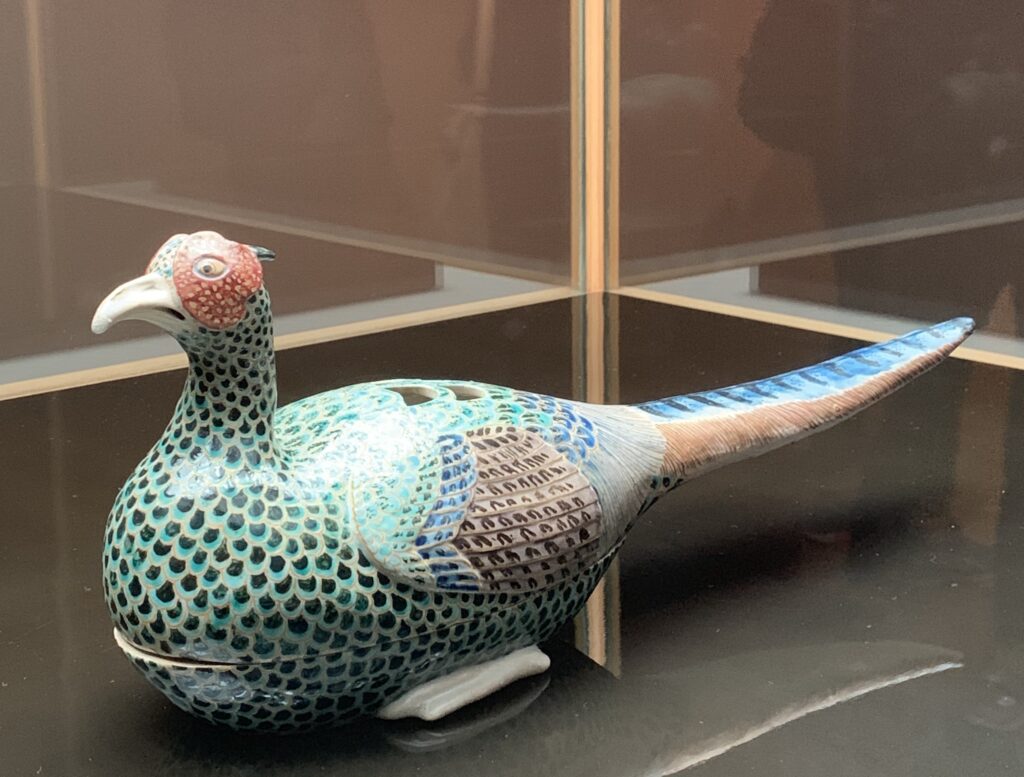
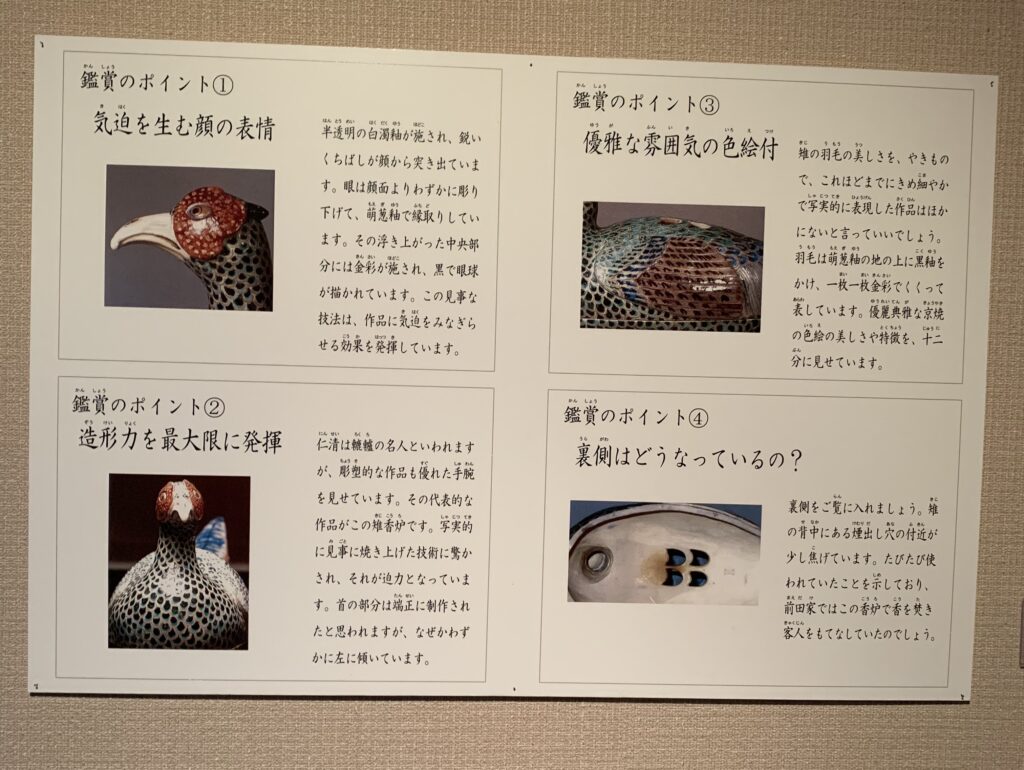
The "Colored Pheasant Incense Burner" is an incense burner that depicts a pheasant in almost life-size using ceramic. Overglaze paints in green, dark blue, and red are used, along with gold accents, and each individual feather is meticulously painted.
The colors are certainly vibrant. But what caught my attention was the shape. A long, slender neck. A large, bulging body. And a long tail that extends almost horizontally from it.
According to the Ishikawa Prefectural Museum of Art's explanation, shaping and firing this tail while keeping it horizontal was an extremely difficult technique. Moreover, the piece is divided into two parts, upper and lower, and even has a hole in the back for incense smoke to pass through. The form, function, and painting were all designed as one from the very beginning.
The gaze shifts from the neck to the body, the repetition of the feathers following the curves of the body, and finally flowing out to the long tail. The colors are used not to decorate the form, but to make the form feel more pronounced.
Why is Ninsei's national treasure located in Kanazawa?
Why did I see one of Ninsei's representative works, who was active in Kyoto, in Kanazawa?
The Ishikawa Prefectural Museum of Art's tea ceremony art collection has the tea ceremony utensils of the Yamakawa family of Kanazawa, who owned the "Iroe Kijikoro Koro" (colored pheasant incense burner), as a key component. Regarding Kanazawa in the Meiji period, the connoisseur Takahashi Hōan described it as a place where not only samurai but also a wide range of citizens enjoyed tea ceremonies, Noh chanting, calligraphy and painting, and antiques.
Kanazawa is not just a place where masterpieces were "made," but a place where they were received, owned, used, and passed down.
Works created in Kyoto pass through many hands, are inherited within the culture of the tea ceremony, and eventually end up in a museum in Kanazawa. The history of a work of art doesn't end the moment it leaves the kiln. I believe that the history that remains is just as important as the history of its creation.
Kanazawa's culture continues even outside the museum.
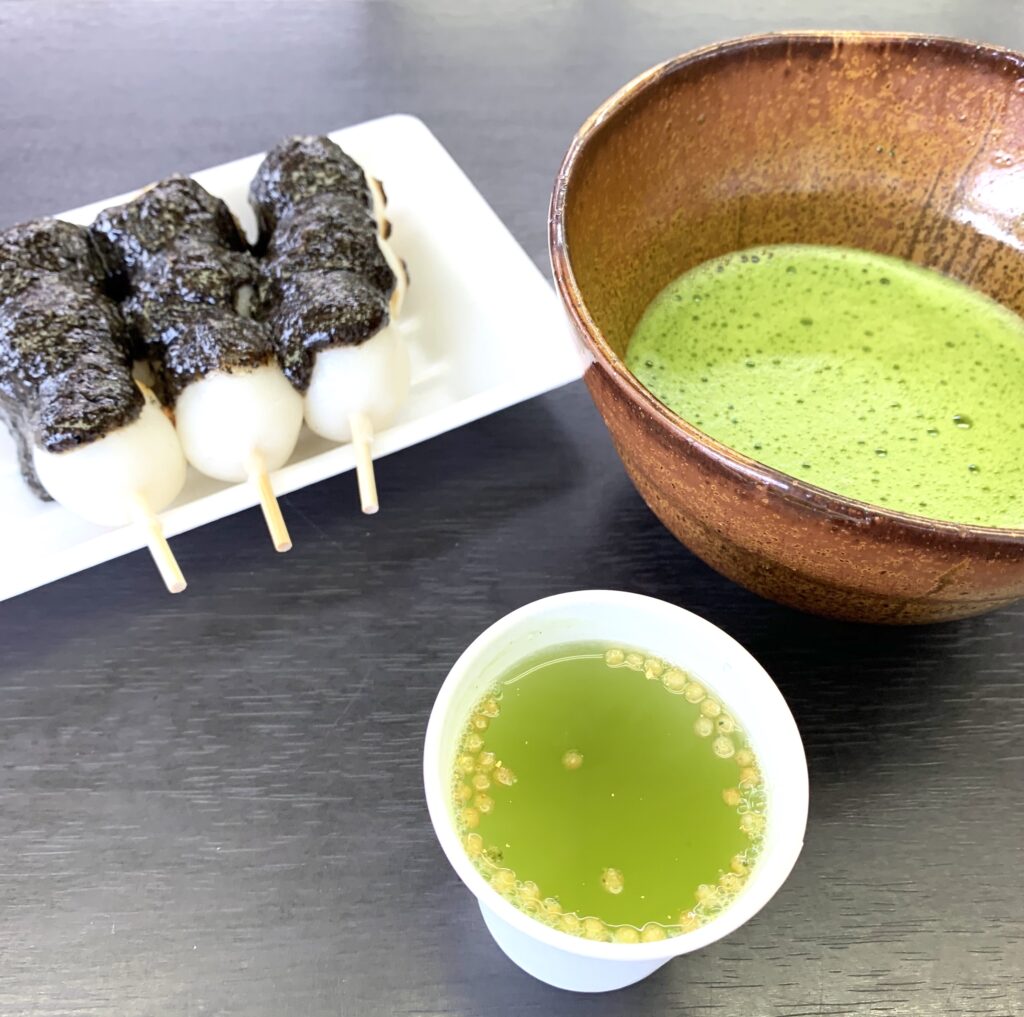
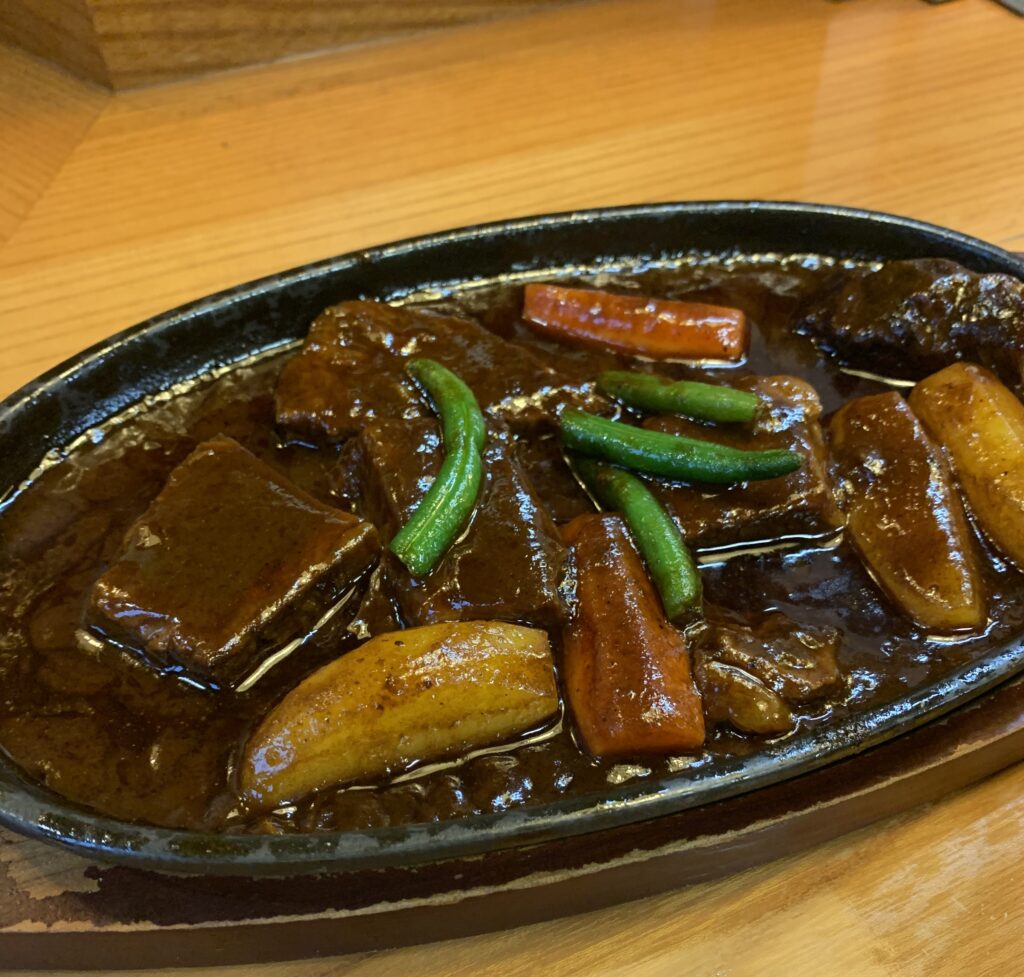
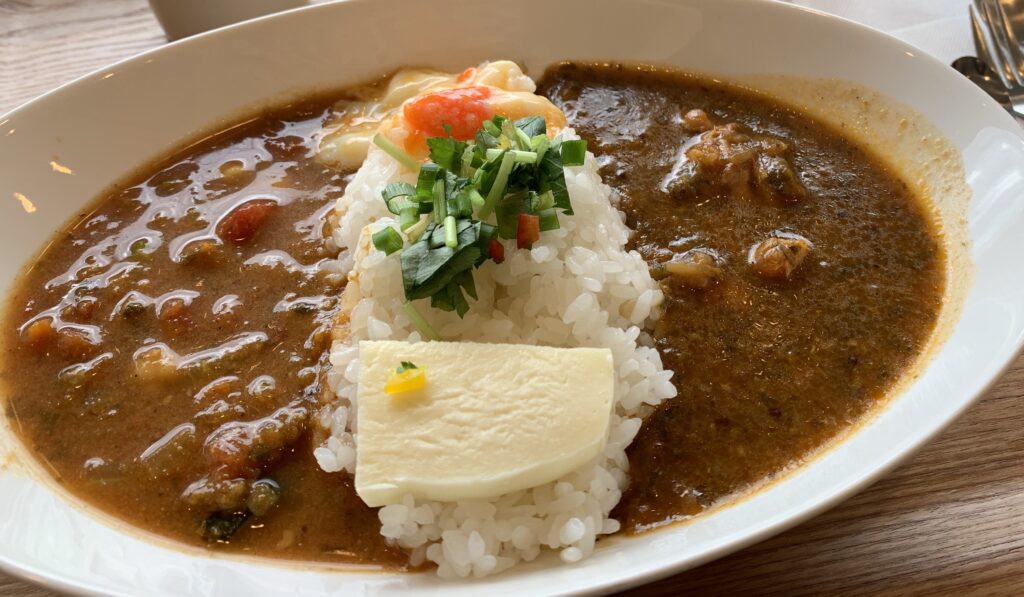
Walking around Kanazawa again this time, I realized that the city's charm isn't limited to what's displayed in the museum's display cases.
At Kenrokuen Garden, I enjoyed matcha tea at the garden's tea shop. After walking through the garden, sitting before a bowl of matcha reminded me of the obvious fact that a tea bowl is not merely an object of admiration, but was originally a tool used by people to drink tea.
Even the tea bowls we see behind glass in museums were originally in people's hands. The ability to switch between viewing ceramics as "works of art" and as "vessels to be used" is, I think, one of the fascinating aspects of walking through areas where tea ceremony culture has survived to this day.
In Higashi Chaya District, amidst the streetscape lined with wooden townhouses,JiyukenI stopped by "[restaurant name]". When you think about it, the combination of eating Western food in a town with traditional teahouse architecture is quite strange.
On top of the Edo period castle town, the culture of the Meiji era and beyond was superimposed, and the current way of life continues. The experience of eating Western food in the old townscape itself teaches us that Kanazawa is not made up of just one era. On another day,Kanazawa Nanahoshi CurryI also stopped by "[location name]".
There's a traditional tea ceremony, a castle town, modern Western-style restaurants, a contemporary art museum, and right alongside it, modern restaurants and daily life continue. This feeling becomes even clearer if you take a walk to the 21st Century Museum of Contemporary Art, Kanazawa.
On the same day you see Ninsei's 17th-century pottery, you can also see modern architecture and contemporary art. From ceramics hundreds of years ago to contemporary expressions, everything is continuous within the same city.
Another Ninsei – "Rust-glazed Tea Bowl with Narcissus Design"
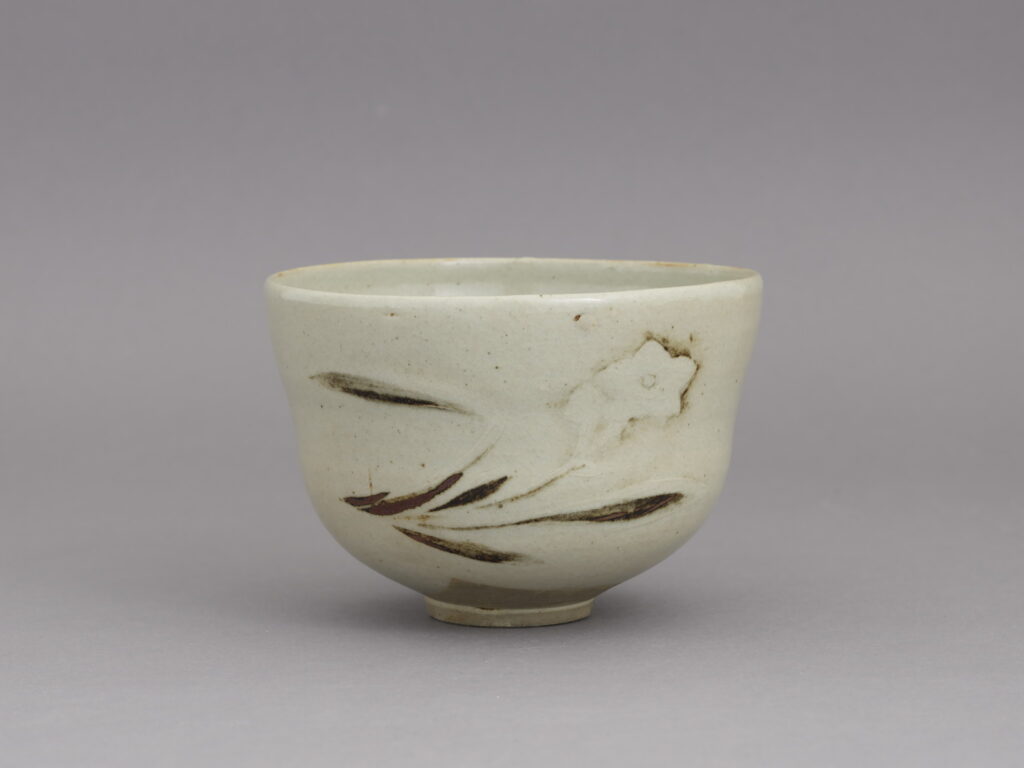
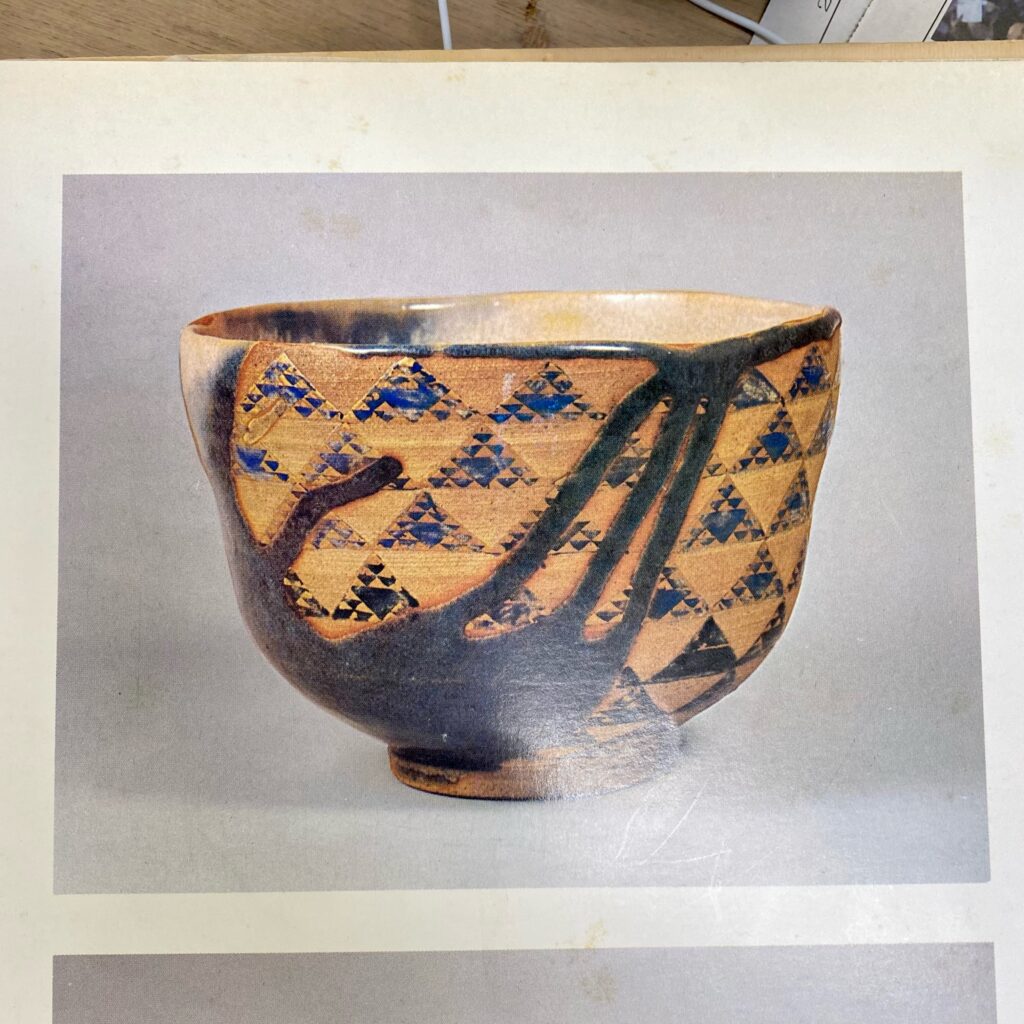
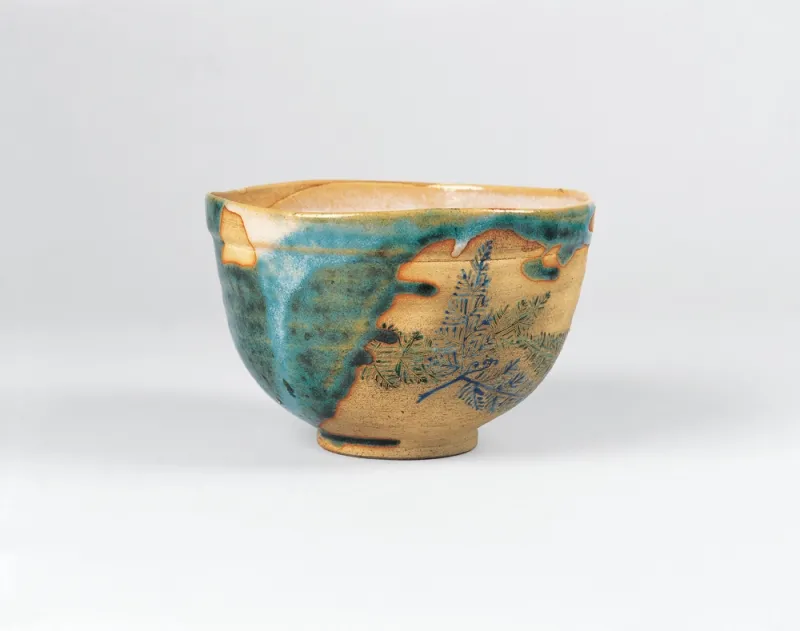
When we think of Ninsei, we tend to have a strong impression of his "Polychrome Pheasant Incense Burner" or his ornate tea caddies. However, when we see the "Rust-Glazed Narcissus Pattern Tea Bowl" housed in the Kyoto National Museum, that image changes a little.
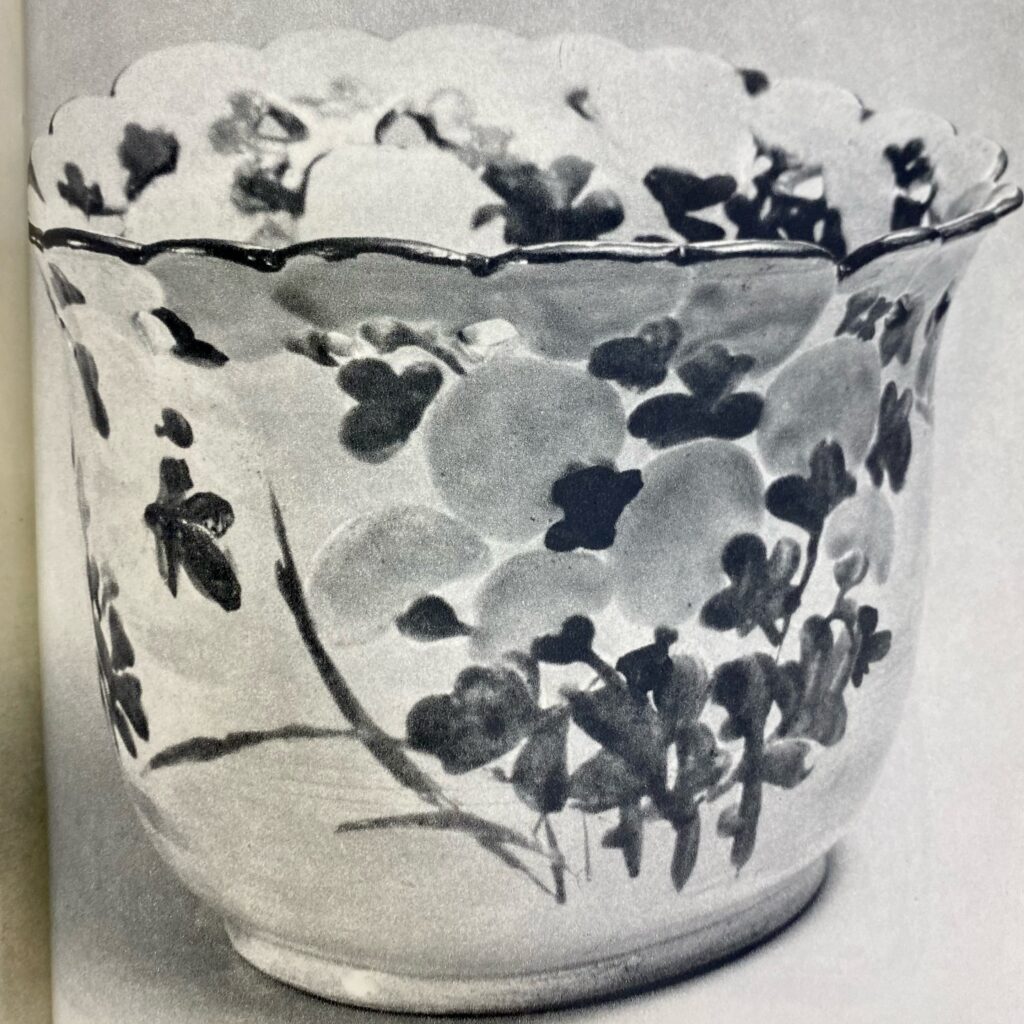
This tea bowl doesn't feature a lavish scattering of red, green, gold, or silver. Instead, a thin layer of white slip is applied to the body, creating a relief of narcissus flowers, which is then covered with a brown rust-colored glaze.
The color palette is limited. Nevertheless, the sharp lines of the daffodil leaves, the subtle curves of the flowers, and the blank background create a quiet tension.
Moreover, this tea bowl is one of the tea ceremony utensils that Kanamori Sowa donated to Tennei-ji Temple, the temple where he and his mother were buried, and is considered a typical example of "Sowa's taste." Here, we can consider not only Ninsei's technique, but also what kind of vessels Sowa sought in the tea ceremony.
Among the tea bowls, the "Colored Enamel Scale Wave Pattern Tea Bowl" and the "Colored Enamel Scale Wave Pattern Tea Bowl" are also interesting works. They give a very different impression from the ornate tea caddies, with a large area covered in glaze while the undercoat is left exposed, onto which plant and geometric patterns are arranged. The colors of the painting, glaze, and clay exist as three different surfaces, forming a single composition that encircles the vessel.
When you compare the flamboyant, colorful Ninsei with the quiet, rust-colored Ninsei, it becomes impossible to simply understand Ninsei as "the person who made brightly colored Kyoto ware." I believe that what he was working with was not just color itself, but the entire form of creation—how to combine the shape of the vessel, the clay, the glaze, the raised decoration, the lines, the colors, and the negative space.
Initially, I thought I would "paint a pattern typical of Ninsei on a tea bowl." However, as I researched further, I realized that what I really needed to learn wasn't the patterns themselves, but the design process—how to distribute the glaze, clay, patterns, and negative space within the shape of the vessel.
From Ninsei to Kenzan: How did the "painting" style of Kyoto ware change?
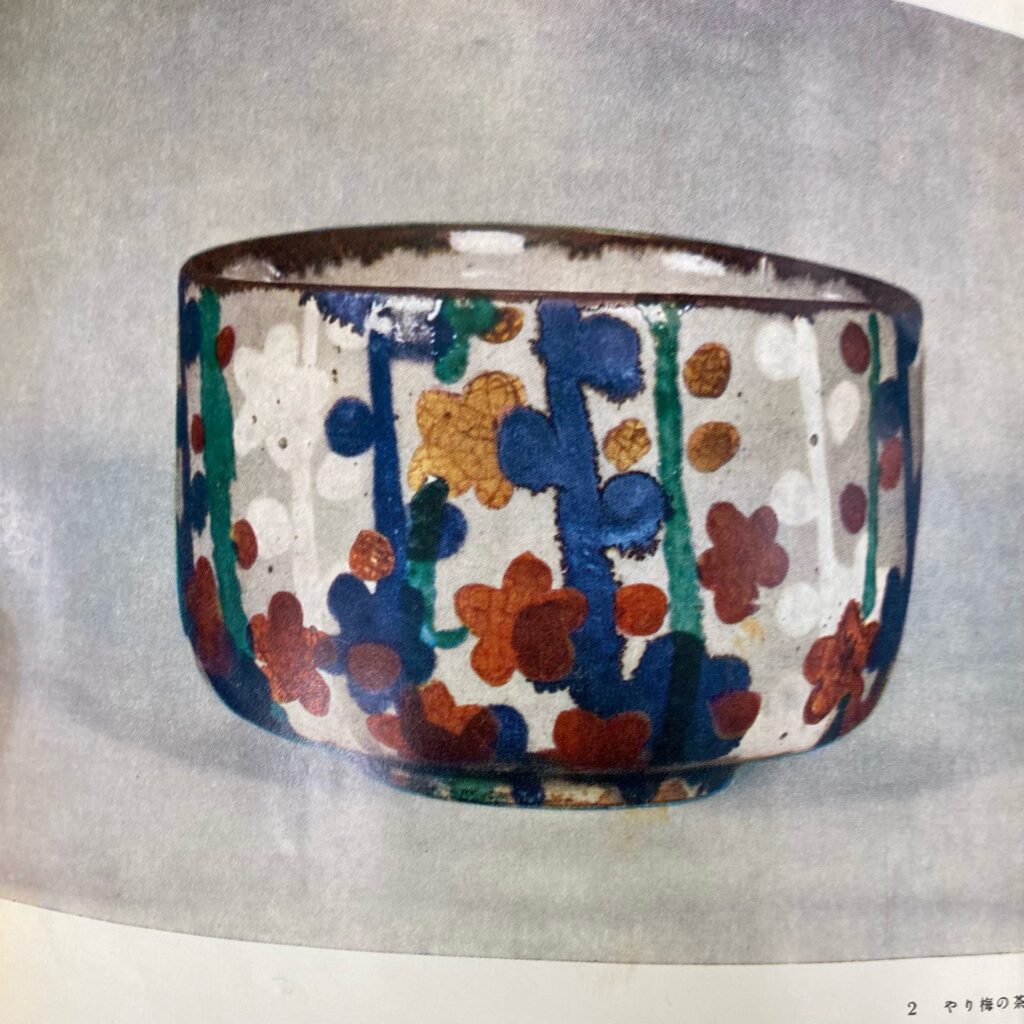
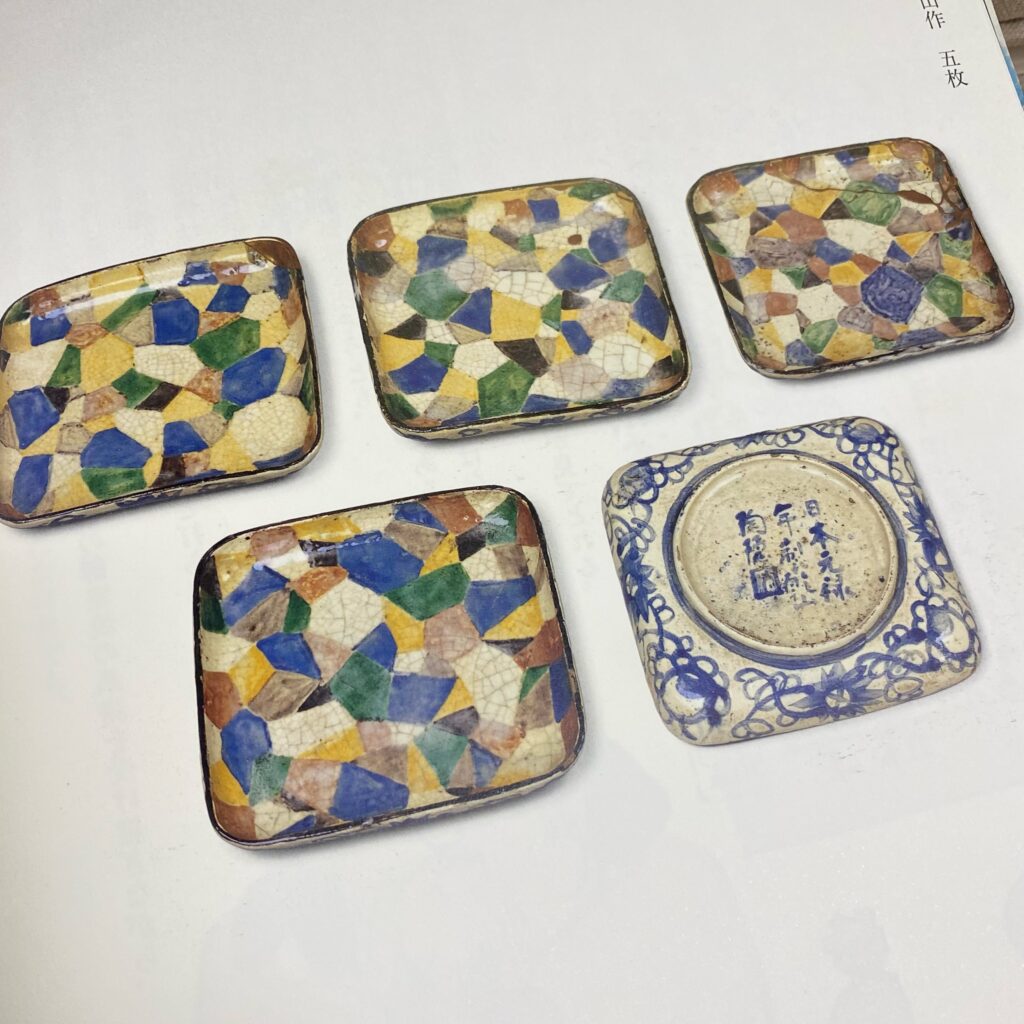
When you research Ninsei, there is a name that will almost certainly come up: Ogata Kenzan.
Kenzan was born in 1663. His older brother was Ogata Kōrin, who later became a leading painter of the Rinpa school.
According to the Kyoto National Museum, the pottery techniques developed by Ninsei, including overglaze painting, had a significant influence on later Kyoto ware potters, including Kenzan. Furthermore, Kenzan's (Ogata Shinsho) technical manual, "Touko Hitsuyou" (Essential Uses for Potters), is a valuable resource for understanding Ninsei's pottery techniques.
However, Kenzan did not simply inherit Ninsei's style. What's interesting is that Kenzan took the possibility that Ninsei had pioneered—using pottery as a platform for pictorial expression—and expanded it in a different direction.
My impression changed after seeing the actual artwork at the Nezu Museum.
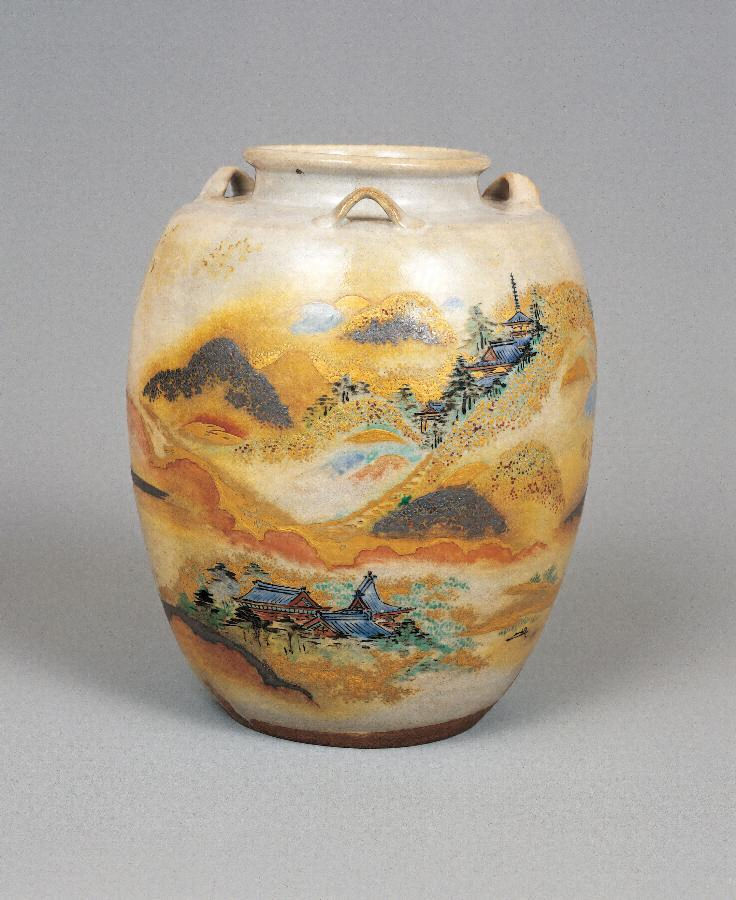
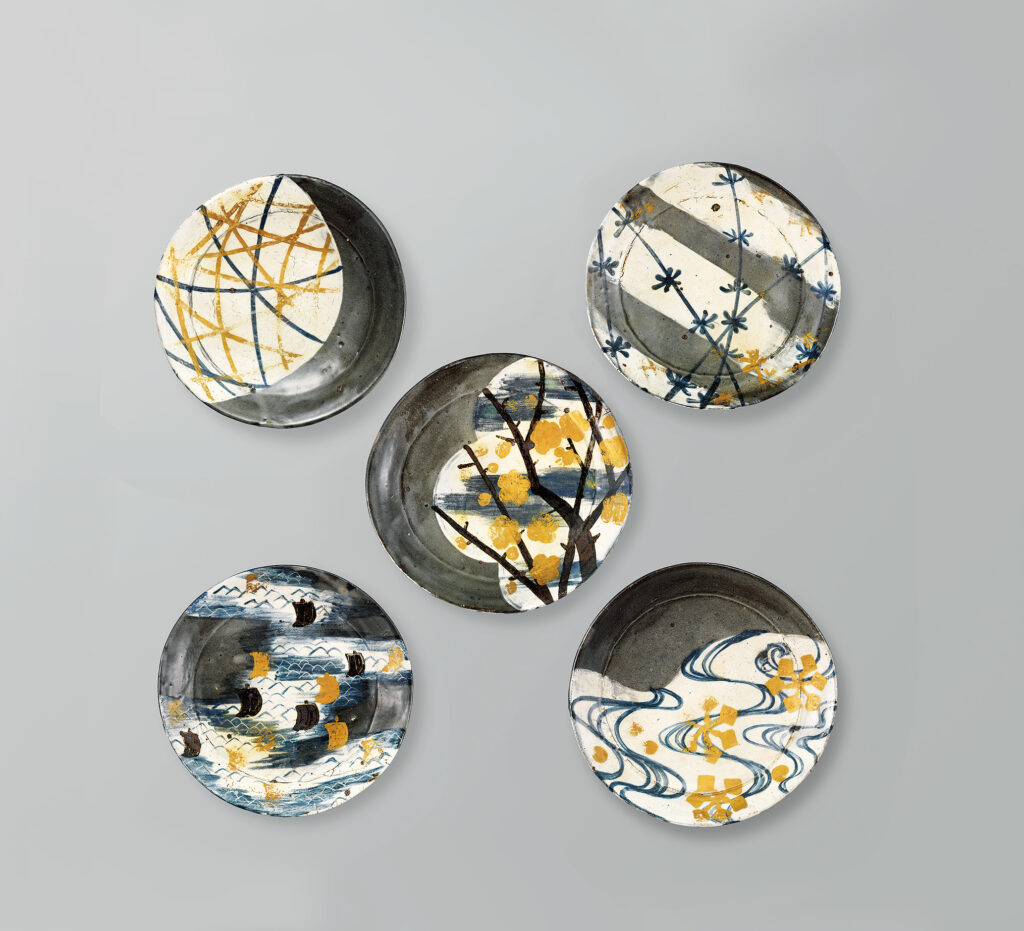
After reading some books and materials, I went to the Nezu Museum and saw the "Colored Porcelain Teapot with Mountain Temple Design" and Kenzan's "Rust-Glazed Blue and White Porcelain Plate with Gold Decorations" in person. I was lucky that the special exhibition "A Journey Through Masterpieces of Ceramics: China, Japan, and the Korean Peninsula" that was being held at the time included works by Ninsei and Kenzan.
The first thing that surprised me was the size of Ninsei's tea caddy. In photographs, it looked like a magnificent, large caddy, but in reality, it was only 22.3 centimeters tall. Much smaller than I had imagined. A wealth of information—mountains, cherry blossoms, temples, clouds, gold and silver decorations—was condensed into the curved surface of a vessel that was only about 20 centimeters in diameter.
When looking at it in a photograph, the first thing that catches your eye is the "gorgeous painting," but when you see the real thing, ratherThe ability to create a complete landscape world within a small three-dimensional object.That left a stronger impression on me. The fact that brushstrokes were visible in the gold leaf was also a nice detail to see.
After looking straight ahead, if you move your body slightly, another mountain appears, then a temple appears, and the layers of color change. Ninsei's paintings are not flat paintings pasted onto vessels,A painting that includes the movement of people around the vessel.That's what I thought. I couldn't see the back side at the exhibition, so I also bought the catalog.
On the other hand, when I looked at Kenzan's five plates, I had a completely different feeling.
The painting depicts concrete things like plum blossoms, sailing ships, and flowing water. Yet, when viewed from a distance, the black, white, indigo, and gold planes and lines immediately catch the eye, before the subject even notices what is depicted. Personally, it felt similar to looking at an abstract painting.
Rather than realistically depicting the motif, the focus seems to be on how to run lines within a circle, how to divide the black and white areas, and where to place the gold. The composition itself appears to be the artwork.
Even when I was looking at reference materials, I thought I understood the difference between Ninsei and Kenzan, but seeing the actual works side by side made that difference much clearer.
Ninsei transformed three-dimensional objects into paintings, while Kenzan transformed the surface of vessels into a visual medium.
Of course, not all actual works can be explained by this diagram. Nevertheless, looking at the two artists in succession, we can see a progression: Ninsei brought ceramics closer to painting, and Kenzan further blurred the boundaries between ceramics, painting, and design. Beyond that lies a world that overlaps with the decorative aesthetic known as "Rinpa."
From my perspective, as someone who is about to paint on a teacup, this difference was very insightful.
Should we consider the tea bowl as a "three-dimensional object"? Or should we consider each individual surface that appears on it as a "screen"? I want to start by considering this point in my own creative process.
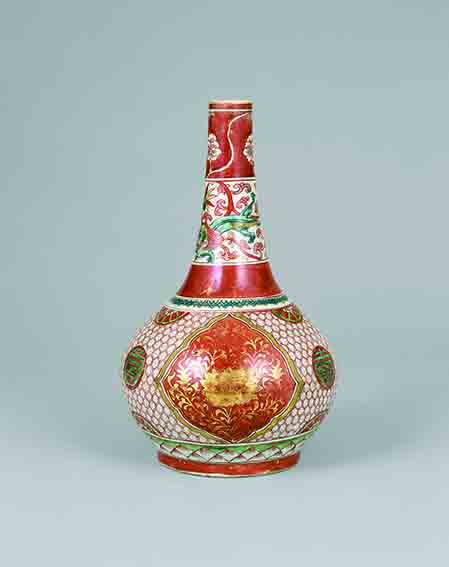
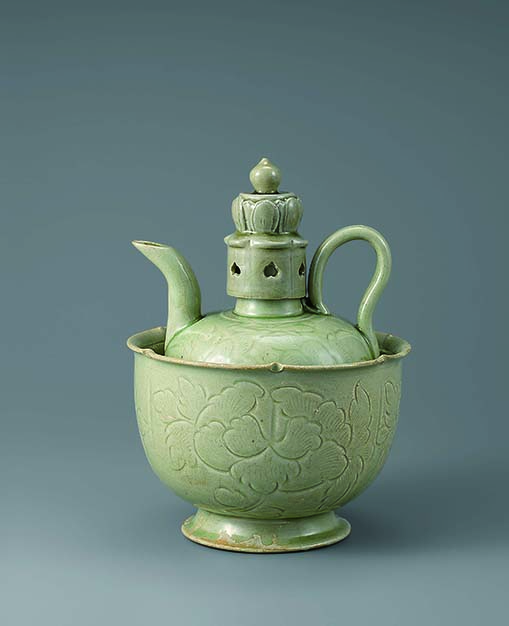
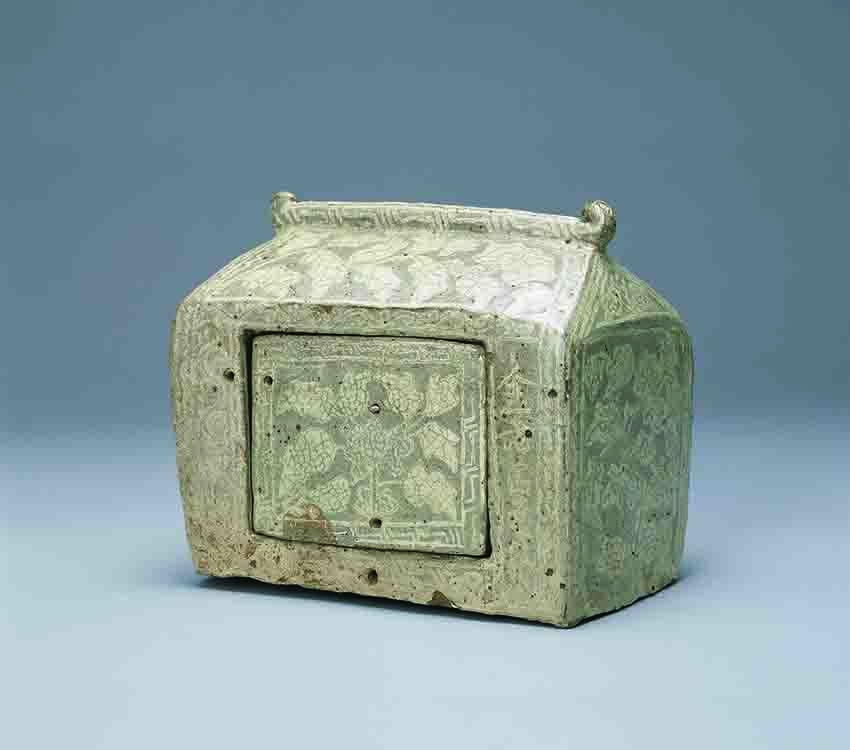
From viewer to creator
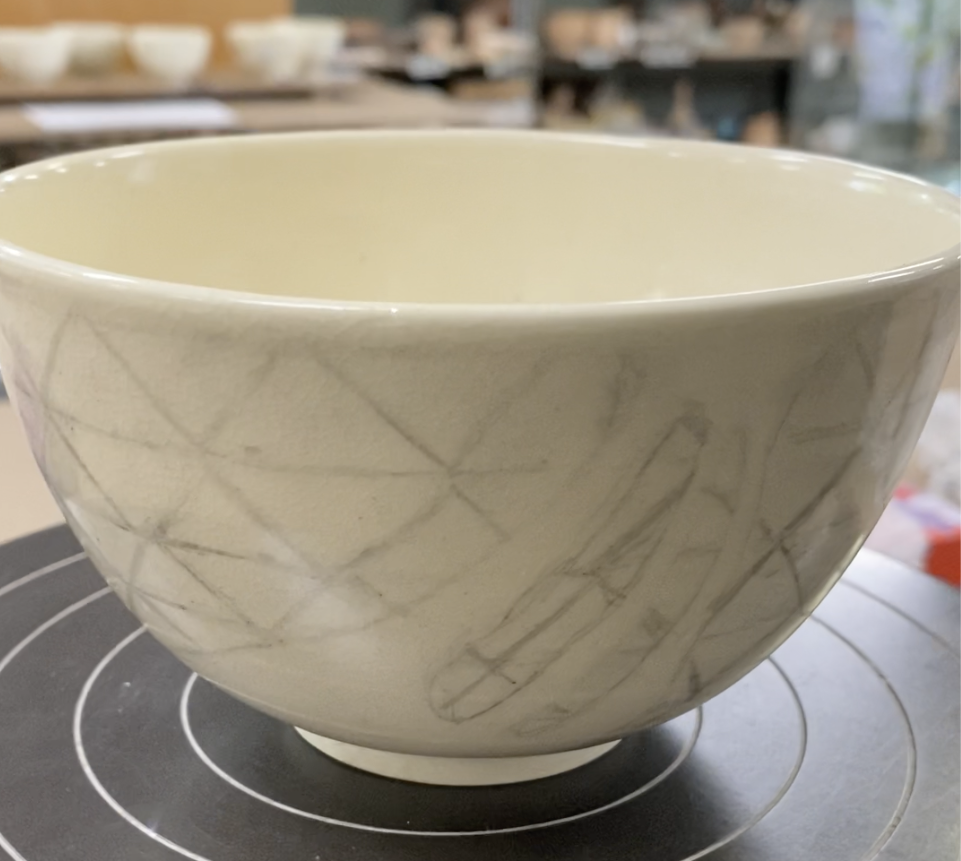
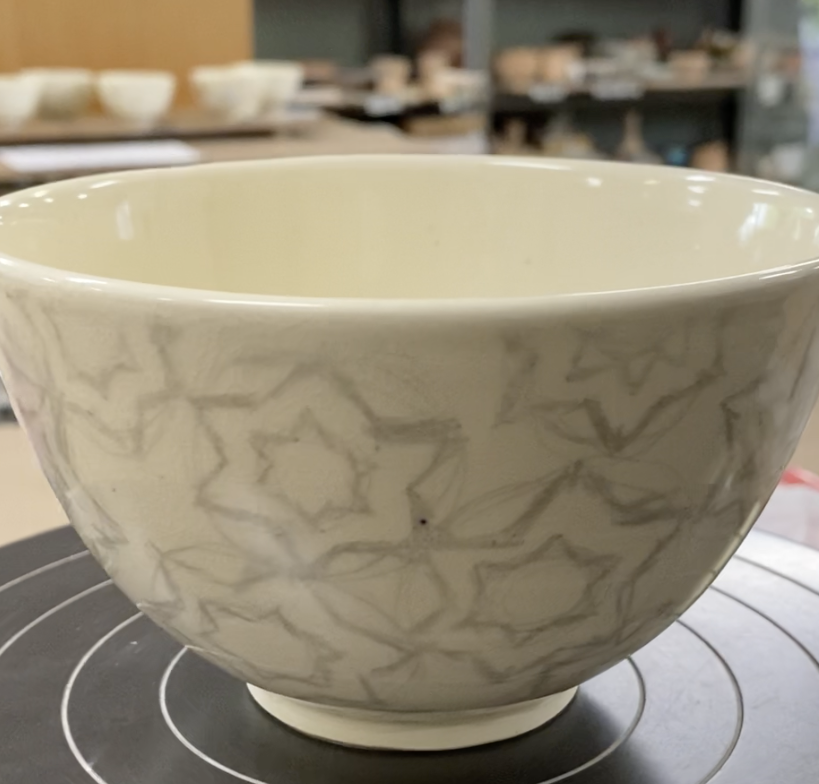
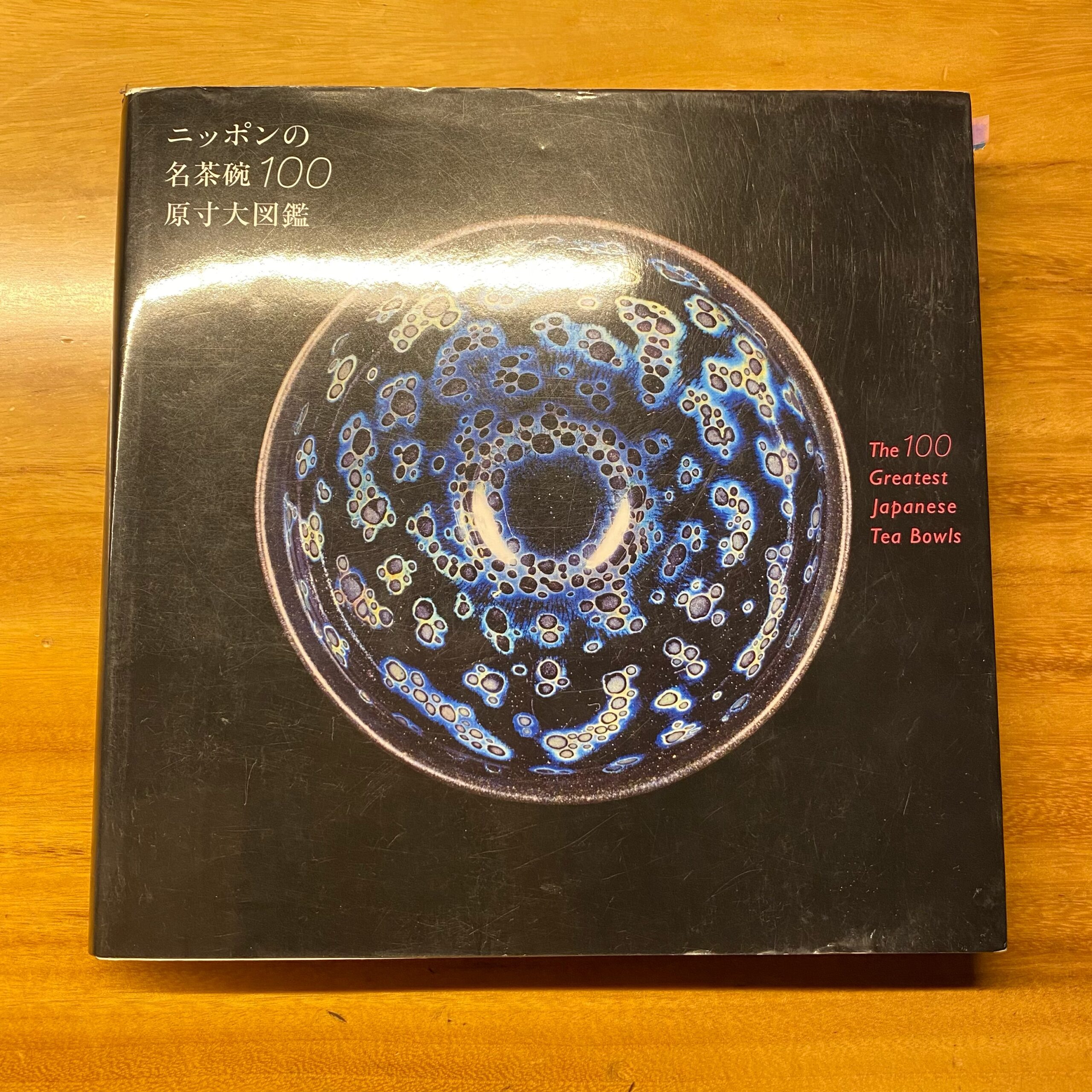
Now, let's return to the topic of the white teacup I have here.
Before researching Ninsei, I think I would have started by thinking, "What should I paint?" But now, the first thing I want to consider is where to paint nothing.
A tea bowl is not flat. It has a front, sides, a back, and if you look at it from above, you can see the inside. When you hold it in your hand, it rotates, and in a tea ceremony, its orientation changes depending on where it is placed. Painting a tea bowl may not be simply about pasting a single picture onto it.
As you walk around the vessel, you need to consider the whole picture: where to begin the painting, where to stop it, where to intensify the colors, and where to reveal the clay and glaze itself.
If you want to learn from Ninsei, you should focus on how to use the curved surfaces of a vessel. If you want to learn from Kenzan, you should focus on how to compose lines, colors, patterns, and negative space within a single surface.
Why did they draw a line there? Why did they leave that area white? Why did they place the gold there? I believe that understanding their decisions and applying them to one's own work is not about copying past forms, but about extracting the "way of thinking" that made the work possible.
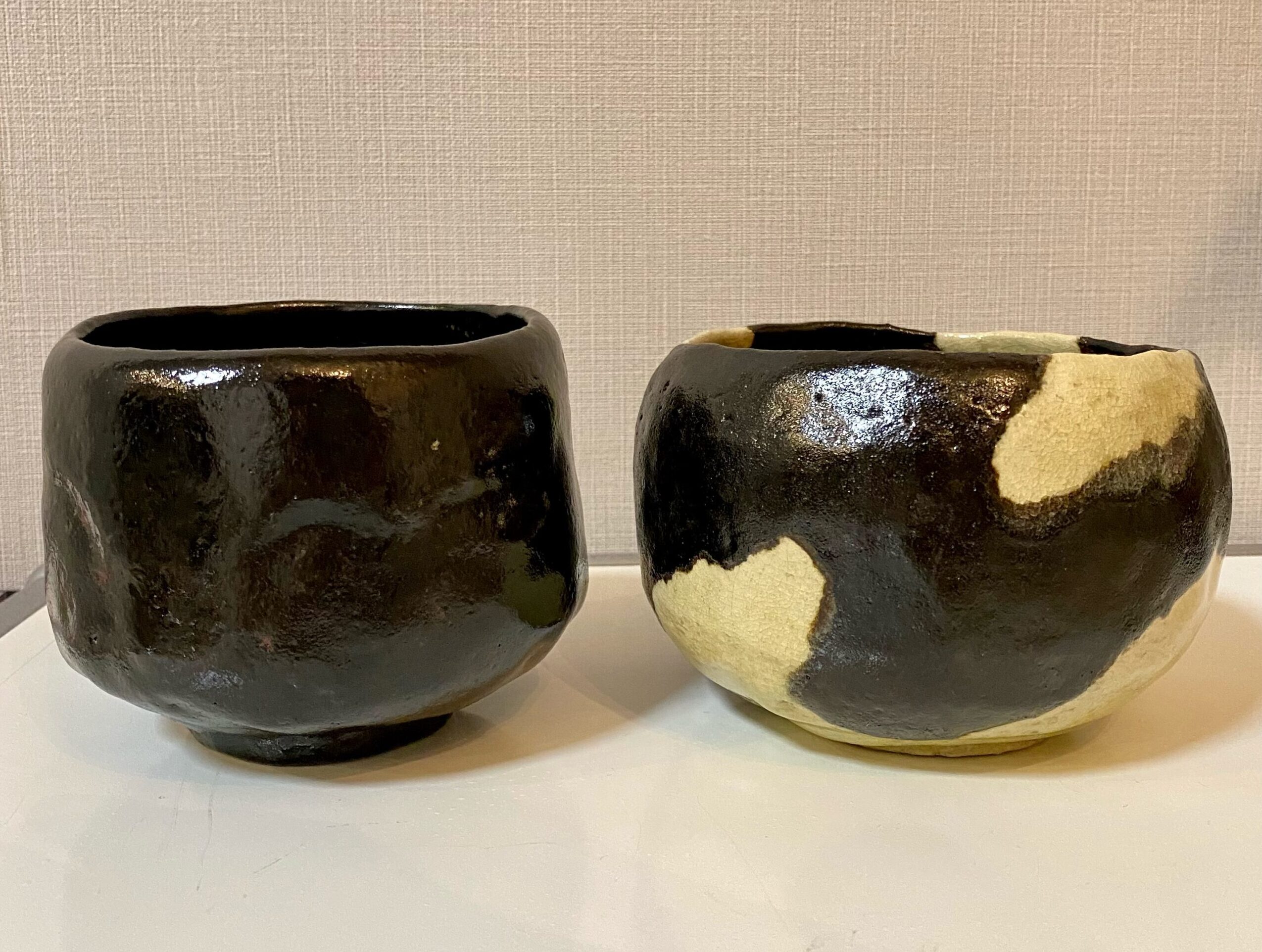
I'm experimenting with two tea bowls: the difference between Ninsei and Kenzan.
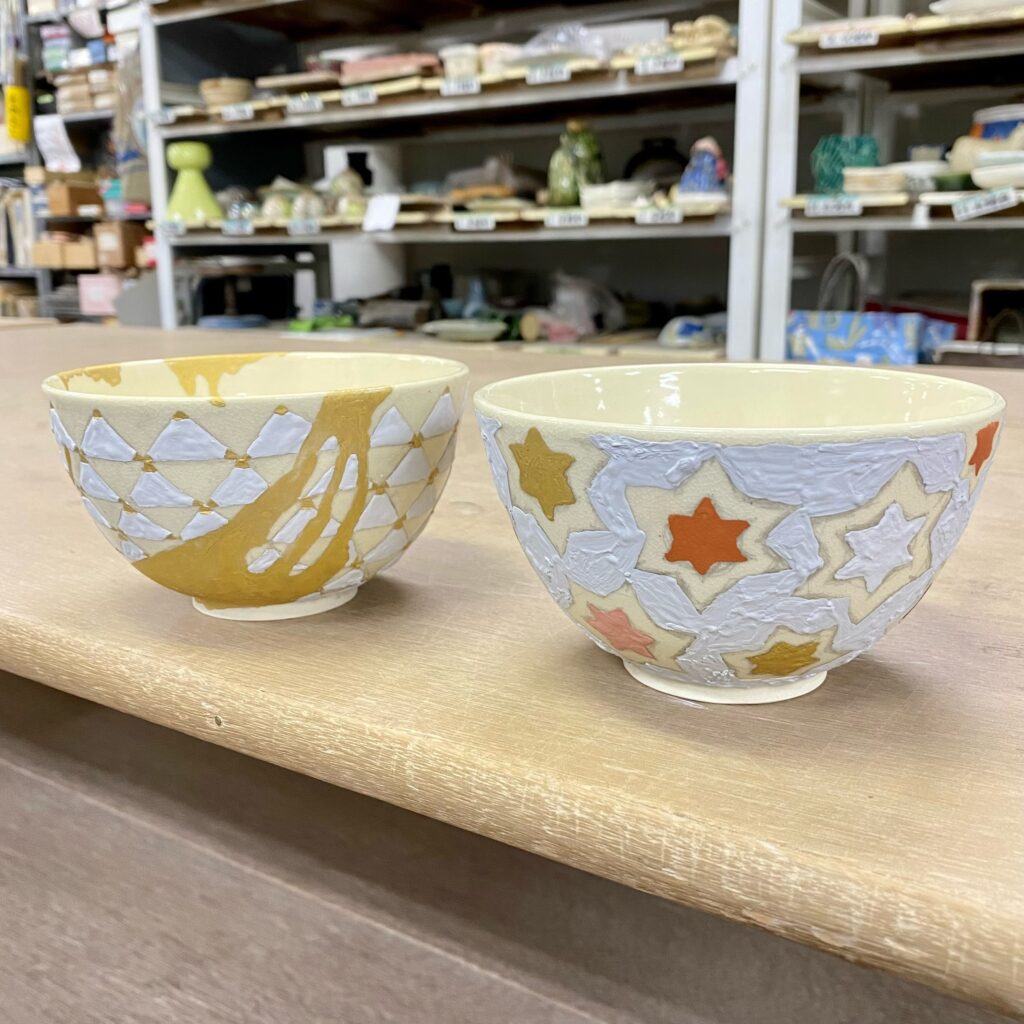
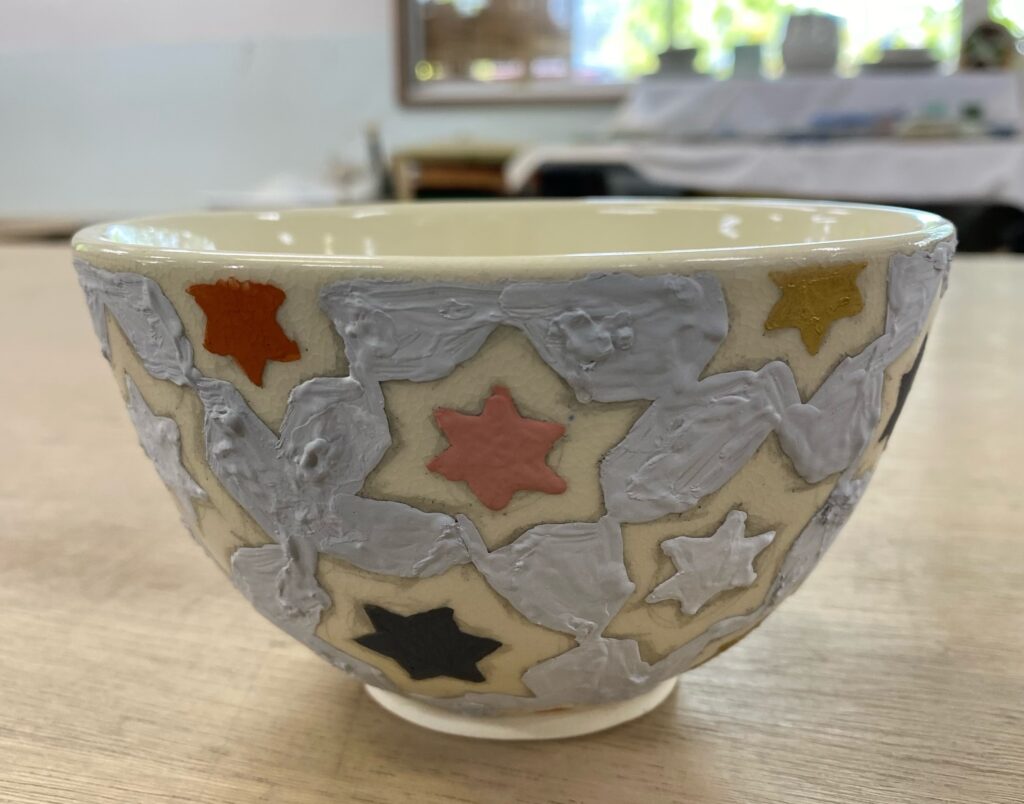
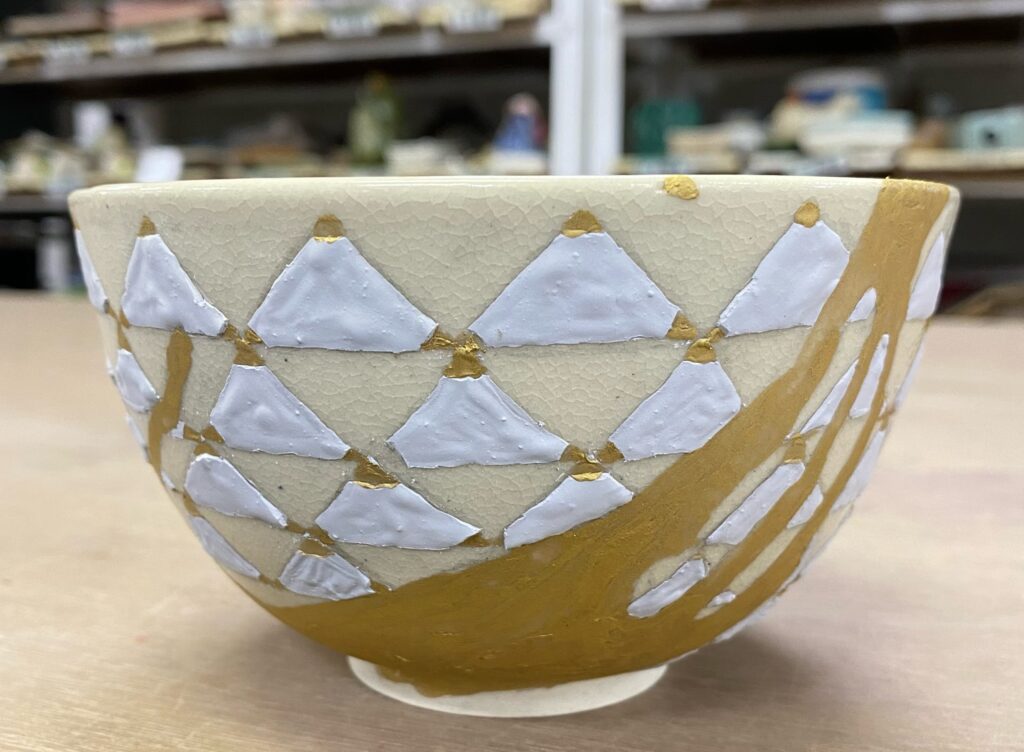
This time, I've created one bowl each in the style of Ninsei and Kenzan.
In creating the tea bowl inspired by Kenzan, I used five colors and arranged them so that the colors would be visible from any angle the bowl was viewed from. When considering this composition, I was inspired by Ninsei's "Colored Porcelain Tea Jar with Mountain Temple Design," which I saw at the Nezu Museum.
Rather than having a single front side, Ninsei's tea caddies reveal a succession of landscapes—mountains, temples, trees, and more—as you rotate them. It seemed as though the three-dimensional vessel itself was being treated as a circling pictorial space. Kenzan's works, on the other hand, have a different, more two-dimensional and abstract feel compared to Ninsei's.
Therefore, this time, instead of simply copying the colors and design composition of Kenzan, I combined it with the idea I got from Ninsei's tea caddy: "The picture continues no matter which direction you look at it from." Instead of gathering the five colors on one front, I made sure that different color combinations appear when you rotate the tea bowl.
On the other hand, creating a tea bowl inspired by Ninsei presented a completely different set of challenges. The challenge involved a continuous triangular scale-wave pattern on a curved surface.
Arranging triangles on a flat piece of paper is quite different from applying the same pattern to the curved surface of a tea bowl. Because the curve changes from the rim to the body and then to the base, I repeatedly revised the angles, sizes, and arrangement of the triangles during the preliminary sketching stage.
Furthermore, when I actually applied the overglaze, another problem arose. The techniques for painting with the dark glaze, Kutani red, and gold decorations I'm using this time are quite different.
In particular, the triangular sections required creating triangles as "surfaces" by applying the glaze over a certain area, rather than simply outlining them with thin lines. As a result, it was far more difficult than I had imagined to reproduce the geometric patterns that looked neat in the underpainting with the same precision in the actual overglaze.
Currently, the piece is still in the pre-fired stage. First, a dark glaze will be fired to fix the triangular color areas. After checking the results of that firing, gold decoration will be added, and then it will be fired again.
Because the firing conditions for gold decoration differ from those for regular overglaze decoration, it is not possible to complete everything in one go.
The colored surface is fired → gold paint is applied on top → fired again.
This involves several steps.
When I look at Ninsei's works in the museum, the geometric patterns fit so naturally onto the curved surfaces of the vessels. However, when I tried making a tea bowl myself, I gradually began to see Ninsei's techniques in a more concrete way than I could have by just looking at the finished works.
I'm looking forward to seeing how the underglaze and overglaze actually change after the next firing. I plan to add to and update this article until it's finished.
comment