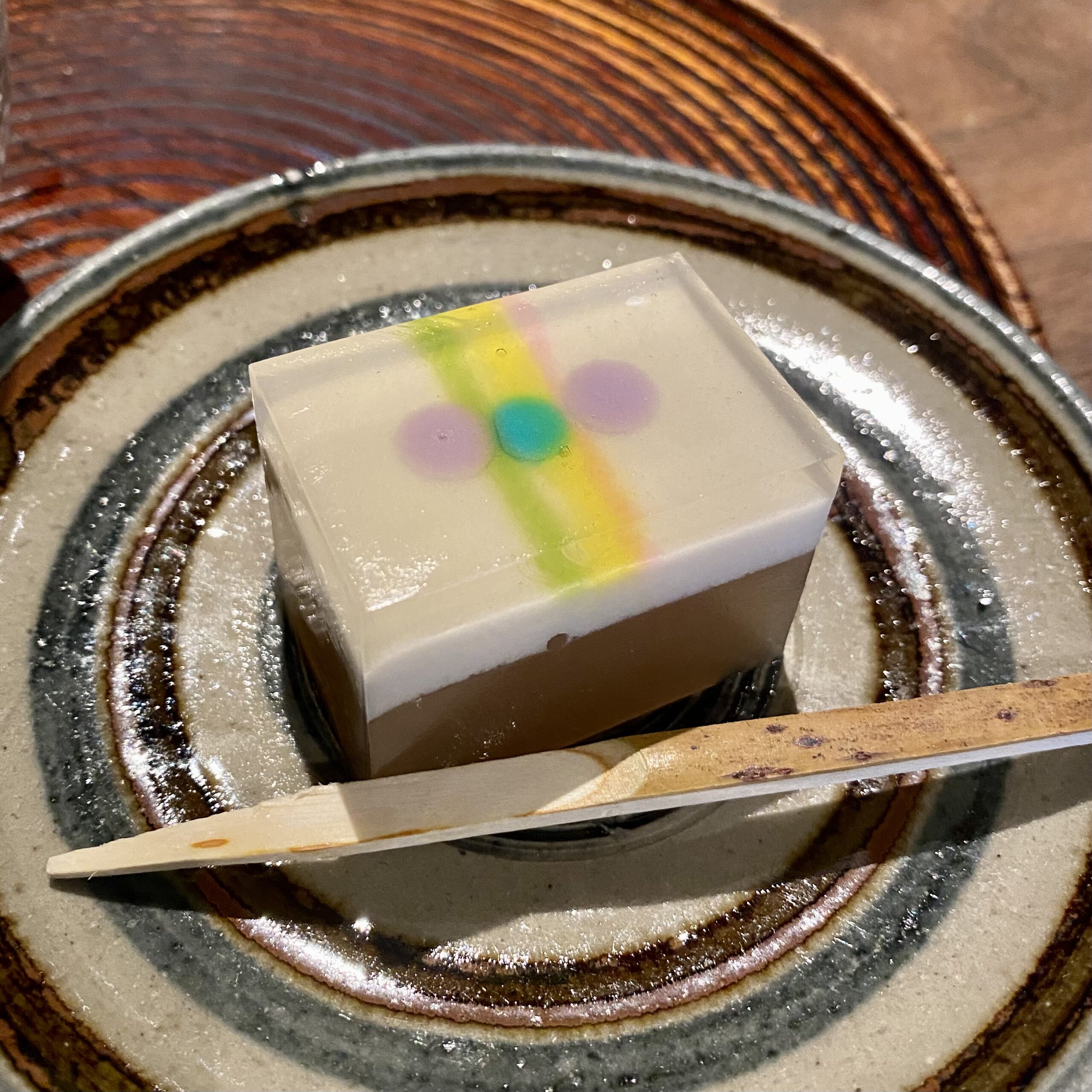
- Reflections on what creates the taste of a cup of tea, based on Miyako Watanabe's "The Taste of Tea" and the practice of the tea ceremony.
- "The Taste of Tea" is not just about "product knowledge of tea."
- Thick matcha and thin matcha—the same matcha can become two completely different drinks.
- After finishing the thick matcha, another cup was served.
- Another ingredient that creates the flavor of tea—water
- Enjoying a cup of tea in Kyoto during the Gion Festival.
Reflections on what creates the taste of a cup of tea, based on Miyako Watanabe's "The Taste of Tea" and the practice of the tea ceremony.
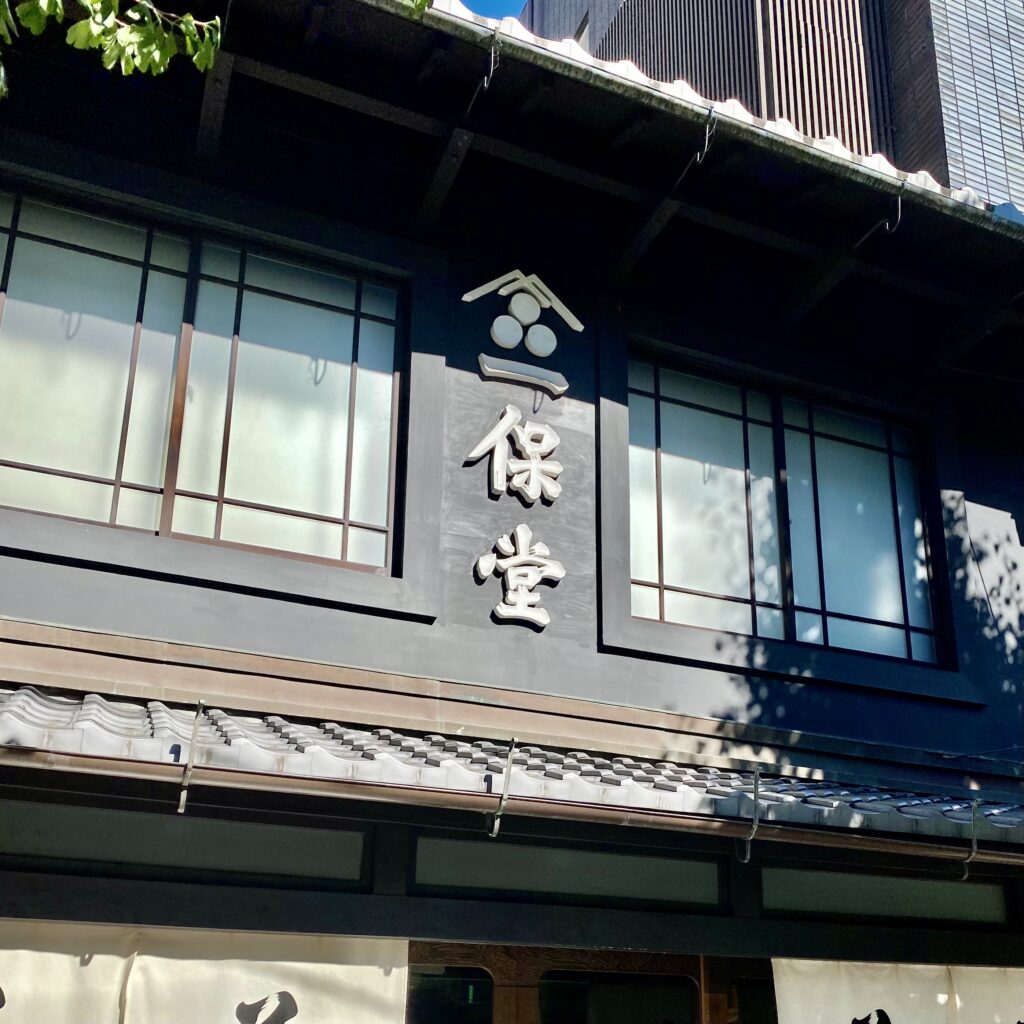
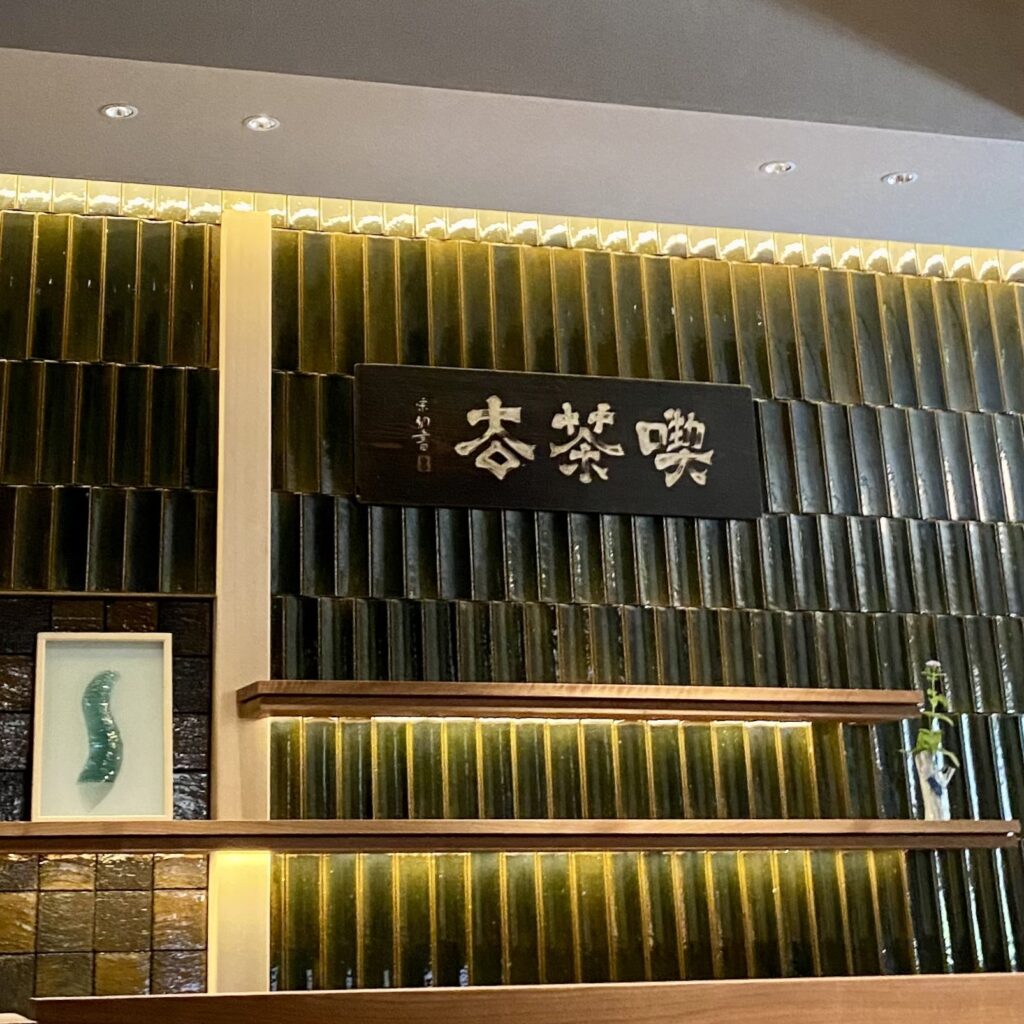
When I visited Kyoto during the Gion Festival, I came across Teramachi Street and sawIppodo Tea Shop Tea Room KakiI stopped by "[place name]".
Ippodo was founded in 1717, the second year of the Kyoho era. It originated from "Omiya," a shop opened by Watanabe Rihei, a merchant from Omi Province, in Teramachi-Nijo, Kyoto. In 1846, the shop was given the name "Ippodo" by Prince Yamashina. It continues to sell tea in the same Teramachi location today.
The name "Ippodo" is said to have been chosen to convey the meaning of "preserving the tea in one place."
Ippodo exported tea overseas during the Meiji period, and in 1995 opened a tea room at its Kyoto main store.KakiThey opened "[Name of establishment]". Since 2006, they have also been seriously running classes to teach how to brew tea.
"The Taste of Tea" is not just about "product knowledge of tea."
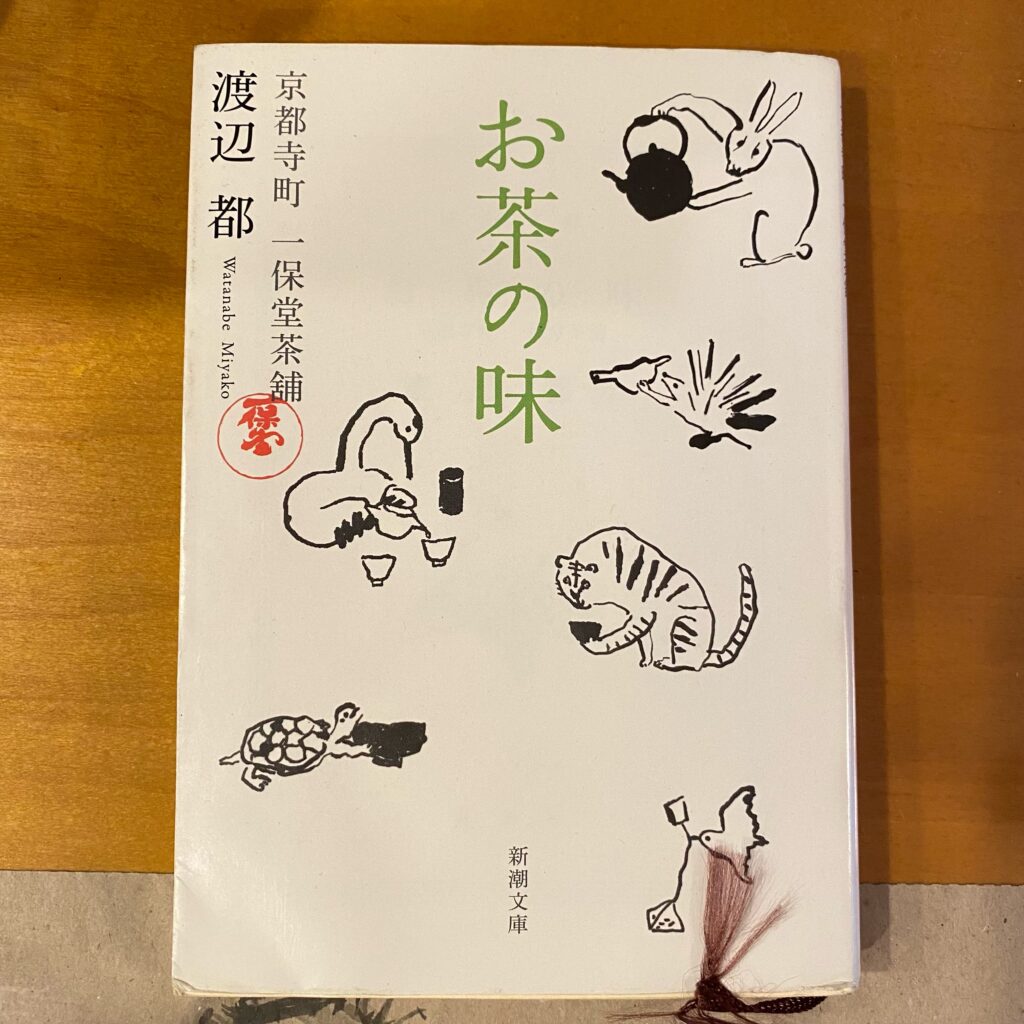
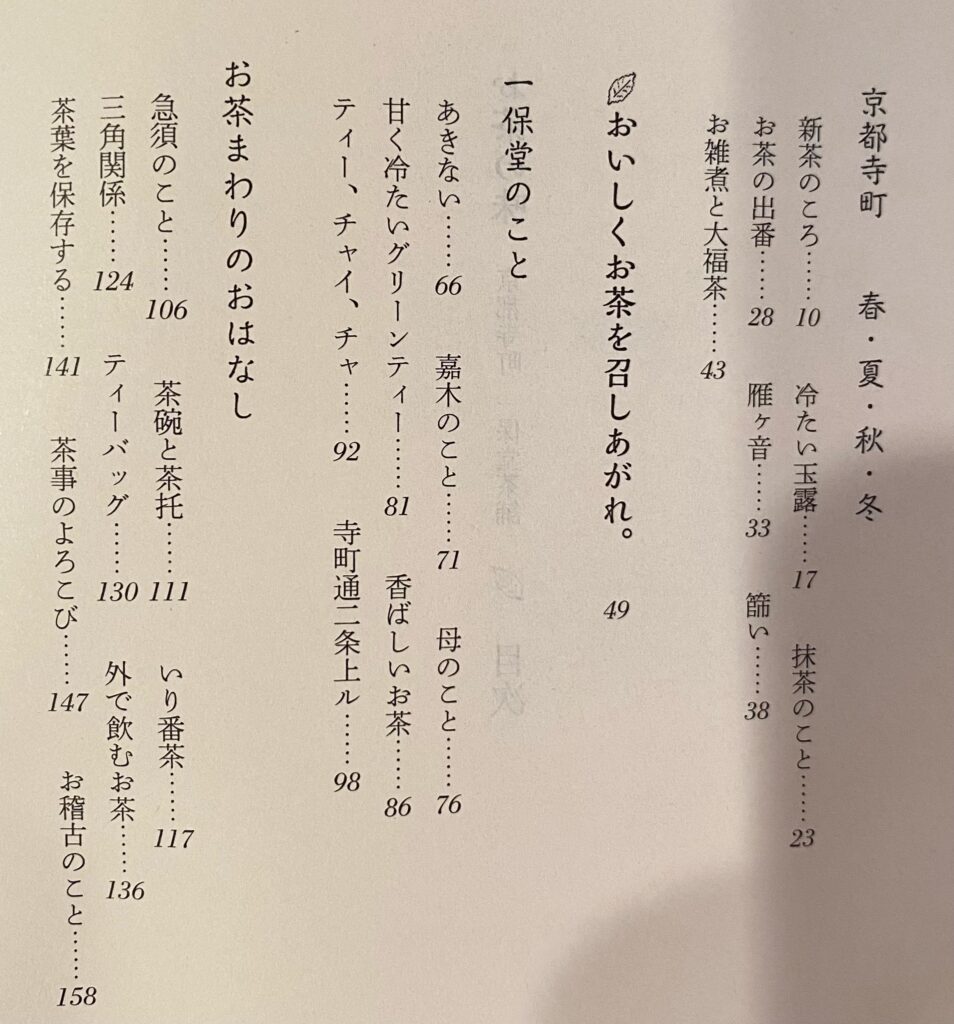
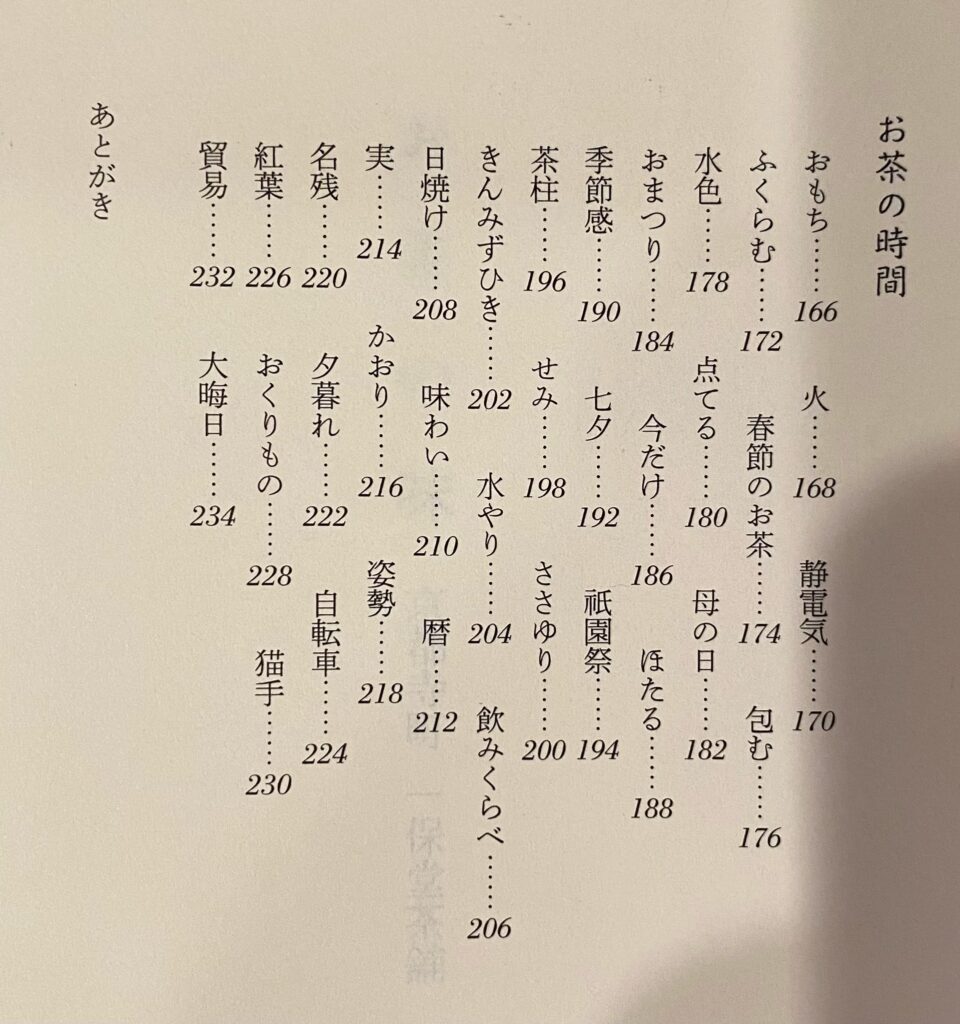
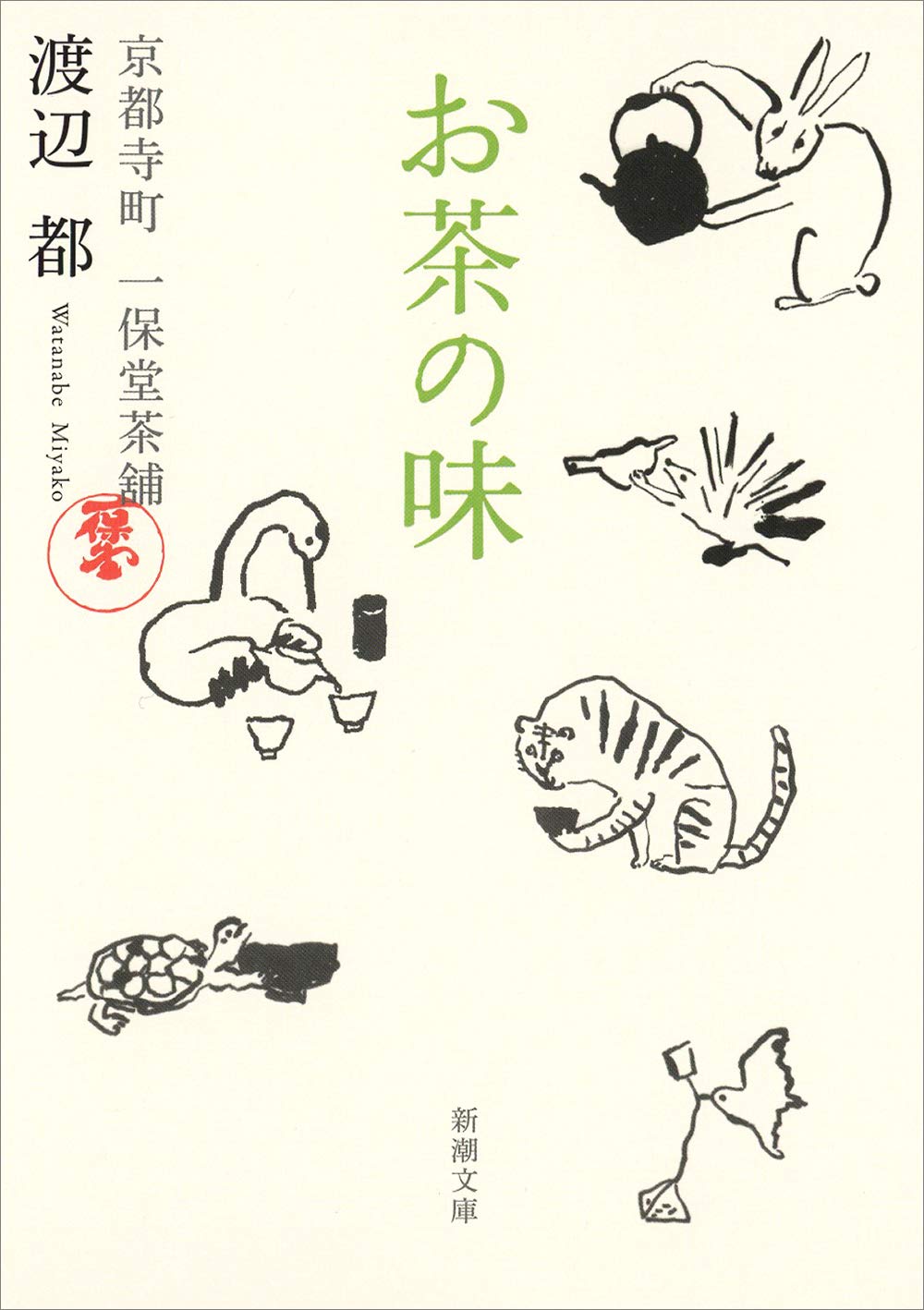
Owner's wife, Miyako Watanabe'sThe taste of tea: Ippodo Tea Shop, Teramachi, KyotoI picked up the book and read it later.
The table of contents includes not only topics about tea itself, such as "The time of new tea," "Cold gyokuro," and "About matcha," but also topics like "About teapots," "Tea bowls and saucers," "Storing tea leaves," "The joy of the tea ceremony," "About tea practice," and further on, "Sense of the seasons," "Gion Festival," "Lingering feelings," "Evening," "Autumn leaves," and "New Year's Eve."
In other words, this book describes the taste of tea as an experience that includes the seasons, the tools used, and the time spent with people.
This is something you'll understand very well if you're studying the tea ceremony.
I once played a game called "Tea Kabuki" during a tea ceremony lesson. It's a traditional tea-tasting game where you compete by tasting several types of tea and trying to identify their type, origin, and brand. It's quite a difficult game because you have to remember the subtle differences in taste and aroma, and then guess immediately under the pressure of not being able to correct your guess after each sip.
While the tea ceremony involves repeating the same procedures, the conditions are actually different each time. As this book explains, perhaps the very act of noticing these differences is what constitutes the practice.
Thick matcha and thin matcha—the same matcha can become two completely different drinks.
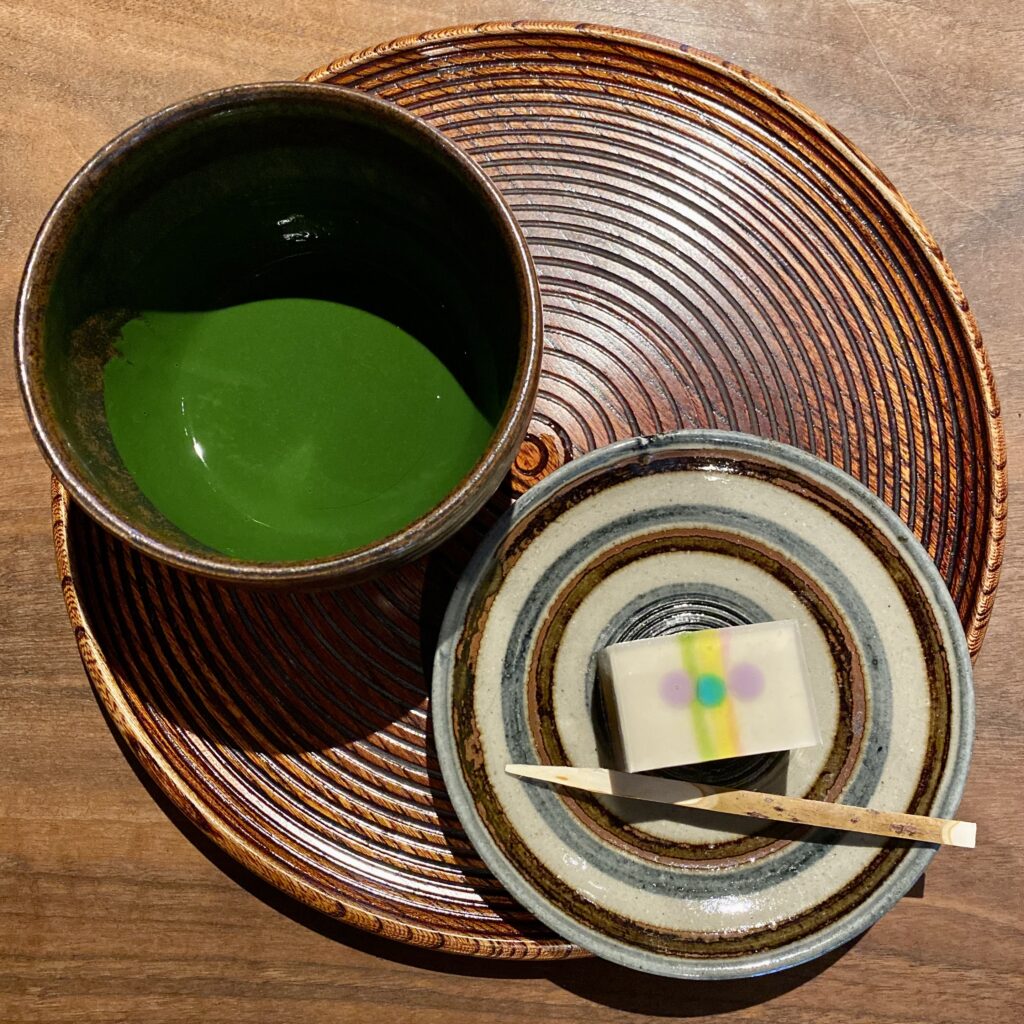
「KakiI ordered thick matcha there. Generally, when people say they are "drinking matcha," they are referring to "thin matcha" in the tea ceremony. At Ippodo, you can enjoy thick matcha, which is rarely available outside of tea ceremony practice sessions or formal tea ceremonies.
Light brown teaとKoicha (thick matcha tea)The biggest difference between the two is the amount of hot water and the amount of matcha powder. In other words, koicha (thick tea) is a thick, soup-like consistency, while usucha (thin tea) is a lighter, more refreshing tea.
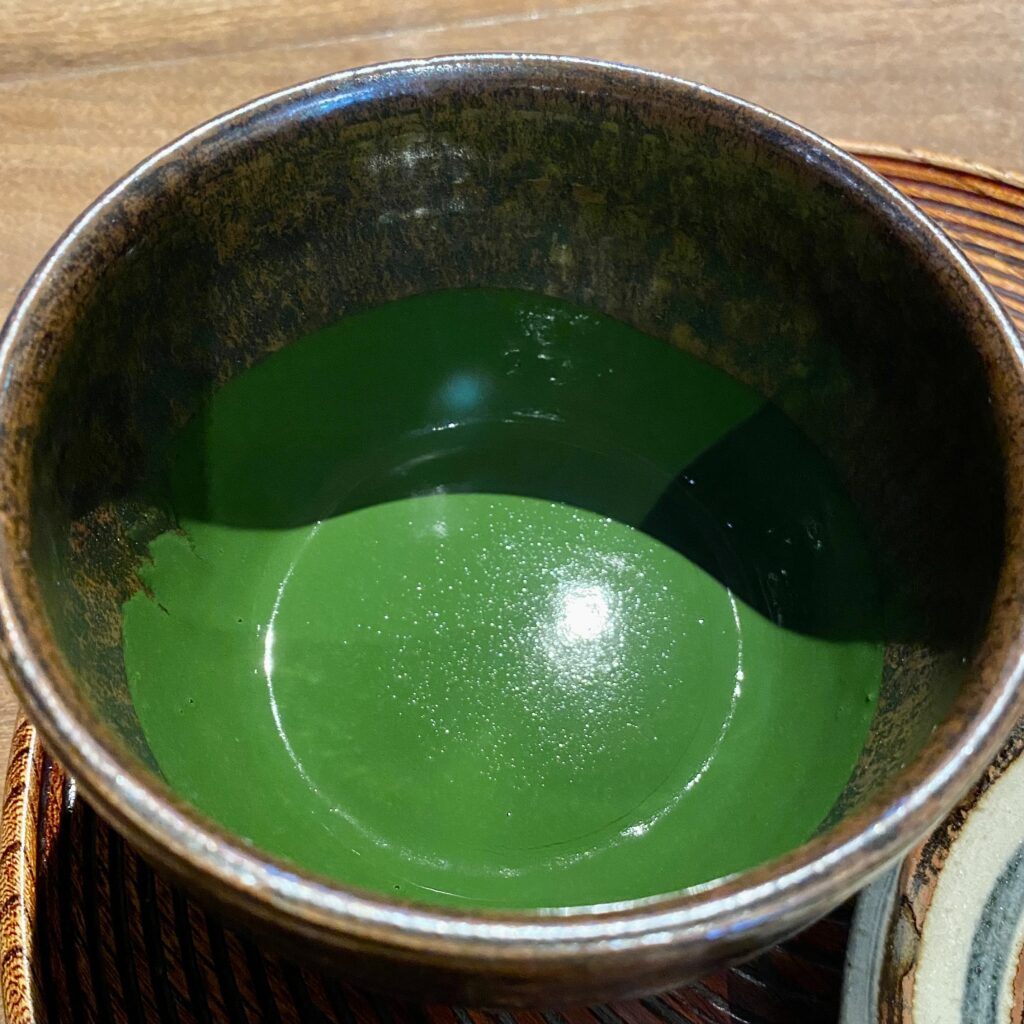
When I looked into the tea bowl I ordered, I saw a smooth, greenish texture. According to Ippodo's general guidelines, thin tea is made with 2g of matcha powder and 60ml of hot water, while thick tea is made with 4g of matcha powder and 30ml of hot water.
Both are made from matcha, but the sensations they produce in the mouth are almost completely different. With thin matcha, you tend to notice the aroma, foam, and a light bitterness. With thick matcha, the tea itself has a density that lingers on the tongue, and you experience the umami, sweetness, and bitterness all at once.
After finishing the thick matcha, another cup was served.
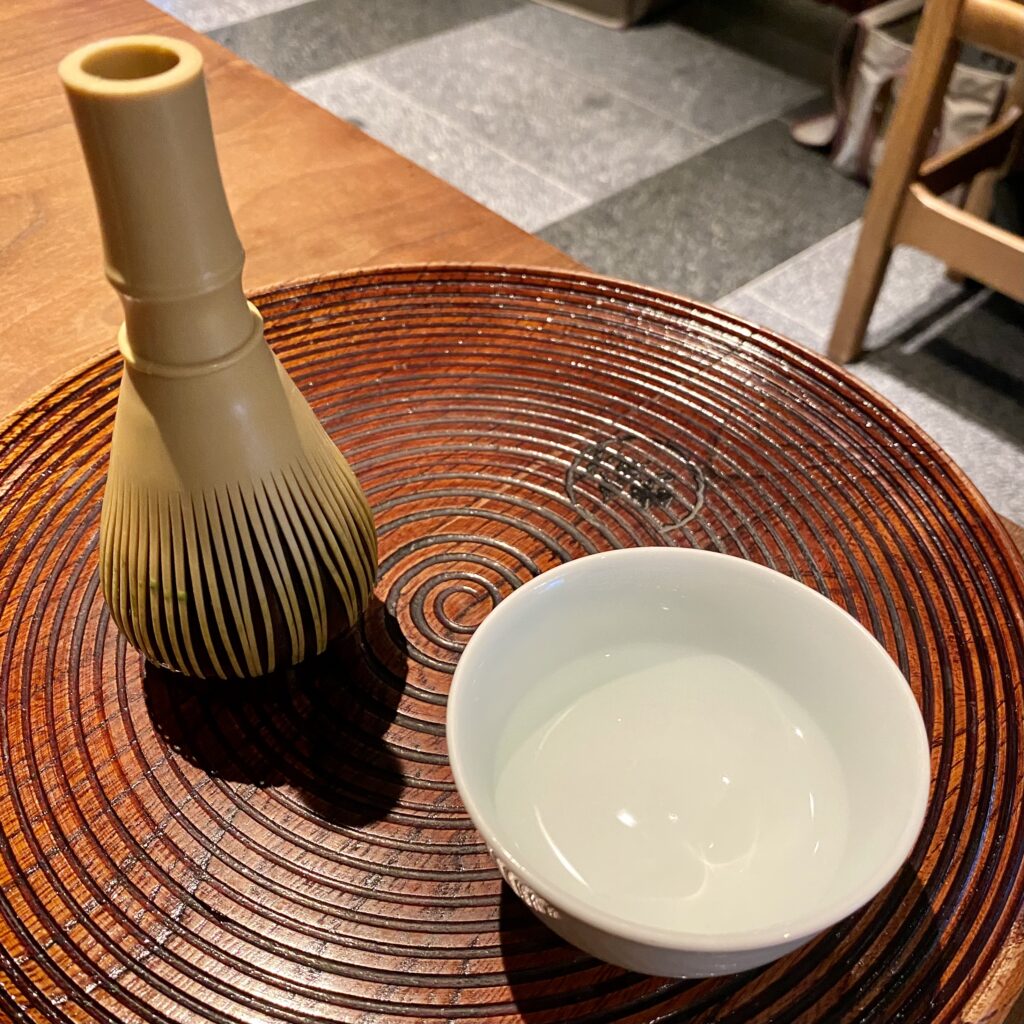
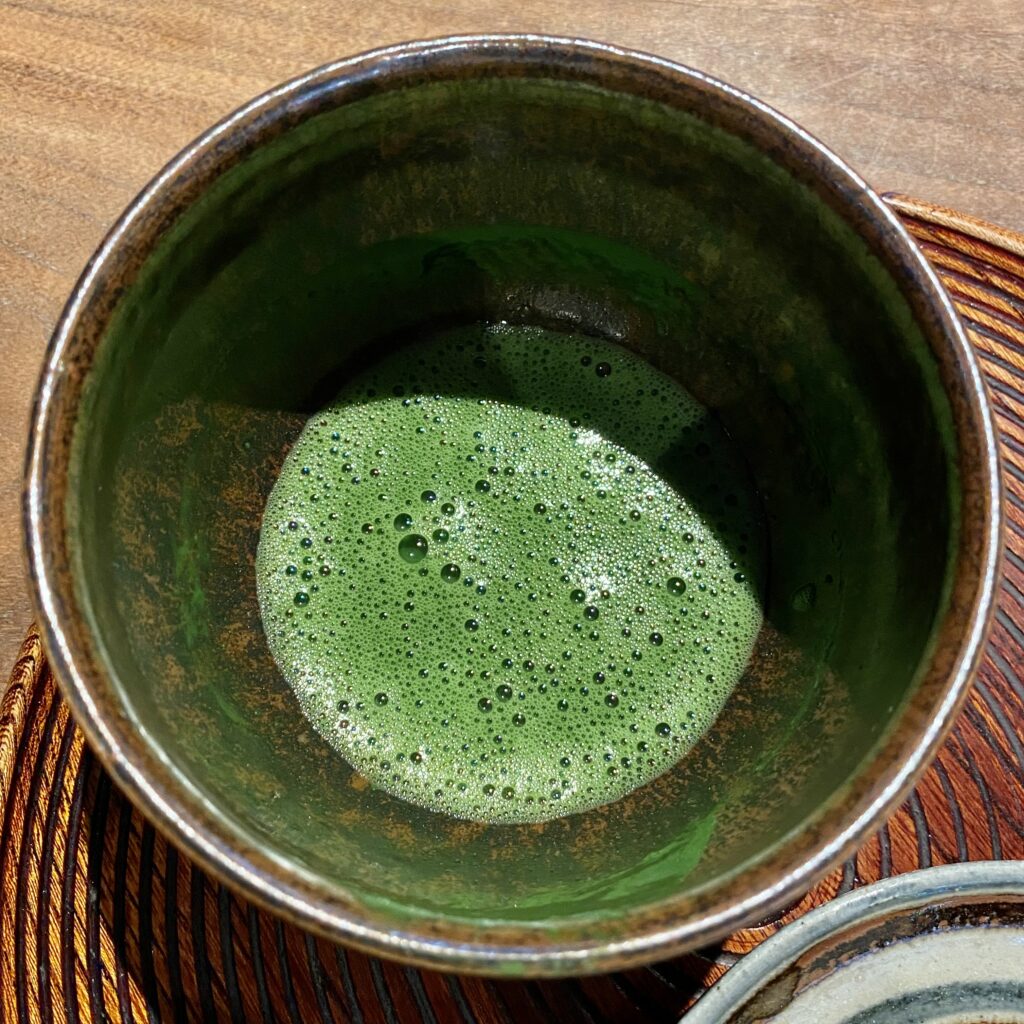
What left the biggest impression on me was what happened after I finished drinking the thick matcha tea.
There was still some concentrated matcha left in the teacup. I was advised to add hot water and rinse out the remaining matcha in the cup, then drink the diluted tea.
In one tea bowl,
Dark → Light
The flavor changes as you drink it. This way of drinking it made a strong impression on me.
When we drink thick tea during tea ceremony practice, we generally share one bowl among several people. Even after it reaches the last guest, some of the thick tea inevitably remains on the inside of the bowl. It's difficult to completely drink all the matcha that's stuck to the bowl, and I've always felt that it's a bit of a waste.
Traditionally, in a tea ceremony, thick tea (koicha) and thin tea (usucha) are treated as separate, individual servings.
That's why it was a refreshing experience at Ippodo to be able to pour hot water over the thick tea after it was served, and then enjoy the remaining matcha in the bowl as a lighter tea.
After fully enjoying the thick tea, dissolve the lingering aftertaste into the hot water and drink it all.
It simply means "you can drink it all without leaving any behind," but for me, who is used to seeing matcha left over in the bowl, this way of drinking it made perfect sense. What's even more interesting is that even with the same bowl and the same matcha, the flavor profile changes dramatically just by adding hot water.
This experience reinforced my belief that the taste of tea isn't determined solely by the tea leaves themselves.
Another ingredient that creates the flavor of tea—water
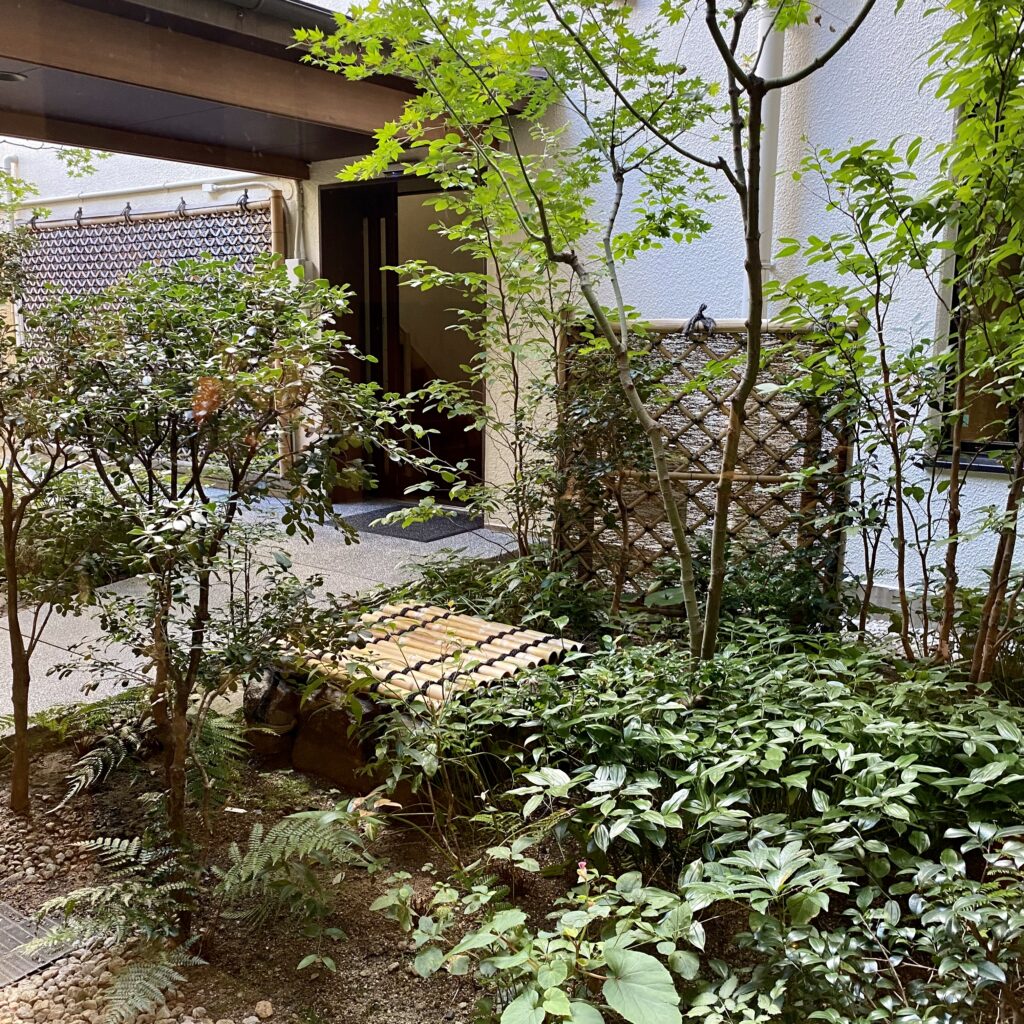
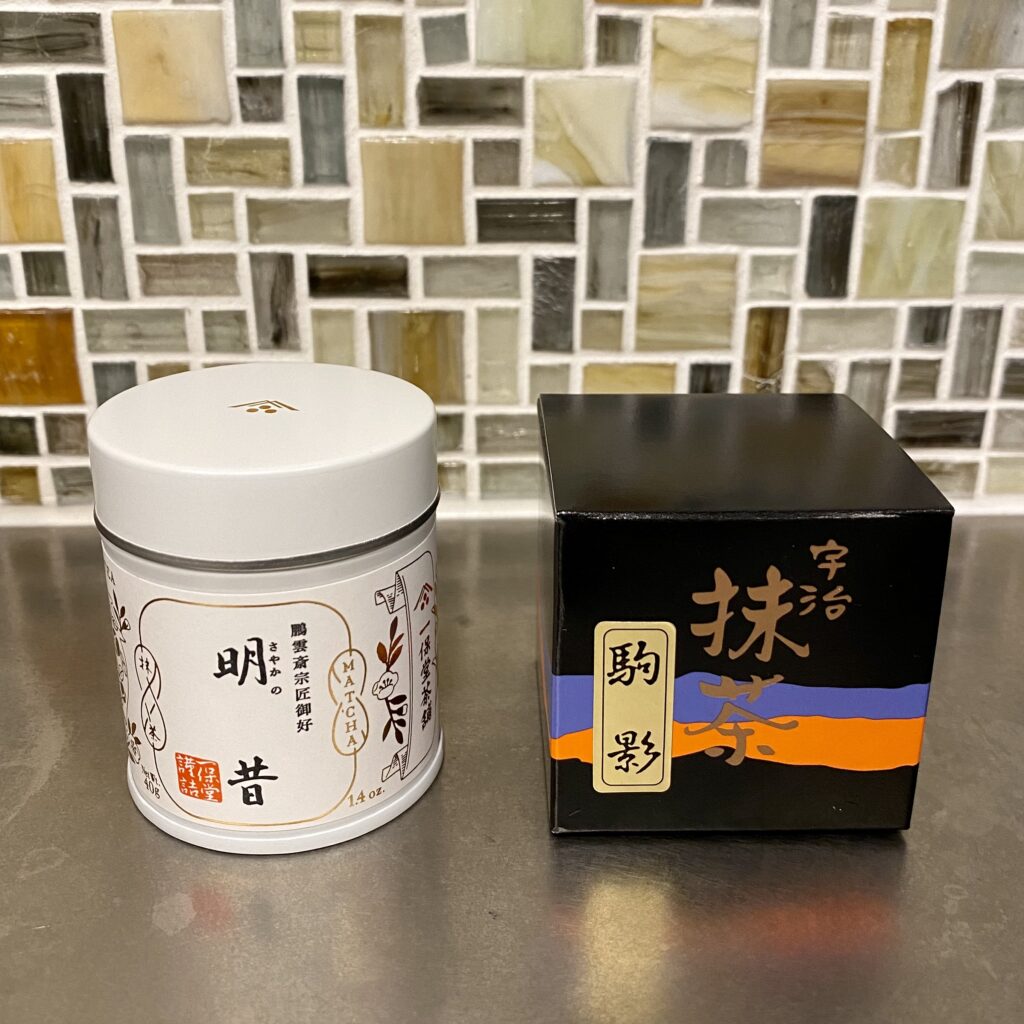
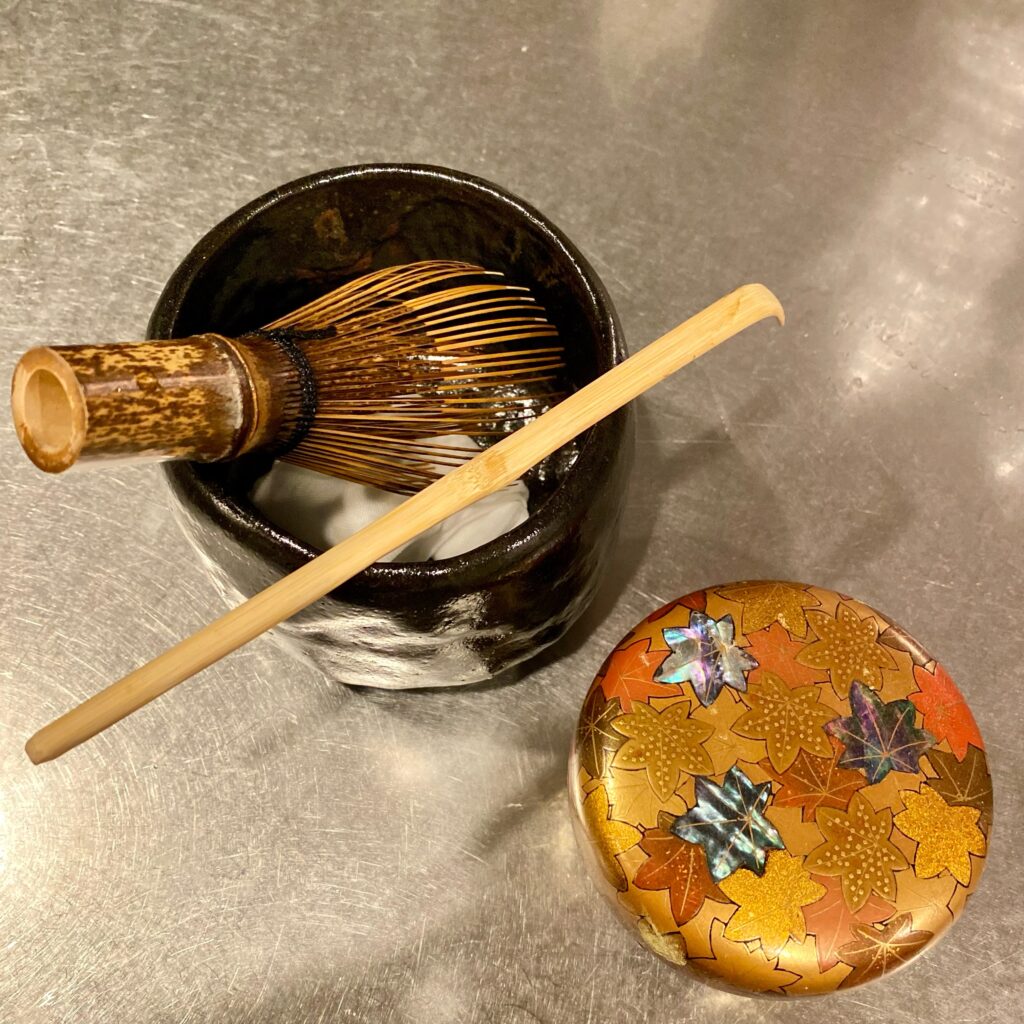
So, what is the "hot water" itself, which greatly changes the taste, made of? The next thing that caught my attention was the water.
Ippodo's Kyoto main store still uses well water, and their official website features a video of staff pouring well water when making cold-brewed sencha tea. There was a well in the courtyard.
Even with the same tea leaves, the aroma, astringency, and flavor will change depending on the water used.
Even during tea ceremony practice, our attention tends to be drawn to the matcha, the tea bowl, and the whisk, but the majority of the contents of the tea bowl are water. When I thought about it that way, I realized that considering the "taste of tea" is not just about looking at the tea leaves, but also about looking at the water of that region.
Enjoying a cup of tea in Kyoto during the Gion Festival.
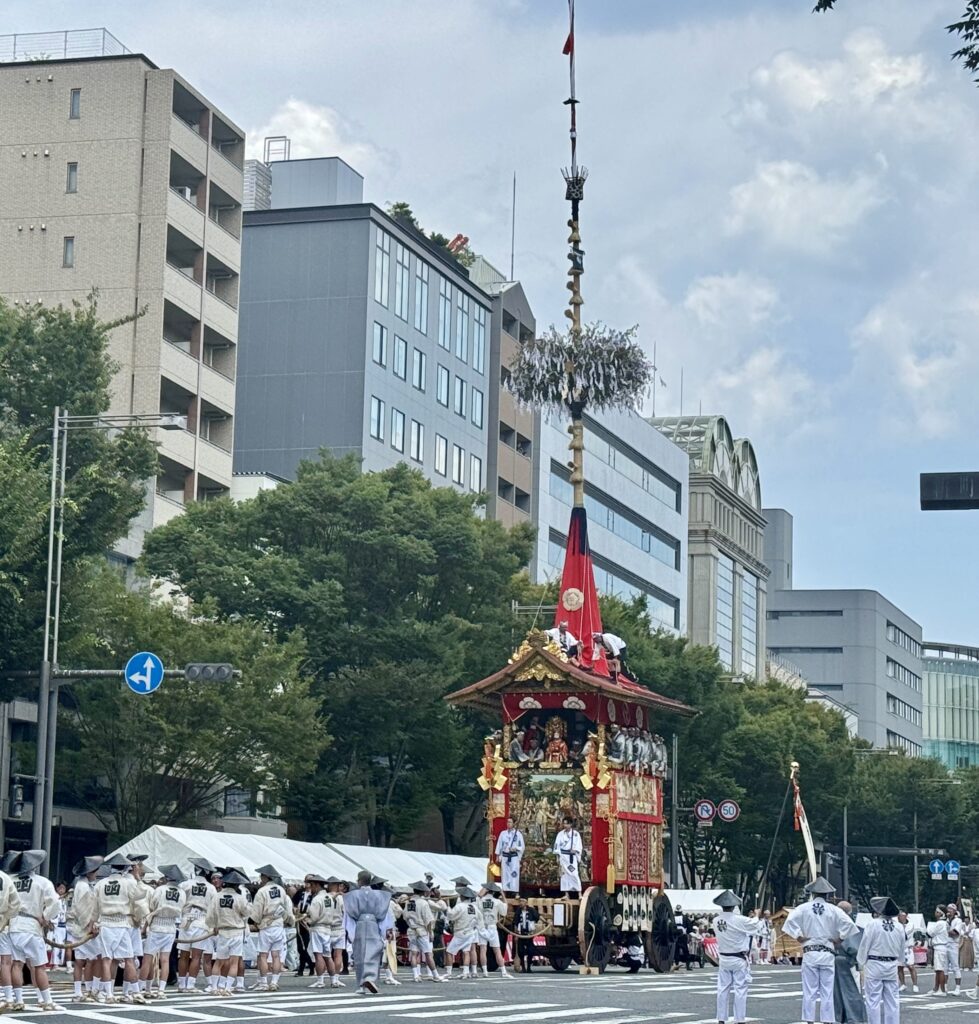
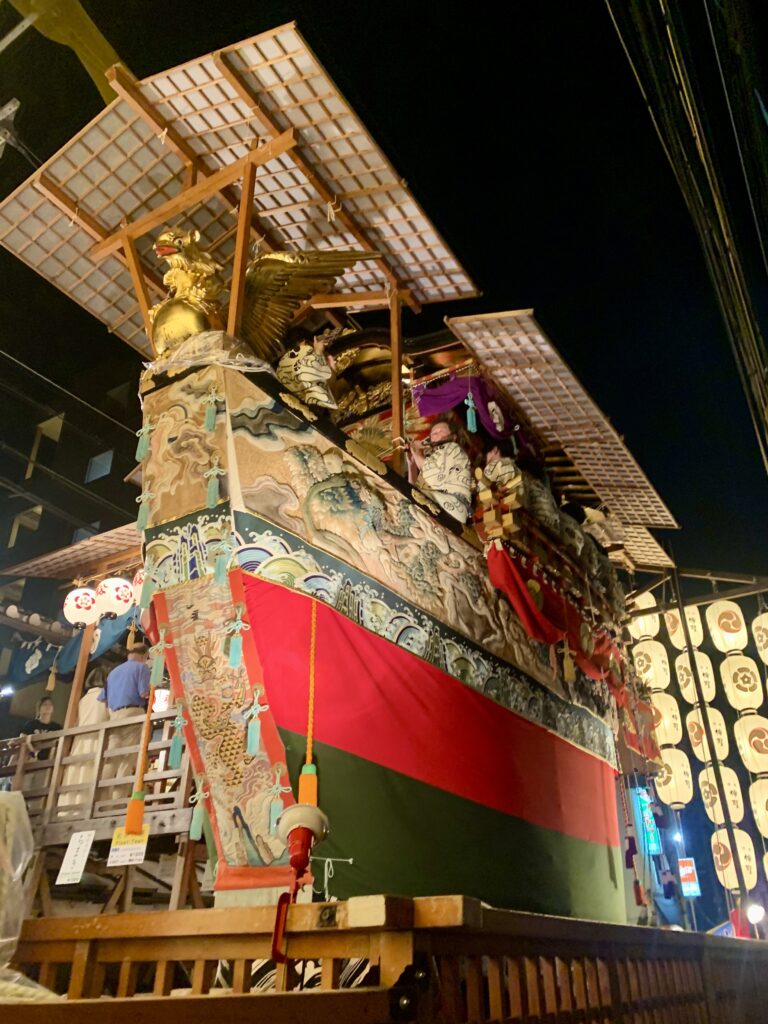
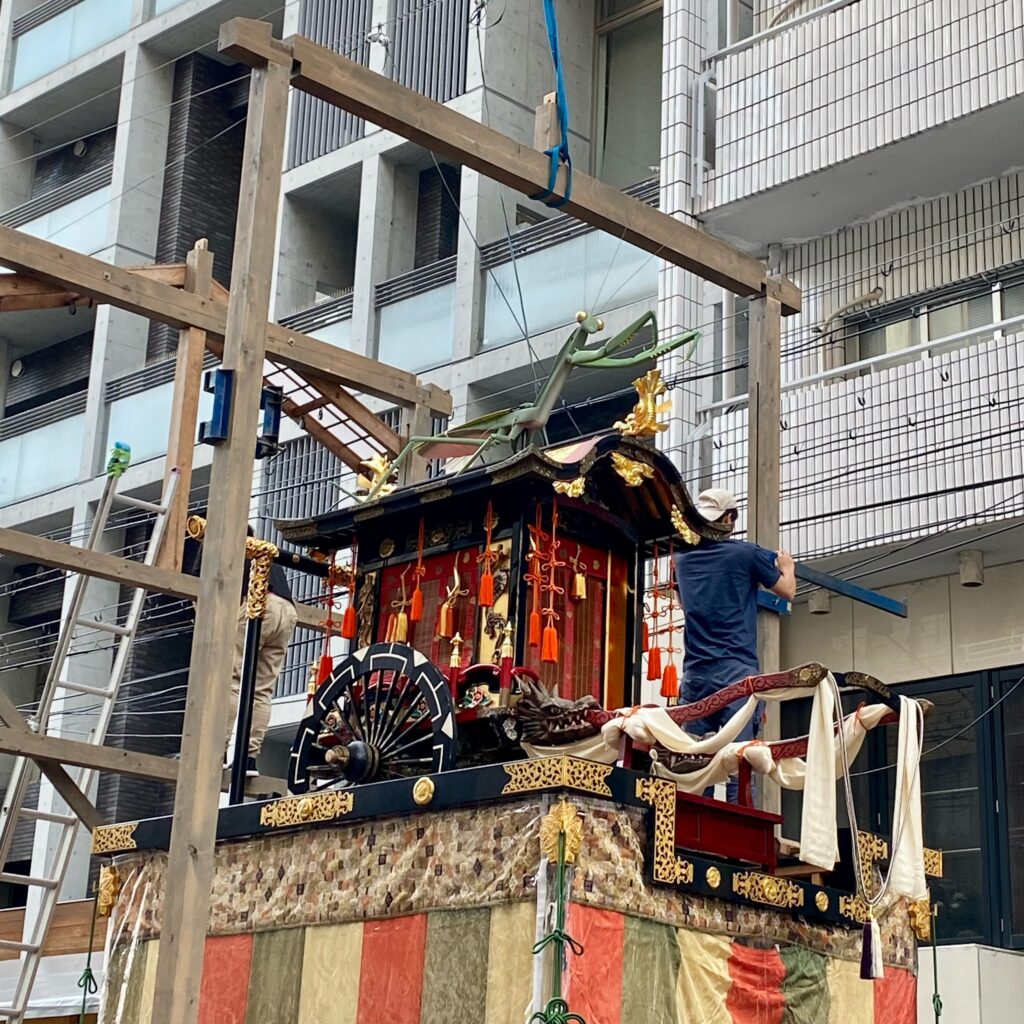
Coincidentally,The taste of teaThe table of contents of "[Title of the book]" also included a section titled "Gion Festival."
The book doesn't feature a description of the magnificent floats or the Gion Festival itself, but rather a very personal story about a Canadian exchange student who was staying at the author's house and ended up becoming one of the pullers of the Naginata Hoko float.
There's a scene where someone advises that walking in sandals will hurt your feet, so you should put bandages between your toes. From there, the conversation expands to the author's own memories of the Gion Festival that he experienced previously.
And the last thing mentioned in the text is "tea." The author apparently thought it would be a good idea to prepare cold barley tea in thermoses for the international students participating in the Yamahoko procession under the scorching sun, and made the necessary preparations.
I felt that the book's appeal was encapsulated right here. The Gion Festival, which has continued for over a thousand years, and Ippodo, a tea shop that has been around for over three hundred years, do not exist solely under the broad term of "traditional culture."
If it's hot, I brew cold tea. If someone comes home, I offer them tea. The type of tea we drink changes with the seasons. I realized that culture isn't just about big events, but also about these small actions that are passed down through daily life.
This time, I myself visited Kyoto to see the Gion Festival, and during that same trip, I went to Ippodo in Teramachi. And when I return to Tokyo, I have tea ceremony lessons again.
The tea I drank in Kyoto, the tea I read about in books, the tea I prepare myself during practice.
As these elements gradually connect, the meaning of the phrase "the taste of tea" is now perceived more broadly than before.

comment