- Reading a city that continues to use the past in the "present tense"
- About Kenji Miyazawa
- Why did the company that published "The Restaurant of Many Orders" become a folk art shop?
- Folk art is something to be used, not just looked at.
- Folk crafts are not the only aspect of "Morioka culture."
- The coffee shop culture of Nakatsugawa and Morioka
- Let's revisit Kenji Miyazawa through the film "Father of the Galaxy Railway."
Reading a city that continues to use the past in the "present tense"
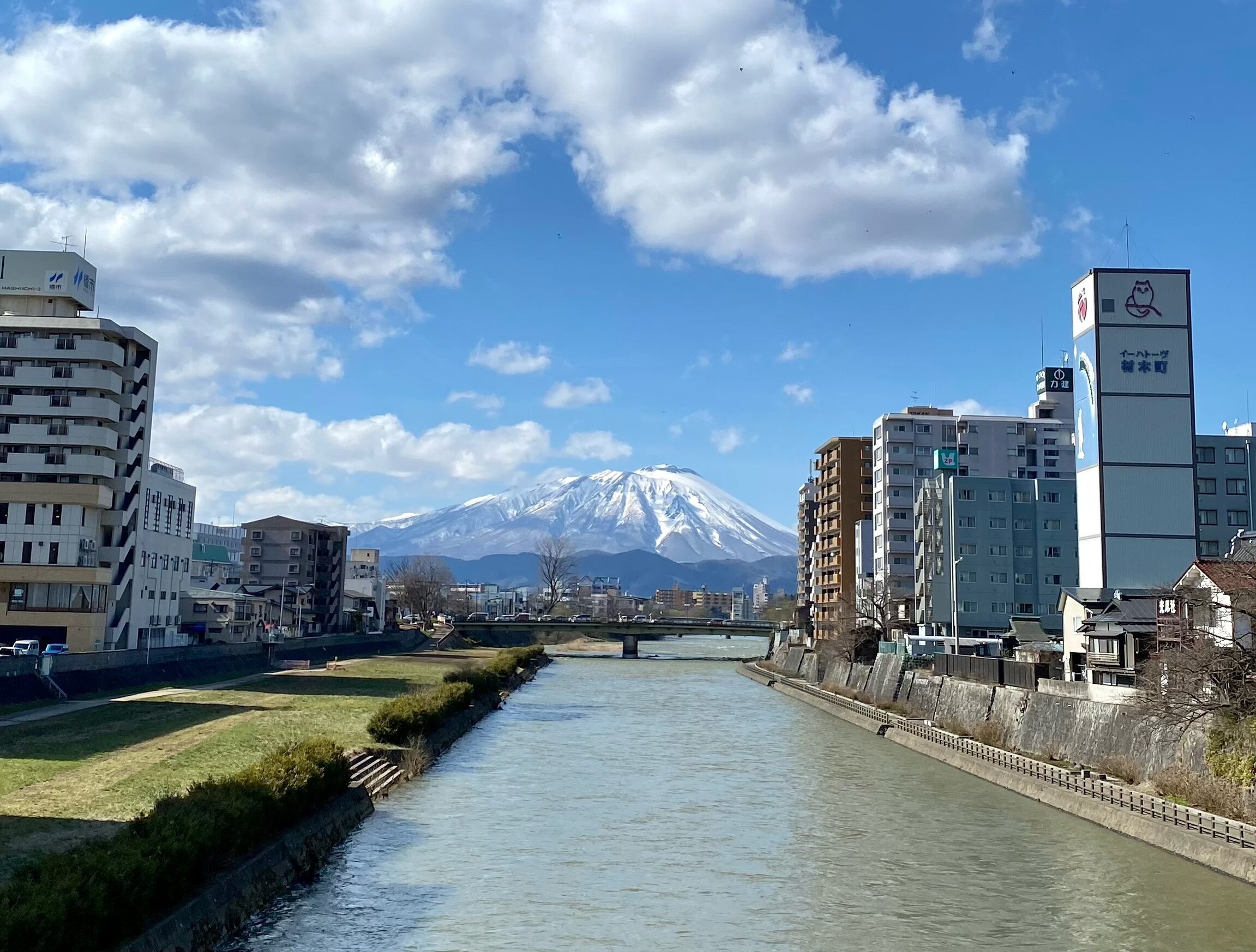
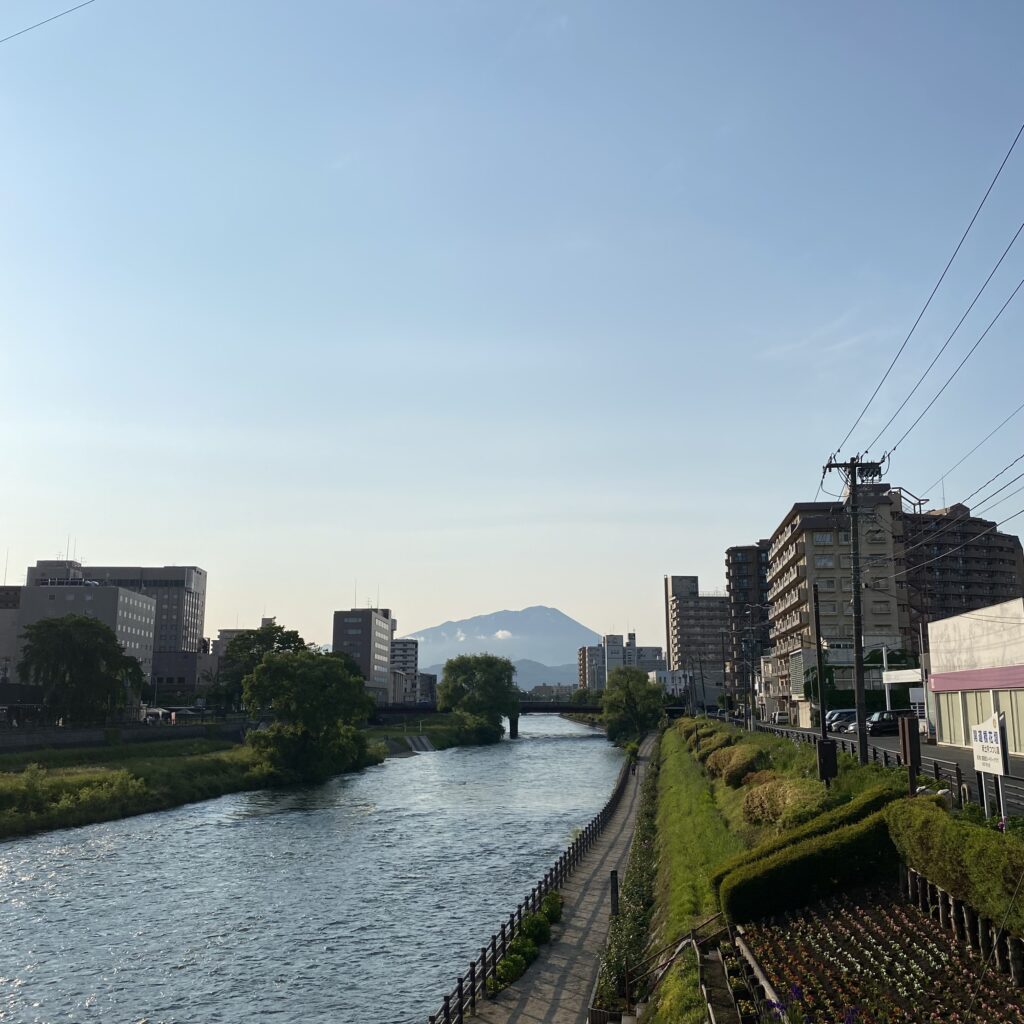
As you leave Morioka Station and walk through the town, you can see Mount Iwate across the river.
Walking around Morioka gave me a similar feeling to when I walked around Matsumoto City in my home prefecture of Nagano. In Matsumoto, the history of the castle town, folk art, Matsumoto folk furniture, Yayoi Kusama, and the Northern Alps all come together, creating a city where the past and present intertwine.
This time, we'll take a look at Morioka through the lens of Kenji Miyazawa, publishing, folk art, cafes, and the food culture that emerged after the war.
About Kenji Miyazawa
Kenji Miyazawa entered Morioka Higher School of Agriculture and Forestry in 1915. During his student years, he also engaged in literary activities, leaving behind works that used Morioka's festivals and scenery as subjects. Morioka was not only the place where he studied agriculture, but also the place where the sensibilities that would later lead to Kenji Miyazawa as a writer were nurtured.
Although Kenji wrote a vast number of works throughout his life, surprisingly few of his books were published during his lifetime.
Poetry collection “Spring and Shura' and the fairy tale collection 'The Restaurant with Many Orders』。
the"The Restaurant with Many OrdersThe publisher of "[Title of the book]" is located in Zaimoku-cho, Morioka City.Kohara-shais.
Why did the company that published "The Restaurant of Many Orders" become a folk art shop?
Before visiting Kohara-sha, I knew it was simply a place associated with Kenji Miyazawa. However, upon actually going there, it seems to be more than just a literary historical site.
In 1924, Shiro Oikawa, the founder and a junior of Kenji's at Morioka Higher School of Agriculture and Forestry, published Kenji's fairy tales, and it is said that Kenji himself gave the company the name "Kogensha" at that time.
However, Kohara-sha did not simply continue publishing; through its interactions with figures such as Manji Takahashi, who was involved with Nambu ironware; Soetsu Yanagi, a leader of the folk craft movement; Keisuke Serizawa, a dyer; and Shiko Munakata, a printmaker, it transformed into its current form, dealing in ironware, lacquerware, ceramics, textiles, glass, and more.
In other words, Kohara-sha,
A place for literature, and at the same time, a place for crafts.
But so.
If the goal was simply to preserve and display the name of Kenji Miyazawa, a literary museum would have sufficed. However, Kohara-sha still sells pottery, furniture, and textiles. The memory of his literature is connected to everyday life.
Folk art is something to be used, not just looked at.
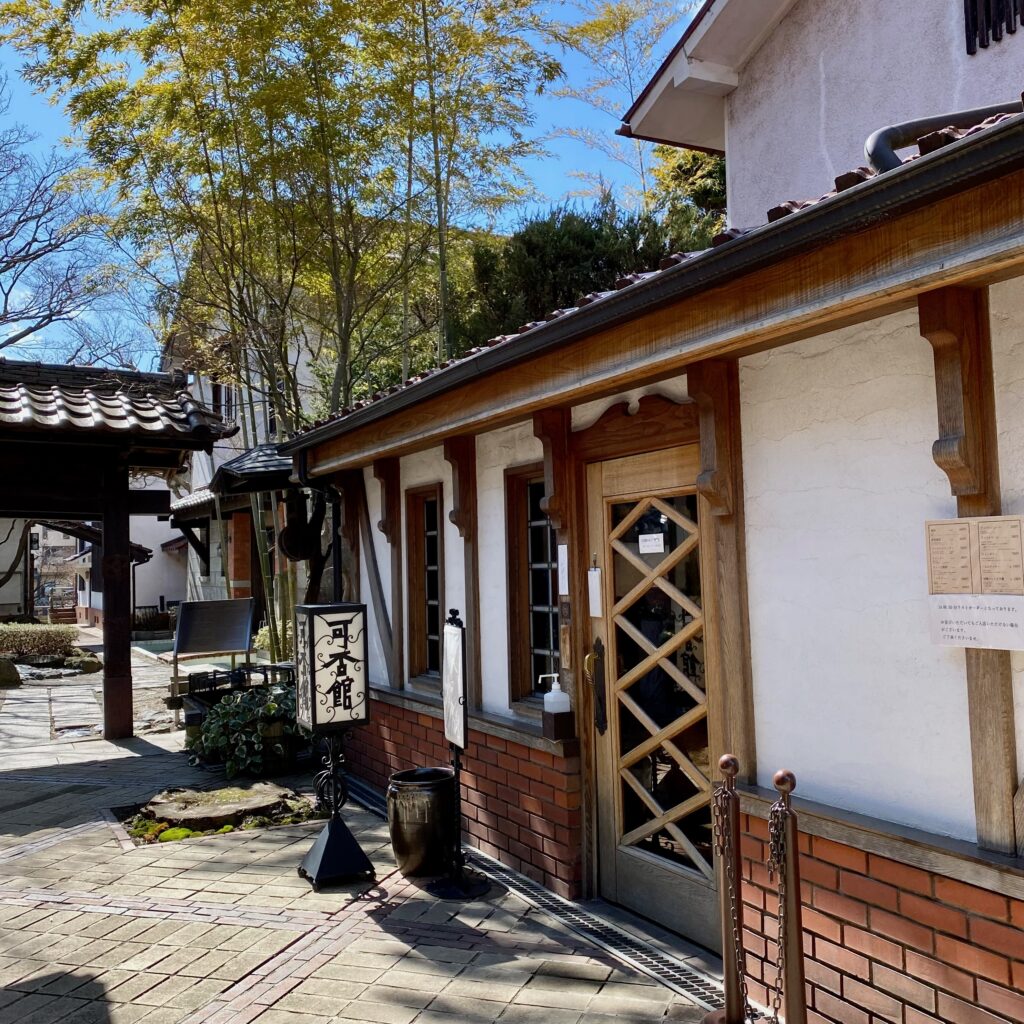
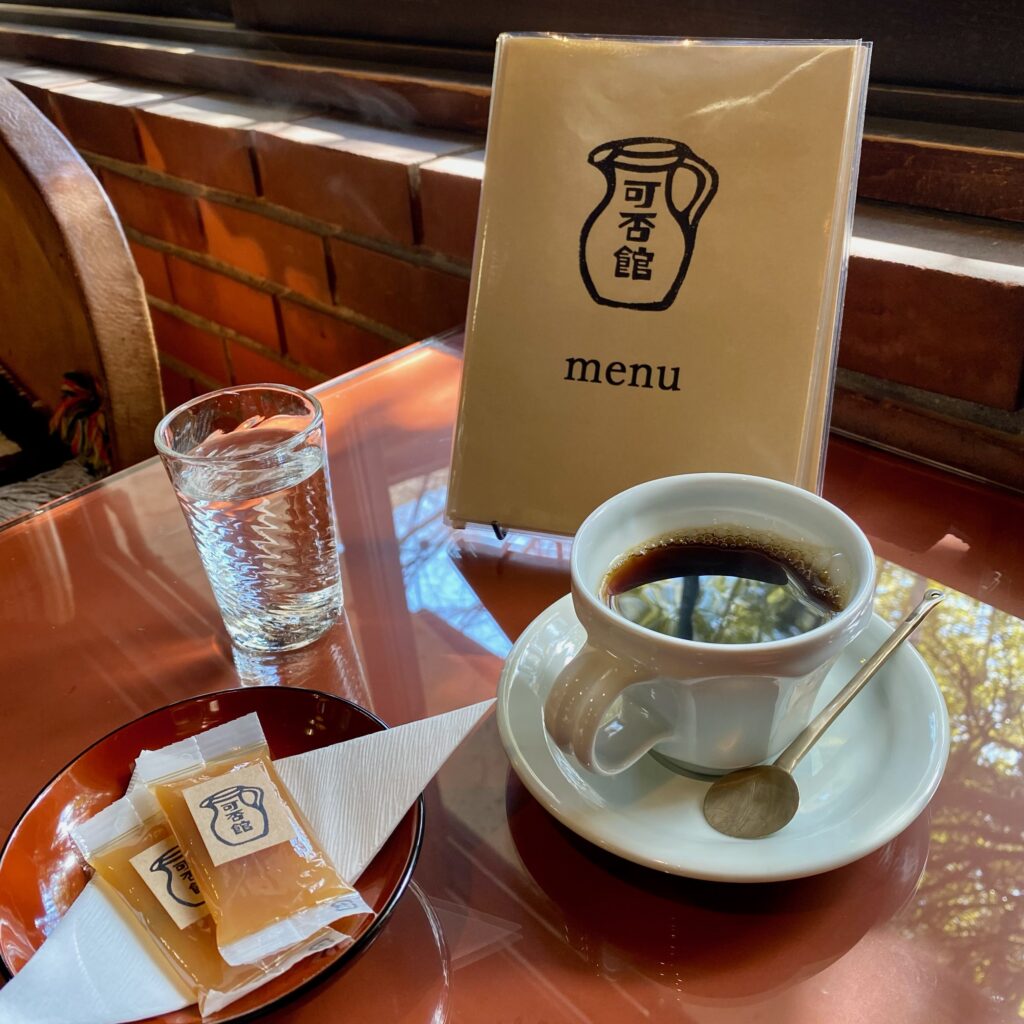
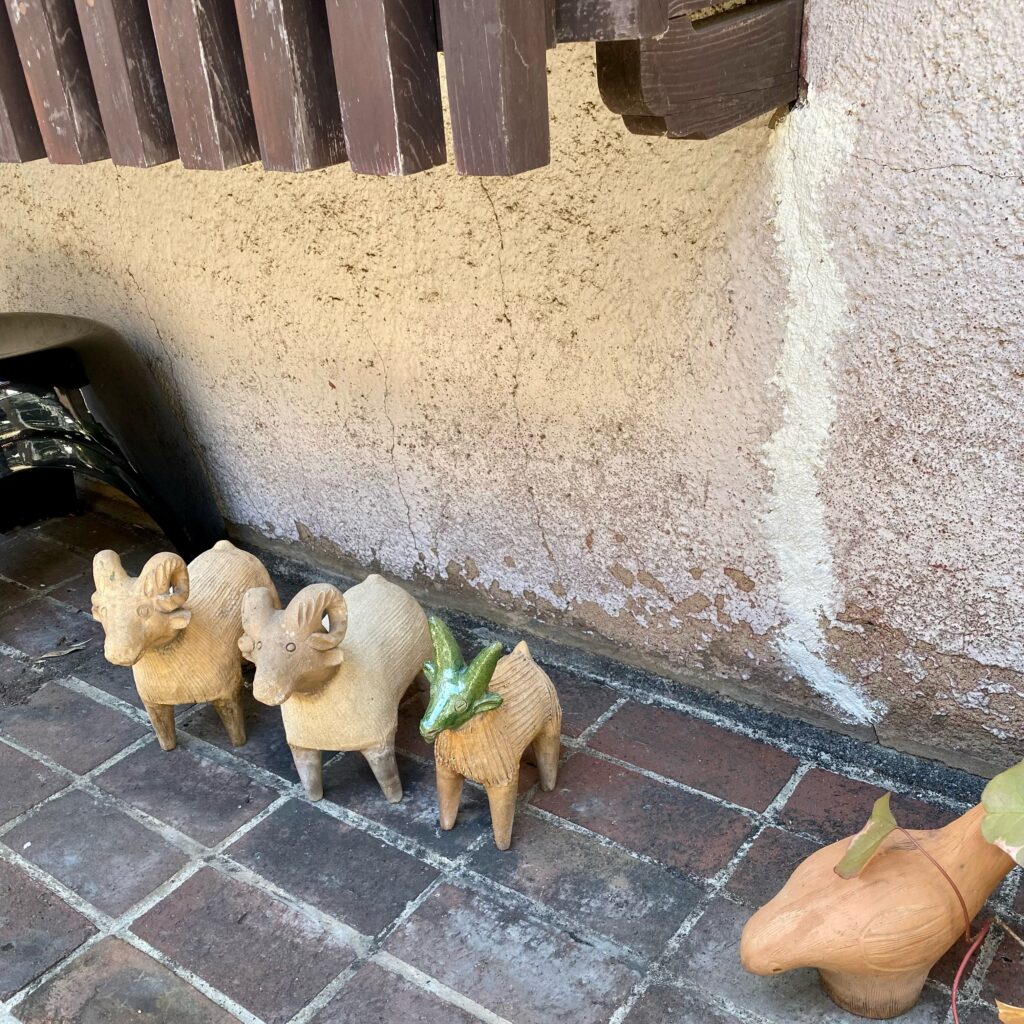
Within the grounds of Kohara Co., Ltd., there is a coffee shop called "KahikanThere is a ''.
If you're just looking to have a coffee and take a break, it's just an ordinary coffee shop, but the handcrafted tableware from all over Japan that Kohara-sha handles was actually being used at Kahi-kan.
I believe this is an important perspective to consider when looking at folk art.
In museums, artworks are displayed on pedestals and carefully protected for viewing. However, vessels are meant to be held, licked, washed, and used. Chairs are meant to be sat on, and tables are used until they become scratched.
Mingei is an abbreviation of "minshu-teki kōgei" (folk crafts), a term coined in the 1920s by Soetsu Yanagi, Kanjiro Kawai, and Shoji Hamada. Its defining characteristic is the discovery of beauty not only in special works of art, but also in tools made by anonymous craftsmen used in daily life. Practicality, anonymity, and connection to the local area are key features.
And most importantly,
The act of using something and its beauty are not separate things.
That's the idea. It's what you might call "beauty in utility."
At Kahi-kan, you can understand it not through explanation, but through experience. The everyday act of drinking coffee and the act of looking at crafts are not separated; it is not "folk art to be seen,"Folk art being usedAnd there it was.
Folk crafts are not the only aspect of "Morioka culture."
When considering Morioka, one cannot ignore its food culture.
Morioka has three famous noodle dishes: Morioka Reimen (cold noodles), Jajamen (noodles with meat sauce), and Wanko Soba (small bowls of soba noodles).
However, the interesting thing isn't the number of local specialties.How did those foods become known as "Morioka food"?When you investigate that further, you can see a process by which culture becomes established in a place, in a way that is different from the folk art mentioned earlier.
Shokudoen and Morioka Reimen (cold noodles)
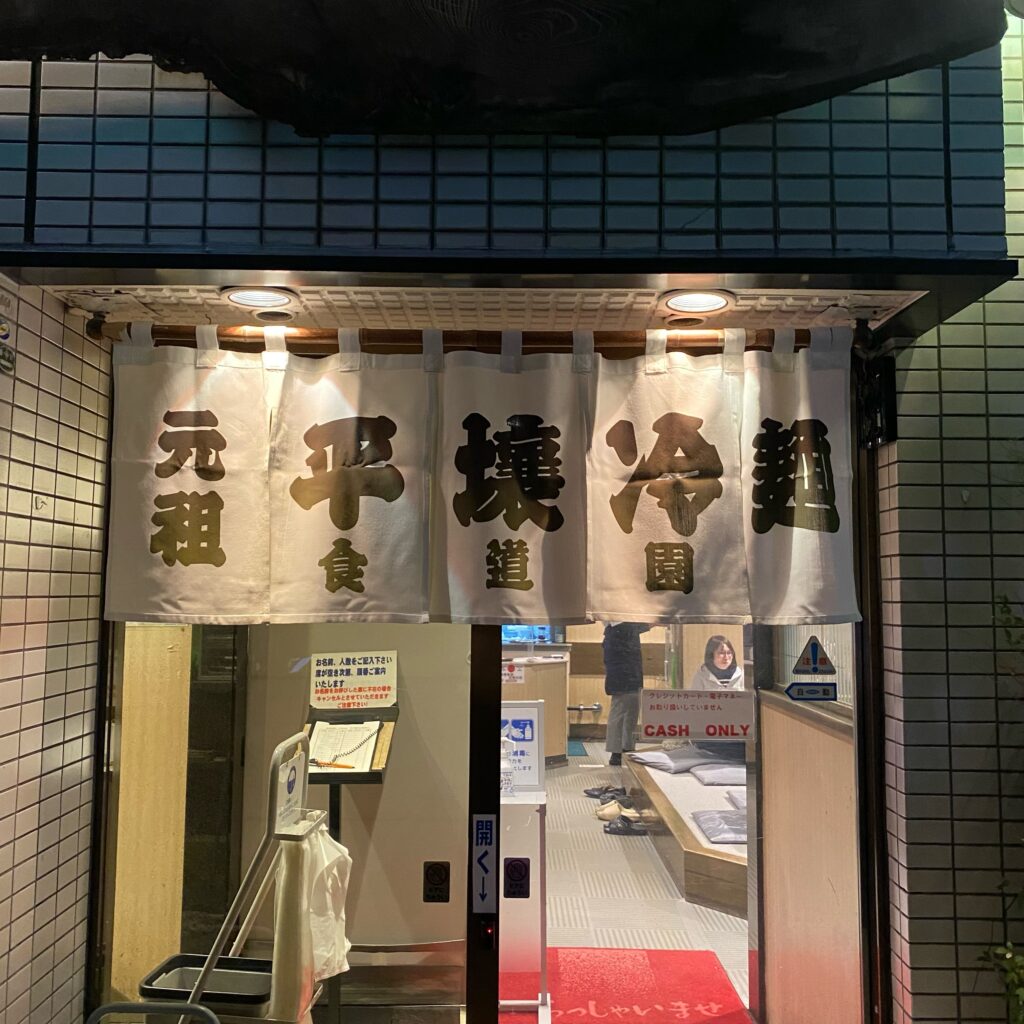
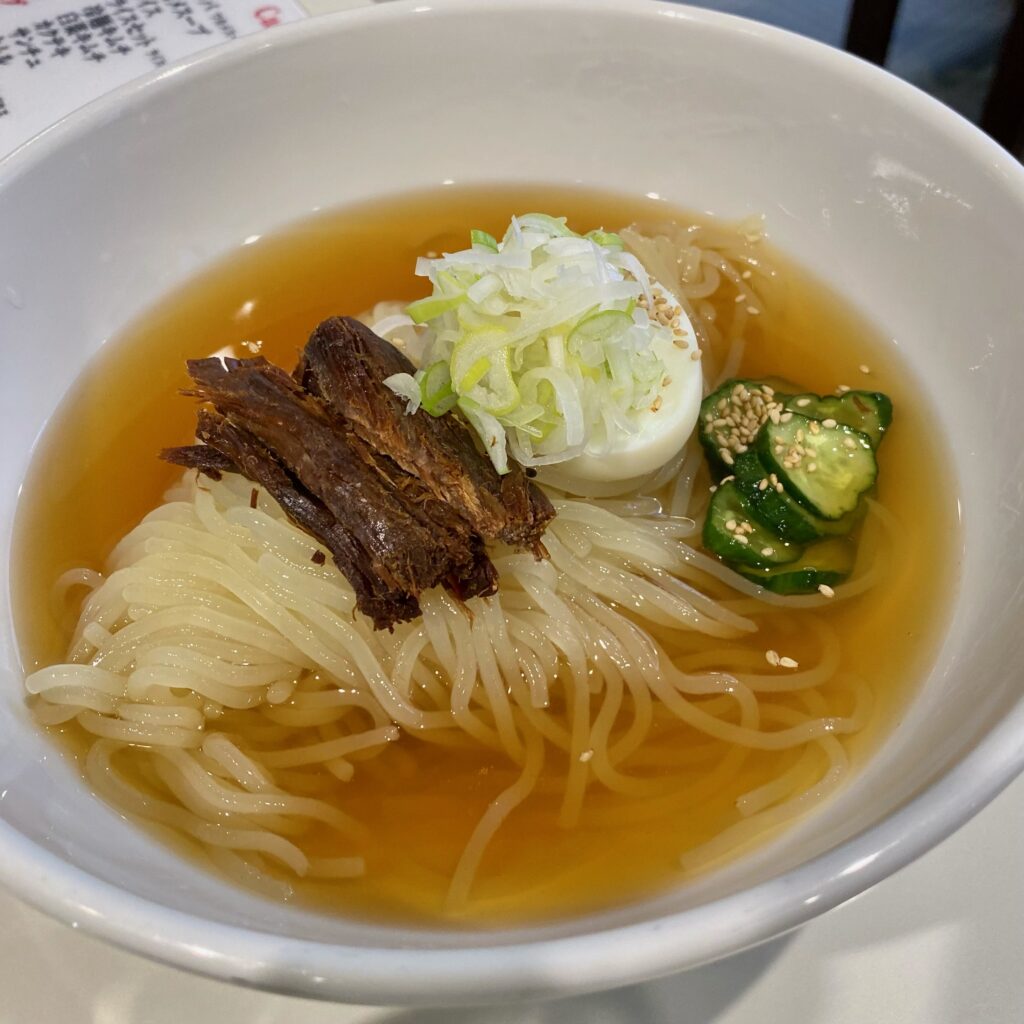
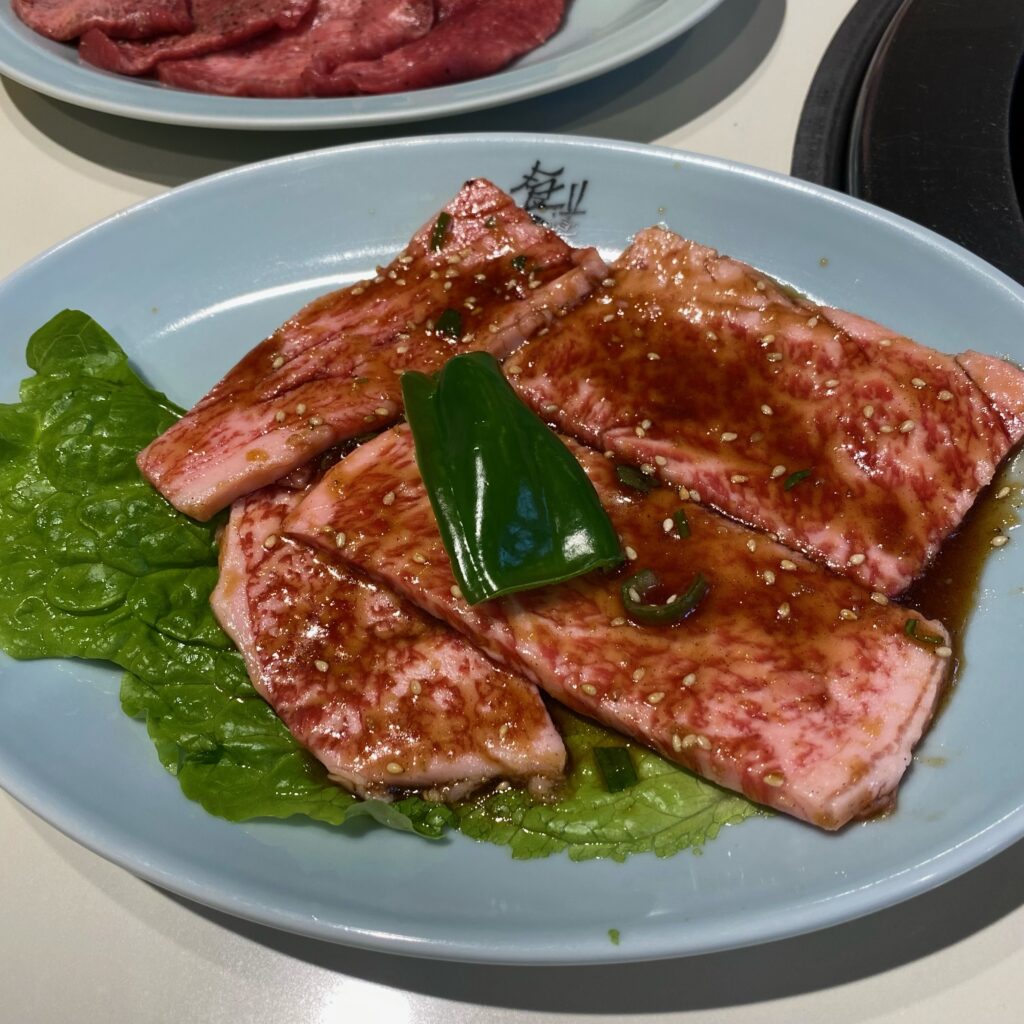
"Ganso Pyongyang Reimen" is located on Odori Street in Morioka City, Iwate Prefecture. Gourmet gardenThis is a famous, long-established restaurant founded in 1954, known as the birthplace of Morioka Reimen (cold noodles).
Morioka Reimen is not a local dish that has existed for hundreds of years, but rather it was created in Morioka by Teruhito Aoki of Shokudoen, who emigrated to Japan from the northern part of the Korean Peninsula. Since then, restaurants and noodle manufacturers have made improvements to it, and it has evolved into the food culture of "Morioka Reimen" that we know today.
The history of Morioka Reimen began when the first owner refined and improved upon his hometown's Pyongyang Reimen. Gourmet gardenIt all started with "[...]. Because the noodles are kneaded to order, you can enjoy their exceptional chewiness and smooth texture. The soup is characterized by its rich, flavorful broth, which is packed with the delicious taste of beef."
Also, when you order grilled meat such as kalbi, you'll get a raw egg on the side. Dipping the meat in the raw egg, just like in sukiyaki, is a traditional style unique to Shokudoen.
White Dragon and Jajamen
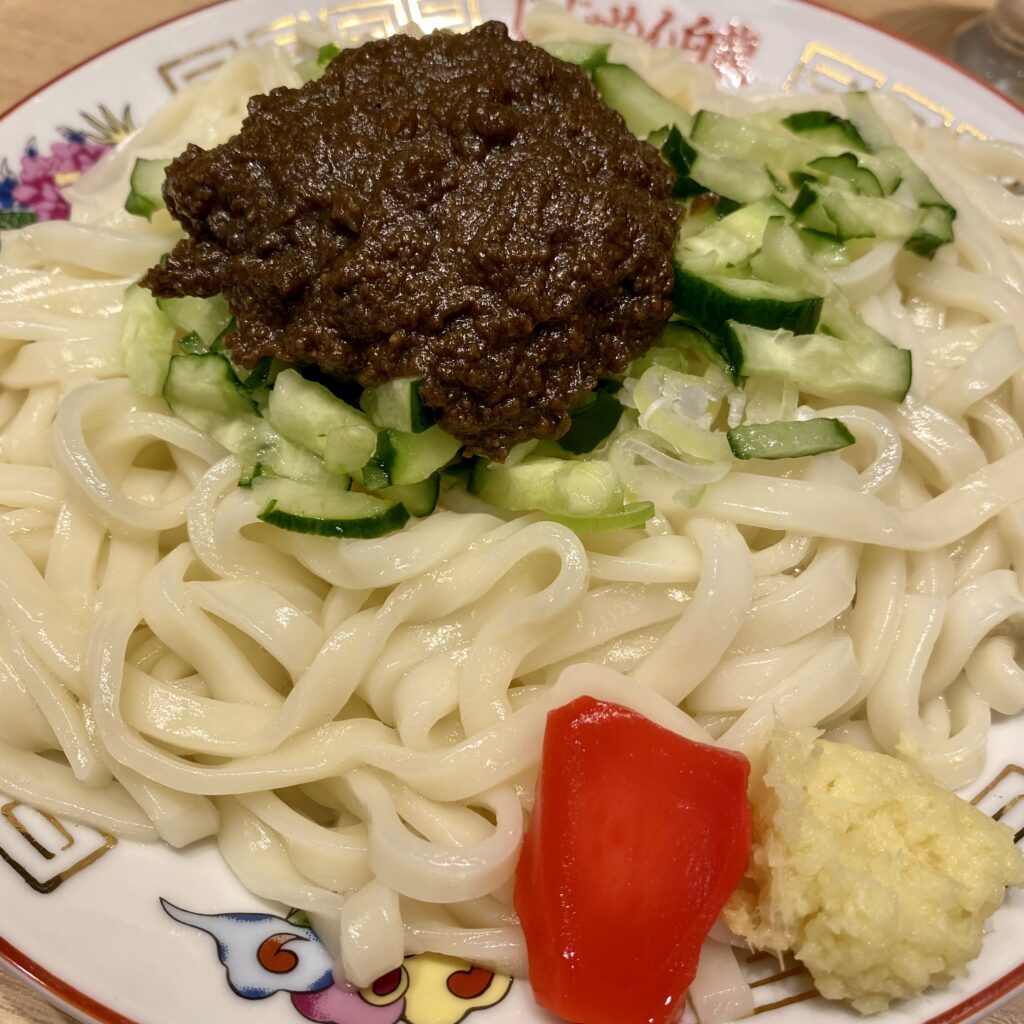
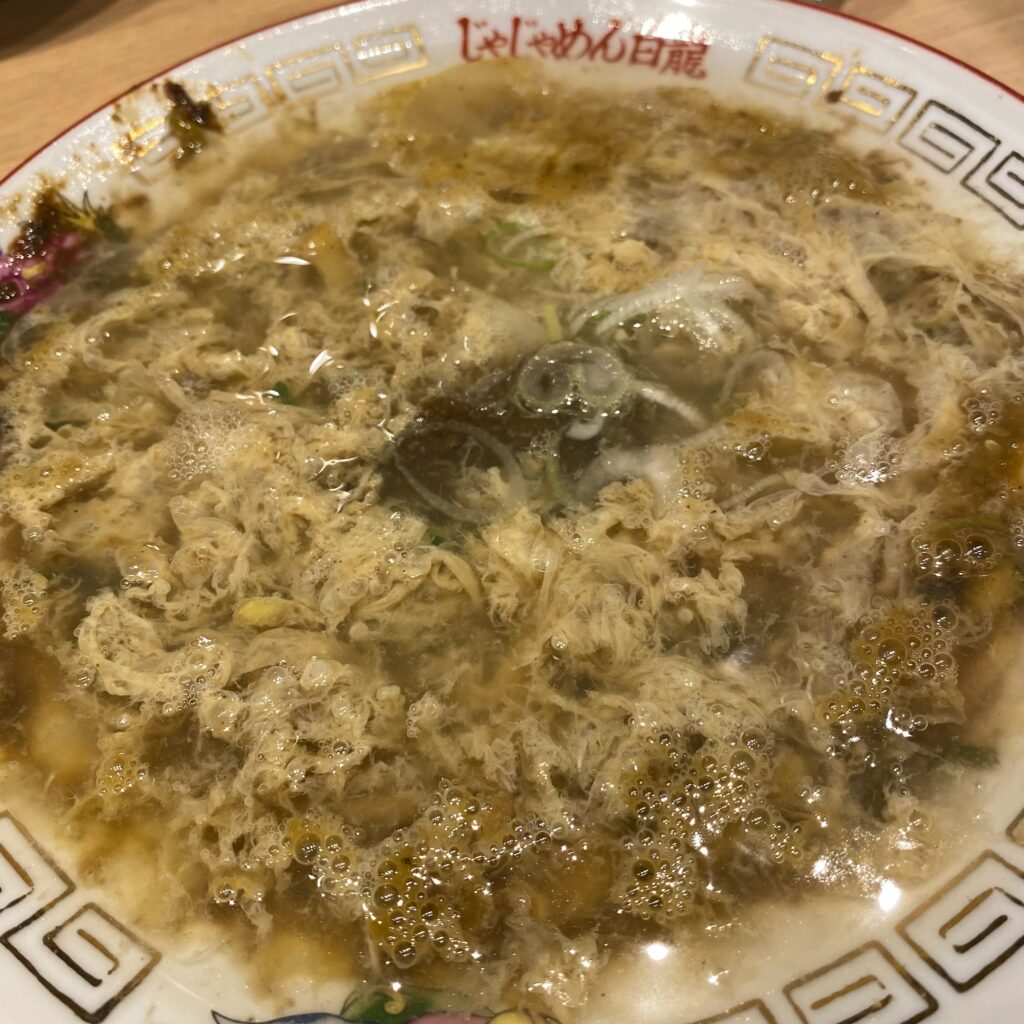
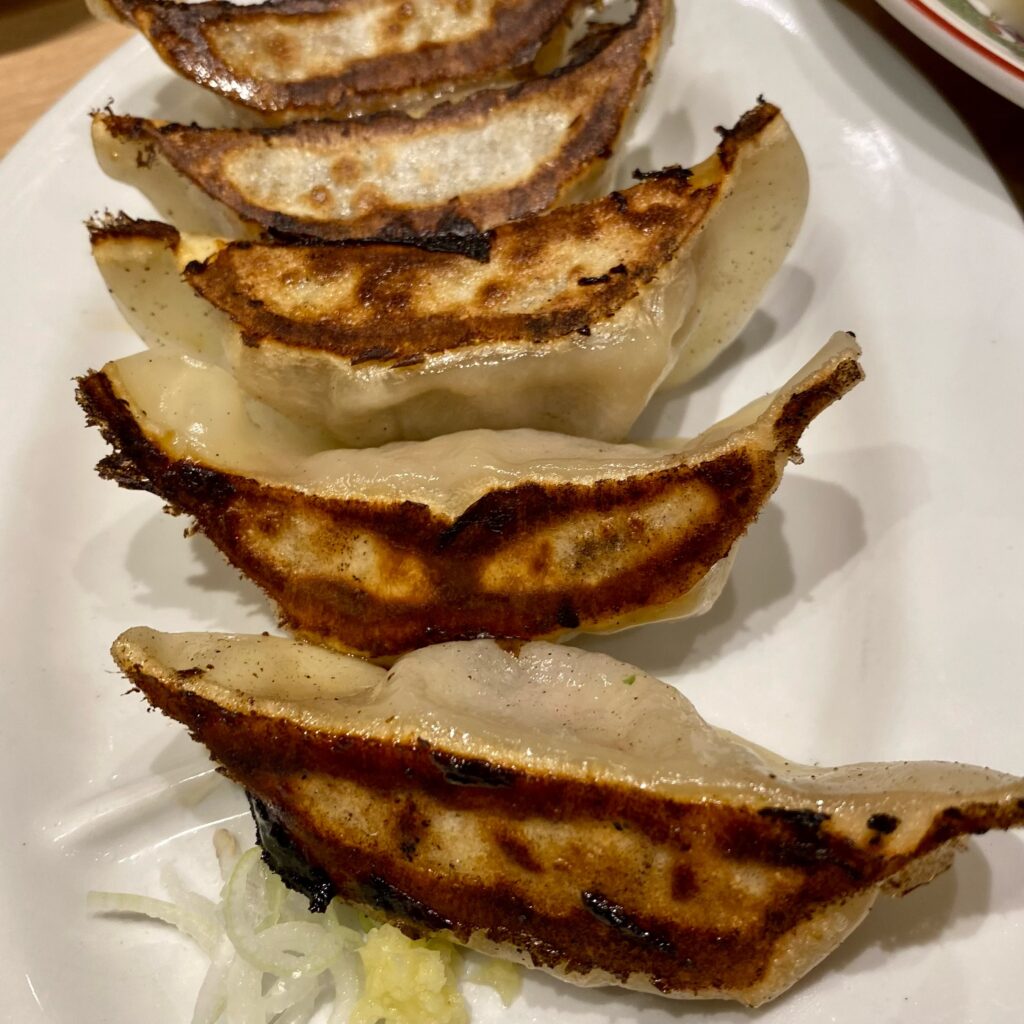
Jajamen, the third of Morioka's famous noodle dishes after Reimen, has a similar history.
「white dragon"The first owner, Kanekatsu Takashina, started this dish before the war, based on "Zha Jiang Mian" from northeastern China (formerly Manchuria), and it has since taken root in Morioka."
Chinese Zha Jiang Mian is typically salty and uses flat wheat noodles, but the founder of this restaurant experimented extensively to adapt it to the tastes of the people of Morioka. The secret "black meat sauce" is a blend of over a dozen ingredients, including minced meat, shiitake mushrooms, garlic, and sesame seeds, creating a deep, rich flavor that appeals to Japanese palates.
「white dragonIn this dish, there is a culture in how it is eaten. Mix the meat miso, cucumber, and ginger well with the noodles, and adjust the taste to your liking with vinegar, chili oil, etc. Then, crack an egg into the bowl after you've finished the noodles, add the boiling water and meat miso, and make "chitantan."
Not just the food itself,Even the entire process of how to eat is shared.
I think this, too, is part of what makes food culture so fascinating.
What we realize here is that much of what we call "tradition" didn't actually exist in the land from the beginning.
People move around, bringing with them the culture of other lands, and adapting it to the local ingredients and tastes. Other people eat it, and more shops open. This process is repeated for decades, and before you know it, it becomes "the taste of Morioka."
Culture may not be something that is preserved in a pure form, but rather something that becomes established in the land while blending together.No.
Soba noodles made with "Kenji's Spring Water"
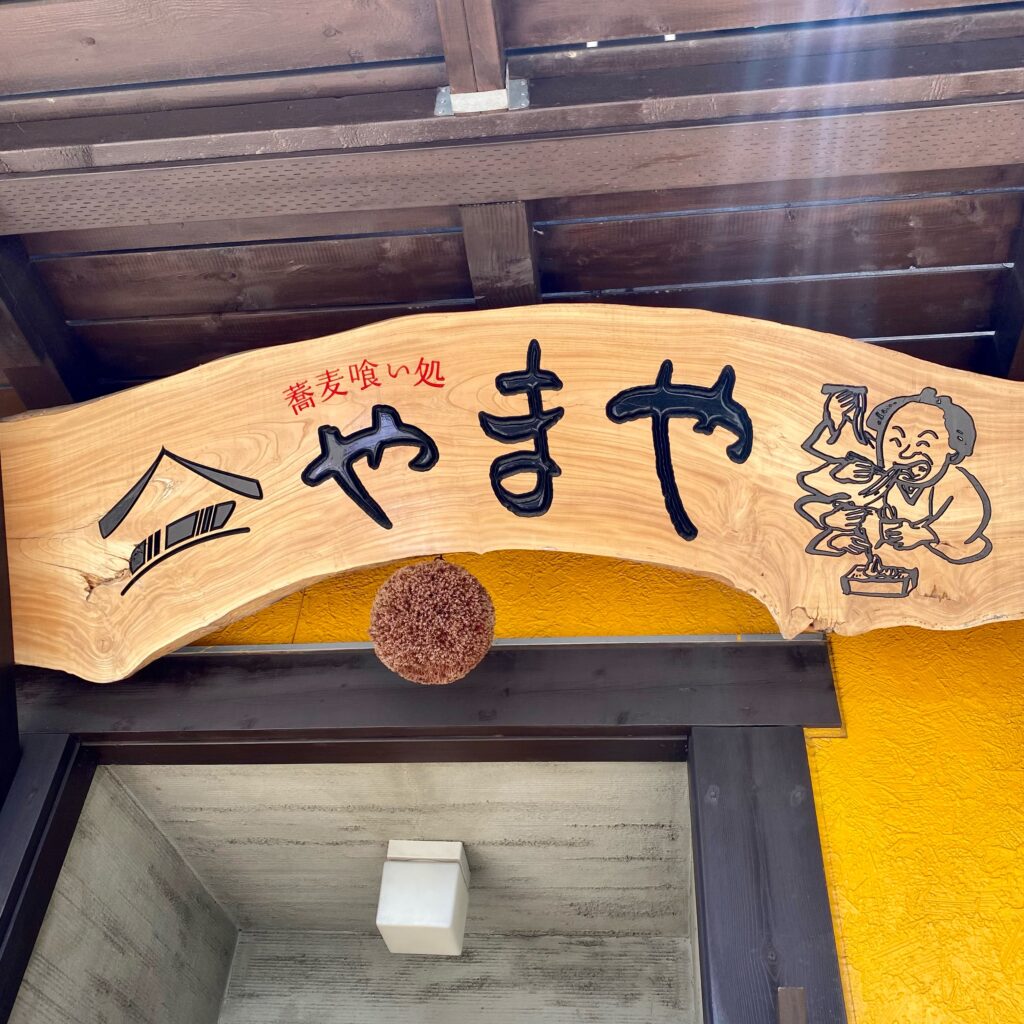
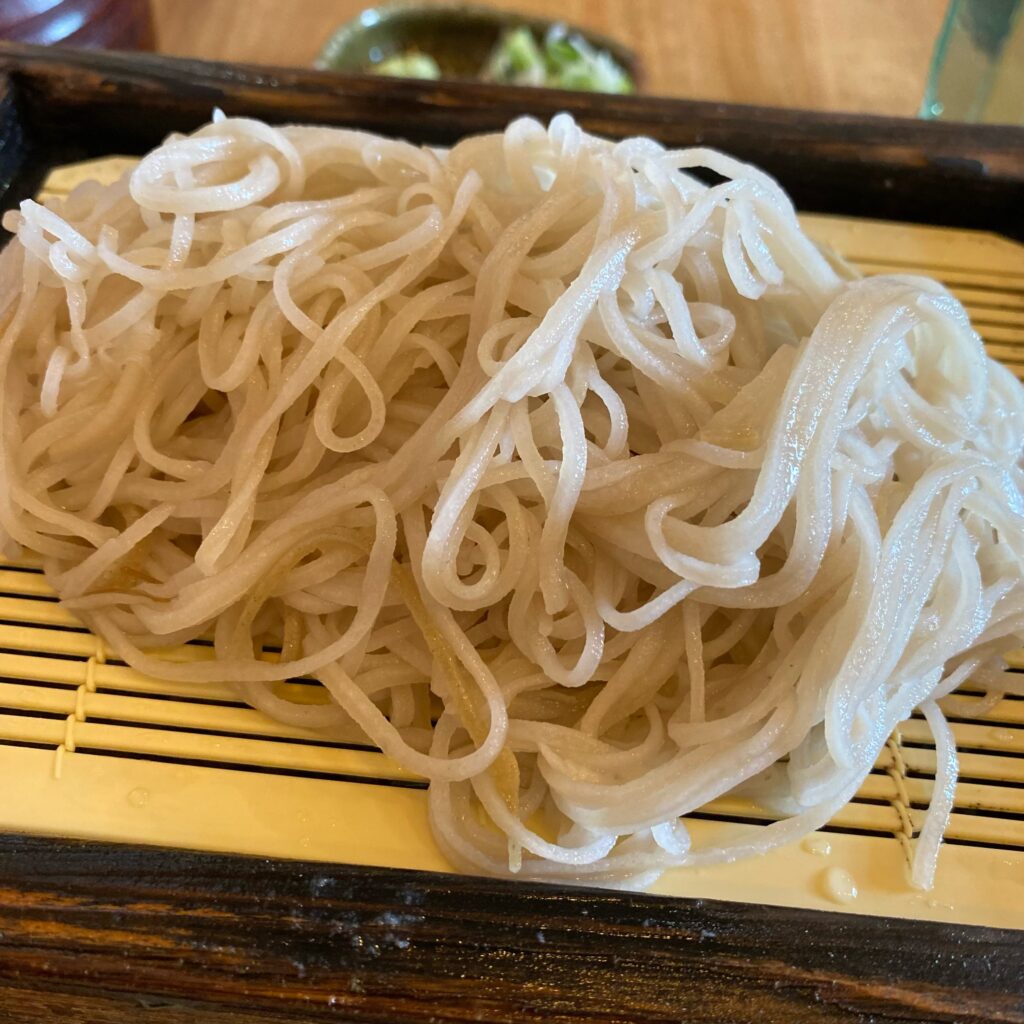
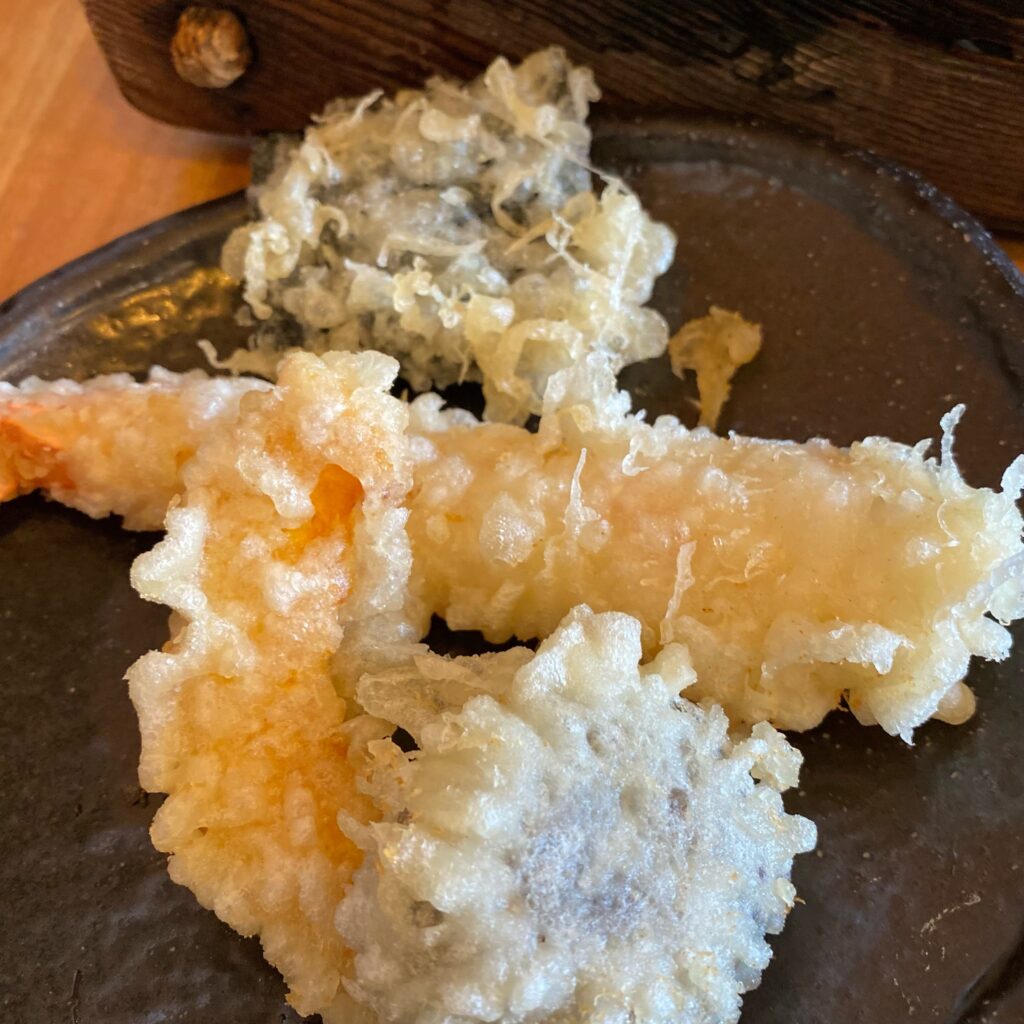
The last of Morioka's three famous noodle dishes is Wanko Soba.
I'll try this next time I have the opportunity to come to Morioka, but for now, I'd like to introduce a famous handmade soba restaurant called "Soba Kuishoku YamayaI visited "[restaurant name]". It's a famous restaurant that's extremely popular with both locals and tourists.
At Yamaya, you can choose from three types of noodles (hikitsutsumi, sarashina, and dattan) made from buckwheat milled in different ways, and a major feature is that you can compare the differences in flavor and texture of each type by eating one of each.
Behind the shop is a well called "Kenji's Spring," and it is said that the water used in making soba noodles is the same water that Kenji Miyazawa used while he was a student at Morioka Higher School of Agriculture and Forestry.
Here, Kenji Miyazawa returns to the city of Morioka once again.
Literature, Kohara Publishing, folk art, food.
Things that seemed separate gradually begin to connect.
The coffee shop culture of Nakatsugawa and Morioka
There is a monument inscribed with a poem by Kenji Miyazawa in Morioka Castle Ruins Park.
The inscription is a classical Japanese poem dated August 22, 1933, about a month before Kenji's death. The monument itself was erected in 1970.
A small building covered in ivy.
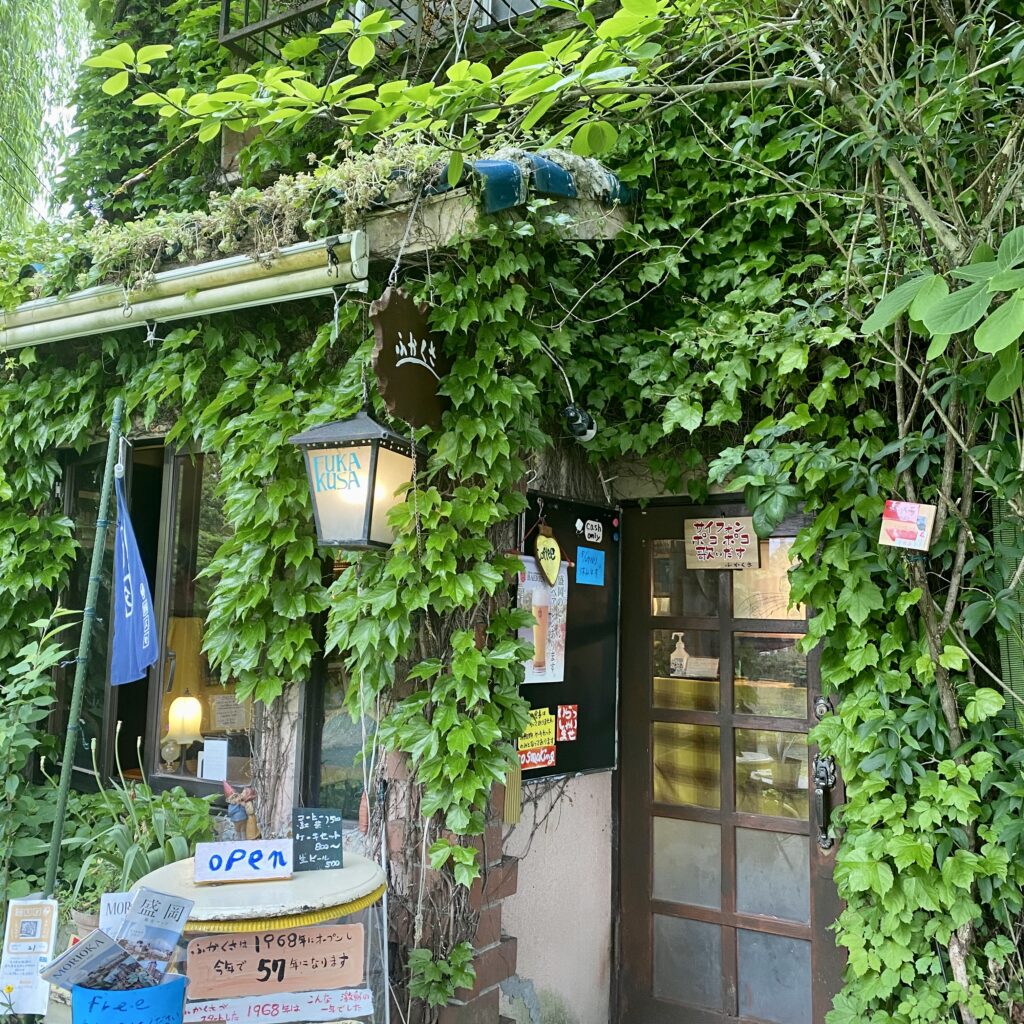
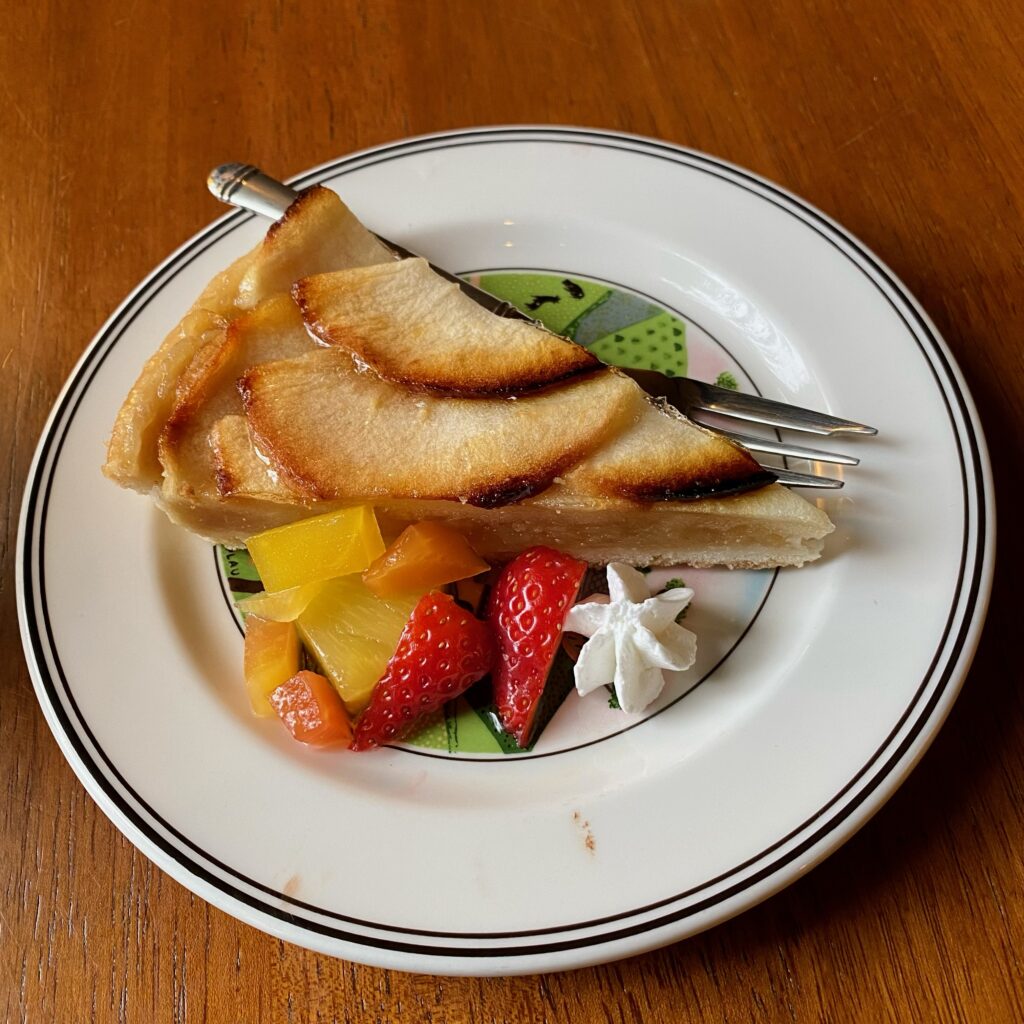
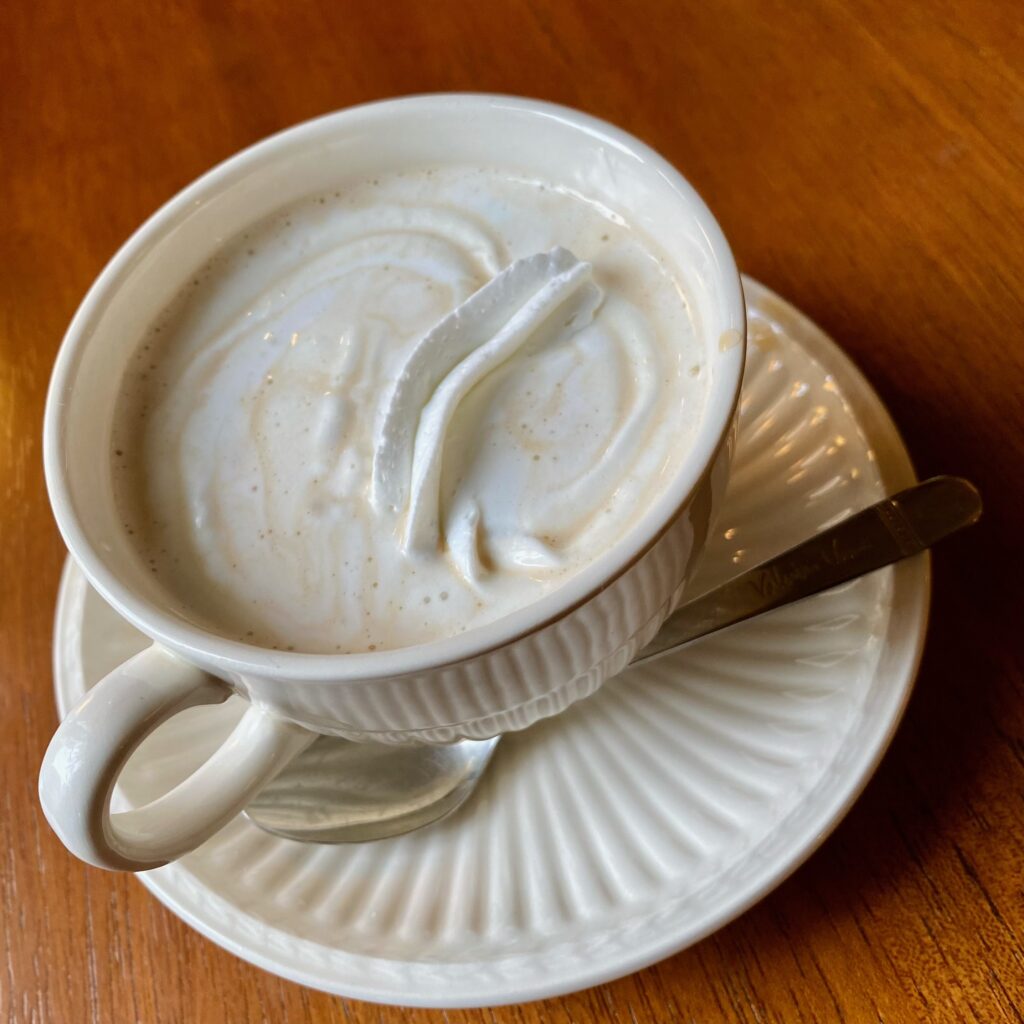
Across the Nakatsugawa River from the poetry monument, in Konyamachi, is "Coffee Shopdeep grass"is.
You can enjoy coffee brewed using a siphon method while overlooking the Nakatsugawa River from the window. It's also featured on Morioka's official walking tour website as a coffee shop to stop by during your stroll through the city.
In Morioka, there is a culture of spending time in coffee shops.
The numbers themselves are interesting: based on the Ministry of Internal Affairs and Communications' household expenditure survey, the average for 2019-2021 showed that among the 52 prefectural capitals and designated cities, Morioka City ranked 7th in annual coffee expenditure and 4th in quantity purchased.
Furthermore, when Morioka was selected for the New York Times' "52 Places to Go in 2023" in 2023, the presence of coffee shops was highlighted as one of Morioka's attractions, alongside its walkable streets and architecture, and its Wanko Soba noodles.
Kohara-sha's Kahi-kan and Fukakusa along the river.
Although the atmospheres are different, neither is simply a place to drink coffee. They are also places to pause time for a while and gaze upon the city.
The fact that such places still exist provides clues to understanding Morioka's culture.
Fukuda Bread, which has been around since 1948.
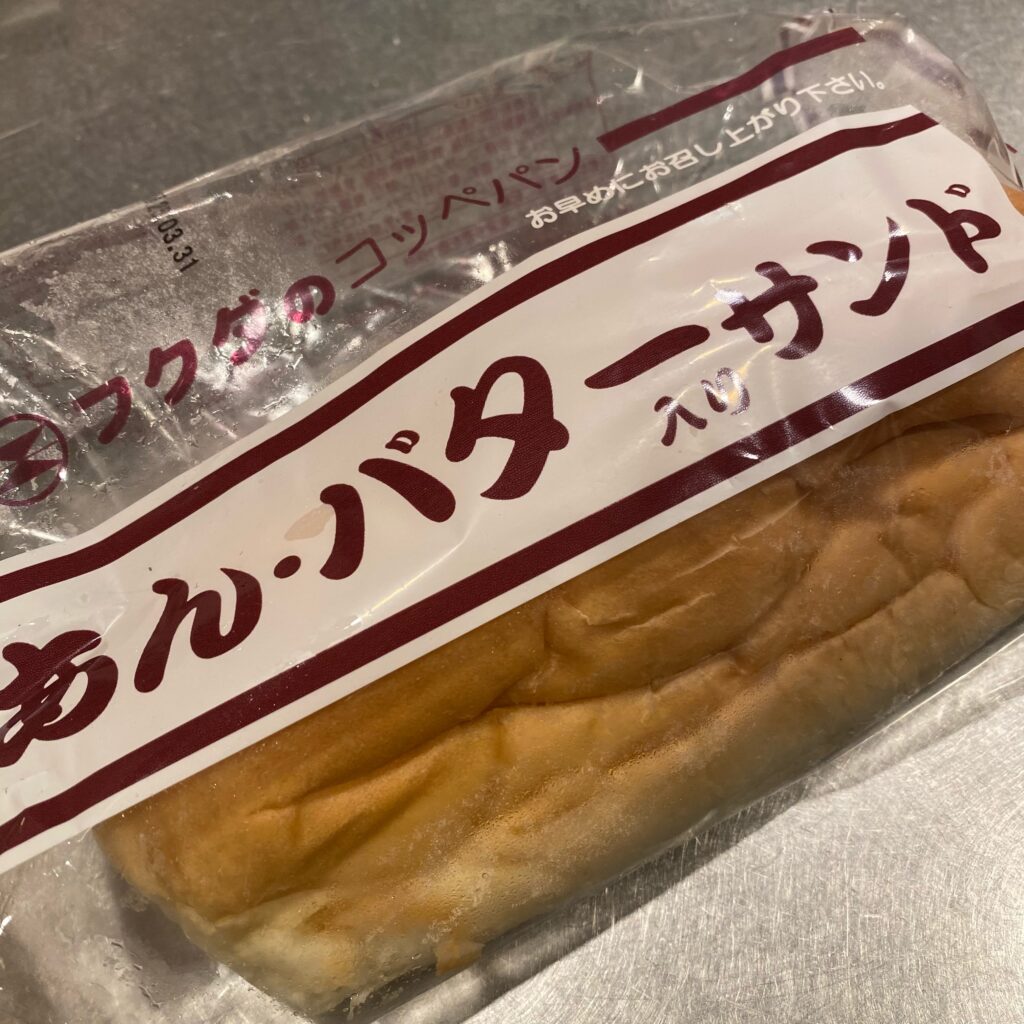
Another thing that symbolizes everyday life in Morioka isFukuda Bread"is.
Since opening its doors in 1948, the shop has sold its koppepan (a type of Japanese bread roll) at school canteens and supermarkets, and has long been a beloved part of Morioka's community.
In 2018, Morioka City also recognized Fukuda Bread with the "Morioka Life Story Award" for its contribution to spreading Morioka's food culture and fostering local pride among its citizens.
A long-established business dating back to the Edo period isn't necessarily a cultural asset. If a single bakery, founded after the war, continues to serve the local community for decades, that too becomes a part of the town's memory.
If you only imagine temples, shrines, crafts, and old architecture when you hear the term "traditional culture," you'll overlook this aspect.
Things that are repeated over and over in daily life are also part of the city's culture.
Let's revisit Kenji Miyazawa through the film "Father of the Galaxy Railway."
You can enjoy Morioka even more by watching the movie based on a true story, 'Father of the Galaxy Railway" by Yoshinobu KadoiWinner of the 158th Naoki PrizeThis is a film adaptation directed by Izuru Narushima, released in 2023.
The main character is not Kenji Miyazawa himself, but his father, Masajiro Miyazawa. Masajiro is played by Koji Yakusho, and Kenji is played by Masaki Suda.
In literary history, we tend to work backward from the completed figure of "Kenji Miyazawa, the writer," but of course, Miyazawa wasn't "Kenji Miyazawa" from the beginning. He went to school, clashed with his family, worked, and continued to create, living through a period when almost no of his works sold.
When you watch the movie,The Restaurant with Many OrdersThis book, "...", is not just a literary work found in textbooks; it has a publisher, someone who decided to publish it, some books didn't sell, and yet it has survived to posterity.
⭐︎100 famous storesKahikan Gourmet garden
comment