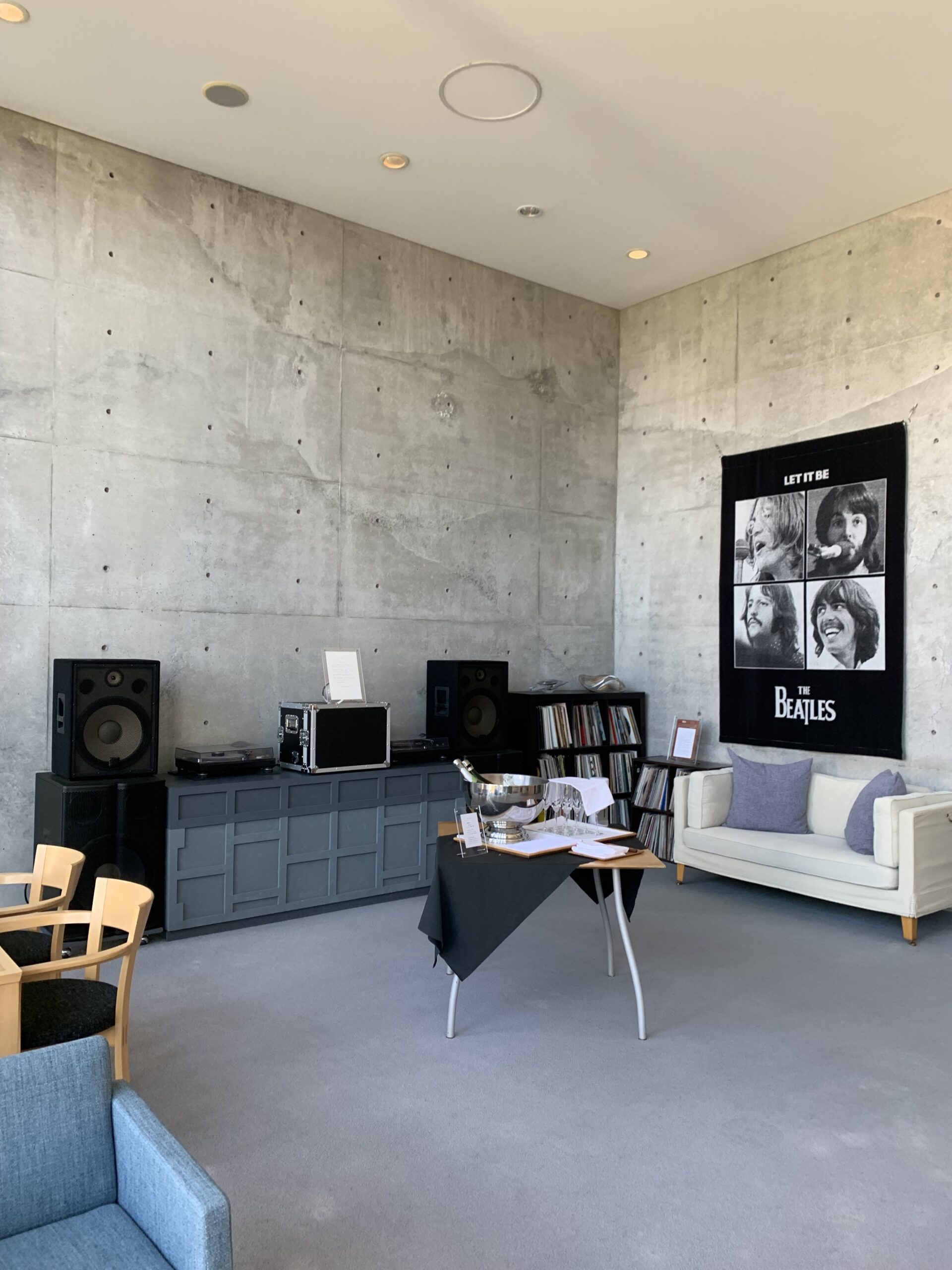
— The essence of learning: "Seeing the real thing"
Introduction: From white models in student days to actual spaces
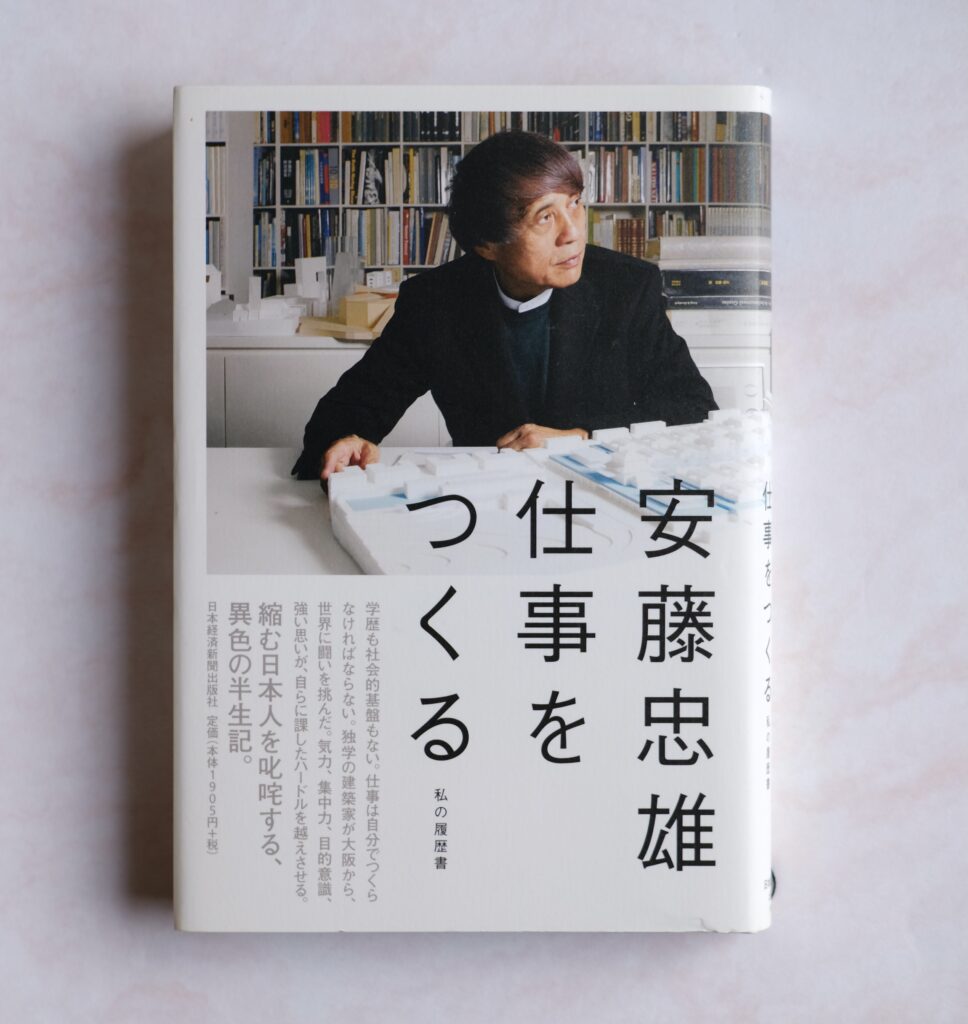
This book traces the work philosophy and learning methods of an architect who, through self-study, challenged the world.
When I started studying architecture at a double-school program while I was a university student, one of the projects I tackled as an assignment was Tadao Ando's (honorifics omitted below) representative building, "Sumiyoshi Row House."
I pored over the blueprints, erected the walls, checked the openings, and translated how the light would enter into the model. Spatial relationships that weren't apparent from photographs or drawings only became clear during the process of creating the white model. This experience taught me that "knowledge" and "understanding" are completely different things.
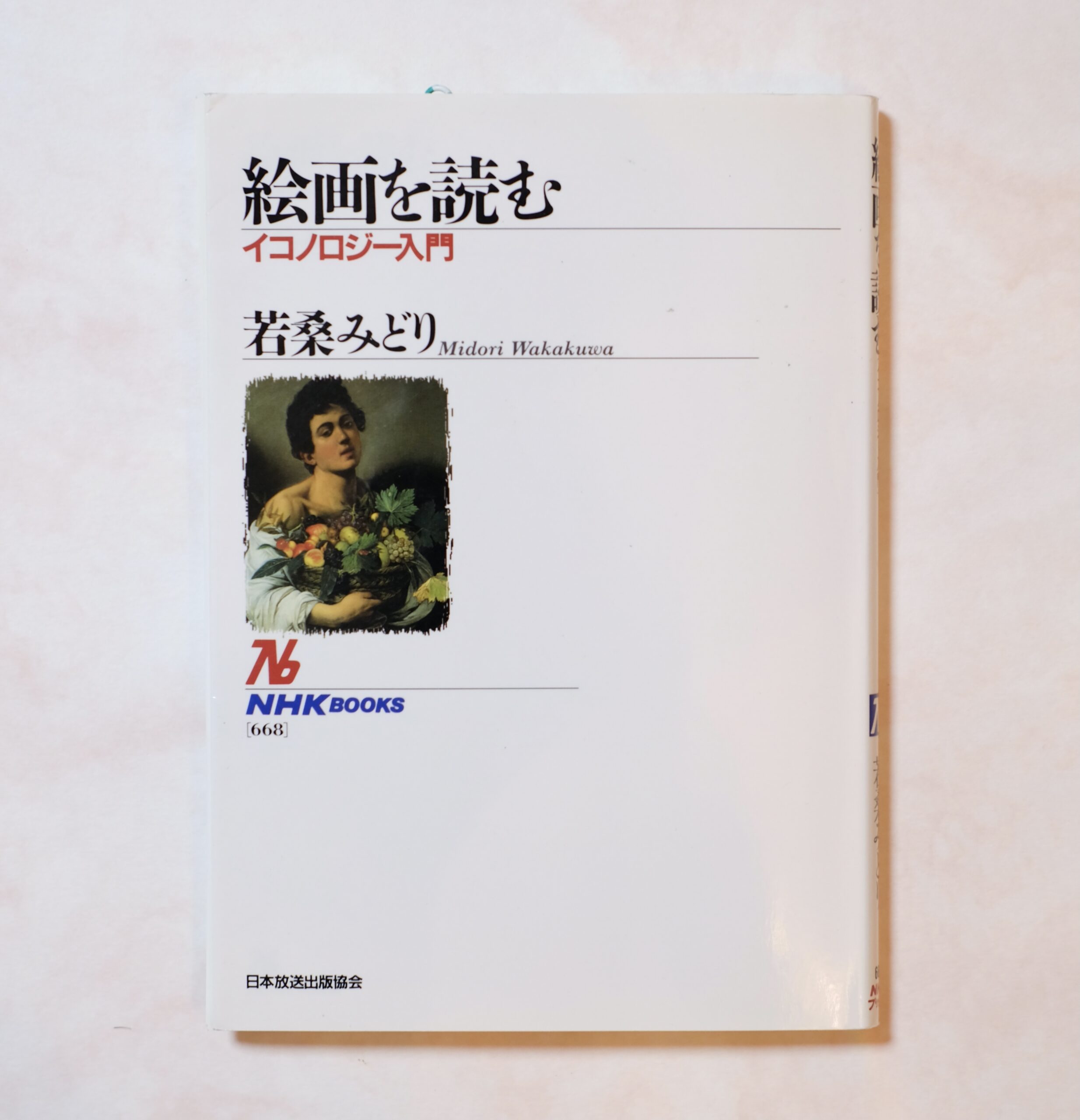
Years passed, and then Tadao Ando's autobiography,Create a jobI read "[Title of the book]". I would like to use what I learned from this book as an opportunity to re-examine something.
What "Creating a Job" tells us: Three core lessons
1. Don't wait for work; create it yourself.
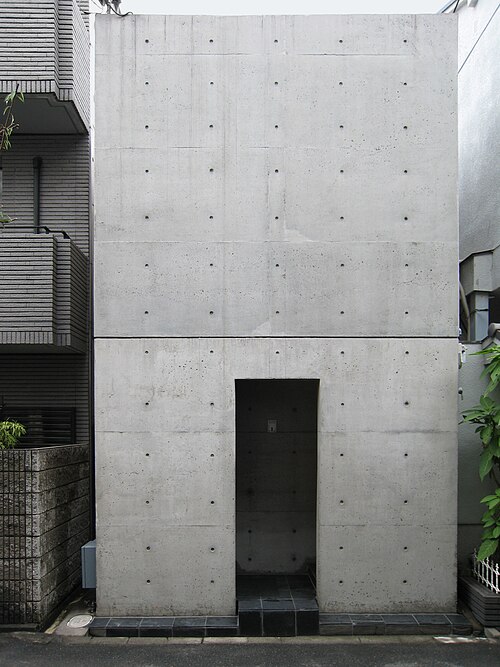
A house built on a long, narrow plot of land in Osaka, incorporating a concrete box with minimal openings and a courtyard.
Tadao Ando was born in Osaka in 1941. He did not receive formal architectural education at university, instead studying architecture on his own, and established Tadao Ando Architect & Associates in 1969.
The core of "creating work" lies in the fact that I forged my own path from a position lacking social backing and a formal education. The words listed in the Nikkei's official introduction are "willpower, concentration, sense of purpose, and strong determination."
What's interesting is that this isn't simply a case of "if you work hard, you'll succeed."
In his youth, Tadao Ando set himself the goal of absorbing in a short period the amount of information a university student typically learns over four years. He spent his days from the moment he woke up until he went to sleep engrossed in books. He says he was so determined that he didn't even step outside for a year, and he completed the process.
What's important here is that setting those goals itself was an act of "creating an environment for self-learning." Instead of following a curriculum prepared by someone else, you decide what you need and create your own learning system. I think that in itself was an act of "creating your own work."
2. What you learn on the internet is different from seeing the real thing.
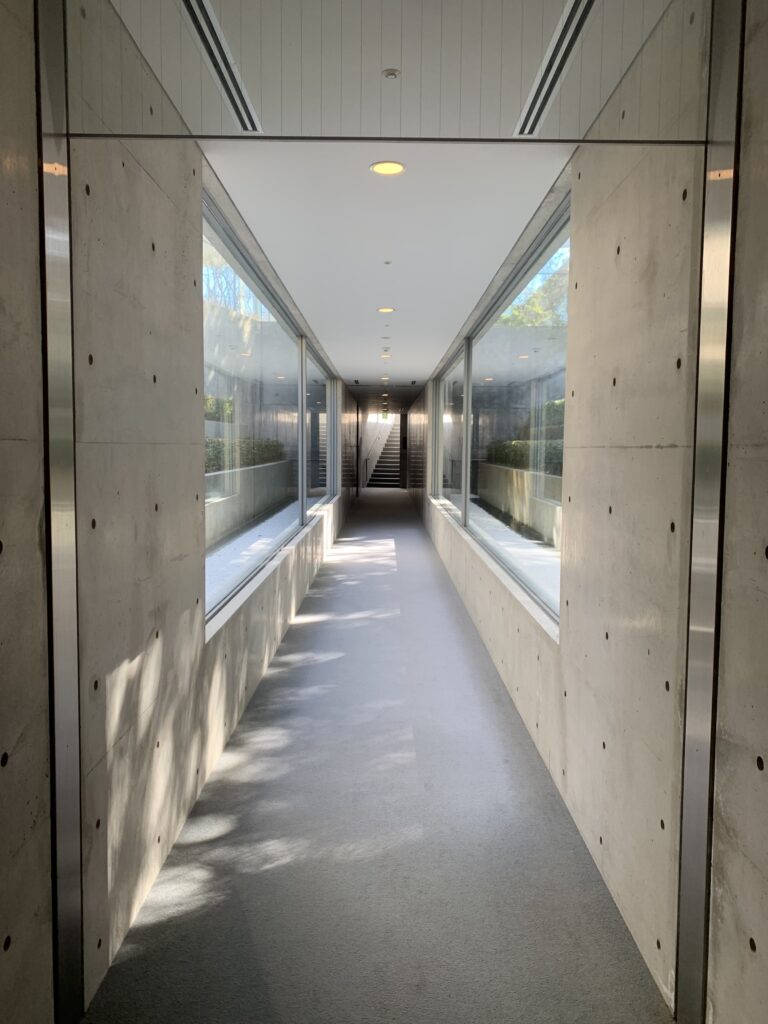
I got to experience Ando's architecture firsthand, something I'd only known through photographs.
What particularly impressed me after reading this book was the emphasis on "seeing the real thing."
Nowadays, you can easily find famous architectural works from all over the world by searching online. You can find tons of floor plans, photos, and videos if you look hard enough. However, you can't fully grasp from a screen the sense of scale when you stand in the building, the temperature inside, how the light enters, the acoustics, the distance between walls, the height of the ceiling, or even the moment your gaze escapes through a window. The sense of presence is completely different.
This isn't limited to architecture. It's the same with movies, fashion, art, and pottery. Knowing something intellectually is different from experiencing it with your body.
The act of "going out of your way to see something," which may seem inefficient at first glance, can sometimes leave a strong impression on you later on.
Tadao Ando encourages young people to go abroad. His motivation is not simply tourism, but rather...The idea that the very experience of clashing with the world outside oneself is what shapes a person is.I think that's the case.
3. How many moving experiences can you have?
『Create a jobAs I read through the book, what made me think was about travel.
When you go to an unfamiliar place, things don't always go according to plan. You might not understand the language. The culture is different. Your own assumptions might not apply. Each time, you have to think for yourself and act accordingly.
What Tadao Ando urges the younger generation is "wild freedom that comes at the expense of anxiety." He tells them to start by going abroad alone. In environments with different cultures and social norms, various problems will arise. He teaches them not to forget the courage to overcome each one. That is how you open up the world.
Looking back on what remains in my life, it's not knowledge acquired solely through efficiency,It was all about going all the way there, seeing the real thing, unexpected things happening, and feeling the atmosphere of that place with my whole body.is.
I believe that the amount of inspiring experiences we have accumulated is just as important as the amount of knowledge we acquire. Those experiences become the building blocks of who we are.
From "drawings" of student days to actual "spaces"
During my student days, Tadao Ando was an architect who existed within white models. I made a model of the Sumiyoshi Row House and came to know works such as the "Church of Light."
After that, what stayed with me was the thought, "I want to stay at Setouchi Retreat Aonagi someday."
Setouchi Retreat Aonagi is located in Matsuyama City, Ehime Prefecture. This building, originally an Ando-designed building partially open to the public as an art museum, has been renovated and now operates as a hotel with seven rooms. Architecture that holds the memories of the 20th century is being carried on into the 21st century.
What I felt at Setouchi Retreat Aonagi: Rediscovering the role of concrete
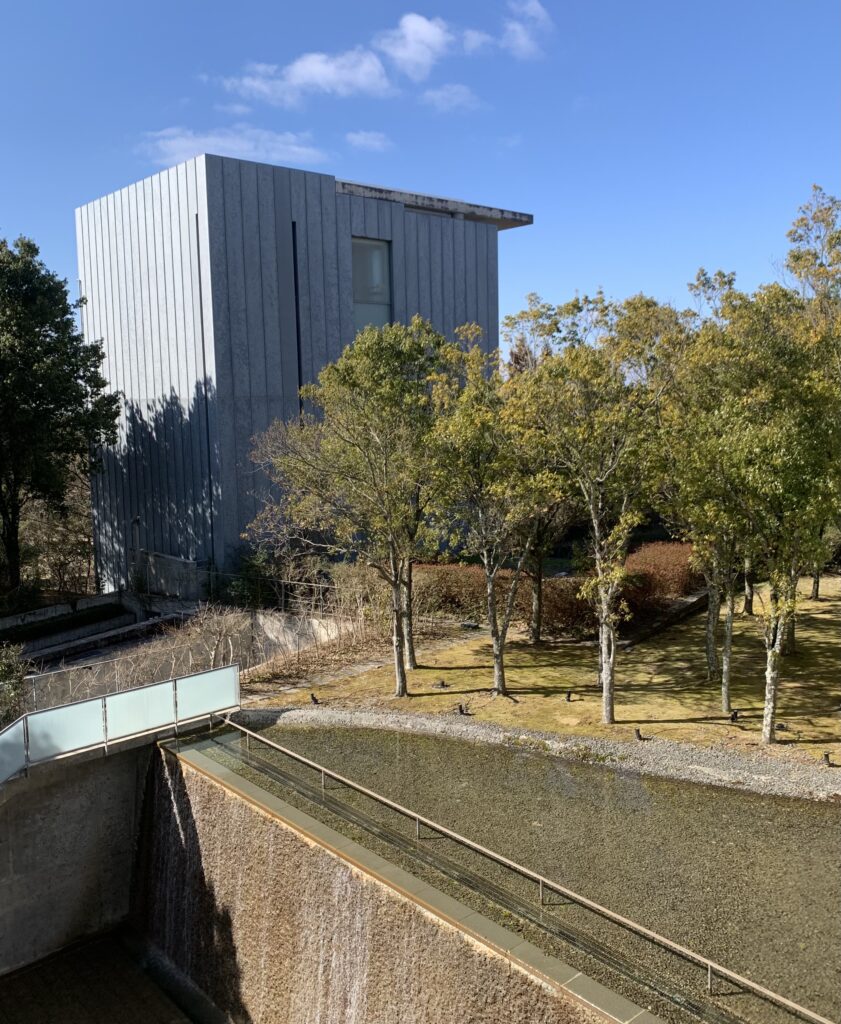
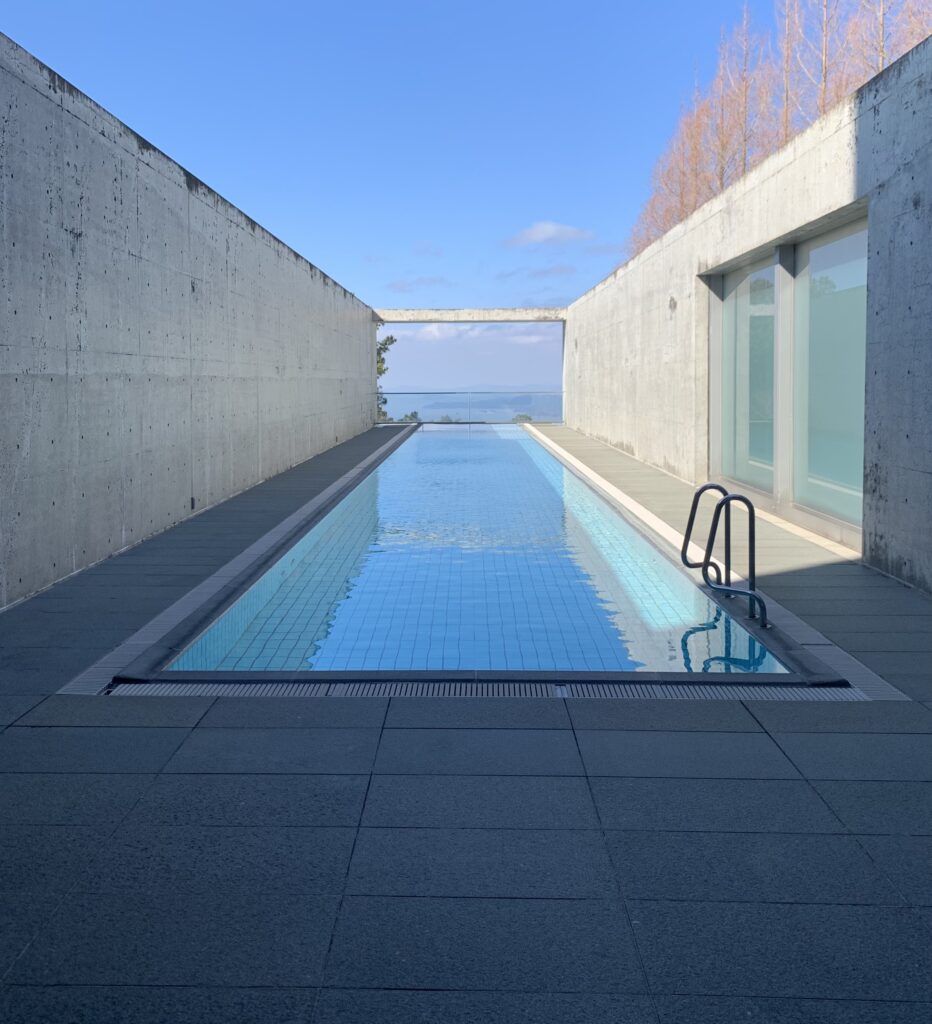
What impressed me most when I actually visited was:It's not about concrete itself, but about how concrete changes the appearance of nature.That's it.
Light streams in from both sides of the long corridor. Despite being an inorganic space surrounded by concrete walls, a blue sky suddenly appears at the end. Greenery is visible through the large glass windows. And the pool stretches out towards the Seto Inland Sea.
When talking about Ando's architecture, one is tempted to describe it using the symbol "exposed concrete." But when you actually walk through the interior, concrete is not the main feature,A frame designed to strongly evoke light, water, sky, and trees.It also looked like that.
I wouldn't have realized this just from looking at the photos.
The sky is reflected on the surface of the pond. As you walk down the corridor, a different landscape appears each time your gaze shifts. In the silence of the concrete, nature stands out all the more vividly.
This is what I think it truly means to "see the real thing."
So, what should we look at next? What should we read?
If we were to narrow down the key points of "creating work" to three:
- Instead of waiting for work, create it yourself.
- Even when studying independently, it's important to set your own goals and continue learning.
- Don't just stop at knowing about it; go and see the real thing.
I wonder.
To know. To see. To create. I believe that continuing this back-and-forth process is what creates one's own work.
Tadao Ando, building upon his self-taught background, seems to have developed his philosophy of craftsmanship by reading works such as Eiji Yoshikawa's Miyamoto Musashi, Rohan Koda's five-story pagodas, and Tetsuro Watsuji's pilgrimages to ancient temples and his understanding of local culture.
- Eiji YoshikawaMiyamoto Musashi'On the essence of spiritual practice and delusion'
- Koda RohanFive-storied pagoda': The craftsman's philosophy and the philosophy of manufacturing'
- Tetsuro WatsujiPilgrimage to ancient temples': The relationship between Japanese architecture and local climate
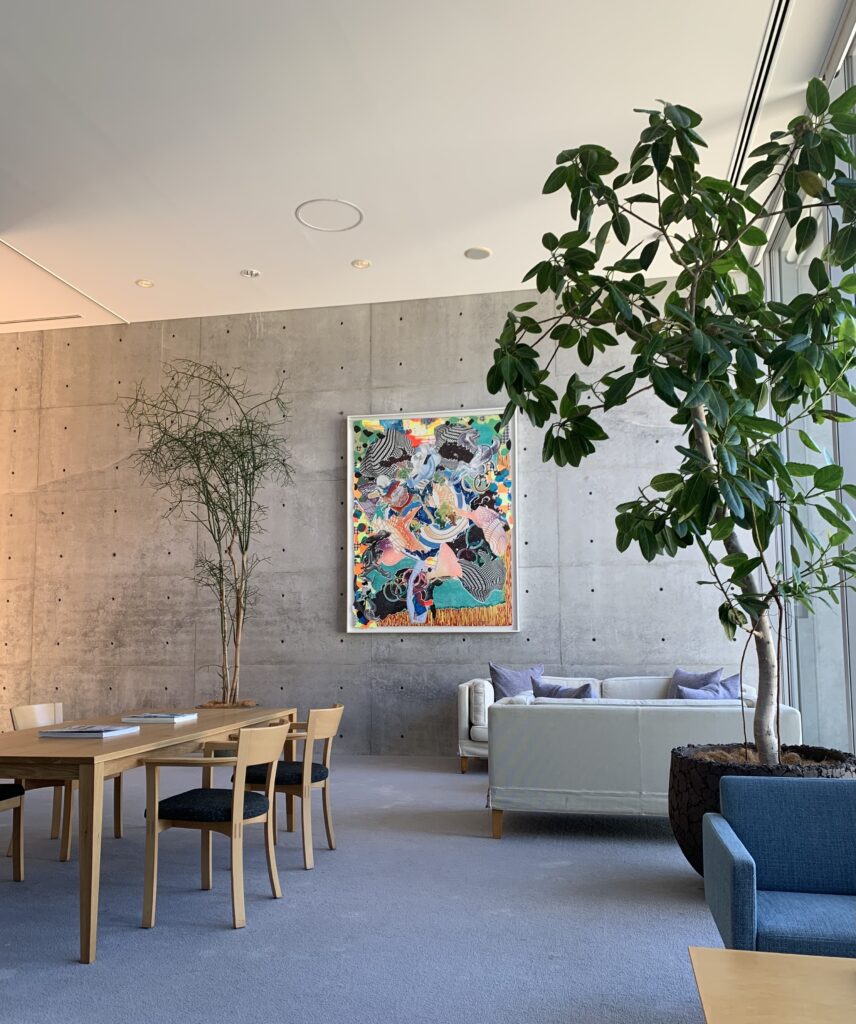
A space where rigidity and a sense of everyday life coexist.
comment