- If you find museums boring, it might be because you're not looking at them from a different perspective.
- The statement "Knowledge gets in the way of emotion" is false.
- Iconology is the art of "reading pictures."
- Movies, fashion, and architecture can all be read in the "same language."
- Knowledge is not about "memorizing the correct answers."
- Three ways of looking at things you can actually try at an art museum
- Why this book now?
- Quattro Ragazzi and the Contact Between East and West
- Conclusion: Beauty is something to be felt. What comes after that is something to be read.
If you find museums boring, it might be because you're not looking at them from a different perspective.
Have you ever felt frustrated after seeing a masterpiece in an art museum, only to conclude that it was "beautiful"?
Or, when I watched a movie scene on YouTube, I wondered what the furniture and clothes in the background meant, but I couldn't delve into it further. It's that kind of experience.
In fact, that feeling of unease is a correct signal. A masterpiece is more than just beautiful.The layer is hidden.Whether or not you notice that difference is what makes the difference in your viewing experience.
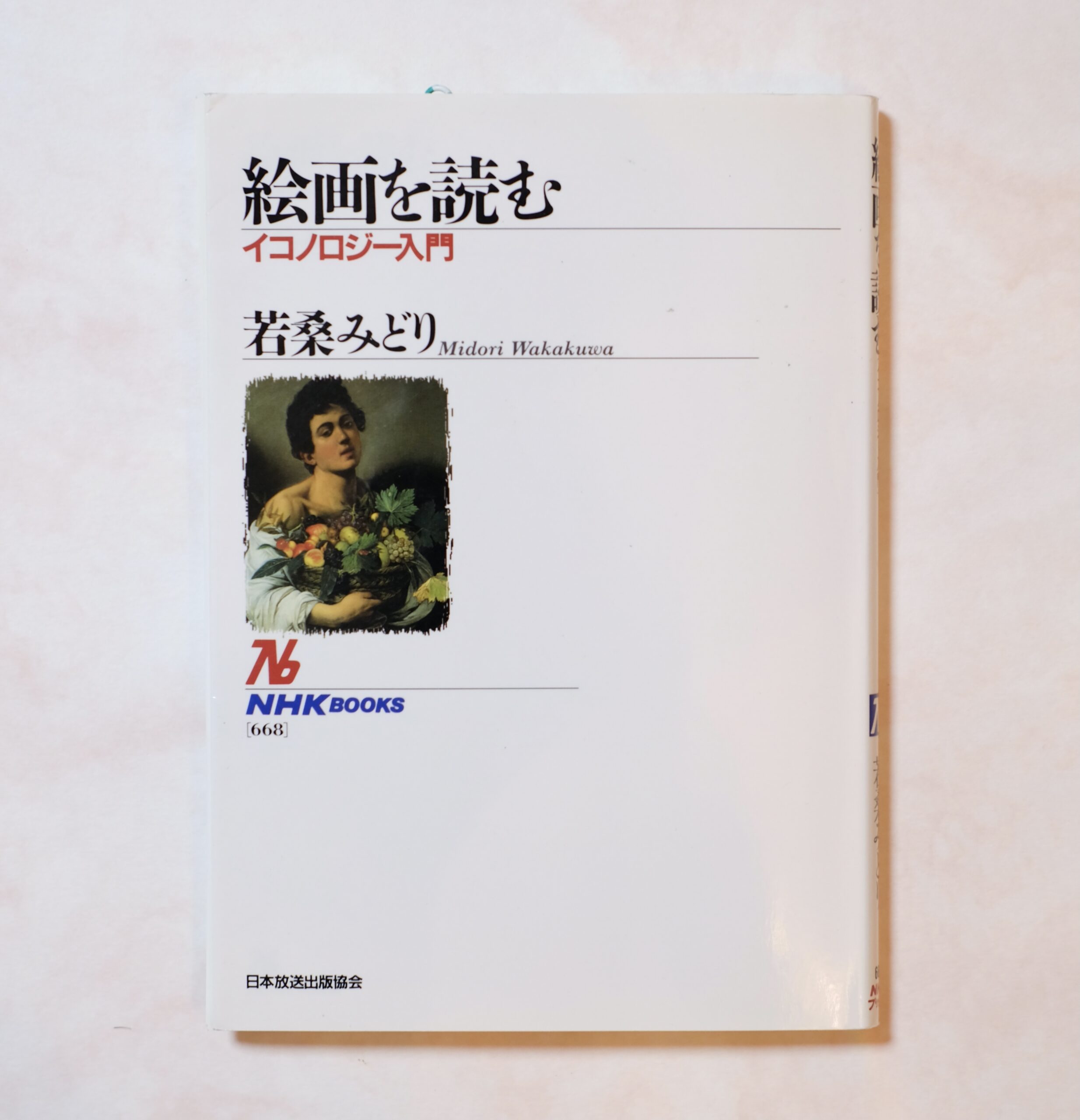
Midori Wakakuwa'sReading Paintings: An Introduction to IconologyThis book teaches you the techniques to decipher those hidden layers.
The statement "Knowledge gets in the way of emotion" is false.
In the world of art appreciation, this has been said:
"Look at the artwork first, using your own senses, without any prior knowledge."
However, the author argues the exact opposite. Knowledge does not kill emotion,Enhancing the resolution of emotions。
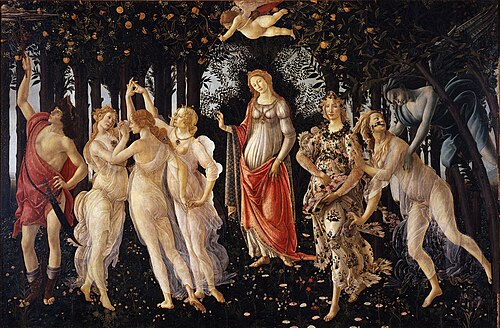
The single flower depicted in Botticelli's "Primavera"—which may seem like mere decoration—becomes a symbol of "love," "death," and "resurrection" in the religious worldview of the Renaissance, and understanding this reveals the multifaceted meaning of the entire painting.
The initial feeling of awe will never fade. What changes is...depthis.
When you look at the same painting after gaining knowledge, you can see the artist's hand movements, where the figures are looking, and even the hidden intentions behind the arrangement of colors. This is not a case of "ruined by unnecessary knowledge," but rather...The moment the entire screen becomes three-dimensionalThat's right.
Iconology is the art of "reading pictures."
This book deals with "iconology," which is translated into Japanese as "pictorial interpretation studies."
Simply put, thisA method of interpreting the meaning of objects and gestures in paintings by considering their historical and cultural context.is.
The process has 3 steps:
- observation — Identify what a person, animal, plant, clothing, or tool is.
- investigation — To understand what they symbolized in religion, mythology, and history.
- interpretation —Think about why this arrangement, this color, and this gesture were chosen.
What's particularly interesting is the focus on "gestures."
Who is looking at whom? Why are their hands in that position? What does the distance between the figures tell us? Within the still image, human relationships and the movement of emotions begin to emerge.
Movies, fashion, and architecture can all be read in the "same language."
Although this book deals with Western art, this method can be applied to all aspects of modern culture.
The clothes that appear in the film are not merely decorative, butTestimonies that tell the story of an eraThat's right. The texture of the fabric, pattern and shape of the coats the characters are wearing, the choice of shoes and accessories—if you read them with the question "Why this?" in mind, you can see through to things like social class, religious views, youth culture, and even the political situation.
Isn't it the same when you look at old buildings? The design of the floors, walls, and windows holds the values and worldview of the people who lived there.
In other words, if you read this bookThe way you see the world will changeThat's right. Every time I walk through the city, I can read the scenery in multiple layers. Even the backgrounds of photos I see on social media suddenly start to take on meaning.
For fashion lovers, each vintage piece starts to look less like "old clothes" and more like "a record of an era."
Knowledge is not about "memorizing the correct answers."
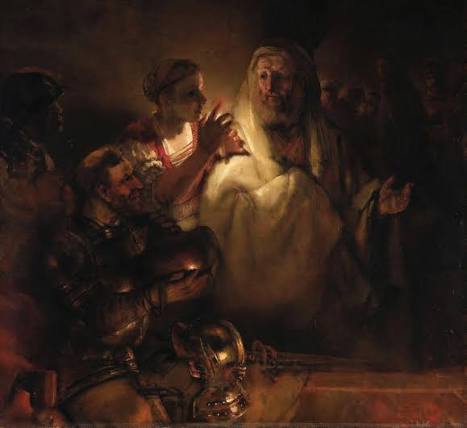
The important point is that this book is "not a book that makes you memorize the meanings of famous paintings."
On the contrary, what the author teaches is,Observe for yourself, formulate a hypothesis, investigate, and review it again. That's the back-and-forth process.is.
You don't need to get the right answer right away. Rather, the key is to ask yourself, "Why?"
That question eventually transforms appreciation into "a form of inquiry."
Three ways of looking at things you can actually try at an art museum
The methodology presented in this book can be put into practice immediately.
The next time you go to an art museum, stop in front of a painting and think about these three things.
1. What is depicted?
Set aside preconceptions and observe the details: the people's clothing, the objects they hold, the buildings in the background.
2. What did that mean?
Let's investigate what those elements symbolized in religion, mythology, and history. These days, we can easily search for this information on our smartphones.
3. Why was it depicted this way?
What did the artist want to convey? That question prompts us to re-examine the overall composition of the painting.
By simply repeating these three steps, your viewing experience will transform from a passive one to a more passive one.Proactive inquiryIt will change to this.
Why this book now?
In this digital age, the ability to "see deeply" has become increasingly rare.
Social media platforms encourage superficial "likes." TikTok, for example, is based on the premise of consuming content in just a few seconds.
Precisely because of such an environment,I engage with a single work, research its background, and re-examine it multiple times.Perhaps this kind of activity helps to train the muscles of our thinking.
Quattro Ragazzi and the Contact Between East and West
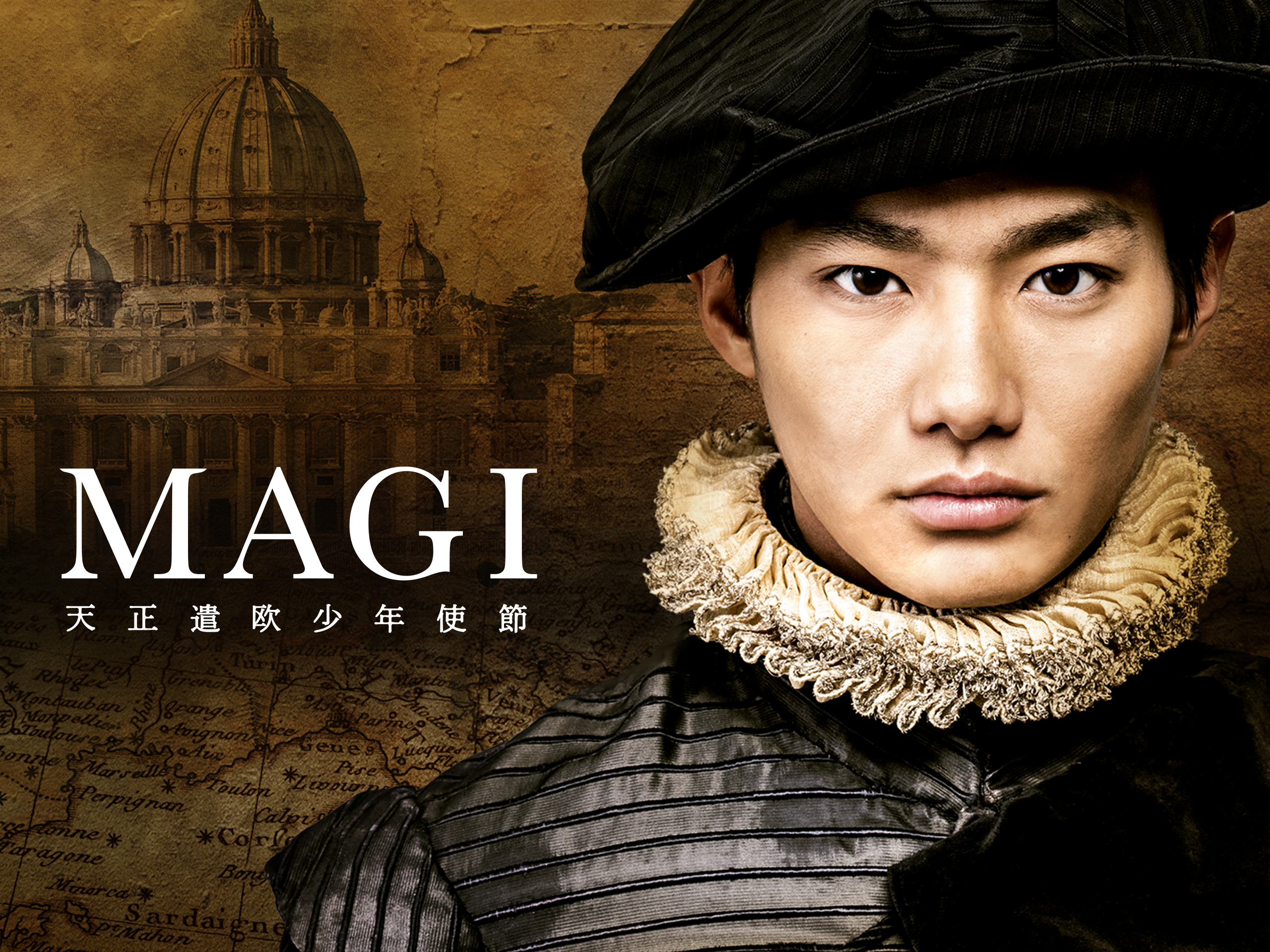
Midori Wakakuwa has theQuattro Ragazzi - The Tensho Boys' Embassy and the World EmpireHe also has a major work titled "[Title of the book]".
In the 16th century, four boys traveled from Japan to Europe and had an audience with the Pope. After returning to Japan, their lives were tossed about by the wave of religious persecution.
This is a masterpiece that meticulously depicts the contact and clash of Eastern and Western cultures. The author's depth of knowledge is evident, as their interest, which began with painting, expands to world history. A film adaptation is also available on Prime Video.

Conclusion: Beauty is something to be felt. What comes after that is something to be read.
『Reading PaintingsThis book transforms appreciation from a "passive experience" to an "active inquiry."
Knowledge does not kill emotion. Rather, it kills emotion.Make it multidimensional。
"I don't understand anything even when I go to art museums."
"I can't keep up with the cultural discussions."
"I want to understand the depth of the artwork descriptions I see on social media."
If that's how you feel, then this book will be your first step.
Your view of the world will change, and the landscape that lies ahead will be overwhelmingly richer than it is now.

comment