point
The afterlife is also difficult.
• Scriptures that influenced Freud and Jung
- The sacred texts of hippies who had near-death experiences
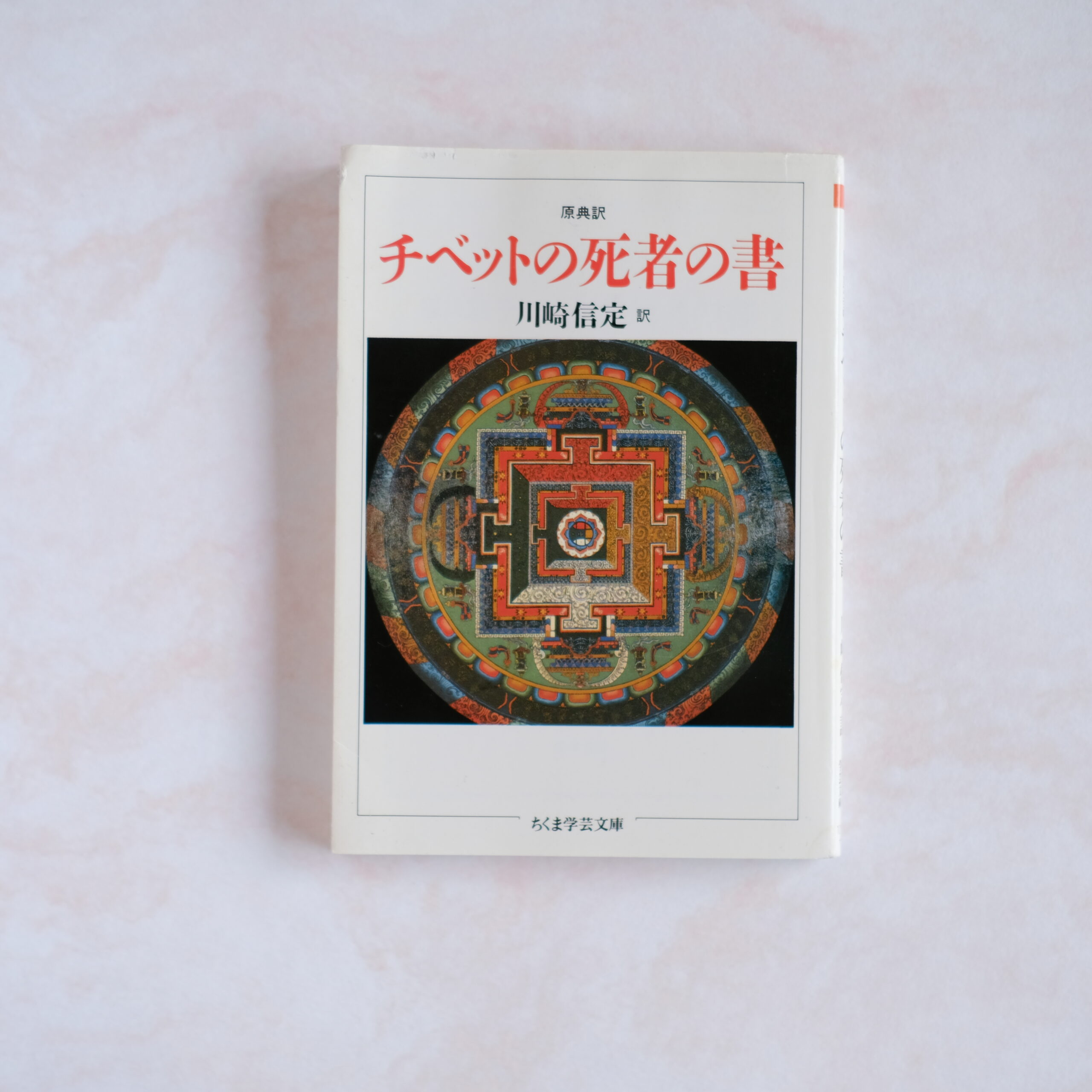
The Book of the Dead is one roadmap to answering the questions of what the afterlife is like and what becomes of us. It is a scripture that directs the deceased toward liberation, and while chanting what is known in Japan as the # pillow sutra, it explains the rituals and their meanings that take place during the 49 days after death.
The ancient esoteric schools of Tibetan Buddhism contain many texts known as therma (buried scriptures), and the Book of the Dead was one of them. It was translated into English by Mr. Evans, an American who studied theosophy at Stanford and Oxford, after he was introduced to the original text by an esoteric Buddhist monk.
The Book of the Dead, which was first translated into English and then into German, influenced the psychologist Jung to such an extent that he contributed a lengthy essay. Furthermore, the Book of the Dead contains passages similar to those of Freud's Oedipus complex, the father of psychoanalysis, indicating its significant influence on psychology and psychoanalysis.
Subsequently, the Book of the Dead became a massive hit among American hippies. This is said to be partly due to the similarities between near-death experiences induced by LSD and the afterlife depicted in the Book of the Dead.
I never imagined that a single scripture from a single religion could connect to modern psychology and psychoanalysis, and it was a delightful intellectual trip. For those interested in Tibet, I recommend "Seven Years in Tibet" starring Brad Pitt and the NHK documentary about the Book of the Dead.
First reading completed on 2016/01/13
Thank you for reading. Goodbye for now. Take care :)
Author: Translator: Nobusada Kawasaki Publisher: Chikuma Gakugei Bunko Paperback: 243p
comment