Books and research

Cuisine and Food Culture

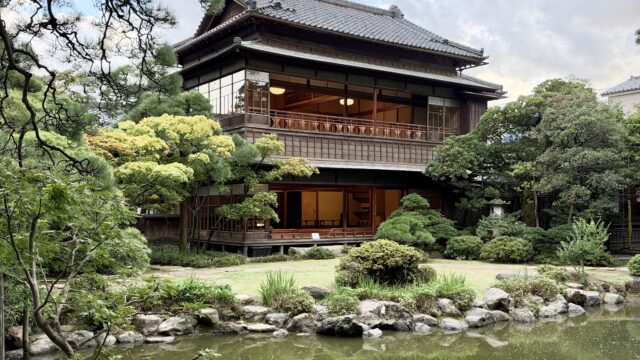
The wealth of Niigata created by its port—reading the gardens and architecture of a commercial city from the former Saito family villa and the Sand Dune Museum.

Visiting the former Saito family villa and the Sakyu-kan in Niigata City, we trace the history of how Niigata's wealth, which flourished as a port town, was transformed into the mansions, gardens, architecture, and arts and culture of wealthy merchants. This is a cultural history of Niigata, interpreted through the lens of Kitamae ships, Niigata Port, and the modern commercial city culture.
Travel and Food

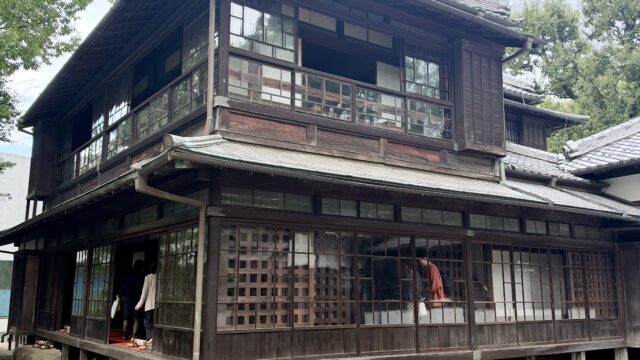
Tokyo Grand Tea Ceremony 2026 - Walking through the Edo-Tokyo Open Air Architectural Museum, the Takahashi Korekiyo Residence, and the Architecture of Musashino

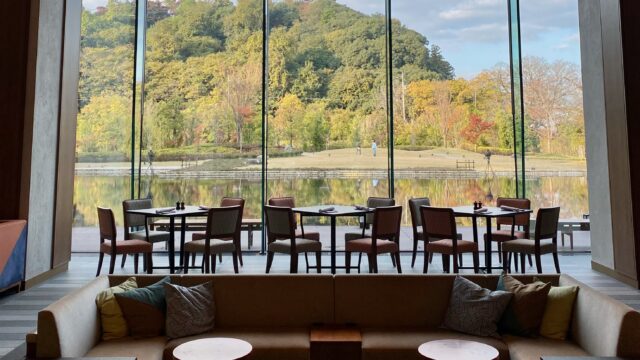
On October 25, 2026, I attended the "Tokyo Grand Tea Ceremony 2026" held at the Edo-Tokyo Open Air Architectural Museum. This is a record of my day walking from the tea ceremony room at the former residence of Takahashi Korekiyo, through the relocated buildings within the museum grounds, to the Kagiya tea house, the Musashino landscape, and finally to the Hakenomori Art Museum.
Design source

A Cultural History of Tobacco as Seen from the Tobacco and Salt Museum

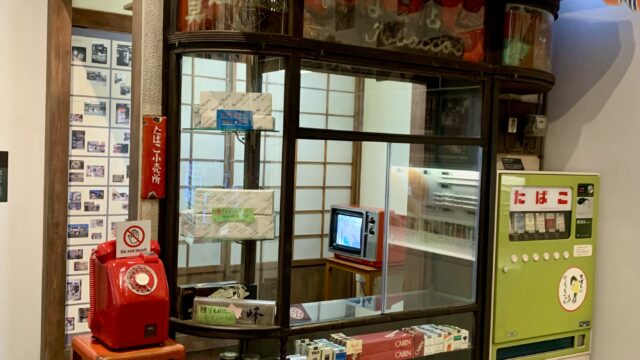
Starting from the Tobacco and Salt Museum in Sumida Ward, Tokyo, this tour traces the origins of tobacco, the Age of Discovery and slavery, Japan's monopoly system, advertising and packaging, cigars, and tobacco trays. It interprets world history and design history through a familiar luxury item.
Travelogue of Japan

Reading the Gion Festival through the lens of the tea ceremony: Kyoto as seen at the Yasaka Shrine's tea offering ceremony and Ichiriki-tei.

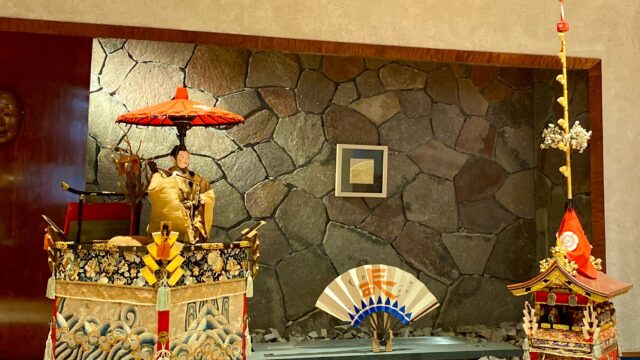
At the Gion Festival, we witnessed the tea ceremony performed by the head of the Omotesenke school at Yasaka Shrine. We experienced the floats, the tea ceremony rooms, and the Ichiriki-tei tea ceremony firsthand, and explored the connections within Kyoto culture through the tea ceremony, from Rokkakudo Temple, to the plays "Hana Ikusa" and "Kanadehon Chushingura," to the geisha districts and chimaki (rice dumplings wrapped in bamboo leaves).
Ceramics and artwork

From "viewing" national treasures to "creating" them: Learning from Nonomura Ninsei and Ogata Kenzan about the design of polychrome tea bowls.

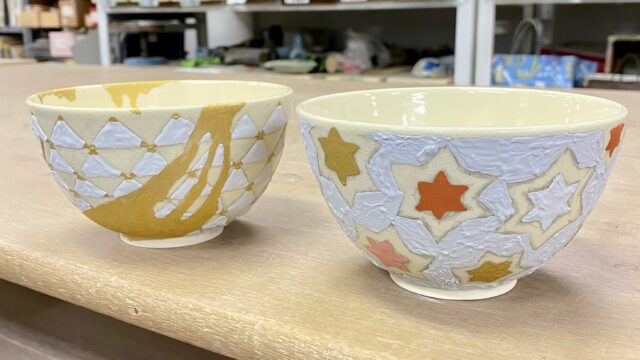
This book compares Nonomura Ninsei's national treasure, the "Polychrome Pheasant Incense Burner," which I saw in Kanazawa, with works by Ninsei and Ogata Kenzan that I saw at the Nezu Museum. It analyzes the polychrome enamel, form, patterns, and negative space of Kyoto ware, and introduces how this was applied to the actual production of polychrome tea bowls, along with photographs of the production process.
Design source

Reading Yohji Yamamoto's "Making Clothes"—Thinking about Yohji Yamamoto through "Volume and Drape"

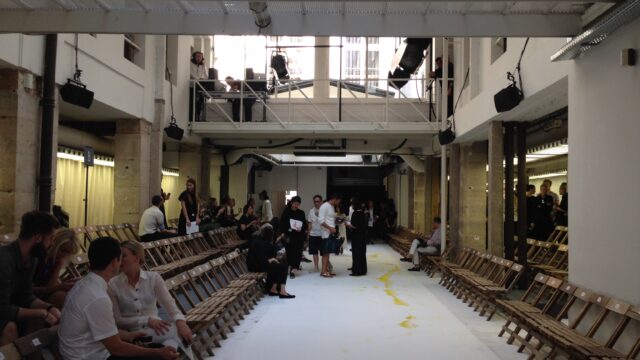
Using Yohji Yamamoto's "Making Clothes" as a starting point, this article examines the "volume" and "drape" found in Yohji Yamamoto's clothing. Drawing on clothes actually seen at the 2014 Paris Men's Collection and items from the author's own collection, the article explores the relationship between the body and clothing.
Travel and Food

The National Treasure Tea Room "Joan" - A world of two-and-a-half tatami mat rooms left behind by Oda Urakusai

We visited the national treasure tea room "Joan," which was relocated to Yurakuen Garden in Inuyama, Aichi Prefecture. We will introduce this two-and-a-half-mat tea room, left behind by Oda Urakusai, the younger brother of Oda Nobunaga, discussing its architecture, the tea ceremony, our experience at Yurakuen Garden, and even referencing the film "Sen no Rikyu: Honkakubo Ibun."
Cuisine and Food Culture

Why has Toraya lasted for five centuries? — Reflections on "Tradition and Innovation of the Long-Established Brand 'Toraya'" at the Kyoto Ichijo store.

A book review of "Tradition and Innovation of the Long-Established Brand 'Toraya'." Based on my experience at Toraya Karyo Kyoto Ichijo Store during the Gion Festival in Kyoto, I consider the experiential value created by the five senses, the season, history, and customer service.
Travel and Food

Walking the "Wolf Amulet" | From Musashi Mitake Shrine, which enshrines wolves, to Mt. Otake and Mt. Nokogiri

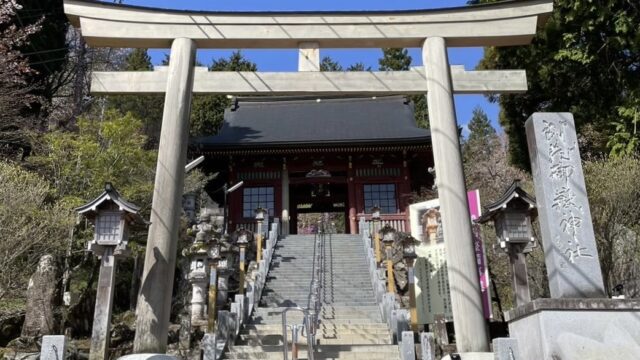
Using Mieko Ogura's book "The Wolf's Amulet" as a guide, we head to Musashi Mitake Shrine on Mount Mitake in Tokyo. Tracing the culture of Oguchi Magami "Oinu-sama," the Mitake-ko religious group, and the Oshi (religious guides), we walk to Mount Otake and Mount Nokogiri, contemplating the mountain worship that remains in the Kanto region.
Travel and Food

Tadao Ando's "Creating Work" and a stay at Setouchi Retreat Aonagi

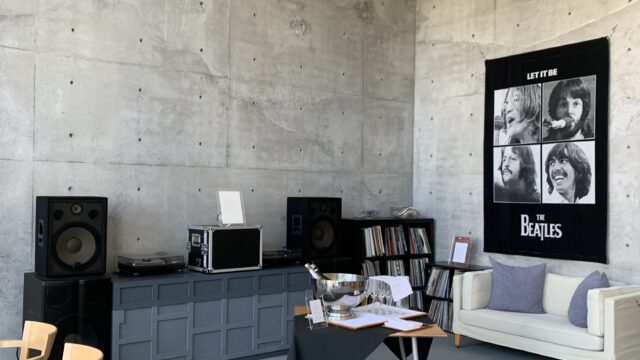
Reflections after reading Tadao Ando's "Creating Work": Self-study, work, travel, and seeing things in person. Drawing on my experience of creating a model of "Sumiyoshi Row House" during my student days and later staying at the Setouchi Retreat Aonagi, I will consider Ando's architecture and learning.