Travelogue of Japan

Cuisine and Food Culture

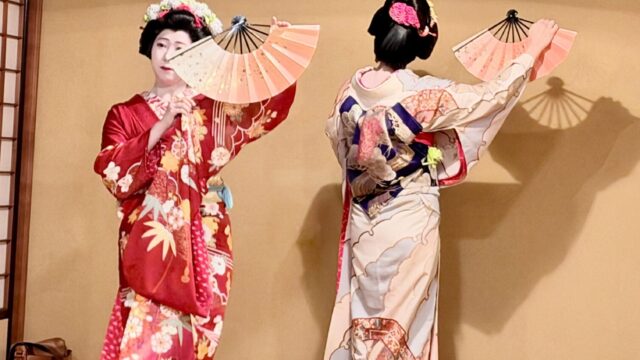
Furumachi and Nabechaya: The culture of hospitality created by the port city of Niigata

Walk through Niigata's Furumachi district and experience the dance of Furumachi geisha and cuisine at the long-established restaurant "Nabechaya." From the history of Niigata, a port town that prospered from Kitamae ships, to its geisha district, restaurant culture, and the background that fostered the Furumachi geisha, we will explore its history.
Travelogue of Japan

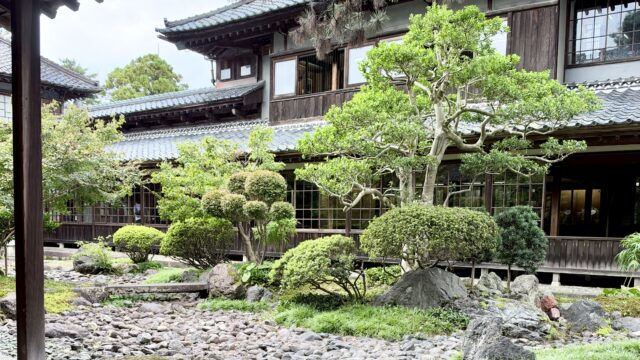
Why did "wealthy farmers" emerge in Niigata? | Reading about the wealth and culture of Echigo from the Ito family at the Northern Culture Museum

Visit the Northern Culture Museum in Niigata and trace the history of the Ito family, one of the most prominent wealthy farming families in Echigo. From the rice and land of the Echigo Plain, to the large landowning system, magnificent mansions and gardens, tea rooms, ceramics and crafts, we will explore, with local photographs, why "wealthy farmers" emerged in Niigata.
accessories

From the Silver Mountains to the Gods' Shore—A Journey Through Iwami and Izumo Where Materials Transform into Meaning

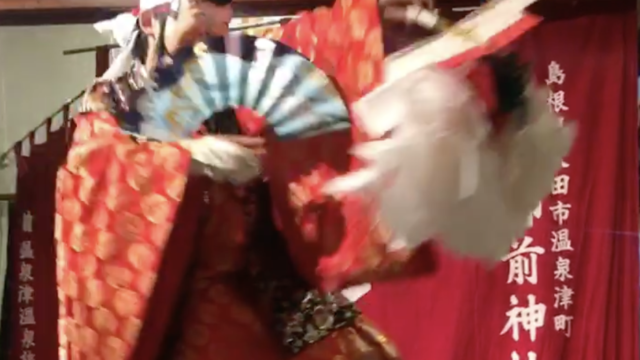
From the Ryugenji mine shaft of the Iwami Silver Mine to Yunotsu Onsen, climbing kilns, Iwami Kagura dance, and Izumo Taisha Shrine, I re-examine my 2019 trip to Shimane from my current perspective as I've started pottery and accessory making, tracing the process by which silver, clay, paper, sand, and rice transformed into culture.
Travelogue of Japan

Reading the Gion Festival through the lens of the tea ceremony: Kyoto as seen at the Yasaka Shrine's tea offering ceremony and Ichiriki-tei.

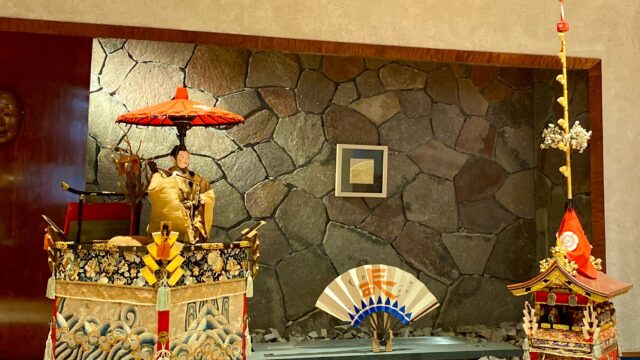
At the Gion Festival, we witnessed the tea ceremony performed by the head of the Omotesenke school at Yasaka Shrine. We experienced the floats, the tea ceremony rooms, and the Ichiriki-tei tea ceremony firsthand, and explored the connections within Kyoto culture through the tea ceremony, from Rokkakudo Temple, to the plays "Hana Ikusa" and "Kanadehon Chushingura," to the geisha districts and chimaki (rice dumplings wrapped in bamboo leaves).
Cuisine and Food Culture

I encountered ptarmigan twice on Mount Kiso-Komagatake—in Senjojiki Cirque and in the Central Alps.

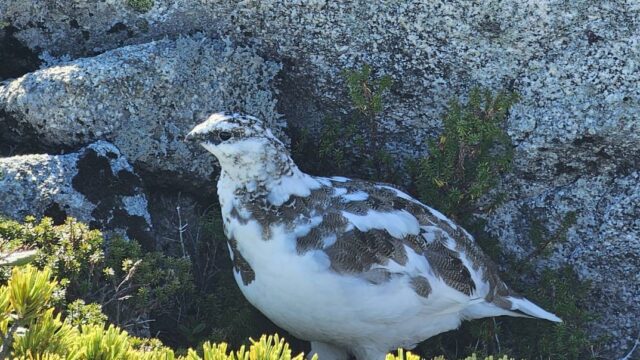
I've climbed Mount Kiso-Komagatake twice, and encountered ptarmigan both times. I'll share my experiences and photos, from the glacial topography of Senjojiki Cirque, the seasonal changes in ptarmigan feathers, conservation activities in the Central Alps, to Nogaike Pond, Komagai Pond, Kozenji Temple, and even Komagane's famous katsudon (pork cutlet rice bowl).
Ceramics and artwork

From "viewing" national treasures to "creating" them: Learning from Nonomura Ninsei and Ogata Kenzan about the design of polychrome tea bowls.

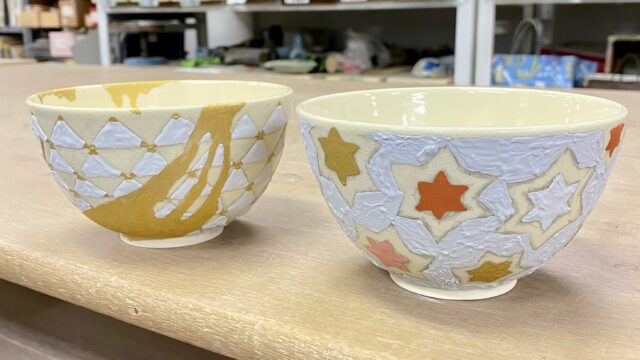
This book compares Nonomura Ninsei's national treasure, the "Polychrome Pheasant Incense Burner," which I saw in Kanazawa, with works by Ninsei and Ogata Kenzan that I saw at the Nezu Museum. It analyzes the polychrome enamel, form, patterns, and negative space of Kyoto ware, and introduces how this was applied to the actual production of polychrome tea bowls, along with photographs of the production process.
Cuisine and Food Culture

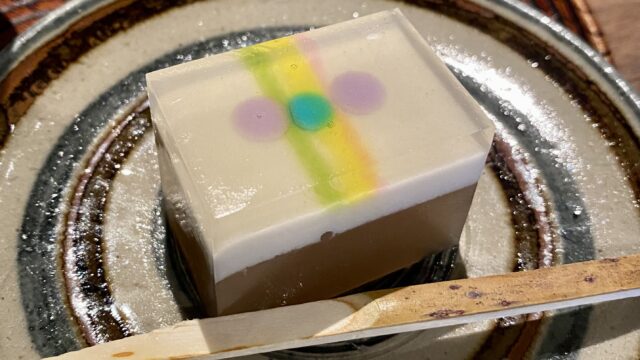
Thoughts at Ippodo Tea Shop in Teramachi, Kyoto

I visited Ippodo Tea Shop in Teramachi during the Gion Festival in Kyoto. Using Miyako Watanabe's "The Taste of Tea" as a guide, I will consider how the "taste of tea" is created in relation to matcha, thick and thin tea, tea ceremony practice, the seasons, and the tools used.
Cuisine and Food Culture

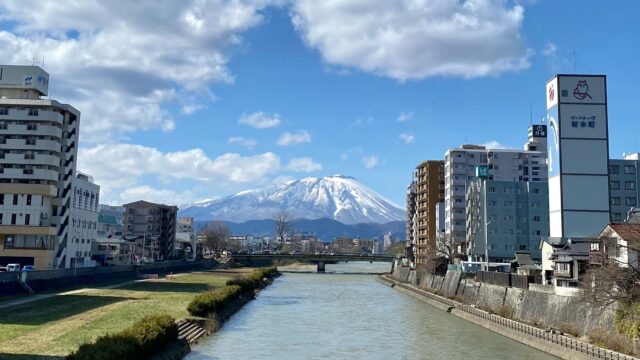
Walking through Morioka—Kenji Miyazawa, Kohara-sha Publishing House, folk art, cafes, and food culture

Kenji Miyazawa, Kohara-sha publishing house, folk art, café culture, Morioka Reimen (cold noodles), Jajamen (noodles with garlic), Fukuda Bread. While walking through the streets of Morioka, we will explore how past cultures are being passed down to present-day life.
Art and Ceramics

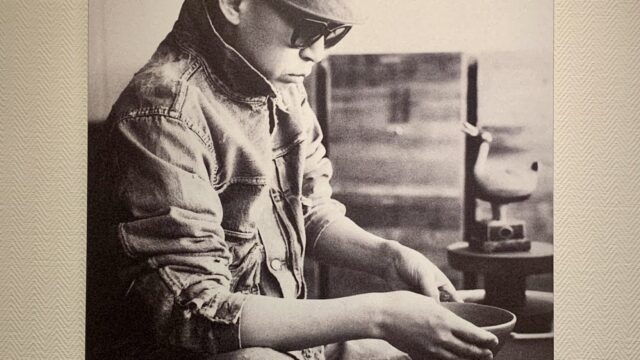
NIGO® and Han-dei-ko: Collecting, Creating, and Inheriting

I visited the "NIGO® and Handeishi" exhibition held at the Ishimizu Museum in Tsu City, Mie Prefecture. Through the tea bowls of Kawakita Handeishi collected by NIGO® and 25 bowls he created himself, I reflected on collecting, pottery making, the freedom to break away from form, and the inheritance of culture.
Travel and Food

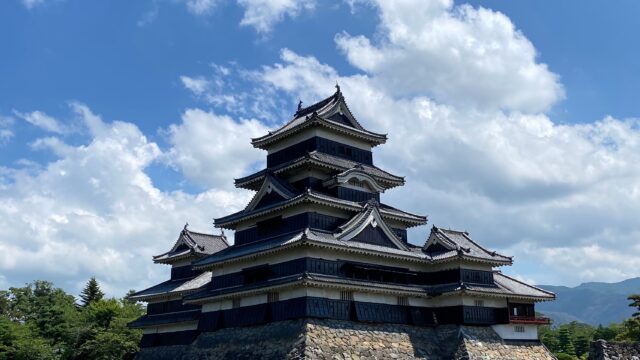
Matsumoto, where Crow Castle, folk art, and Yayoi Kusama coexist.

From the national treasure Matsumoto Castle to the traditional storehouses of Nakamachi Street, Matsumoto folk furniture, and the Matsumoto City Museum of Art showcasing Yayoi Kusama's works, the author, a native of Nagano Prefecture, walks through the city of Matsumoto, traversing architecture, folk art, and contemporary art, and introduces the overlapping cultures of the city.