Travel and Food

Ceramics and artwork

Sado Gold Mine – A 400-Year History Tracing From World Heritage Sites and Homeless People to Modernization and Mumyoi Pottery

Visit the gold mines of Sado Island, which became a World Cultural Heritage site in 2024. We will tour the Sado Magistrate's Office, the Sōdayū Mine, Dōyū no Warito, and the Kitazawa Flotation Plant, tracing the approximately 400 years of history and culture born from the gold mines, from the labor of vagrants to Zeami, literature and film, Mumyōi pottery, and the town of Aikawa.
Cuisine and Food Culture

Furumachi and Nabechaya: The culture of hospitality created by the port city of Niigata

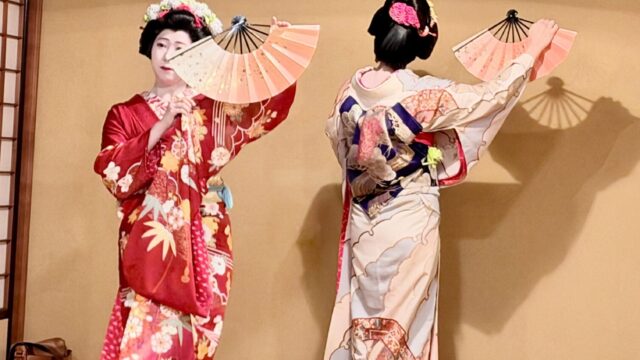
Walk through Niigata's Furumachi district and experience the dance of Furumachi geisha and cuisine at the long-established restaurant "Nabechaya." From the history of Niigata, a port town that prospered from Kitamae ships, to its geisha district, restaurant culture, and the background that fostered the Furumachi geisha, we will explore its history.
Travelogue of Japan

Why did "wealthy farmers" emerge in Niigata? | Reading about the wealth and culture of Echigo from the Ito family at the Northern Culture Museum

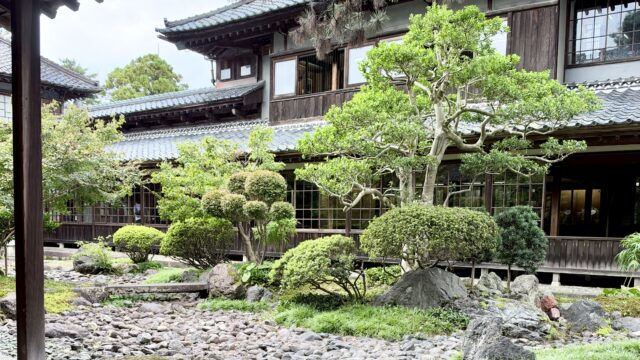
Visit the Northern Culture Museum in Niigata and trace the history of the Ito family, one of the most prominent wealthy farming families in Echigo. From the rice and land of the Echigo Plain, to the large landowning system, magnificent mansions and gardens, tea rooms, ceramics and crafts, we will explore, with local photographs, why "wealthy farmers" emerged in Niigata.
accessories

From the Silver Mountains to the Gods' Shore—A Journey Through Iwami and Izumo Where Materials Transform into Meaning

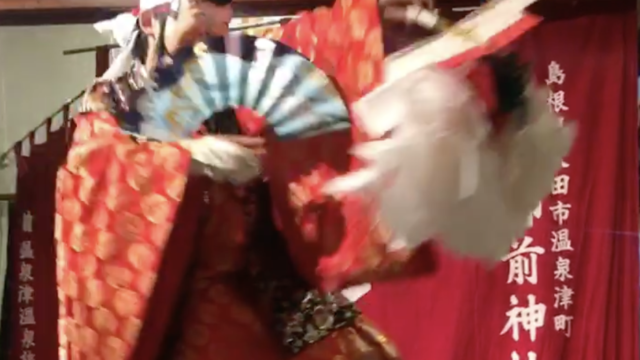
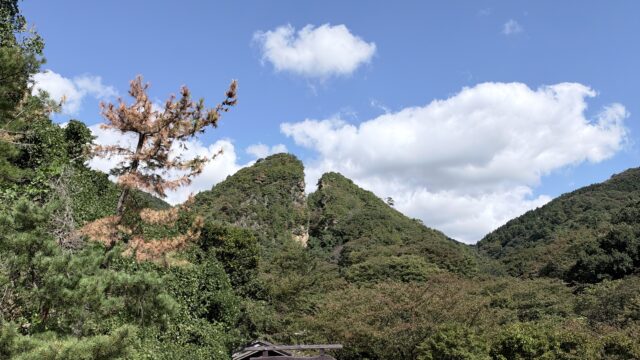
From the Ryugenji mine shaft of the Iwami Silver Mine to Yunotsu Onsen, climbing kilns, Iwami Kagura dance, and Izumo Taisha Shrine, I re-examine my 2019 trip to Shimane from my current perspective as I've started pottery and accessory making, tracing the process by which silver, clay, paper, sand, and rice transformed into culture.
Design source

A Cultural History of Tobacco as Seen from the Tobacco and Salt Museum

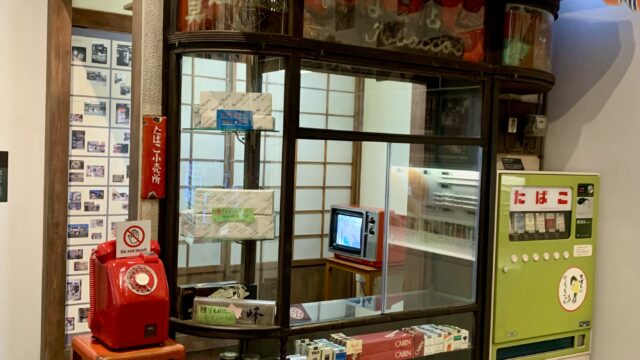
Starting from the Tobacco and Salt Museum in Sumida Ward, Tokyo, this tour traces the origins of tobacco, the Age of Discovery and slavery, Japan's monopoly system, advertising and packaging, cigars, and tobacco trays. It interprets world history and design history through a familiar luxury item.
Strolling around Tokyo

From Meiji Jingu Shrine to Harajuku—a century-old forest and the town that has sprung up on its outskirts.

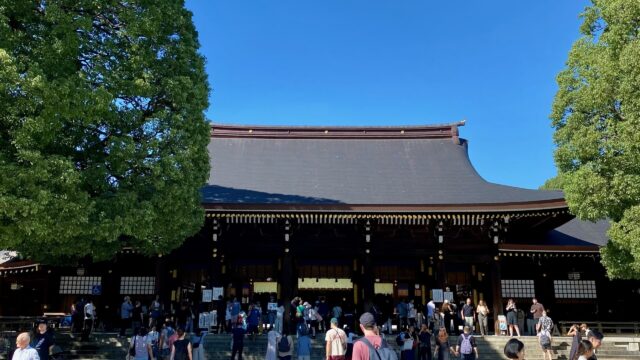
We will receive prayers at Meiji Jingu Shrine and experience Kagura dance, sacred sake, and votive offerings. We will walk through the Meiji Jingu Garden, visiting the Kakun-tei pavilion, Kiyomasa's well, irises, and the 100-year-old artificial forest, and consider its relationship to Harajuku, which has developed outside of it.
Travelogue of Japan

Reading the Gion Festival through the lens of the tea ceremony: Kyoto as seen at the Yasaka Shrine's tea offering ceremony and Ichiriki-tei.

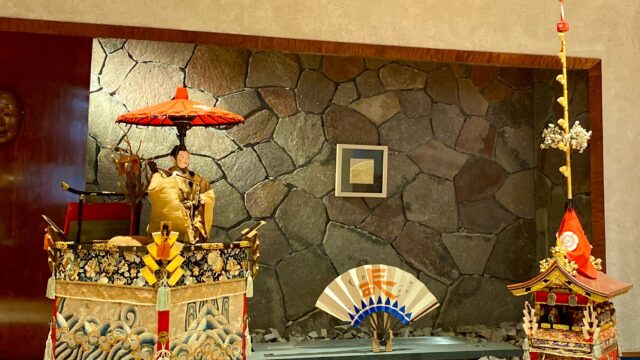
At the Gion Festival, we witnessed the tea ceremony performed by the head of the Omotesenke school at Yasaka Shrine. We experienced the floats, the tea ceremony rooms, and the Ichiriki-tei tea ceremony firsthand, and explored the connections within Kyoto culture through the tea ceremony, from Rokkakudo Temple, to the plays "Hana Ikusa" and "Kanadehon Chushingura," to the geisha districts and chimaki (rice dumplings wrapped in bamboo leaves).
Cuisine and Food Culture

I encountered ptarmigan twice on Mount Kiso-Komagatake—in Senjojiki Cirque and in the Central Alps.

I've climbed Mount Kiso-Komagatake twice, and encountered ptarmigan both times. I'll share my experiences and photos, from the glacial topography of Senjojiki Cirque, the seasonal changes in ptarmigan feathers, conservation activities in the Central Alps, to Nogaike Pond, Komagai Pond, Kozenji Temple, and even Komagane's famous katsudon (pork cutlet rice bowl).
Ceramics and artwork

From "viewing" national treasures to "creating" them: Learning from Nonomura Ninsei and Ogata Kenzan about the design of polychrome tea bowls.

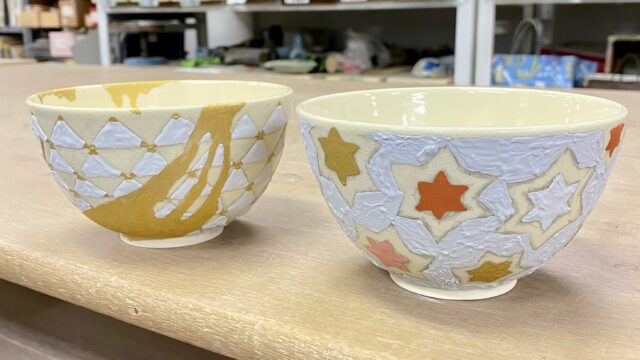
This book compares Nonomura Ninsei's national treasure, the "Polychrome Pheasant Incense Burner," which I saw in Kanazawa, with works by Ninsei and Ogata Kenzan that I saw at the Nezu Museum. It analyzes the polychrome enamel, form, patterns, and negative space of Kyoto ware, and introduces how this was applied to the actual production of polychrome tea bowls, along with photographs of the production process.
Cuisine and Food Culture

Thoughts at Ippodo Tea Shop in Teramachi, Kyoto

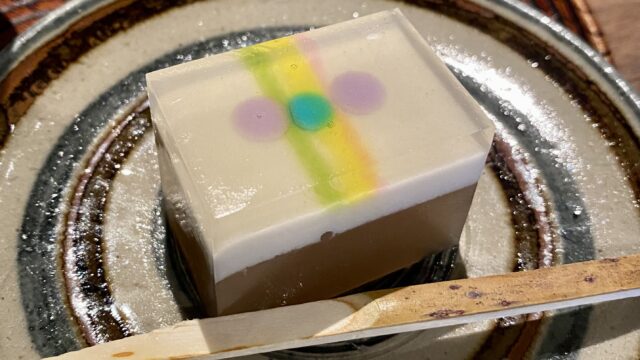
I visited Ippodo Tea Shop in Teramachi during the Gion Festival in Kyoto. Using Miyako Watanabe's "The Taste of Tea" as a guide, I will consider how the "taste of tea" is created in relation to matcha, thick and thin tea, tea ceremony practice, the seasons, and the tools used.