Cuisine and Food Culture

Ceramics and artwork

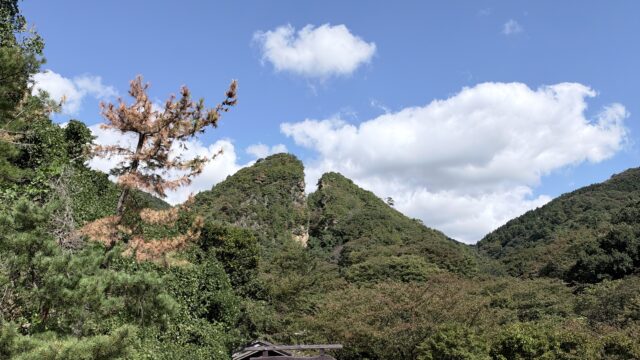
Sado Gold Mine – A 400-Year History Tracing From World Heritage Sites and Homeless People to Modernization and Mumyoi Pottery

Visit the gold mines of Sado Island, which became a World Cultural Heritage site in 2024. We will tour the Sado Magistrate's Office, the Sōdayū Mine, Dōyū no Warito, and the Kitazawa Flotation Plant, tracing the approximately 400 years of history and culture born from the gold mines, from the labor of vagrants to Zeami, literature and film, Mumyōi pottery, and the town of Aikawa.
Cuisine and Food Culture

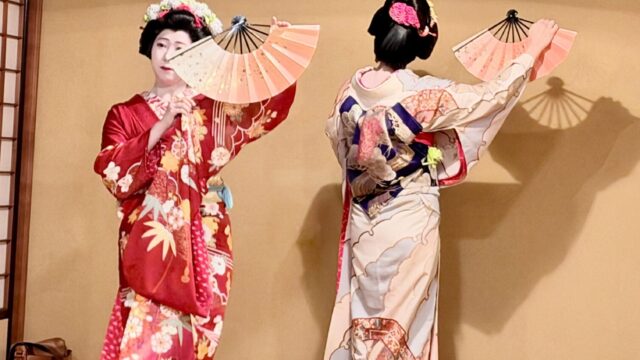
Furumachi and Nabechaya: The culture of hospitality created by the port city of Niigata

Walk through Niigata's Furumachi district and experience the dance of Furumachi geisha and cuisine at the long-established restaurant "Nabechaya." From the history of Niigata, a port town that prospered from Kitamae ships, to its geisha district, restaurant culture, and the background that fostered the Furumachi geisha, we will explore its history.
Cuisine and Food Culture

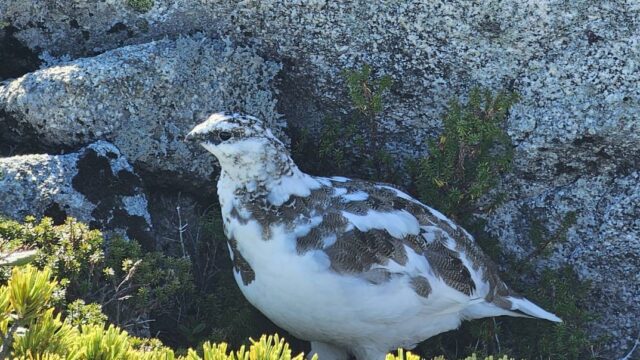
I encountered ptarmigan twice on Mount Kiso-Komagatake—in Senjojiki Cirque and in the Central Alps.

I've climbed Mount Kiso-Komagatake twice, and encountered ptarmigan both times. I'll share my experiences and photos, from the glacial topography of Senjojiki Cirque, the seasonal changes in ptarmigan feathers, conservation activities in the Central Alps, to Nogaike Pond, Komagai Pond, Kozenji Temple, and even Komagane's famous katsudon (pork cutlet rice bowl).
Cuisine and Food Culture

Thoughts at Ippodo Tea Shop in Teramachi, Kyoto

I visited Ippodo Tea Shop in Teramachi during the Gion Festival in Kyoto. Using Miyako Watanabe's "The Taste of Tea" as a guide, I will consider how the "taste of tea" is created in relation to matcha, thick and thin tea, tea ceremony practice, the seasons, and the tools used.
Cuisine and Food Culture

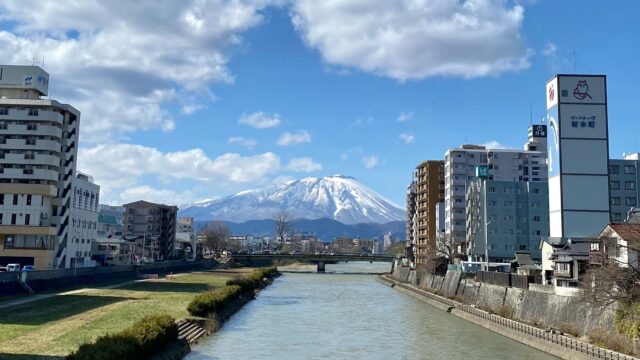
Walking through Morioka—Kenji Miyazawa, Kohara-sha Publishing House, folk art, cafes, and food culture

Kenji Miyazawa, Kohara-sha publishing house, folk art, café culture, Morioka Reimen (cold noodles), Jajamen (noodles with garlic), Fukuda Bread. While walking through the streets of Morioka, we will explore how past cultures are being passed down to present-day life.
Cuisine and Food Culture

Walking through Kawagoe—from the memories of the Tokugawa shogunate to a merchant town and modern architecture.

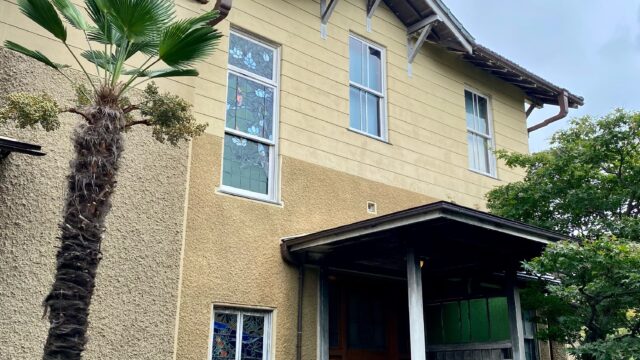
From Kitain Temple to the traditional storehouse-lined streets, the Toki no Kane (Time Bell), the Yamazaki Museum of Art, and the former Yamazaki family villa, this is a record of a walk through Kawagoe, the "Little Edo," tracing its history related to the Tokugawa family, its architecture spanning from the Edo period to the modern era, and its long-established food culture.
Cuisine and Food Culture

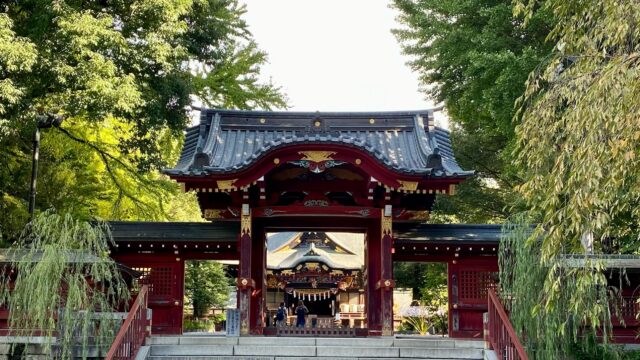
A 2-day, 1-night trip to Chichibu | A journey visiting NIPPONIA Chichibu, Mitsumine Shrine, and Chichibu Shrine

I took a one-night, two-day trip from Tokyo to Chichibu. I stayed at NIPPONIA Chichibu Monzenmachi, enjoyed a dinner featuring local ingredients and Ichiro's Malt whiskey, and visited Chichibu Shrine, Mitsumine Shrine, Paris, and Taizando Cafe. I'll share my trip with you through photos.
Cuisine and Food Culture

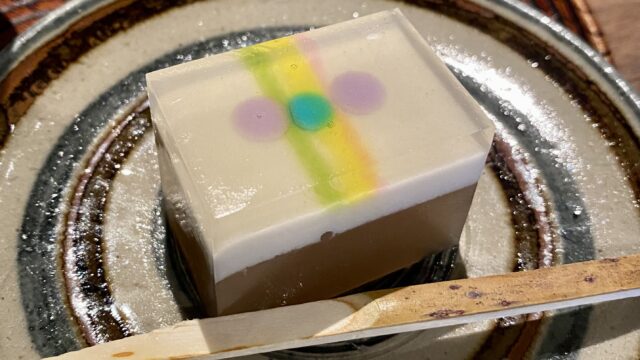
Why has Toraya lasted for five centuries? — Reflections on "Tradition and Innovation of the Long-Established Brand 'Toraya'" at the Kyoto Ichijo store.

A book review of "Tradition and Innovation of the Long-Established Brand 'Toraya'." Based on my experience at Toraya Karyo Kyoto Ichijo Store during the Gion Festival in Kyoto, I consider the experiential value created by the five senses, the season, history, and customer service.