—Who decides the value of things?
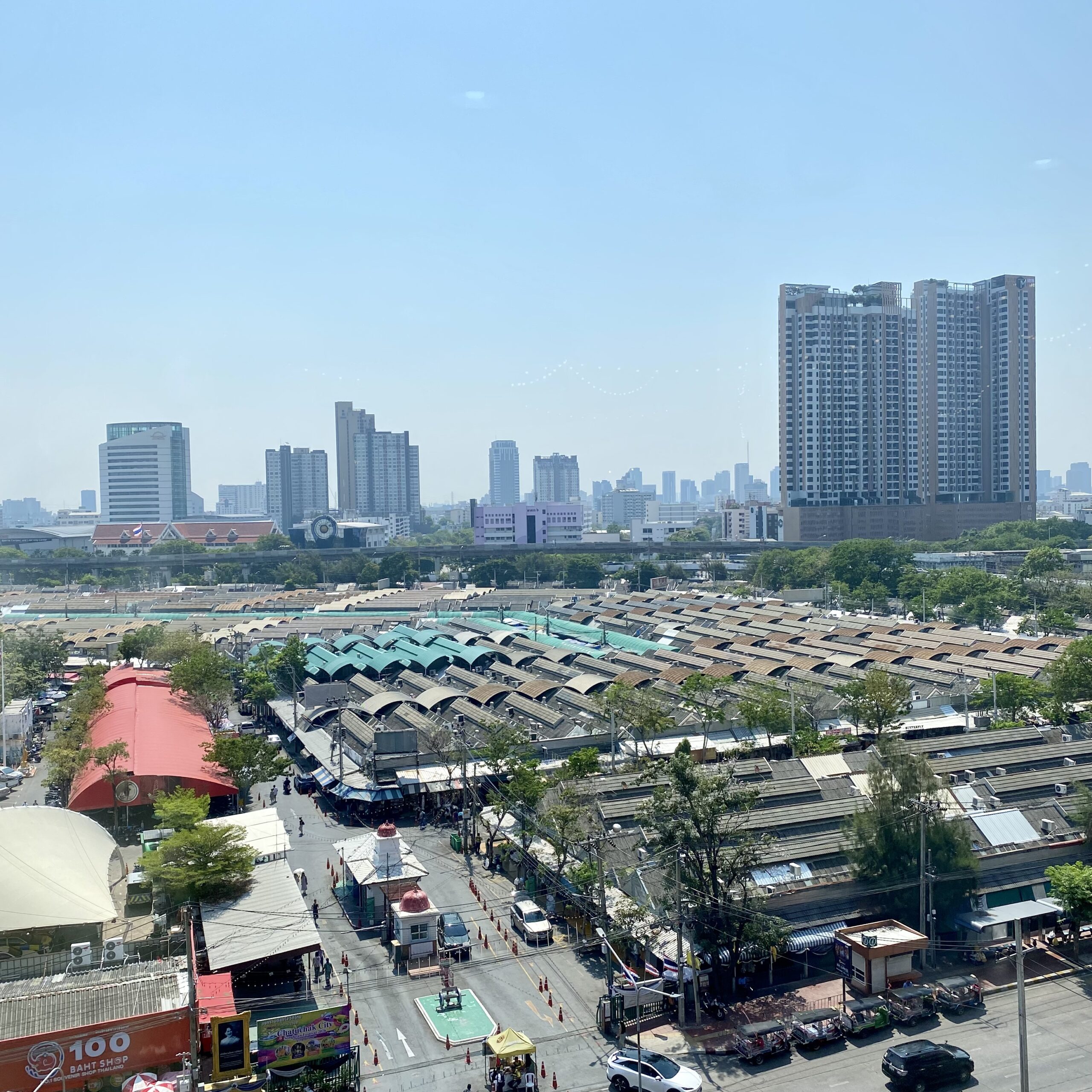
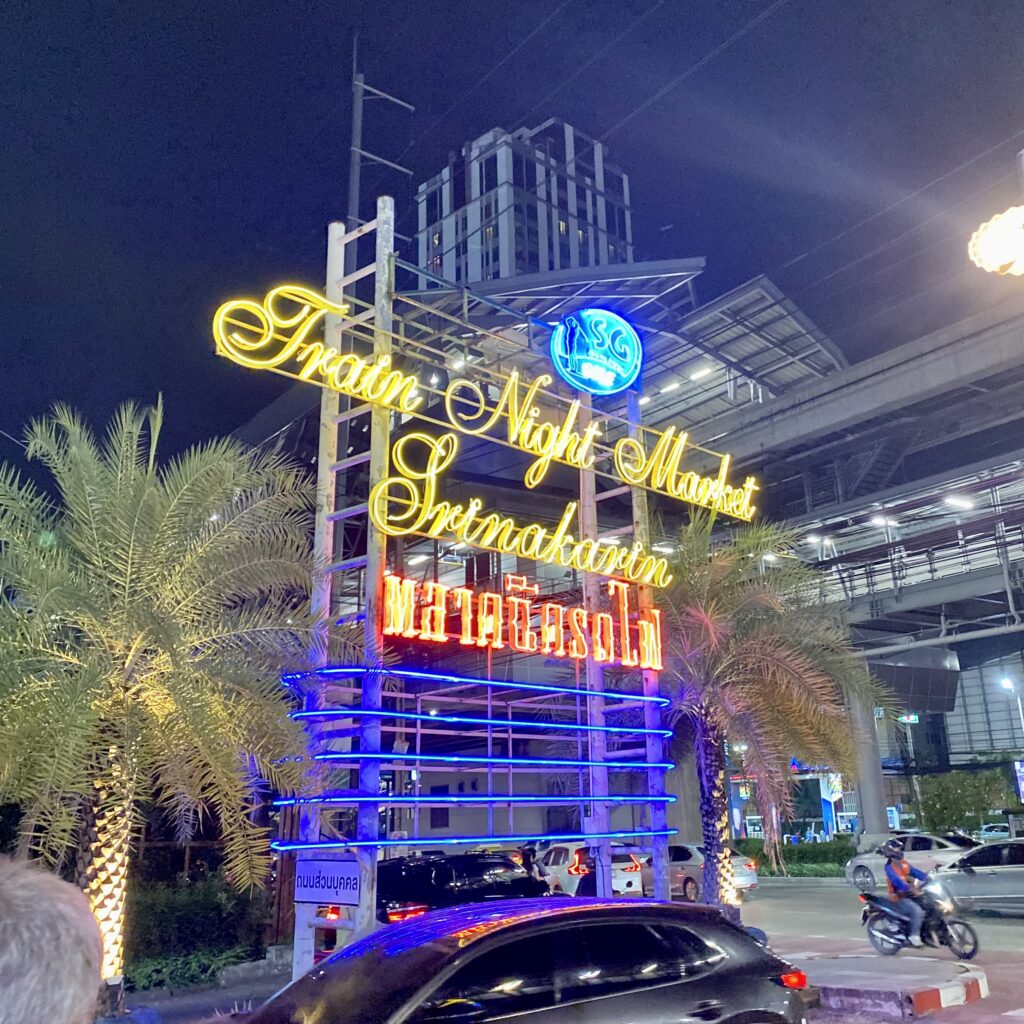
This year, 2026, I accompanied a vintage shop on two buying trips to Thailand.
Thailand has a huge second-hand clothing wholesale market, where warehouses and shops are piled high with clothing collected from all over the world.
I examine each garment one by one, try to guess its age, check the tags, feel the fabric, examine the stitching, and search for something of value.
After that experience, I happened to be watching the NHK program "Tokoro-san! It's an Incident!" and one of the vintage clothing markets we had actually visited appeared on the show.
The program featured local opinions on Japanese vintage clothing, such as "the fabric is good and it's lightweight."
Indeed, the idea of used clothing exported from Japan being re-evaluated as a commodity overseas is interesting.
However, when you actually walk around the purchasing site, a more complex picture emerges.
Second-hand clothing is simply,
"Clothes that are no longer needed in Japan are being reused overseas."
It's not like we're following a perfectly straight and clear road.
There exists a vast system there that encompasses authenticity, information inequality, trends, climate, logistics, social media, and even waste disposal.
And this time, that story about vintage clothing happened to connect with African bead culture, which I had been researching separately.
So I thought about it again.
Where exactly does the value of an object lie?
- The story behind the popularity of Japanese vintage clothing in Thailand's vintage clothing market.
- First of all, when did the 90s become "vintage"?
- As the number of "Made in USA" products decreases, other items gain rarity value.
- Why are T-shirts so popular in Thailand?
- A contrarian approach to collecting "worthless heavy clothing"
- However, social media has destroyed the "information gap."
- Where do clothes that are no longer needed in Japan go afterward?
- This is where I suddenly came across a book about African beads.
- I opened Mercari because I wanted something, and there I found a global marketplace.
- When "folk craft" becomes "art"
- The same object moves between "garbage," "merchandise," "folk art," and "art."
- What do vintage shops sell?
- Where is the boundary between "reselling" and "curation"?
The story behind the popularity of Japanese vintage clothing in Thailand's vintage clothing market.
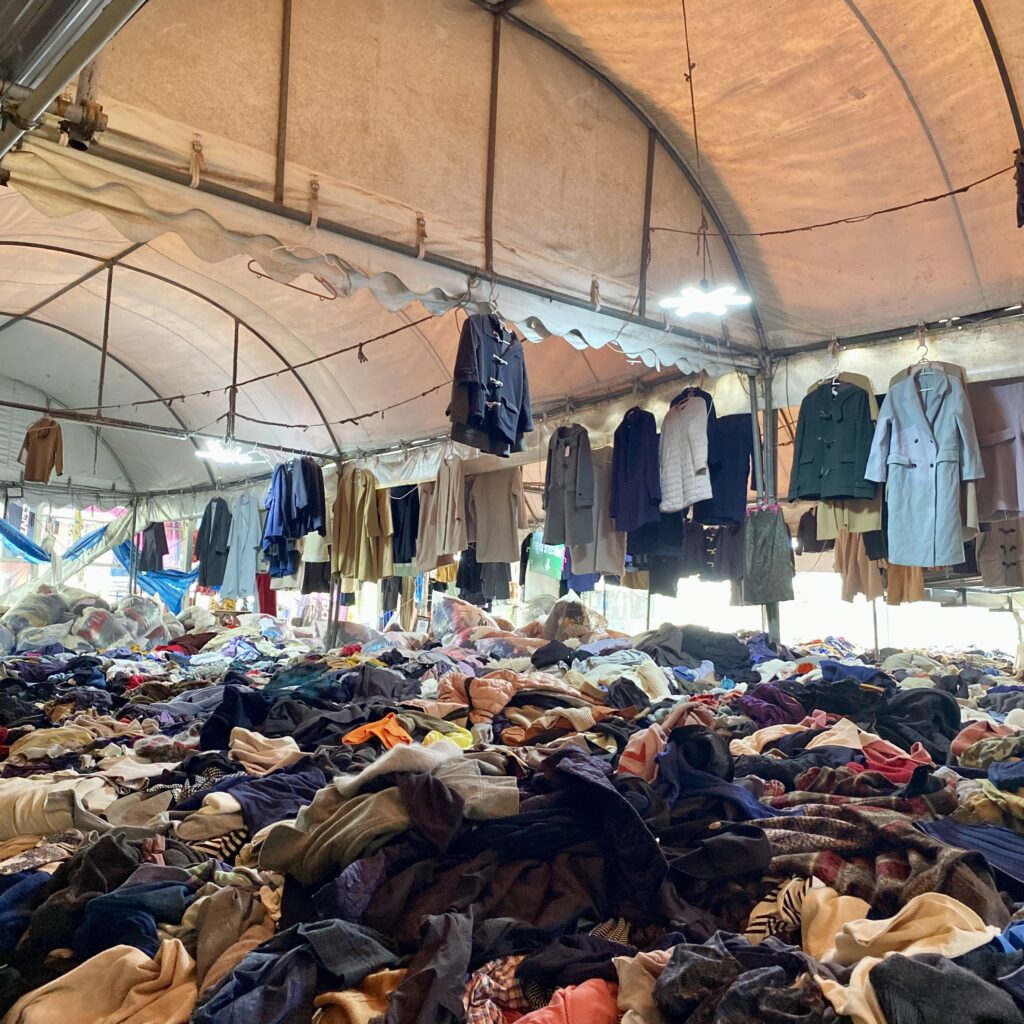
When you actually walk through a used clothing market in Thailand, the sheer volume of goods is incredible.
T-shirts, sweatshirts, denim, military wear, sportswear.
Clothing that has passed through various places such as America, Japan, and Europe is displayed in the same space.
Naturally, some items there are of high value, while others are practically worthless.
And one thing to be careful of is fakes.
Vintage T-shirts are especially popular.
As market prices for rock band t-shirts, rap t-shirts, movie t-shirts, and other similar items rise, the economic incentive to create counterfeit goods naturally increases as well.
When you actually walk around the area, you'll find that there are quite a few questionable items mixed in with the T-shirts being sold as vintage.
The problem is that there are people who will buy it.
Young buyers from Japan are no exception.
Unlike new clothing, you can't determine the authenticity of used clothing by simply checking the manufacturer's official website.
Tags, stitching, body, print, fabric. Aging process. Size balance.
And did that specification actually exist during that era?
It is necessary to combine multiple pieces of information to make a decision.
In other words, in the vintage market,
More valuable than the ability to find old things is the ability to judge what you are seeing.
The fact that it has a price tag doesn't mean it has value.
Just because someone wrote "vintage" doesn't mean it becomes vintage.
The higher the market price, the more economically valuable knowledge itself becomes.
First of all, when did the 90s become "vintage"?
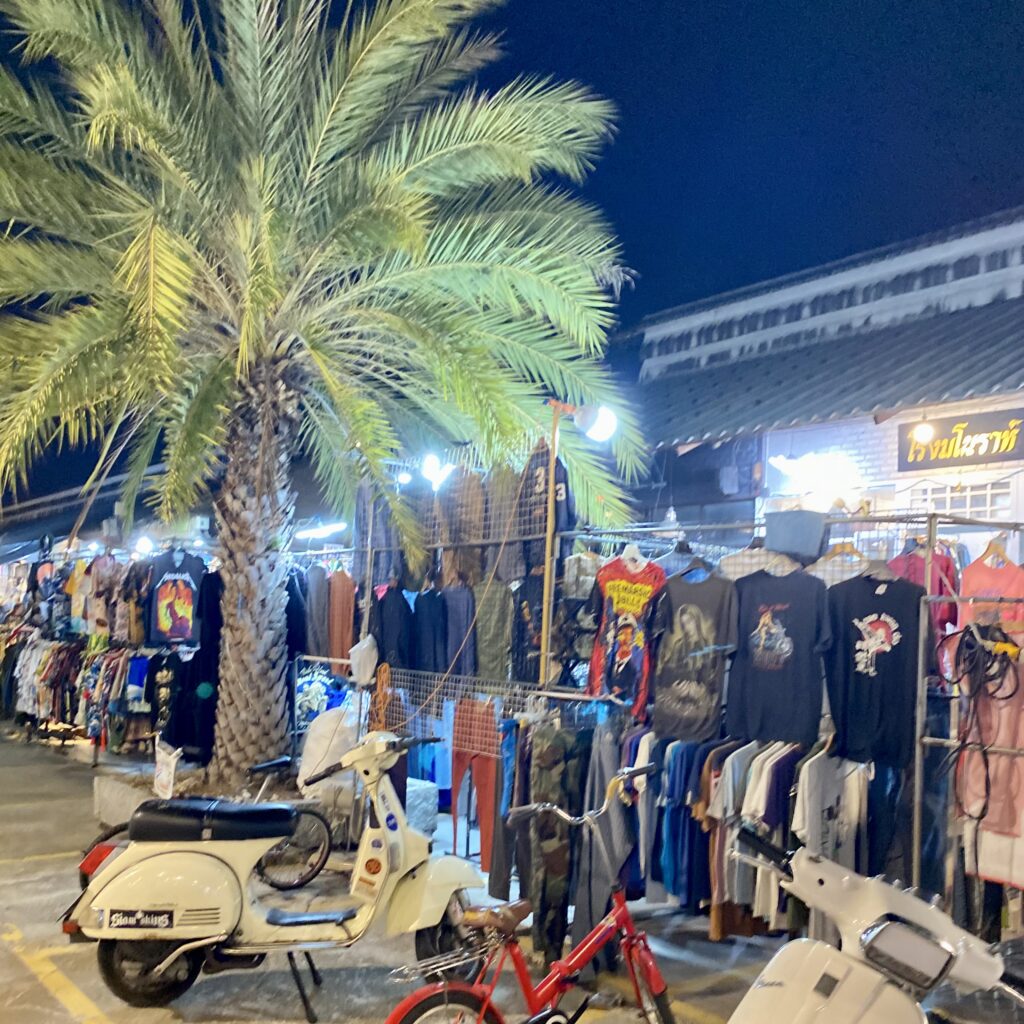
What's interesting here is the word "vintage" itself.
In the world of vintage clothing, there was a strong tendency to treat older American clothing, mainly from around the 1950s, as "vintage," while referring to newer clothing from the mass-production era as "regular."
But what about now?
T-shirts from the 90s are commonly referred to as "vintage."
In some cases, clothing from the 2000s is even sold as vintage.
Of course, there are no absolute boundaries in the definition of a word.
However, what's important is,
It's not that the clothes themselves have changed, but rather that the way society views clothes has changed.
That's the point.
Band T-shirts that once cost a few thousand yen are now priced at tens or even hundreds of thousands of yen.
What used to be considered "ordinary second-hand goods" now shifts categories due to the passage of time, rarity, celebrity endorsements, social media presence, and the collector market.
In other words, vintage is not simply about the physical attribute of being "old."
It is also a value category created by society.
As the number of "Made in USA" products decreases, other items gain rarity value.
Post-war America expanded its society based on mass production and mass consumption, including in the clothing industry.
However, after that, the apparel industry began to shift its production bases overseas.
Even American brands are seeing their actual production shift to Asia and Central and South America.
As a result, vintage Made in USA clothing itself becomes rare.
Even some clothes that were sold as new at the time were not thought to be of high value in the future because they were made in America.
However, changes in the production structure itself can cause things that were once abundant to become rare later on.
And the market then searches for the next value.
One example of this was band t-shirts and rap t-shirts.
The body itself is a T-shirt.
but,
Which band is it? Which tour is it? What year is it? What kind of graphic is it? Who is wearing it? What body is used?
When all that information comes together, it can create a huge price difference for a single used T-shirt.
Cotton isn't the only factor that determines the price.
Rarity, history, stories, knowledge, trends, and the consensus of market participants all determine the price.
Why are T-shirts so popular in Thailand?
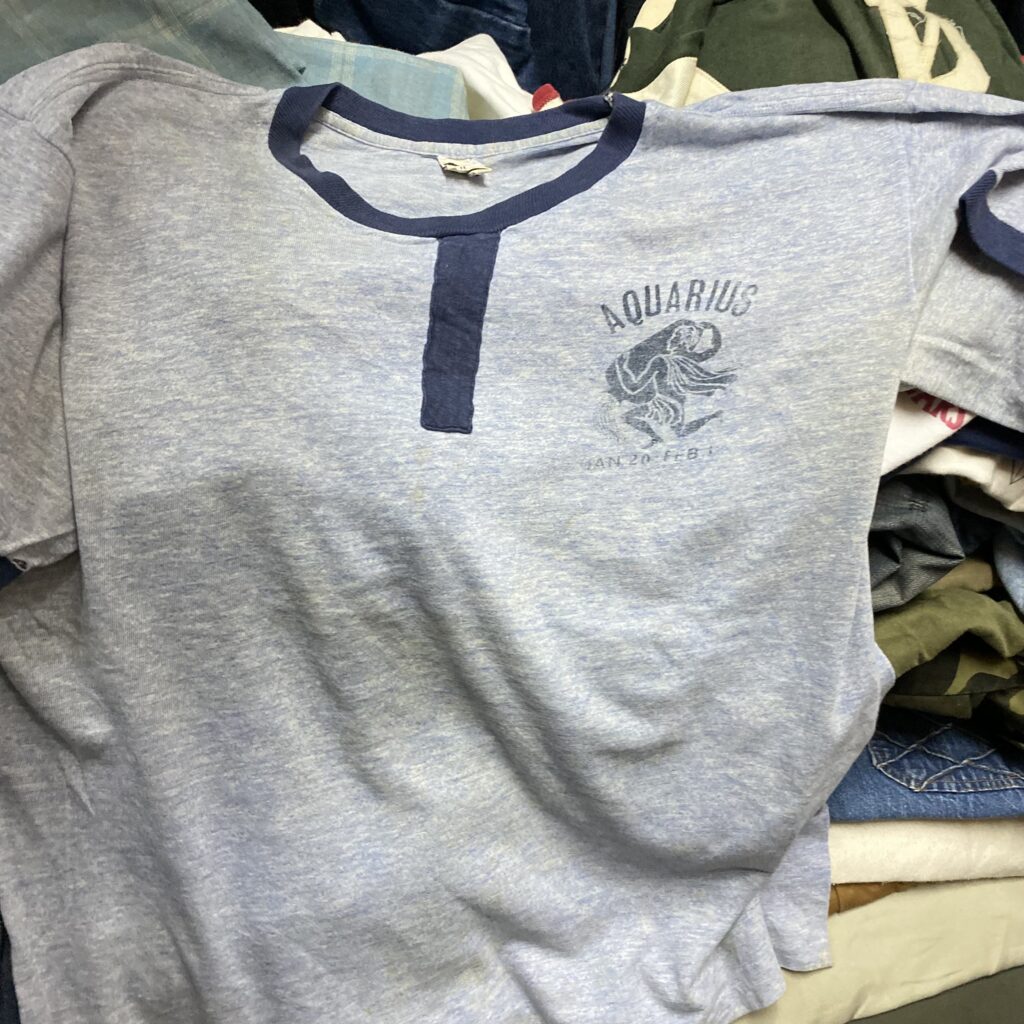
What I personally found interesting while browsing vintage clothing in Thailand was the relationship between the climate and fashion.
It's incredibly hot.
In cities like Tokyo, London, and New York, there are physical limitations to complex layering using heavy clothing.
Inevitably, light clothing such as T-shirts, shirts, and shorts tend to become the focus of fashion.
This narrows the range of differences that can be created solely through clothing.
Therefore, body adornment such as hair, tattoos, and accessories becomes relatively more prominent.
Observing the highly perceptive young people there, I found this relationship extremely interesting.
In other words, fashion is
"Because this is what's trending right now."
That alone cannot explain it.
Fashion itself is shaped by adapting to constraints such as climate, cities, and living environments.
A contrarian approach to collecting "worthless heavy clothing"
Saleem appeared on the program as someone who has been collecting used clothing in East Asia.
Considering the climate of Thailand and East Asia, the domestic demand for heavy jackets and coats is limited.
Therefore, it doesn't command much value locally.
However, the situation changes if you take it to a different market.
This is one of the essential aspects of buying vintage clothing.
Instead of "buying cheap things," the goal is to "find things that have no value here but have value elsewhere."
This job involves finding the differences in value that arise from different locations.
Before the global vintage boom became as intense as it is today, this information gap would have been even greater.
Nobody there seems to care.
However, if I bring it back to Japan, there will be people who want it.
Knowing that difference itself was beneficial.
However, social media has destroyed the "information gap."
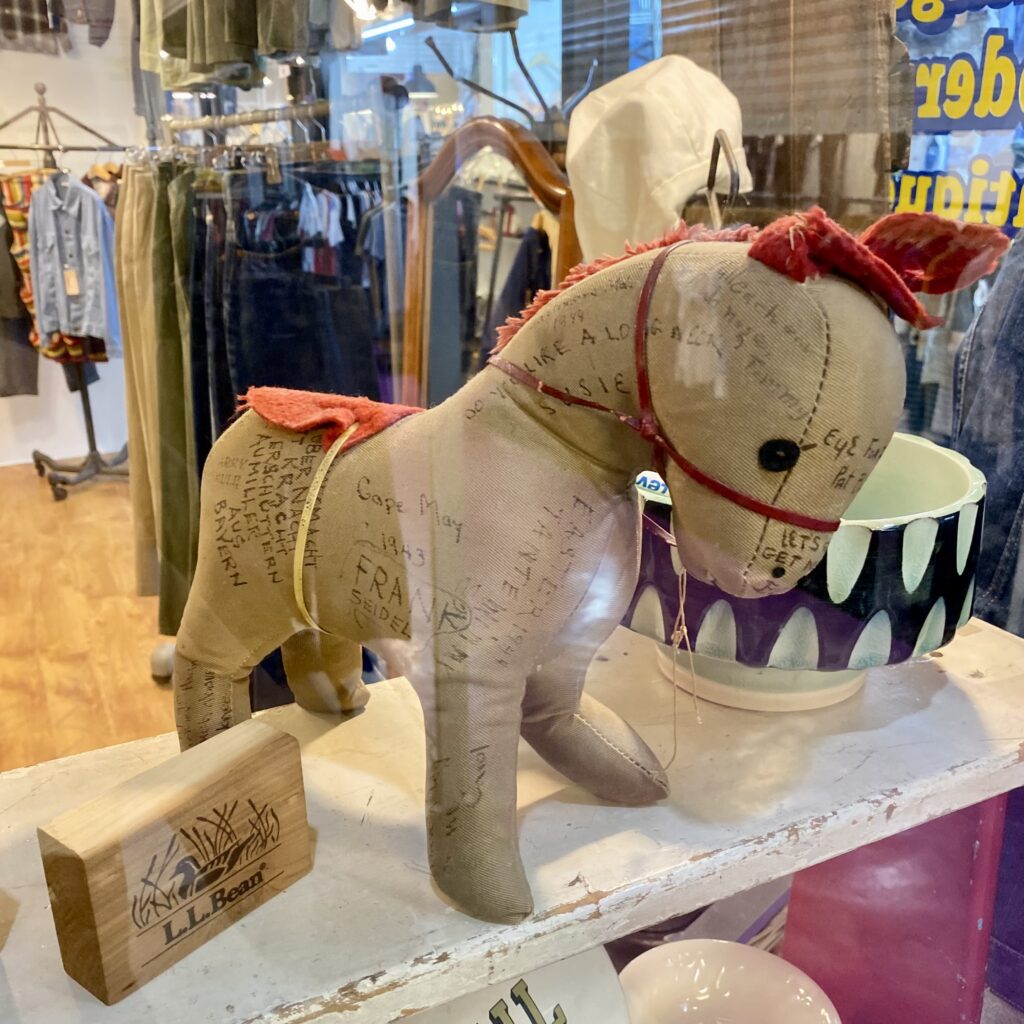
However, this structure is now changing dramatically due to social media.
People all over the world can see almost the same product image and price in an instant.
Knowledge that was once only known to a few vintage clothing stores in Tokyo can now be accessed by young dealers in Thailand using their smartphones.
What is experiencing a price surge in the United States?
What kind of band t-shirts are popular in Japan?
What did the celebrities wear?
A piece of clothing that was unknown yesterday is searched for all over the world the very next day.
The geographical price difference of knowledge is narrowing.
Therefore, I feel that buying vintage clothing has become a much more "global competition" than before.
Simply possessing information isn't enough to guarantee a win.
Because information spreads too quickly around the world.
Then,
Find it faster than anyone else.
They can determine authenticity more accurately than anyone else.
They have their own suppliers.
Discover categories that haven't been evaluated yet.
They sell it by adding their own context.
Those abilities will be important.
Where do clothes that are no longer needed in Japan go afterward?
The vintage clothing journey doesn't end in Thailand.
Used clothing transcends national borders, forming a global market.
The United Nations Environment Programme (UNEP) points out that while secondhand clothing offers affordable clothing and generates social and economic benefits, particularly in the informal sector, the disposal of imported clothing can cause environmental problems in areas with inadequate recycling infrastructure.
In other words,
Used clothing = recycling-oriented society
It's not that simple.
but,
Used clothing = waste export from developed countries to developing countries
It's not entirely accurate to think of it that way.
Within the same distribution chain, there is reuse, employment, commerce, access to inexpensive clothing, and waste.
These multiple aspects coexist.
This is where I suddenly came across a book about African beads.
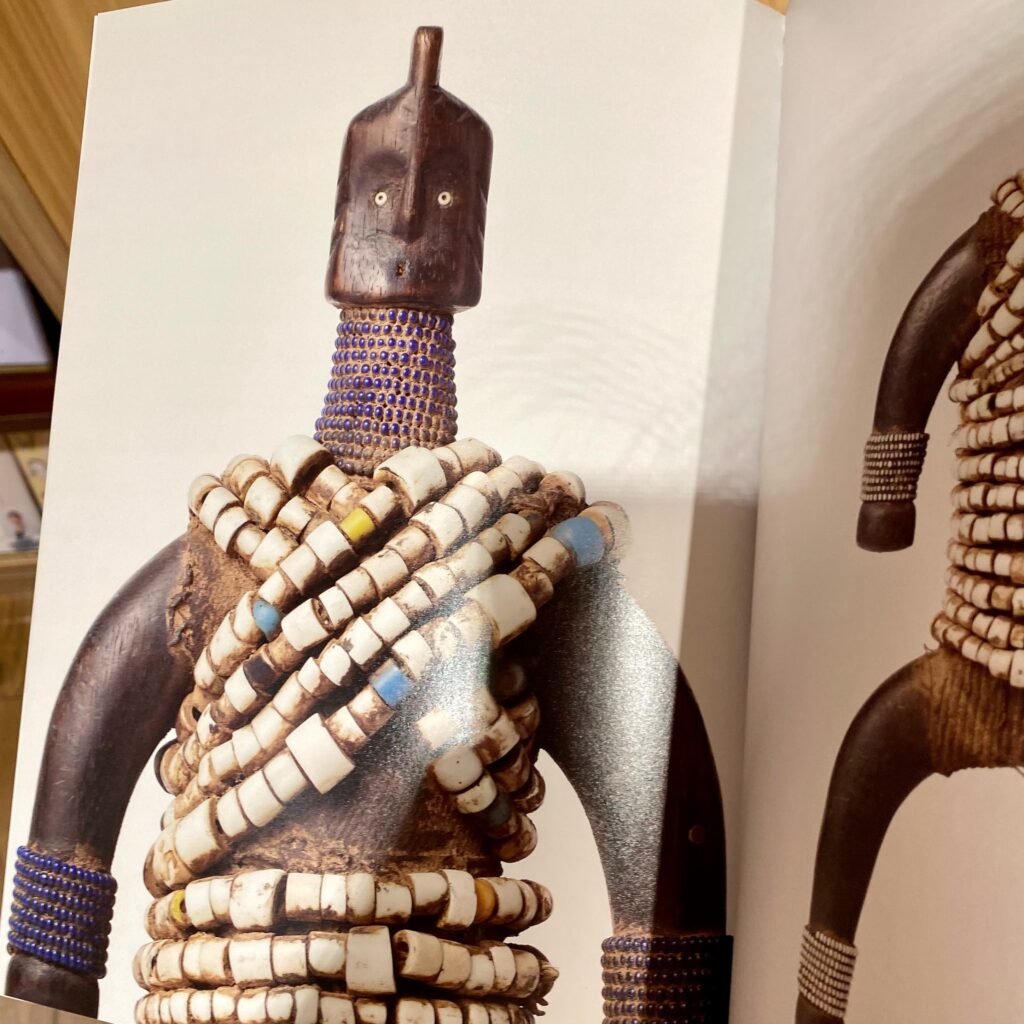
On the day I was watching this program, I was researching Africa for a completely different purpose.
As part of my research for accessory making, I was flipping through a book about African beads.
That's when I stumbled upon the Namji doll.
The wood carvings by the Namji group in northern Cameroon include human figures made of wood combined with beads, metal, cowrie shells, and other materials.
The design is unusual and very interesting.
Rather than realistically reproducing the human body like Western sculptures, these works possess a powerful presence as a whole, achieved by adding a large amount of ornamentation to a simplified wooden body.
Upon investigation, I discovered that the Metropolitan Museum of Art in New York also holds works by the Namji group in its collection.
One example in the Met's collection dates from the 19th or 20th century and originates from northern Cameroon. It is made of wood, beads, metal, and cowrie shells.
It belonged to the same cultural sphere as the sculptures I had seen in books that had piqued my interest.
I opened Mercari because I wanted something, and there I found a global marketplace.
I liked the design,
"Can I buy it in Japan?"
So I searched on Mercari.
One unit sold for approximately 10,000 yen.
Meanwhile, that same individual was being resold for 150,000 yen under a different account.
It was still interesting, though.
Because I saw a trend that was completely opposite to the used clothing distribution I had been observing just moments before.
In secondhand clothing,
Japan
↓
Overseas markets
↓
yet another region
The object moves to [location].
On the other hand, with Namji dolls,
Cameroon
↓
International folk art and fine art market
↓
Japan
↓
Mercari
This movement is occurring.
Markets that seem to be at opposite ends of the world are connected on a single smartphone screen.
When "folk craft" becomes "art"
A wooden sculpture created in Cameroon is coming to Japan.
The sales page then lists categories such as "African folk art," "Primitive art," "Ethnic art," "Interior objects," and "Collector's items."
It is explained in various ways, such as these.
Furthermore, if works from the same cultural sphere are acquired by a museum like the Met, they are then viewed within the institutional context of "works of art."
The object itself did not change suddenly.
What has changed is,The places, words, people, and institutions that surround it.
This is a familiar issue when considering contemporary art since Marcel Duchamp.
Not just the object itself,
Where was it placed?
Who made the selection?
What was it called?
Who recognized its value?
The meaning changes as a result.
The same object moves between "garbage," "merchandise," "folk art," and "art."
This is where the connection between secondhand clothing and the Namji doll became clear.
A piece of clothing that is no longer needed in Japan.
A wooden sculpture made in Cameroon.
They look completely different.
However, they are similar in that they both involve traveling around the world.
It has no value in some places.
It gains value when taken to a different location.
If you move it to another location, it will be placed in yet another category.
that's why,
Even the same object can change depending on the location and context.
It blurs the boundaries between "garbage," "merchandise," "used clothing," "vintage," "folk art," "art," and "collection."
What do vintage shops sell?
Even though we simply say "dealing with vintage items,"
I go to the United States to purchase them.
They purchase the goods in markets in third countries such as Thailand.
Search from second-hand shops within Japan.
I went around to a flea market.
I source items from e-commerce sites like Mercari and Yahoo! Auctions.
We purchase in bulk from suppliers.
There are various methods.
and,
They have a physical store.
We sell exclusively online.
Attract customers solely through social media.
There's a difference here too.
Even if two stores sell the same item, the work they do is not necessarily the same.
Those who travel to the location face the costs and risks of doing so.
Choosing from a vast selection of clothes requires knowledge and expertise.
To eliminate fakes, the ability to determine authenticity is necessary.
If you own a physical store, you need to edit the space itself. You also have to pay rent.
Take a picture.
Write an essay.
Explain the history.
To propose to the customer.
In other words, good vintage shops don't just sell old clothes.
They sell everything from exploration, selection, appraisal, editing, context, and credibility.
Where is the boundary between "reselling" and "curation"?
So, does that mean that buying low and selling high is all considered reselling?
In terms of business, the act of purchasing goods, adding a profit margin, and selling them is not unusual.
So why are some sellers called "experts" while others are called "resellers"?
Probably, during that time,
Are you exploring?
Can you determine authenticity?
Is it being restored or maintained?
Are you researching history?
Are you referring new customers?
Are they creating their own unique market?
And most importantly,Are you adding value beyond the price difference?
That is the difference.
Of course, the boundaries are not clear.
I think this is a question that applies not only to secondhand clothing, but to all secondhand markets, including antiques, art, furniture, watches, records, and so on.
comment