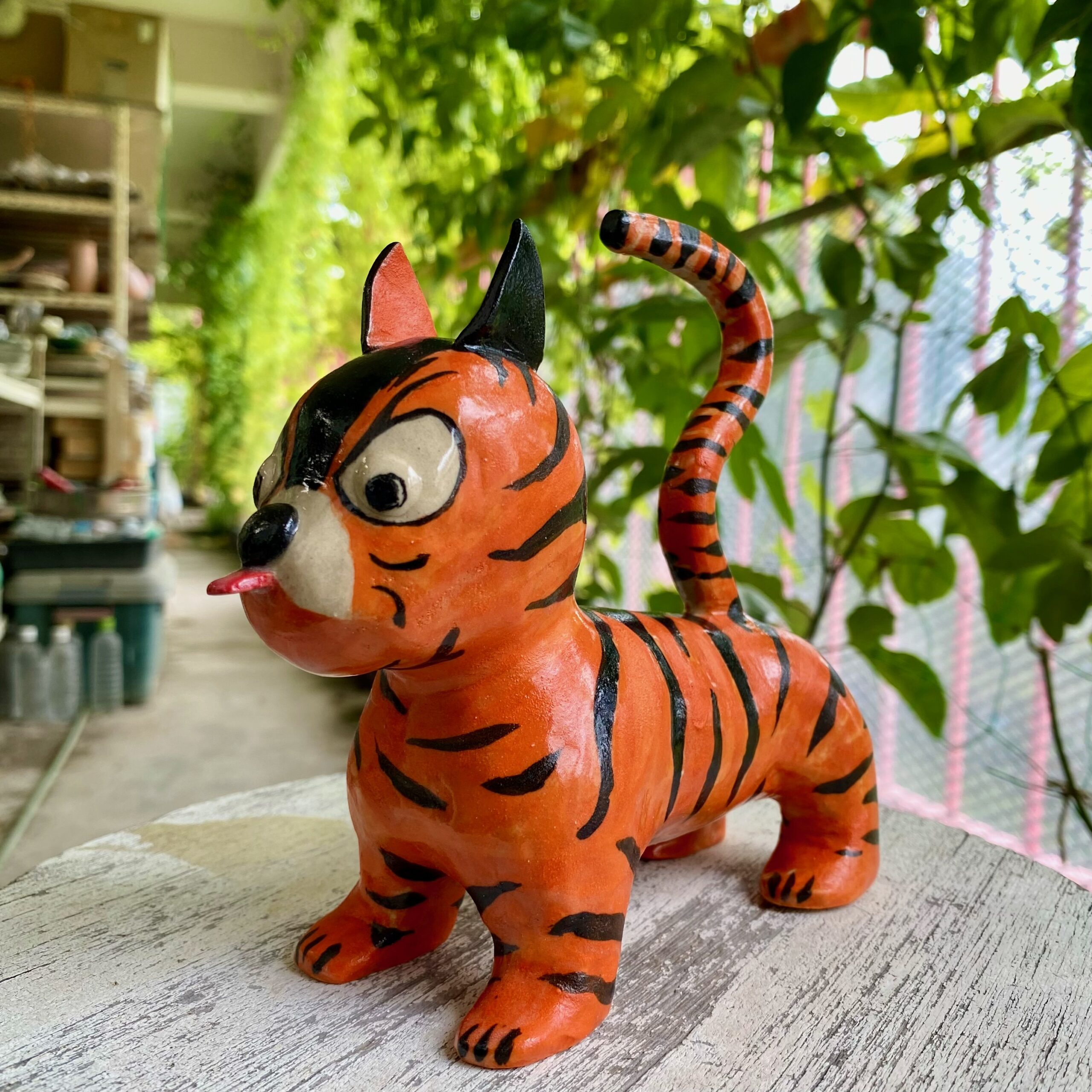
- Ivy League mascots transformed from plush toys to ceramics.
- The "Ivy League" is not originally a university ranking system.
- Why are there animals at the university?
- The mascot "personifies the university"
- Mascots need rivals
- So why is Princeton a tiger?
- Wearing the University: The Orange and Black Reunion Jacket
- Why Princeton Tiger?
- Collecting the past, interpreting it, remaking it, and passing it on to the future.
Ivy League mascots transformed from plush toys to ceramics.
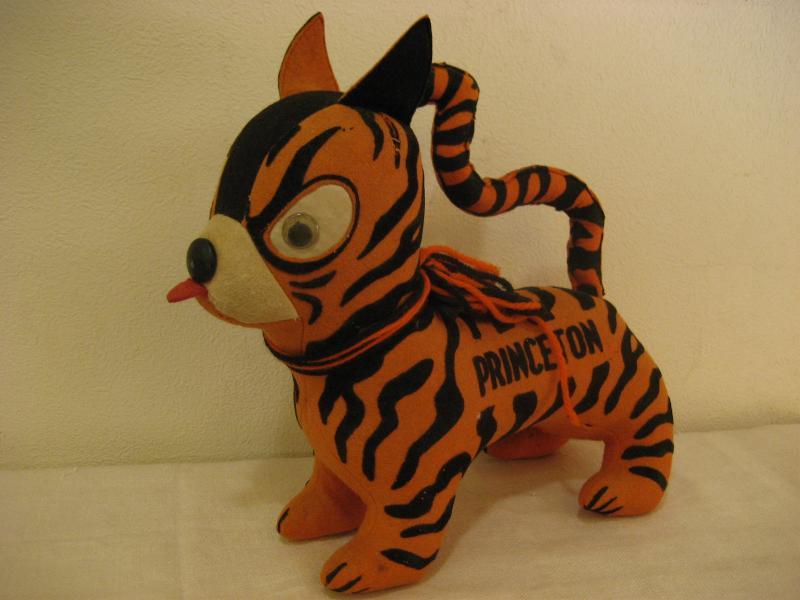
A slightly strange tiger. Its body is orange and black. It has large, sharp eyes. Its face has a red tongue sticking out. A long tail extends from its back. The word "PRINCETON" is written on its body.
This is a felt plush toy modeled after the tiger of Princeton University, one of the Ivy League schools. This time, I tried remaking this plush toy from scratch using clay.
Why is the tiger the symbol of Princeton University? And why do American universities have so many "mascot dolls"?
The "Ivy League" is not originally a university ranking system.

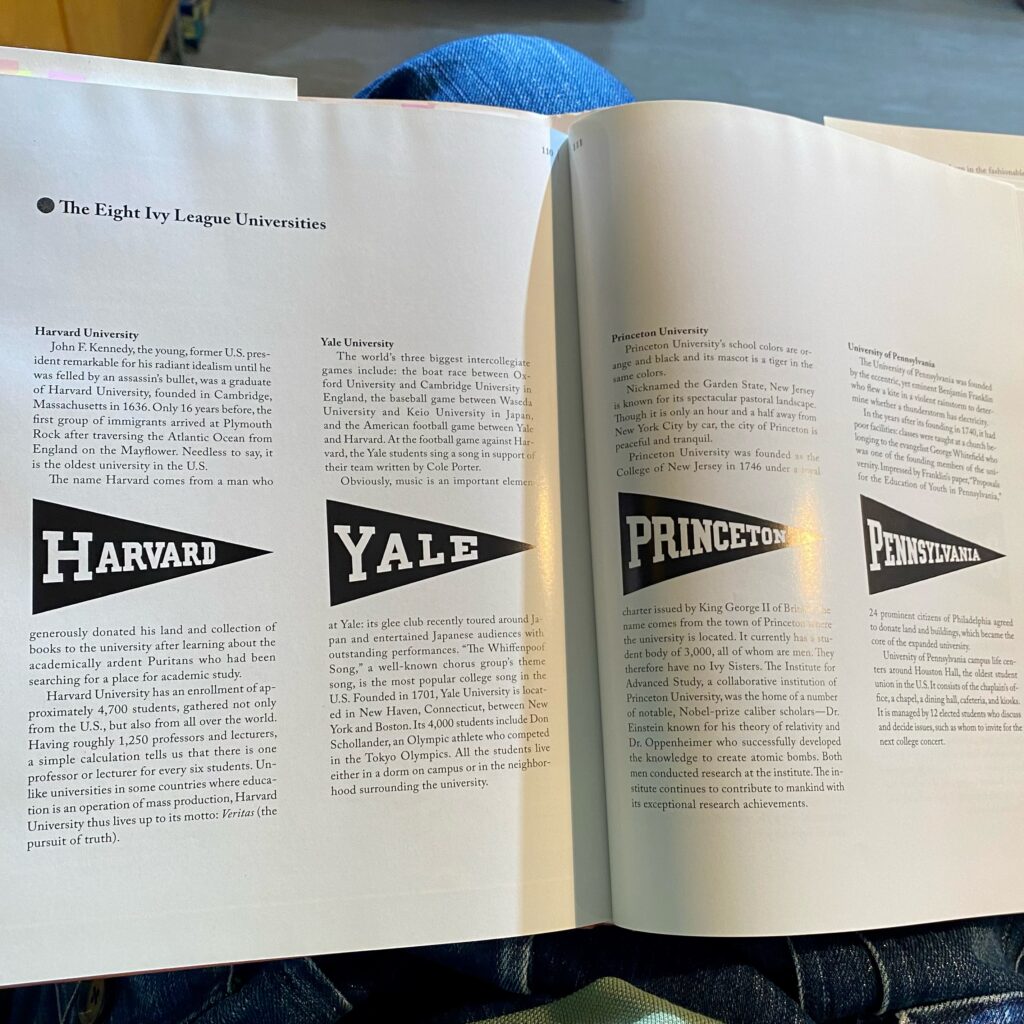
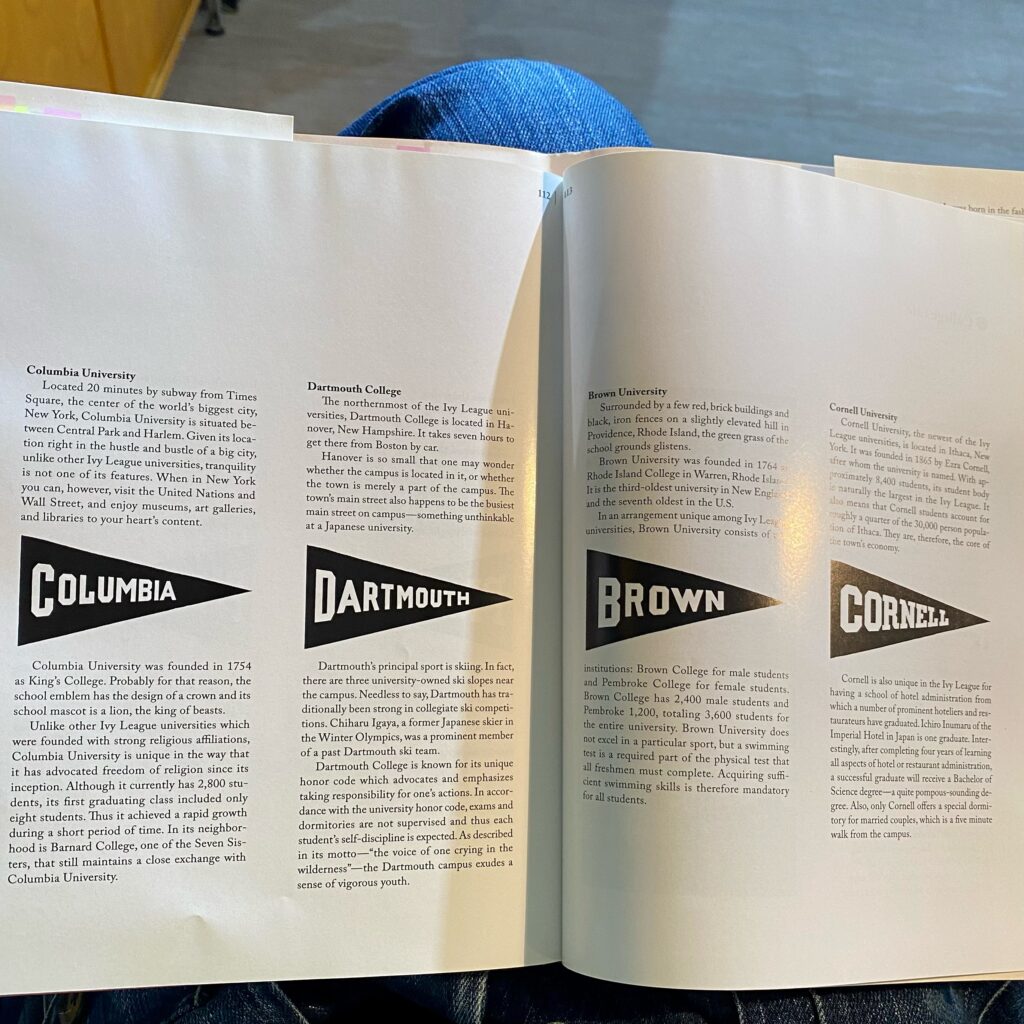
In Japan, the term "Ivy League" is known to refer to prestigious American universities. Currently, the Ivy League comprises:
The eight universities are Brown University, Columbia University, Cornell University, Dartmouth College, Harvard University, University of Pennsylvania, Princeton University, and Yale University.
What's interesting is that the "Ivy League" wasn't originally the name of a university ranking. It seems that university sports played a significant role in its establishment.
In the 1930s, newspapers began referring to the traditional Eastern colleges collectively as "Ivy Colleges" or "Ivy League," and in 1945, the "Ivy Group Agreement" for football was established among eight universities. Then, in 1954, the presidents of the eight universities expanded this agreement to all intercollegiate sports.
The current Ivy League was established as a formal athletic conference from this point onward. In other words, the history of the term "Ivy League" itself seems inseparable from the history of college sports.
Why are there animals at the university?
When you watch American college sports, animals and people frequently appear.
Yale University has a bulldog named Handsome Dan. Brown University has a bear named Bruno. Columbia University has a lion. The University of Pennsylvania has a Quaker. Cornell University has a bear tradition called Big Red Bear.
However, Cornell University has stated that it "does not officially have a mascot," and "Big Red Bear" is an unofficial character. Dartmouth College also currently uses the team name "Big Green" and does not use any specific animal as its official mascot.
In other words, a university mascot is not simply a "cute character," but rather a condensed representation of the university's history, sports, student culture, location, and sometimes even its social values.
The mascot "personifies the university"

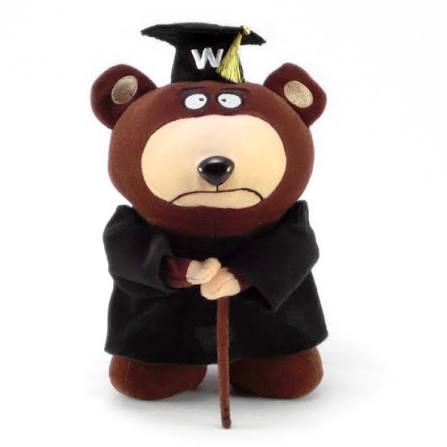
Why would a university need animals or people for its curriculum?
A university is a vast place of learning. But it also has a history, a campus, students, alumni, and sports teams. By giving these things a concrete symbol like a tiger, a bear, or a bulldog, we might be able to encapsulate the university's character, sports teams, students, alumni, and campus atmosphere into a single animal.
My alma mater, Waseda University, also has an official bear mascot called "WASEDA BEAR." This character is linked to the name of its founder, Shigenobu Okuma, and here too, the university's history and identity are represented by a single animal.
The tiger of Princeton, the bulldog of Yale, the bear of Waseda. Although they may differ in country and founding date, the idea of transforming the abstract community of a university into an "animal body" seems to be common to all of them.
Mascots need rivals
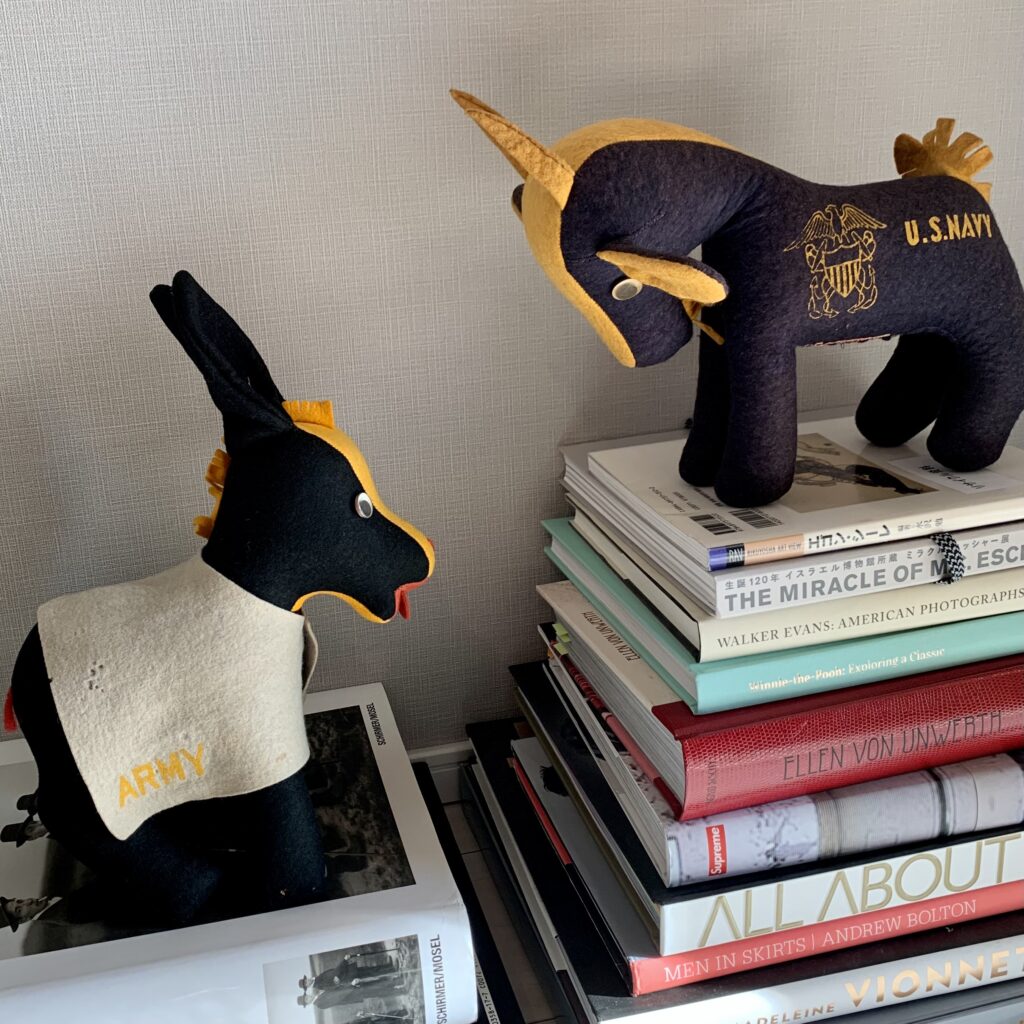
I also have two other old stuffed animals that symbolize American school culture.
A mule embroidered with "ARMY" and a goat embroidered with "US NAVY" represent the "Army Mule" of the United States Military Academy at West Point and "Bill the Goat" of the U.S. Naval Academy, respectively.
First, a goat appeared as the mascot at the Naval Academy in 1893. Six years later, in 1899, ahead of the Army-Navy Games, the Army also needed a mascot to counter the Navy, and the mule was chosen. Having long been used by the military to transport supplies and weapons, mules were animals that symbolized strength, perseverance, and practicality.
Thus, the opposing relationship between Navy and Goat, and Army and Mule, was born. A mascot can be said to be a way of condensing the identity of a community into a single animal.
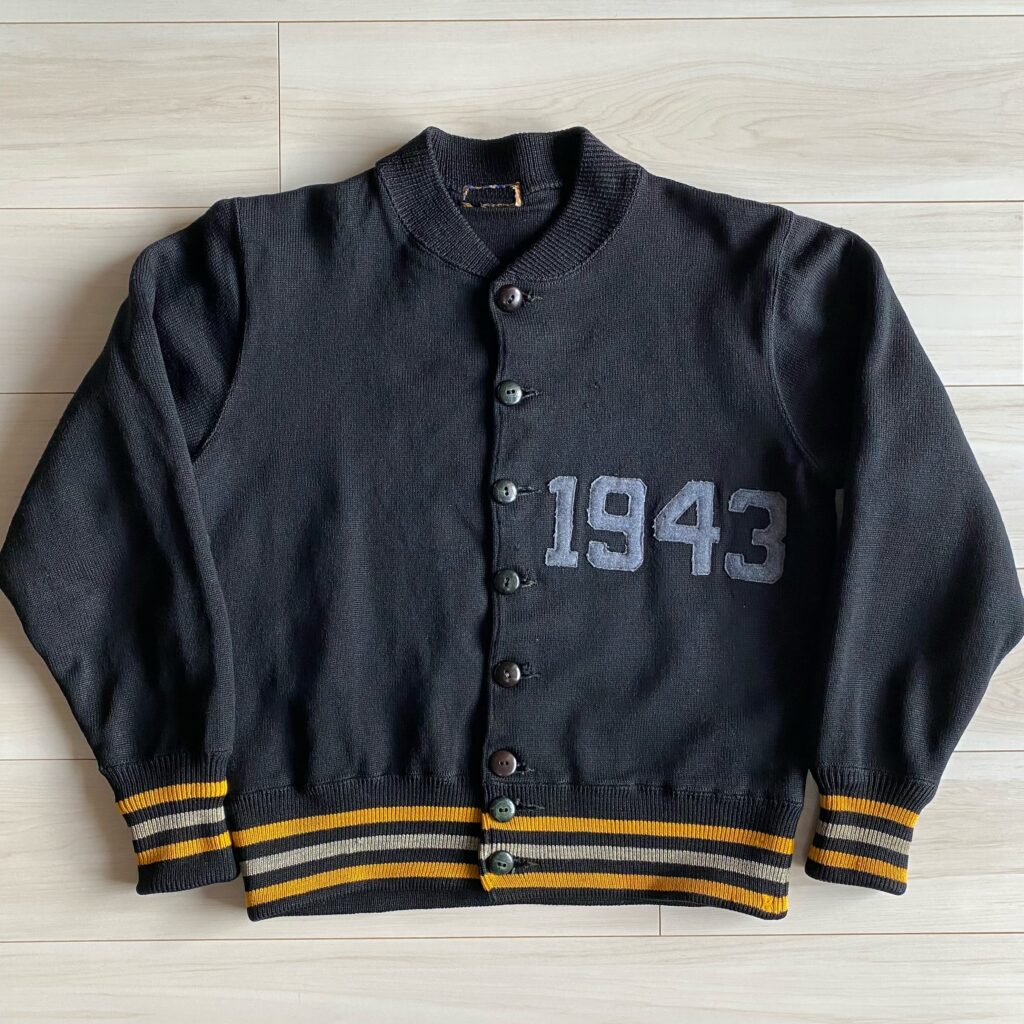
I have a 1940s West Point military academy jacket in my possession. If a mascot gives an organization its "face," then a uniform or school jacket is what directly embodies that affiliation.
So why is Princeton a tiger?
The Princeton Tigers first appeared in the 1880s. At the time, football players incorporated orange and black stripes into their uniforms and stockings. Princeton explains that this led sports reporters to call the players "Tigers."
In 1882, the student-run humor magazine "The Princeton Tiger" was founded. The tiger eventually became associated with songs, cheers, and student culture. Then, in 1896, orange and black became the university's official school colors.
Currently, if you walk around the campus, you can see tigers in various places, such as in architectural decorations and sculptures, and apparently there are even bronze tigers on display.
The association of "Princeton = Tiger," which seems commonplace today, is actually a part of the university's culture that has been formed over more than 100 years.
Wearing the University: The Orange and Black Reunion Jacket
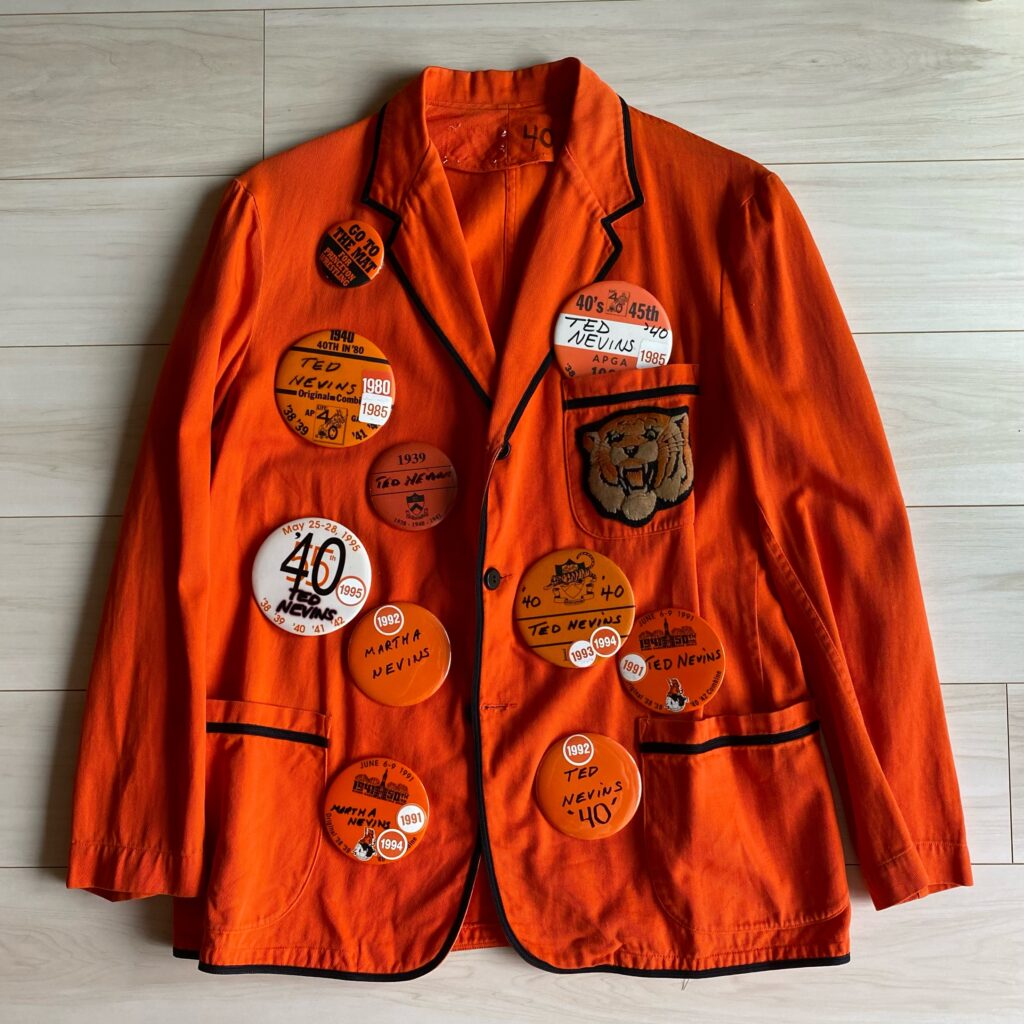
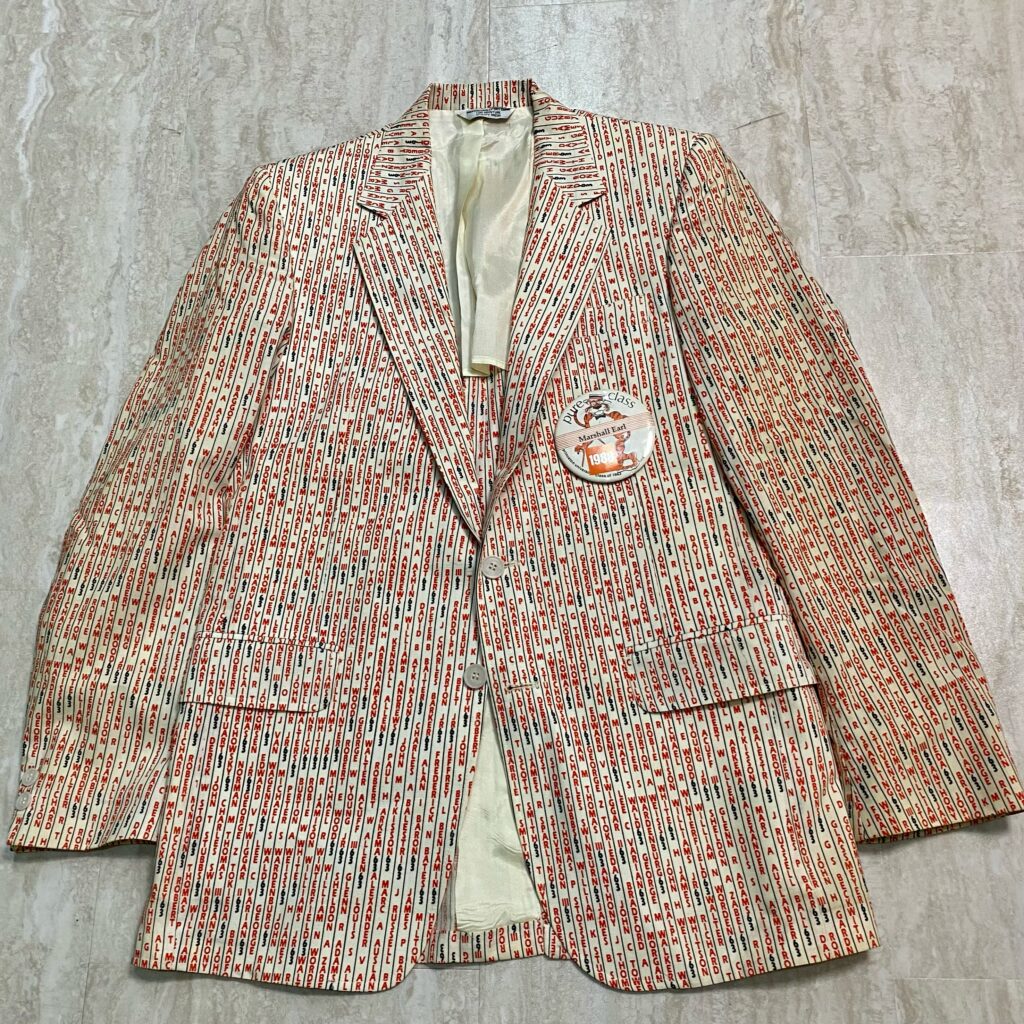
I own two old Princeton University reunion jackets. They feature a striking orange fabric with black piping. A colored tiger felt patch sits on the chest, and decades' worth of reunion badges remain attached above it.
At Princeton, the "reunion" (alumni gathering) where graduates return to their alma mater is a major tradition, and the tradition of jackets dates back to the early 20th century, with different designs created for each class. There are also many varieties available in the vintage market.
Seeing decades' worth of badges piled up on a single jacket, you realize that clothing can be more than just a memento; it can also be an archive that preserves the relationship between an individual and their university.
Why Princeton Tiger?
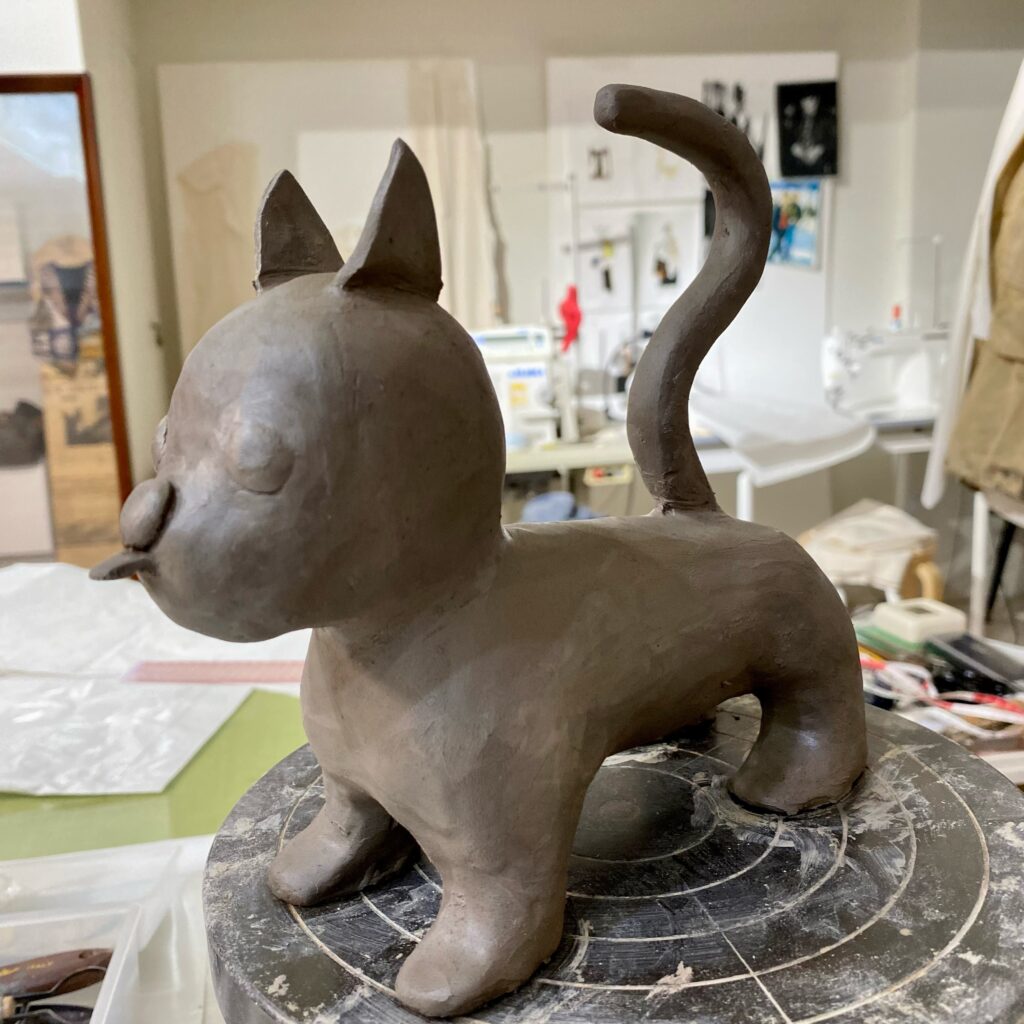
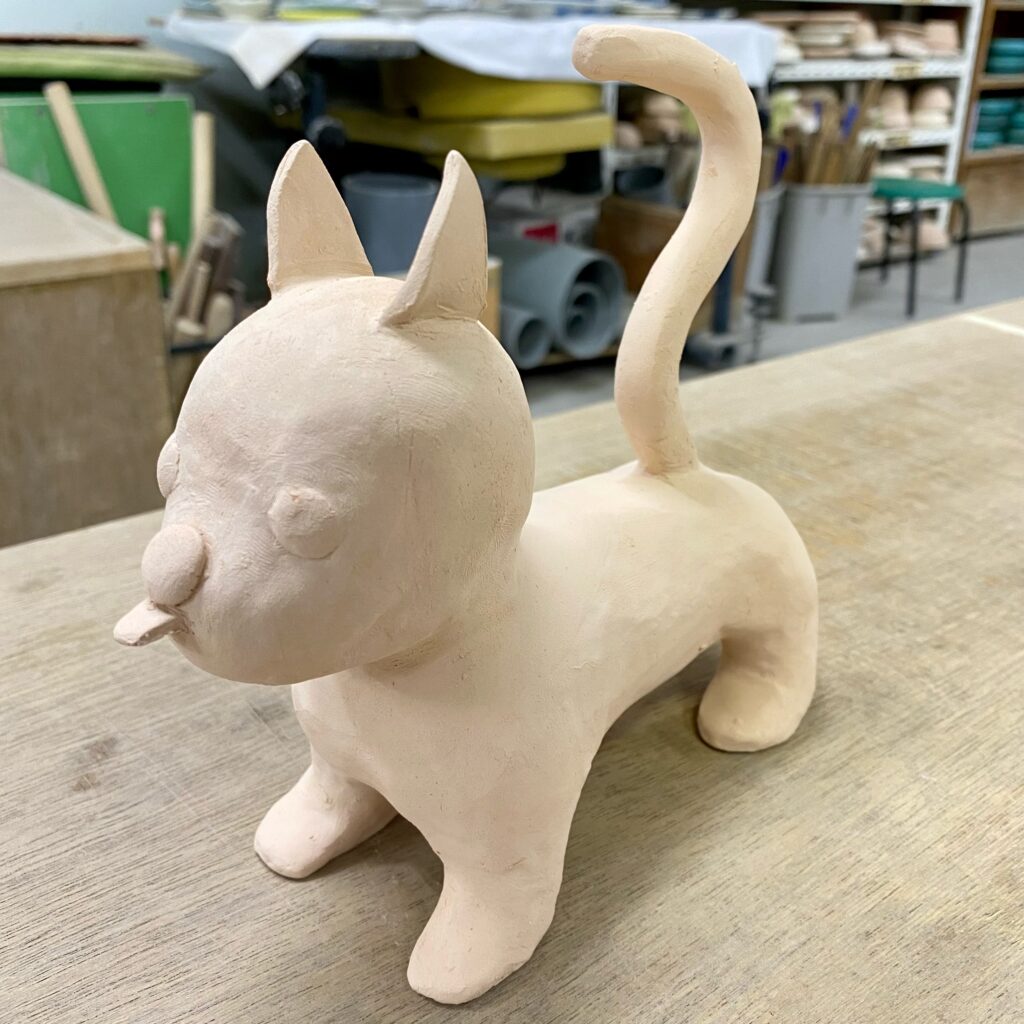
The reason I chose Princeton Tiger this time isn't because I like tigers, or because Princeton is famous. I chose Princeton Tiger because it's "20th-century culture compressed into a single stuffed animal."
A single tiger transforms its form many times within a culture. It can be seen as a process in which a culture is materialized through the symbol of a single tiger.
This tiger has
Ivy League
American university culture
Orange & Black / Tiger
→ School colors and mascot
College Sports
→ Community and rivalry
Reunion Jacket
→ A sense of belonging continues even after graduation
TAKE IVY
→ American East Coast culture that Japan admired, imported, and reinterpreted.
Mascot Plush
→ These are products that transform those vast cultural experiences into items that can be taken home.
It includes all of that. In other words, it's not just an old stuffed animal. It's a product that compresses the vast and abstract institution, history, and community of a university into a palm-sized item.
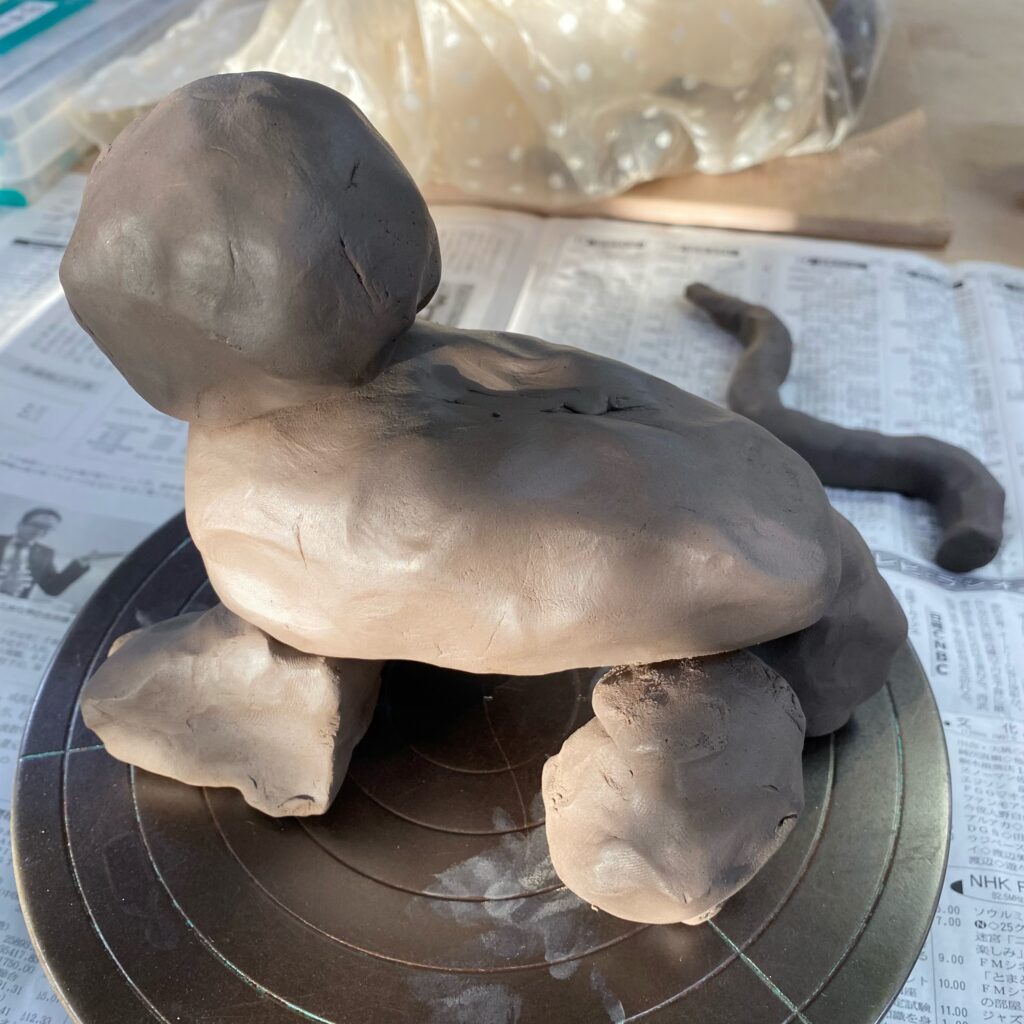
In its creation, the proportions are odd if viewed as a real tiger. However, if viewed as a stuffed animal, that's its correct form. We even incorporated that artificial deformation into the ceramic representation.
Collecting the past, interpreting it, remaking it, and passing it on to the future.
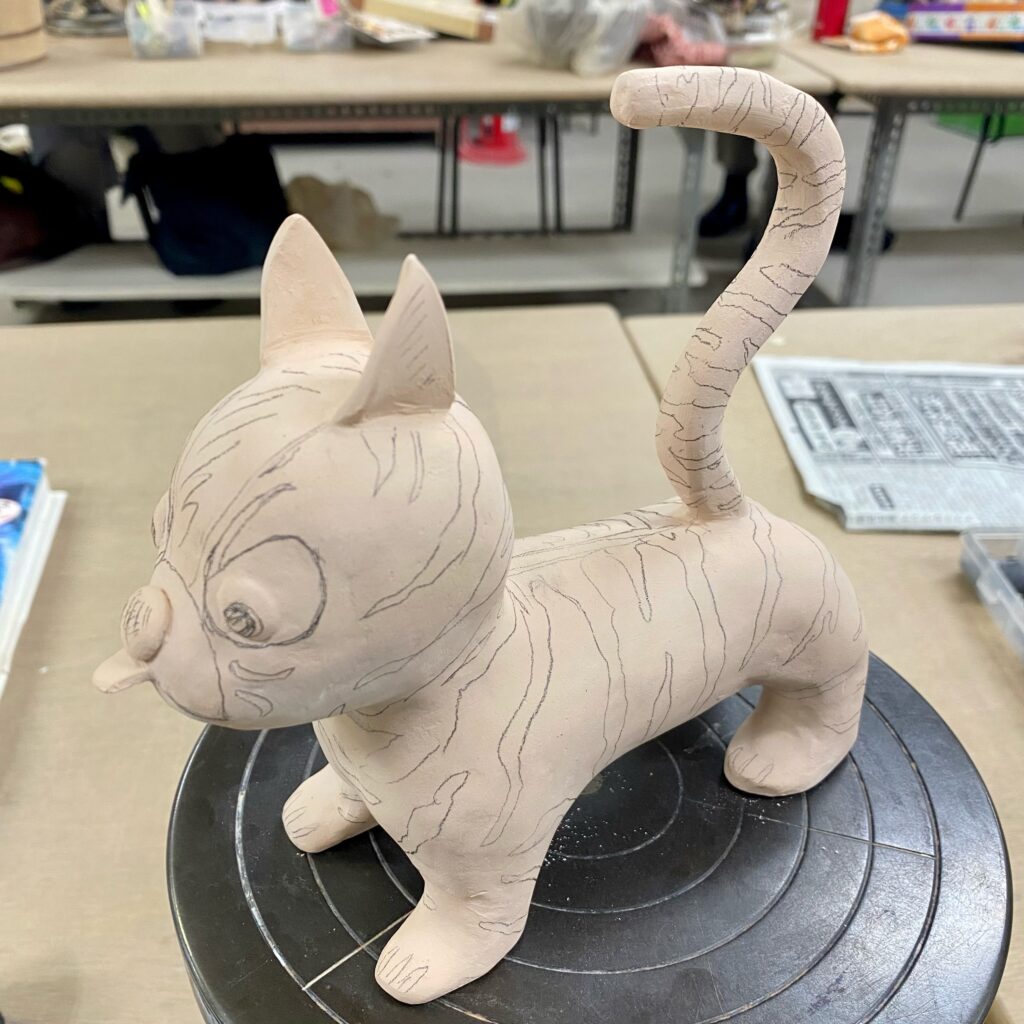
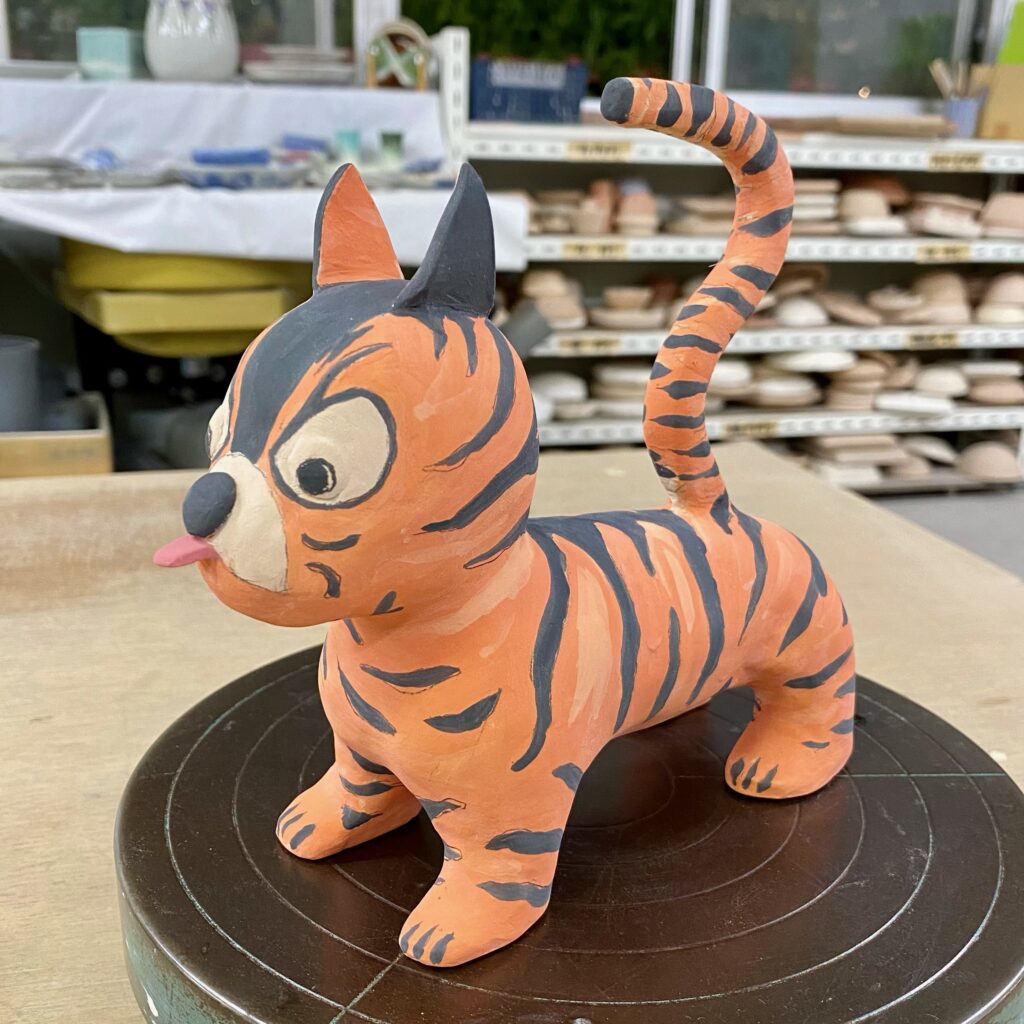
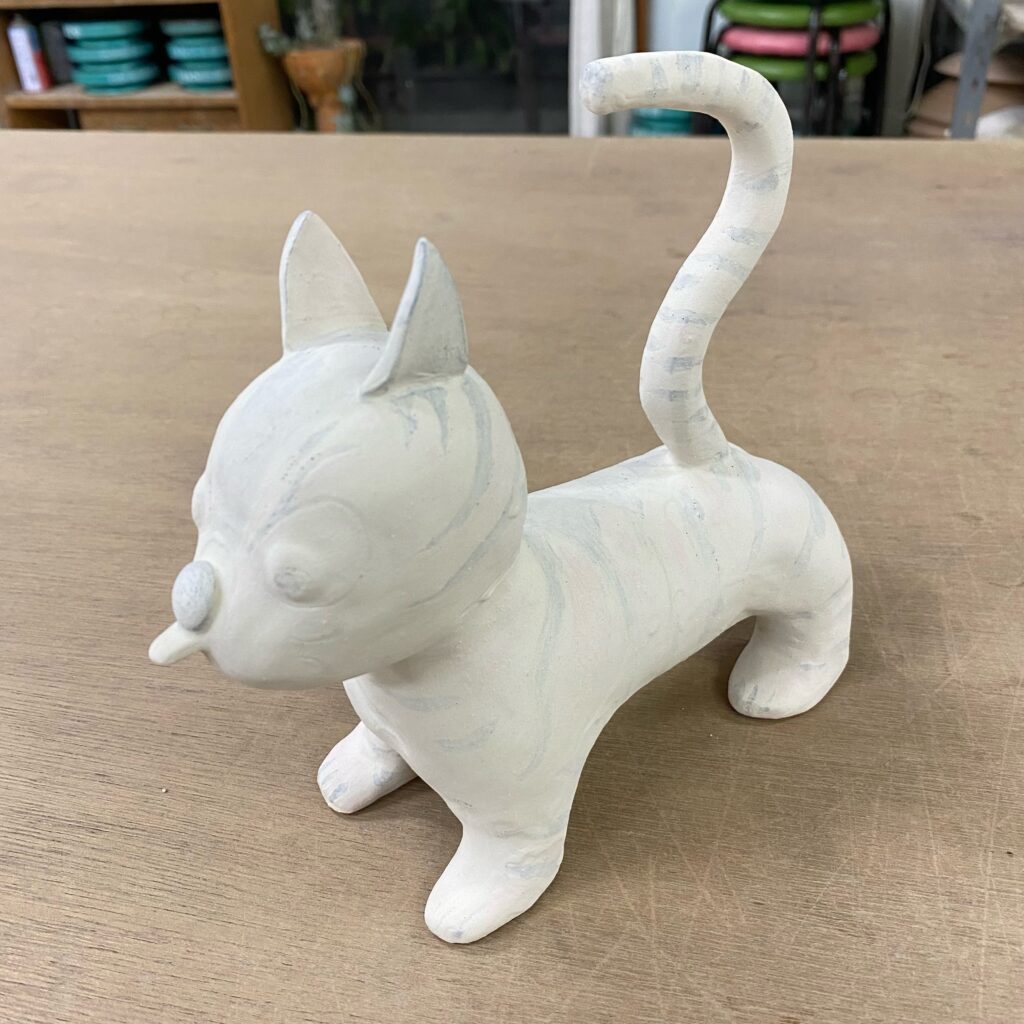
The color reappears after firing.
While researching my Princeton Tiger, I also found a very similar-looking navy and white Penn State version.
With their large eyes, short legs, long, curved tails, and stripes covering their entire bodies, the basic design is quite similar. However, the Princeton version includes the words "PRINCETON," while the Penn State version includes "PENN STATE," and the colors are replaced with those of their respective schools.
Penn State's mascot is currently a lion, but this lion itself was created in 1904 as a rival to the Princeton Tiger.
Interestingly, however, the design of the navy and white plush toy is identical to that of PRINCETON.
1904: The Nittany Lion of Penn State is created after seeing the Princeton Tiger.
↓
20th Century: The mascots of both universities become commodities of university culture.
↓
They are plush toys with similar basic designs, each given the school colors and university name.
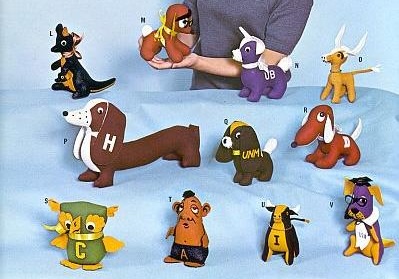
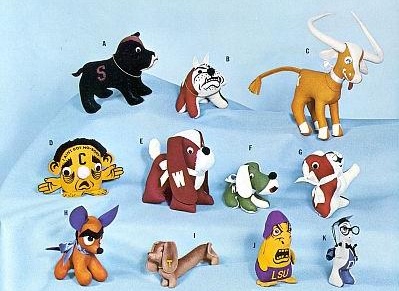
Perhaps here, the color and lettering indicating "which university it belonged to" were more important than the animal itself. Many mascot dolls exist in the vintage market, and there are several identical models with different colors and college initials.
Mascot dolls, with their similar bodies but given different colors and names, become symbols of different communities. One reason I'm drawn to these old stuffed animals is that I can see the 20th-century university culture and mass production mechanisms reflected in these small toys. No matter how much I research, my interest never wanes.
Next time, I'd like to make a navy and white tiger, a kangaroo, or a bulldog.


comment