Ceramics and artwork

Art and Ceramics

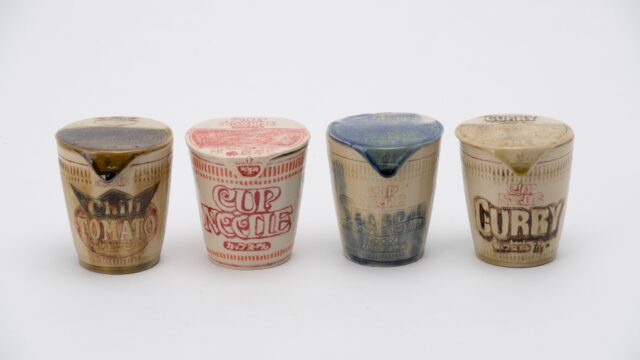
カップヌードルを、土から作る—–デザイン・広告・陶芸から見る半世紀

山で親しんだカップヌードルを陶器で制作。パッケージデザイン、1970年大阪万博、歴代CM、軟彩と焼成の試行錯誤をたどり、日本陶芸倶楽部作品展で来場者人気投票3位となるまでを記録します。
Ceramics and artwork

Wealth eventually becomes culture—a look at Niigata's collection and knowledge as seen through the works of Aizu Yaichi at the Atsui Museum.

I visited the Yaichi Kusube exhibition at the Atsui Museum in Niigata, and traced the history of art history, including photographs and rubbings of Buddhist statues from Nara and art history research at the Aizu Yaichi Memorial Museum. From the Niigata branch of the Northern Culture Museum to Tonkatsu Taro's tarekatsu-don, I walked the history of how Niigata's wealth transformed into collecting, research, and culture.
Ceramics and artwork

Sado Gold Mine – A 400-Year History Tracing From World Heritage Sites and Homeless People to Modernization and Mumyoi Pottery

Visit the gold mines of Sado Island, which became a World Cultural Heritage site in 2024. We will tour the Sado Magistrate's Office, the Sōdayū Mine, Dōyū no Warito, and the Kitazawa Flotation Plant, tracing the approximately 400 years of history and culture born from the gold mines, from the labor of vagrants to Zeami, literature and film, Mumyōi pottery, and the town of Aikawa.
accessories

From the Silver Mountains to the Gods' Shore—A Journey Through Iwami and Izumo Where Materials Transform into Meaning

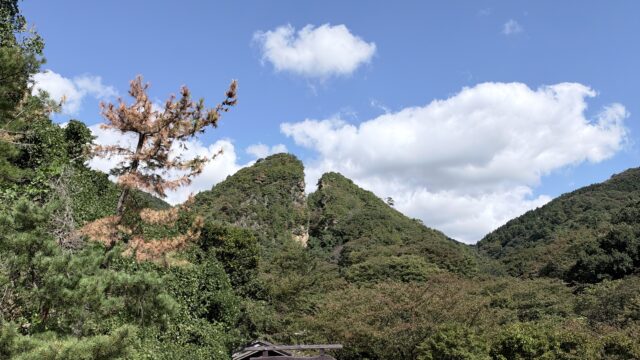
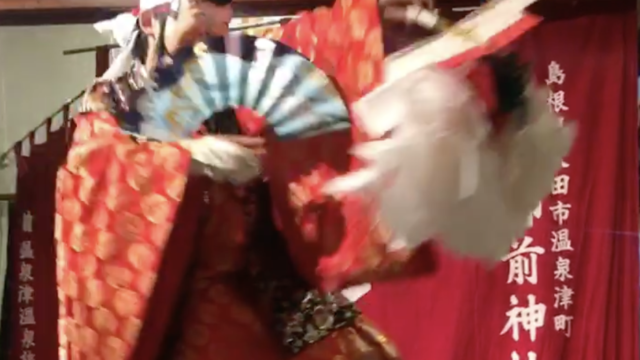
From the Ryugenji mine shaft of the Iwami Silver Mine to Yunotsu Onsen, climbing kilns, Iwami Kagura dance, and Izumo Taisha Shrine, I re-examine my 2019 trip to Shimane from my current perspective as I've started pottery and accessory making, tracing the process by which silver, clay, paper, sand, and rice transformed into culture.
Ceramics and artwork

What is a Black Raku Tea Bowl? — Reflecting on "Black" Tea Bowls through Sen no Rikyu, Chojiro, the Raku Museum, and My Own Works

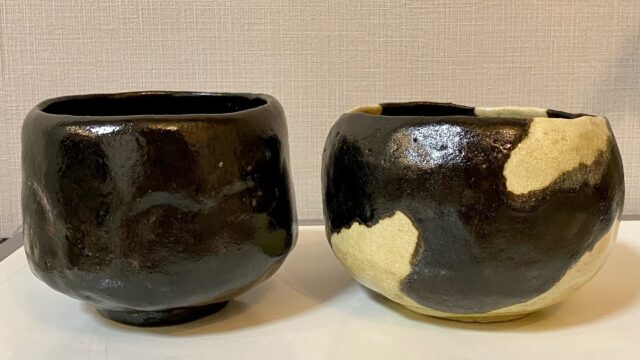
What is a black Raku tea bowl? Based on the origins of Raku tea bowls by Sen no Rikyu and Chojiro, the techniques of hand-molding and carving, the actual pieces seen at the Raku Museum, and the experience of actually making a black Raku tea bowl, this book explains the form and the allure of "black" in an easy-to-understand way for beginners.
Ceramics and artwork

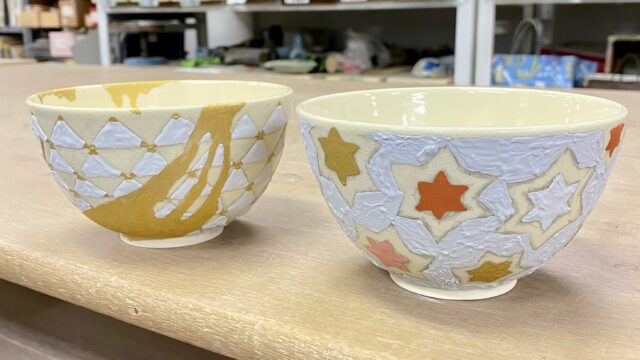
From "viewing" national treasures to "creating" them: Learning from Nonomura Ninsei and Ogata Kenzan about the design of polychrome tea bowls.

This book compares Nonomura Ninsei's national treasure, the "Polychrome Pheasant Incense Burner," which I saw in Kanazawa, with works by Ninsei and Ogata Kenzan that I saw at the Nezu Museum. It analyzes the polychrome enamel, form, patterns, and negative space of Kyoto ware, and introduces how this was applied to the actual production of polychrome tea bowls, along with photographs of the production process.
Art and Ceramics

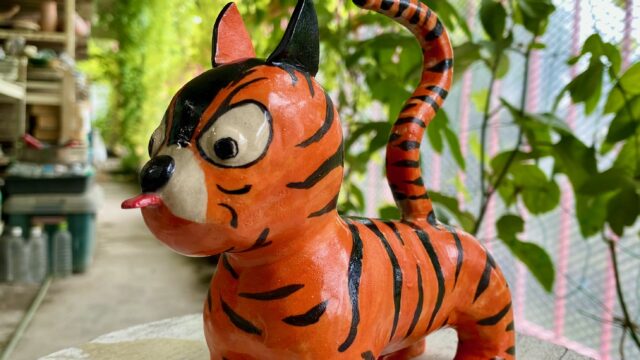
Why is Princeton University a "tiger"?

Why is the tiger the symbol of Princeton University? Tracing its relationship with the Ivy League, college sports, mascot culture, Take Ivy, Reunion Jacket, and Penn State, this presentation introduces the background and production process of reinterpreting the Princeton Tiger as a ceramic artwork.
Art and Ceramics

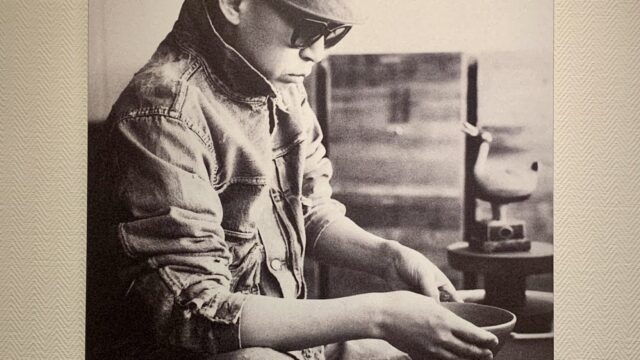
NIGO® and Han-dei-ko: Collecting, Creating, and Inheriting

I visited the "NIGO® and Handeishi" exhibition held at the Ishimizu Museum in Tsu City, Mie Prefecture. Through the tea bowls of Kawakita Handeishi collected by NIGO® and 25 bowls he created himself, I reflected on collecting, pottery making, the freedom to break away from form, and the inheritance of culture.