-Changes in the status of women and artisans in the Middle Ages-
point
Differences between people can lead to respect, but they can also lead to discrimination.
• The position of free women in the Middle Ages
Encounters with the West changed Japanese values.
Yoshihiko Amino
1928-2004
A Japanese historian specializing in medieval Japanese history.
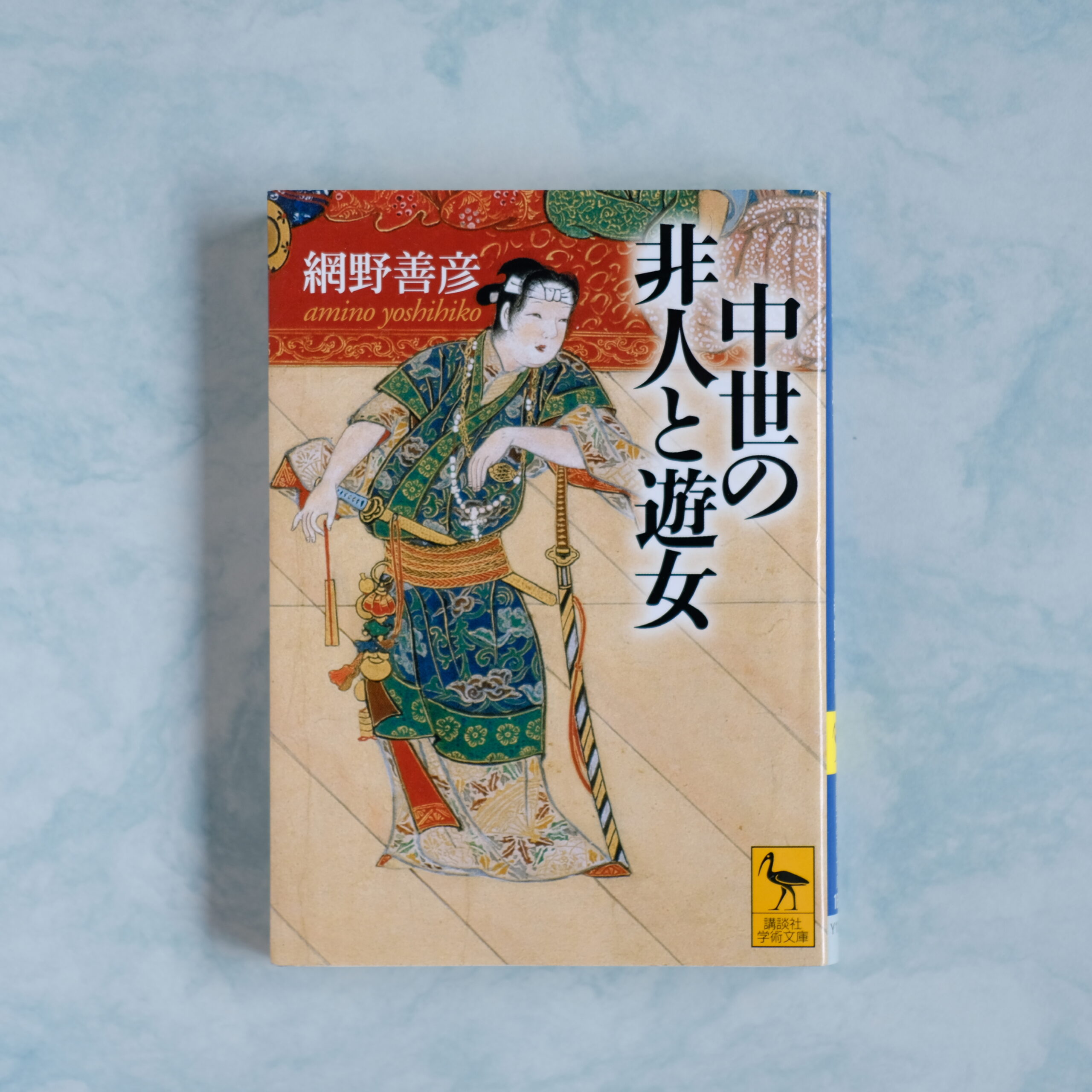
This book delves into the realities of outcasts and prostitutes during the medieval and Edo periods.
Priestesses and courtesans, as direct subjects of the emperor and gods, were guaranteed privileges and lived rich lives, gaining many life experiences through free travel. The "hinin," a group of skilled craftspeople, were respected by the common people for their advanced skills. At the same time, their privileges and divine work created a boundary between them and ordinary people.
The book then states that, due to subsequent social changes and shifts in values, the boundary between prostitutes/outcasts and commoners transformed into a form of discrimination.
The book discusses the ethical values of the Japanese people at that time, comparing them to Christian ethics by quoting the missionary Frois. Particularly shocking was the story of infanticide by women. It seems that there were values there that are unthinkable in modern times. The book explains that it was a way of coping with the harsh environment in which mass deaths due to war and disease were commonplace.
This book taught me that even among Japanese people, cultures and values can be completely different depending on the era in which they were born. The courtesan's attire on the cover is also wonderful, further enhancing the image of the women featured in the book as strong and resilient. A courtesan with a rosary, a sword, a gourd as an accessory, and holding a fan. The styling is incredibly cool.
First reading completed on 2021/05/13
Thank you for reading. Goodbye for now. Take care :)
Author: Yoshihiko Amino; Paperback: 290 pages; Publisher: Kodansha Academic Paperback
comment