
What legacy did Niigata's wealth leave behind?
Walking around Niigata and Sado, I realized that "wealth" has different entry points in each region.
At the Northern Culture Museum, I saw that the wealth of the Ito family originated from the land and rice of the Echigo Plain. At the former Saito family villa, I saw the wealth of Niigata, which prospered as a port town on the Sea of Japan, and the wealth accumulated through shipping and commerce. And in Sado, I traced the flow of how gold and silver unearthed from underground led to the shogunate's rule, mining towns, modern industries, and even to the craft of Mumyoi ware.
So, what lies beyond that? Does the wealth generated from land, ports, mines, and commerce simply disappear when its owner dies?
The place I visited this timeAtsui MuseumとNiigata City Aizu Yaichi Memorial Museum,andNorthern Culture Museum Niigata BranchWhen we connect these three points, we can see that in Niigata, personal wealth has transformed into a different form. The key to this is "collecting."
He collects paintings, ceramics, antique art, and calligraphy. These collected items eventually leave the hands of the individual, becoming museums, research materials, teaching materials for students, and the buildings themselves preserved as cultural assets. This time, we will trace the flow of wealth, from collection to research, education, and ultimately, to culture for everyone.
Atsui Museum of Art: How a businessman's "hobby" became public property
The first placeAtsui MuseumIt is located very close to Niigata Station. To understand this place, it's essential to know its founder, Eikichi Atsui.
Born in 1888, Eikichi Atsui was one of Niigata's leading businessmen. In 1923, he founded Atsui Eikichi Shoten, a coal sales company, which later grew into Atsui Sangyo. He was also involved in the management of companies such as Hokuriku Gas, and lived through the modern era of Niigata in the world of energy and commerce. Atsui Sangyo also started with coal and expanded its business to include fuel, building materials, pipes, metals, and machinery.
For over half a century, Eikichi Atsui continued his hobby of collecting works of art.
According to the museum's explanation, the works were originally collected by the artist to decorate his own home and enjoy himself. That's why the Atsui Collection still retains the tastes of one person.
The museum boasts a particularly rich collection of modern and contemporary Japanese paintings and ceramics, which then expands to include Western-style paintings, sculptures, lacquerware, metalwork, bamboo crafts, calligraphy, and literati paintings. Its collection comprises approximately 1,750 items. Japanese paintings include works by Yokoyama Taikan, Hishida Shunso, Hayami Gyoshu, Takeuchi Seiho, Hashimoto Kansetsu, and Murakami Kagaku. Ceramics include works by Itaya Hazan, Tomimoto Kenkichi, Kusube Yaichi, Hamada Shoji, Kawai Kanjiro, Kitaoji Rosanjin, Arakawa Toyozo, and even Ito Sekisui, who created the Mumyoi ware seen in Sado.
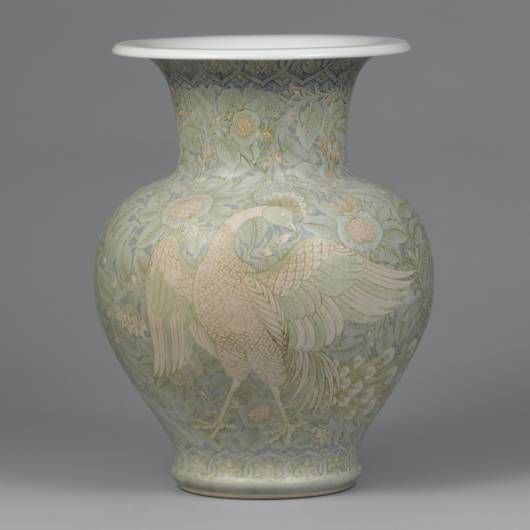
Among themAtsui MuseumOne of the most representative works is Itaya Hazan's "Colored Porcelain Vase with Bird and Fruit Motif." Created in 1926, it is designated as an Important Cultural Property. Hazan's technique of enclosing delicate colors beneath the glaze makes this a valuable piece for understanding the history of how modern Japanese ceramics shifted from mere "vessels" to works of art.
The Atsui Museum of Art does not have a permanent collection; instead, it organizes special exhibitions about four times a year using only its own holdings. Its collection of 1,750 pieces is not presented in a fixed "list of masterpieces," but rather given a new context each time.
In 1983, on the occasion of the 60th anniversary of Atsui Sangyo's founding, Eikichi Atsui, who was 95 years old at the time, donated approximately 1,000 works of art that he had collected, along with an operating fund, to the foundation and opened the Atsui Museum. The opening day was reportedly his 95th birthday.
Special Exhibition: "Yaichi Kusube: An Innovator of Modern Ceramics"
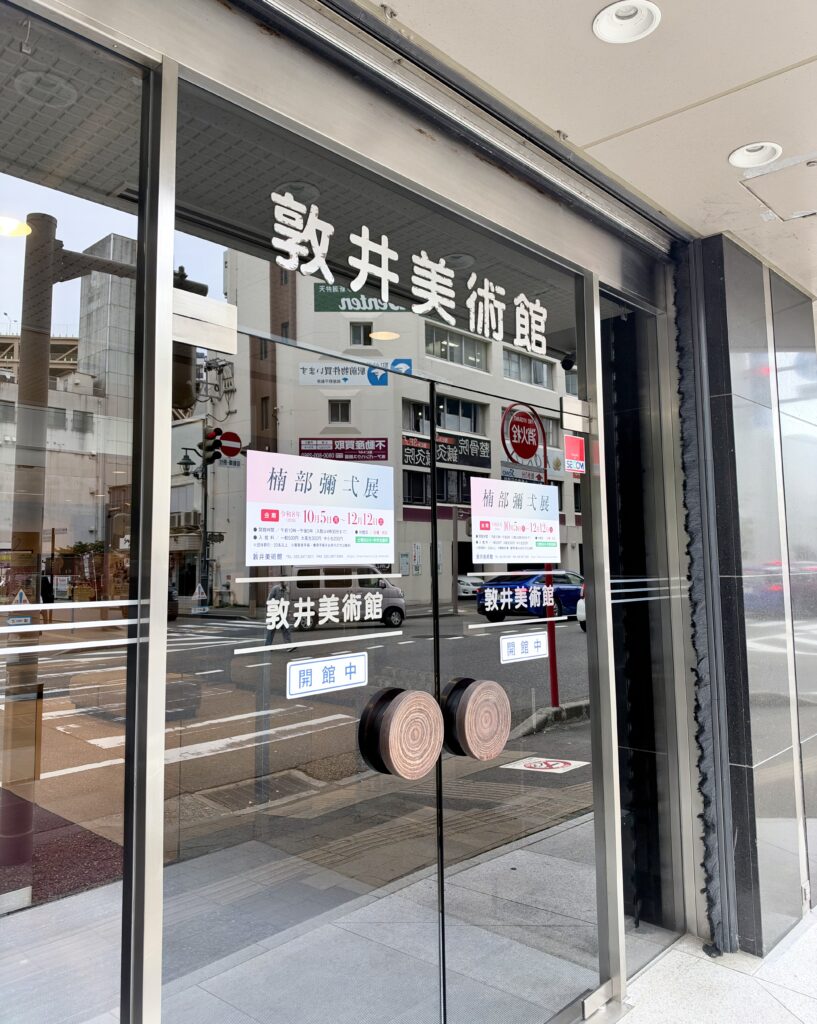
When I visited, the "Yaichi Kusube Exhibition: Innovator of Modern Ceramics" (October 5th to December 12th, 2026) was being held. In addition to about 40 works by Yaichi Kusube from the Atsui Collection, works by his leading disciple, Shizuto Teraike, were also on special display.
Yaichi Kusube was a ceramic artist born in Kyoto in 1897. He was part of a generation that sought to elevate ceramics from mere everyday vessels to a form of artistic expression, interacting with artists such as Kanjiro Kawai and Tatsuaki Kuroda. He studied antique ceramics, including those of the Ninsei era and Chinese ceramics, and also created new glazes and techniques.
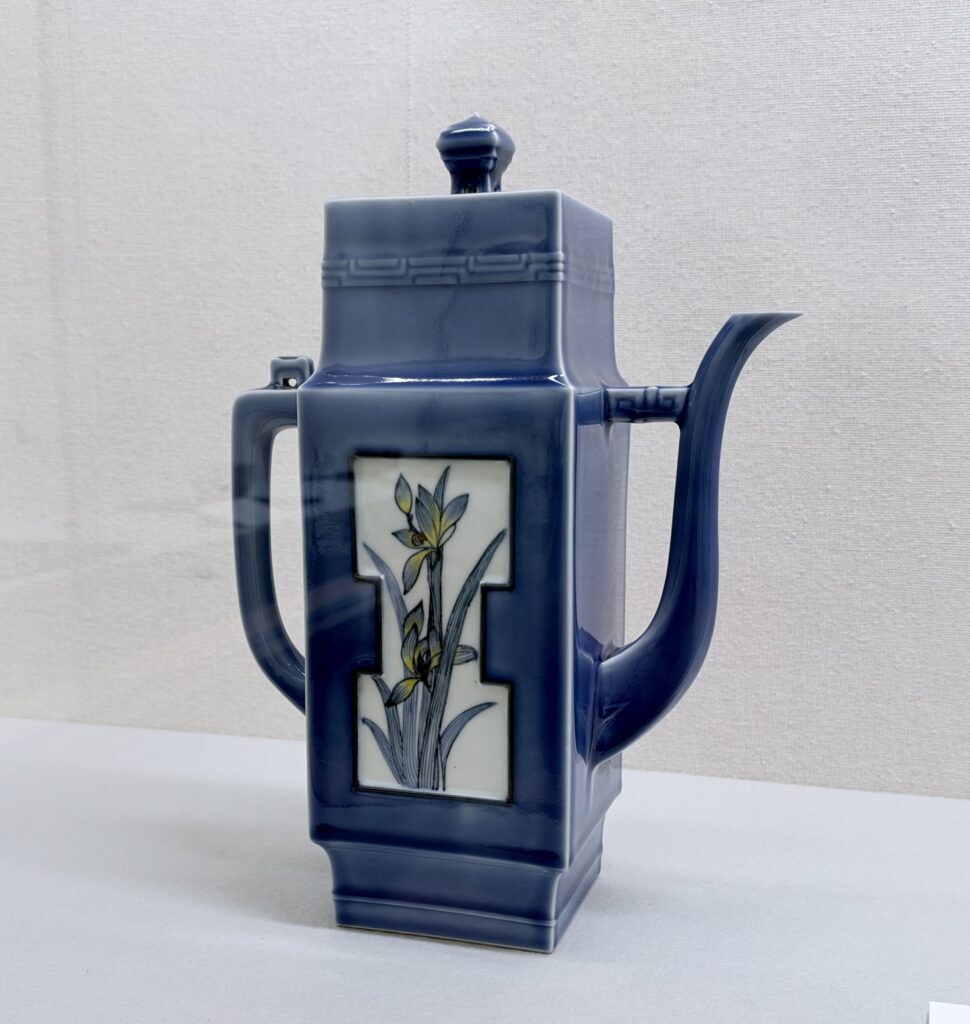
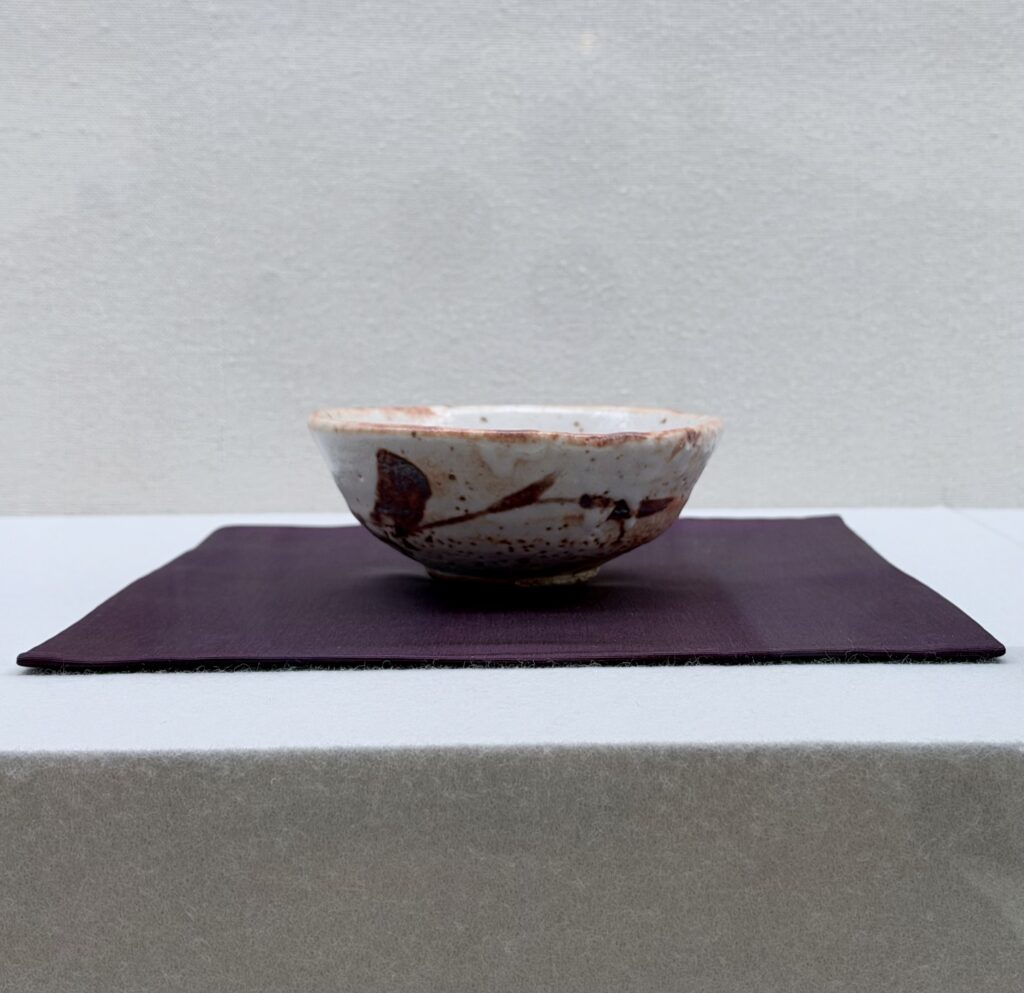
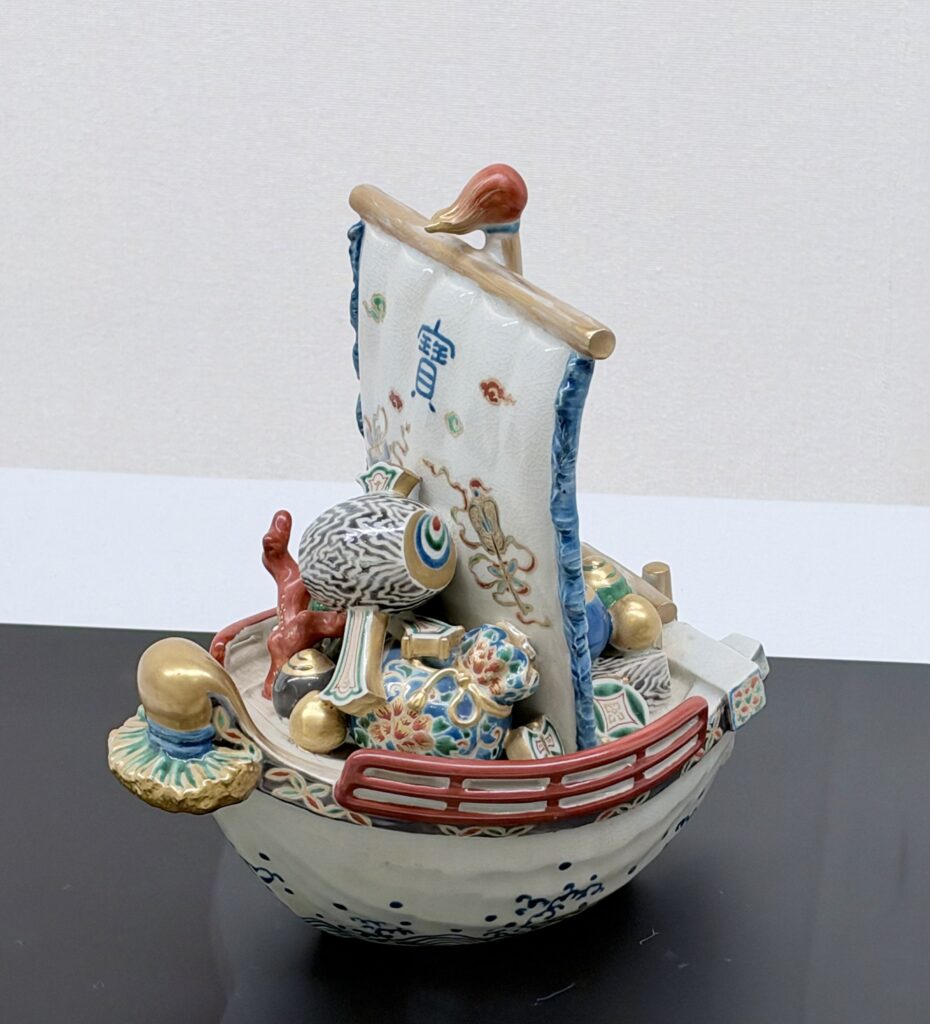
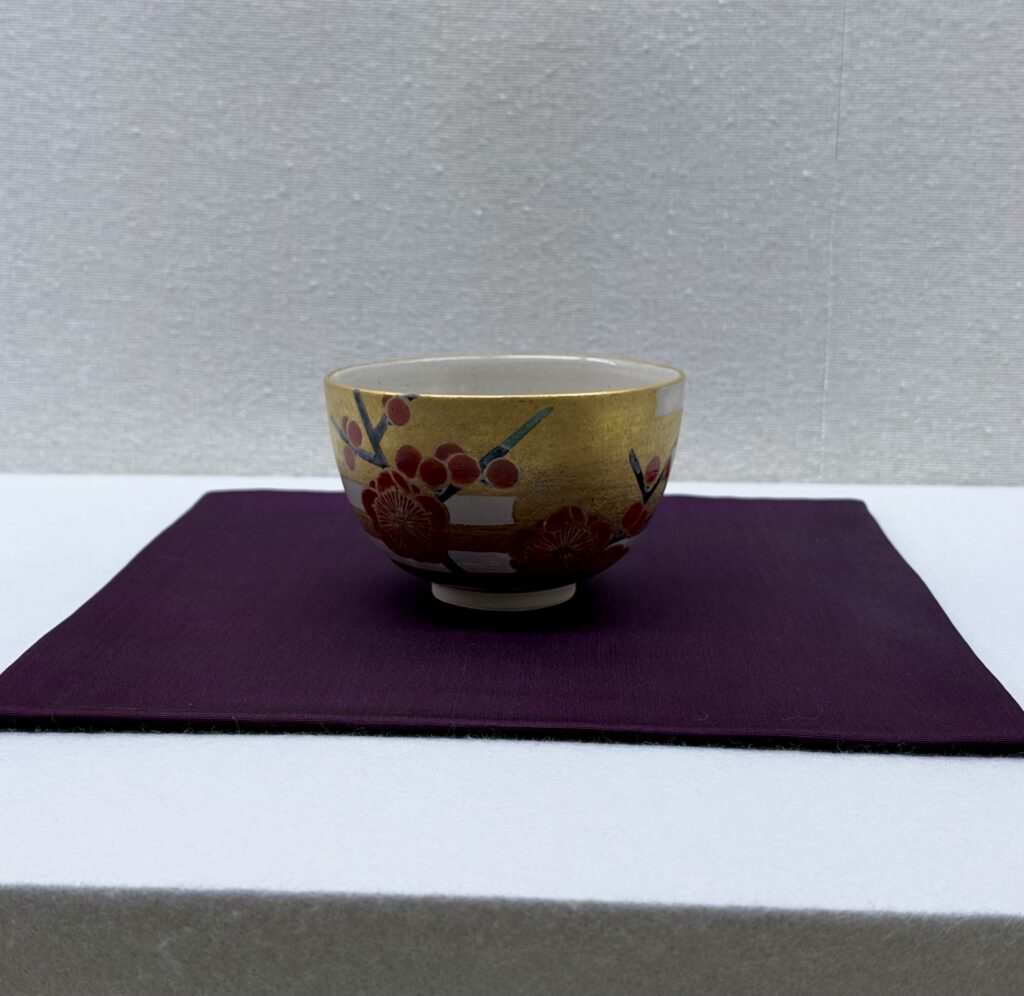
What surprised me most about the exhibition was its breadth. There were square-shaped pouring vessels with deep indigo glaze and inlaid floral designs, simple tea bowls utilizing iron oxide and white glaze, ornate tea bowls with red and white plum blossoms on a gold background, and even three-dimensional works with colorful enamels resembling treasure ships. Seeing the actual pieces, it was clear that the artist had studied techniques from all times and places.
Among all of Kusube's works, the "Saien" technique, which he introduced in 1937, is indispensable. Unlike painting, where colors are applied to a finished piece of pottery, he repeatedly applies layers of clay mixed with pigment using a brush, raising the pattern itself. As a result, the color and shape become one, and the petals appear to float like a shallow relief.
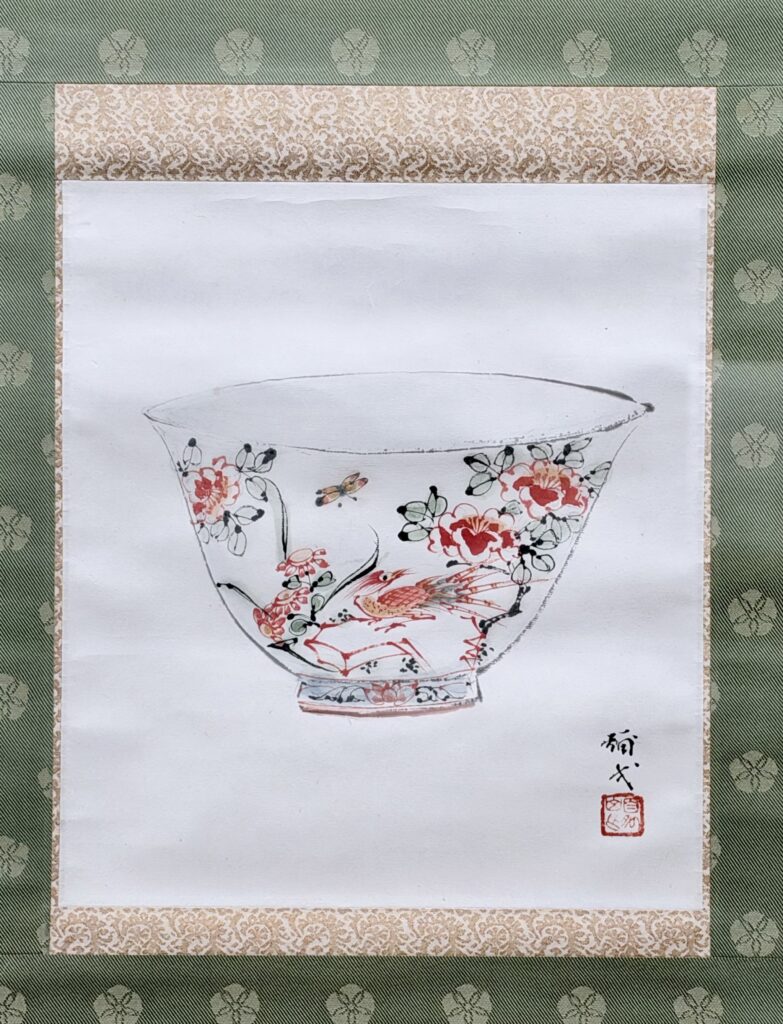
The exhibition also included works in which Kusube's red-painted bowls were drawn on paper, allowing us to glimpse not only the finished vessels but also the process of considering their shapes and patterns. As we continued to see Kusube's works, we were reminded once again that pottery can freely move between vessels, sculptures, and paintings.
Aizu Yaichi Memorial Museum — "A poet who loved Nara" is not enough
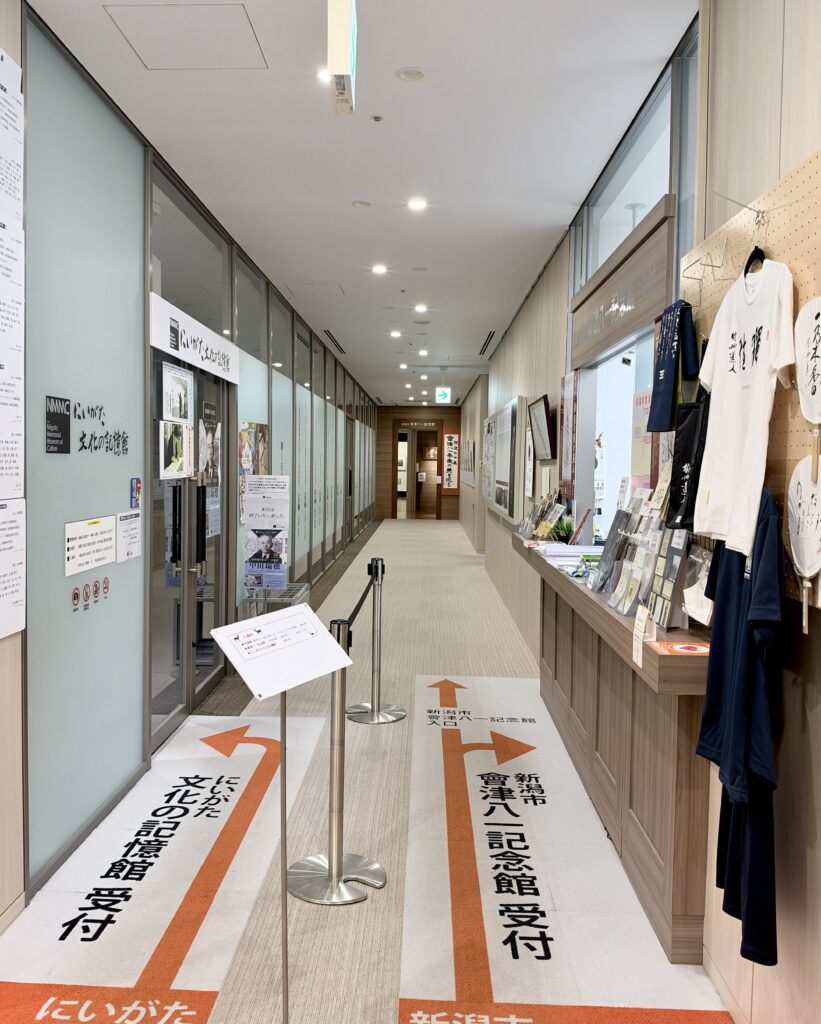
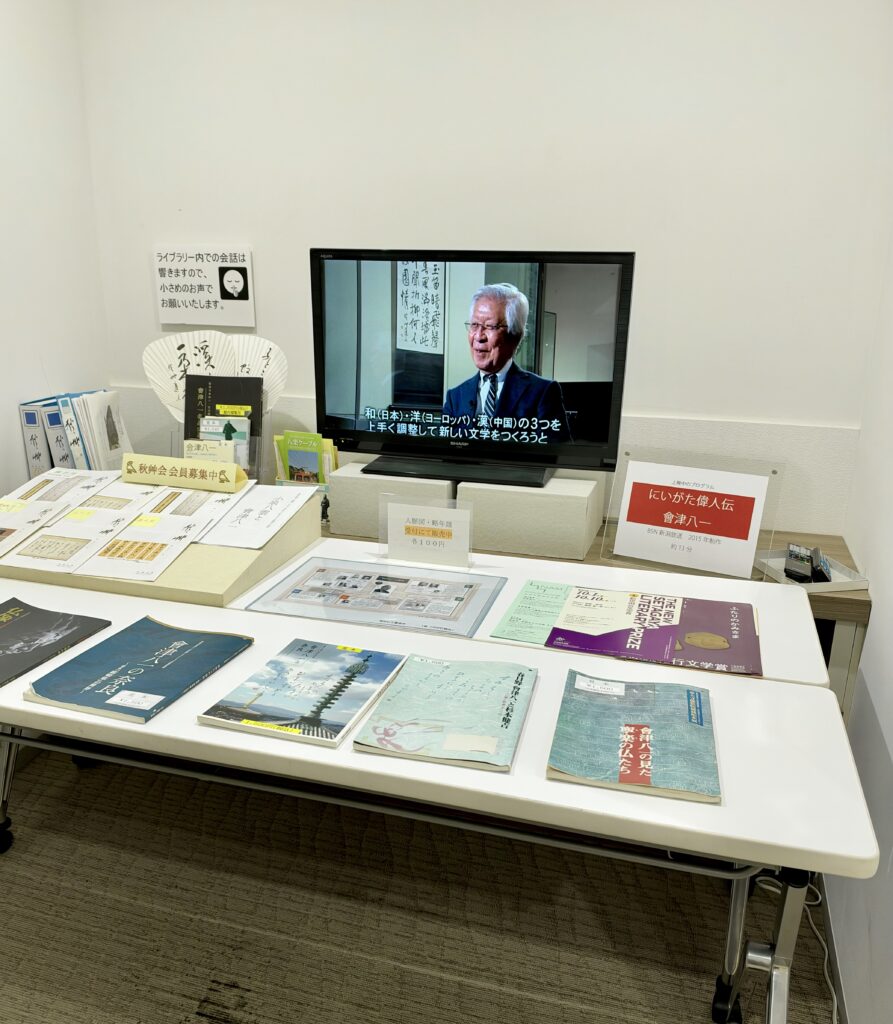
Next, we visited the Niigata Nippo Media Ship, located on the 5th floor.Niigata City Aizu Yaichi Memorial MuseumAizu Yaichi was born in 1881 on Furumachi Street in Niigata City. Inspired by a lecture by Tsubouchi Shoyo, he went on to Tokyo Professional School (now Waseda University), and later became known as a poet and calligrapher.
The exhibition being held was a special exhibition commemorating the 70th anniversary of the death of Yaichi Aizu, titled "Yaichi Aizu: A Journey Through the Beauty of Nara."
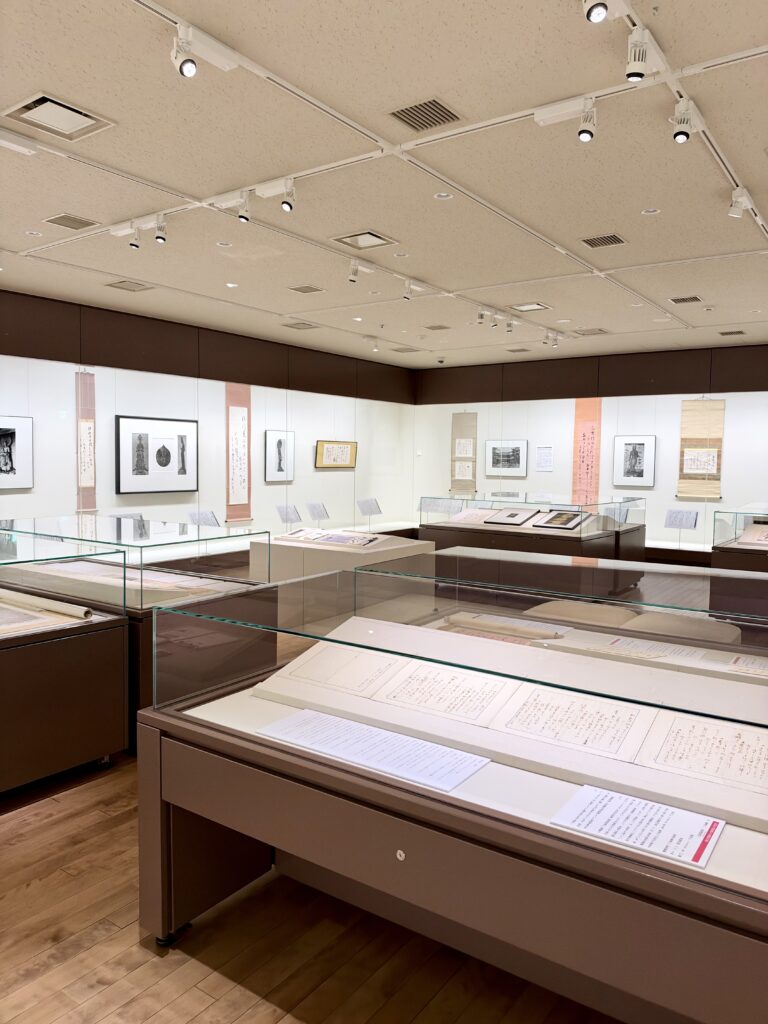
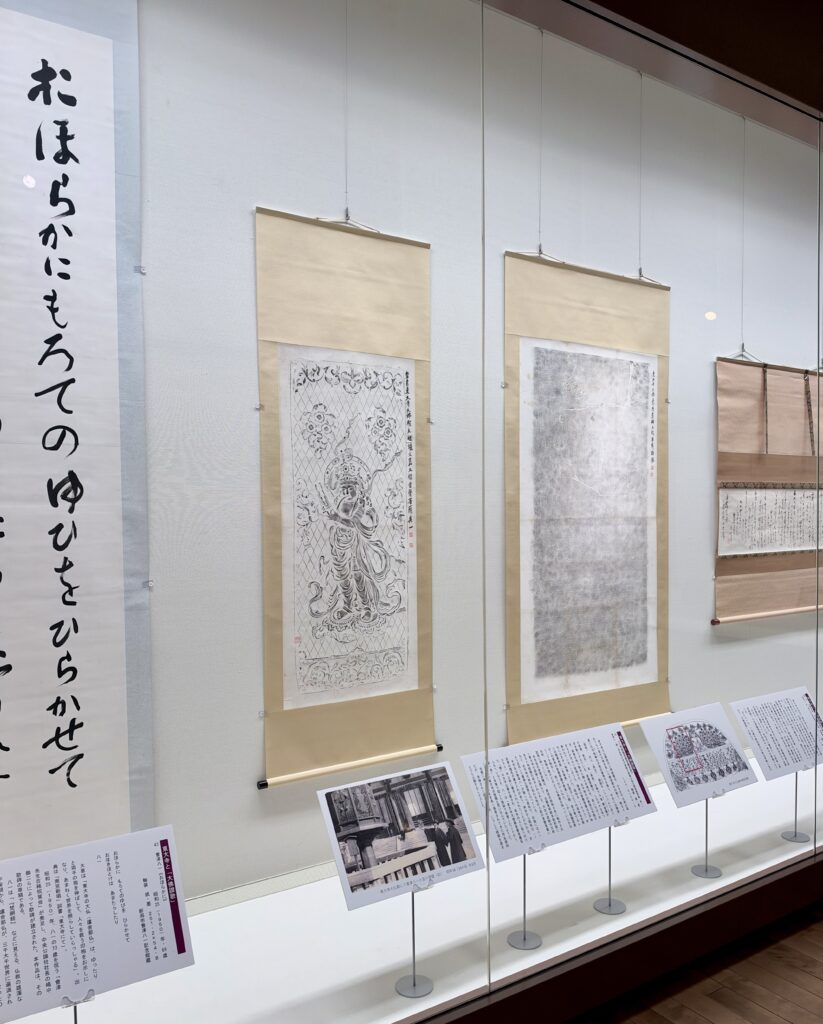
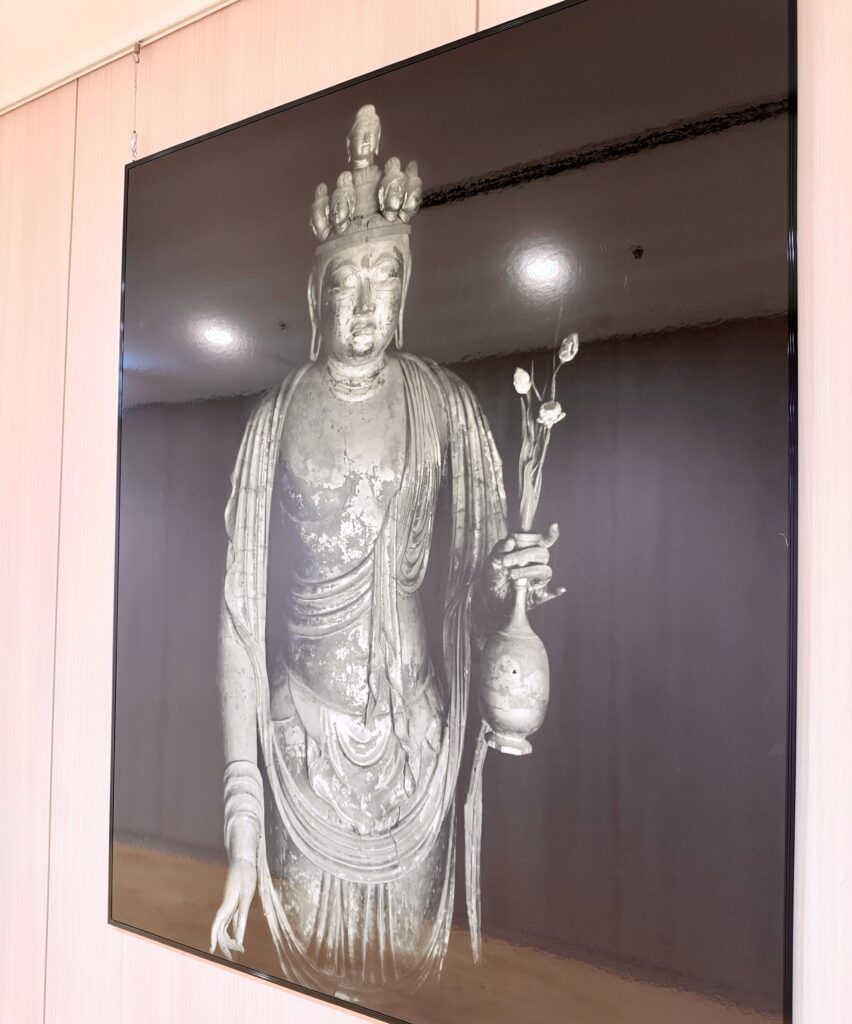
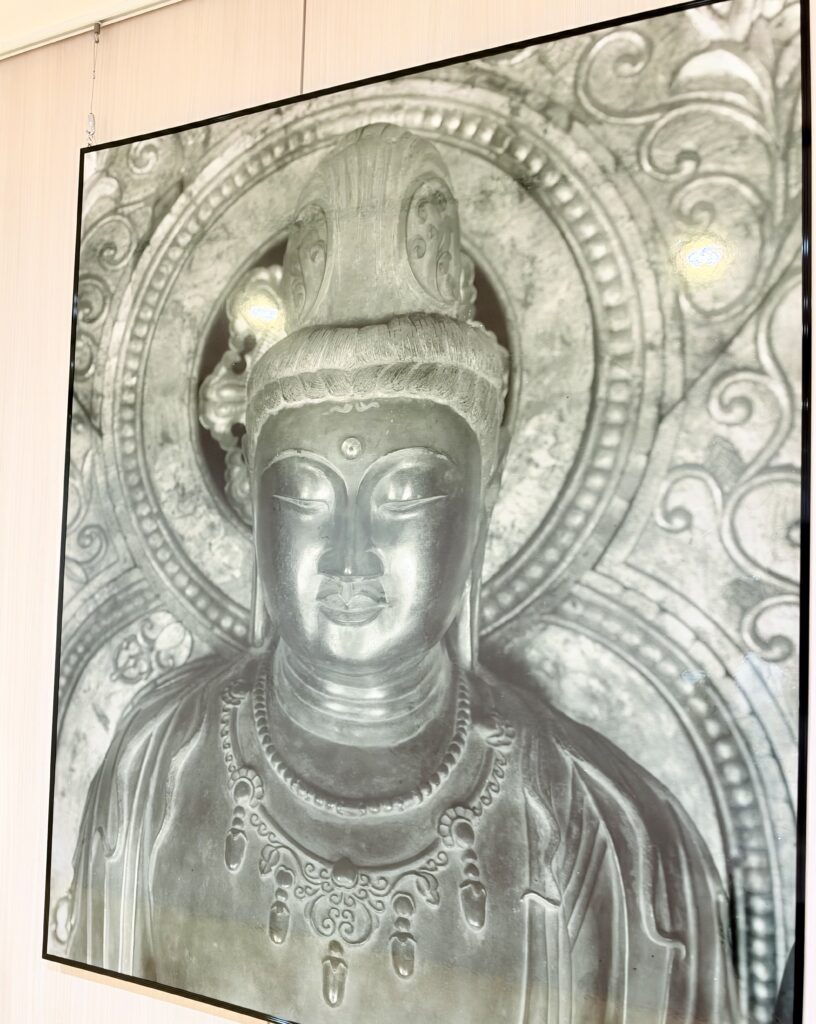
Hachiichi first visited Nara in 1908, when he was 27 years old. The catalyst for his visit was the photographs of cultural properties taken by photographer Risaburo Kudo. Kudo opened his photography studio, "Kudo Seikaen," on the shores of Sarusawa Pond in Nara in 1893. Having witnessed the outflow of ancient art overseas, he continued to document Nara's temples and Buddhist statues through photography.
In an era when it was difficult to even see Buddhist statues without going to Nara, photographs were a window to view distant works of art. Distance, light, and angles that were difficult to control inside temple halls became possible with photography. You could view them from the front, zoom in on the details, and compare them side by side. The exhibition featured photographs taken by Kudo of the Ashura statue at Kofuku-ji Temple and the Great Buddha Hall at Todai-ji Temple, displayed alongside calligraphy by Hachiichi about Nara. The exhibition allowed visitors to relive the beginning of the journey that led a young man from Niigata to Nara, a journey he would continue to undertake more than 35 times in his lifetime.
The exhibition also included rubbings that Hachiichi owned. Rubbings are a method of copying the raised and recessed areas of stone monuments and other objects using paper and ink. Like photographs, it is a technique that transforms immovable objects into portable documents.
Yaichi Aizu conducted extensive research by comparing photographs, rubbings, documents, and actual artifacts, and from 1926 he taught Oriental art history at Waseda University. In 1938, he established the Department of Art Studies in the Faculty of Letters and became its head professor. He used his personal funds to collect Chinese burial vessels, bronze mirrors, roof tiles, and rubbings, which he used for student education. This collection, now housed in the Waseda University Aizu Yaichi Memorial Museum, includes more than 200 bronze mirrors alone.
While Eikichi Atsui's collection moved from personal appreciation to public museums, Hachiichi's collection moved from research to university education. Although both involved the act of "collecting," their outcomes were different.
The venue also features Yaichi's calligraphy associated with Nara, such as "Mitorashino" from Horyu-ji Temple and "Fugetsu Dōten" from Tōshōdai-ji Temple.
Post-war Hachiichi and the Niigata Branch of the Northern Culture Museum
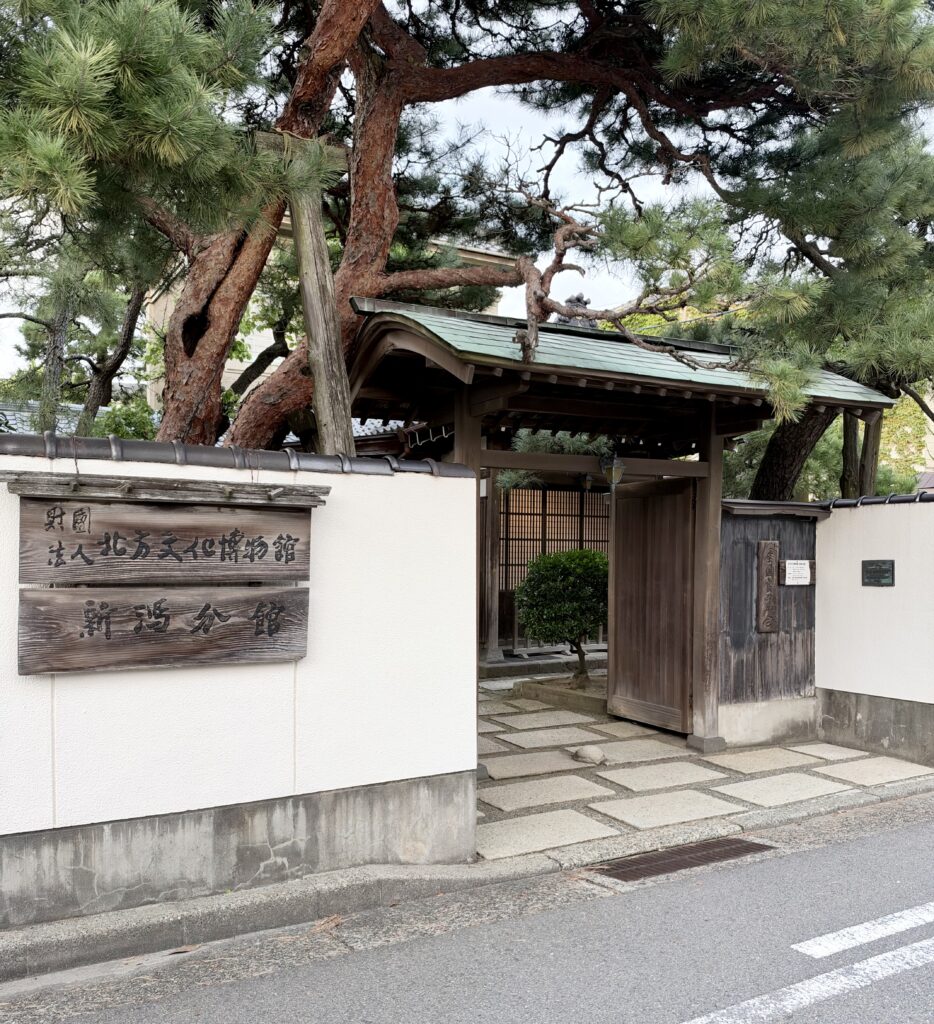
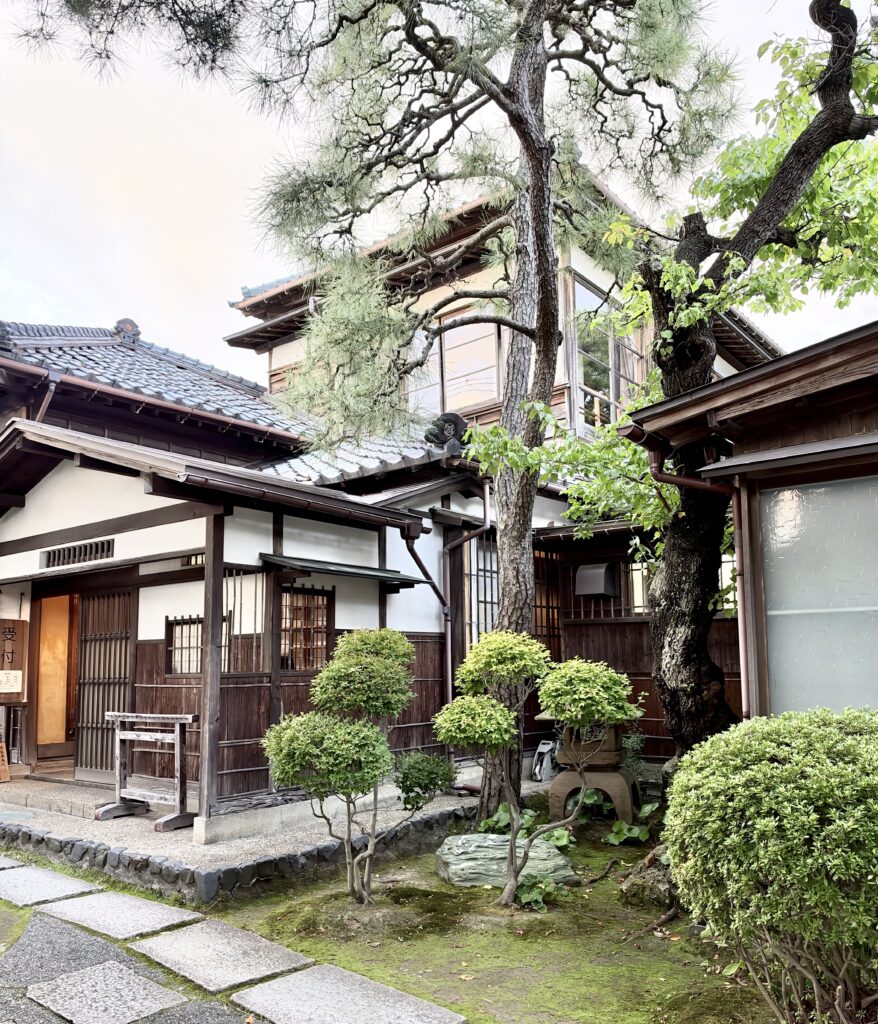
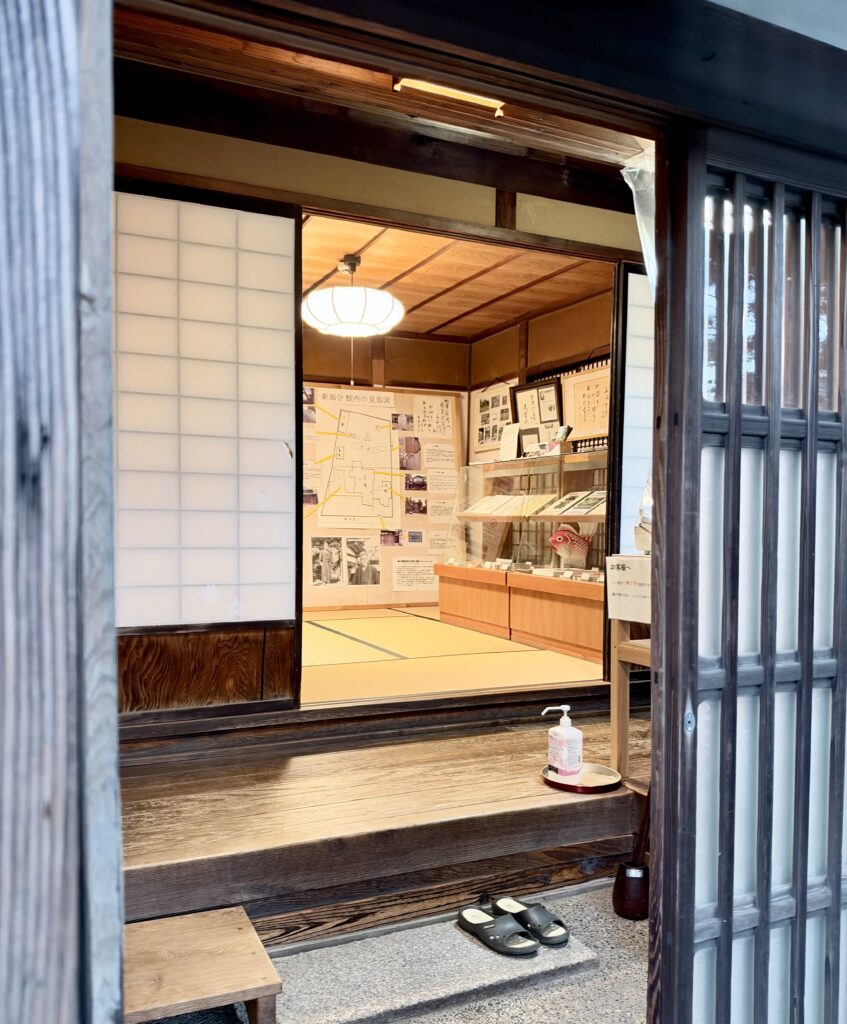
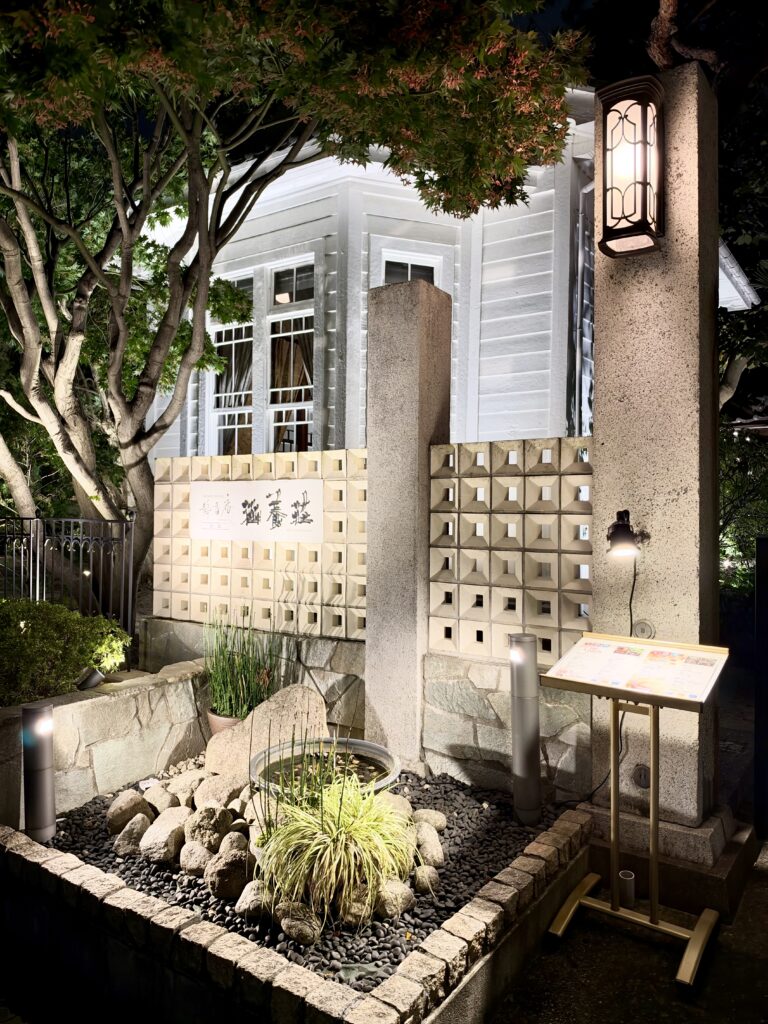
In 1945, Yaichi lost his home in Tokyo in an air raid and evacuated to Niigata. After the war, Sakaguchi Kenkichi, the eldest brother of Sakaguchi Ango, searched for a place for Yaichi, who needed a home in the city. What he found was the Niigata villa of Ito Bunji.Northern Culture Museum Niigata Branchis.
This building was originally a second home built in 1895 by Tsunesaku Shimizu, who made his fortune in the Nishiyama oil field. It later became a second home for the wealthy farming family, the Ito family, and eventually the residence of Yaichi Aizu. Although we only saw the exterior this time, the wealth of oil, the wealth of landowners, and the lifestyle of cultured individuals are all intertwined in this single building.
Yaichi called this Western-style house "Minamihama Akisodo" and spent the last 10 years there before his death at the age of 75 in 1956. The Sakaguchi family, Aizu Yaichi, and the Ito family—a network of cultural figures, businesspeople, and landowners in Niigata—were actually connected within this town. Yaichi, who had established himself as a researcher in Tokyo, ended his life by returning to his hometown. Knowing that his final residence was the Ito family's villa gives a slightly different perspective to the history of the Ito family that we see at the main building of the Northern Culture Museum.
Rice, ports, gold, and "knowledge"
Looking back on my trip to Niigata, I could see several flows of wealth.
Money and rice disappear once you use them. But if you transform them into works of art, architecture, or knowledge, and pass them on to the next generation, they will continue to exist even after the owner has passed away.
Eikichi Atsui opened an art museum at the age of 95. Yaichi Aizu collected antique art not only for himself but also to show the actual objects to his students. A scholar who lost Tokyo in the war lived in the Ito family's villa, and the place itself became a document that told the story of his life. What they all have in common, I think, is that they didn't just stop at owning the art.
Tonkatsu Taro - The birthplace of Niigata-style tarekatsudon (pork cutlet rice bowl with sauce).
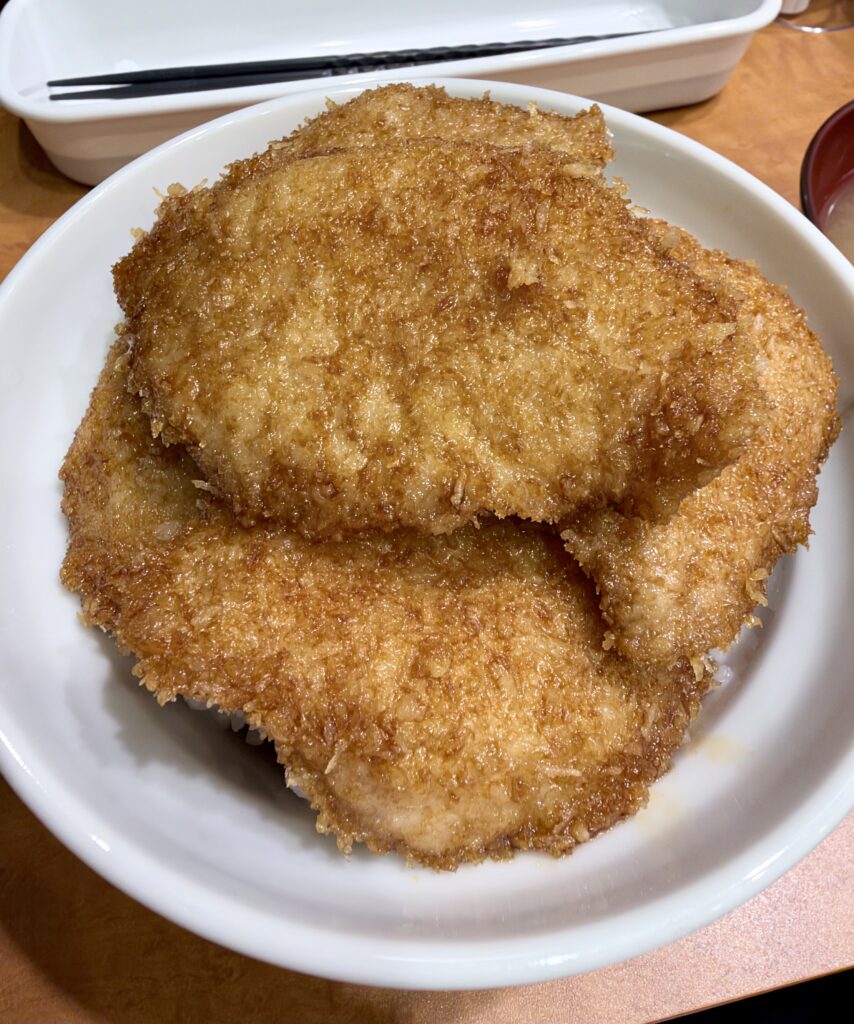
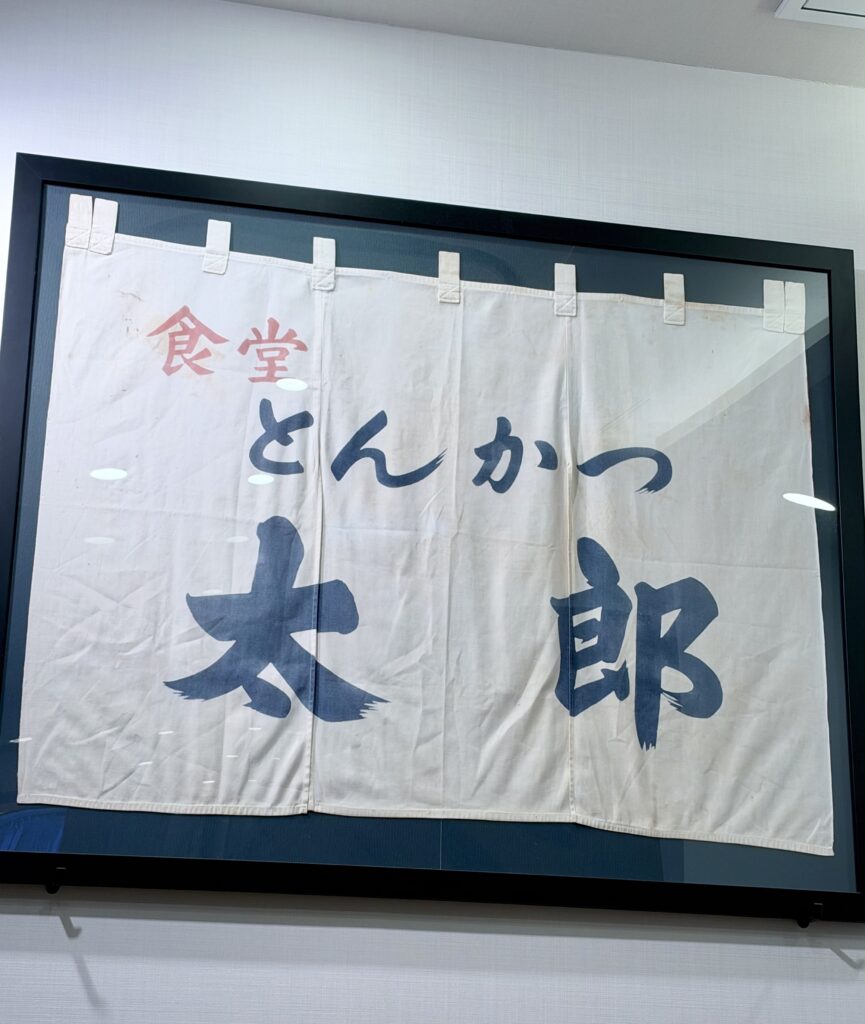
After visiting the art museums, we went to Niigata Station'sTonkatsu Taro CoCoLo Niigata StoreWe headed to "[restaurant name]". There were several other places we wanted to go that day, but they were all booked up and we couldn't get in, so this was the last place we ended up.
I ordered Niigata's specialty, Tare Katsu Don (pork cutlet rice bowl with sauce). Unlike typical katsu don, which is topped with egg, this one features thinly fried pork cutlets dipped in a sweet and savory soy sauce-based sauce and then placed directly on top of rice.
Tonkatsu Taro is known as the birthplace of Niigata-style tarekatsudon (pork cutlet rice bowl with soy sauce). The restaurant's history dates back to the early Showa period, when the center of Niigata City was surrounded by canals, and many food stalls lined its banks. The first owner, Michitaro Komatsu, ran one of these stalls, and he served "katsulets," which were still a relatively modern dish at the time, dipped in soy sauce-based sauce and placed on top of rice. This became popular and eventually became established as Niigata's unique katsudon.
In Niigata, a port town that embraced Western culture early on, the Western-style cutlet was combined with Japanese soy sauce-based dipping sauce and rice. Considering this, tarekatsudon (pork cutlet rice bowl with sauce) is also a dish born from Niigata's modern history.
As I ate, looking at the old "Shokudo Tonkatsu Taro" noren (shop curtain) still displayed inside the restaurant, it became clear that this dish wasn't just a tourist attraction, but a dish that had been enjoyed in Niigata since the early Showa period.

comment