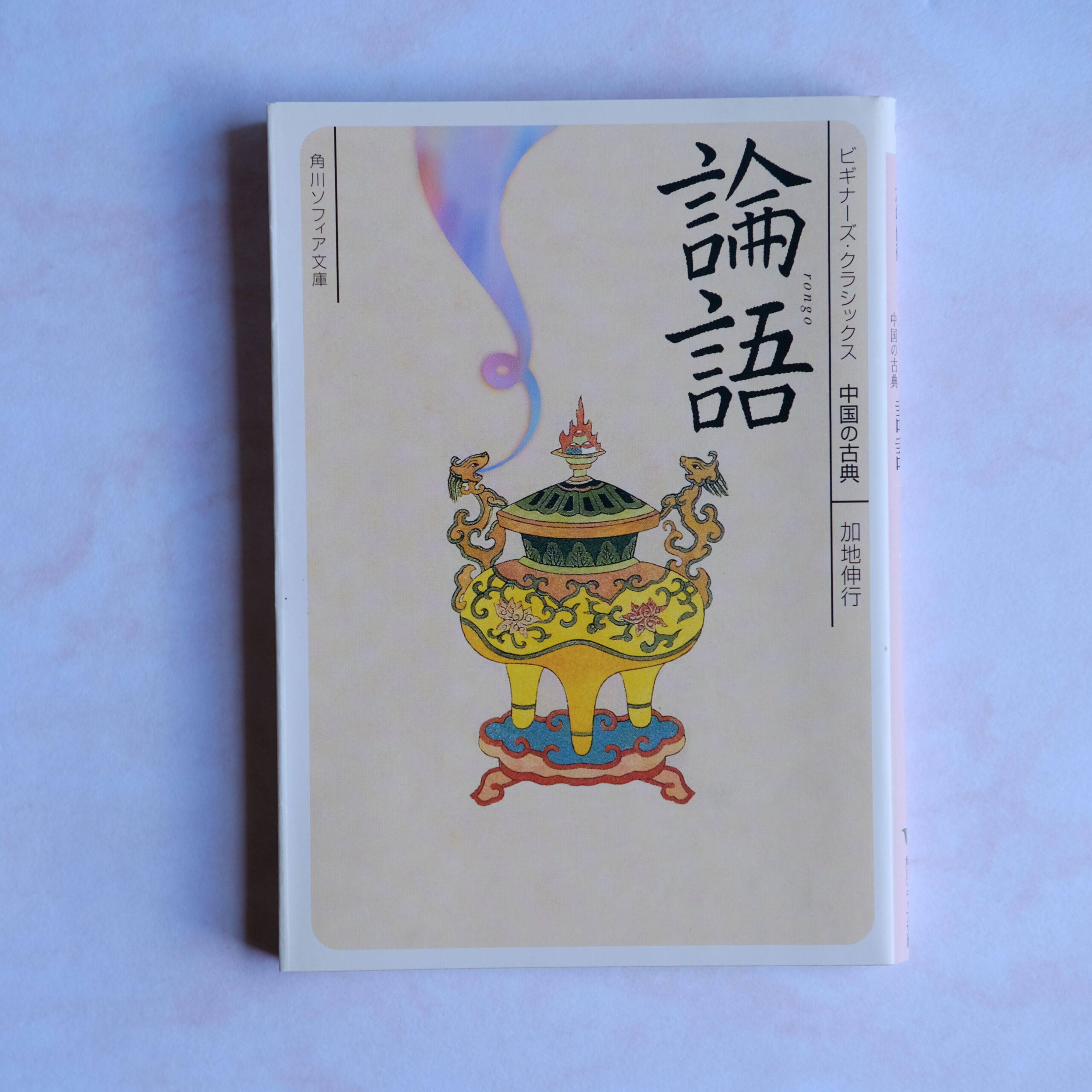
-the oriental thought-
point
Those who embody benevolence and propriety are saints.
Those who aspire to be saints are gentlemen.
A virtuous person is a realistic ideal.
A seemingly charming orator may lack integrity.
Confucius
Front 551-479
Chinese thinker
Confucius lived during the Spring and Autumn period, a time of political turmoil and social upheaval. It was in this harsh environment that the Analects were born. The key concepts are benevolence (ren) and propriety (li).
The first meaning of "ren" is that there are two people. Humans perceive themselves through the existence of others. Confucius considered "ren" to be the highest morality, and he said that "ren" is fundamentally about loving others, especially love for parents, siblings, and family, and that "ren" is the sense of solidarity that extends that love to others. "Li" is a mode of behavior that is appropriate to one's status. While "li" refers to customs and traditions, it is important that these are imbued with feelings such as love and respect.
The Analects of Confucius later developed into Confucianism. It was imported to Japan and widely read by the Japanese, thus influencing their moral values and sensibilities.
First time: 2017/1/19
Author: Confucius
Author: Nobuyuki Kaji
Paperback: 270 pages
Published by: Kadokawa Bunko
Thank you for reading. Goodbye for now. Take care :)
comment