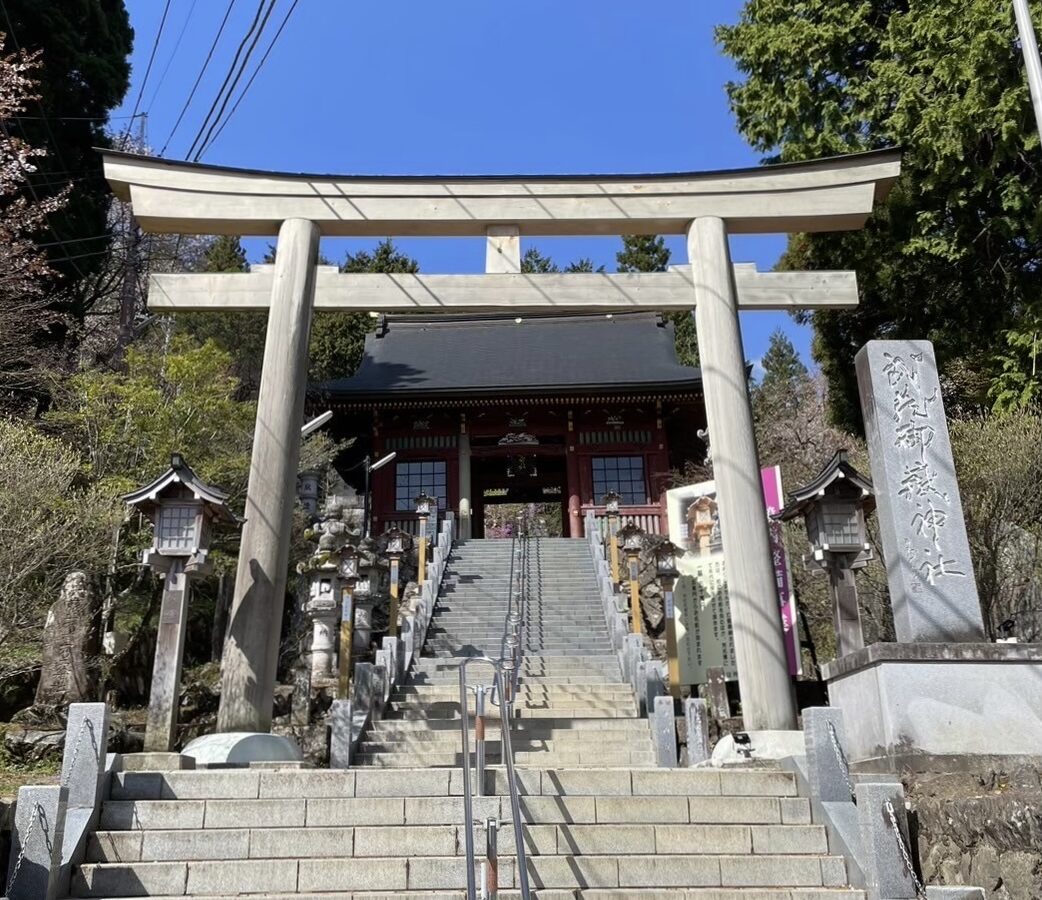
- Even in Tokyo, there are still mountains where wolves are worshipped as gods.
- It all begins with a single "wolf amulet."
- "Ko" - a group that connected the mountains and the villages.
- Oshi - beings who connected the mountains and people.
- Why did the wolf become "Lord Dog"?
- From Musashi Mitake Shrine to Mt. Otake
- "It can be a chore if you do it alone, but if you do it together, it can bring laughter."
- From Mount Mitake to Mount Mitsumine and Mount Oyama—Mountain worship spreading throughout the Kanto region
- Access to Musashi Mitake Shrine from central Tokyo
Even in Tokyo, there are still mountains where wolves are worshipped as gods.
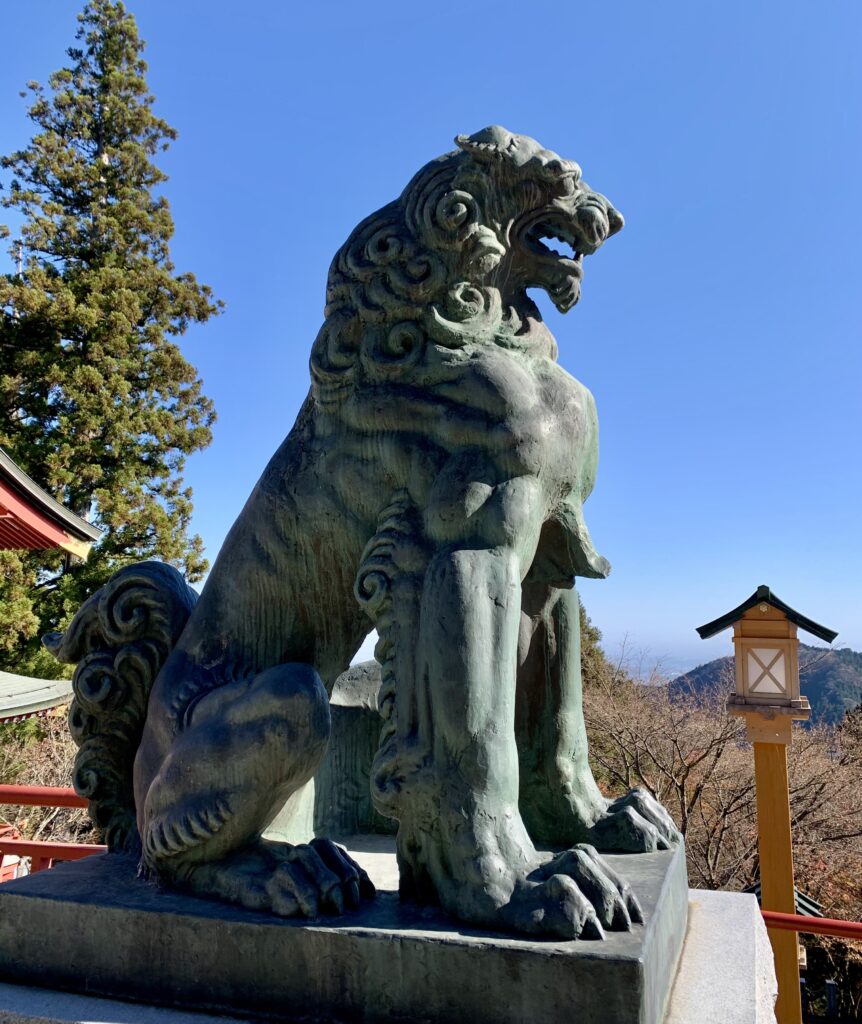
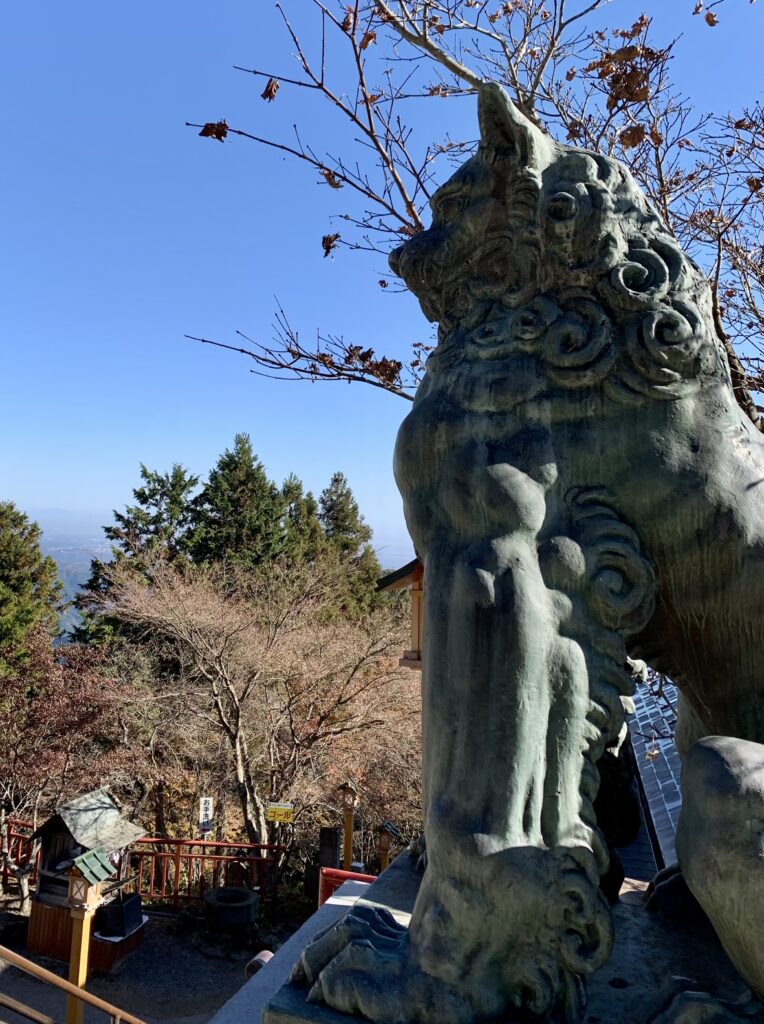
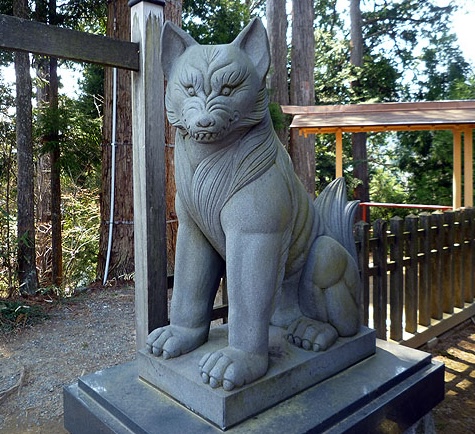
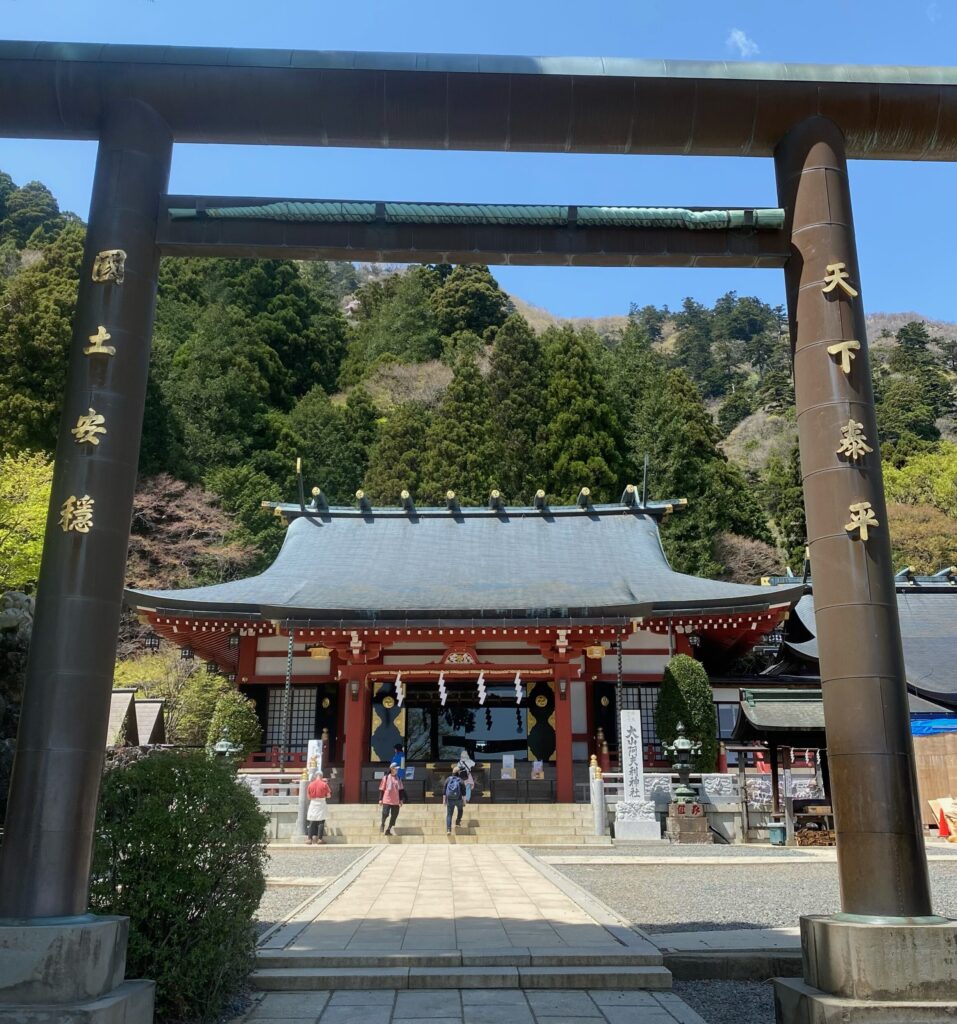
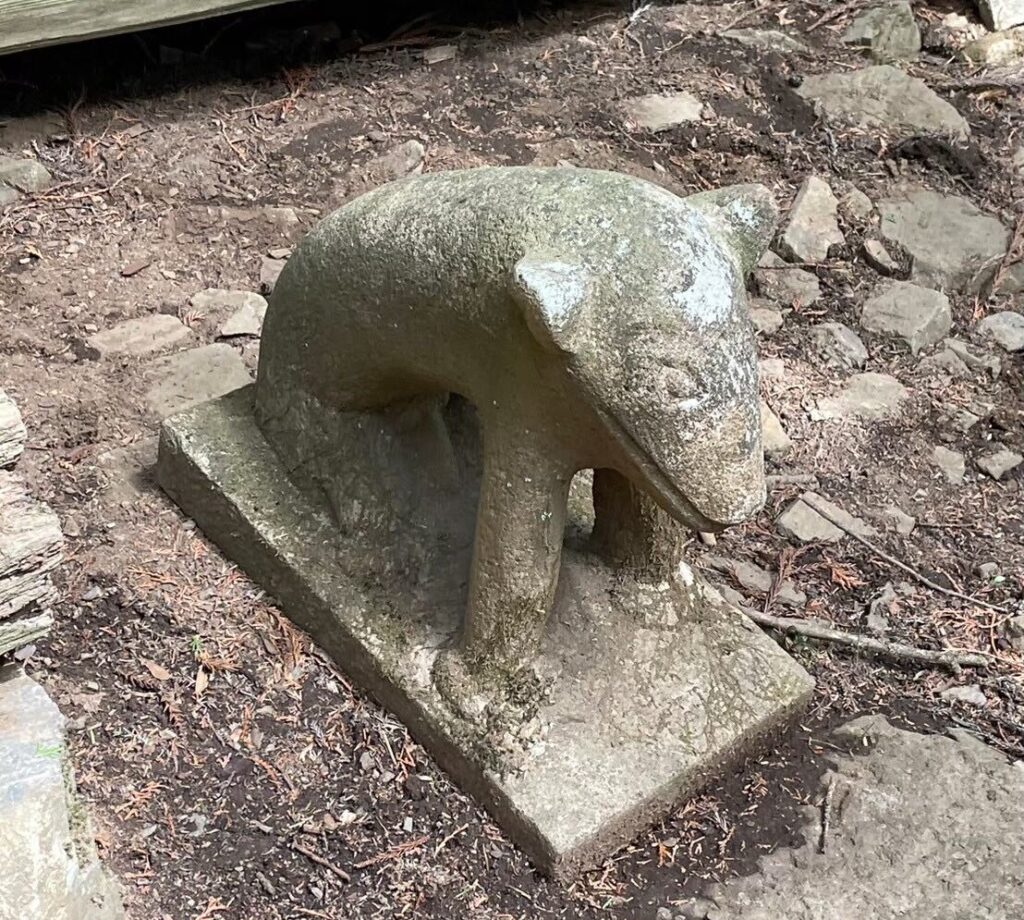
Mount Mitake in Ome City, Tokyo. At the Musashi Mitake Shrine, located on its summit, the deified Japanese wolf, "Ōguchi Magami," has been worshipped and known as "Oinu-sama" (Lord Dog).
Why were they using wolves instead of dogs? And in an era without trains or cable cars, why did people go to such lengths, spending days traveling to distant mountains to make pilgrimages?
Mieko Ogura's book, "The Wolf's Amulet," attempts to answer that question by tracing it through an old amulet.
This book has changed my perspective on Musashi Mitake Shrine, which I have visited every year for the past few years.
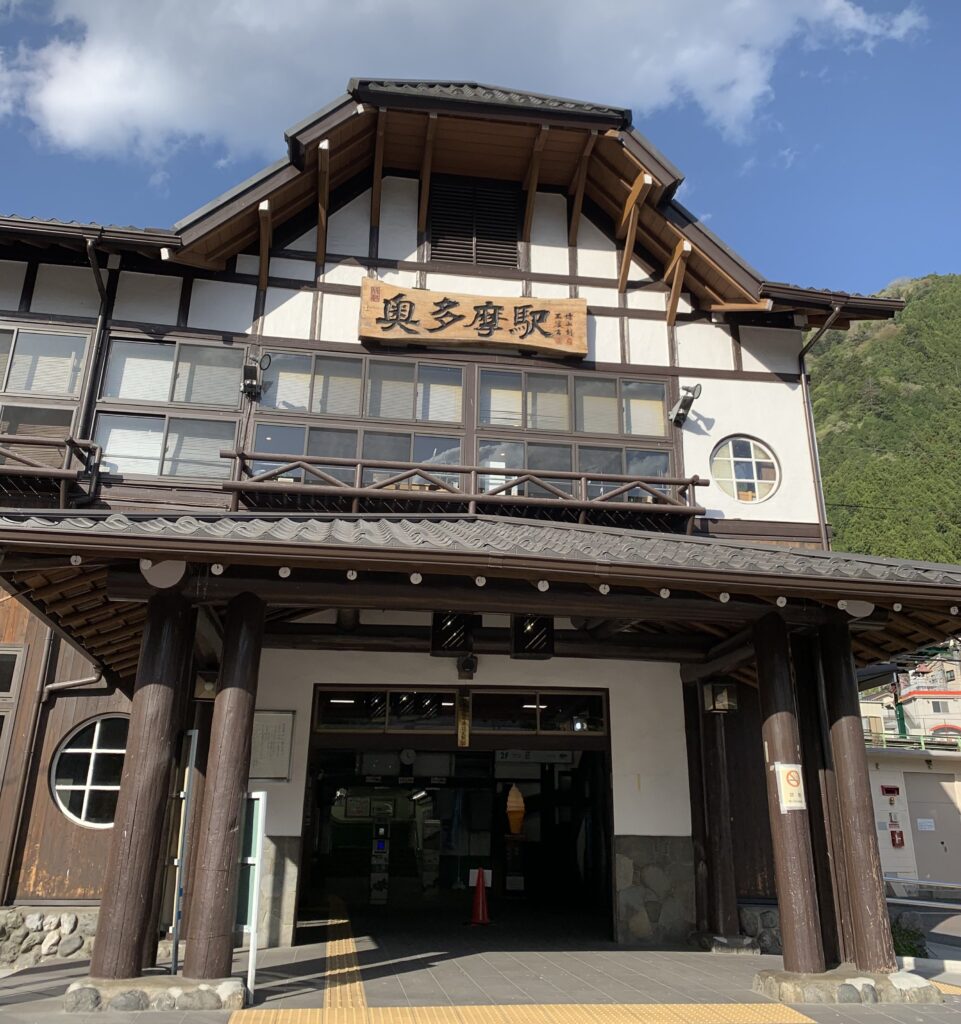
This time, I didn't just stop at visiting the shrine; I climbed Mount Otake, then traversed to Mount Nokogiri, and returned to Tokyo from Okutama Station.
Using "The Wolf Amulet" as a starting point, I will consider the wolf worship that still remains in the mountains of Tokyo, the connections between people known as "ko" and "oshi," and my impressions from actually walking from Mount Mitake to Mount Otake and Mount Nokogiri.
It all begins with a single "wolf amulet."
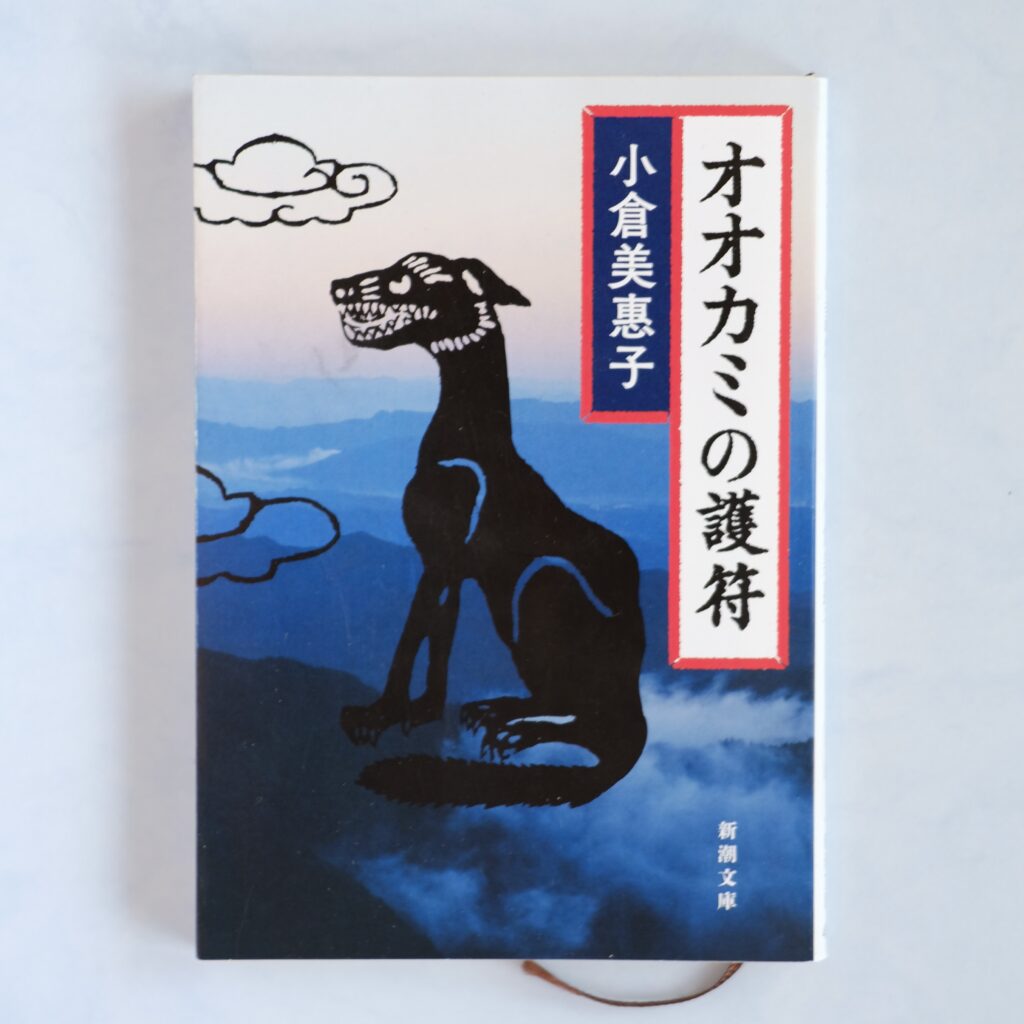
From a single "Oinu-sama" amulet found in an old storehouse in Kawasaki,
This book traces the history of mountain worship in the Kanto-Koshin region, starting with Mount Ontake.
The story of "The Wolf's Amulet" begins with an amulet that was left behind in the author Mieko Ogura's family home.
The location is Tsuchihashi, Miyamae Ward, Kawasaki City, Kanagawa Prefecture. Although it is now an urban area lined with houses, it was a place where people who engaged in agriculture lived until about three generations ago.
An old storehouse belonging to the Ogura family had a protective amulet (shown on the book's cover) with a black beast depicted on it pasted on it.
Although it had always been called "Oinu-sama" (Lord Dog) at home, its true identity remains unknown. Why would a farmhouse in Kawasaki have a talisman depicting a wolf-like beast?
Tracing this mystery leads us to Mount Mitake in Tokyo, far away from the city, and to the "ko" communities that once existed in various regions.
Behind a single, worn-out amulet lay a vast network of faith connecting the mountains and rural villages.
"Ko" - a group that connected the mountains and the villages.
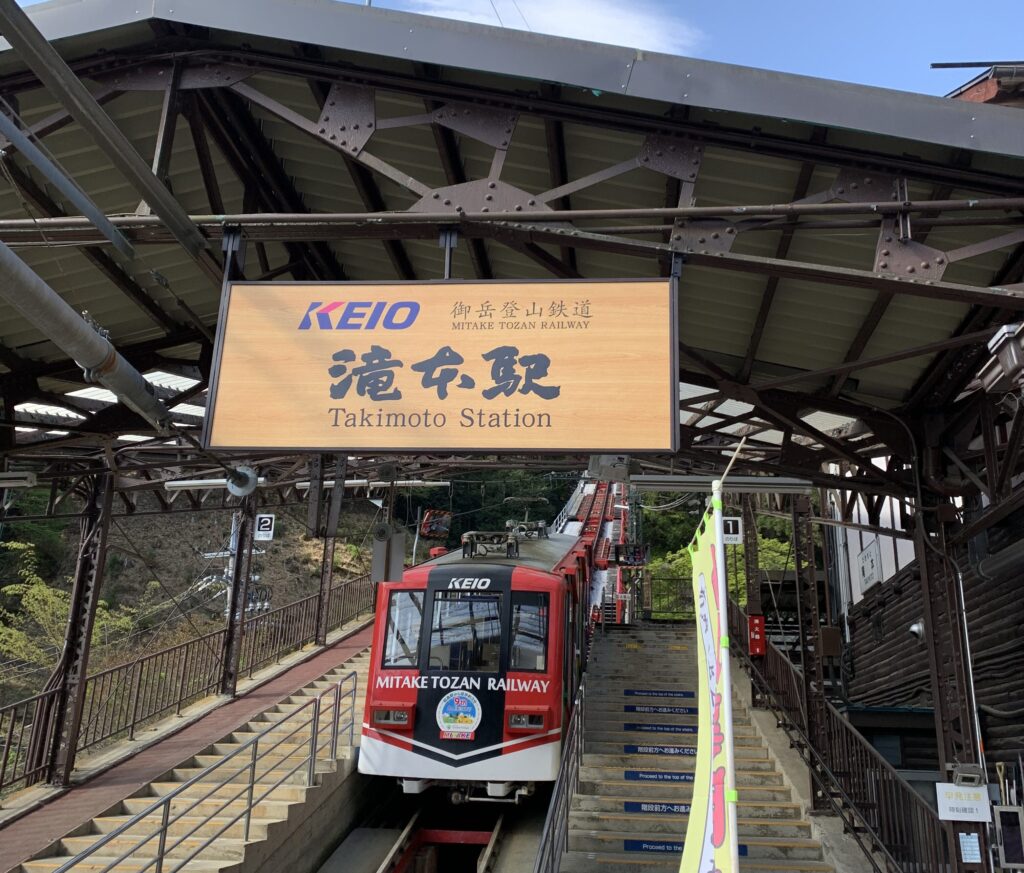
Currently, you can reach the top of the mountain by cable car,
In the past, members of the religious group would travel from distant villages to Mount Ontake on foot.
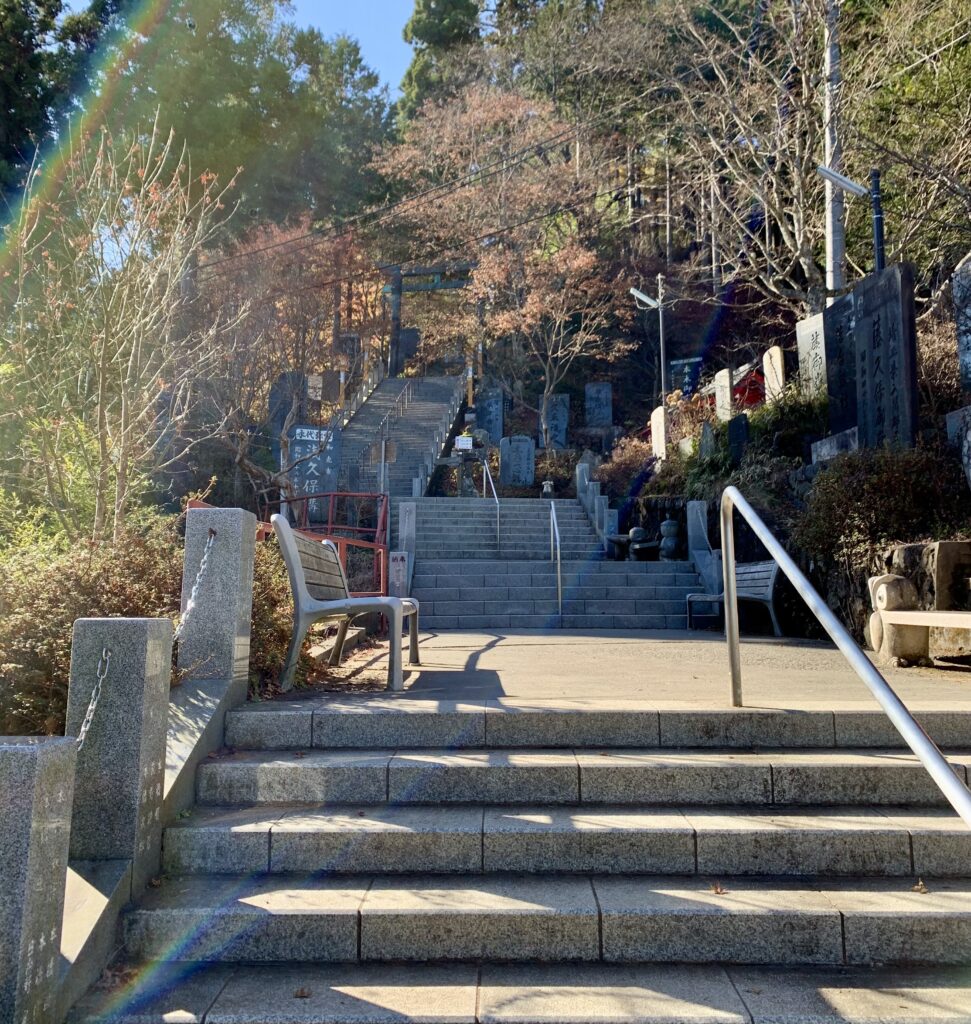
What particularly interested me after reading "The Wolf's Amulet" was the system known as "ko" (religious association).
In modern times, if you wanted to go to Mount Mitake, you could take a train alone, then use a bus and cable car to reach Musashi Mitake Shrine in the same day.
That wasn't the case in the past, of course.
People from the same region who worship the same god or Buddha gather together to form a "ko" (a religious association), and a representative is chosen from among them. The representative carries the money and prayers entrusted to them by everyone and heads to a distant mountain.
In an era when there were no modern transportation or mountaineering equipment, people living in low-lying plains attempted to reach the mountains on foot.
I believe there was a deep awe and prayer towards nature there, something that cannot be fully explained by the current term "visiting power spots."
If you're involved in agriculture, you can't completely control whether it rains, whether typhoons come, or whether your crops grow successfully.
We receive blessings from nature, yet at the same time, we fear it.
Mountain worship, which involves praying for a bountiful harvest and the safety of the village, originated from such a way of life.
Oshi - beings who connected the mountains and people.
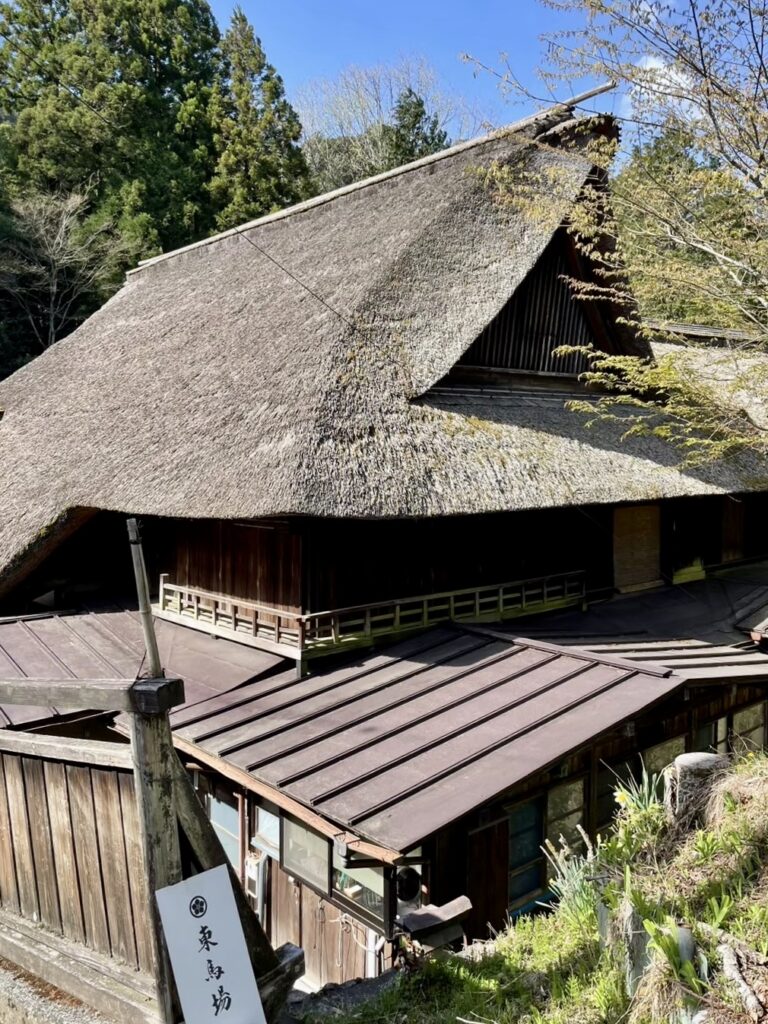
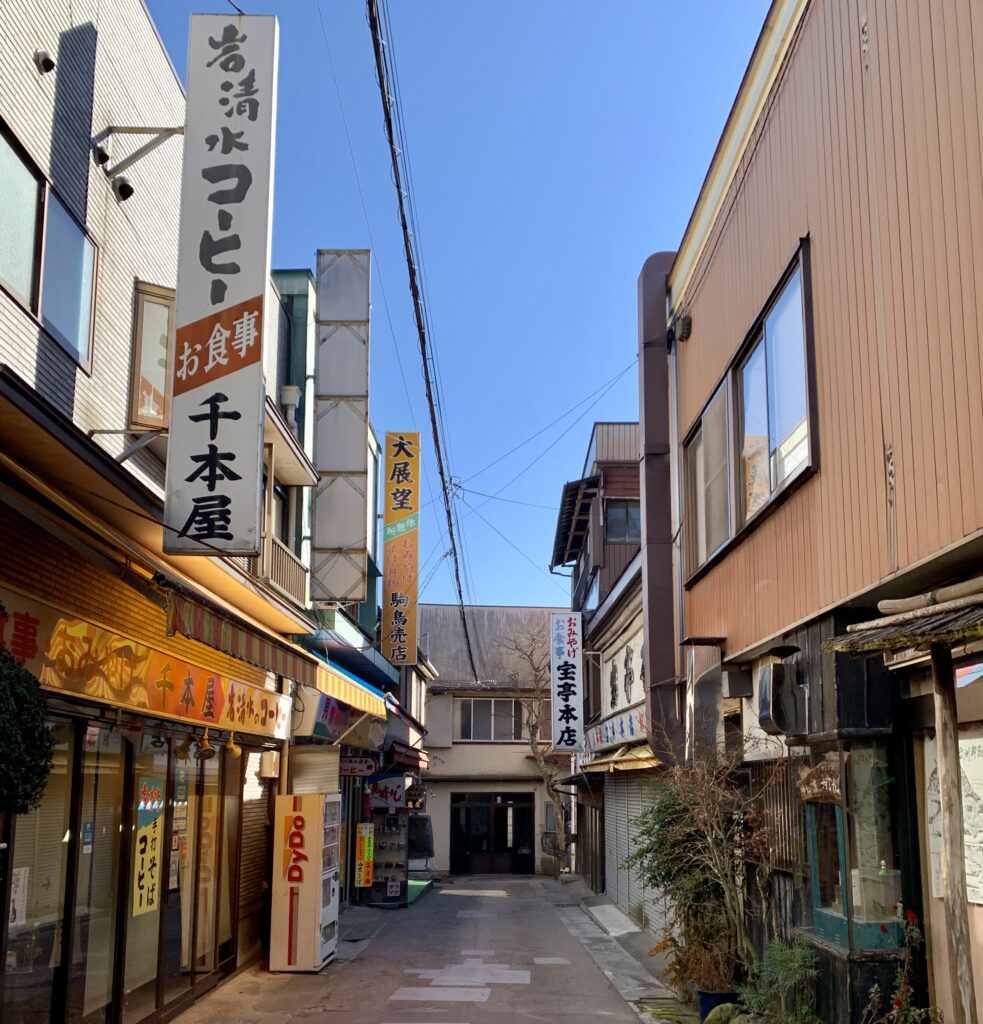
This is the residence of the Baba family, who have served as priests of Musashi Mitake Shrine for generations.
This tradition of welcoming people into religious groups is still passed down to the present day.
Just as important as the religious associations are the "Oshi" (religious guides).
Oshi were people who welcomed believers who came to the mountains from various regions, guided them on their pilgrimages, and took care of them with prayers and lodging.
When I was hiking on Mount Mitake, I took a picture of a large thatched-roof building.
This is the residence of the Baba family, known as "Higashi-Baba," who served as Shinto priests.
When I first visited, my impression was simply, "Wow, there are some amazing thatched-roof buildings left."
However, when you reread "The Wolf's Amulet" and then look at the photograph, its meaning changes completely.
This was not just an old farmhouse, but a building that preserved the culture of "Oshi," who welcomed people from distant villages who came to Mount Ontake and supported their pilgrimages to the mountain.
The words "ko" and "oshi" that appear in this book suddenly come to life as buildings right before your eyes.
A photograph taken casually while traveling may later take on meaning after reading a book about it.
I think this is also part of the enjoyment of exploring a place after learning about its history and folklore.
Why did the wolf become "Lord Dog"?
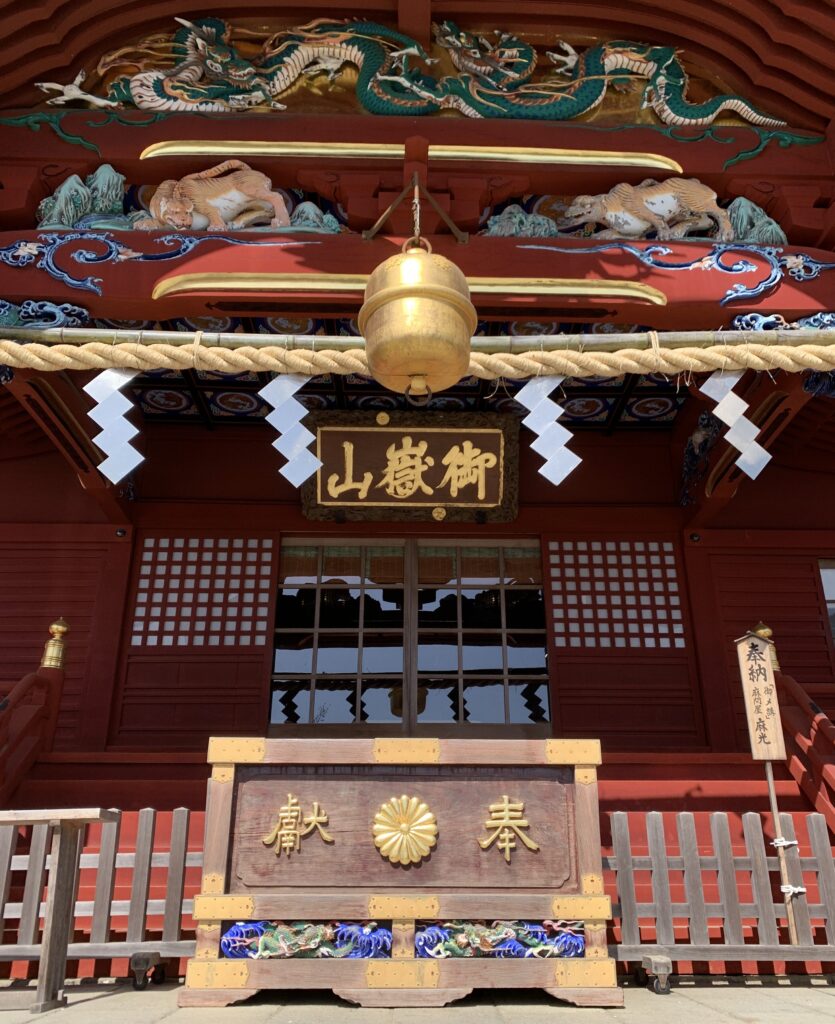
Mount Ontake has long been a sacred site for mountain worship, attracting many religious groups and pilgrims.
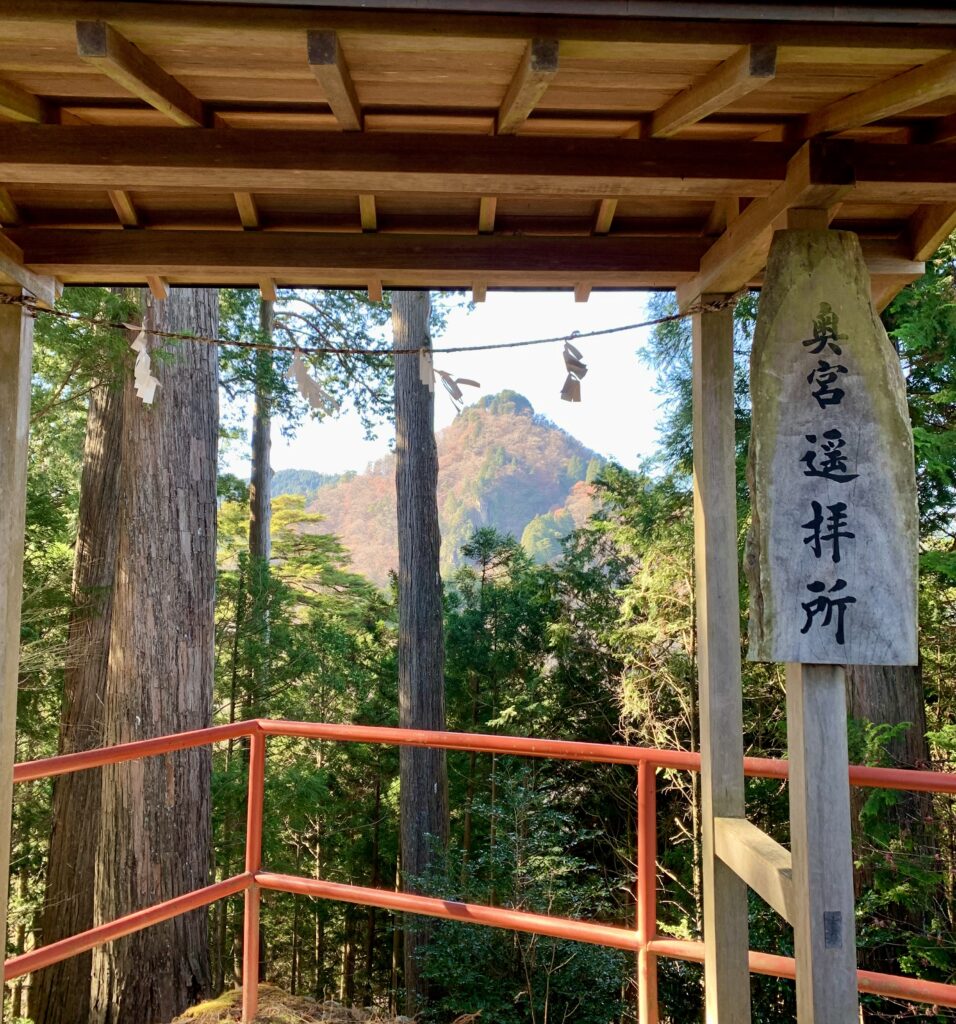
So why did wolves become gods on Mount Mitake?
At Musashi Mitake Shrine, Okuchi Magami is worshipped and referred to as "Oinu-sama" (Lord Dog).
According to legend, when Prince Yamato Takeru got lost in the mountains during his eastern expedition, a white wolf appeared and guided him back to his starting point.
It is said that the wolf subsequently became a guardian of Mount Mitake.
However, what is interesting when considering wolf worship is that wolves were not merely mythical creatures.
In the past, Japanese wolves actually inhabited the mountains of Japan.
While wolves are fearsome wild animals to humans, they also prey on deer and wild boars that damage crops.
From the perspective of rural communities, they also served to control the harmful animals that came down from the mountains.
It's terrifying. But it also protects us. It possesses a power that humans cannot control.
That's why, instead of simply eliminating that power, they tried to enshrine it as a god and make it their ally.
There, we can see the view of nature held by people who have coexisted with it in awe, rather than trying to completely conquer it.
From Musashi Mitake Shrine to Mt. Otake
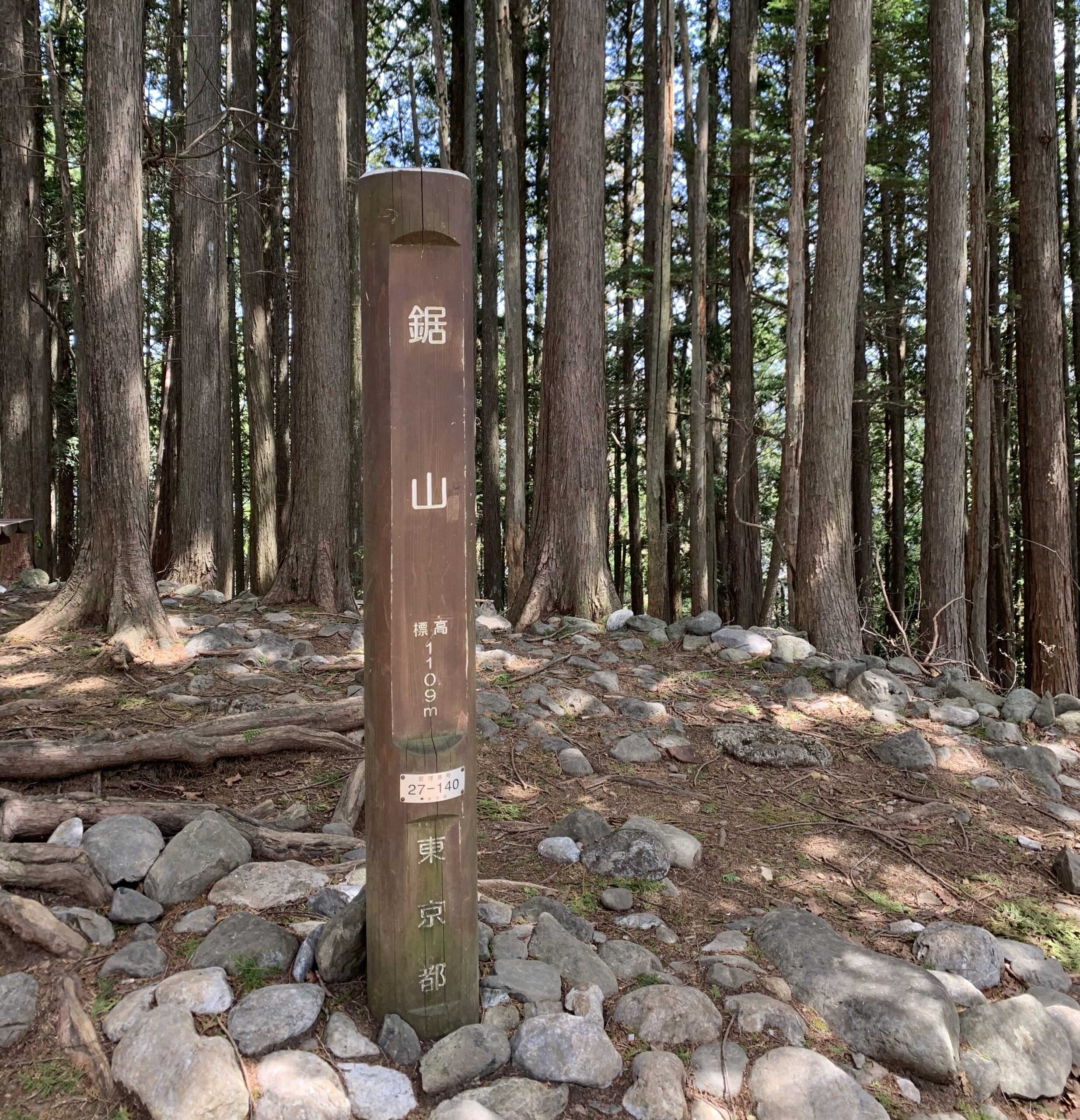
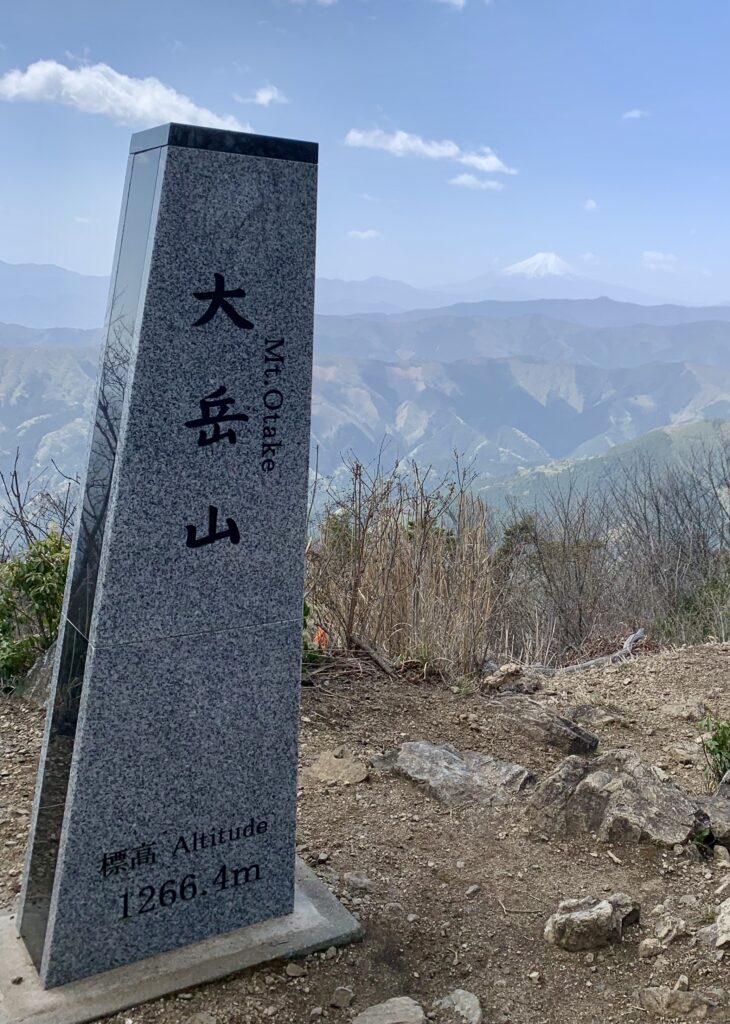
After visiting Musashi Mitake Shrine, I continued walking through the mountains and gazed upon Mount Fuji from the clear mountaintop.
After visiting Musashi Mitake Shrine, you can also descend the mountain directly.
Normally, I would climb Mt. Hinode, descend, soak in Tsurutsuru Onsen, and then return to Tokyo. However, this time I went even further to Mt. Otake.
As you move away from the area around Mount Mitake, which is frequented by tourists and worshippers, the paved path gradually transforms into a mountain trail.
We walk through the trees, pass through the torii gate, and ascend in elevation.
Then we crossed Mount Nokogiri and headed to Mount Otake. The summit is 1266 meters above sea level.
The weather was perfect on the day I climbed, and I was able to see Mount Fuji in the distance from the summit.
Having walked this far, the term "mountain worship" ceases to be merely a historical term.
Even wearing modern hiking boots and walking on well-maintained trails, you'll still sweat profusely and feel exhausted.
Moreover, people in the past walked long distances from villages on the plains to reach this mountainous region.
I believe that there, not only was "praying at the shrine on the mountaintop" part of the prayer, but the act of continuing to walk towards the mountain itself was already a part of the prayer.
"It can be a chore if you do it alone, but if you do it together, it can bring laughter."
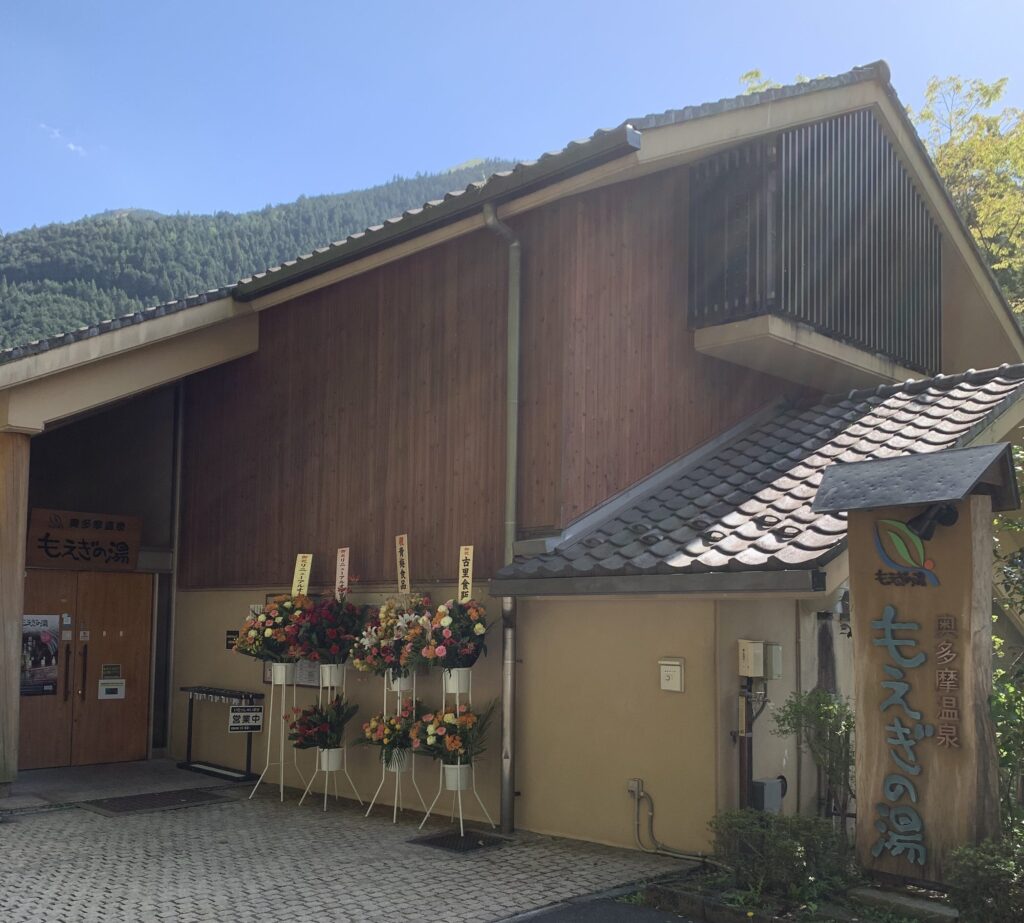
A hot spring facility you can visit after descending from the Mt. Otake and Mt. Nokogiri area.
There is a phrase in this book that particularly resonated with me.
"It can be a chore if you do it alone, but if you do it together, it can bring laughter."
Understanding the structure of the "ko" system helps to clarify the meaning of this word.
We choose a representative from our group of colleagues and climb the mountain with prayers in our hearts. Then, we all listen to the stories of those who return safely. At that point, the Shinto priest also comes to the village.
Currently, what we imagine when we hear the word "faith" may be too biased towards the relationship between the individual and God.
However, the beliefs depicted in "The Wolf Amulet" involve not only the connection between nature and people, but also the connection between people themselves.
As you read this book, you begin to see that mountain worship is not just about "believing in mountains," but also about a social system that humans have created to survive in nature.
I climbed this mountain with my vintage enthusiast friends. When things got tough, we all laughed together, encouraged each other, and looked out for one another, making the climb enjoyable.
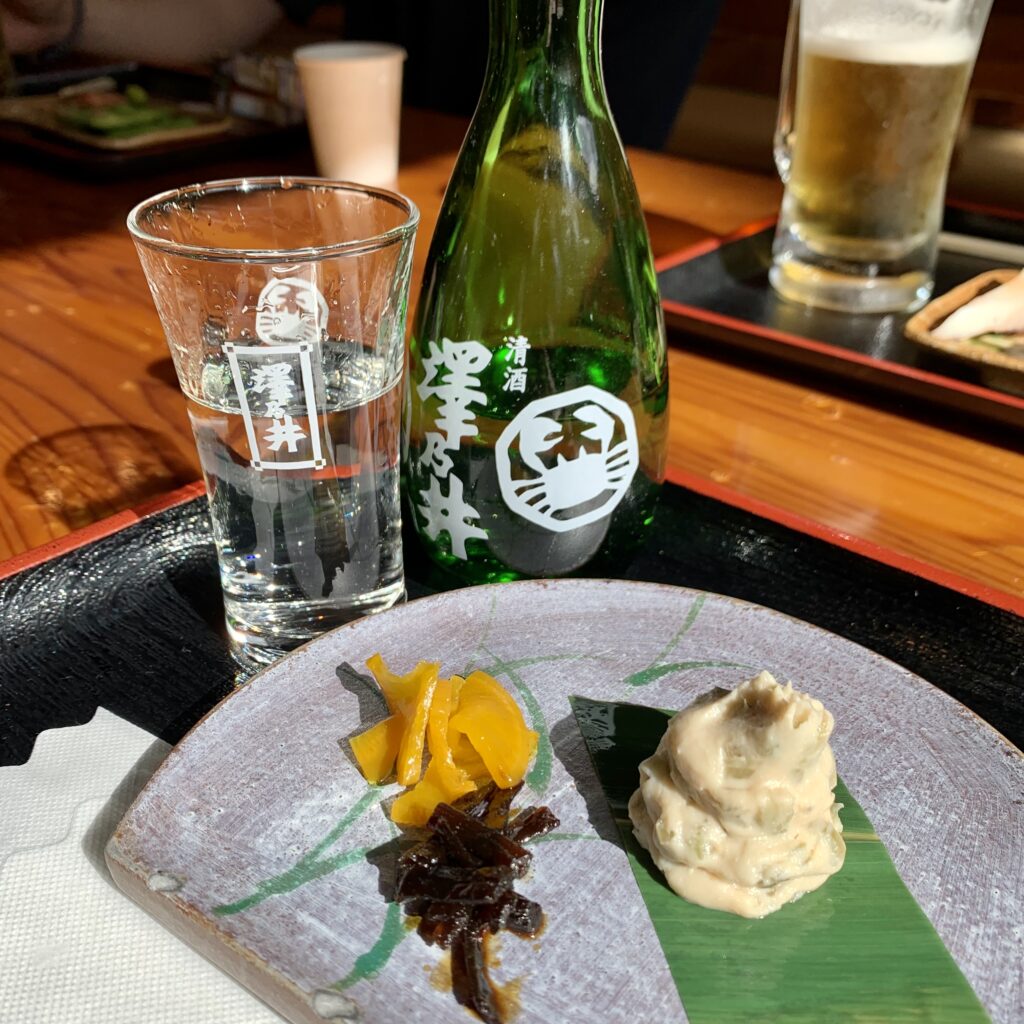
After descending the mountain, I stopped at "Moegi no Yu" on the way to Okutama Station, enjoyed some Sawanoi sake and soba noodles, and had a very fulfilling mountain climb.
From Mount Mitake to Mount Mitsumine and Mount Oyama—Mountain worship spreading throughout the Kanto region
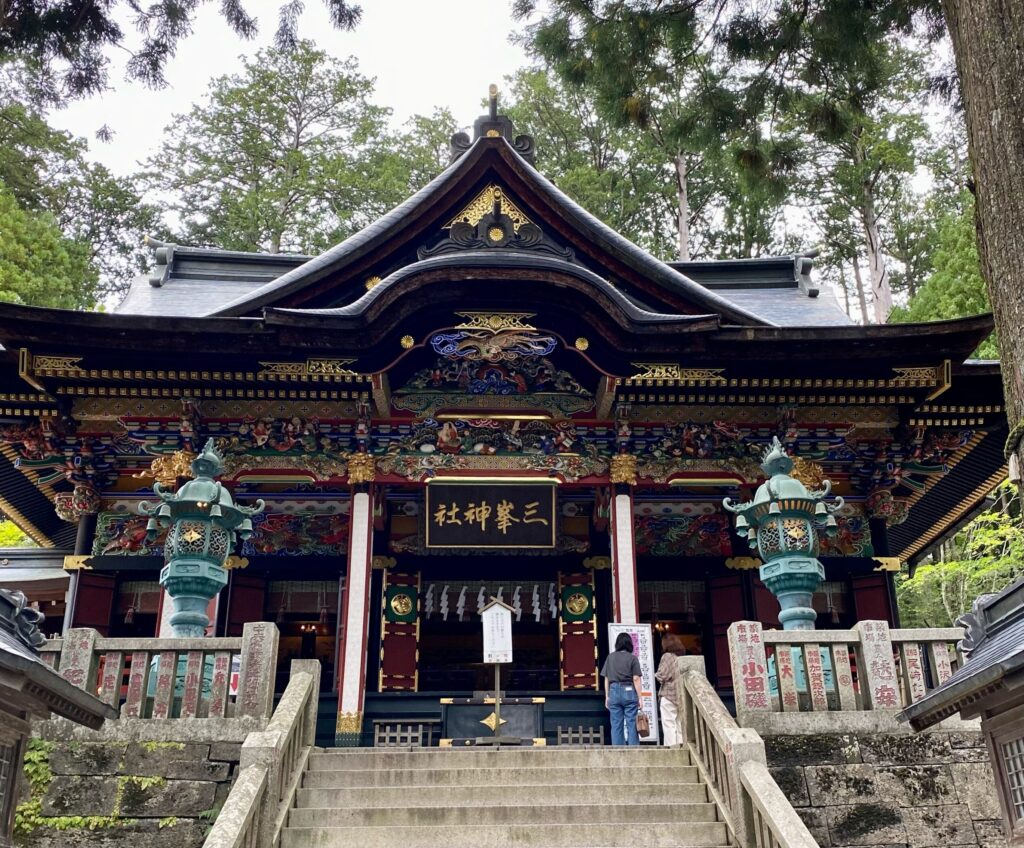
What I find interesting while reading "The Wolf's Amulet" is that you can't see the whole picture of this belief just by looking at Mount Ontake.
This book expands its focus from Mount Ontake to include Mount Oyama, Mount Mitsumine, and other mountains in the Kanto-Koshin region.
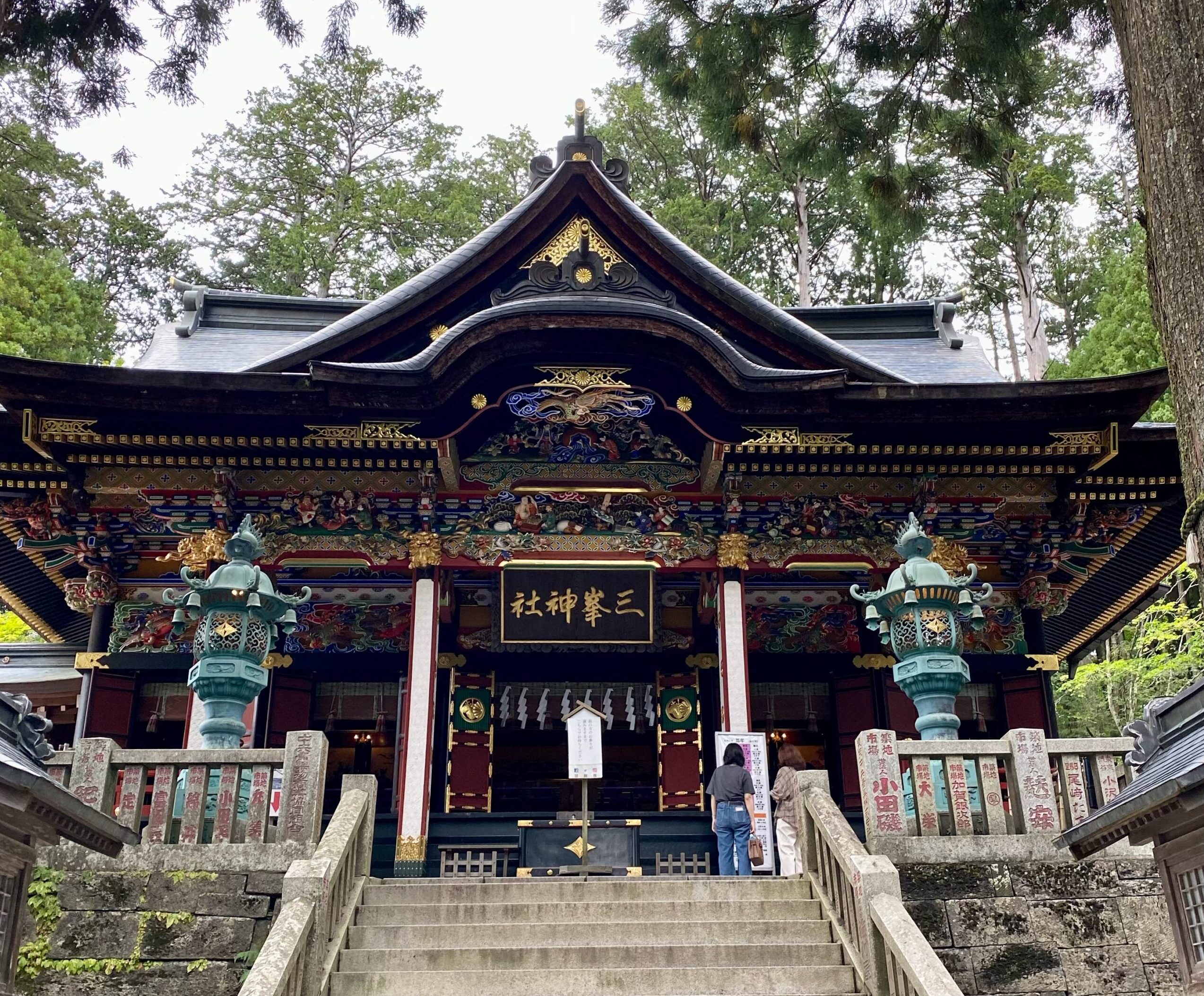
I myself have actually visited both Mitsumine Shrine and Oyama Afuri Shrine.
When we line up these three mountains, we can see that while each has its own distinct characteristics, they share a common culture.
This is the first in a three-part series.
Part 1 | Musashi Mitake ShrineとMount Ontake, Mount Otake, Mount Nokogiri
"The Wolf Amulet" - To Musashi Mitake Shrine, which enshrines wolves.
Part 2 | Mitsumine Shrine and Myohogatake Mountain
The wolves of Mitsumine—Visiting the belief in divine guardian spirits
Part 3 | Oyama Afuri Shrine and Oyama
The Oyama Pilgrimage and the Oyama Sect: Why did people in Edo head to the mountain?
Access to Musashi Mitake Shrine from central Tokyo
Finally, for those who are planning to visit, here is a summary of basic access using public transportation.
*The following information is current as of September 2026. Train, bus, and cable car schedules and operating status may change, so please check the latest information from each transportation provider before your visit.
Musashi Mitake Shrine and Mount Mitake | Ome City, Tokyo
Shinjuku Station
↓
JR Chuo Line / Ome Line
↓
Ome Station
↓ Approximately 20 minutes
JR Ome Line, bound for Okutama
↓
Ontake Station
↓ Approximately 10 minutes
Bus to "Cable Under"
↓
Under the cable
↓ Approximately 3 minutes on foot
Ontake Tozan Railway Takimoto Station
↓ Cable car (approx. 6 minutes)
Mount Mitake Station
↓ Approximately 25-30 minutes on foot
Musashi Mitake Shrine
The journey from Shinjuku to Ome takes approximately one hour.
If you only want to visit Musashi Mitake Shrine, you can use the cable car, but if you want to continue on to the Rock Garden, Mt. Otake, or Mt. Nokogiri from there, it will be a proper mountain climb.
On this climb,
Mount Mitake → Musashi Mitake Shrine → Mount Otake → Mount Nokogiri → Okutama area
This is the process.

comment